
Commercial Roofing Services
Storm Damage Roof Repair in Pasadena, TX
A warehouse that reopened its docks on Tuesday can still have a roof that quit working on Monday. Water finds the weak point in the first hour, and the evidence often does not reach the ceiling until the next rain. Storm damage repair in Pasadena, TX starts with a question of order: stop the loss, find the full extent, then fix what the weather exposed.
The first job on a storm roof is not repair. It is reading. Where the wind peeled, where debris landed and where water traveled tell us which repairs come first.
Read the Damage by the Kind of Storm
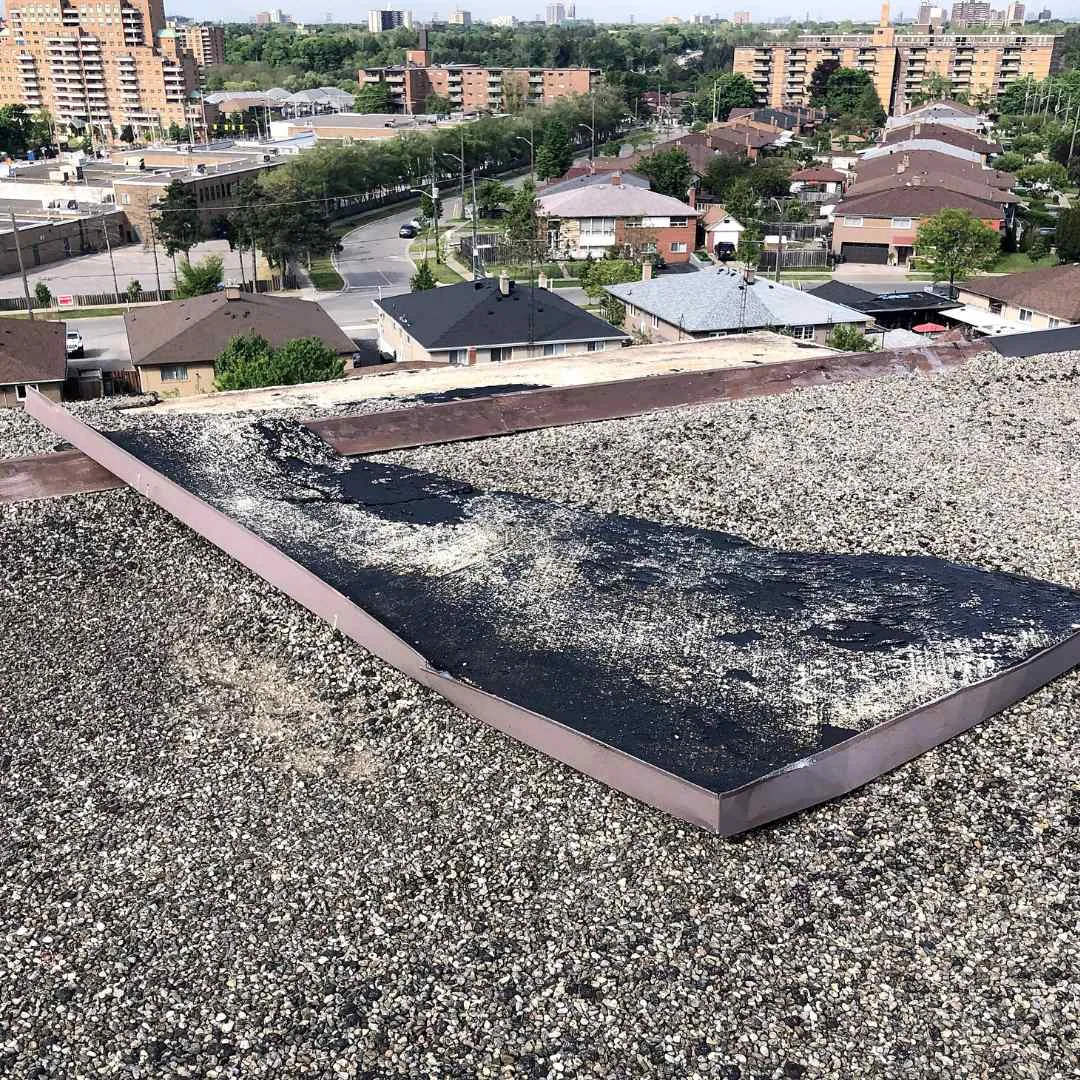
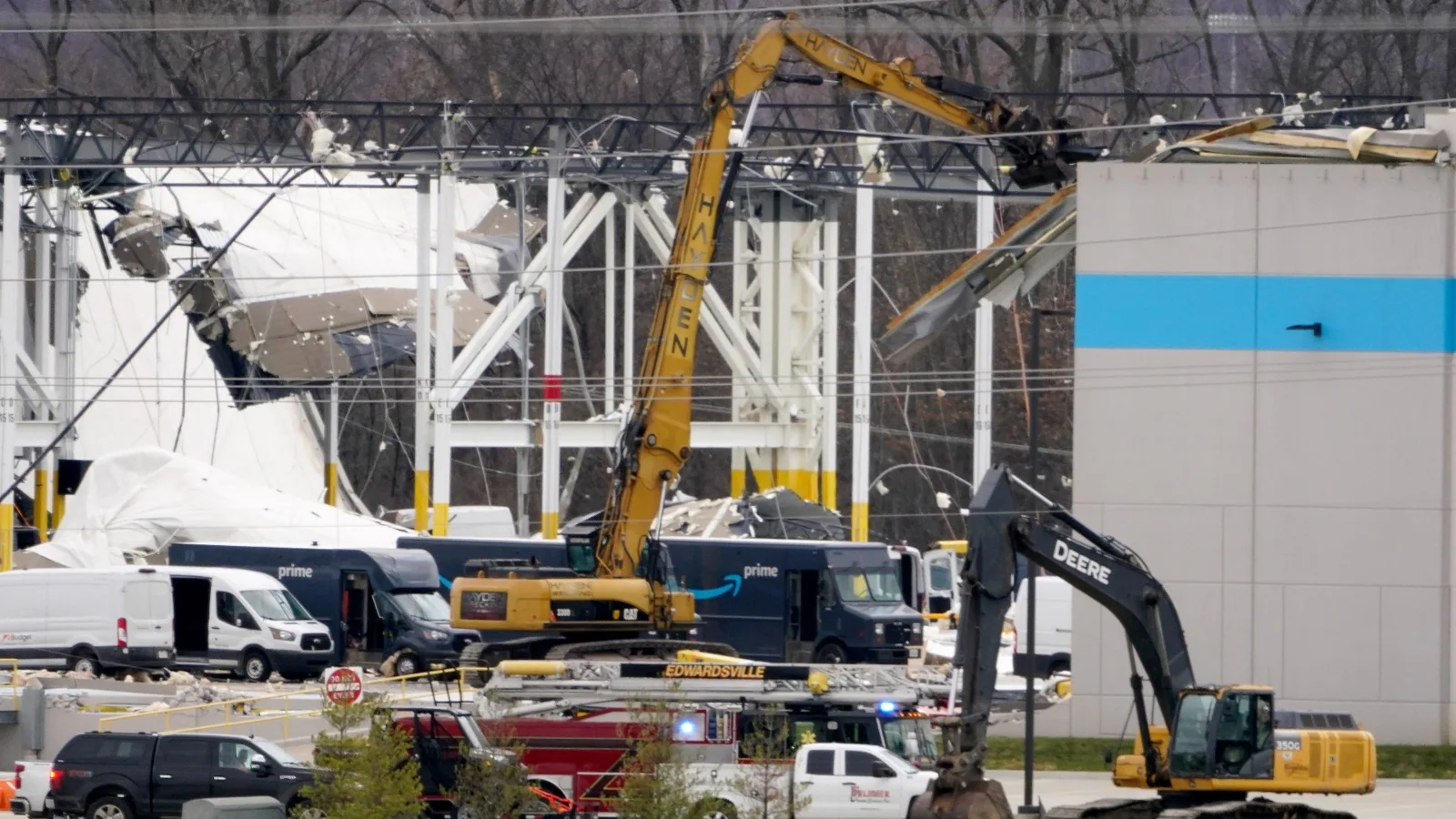
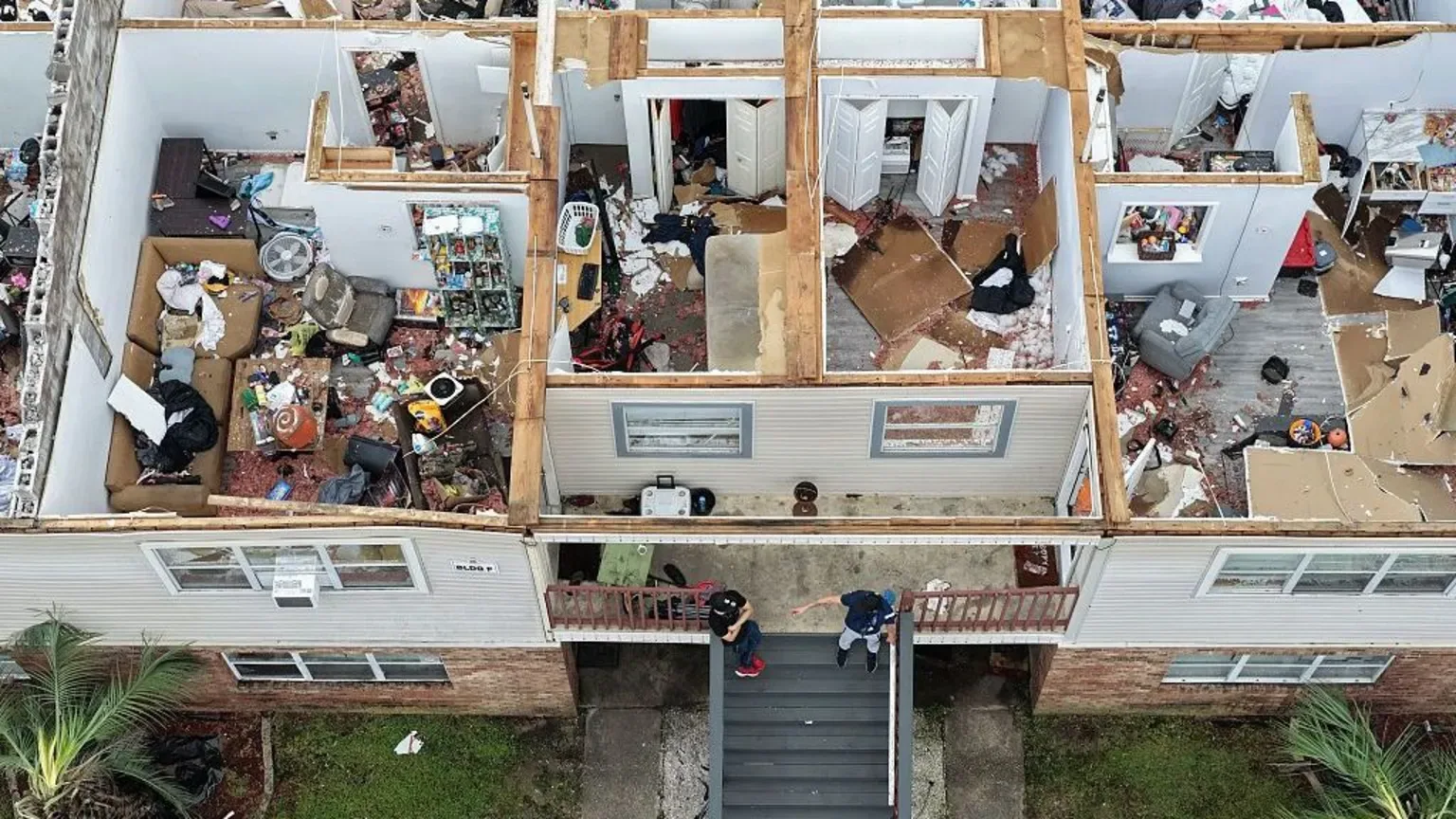
Each storm leaves its own signature. Straight-line wind lifts edges and peels membrane from the perimeter inward, so wind damage is traced from corners and copings toward the field. The January 24, 2023 EF3 tornado crossed Fairmont Parkway with winds near 140 mph and damaged Pasadena Memorial High School and several businesses, which puts impact punctures and displaced rooftop equipment on the list for tornado damage.
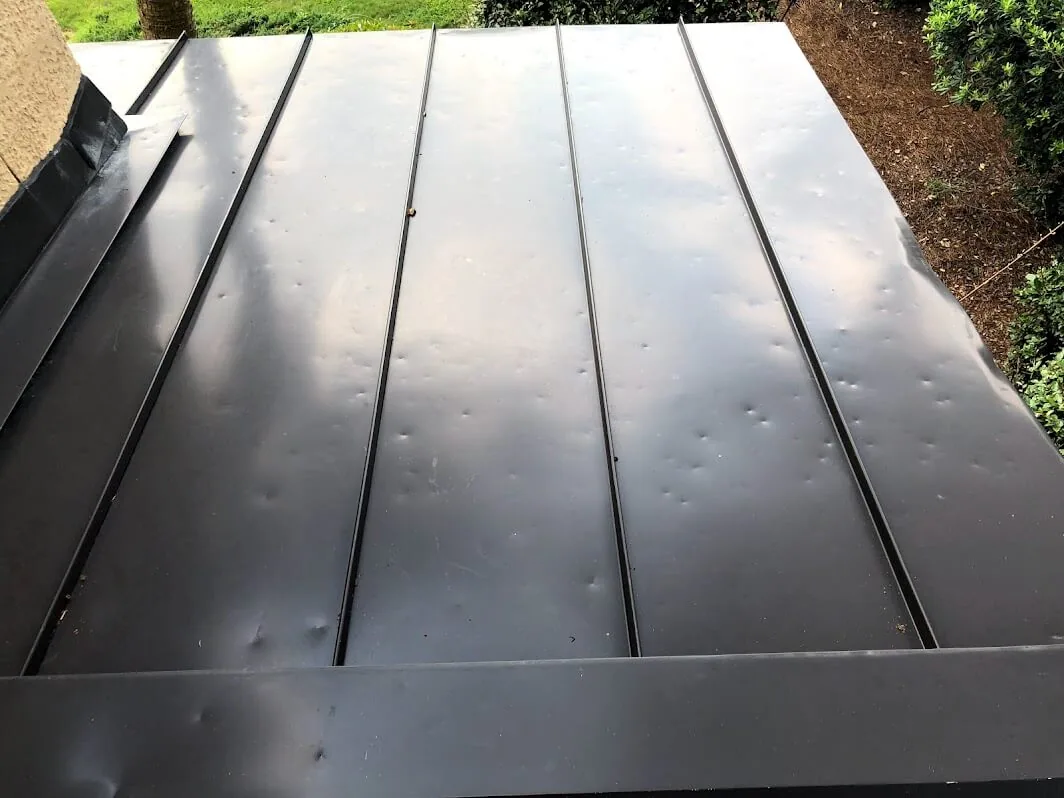
Hurricanes add hours of wind-driven rain, a different problem: water pushed sideways under flashing and laps, which is the pattern behind most hurricane damage. Hail is rarer on this coast, but golf ball size stones fell across the Houston region on April 2, 2013, with 4.5 inch hail near Hitchcock in Galveston County, and hail damage bruises a surface where nothing looks open.
Walk the Edges, Penetrations and Drains First
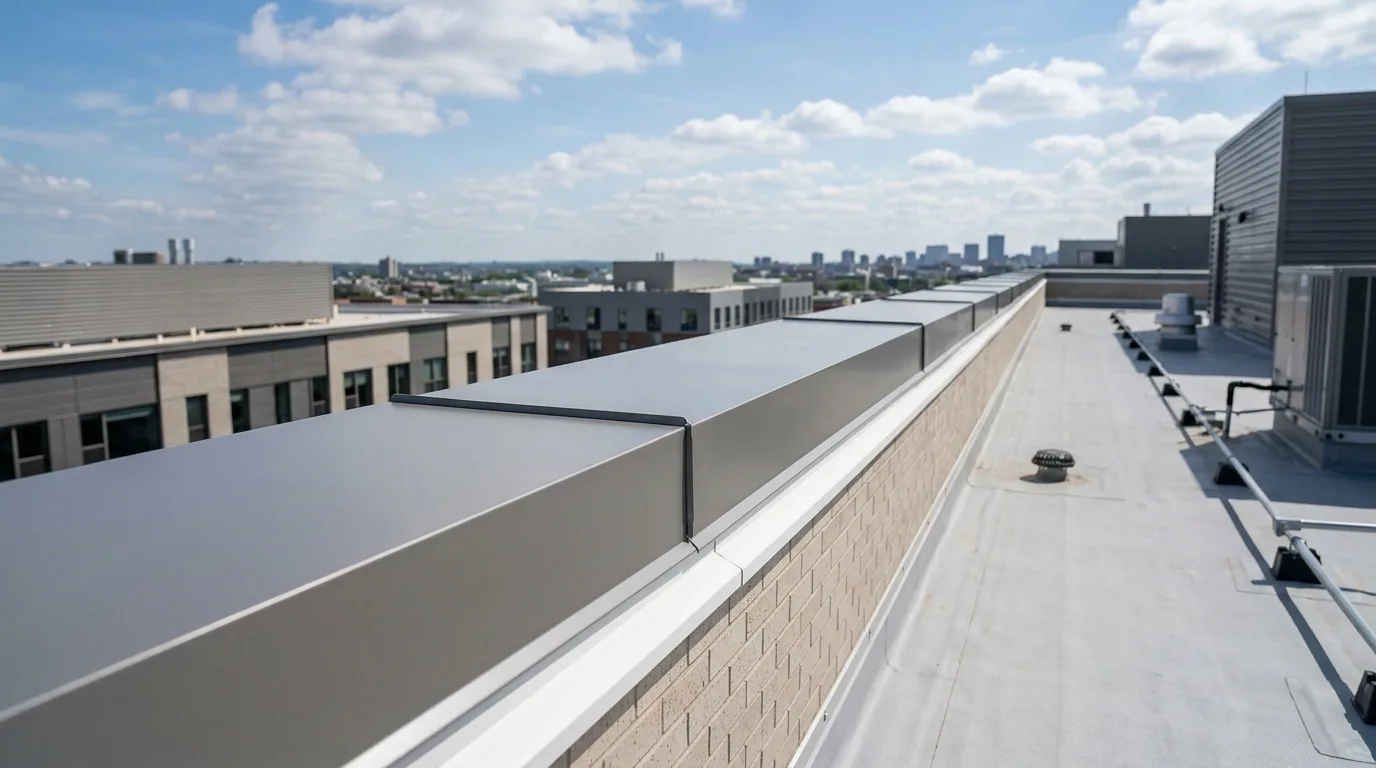
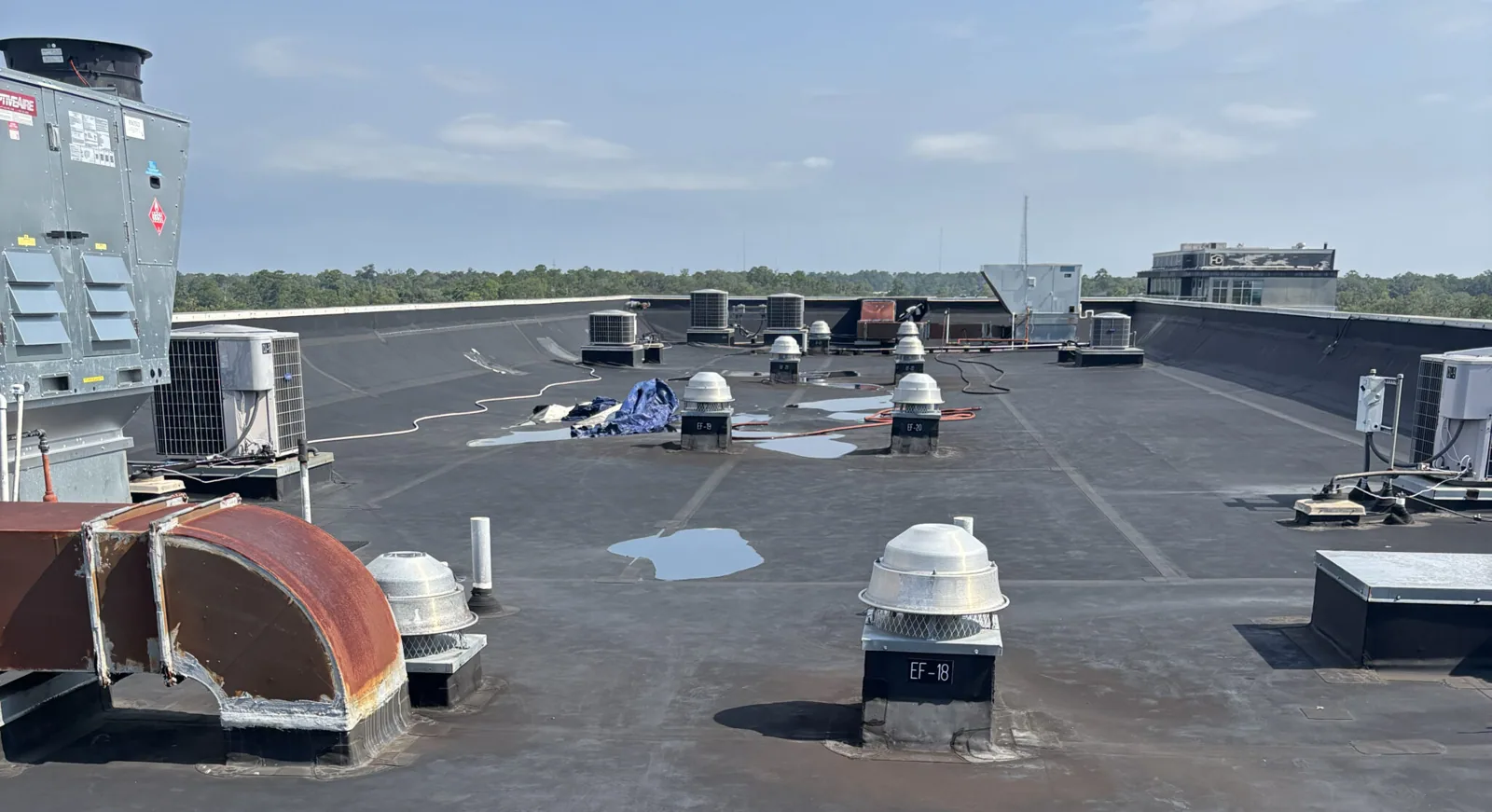
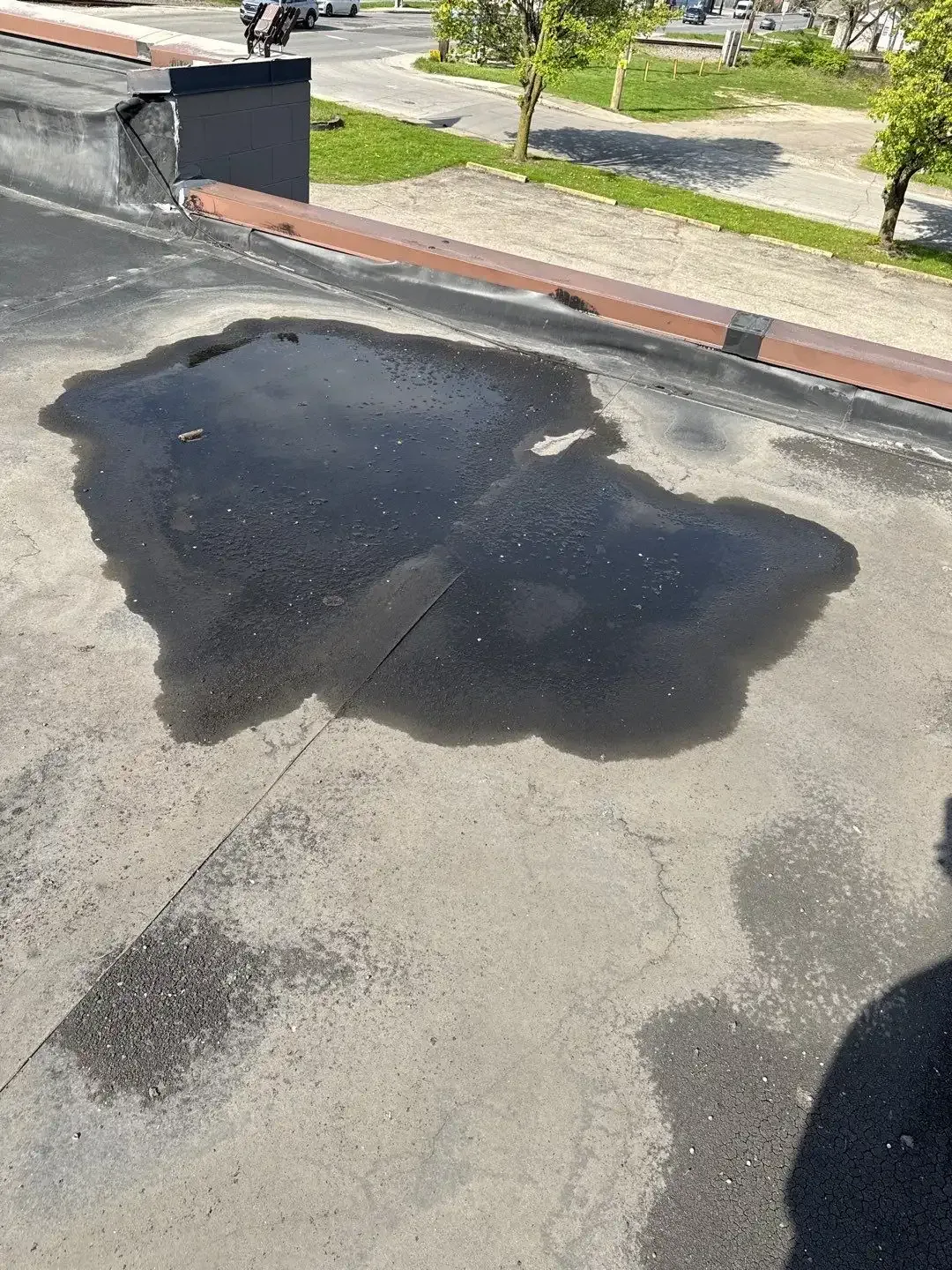
Storms go after the details before the field. We check coping joints and edge metal for lift or gaps, pipe boots and curb flashings for splits, rooftop units for movement on their supports, and walls for torn terminations. Then the drains: storm debris packs outlets and leaves a roof holding water that the next rain makes worse.
A severe line of thunderstorms on June 21, 2023 produced a 97 mph gust at Bush Intercontinental Airport, above the 82 mph Hurricane Ike set, and damaged buildings were reported across Harris County. Gusts like that load edge metal and coping before anything else, so those components get the closest attention, with fastener spacing and joint seals checked one run at a time.
Map Hidden Water Before Calling the Roof Dry
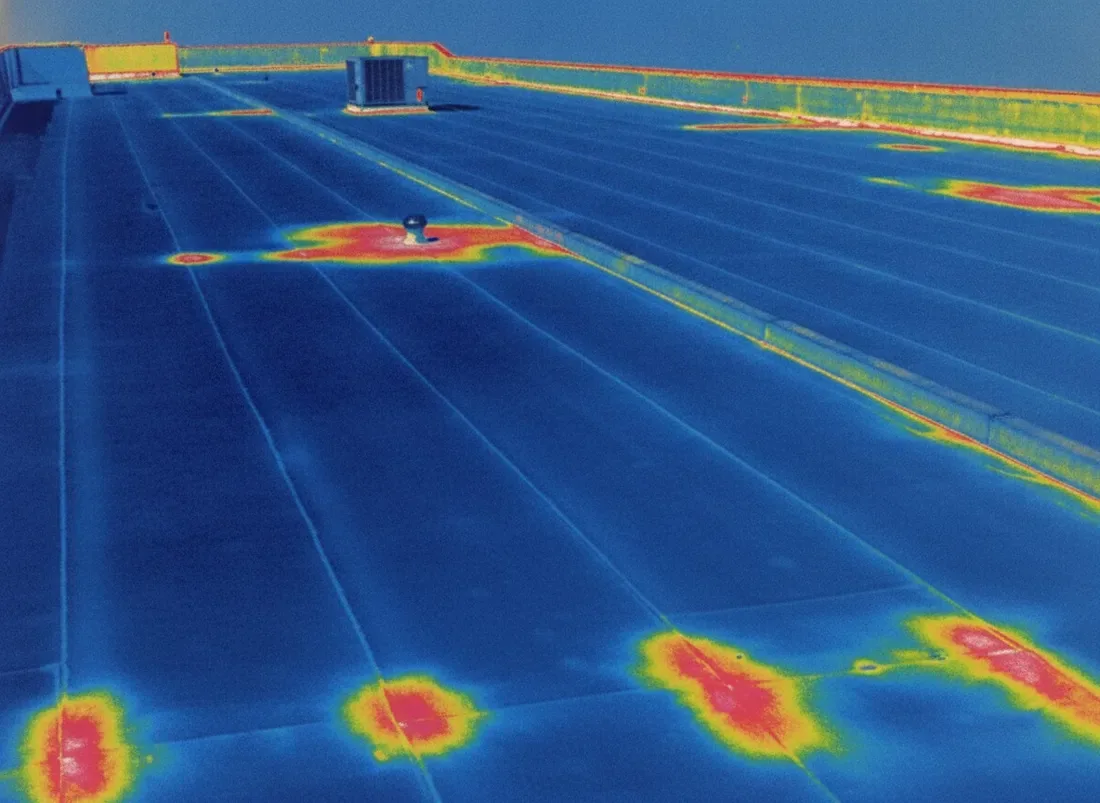
A roof can look intact and still hold a soaked layer of insulation. After a storm that tore a membrane or drove rain under a lap, we run an infrared moisture survey once the sun has loaded the roof with heat, mark the wet boundary in the field and confirm it with core cuts.
That map sets the repair size. Replacing only the visibly torn section leaves wet insulation behind, and wet insulation corrodes fasteners, sours the deck and shows up again as a leak months later. The rule is simple: repair out to the edge of the dry material, not the edge of the tear.
Sequence the Permanent Repair Around the Operation
If the roof is open, emergency roof repair dries it in first. The permanent work follows in phases. Each phase gets a lift plan, a crane pick if equipment has to move, a laydown area clear of dock lanes, and material staged on the roof the day before so the opening is closed the same day it is made. Torch or heat work needs its hot work permit and a fire watch.
Widespread storms strain supply. Membrane, metal and crane time are all in demand at once, so we confirm material before promising a date and schedule the work for a night shift or a weekend where the operation allows it. The facility director gets a written sequence, not a hopeful estimate.
Keep the Claim Record Moving With the Repair
Carriers pay for damage they can see documented. Before debris leaves the roof we photograph it, tag the failed material and note the direction of loss. The scope separates storm damage from ordinary wear, which keeps a legitimate claim from being argued down by old problems. We assemble that record in a form an adjuster can use, and the same file backs a roof insurance claim through review.
In Pasadena, La Porte and Seabrook, buildings east of State Highway 146 sit in the TWIA catastrophe area, where an inspection by the state windstorm program is part of keeping a roof insurable. We also coordinate the adjuster's roof visit so test cuts can be opened and closed the same day, which keeps the owner from leaving a roof exposed while a date is found. Put that inspection on the repair schedule from day one, not as a surprise at closeout.
Harden the Weak Points While the Roof Is Open
A storm repair is the cheapest moment to fix what the storm exposed. If the perimeter lifted, the replacement edge detail gets a stronger metal and tighter fastening. If drains backed up, the outlet gets a better strainer. If a unit shifted, its supports get re-secured. Along the Fairmont Parkway corridor, where the January 2023 tornado cut through, perimeter securement deserves that same attention on any roof exposed to wind.
Attachment gets checked as hard as appearance. We pull-test fasteners and probe the membrane near each repair, because a storm often loosens a roof several feet past the visible tear, and a section that held this time may not hold the next.
We close out with before-and-after photos, the repair log and a short list of watch items for the next heavy rain.
A post-storm survey should divide the roof into areas with visible impact, suspected concealed damage, and no observed change. Record loose metal, displaced equipment parts, punctures, and interior reports separately so the permanent scope does not blend unrelated conditions together. Temporary protection should be photographed and tagged with its installation date and expected review. Once the roof is safe to inspect, compare similar details across the property and document whether damage repeats along an edge or is isolated. Before work begins, coordinate tenant notices, material staging, and a weather stop plan. The closeout should show the temporary-to-permanent transition and any remaining watch items.
Commercial Roofing Questions
How soon after a storm should we check the roof, even without a leak?
Within days, ahead of the next rain. Slow leaks hide above ceiling tiles and inside insulation, and the first sign inside is often a stain weeks later. A quick walk right after the storm costs little compared with finding a wet deck in the fall.
How do we separate storm damage from ordinary wear for the carrier?
Dated photographs with a location on the roof plan do the separating. Fresh tears, bright metal at a scrape and debris marks read differently from chalked membrane and old sealant. We record both columns so the claim covers what the storm did and no more.
Why do repairs after a big storm take longer to schedule?
Every roofer in the region is chasing the same membrane, metal and crane time. We stage material early and quote a date only after supply is confirmed. Temporary dry-in keeps the building protected while the permanent work waits for its slot.
A tarp has been on our roof for weeks. Is that a problem?
Temporary covers are meant to bridge a short gap. Wind works them loose, sun breaks them down and water finds the seams. After a few weeks the tarp is hiding information, so we pull it, inspect what is under it and replace it with a proper repair.
Does hail matter on a roof in a market that rarely sees it?
It can. One severe cell is enough, and the April 2013 storm showed golf ball size stones reaching the Houston-Galveston area. Hail damage is easy to miss from the ground, so after any hail report we look for bruising, fractured mat and punctures on the surface.
Keep Reading
Related Roofing Work in Pasadena
Walk the Storm-Hit Roof With Us
Call after the weather clears and tell us what the building does and what you saw. We will walk the roof with your facility director, map the damage and set a repair sequence that keeps the operation running.