
Service Areas
Commercial Roofing in the SH 225 Corridor, Pasadena, TX
A building on the SH 225 corridor sets the terms before a roofer shows up. Process units run on their own calendar, trucks queue at the gate, and the hours when a crane may swing over the property belong to the operator's safety office. The roof plan has to fit inside all.
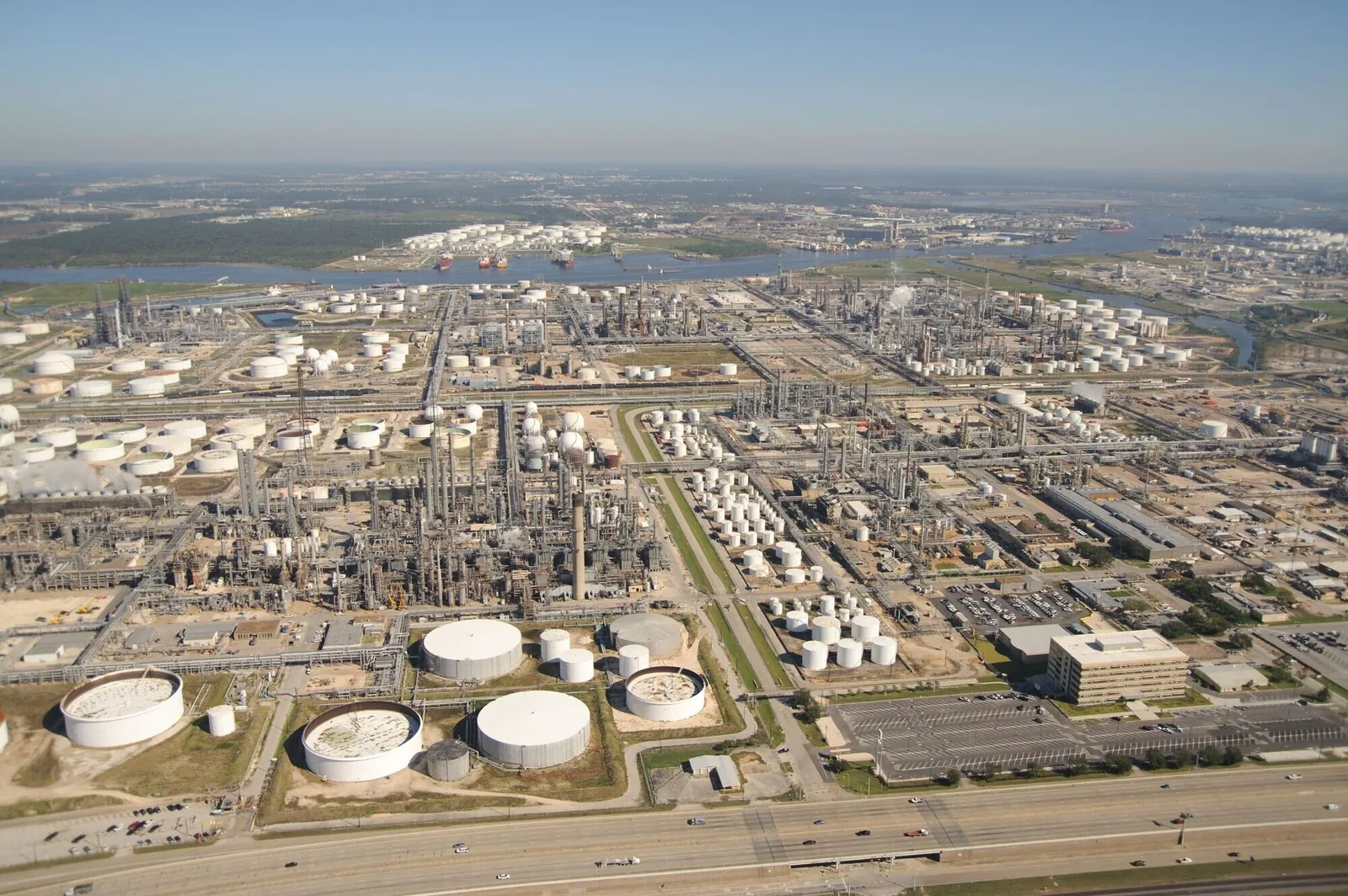
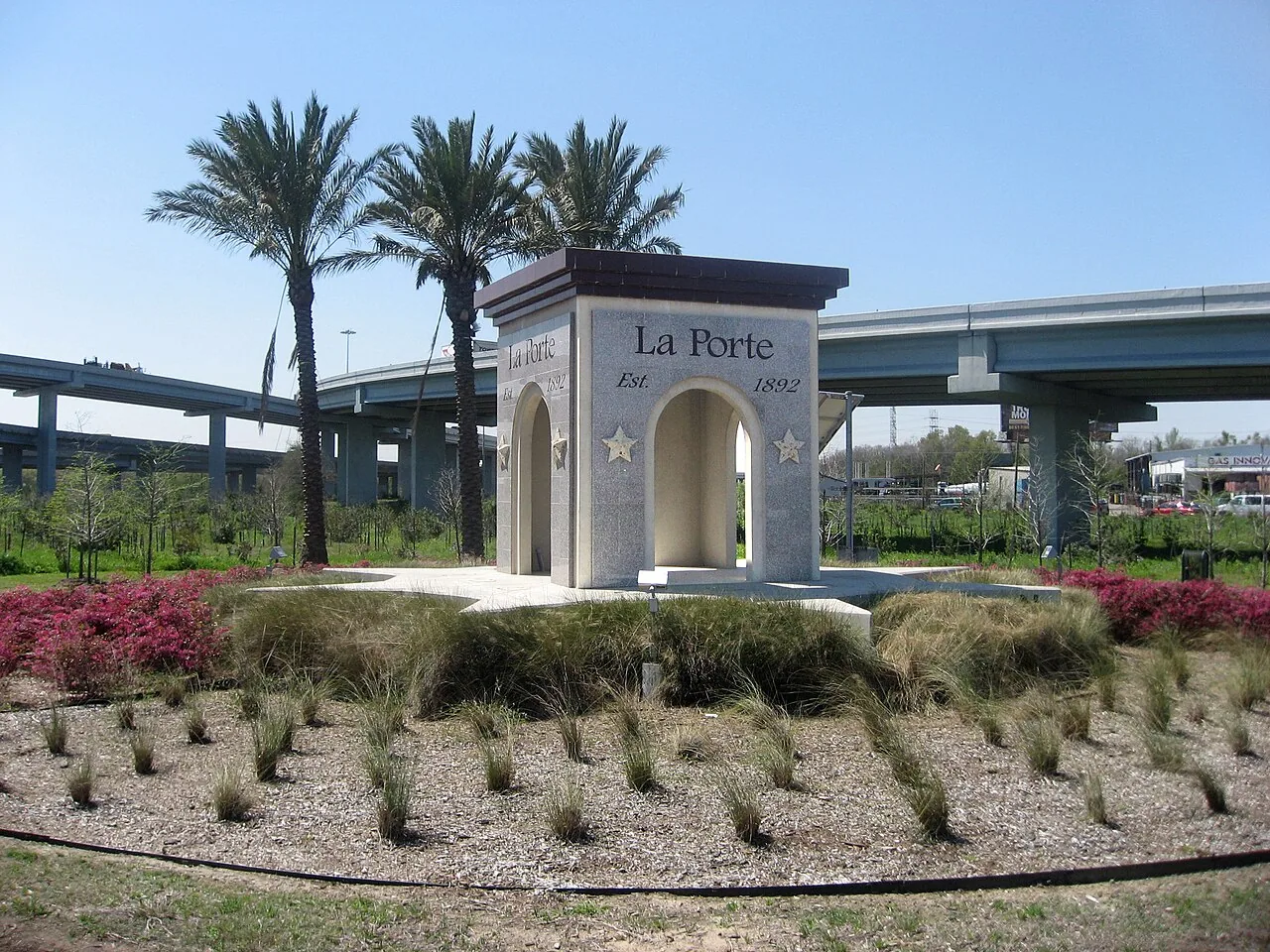
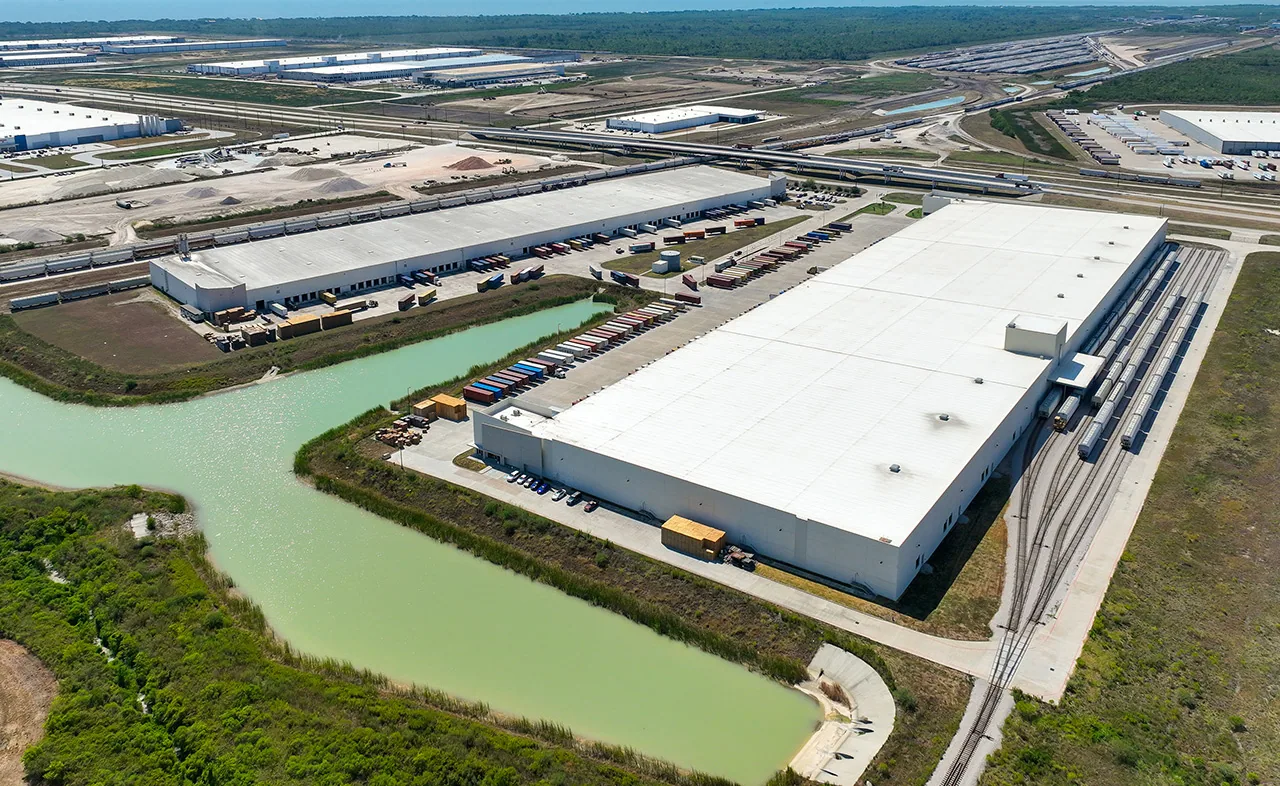
The Pasadena Freeway runs about 15.6 miles from the I-610 loop through Pasadena, TX, Deer Park and La Porte before it reaches SH 146, and it passes near refineries, chemical plants and tank farms along the route. Warehouses and distribution buildings share the corridor, inside what the city has described as a 10,000-acre industrial district. We repair, recover and replace commercial roofs on that kind of property, and we start with how the building runs.
Walk the Building Before Quoting the Roof
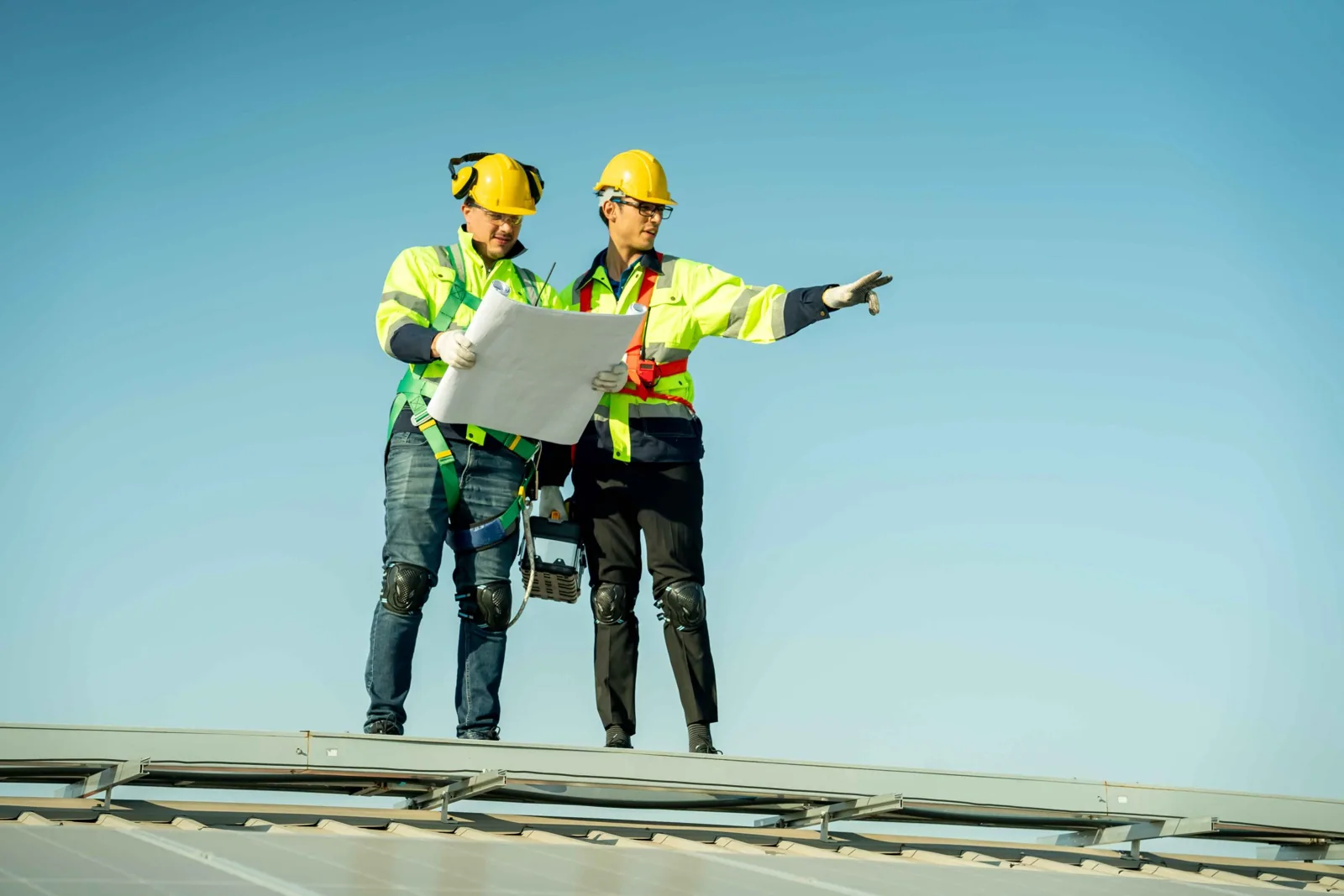
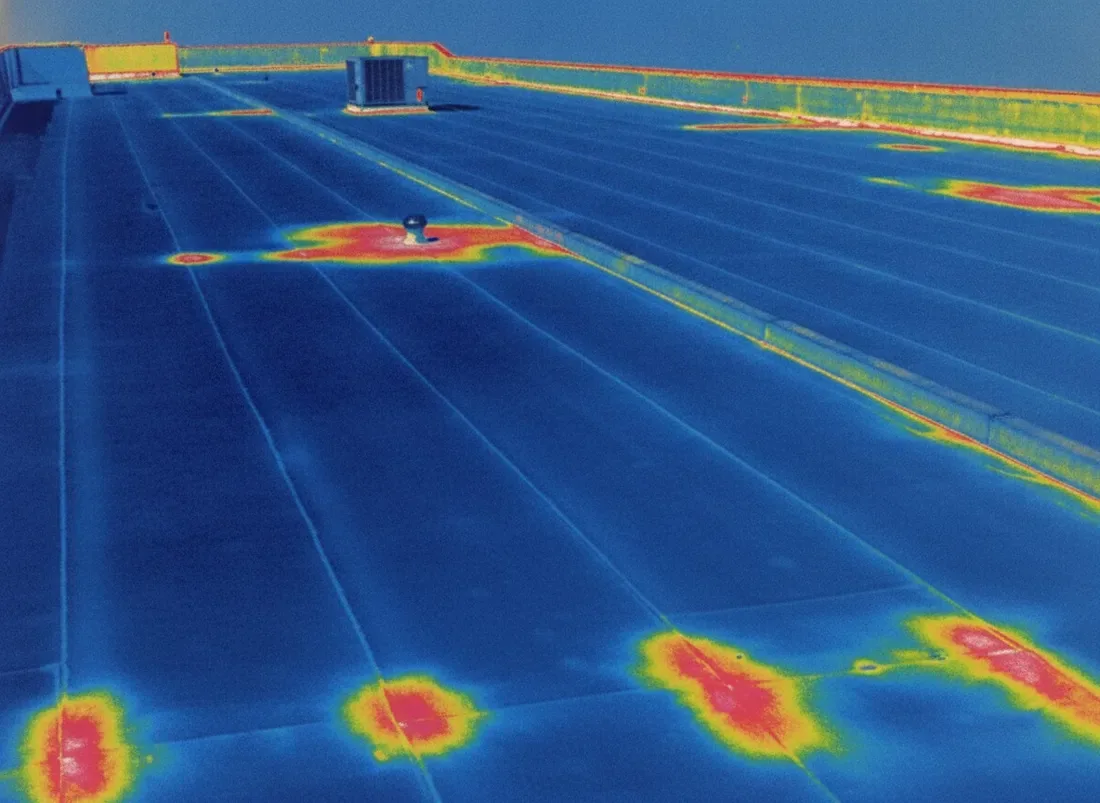
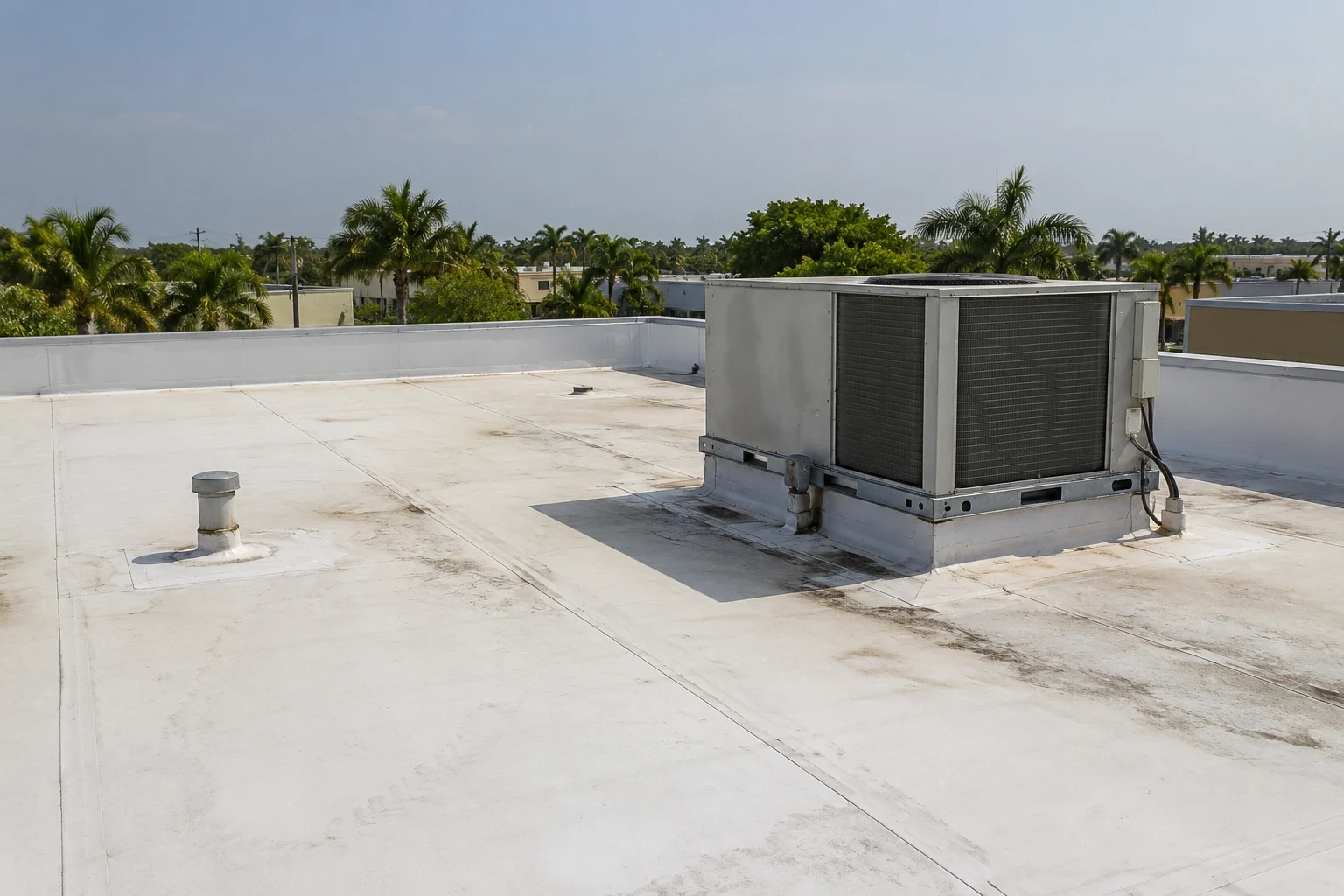
The first visit is a walk with the facility director, the safety lead and whoever schedules contractors. We look at how the roof is reached, what rises through it, which stacks and vents discharge near the work area, and where wet insulation is hiding under a surface that looks sound. A commercial roof inspection gives the written baseline, and an infrared moisture survey separates the wet sections from the dry ones so the scope follows the damage instead of the whole footprint.
A short, honest scope beats a padded one, and a survey that shows only the north half is wet saves an owner real money.
Fit the Work Into Shutdown Windows and Gate Rules
Industrial neighbors on the corridor plan around turnarounds, and a roofer who ignores that calendar loses access just when the weather is best. We ask early which weeks are closed to outside contractors, which areas need a hot work permit, and how long badging and a site safety orientation take for each new worker. Those answers set the sequence.
Staging comes next. The laydown area has to sit clear of the truck routes, and the crane pick has to avoid pipe racks, overhead lines and any area the operator marks restricted. On a distribution building near Beltway 8, where SH 225 crosses it, the same plan also keeps dock doors working. Silver Eagle bought 100 acres at that crossing for a distribution facility, a reminder that logistics buildings share this corridor with the plants.
Short sections. Dry by quitting time.
Specify Materials for Corrosion, Heat and Standing Water
The Houston Ship Channel forms Pasadena's northern edge and carries the heavy industry along this corridor, just as it does across the Bayport Industrial District, so the air is damp and warm with heavy industry close by. Fasteners, edge metal and exposed steel corrode faster than they do inland. In Houston, summer highs average near 95 F in August, with morning humidity above 90 percent, and that heat drives dark membranes through hard daily expansion and UV exposure.
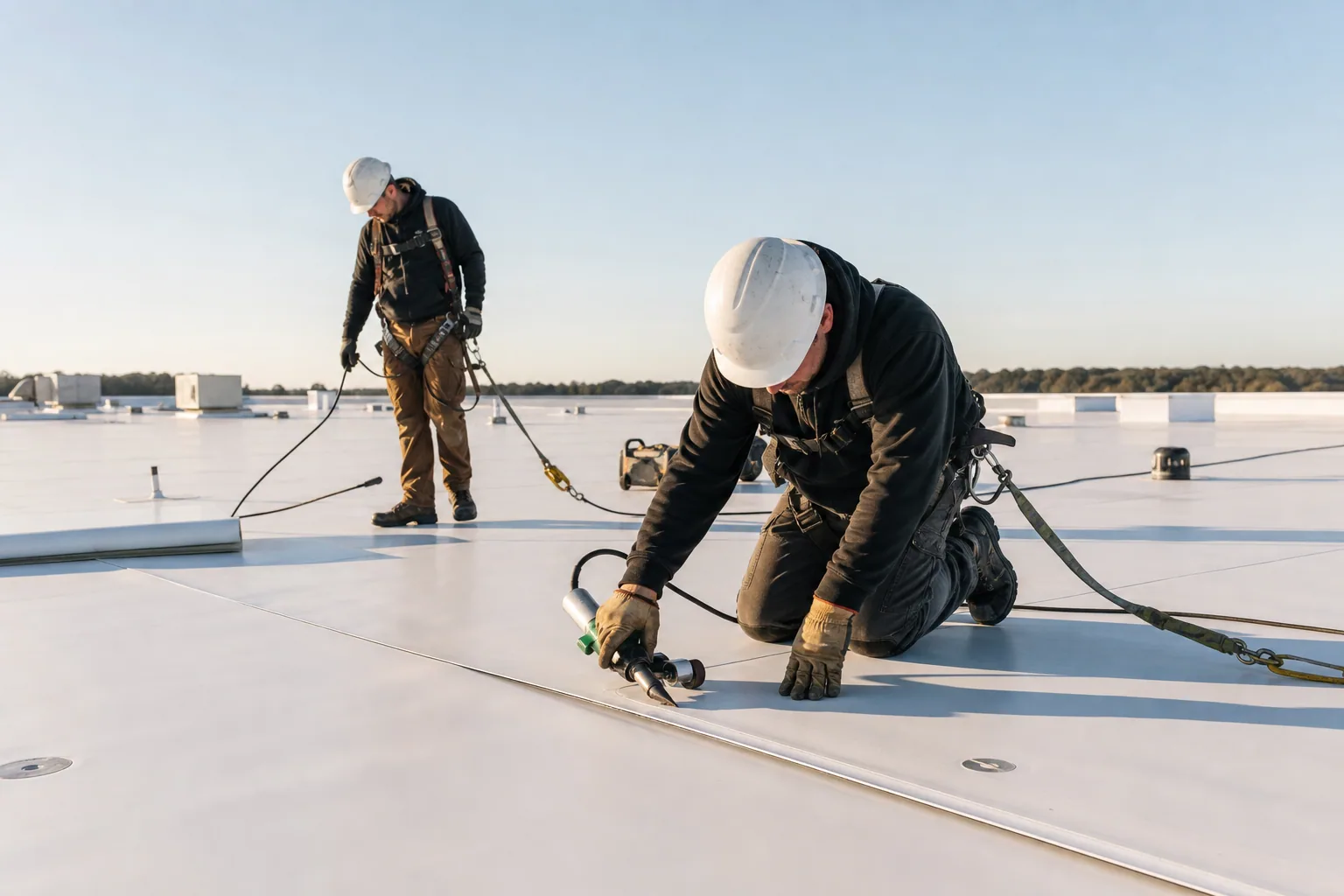
We match the system to what the building exhales and what the weather does to it. A PVC membrane can suit a roof near grease or chemical exhaust, TPO roofing works on many warehouse roofs, and stainless or coated fasteners and heavier edge metal are worth the extra money in this air. Drains and scuppers matter just as much, because Houston gets roughly 50 inches of rain a year.
Secure the Perimeter Against the Next Wind Event
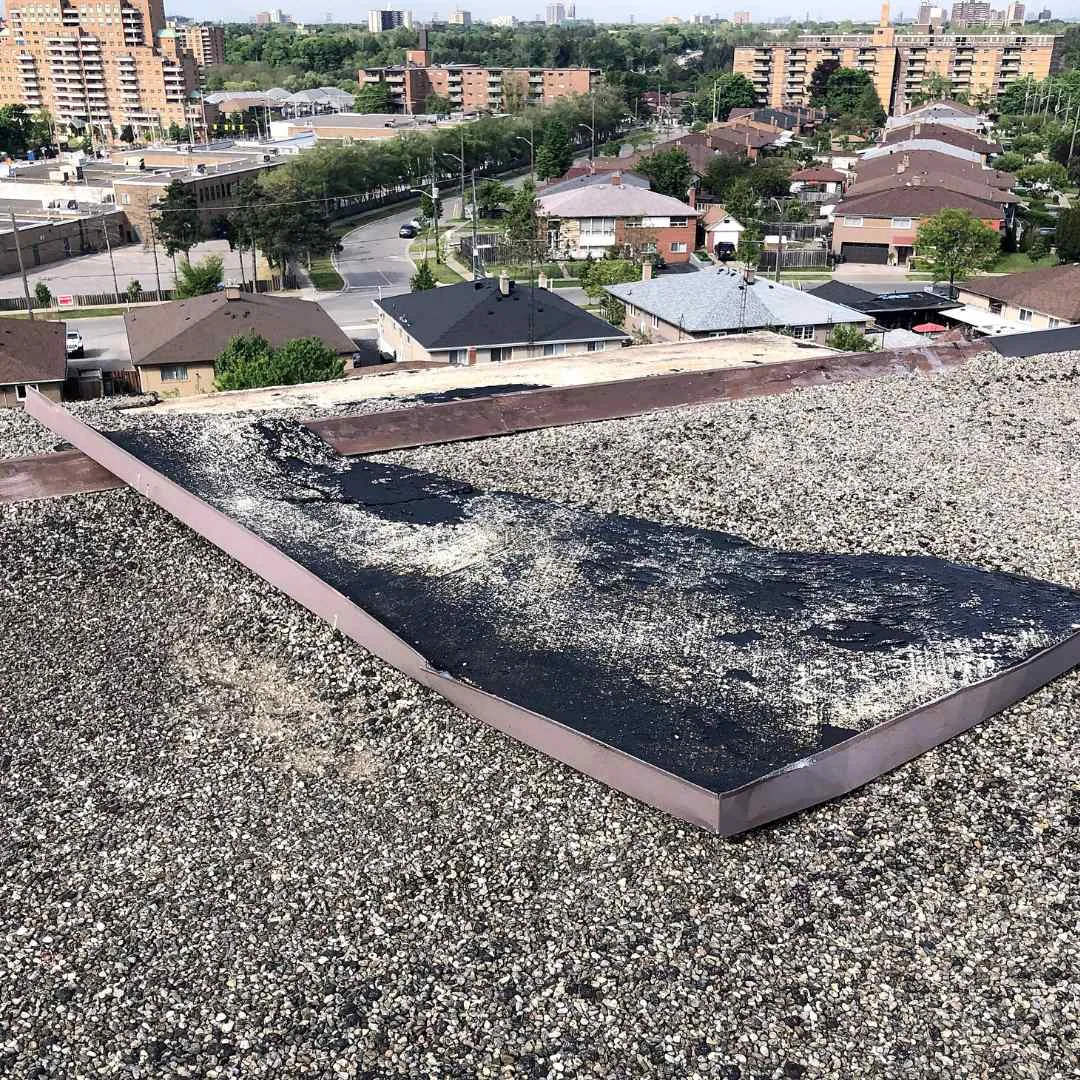
The January 2023 EF3 tornado crossed Pasadena and the Ship Channel and left sporadic roof loss on structures along its path. Hurricane Beryl in July 2024 and the May 2024 derecho, with winds estimated near 100 mph downtown, were different storms, and on any roof in their path loose edges lift first. Uplift starts at perimeters and corners, then peels the field.
So we check perimeter securement before almost anything else: edge metal, coping, termination bars, and the membrane attachment near the corners. A building east of SH 146 sits in the Texas Windstorm Insurance Association territory, which means roofing work there must clear the state's windstorm inspection program for the property to stay insurable. Wind damage roof repair after a storm follows the same order: make it safe, dry it in, then document it.
Weigh What Moves the Cost and the Calendar
Cost on the corridor follows a short list: how much of the roof is actually wet, how many penetrations and equipment curbs need new flashing, whether the deck needs repair, and how much of the day the crew is allowed to work. Restricted access, escort requirements and permit waiting all stretch labor. A recover over a dry, sound system costs less than tear-off, and a restoration coating may defer replacement on a roof that is still dry, which is why the survey comes first.
Timing follows storm season as much as the plant calendar. We try to land tear-off before the heaviest tropical weather, and we keep enough membrane and temporary dry-in material on hand to close a roof if a forecast turns. Harvey in 2017 shut in refineries up and down the Gulf Coast, and after a storm on that scale crews and materials become scarce quickly, which argues for finishing planned work early.
Buildings along the corridor can have very different operating rules, even when they share a similar roof exposure. Before pricing, confirm gate access, escort needs, delivery windows, hot-work procedures, and the person authorized to stop work. Identify roof zones above process equipment, occupied offices, and truck circulation separately. Where a shutdown is required, list the sequence of inspections and approvals that must finish before the line returns to service. The closeout should match each repaired area to photographs and the facility's own asset label. That gives an owner a practical record for the next maintenance window without treating the entire corridor as one uniform property.
Commercial Roofing Questions
Can a roof crew work next to a plant that is running?
Usually yes, with conditions. The operator decides where we may stage, which hours are open and what permits are needed, and we plan to those rules. Hot work stays under a permit, and anything that vents near the work area gets coordinated before tear-off starts.
Does a warehouse near Beltway 8 need a different plan from a plant roof?
The membrane often is the same, but the logistics differ. A warehouse keeps trucks and forklifts moving, so we sequence by dock bay and keep product protected below each open section. A plant adds permits, restricted areas and exhaust to the picture.
How do we know whether to recover or tear off a roof along SH 225?
Moisture mapping settles it. Where the insulation tests dry and the steel underneath is solid, a recover can save cost and time. If water has spread through the insulation, the wet material has to come out, and a recover over it would only trap the problem.
Why do fasteners and edge metal rust so fast near the Ship Channel?
Damp air and heat attack bare steel, and the industrial setting adds to the exposure. Stainless or coated fasteners and sealed, heavier metal edging slow that down, and a yearly look at the perimeter catches the first rust before a gust finds it.
What happens if a storm is forecast while the roof is open?
We limit each day's tear-off to the area that can be sealed by late afternoon, so an open section is never left overnight. When a named storm is on the way, the crew closes seams, secures edges and removes loose material before the wind arrives.
Keep Reading
Related Roofing Work in Pasadena
Walk the Site With Us
Bring the facility director, the safety lead and your shutdown calendar. We will walk the roof with you and build a work plan that fits your operation from the first day.