
Service Areas
Commercial Roofing in the Bayport Industrial District, Pasadena, TX
During a turnaround, a chemical plant fills with outside crews, and a roofer is one more badge in the queue at the gate. The unit manager wants the shutdown window kept, the safety office wants every permit in order, and the roof still has to keep rain off control rooms, warehouses and motor-control buildings.
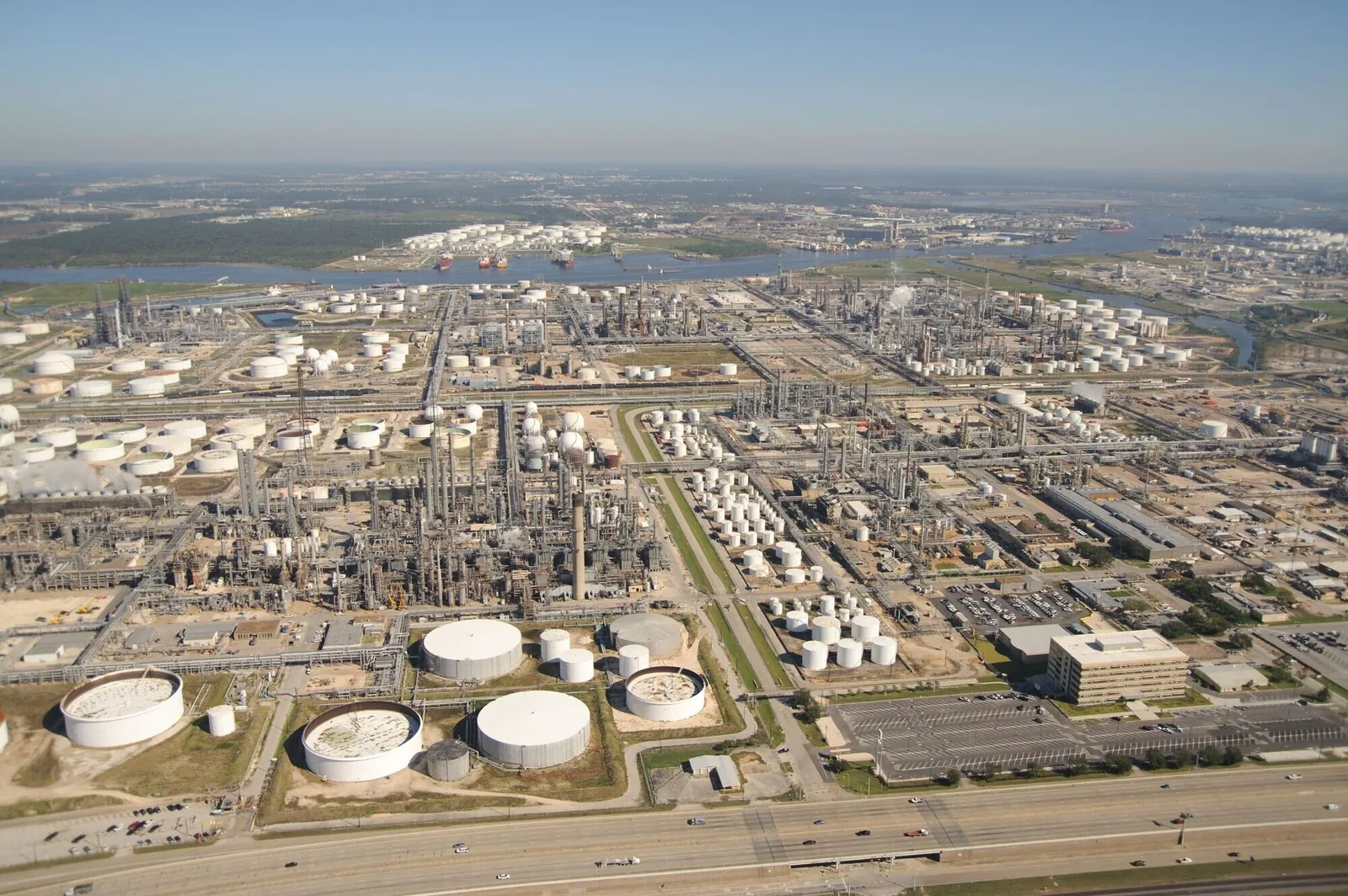
The Bayport Industrial District was created by Pasadena in 1970. It covers about 7.3 square miles, counts among the largest private industrial complexes in the United States, and hosts more than 60 chemical plants, with operations by LyondellBasell, Celanese, Air Products, Clariant, Dow, Arkema, Albemarle and Akzo Nobel. We repair, recover and replace commercial roofs on industrial buildings in and around Pasadena, TX, and we plan the work the way a plant expects a contractor to plan it: sequence first, roof second.
Sort the Roofs by What Sits Under Them
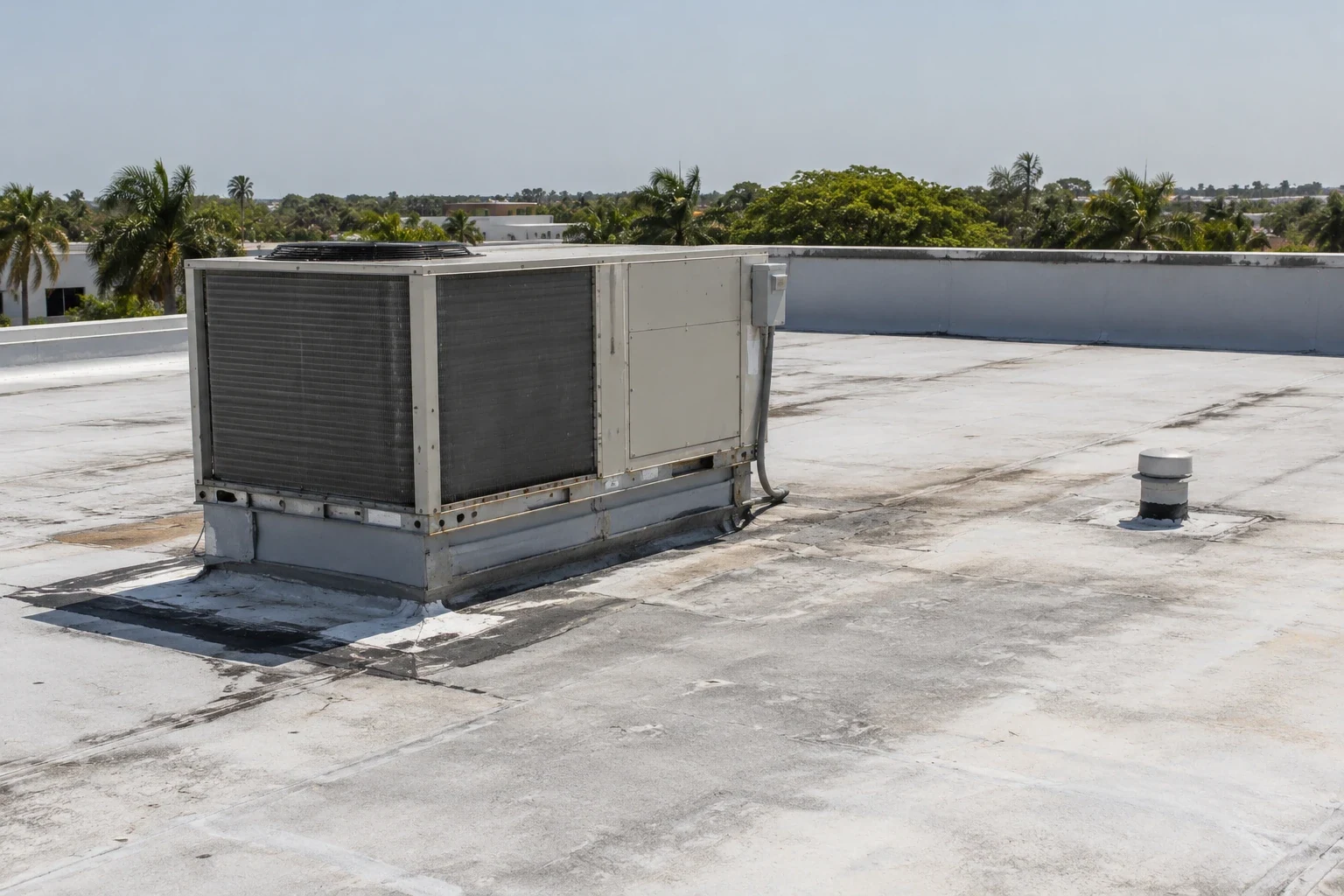
A plant is a collection of small and mid-sized buildings, not one large roof. Control rooms and analyzer shelters, electrical and motor-control buildings, maintenance shops, warehouses, labs and administration offices all need weather protection, and each one carries a different penalty when it leaks. Water into a switchgear room stops production. Water into an office costs a ceiling tile.
We start by sorting every roof by what is under it, then by its age and condition. A roof condition report ranks the roofs so the owner can fund the most urgent ones first, and a multi-building roof program spreads the rest across budget years. That ranking is also the plan for the next storm, because it tells the plant which roofs to inspect first when the wind has passed. It also gives the maintenance crew a short list of the roofs that deserve a look every season, instead of a vague promise to check everything.
Specify for Chemical Exposure and Exhaust
Industrial air attacks roofs in several ways. Vents and stacks release vapor, grease or condensate onto the membrane. Bay-side humidity feeds corrosion on steel decks, fasteners and edge metal. Summer heat, with Houston's August highs near 95 F, then pushes the chemistry faster. A membrane that performs well on an office roof can soften or blister when it sits downwind of an exhaust.
That is why we ask what is vented and where before we pick a system. PVC roofing and KEE roofing are chosen for resistance to many oils and chemicals, and a fully adhered or mechanically fastened layout is picked to suit the deck. We ask the plant's environmental and safety staff to confirm what vents near the work, and we do not assume a safe exposure just because a roof looks undamaged. Coatings and adhesives get the same scrutiny, because a product that cures well in a dry shop may behave differently in humid bay-side air.
Clear Permits, Badging and Hot Work Before Mobilizing
A roofing job inside a plant needs paperwork that a roofing job elsewhere does not. Each worker completes a site safety orientation and is badged, hot work needs a permit for every torch, welder or heat gun, and some areas call for gas monitoring or an escort. We ask for the plant's contractor requirements at the start, so none of it surfaces on the day the crane arrives.
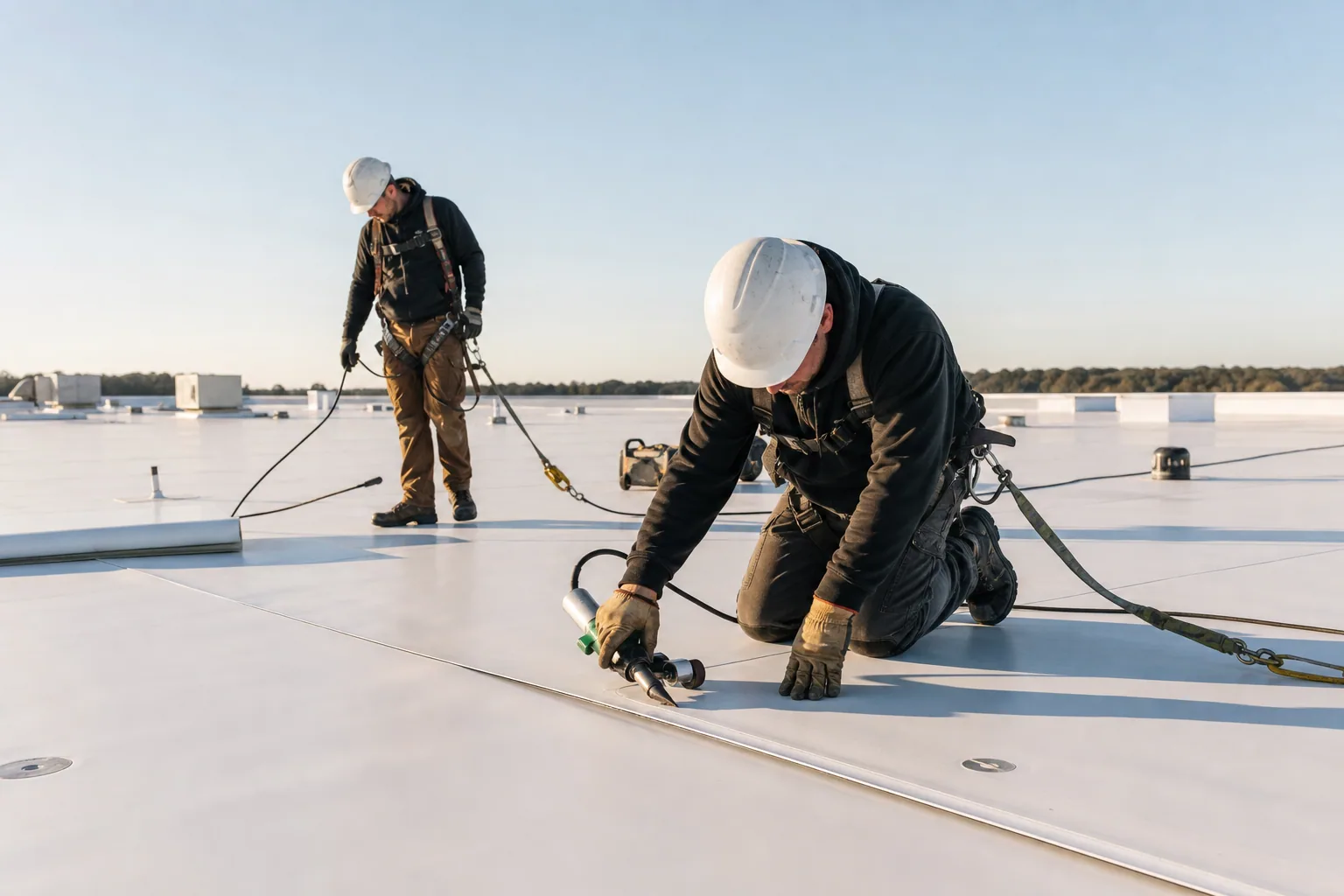
Where open flame is restricted, the roof can often be built without it, using heat-welded or mechanically attached single-ply and cold-applied adhesives. The crane pick is planned against pipe racks and overhead lines, the laydown area is set outside traffic lanes, and a hole watch is assigned wherever the deck is open. Short sections, closed by quitting time, keep one hot afternoon from becoming a wet night shift. On a plant with its own fire brigade or safety watch, we coordinate the fire watch after hot work so no one has to guess who is responsible for the last hour.
Build for Galveston Bay Wind and Windstorm Review
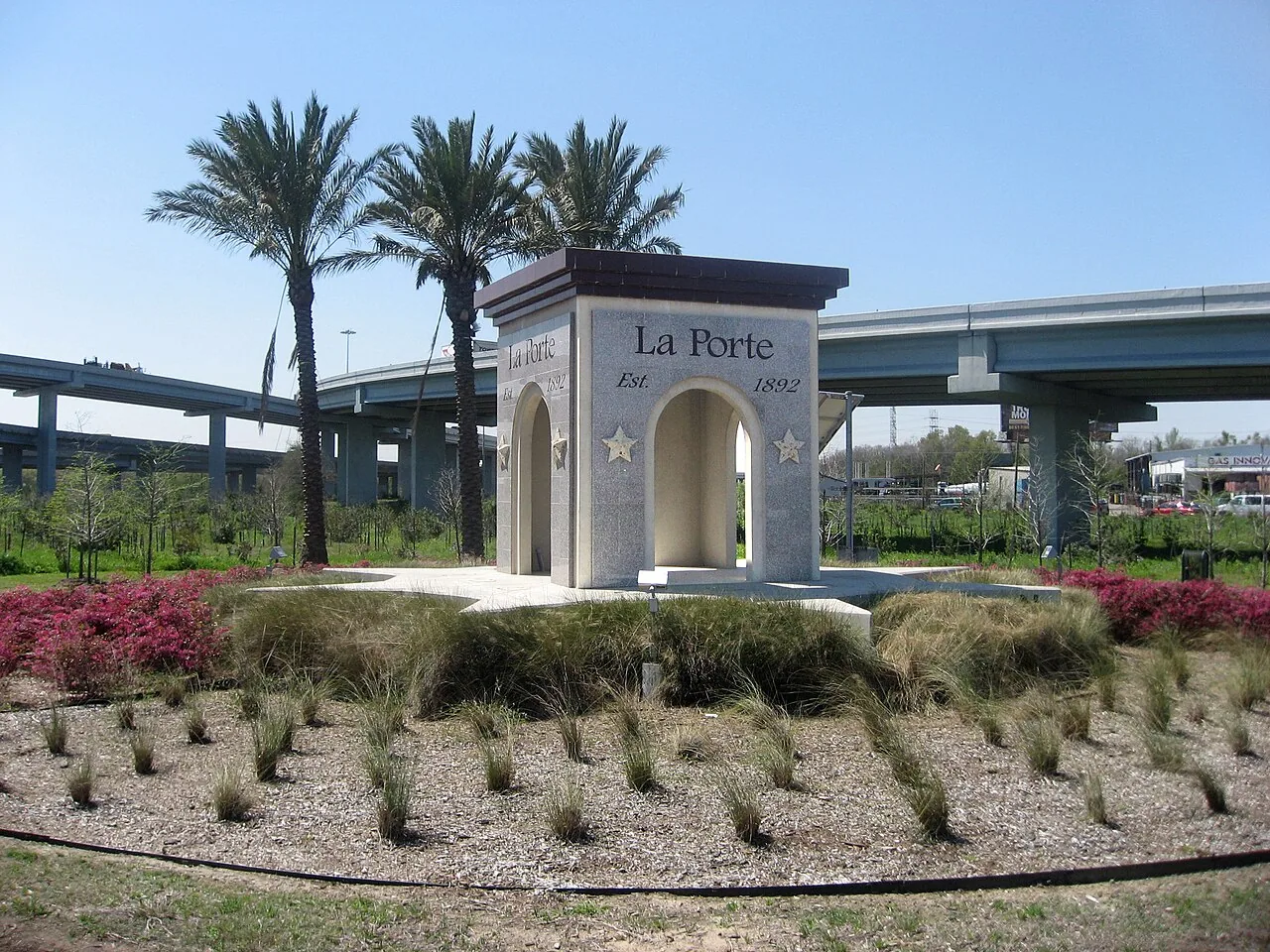
The district sits beside Port Houston's Bayport Terminal near La Porte and Seabrook, inside the Galveston Bay wind zone, and on any low-slope industrial building wind uplift concentrates at corners and edges. We check perimeter securement, edge metal strength, fastener patterns and membrane attachment, because those are the places a hurricane loosens first.
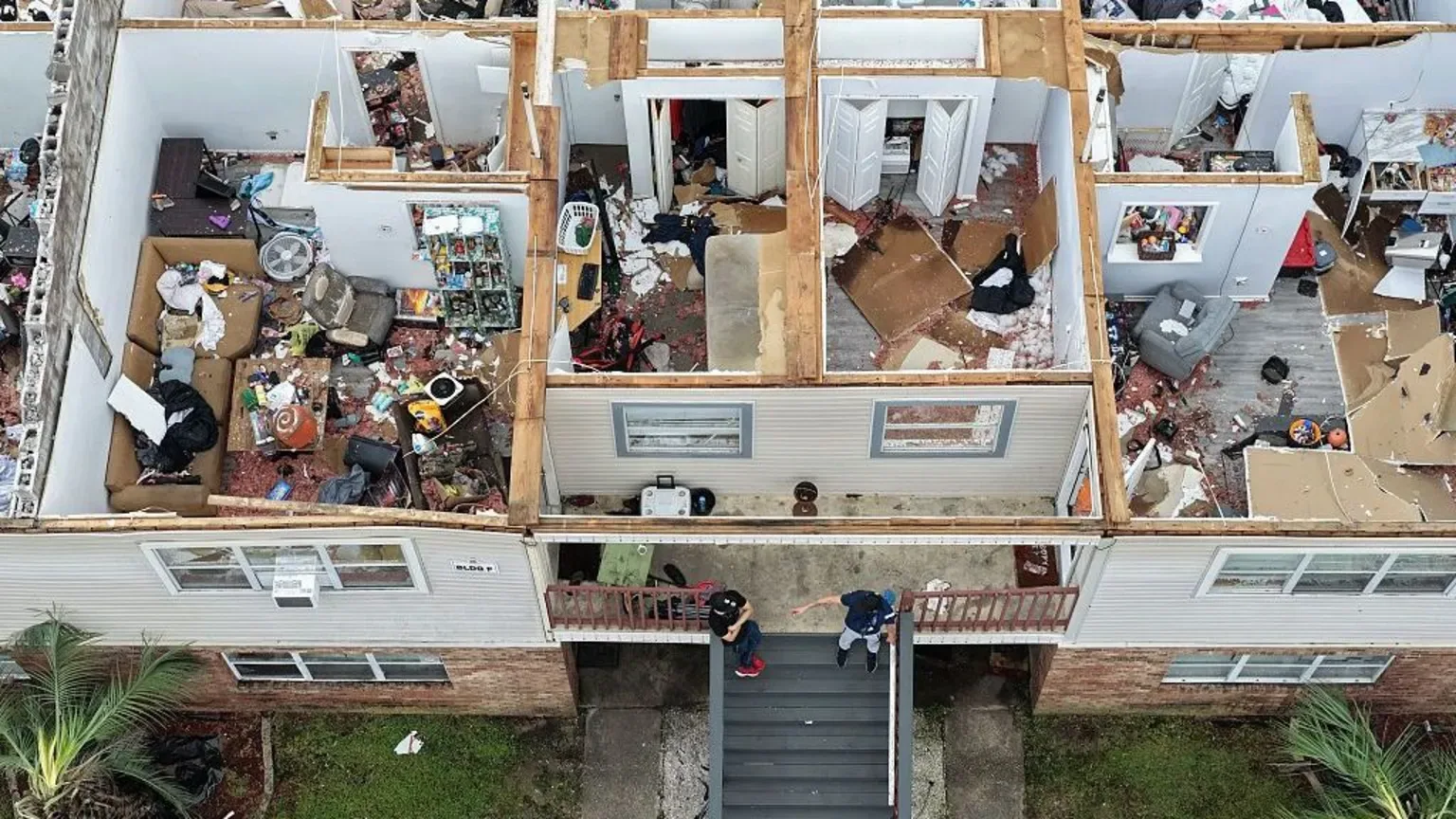
Ground east of State Highway 146 in La Porte and Seabrook also lies inside the Texas Windstorm Insurance Association designated area, so roof work on covered buildings has to clear a Texas Department of Insurance windstorm review. We plan for that inspection from the first day, including the paperwork and the photographs of attachment. After a storm, hurricane damage roof repair follows a set order: make it safe, dry it in, record it, then rebuild.
Close Out With Records the Safety Office Can File
Industrial owners want a closeout package they can hand to their insurer, their auditor and the next facility manager. The package holds staged photographs, the as-built roof plan, product data for every material, hot work permits and a maintenance schedule. The city's 2024 International Fire Code and NFPA 101 took effect January 19, 2026, so temporary barriers, hot work controls and egress paths get written down with that in mind.
Preventive roof maintenance keeps the record alive. Twice-yearly walks, drain clearing and quick repairs find the small failures before they reach a process area. La Porte and Deer Park sit on the same SH 225 industrial corridor, and Hurricane Harvey's refinery shutdown in 2017 showed how fast a storm can stall production along this coast.
A roof survey in an industrial district should account for how neighboring operations affect access, exposure, and emergency planning. Identify process exhaust, rooftop piping, crane paths, and areas where chemical handling or hot work requires a separate permit. Confirm whether deliveries can stage on site or must arrive just before lifting. Keep fire protection, drainage paths, and evacuation routes clear throughout the work. At closeout, organize records by facility and roof zone, not only by contractor work order. That helps safety and maintenance staff locate the relevant details later without implying that every building in the district shares the same roof condition.
Commercial Roofing Questions
Can roofing continue while the units around the building are running?
In many cases it can, if the plant approves the area and the work is arranged to stay clear of vents, stacks and traffic. The operator's safety office sets the permits, monitoring and hours, and we build the sequence around those conditions.
Which membrane holds up near chemical exhaust?
Choose by what the exhaust carries. PVC and KEE are generally selected where oils, solvents or condensate reach the surface, while a standard membrane may soften. A quick conversation with the plant's environmental staff about what vents there avoids a costly mistake.
How does a turnaround change a roof schedule?
Contractor access tightens and gate lines grow, so everything slows down. We confirm badging lead times and permit turnaround weeks ahead and, where we can, set roof work outside the busiest turnaround weeks so it is not competing for the same resources.
Does the windstorm inspection apply to every building in the district?
It applies to buildings inside the designated area east of State Highway 146. We confirm where each building sits with the owner and the insurer before pricing, and a building that falls inside gets the inspection written into the schedule.
What should a maintenance plan include for an industrial building?
Start with a walk after every named storm and one before hurricane season, drain and scupper clearing, a check of every seam and penetration, and a photo record. Add moisture mapping every few years for roofs that have already shown a leak.
Keep Reading
Related Roofing Work in Pasadena
Walk the Plant With Us
Bring your contractor requirements and your turnaround calendar. We will walk the roofs with your facility and safety teams and write a work plan that fits how your plant runs.