Roof Systems
Modified Bitumen Roofing (SBS and APP) in Pasadena, TX
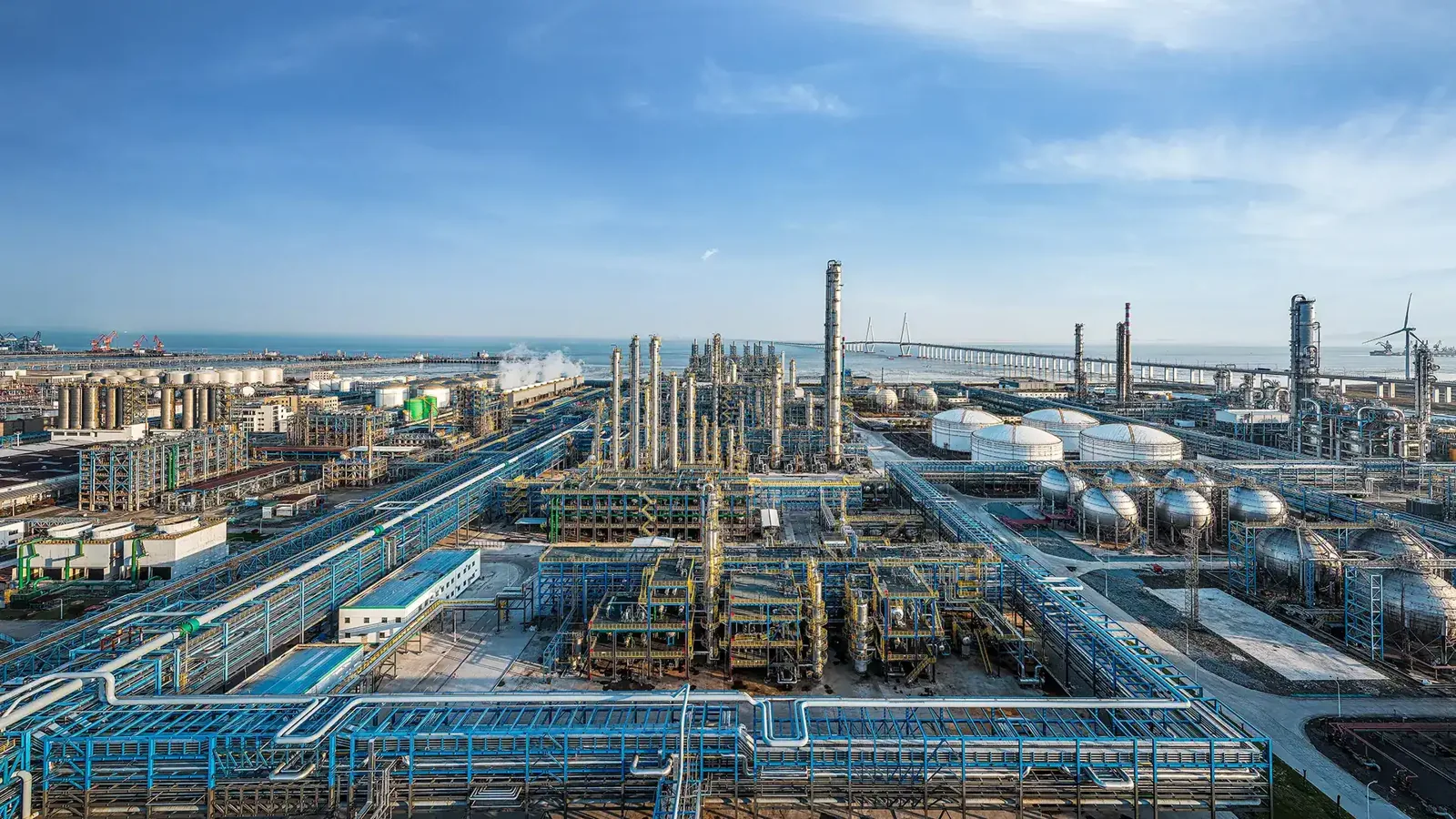
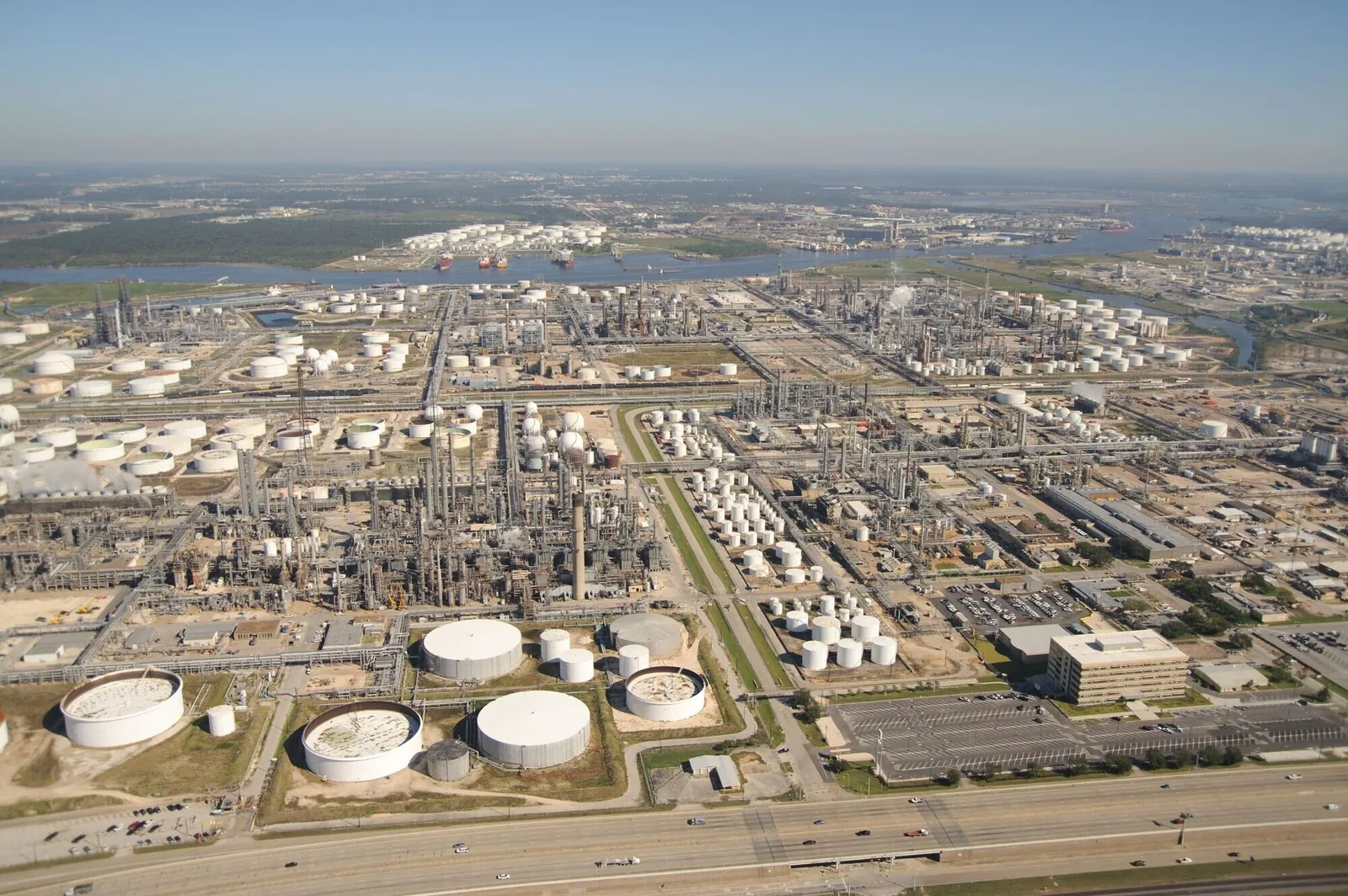
Open flame and a refinery fence line do not mix, and Pasadena, TX has a lot of fence line. State Highway 225 runs about 15.6 miles past refineries, chemical plants and tank farms, and the Deer Park refinery next door processes roughly 275,000 barrels a day on a 2,300-acre site. A roof on a building near that kind of operation is a hot work question before it is a membrane question, and it decides whether a torch comes out of the truck at all.
Modified bitumen is asphalt blended with polymers and reinforced with fiberglass or polyester, then laid in two or more plies. SBS modifiers make it rubber-like, and APP modifiers make it plastic-like and heat stable. Both can be applied by torch, by cold adhesive or by self-adhering laps, and the application method matters as much as the chemistry.
Settle the Hot Work Question Before Choosing the Sheet
Torch-applied sheets weld the laps with a propane flame, and nearly every industrial site treats that as hot work. A hot work permit, a fire watch that lasts after the last torch is shut off, and a site safety orientation for each worker are normal prerequisites. Some plants refuse torches altogether and send the work to cold-applied or self-adhered systems.
We ask these questions at the first walk, before a sheet is specified. A building on the Pasadena Freeway and SH 225 corridor or in Deer Park may have a rule book that changes the whole method. If the plant allows flame only during a shutdown window, the roof is sequenced into that window. If it does not allow flame at all, the plan switches to adhesive-applied plies and heat-free lap sealing, and the schedule changes with it.
Pick SBS or APP for Heat and Sun, Not for Frost
Much of the published guidance on modified bitumen assumes cold winters. Houston has essentially no snow, with average annual snowfall barely above 0.1 inch, and freeze-thaw cycling is not a design driver. The loads that matter are wind, rain and heat. That tilts the conversation about which modifier to use.
APP sheets handle sustained heat and sun well, which suits a roof that sees triple-digit days and an August average high near 95 F in Houston. SBS sheets stretch and recover under movement, which helps at expansion joints, long runs and decks that flex. We choose by the building, not by habit: a steel-deck warehouse reads differently from a masonry-walled medical building. Roofs with heavy foot traffic and many penetrations may also be weighed against built-up roofing, which uses a similar logic with more plies.
Build the Plies From the Deck Upward
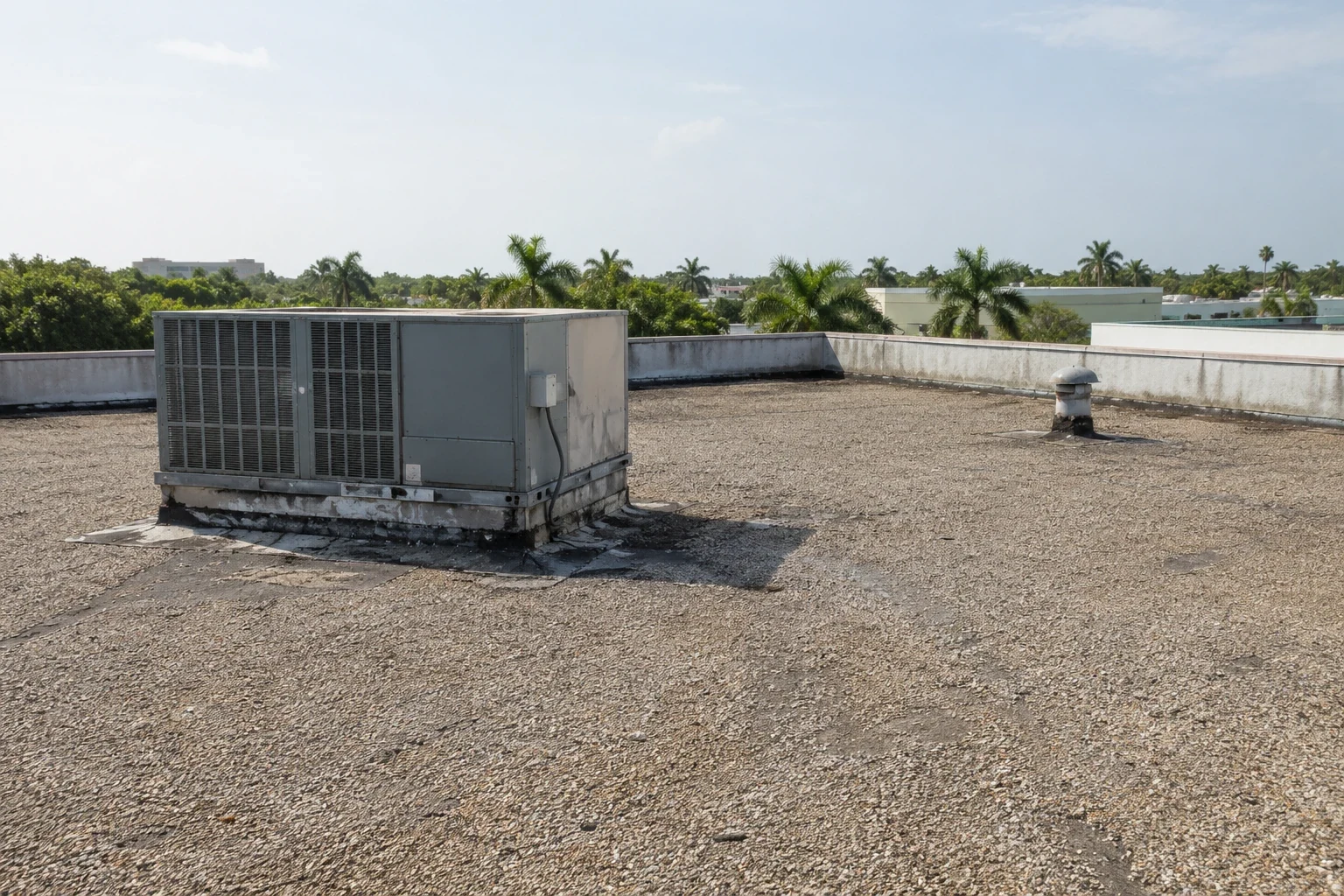
A good modified bitumen roof is a stack. The deck is inspected and repaired, insulation goes down with a cover board over it, a base sheet is fastened or adhered, and a cap sheet finishes the surface. The cap carries the granules or reflective coating that protect the asphalt from sun. Each ply is lapped so water never has a straight path, and laps are staggered between plies.
Quality shows in the laps. We look for a continuous bleed-out of asphalt at the edges of a torched lap, firm adhesion at self-adhered laps and clean trimming at every corner. The base-to-cap sequence also gives the roof built-in redundancy: if the cap is punctured by a dropped tool, the base sheet below may keep the leak from reaching the insulation. That redundancy is the reason a layered system suits roofs with heavy trade traffic.
Keep Fumes and Smoke Away From the Air Intakes
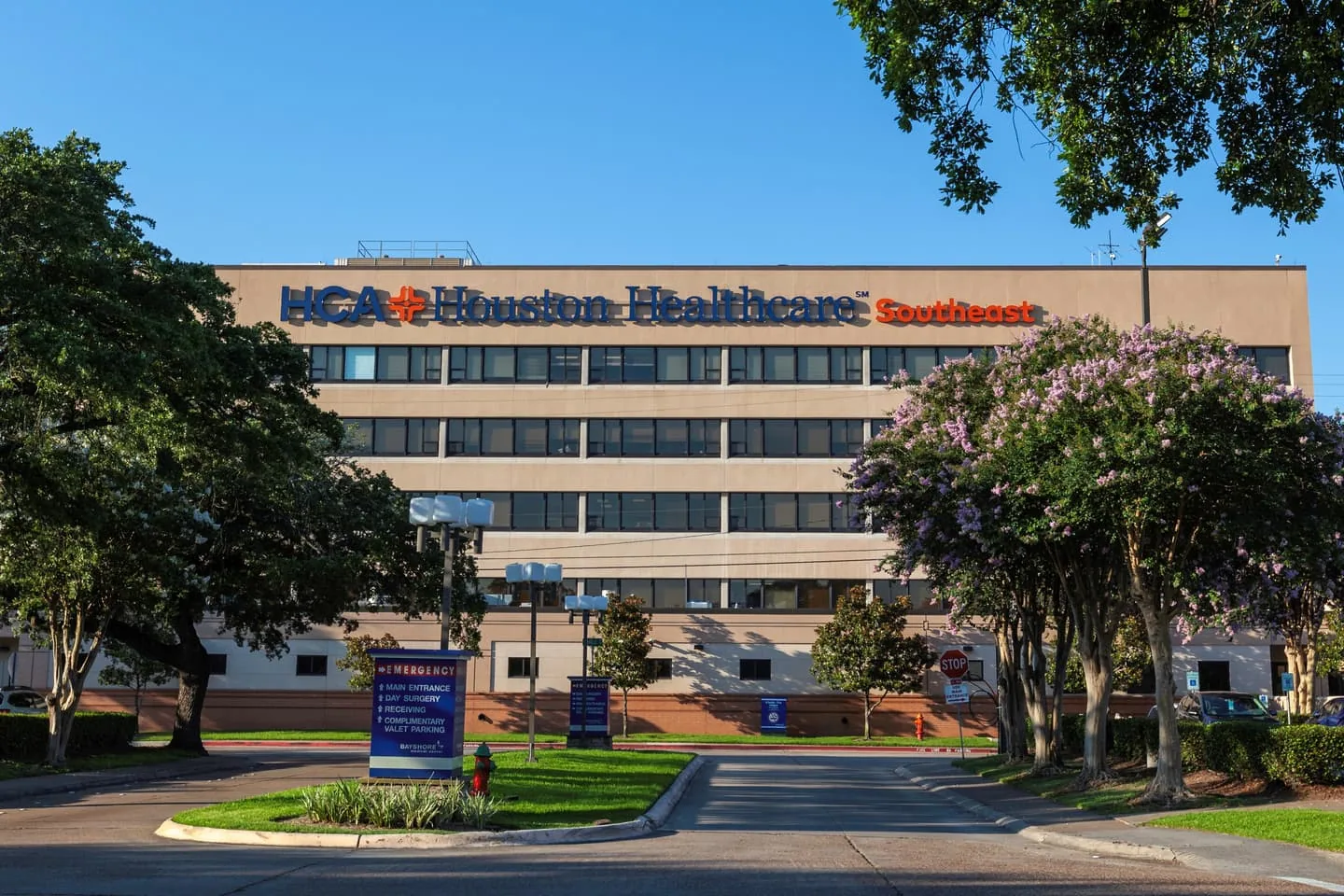
Hot asphalt and torch-applied sheets produce odors and fine particulates. At a hospital that never closes, those can reach fresh-air intakes, patient rooms and operating suites. HCA Houston Healthcare Southeast in Pasadena is a 350-bed acute-care hospital and Level III trauma center, and any hospital roof faces the same restrictions on odor, smoke and sound.
The answer is planning. We map the intakes and exhausts, coordinate with facilities staff to shut or seal them during certain windows, choose cold-applied or self-adhered products near sensitive areas and stage material so fumes do not collect against a wall. Along the Spencer Highway medical and education corridor, the same care applies near San Jacinto College Central Campus in Pasadena, where classrooms are sensitive to noise and odor.
Coat the Cap Sheet to Extend Its Second Decade
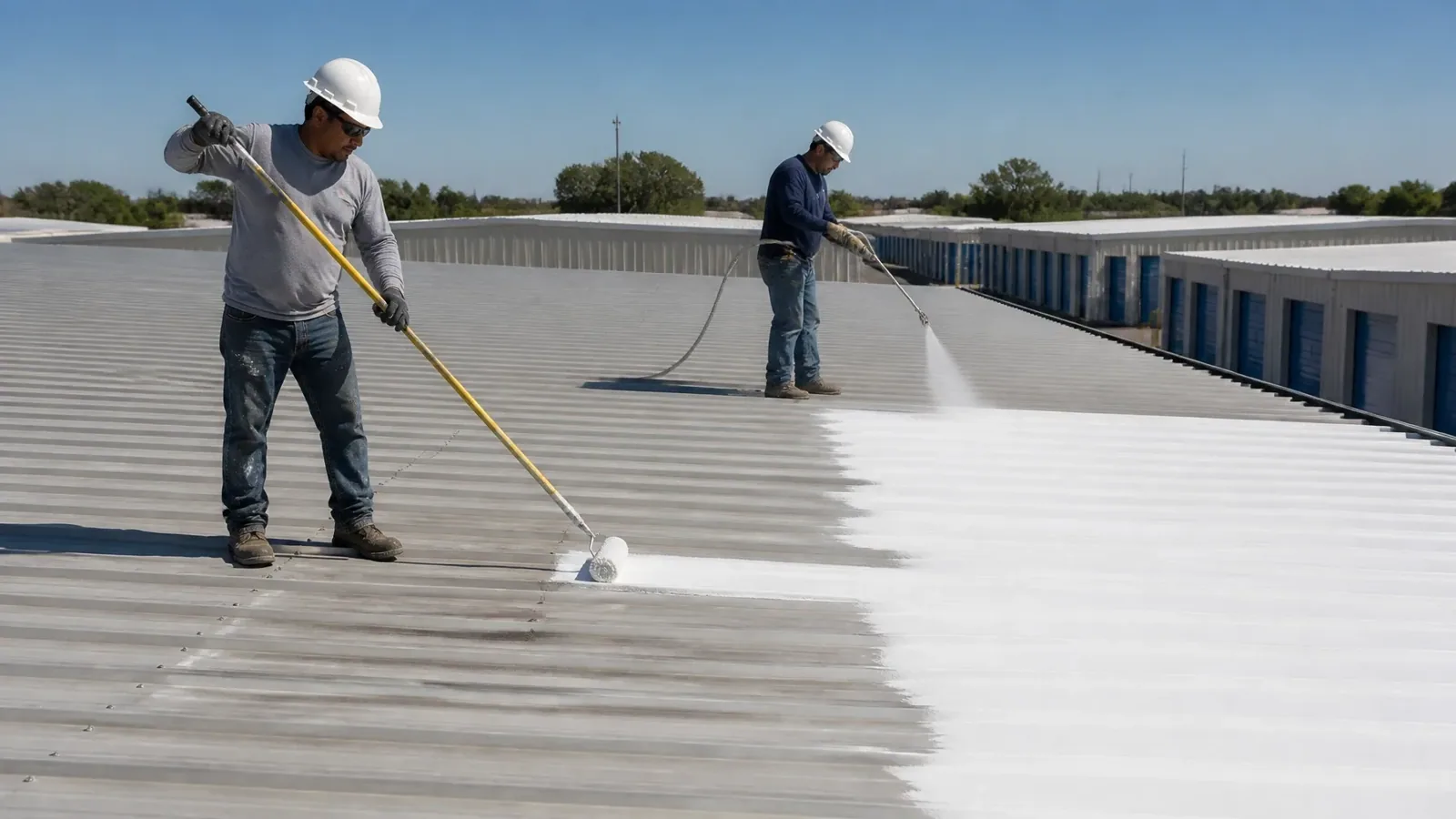
Granule loss is the first visible sign of an aging cap sheet. Rain washes the stone into the gutters, the asphalt underneath loses its shield against UV, and the surface cracks sooner. A fresh reflective coating restores the shield, cools the surface and slows the wear. It is also a lower-disruption project than a tear-off.
A cleaned, dry and sound modified bitumen roof is a candidate for acrylic roof coatings or other restoration systems, and our roof coating restoration work begins with moisture checks and adhesion tests. If the roof has wet insulation, the coating stays on the shelf and the repair comes first. A coating should extend the roof's life, not hide a problem inside it.
Repair Blisters, Splits and Lifted Laps Before the Wet Months
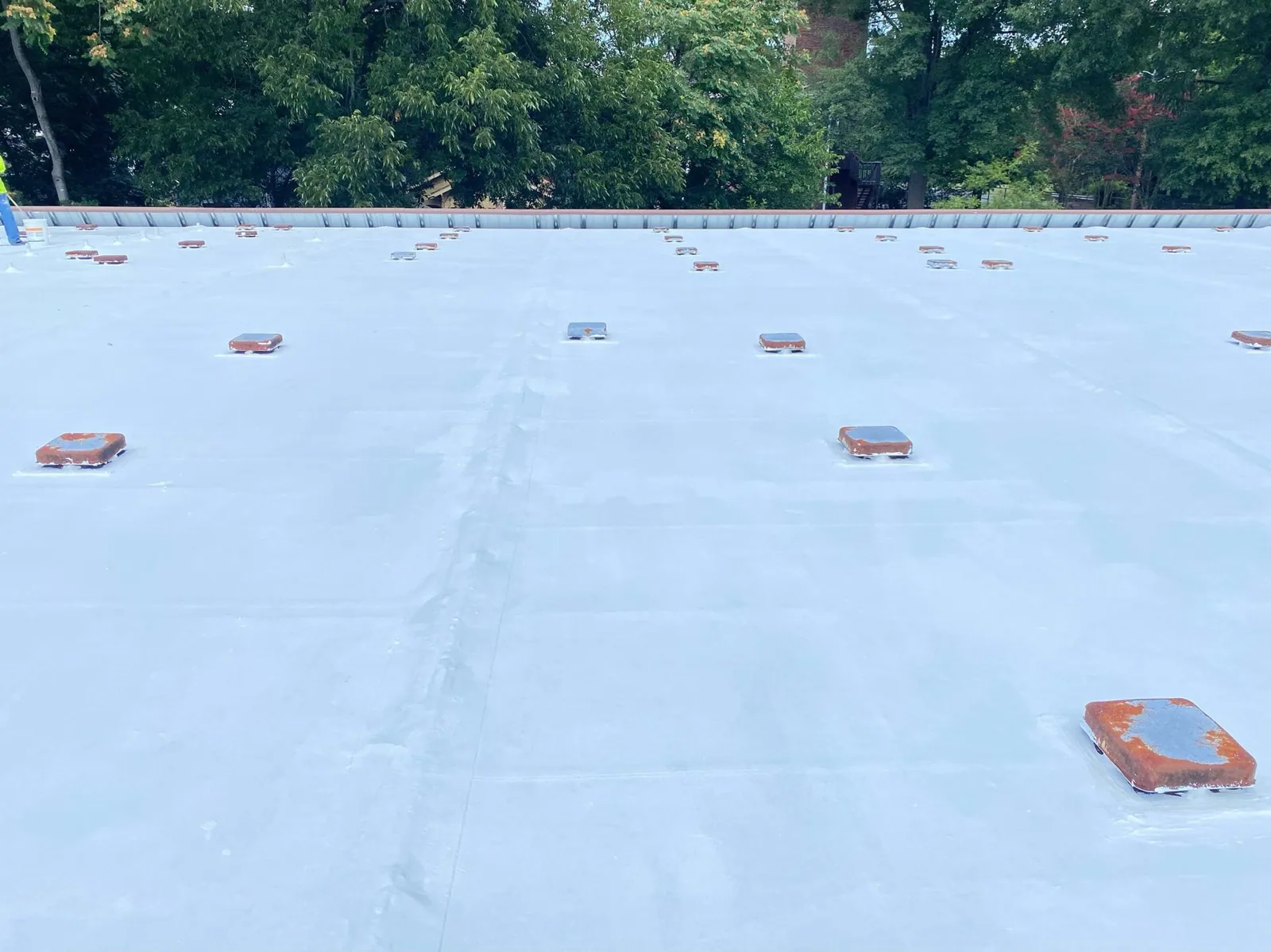
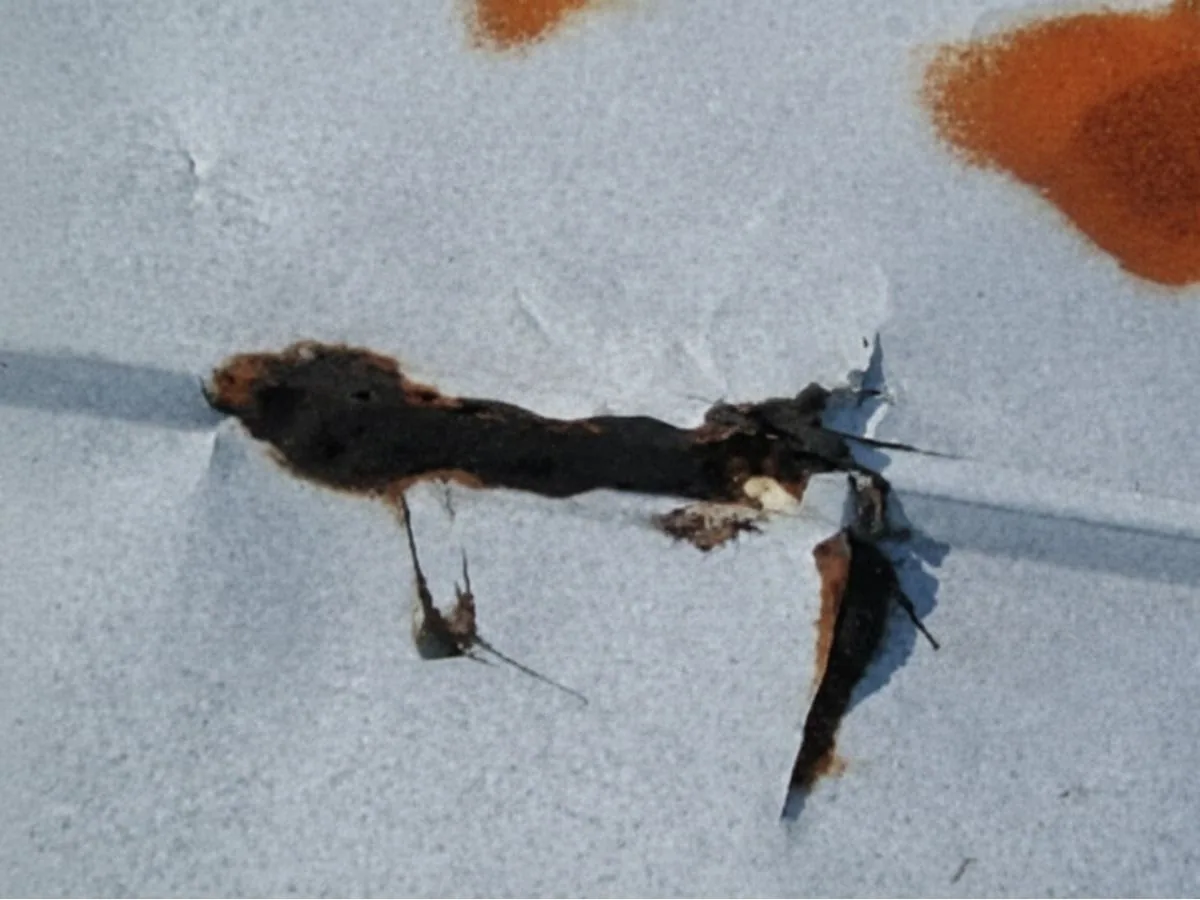
Modified bitumen fails in recognizable ways. Blisters form where trapped moisture or air expands in the heat. Ridges telegraph from insulation joints. Splits open at stress points, and laps lift where the original bond was weak. Surface scuffing and exposed fibers point to a cap sheet at the end of its life.
We sort defects by what water does next, repair the active leaks first and document the rest on a watch list. Where sun and heat have cracked the surface, heat and UV roof damage repair comes before anything cosmetic, and after a major wind event the first walk goes to the edges, where lifted laps and loose metal tend to show up. Small repairs made in time keep a layered roof working far beyond the date the owner expected.
Commercial Roofing Questions
Is a torch-applied roof even allowed at a plant with its own hot work rules?
Many plants allow it only with a permit, a fire watch and restrictions on what is near the roof. Others ban flame entirely. We ask for the written rules before bidding and, where torches are out, price a cold-applied or self-adhered system instead.
Which modifier stands up better to Pasadena sun, SBS or APP?
Neither wins every case. APP tends to tolerate sustained heat, while SBS tends to flex and recover better under movement. On a deck that flexes or a roof with long runs and expansion joints, SBS earns a look. On a large open roof with long sun exposure, APP is often the first candidate. The building and the detail drawings should drive the choice.
Can a granulated cap sheet be coated to make the roof cooler?
Yes, once the surface is cleaned and tested for adhesion and the insulation below is dry. A reflective coating over sound modified bitumen reduces surface temperature and protects the asphalt. If the cap is blistered, split or full of moisture, those areas get repaired first.
Where does a modified bitumen roof usually fail first?
Laps and flashings fail before the field. Heat and movement stress the seams, and penetrations concentrate the stress. A walk with a probe along every lap, plus a look at base flashings, usually finds the early failures before they become interior leaks.
Does a layered cap sheet add much load to an older steel deck?
Less than ballast and more than a thin single-ply sheet. The added weight is modest on most roofs, but a deck with corrosion or sagging spans needs a structural check regardless of the membrane. We confirm the deck condition during the first inspection and price any repairs before the system is chosen.
Keep Reading
Related Roofing Work in Pasadena
Bring Us the Plant Rules and the Roof History
Send the hot work policy, the shutdown calendar and any roof records you have. We will walk the building with your facility director and plan a modified bitumen system that fits the site.