
Service Areas
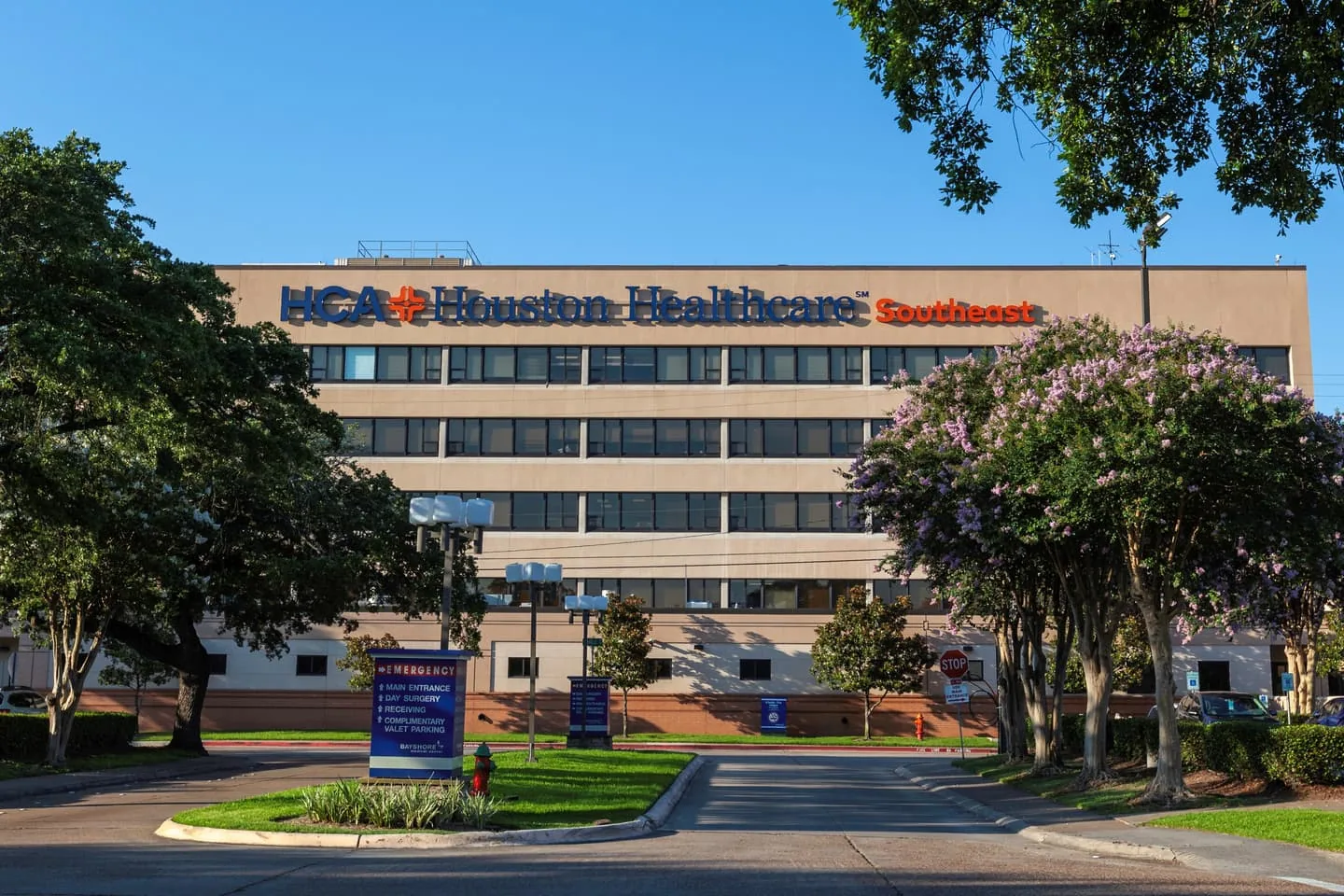
Commercial Roofing on Fairmont Parkway, Pasadena, TX
Some buildings can close for a roof job. A venue with a booking calendar, a school with a bell schedule and a retail strip with leases in every bay cannot. Roof work on buildings like those has to be sequenced like a production: what is open, what is protected, what happens when a storm cell builds off the Gulf.
The Pasadena Arena & Convention Center is expanding with a 160,000 square foot arena and 7,500 seats, bringing the combined venue to about 200,000 square feet. It is one example of the large public venues that shape scheduling along Fairmont Parkway. San Jacinto College's Central Campus, with its LyondellBasell Center for Petrochemical, Energy & Technology, can be reached from the same parkway, as well as from Beltway 8 and the Spencer Highway corridor. We repair, recover and replace commercial roofs for owners and managers in this part of Pasadena, TX, and we plan each job around the people who use the building.
Start With Who Is Under the Roof and When
Before we talk membranes, we ask for the calendar. A venue has load-in days, event nights and weeks with nothing booked. A campus has class periods, exams and breaks. A retail strip has opening hours, delivery windows and tenants who each have their own landlord obligations. The calendar marks the days a crane can pick, the hours noise is tolerable and the sections of the roof that can be opened without putting someone's inventory or equipment at risk.
Then we walk the roof and the interior side together. A ceiling stain in a hallway may trace to a drain two bays away, so we follow water instead of guessing. The facility director gets the ranked list of what is wet, what is worn and what can wait. A reroof on an occupied building uses that map to choose the first section, the staging area and the protection needed inside.
Join New Roof Areas to Old Ones With Sound Details
When a venue grows by an addition, the roof of the new space has to meet the roof of the old one, and that line is where water finds its way in. The two sides may carry different insulation thicknesses, different membranes and different drainage, so the joint needs flashing, a transition at the height change and drains placed so water does not collect at the wall.
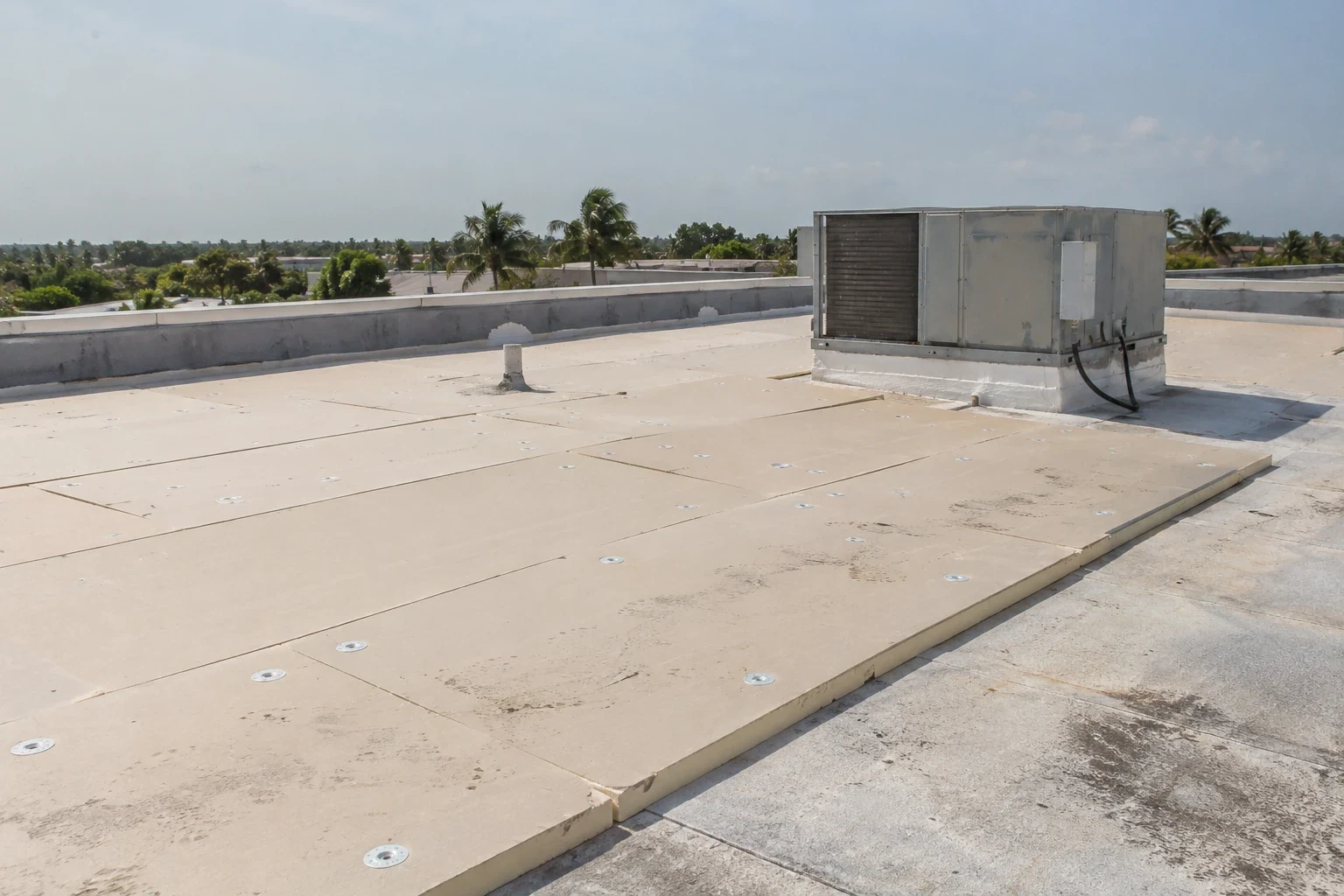
We look at the same details on any building that has been expanded over time. Check where the old parapet ends, how the counterflashing laps the new base flashing, and whether the new drains tie into the same leader lines. Where a membrane from one maker meets another, we confirm the materials are compatible before we lay a seam. A clean insulation and cover board layout under the tie-in keeps the thickness change from becoming a ponding line.
Inspect for the Damage a Tornado Leaves Behind
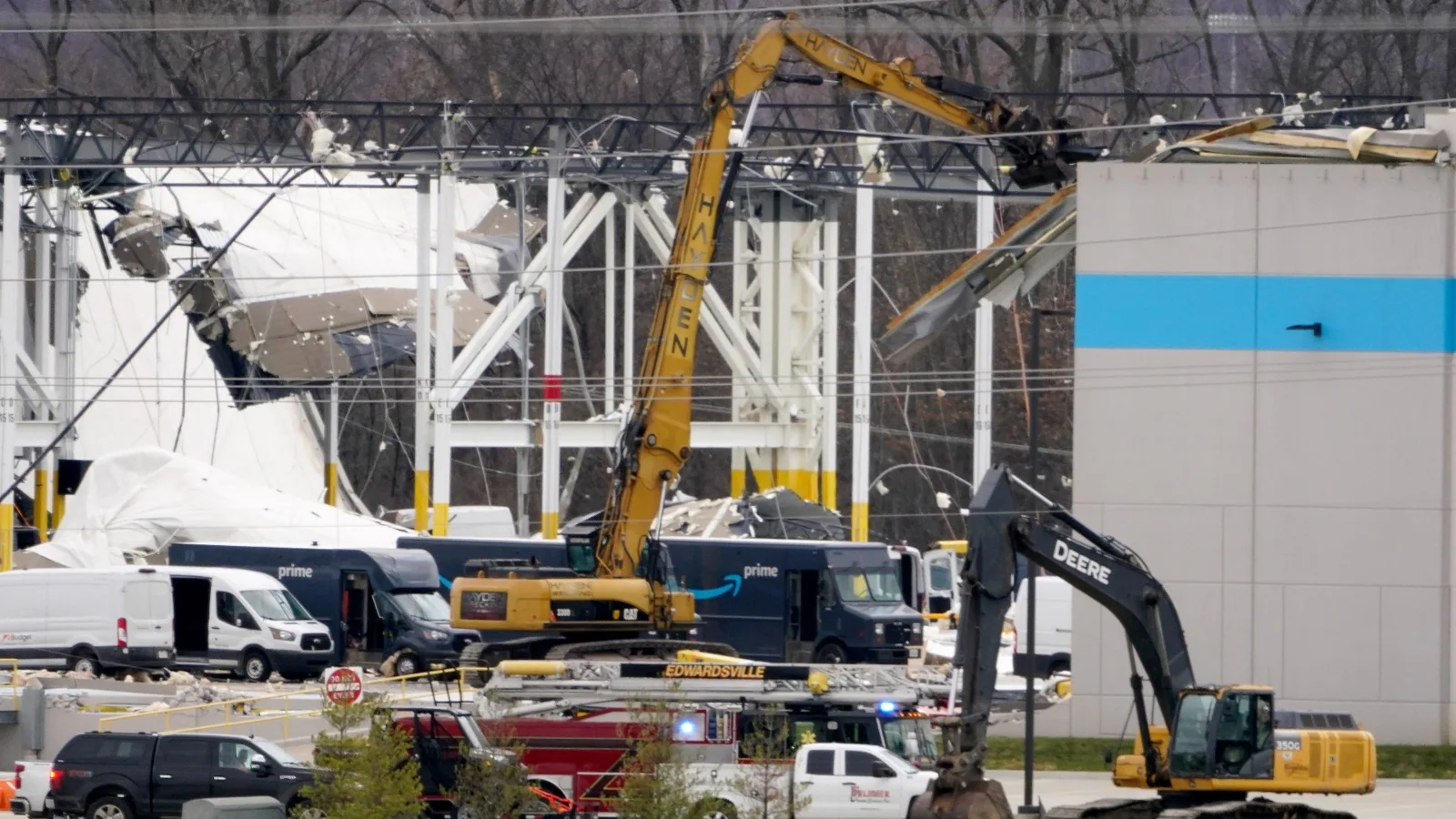
The January 2023 EF3 tornado crossed Fairmont Parkway at about half a mile wide. It damaged Pasadena Memorial High School, several businesses and many homes, and the roof loss it caused was only the visible part. Wind that strong lifts membranes, loosens fasteners, bends edge metal and drives debris into surfaces that still look intact from the ground.
Owners along the parkway who were near that path should ask for a close inspection, with a drone pass for the overview and hand probing at seams, flashing and penetrations. Tornado damage roof repair opens with a walk to make the roof safe and close its openings, and the photo record we build that day supports the claim later. Documentation made quickly, before debris is cleared, tends to be the strongest evidence an insurer sees.
Choose a System for Heat, Ponding and Foot Traffic
Summers punish a roof: Houston's August highs sit near 95 F, summer mornings arrive with humidity over 90 percent, and the sun works on the same surface from one wet day to the next. Dark membranes absorb that heat all day, so reflective TPO roofing or a cool-surface option is a common choice for the broad low-slope roofs on schools and retail centers.
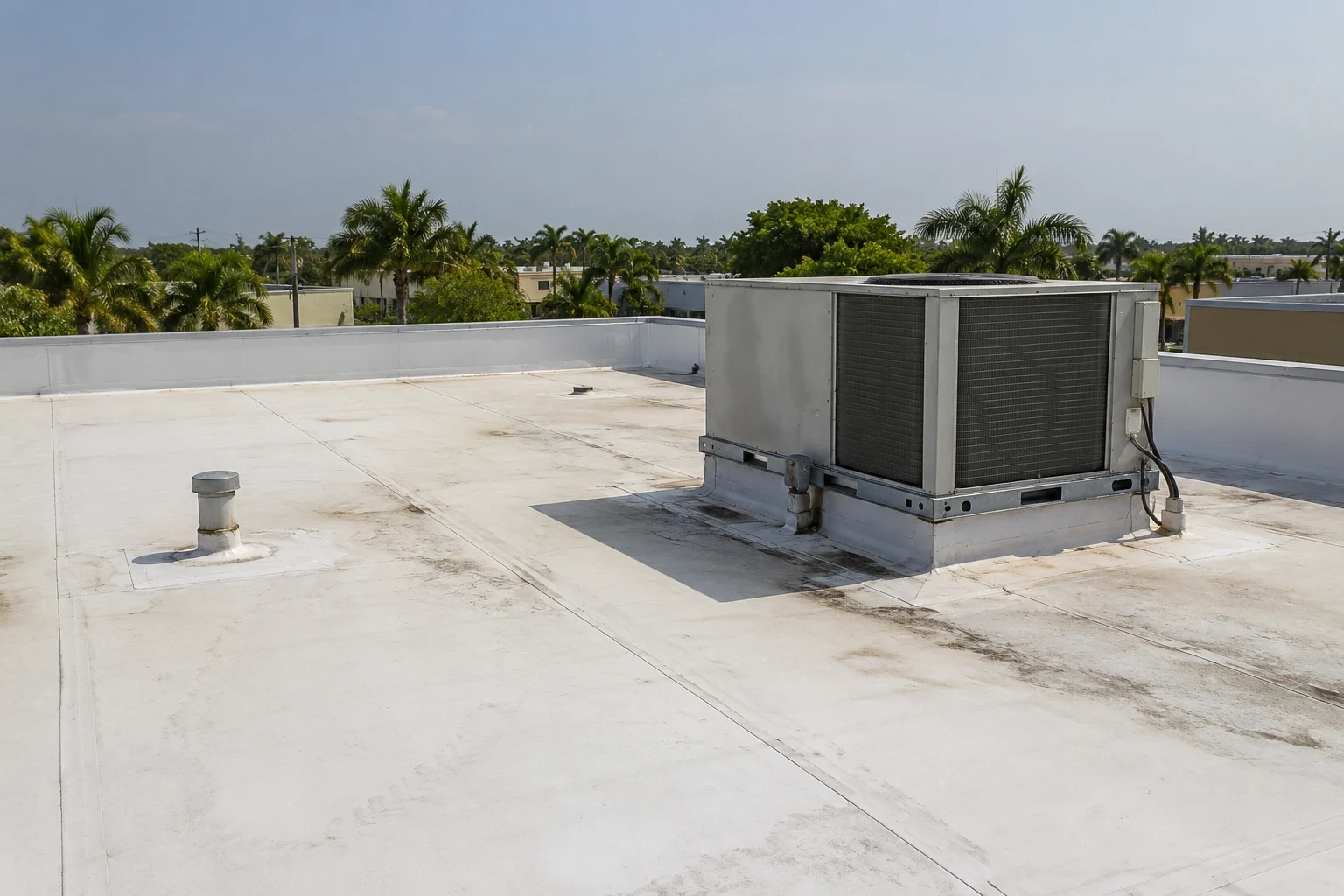
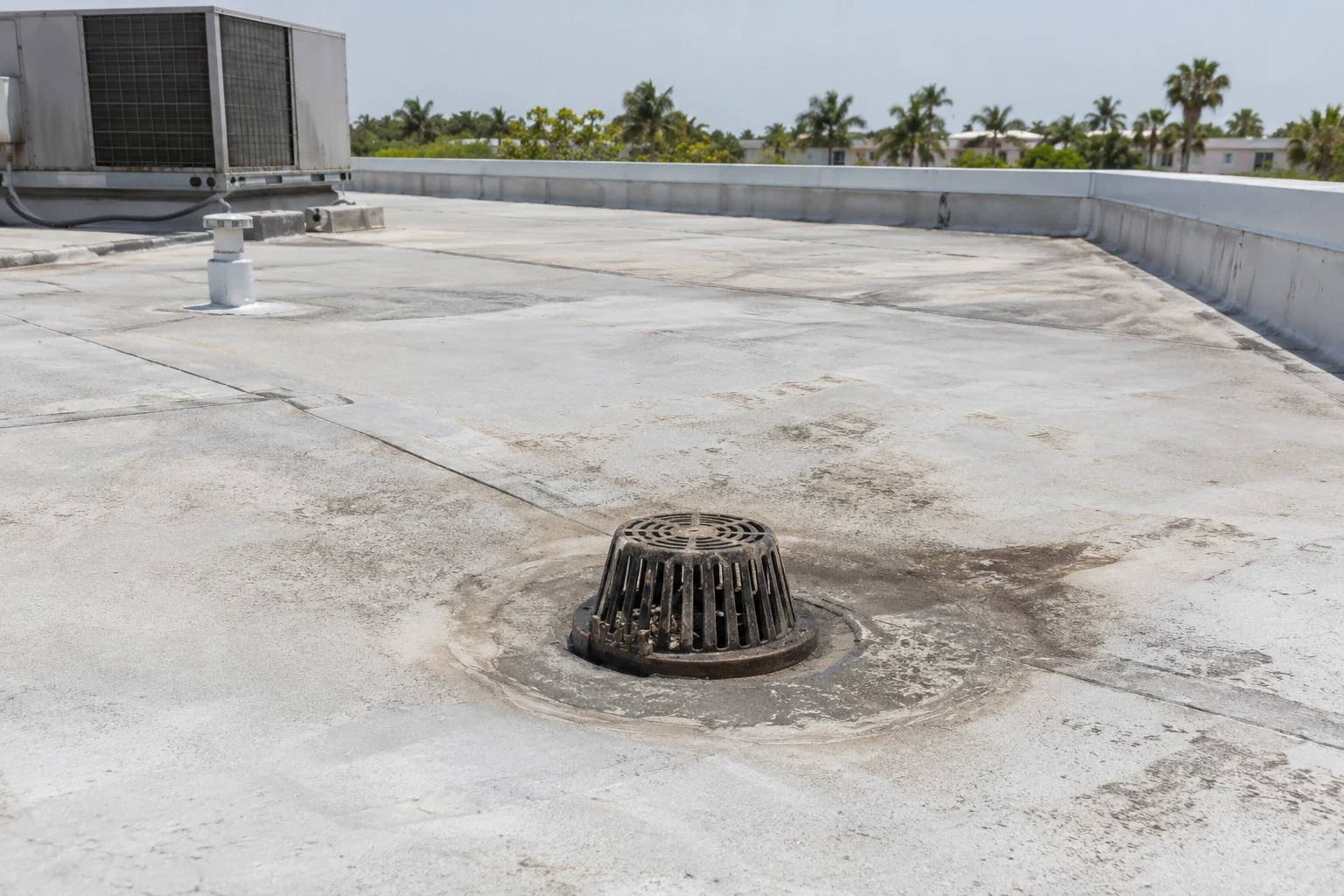
Foot traffic matters just as much. Arena and campus roofs see service crews walking to rooftop units, and a walk-pad path protects the membrane. The region also takes about 50 inches of rain a year, so drains, scuppers and slope decide how well any membrane lasts. A roof that holds water after a storm ages faster, and a drain and scupper review is often the cheapest improvement on the list.
Price the Job by Access, Phasing and Weather Risk
Square footage is only the starting point. A roof that requires working around events, after-school hours or retail closing will take more mobilizations than one that is empty on weekdays, and each mobilization adds labor. Tie-ins, rooftop equipment and the number of drains add detail work. The need for a crane over an occupied lot adds time for traffic control and safety. Material staging on a crowded property may mean smaller, more frequent deliveries, and every extra trip is a cost the owner should see in the scope.
Timing depends on weather and calendars together. Summer breaks suit school work, and the quieter weeks between events suit a venue, but the same months are in hurricane season and afternoon storm season. We keep sections small, dry them in each day and keep a plan for closing the roof fast if a Gulf system is forecast. A project in South Houston, which borders Pasadena, works to the same Gulf weather.
A corridor includes many separate roof owners, so we confirm which entrance, parking area and loading point belongs to the customer before materials are delivered. A venue or school nearby may provide useful context, but its calendar does not set the rules for a separate building. The property contact approves staging and work hours for the roof under contract, and we keep that plan distinct from neighboring operations.
Commercial Roofing Questions
How do you reroof a school or college building without disturbing classes?
We build the plan on the class calendar. Noisy tear-off and crane picks go into breaks, evenings or hours the facilities office approves, and each section is dried in daily. Walkways, drop zones and student routes are fenced and agreed before work starts.
Does a new addition need the same roof system as the existing building?
Not always, but the two have to be compatible where they meet. We check drainage, insulation thickness and the membrane type on each side, then detail the transition so water leaves the joint instead of gathering there.
Should a tornado-damaged roof be repaired or replaced?
A survey sorts that out. Sections with torn membrane, lost insulation or a bent deck usually need replacement, while sound areas with lifted edges can often be repaired. We document each condition so the insurer and the owner see the same evidence.
Why does a stain show up far from the actual leak?
Water follows decking, ducts, conduit and insulation before it drips, so the visible stain can sit many feet from the opening. Moisture mapping and a seam probe locate the entry point, and the repair goes there rather than over the stain.
What does Pasadena's energy code mean for a roof replacement?
Under the city's current rule, new construction, additions and remodels that change energy load must show 2024 IECC compliance, and an energy inspection closes the file before the space is occupied. A full replacement often touches insulation values, so we confirm the requirements with the permit office before pricing.
Keep Reading
Related Roofing Work in Pasadena

Walk the Roof With Us
Send us the event, class or tenant calendar and we will walk the building with your facility team. The work plan will fit your schedule from the first day.