
Commercial Roofing Services
Commercial Roof Replacement in Pasadena, TX
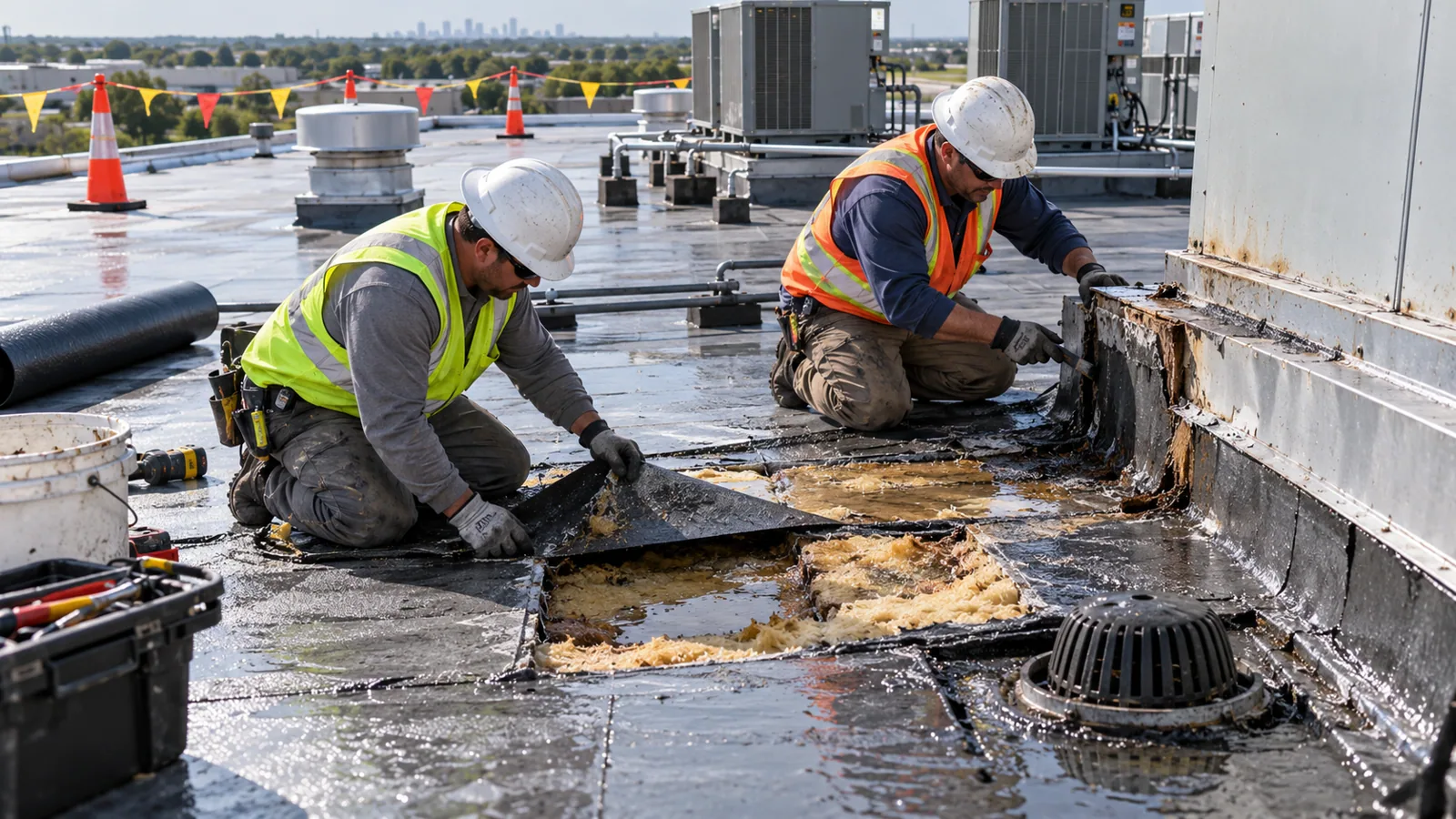
A tear-off on an occupied building is a scheduling problem first and a roofing problem second. The tenant still runs shifts under the deck, the dock doors still cycle, and the roof still has to be watertight by dark. On a commercial roof in Pasadena, TX, a full replacement means pulling off the old membrane, wet insulation and failed deck sections, then building a new system back up in sections small enough to close every day.
We plan that sequence on the ground before a single fastener comes out. It is slower to plan and faster to build. A walk of the site first means fewer surprises at the deck, fewer wet-ceiling calls, and a clean file at the end. The same sequencing governs reroofing an occupied building of any size.
Read the Existing Roof Before Writing the Scope
A warehouse roof that leaks at the dock side and a roof that leaks everywhere are different jobs, and the scope has to say which one it is. We start with a hands-on look at the membrane, flashing, drains and penetrations, then confirm what sits under the surface. Wet insulation does not always show at the ceiling, and a deck that has corroded under a long-running leak will not hold new fasteners.
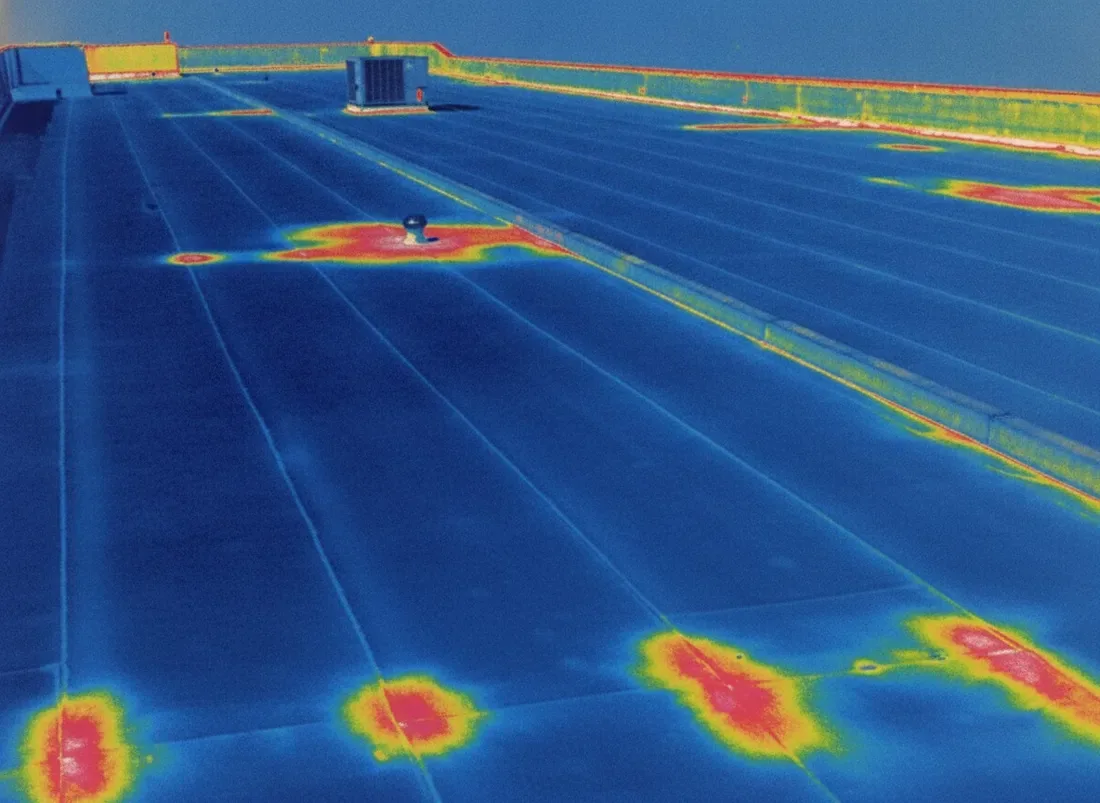
An infrared moisture survey and a set of core cuts show how much insulation comes out and how much deck repair belongs in the plan. Writing those quantities down before bid day keeps the numbers honest. The owner gets a scope that can be compared line by line, instead of a lump sum that grows once the deck is open.
Set the Shutdown Window and Lay Out the Site
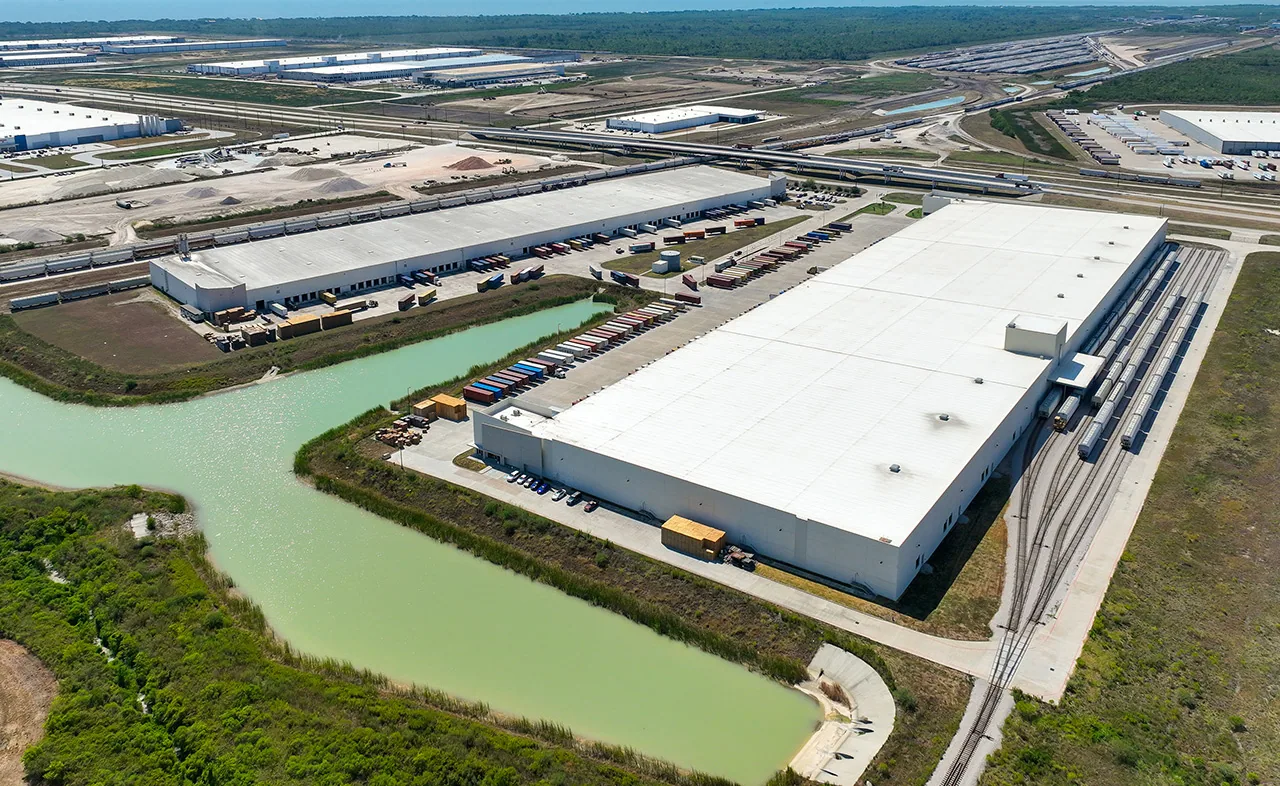
The sequence decides whether the job runs smoothly. For a plant on a turnaround cycle, the roof work may have to fit inside the shutdown window, with hot work permits issued for any heat-welded or torch-applied detail and a site safety orientation for every person who steps onto the roof. For a distribution center, the question is which dock doors stay open and where the laydown area sits so trucks never lose a lane.
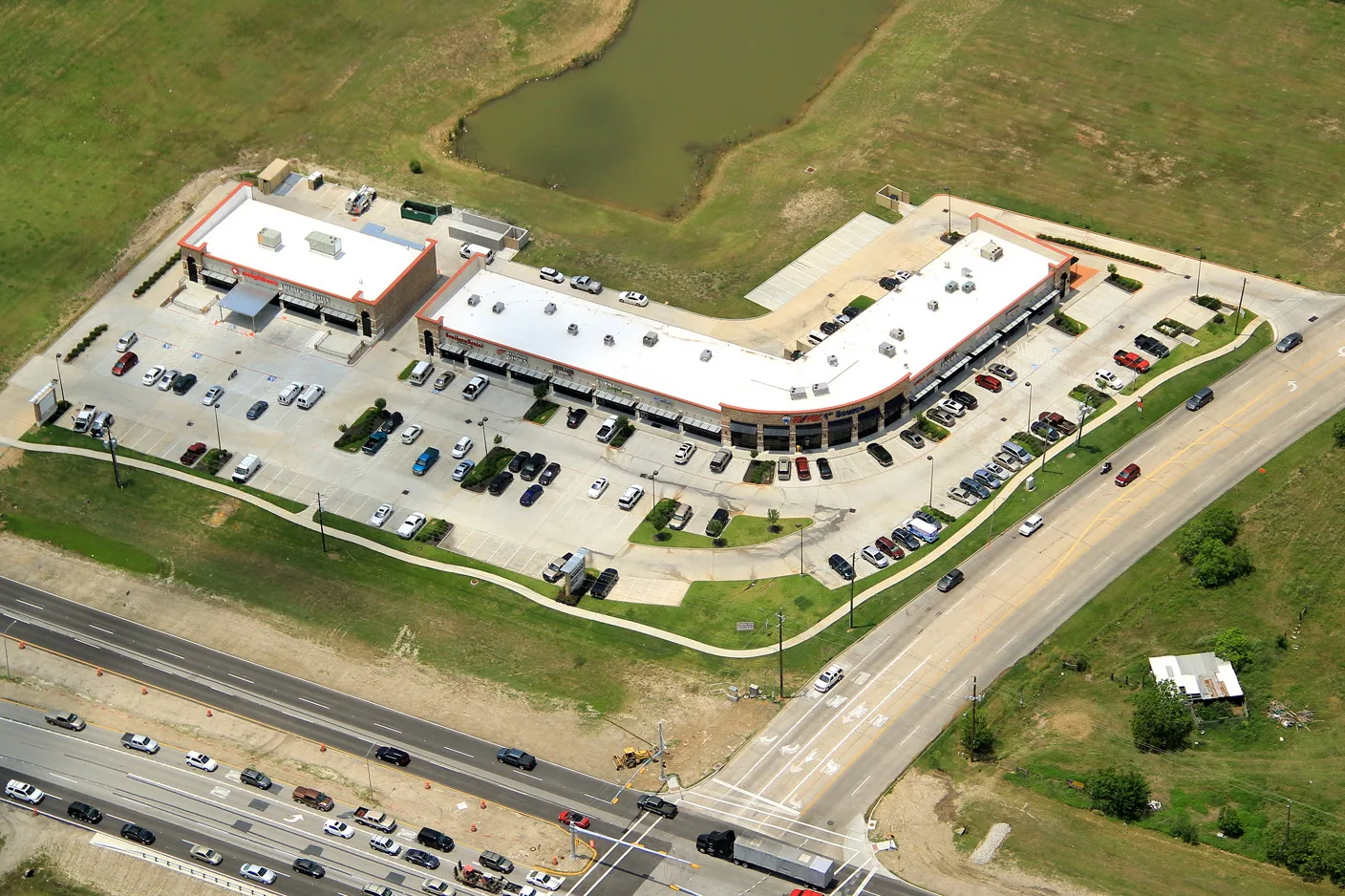
We plan the crane pick for rolled insulation and membrane, stage material away from drive aisles, and phase the roof into areas that can each be torn off, insulated and closed within a working day. The plan goes to the facility director in writing, with areas, days and access points named, before the first load arrives.
Choose a System That Handles Gulf Coast Heat and Bay Air
Houston's August highs sit near 95 F, and the summer of 2023 reached 109 F with eighteen straight triple-digit days at Hobby. A dark membrane in that heat takes a beating from UV and thermal movement. Humid air off Galveston Bay and the Ship Channel adds corrosion to the list for edge metal, fasteners and exposed deck.
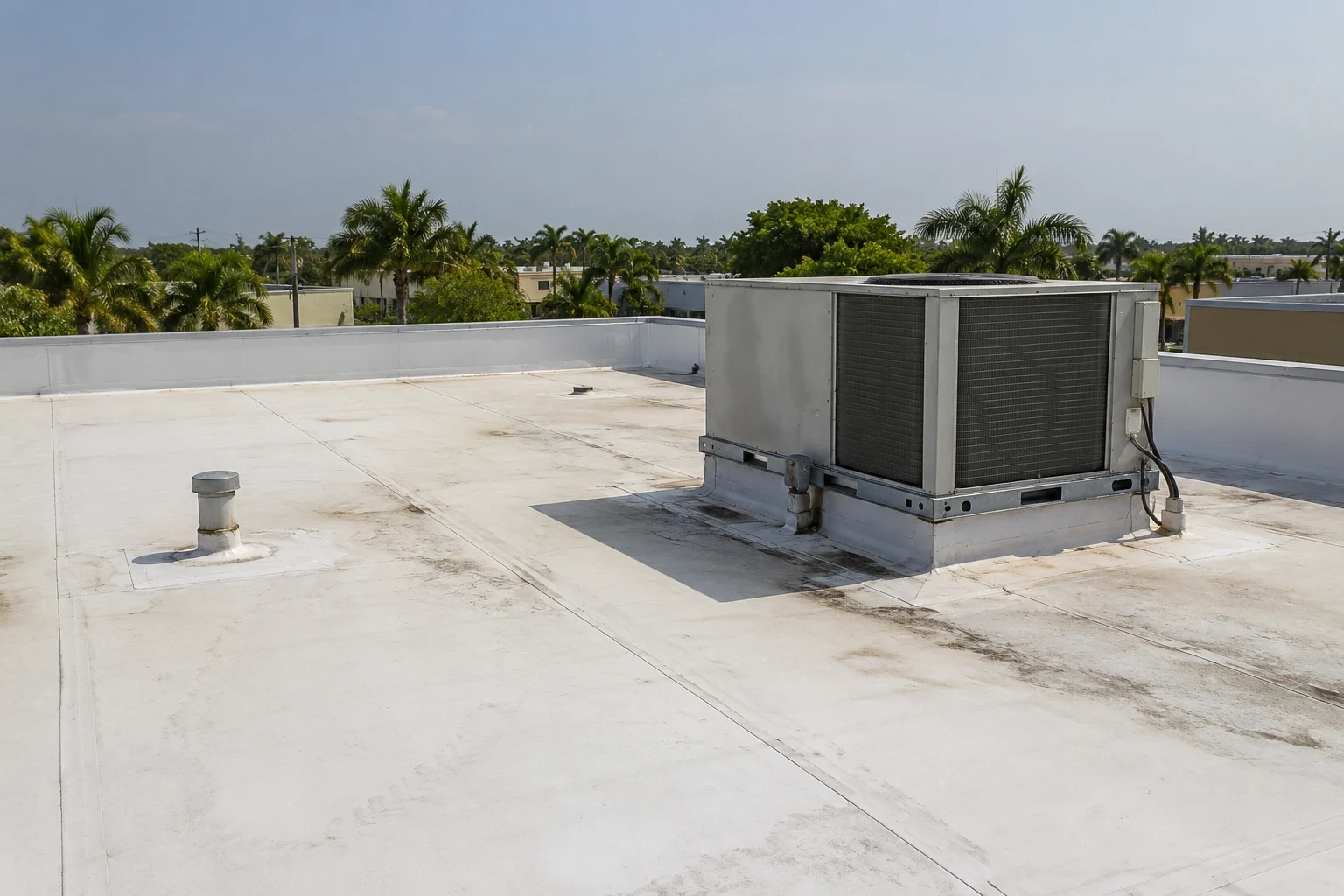
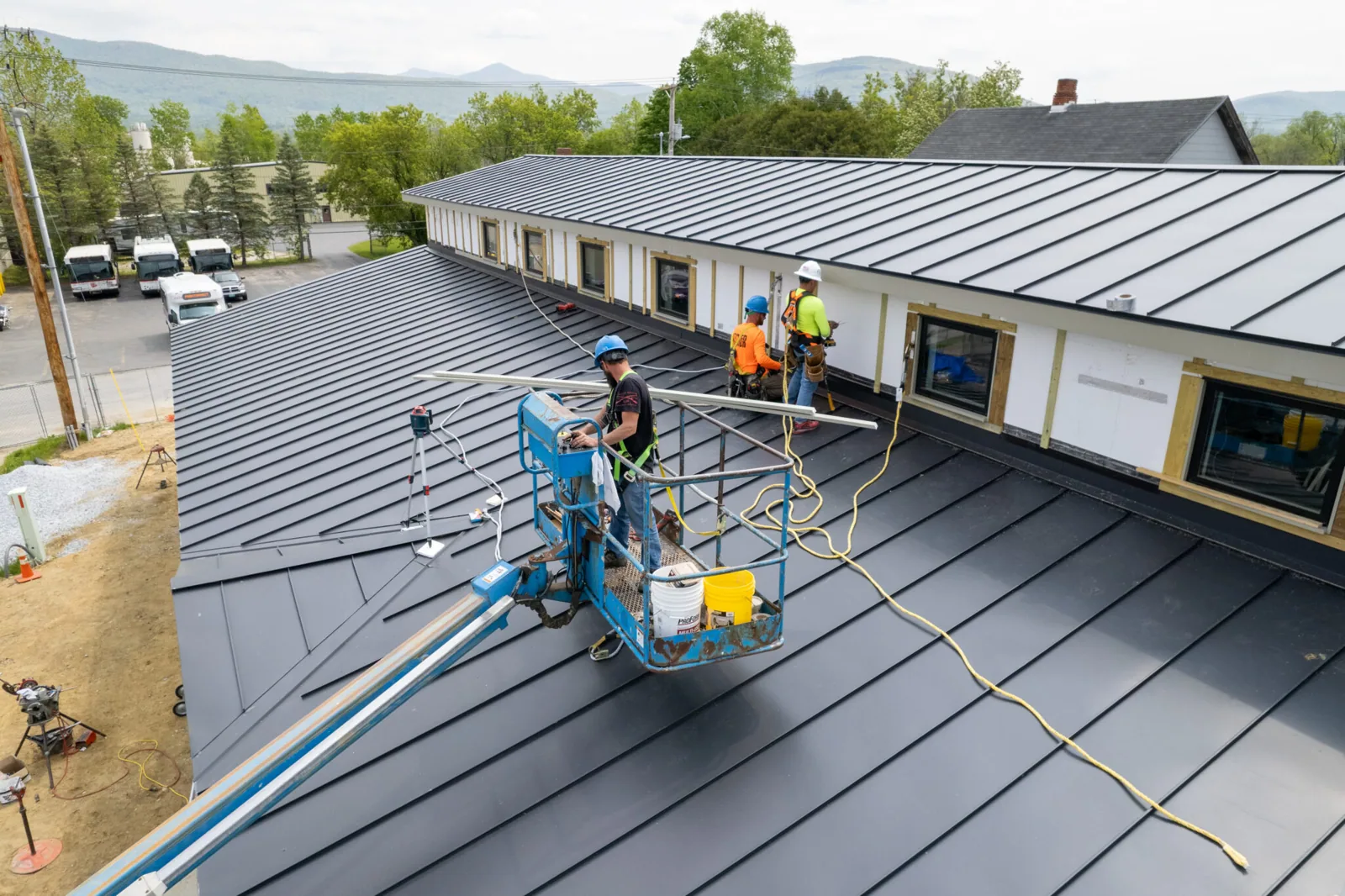
For most low-slope buildings the real choice runs among TPO, PVC, EPDM and modified bitumen. A plant with oils or chemical exhaust on the roof may call for PVC or KEE, while a retail strip may do well with a white membrane that cuts heat gain. Long-span buildings with enough slope can also move to standing seam metal. We lay out the options against the building and its exposure, not against a catalog.
Meet Windstorm and Energy Code Before the Permit
Wind insurance rules shape the work here. The Texas Windstorm Insurance Association covers risks east of State Highway 146 in Pasadena, Shoreacres, Morgan's Point, La Porte and Seabrook, and roofing work there goes through the Texas Department of Insurance windstorm inspection and certification program to keep the building insurable. The Bayport Industrial District sits in the Galveston Bay wind zone, so owners there confirm early whether the address falls east of that line.
Separately, the City of Pasadena Permit Department requires 2024 IECC compliance for additions, remodels and changes of occupancy that affect energy load, with a cover inspection and a final energy inspection before occupancy as of February 2, 2026. A replacement that changes insulation thickness should be checked with the department early. Uplift-rated attachment and perimeter securement get decided with the permit in mind, not after it.
Close Every Section Before the Afternoon Storms
Gulf moisture builds fast. Houston sees about 104 rainy days and roughly 50 inches of rain in a year, with June the wettest month, so the plan assumes weather will interrupt the crew. We open only as much roof as can be dried in by quitting time, tie new membrane into the old with temporary seals at every edge, and keep tarps and pumps staged on the roof.
The January 2023 EF3 tornado that cut across Fairmont Parkway damaged roofs on a high school, several businesses and many homes. A half-finished tear-off is the most exposed roof there is when wind arrives. When a cell builds on the radar, the crew closes the open area first and finishes the rest tomorrow.
Walk the Closeout Before You Sign Off
Closeout is where the work becomes a record. We walk the finished roof with the facility director, photograph terminations, drains, curbs and edge metal, and hand over the as-built details. Manufacturer warranty paperwork depends on the system, so we gather it with the inspection reports so the file is ready for roof warranty management later.
Final energy and windstorm inspections, where they apply, get scheduled before the tenants are back in the space. An owner with several buildings can keep that file next to the capital plan, so the next roof becomes a known date rather than a surprise.
Commercial Roofing Questions
What decides whether my building needs a tear-off or a recover?
Moisture trapped in the existing system is the test. If core cuts and an infrared scan show wet insulation across a large share of the roof, adding another layer buries the problem, and building code can limit how many layers stay on. If the insulation is dry and the deck is sound, a recover over the existing roof can save time and disposal. We lay out both paths with the findings.
What controls how long a full replacement takes?
The number of roof sections closed each day drives it, not how fast the crew works. Hidden deck repair, crane access, weather days and the number of penetrations all change the count. We give the owner a phased calendar with the areas named, then update it each morning so the facility team always knows which side of the building is open.
Can the building stay in operation during the work?
Usually yes, within what the operation cannot tolerate. A hospital cannot take dust or fumes at an air intake. A plant cannot take hot work during a process window. A warehouse cannot lose its dock lanes. We build the plan around that limit, with night shift or weekend work where it helps.
What drives the cost of a replacement?
What decides it is the system chosen, how much insulation and deck must be replaced, how many curbs, drains and penetrations the roof carries, and how difficult the access and crane pick are. We do not quote a number from the street. We quote from a scope written after the roof has been inspected.
Does a replacement in Pasadena need a windstorm inspection?
Your answer turns on where the building sits. East of State Highway 146 the Texas Windstorm Insurance Association area applies, and the work has to go through the Texas Department of Insurance windstorm program to stay insurable. West of that line the answer can differ. We confirm the address and the permit path before the scope is final.
Keep Reading
Related Roofing Work in Pasadena

Walk the Roof With Us Before the Plan Is Set
Bring the facility director, the building plans if you have them, and the operating schedule. We will walk the roof, then build a replacement sequence that fits how your building runs from the first day.