
Commercial Roofing Services
Commercial Roof Inspections in Pasadena, TX
Before anyone climbs a ladder, we ask how the building runs. A roof over a plant that cycles through turnarounds gets inspected on a different calendar than one over a school that empties every summer. A roof over a distribution floor with trucks at every dock needs access plans that keep the lanes clear. The inspection is only useful if it fits the operation and produces findings the owner can act on.
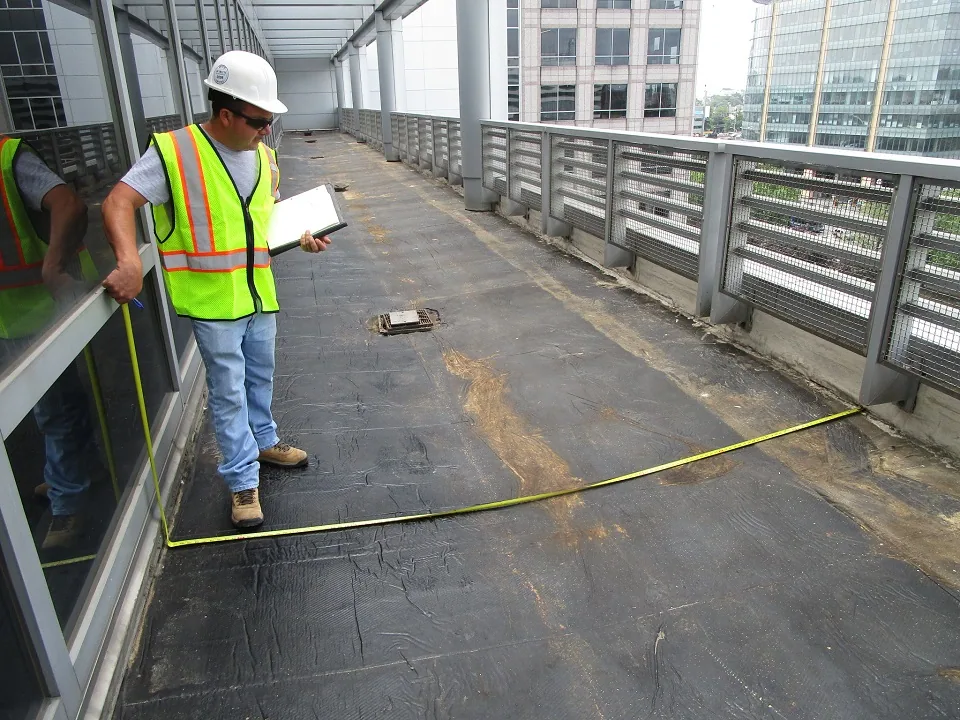
A commercial roof inspection in Pasadena, TX is hands-on work. We walk the surface, probe suspect areas, photograph every finding and tie each one to a location on a roof plan. What comes back is a ranked list of what needs attention now, what can wait for the next budget cycle, and what the roof is still doing well.
Begin With the Roof's History
A good inspection starts at the desk. We ask for original plans, prior repair records, warranty paperwork, leak logs and any photos from earlier surveys. A roof that has leaked twice at the same curb tells a different story than one with scattered patches. Knowing which sections were replaced, which were repaired and which are original lets us read the roof the way it was built.
We also talk to the people who use the building. Maintenance staff know where the ceiling stains appear, which units were serviced last month and where water pools after a storm. That ground-level knowledge shortens the search on the roof and helps us focus on the details that matter.
Walk the Whole Surface by Hand
On the roof, nothing replaces walking every foot. We look at the field of the membrane for blisters, splits, punctures, ponding and surface wear. We check seams and laps, flashing at walls, curbs and penetrations, edge metal, drains and scuppers, expansion joints, and the condition of walk pads and rooftop equipment supports.
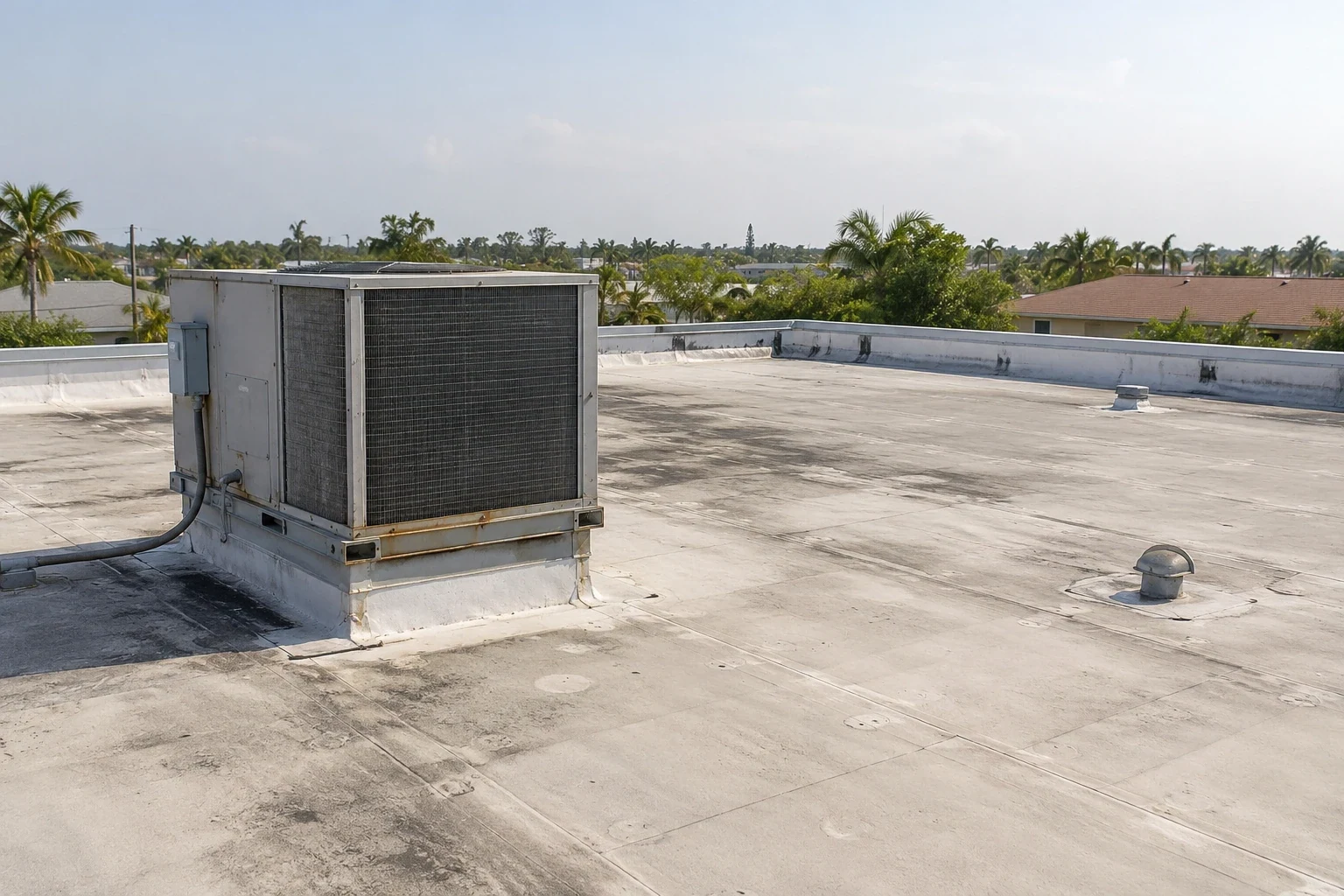
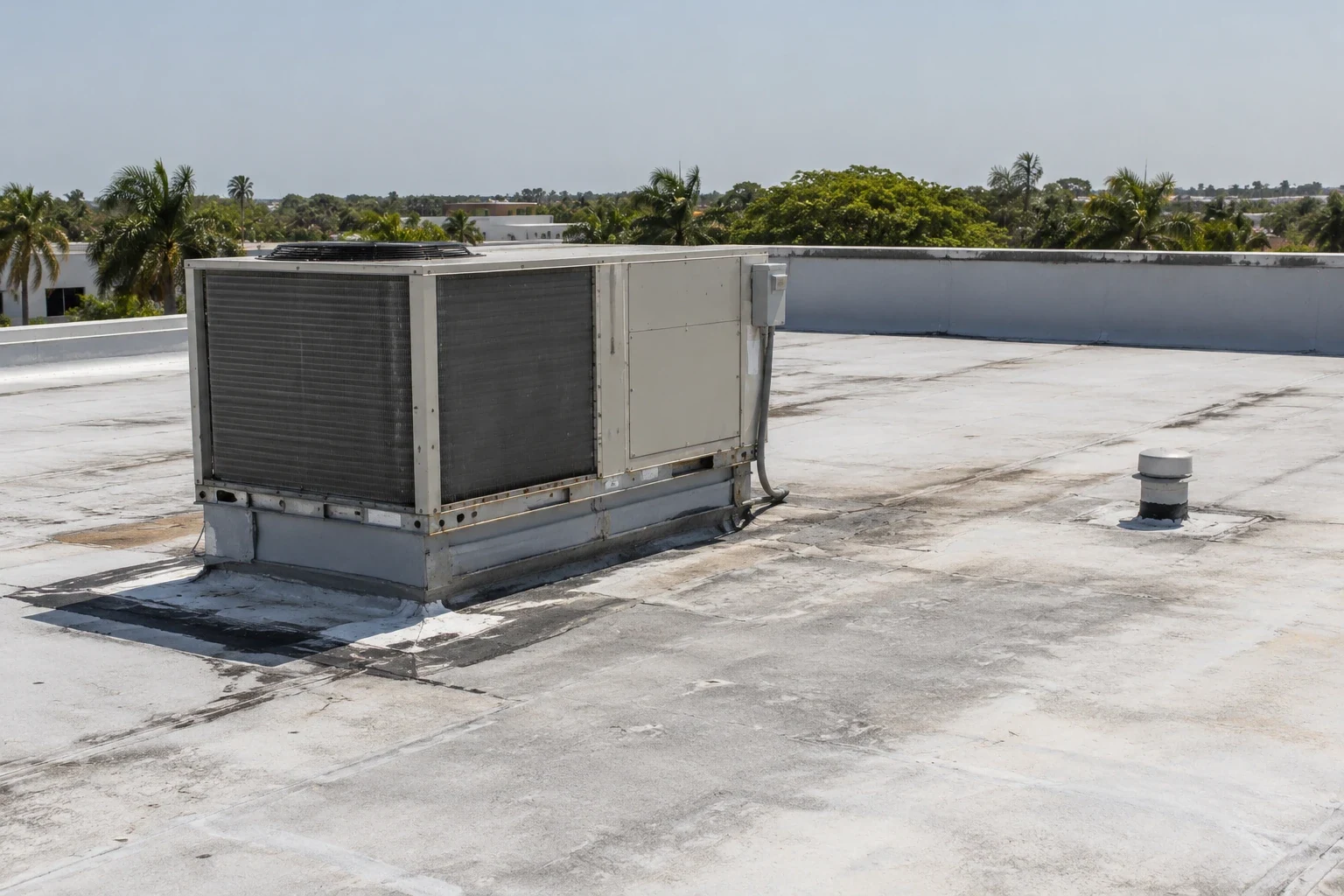
Rooftop units and exhaust fans create their own problems. Foot traffic around them, dropped tools and failed condensate lines all show up in the membrane below. We photograph each finding with a location reference, note the likely cause, and rate it by urgency. Where a defect is minor but repeating, we say so, because a pattern is more expensive than a single flaw.
Probe Where the Eye Cannot See
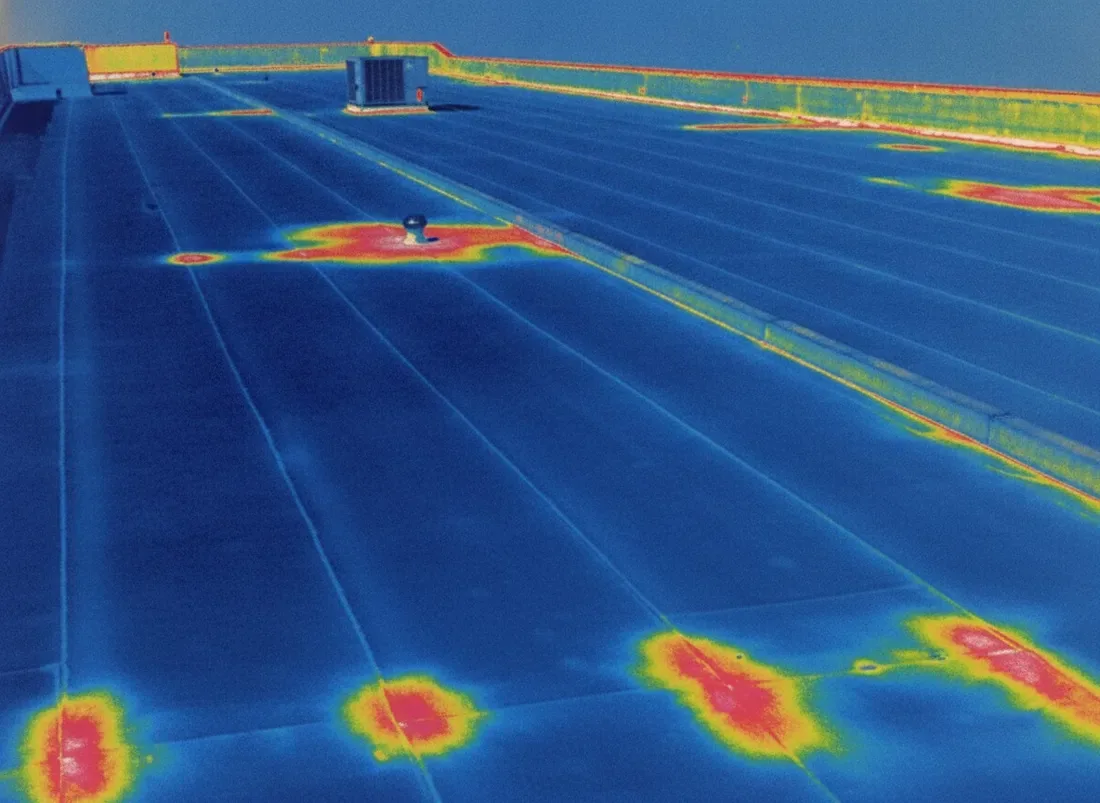
The surface does not tell the whole story. Insulation can hold water under a membrane that looks sound. Where the walk raises questions, we use moisture meters and, for larger areas, an infrared moisture survey to map wet insulation. Core cuts confirm the result and give us the actual thickness and condition of each layer.
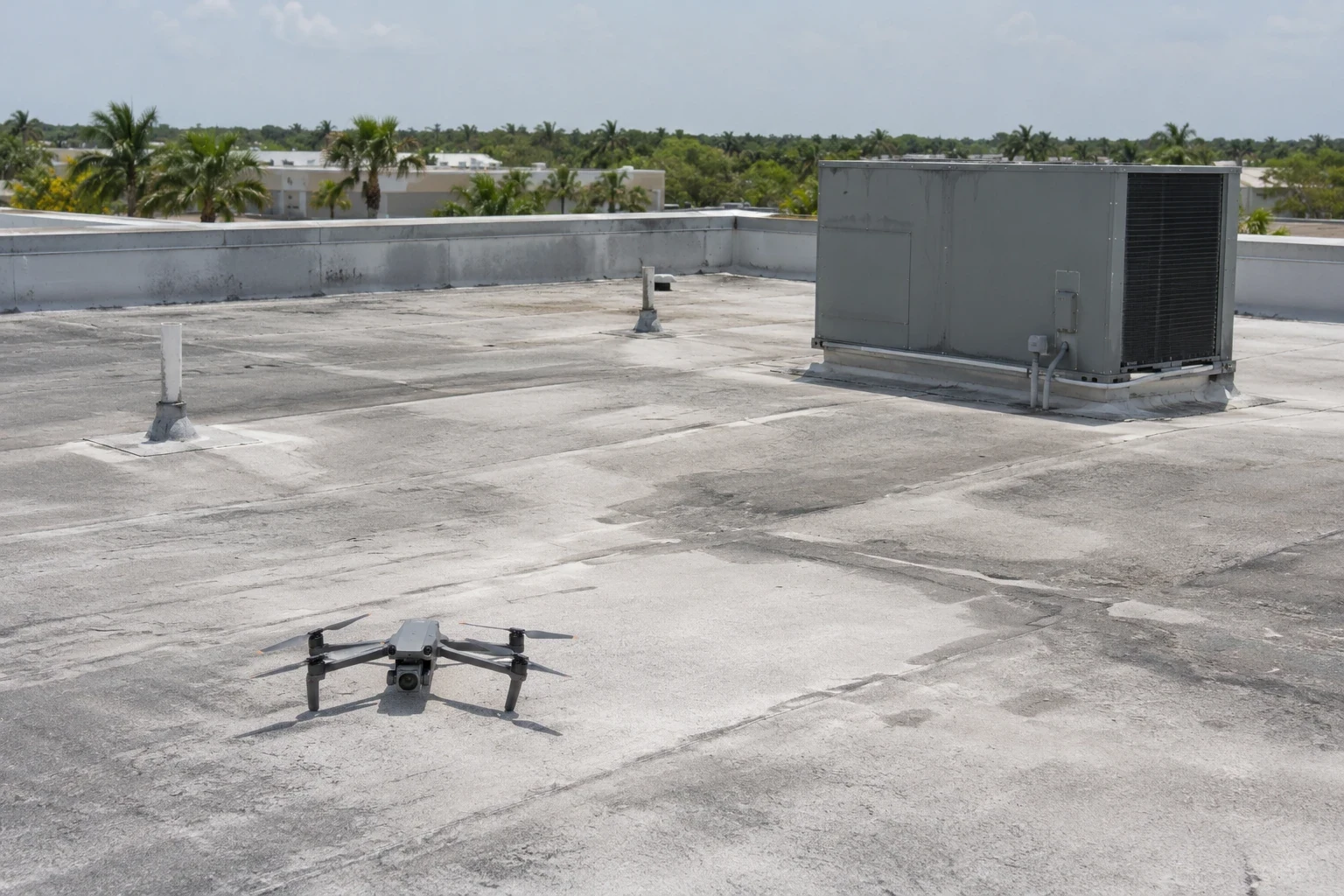
For large or complicated roofs, drone roof inspection adds an overview and catches areas that are difficult to reach safely on foot. Imaging does not replace the hands-on look. It extends it, and it creates a record the owner can compare against next year's inspection.
Turn Findings Into a Report an Owner Can Budget From
The report is where the inspection earns its value. Each finding includes a photo, a location, a cause, a recommended action and a priority. The summary rates the roof's overall condition and indicates whether it is a candidate for repair, restoration or eventual replacement. Cost drivers are described in plain terms so the owner can see what moves the number.
That written record is the working core of a roof condition report and, for owners with several buildings, of roof capital planning. A buyer or lender running a due diligence roof survey gets an independent view of the roof from the same findings.
Time the Inspection to the Storm Calendar
Timing matters on the Gulf Coast. A spring inspection catches winter and spring damage before the heat and the hurricane season arrive, and it leaves time to repair weak edges before the wind shows up. A post-storm inspection documents wind and debris damage while the evidence is fresh. Both serve the owner, and both belong in a preventive roof maintenance routine.
From the manufacturing and retail of South Houston to the corridors across Pasadena, the same pattern holds: heat, humidity and wind-driven rain wear roofs unevenly. Hurricane Beryl in July 2024 and the May 2024 derecho showed that severe wind reaches this region more than once in a year. An inspection before and after is the cheapest way to know where the roof stands.
Walk the Findings With the Facility Team
Delivery is a conversation, not just a document. We walk the findings with the facility director, answer questions on the roof or over the plan, and help sort what to approve now. An owner with many buildings can use a multi-site roof program to standardize the inspection and compare roofs across a portfolio.
We also leave the owner with a short list of items the facility team can watch between visits: drains to keep clear, equipment that needs a service-tech reminder about foot traffic, and the spots most likely to show a stain first. The next inspection then starts from a known baseline, so changes in the roof show up as changes on paper. A roof that is measured on a schedule is far easier to plan for than one that is only noticed when it leaks.
A repeatable inspection turns observations into a usable maintenance decision. Group findings by roof zone and distinguish immediate water entry, conditions that may worsen with weather, and items that can be monitored. Include photographs with a fixed reference point so a later visit can compare the same seam, curb, or drain. Record test methods and access limitations beside the result instead of implying that a visual walk confirms concealed layers. The report should identify what needs another test, what can be repaired during a planned visit, and what deserves a capital allowance. A facilities team can then connect roof condition to tenant impact and budget timing.
For each finding, include a priority, a recommended next step, and the condition that would change that priority. The owner can then assign the work without reopening the inspection from the beginning.
Commercial Roofing Questions
Does Gulf heat and storm exposure change how often a roof needs a walk?
It does. In a hot, wet, storm-prone market like the Houston area, a scheduled inspection once or twice a year plus one after any severe weather event is a sound baseline. Older roofs, roofs with a known leak history and roofs over critical operations earn a tighter schedule.
Will an inspection disrupt my operation?
Rarely. We coordinate roof access with your facility team, keep to marked paths and avoid working over sensitive areas during critical hours. Most inspections are quiet, and we can run them during off hours if the building requires it.
What is included in the written report?
Each finding carries photographs, a roof plan location, a likely cause, a recommended action and a priority. The report also gives a summary of overall condition and notes any limits of the inspection, such as areas that were not reachable.
Can an inspection support an insurance claim?
When it is timed to the storm, yes. An inspection that records the roof's condition before and after an event gives the owner a clear record, and the report separates wear and age from storm damage so the claim rests on facts, not guesses.
Do I need an inspection before buying a building?
Look at how much of the purchase price rides on the roof. A roof near the end of its service life changes the capital budget for years, and an inspection before closing gives the buyer a realistic view of repair needs and replacement timing so the deal reflects the real condition.
Keep Reading
Related Roofing Work in Pasadena

Walk the Site With Us and Set the Inspection Plan
Tell us the building, its operating hours and the roof history you have. We will arrange the access, walk the roof with your facility director and deliver findings that fit the way your building runs.