Roof Systems
EPDM Rubber Roofing in Pasadena, TX
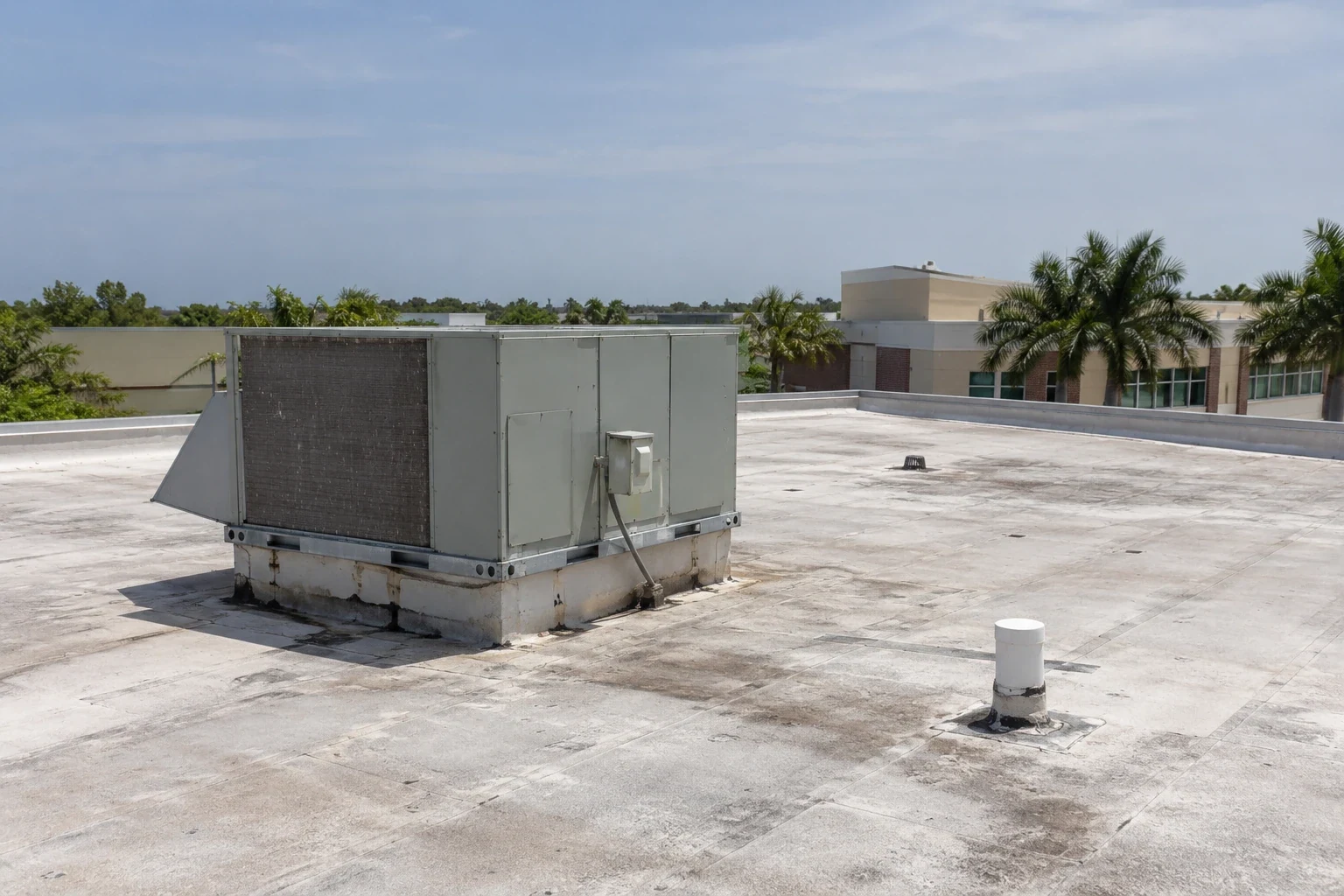
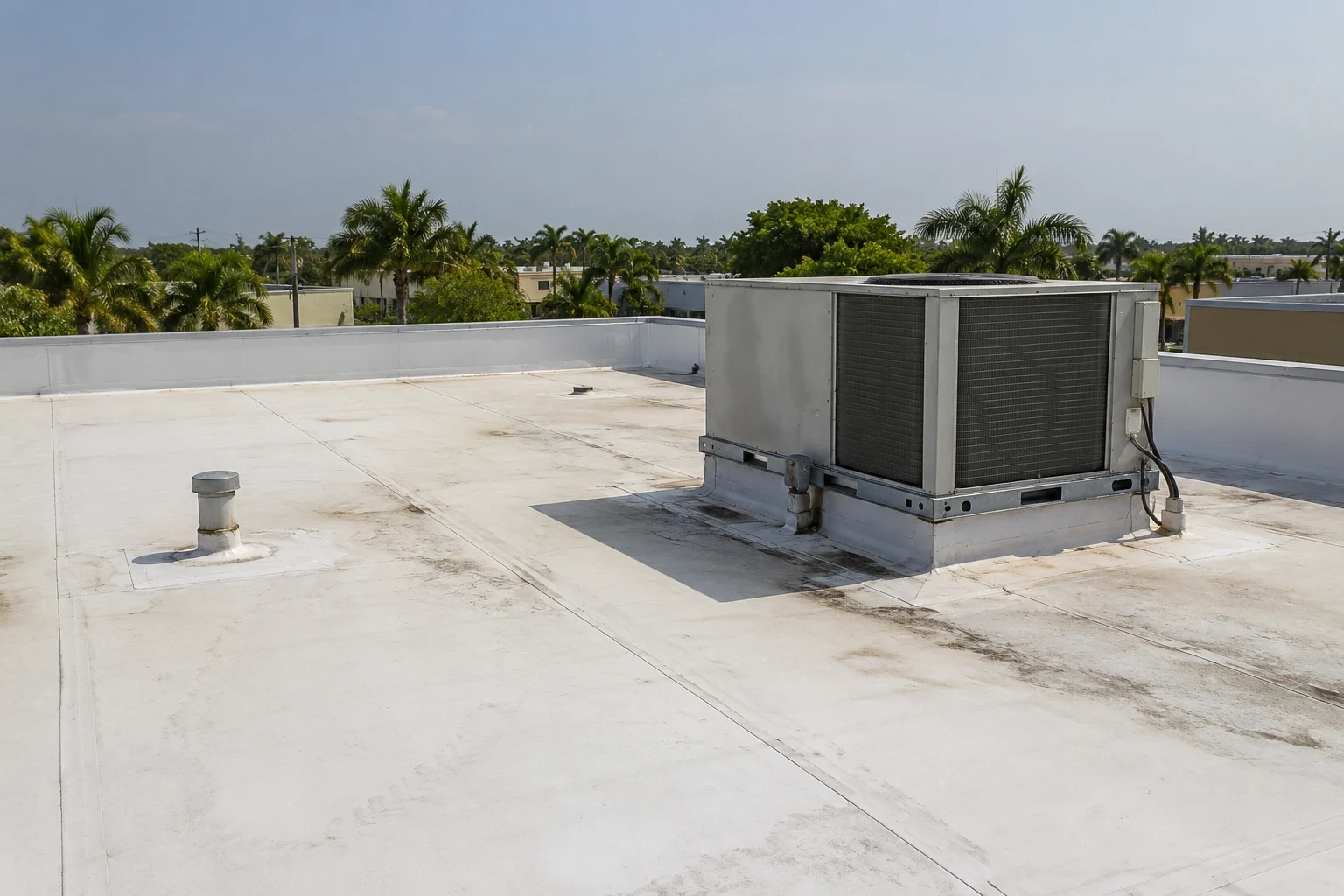
Classrooms empty out for summer, and the roofing season for school buildings starts the next morning. Pasadena Independent School District runs dozens of campuses across Pasadena and South Houston, and the weeks of empty classrooms are the working window for any flat roof that serves them. EPDM, an ethylene propylene diene monomer rubber sheet, is one of the membranes that fits that kind of building: it takes standing water well, tolerates foot traffic, and can be patched with simple materials.
Its sheets are joined by adhesive or tape instead of heat, so the quality of an EPDM roof is the quality of its splices. We plan and inspect around that fact, and we plan the schedule around the calendar the building actually keeps.
Schedule the Tear-Off Around Classrooms and the June Rains
School roofing has two clocks running at once. One is the academic calendar, with summer sessions, athletic practice and building access rules that shift week to week. The other is the weather, and June is the wettest month in Houston, which collects about 50 inches of rain a year over roughly 104 rainy days. The two clocks overlap exactly when the roof has to be open.
For a school roof, we map which wings are occupied, which doors serve summer programs and where buses and deliveries pass. Work areas are cut small enough to dry in the same day. The laydown area and crane pick sit away from play areas and bus lanes, and the site safety orientation includes any district rules on badges and background checks. Tarps and pumps stay staged on the roof, not on a truck.
Choose Between Adhesive, Fasteners and Ballast
EPDM can be fully adhered, mechanically attached or held down by ballast. Fully adhered sheets sit flat and resist wind lift, which suits a campus or an office where the structure was not sized for extra weight. Mechanically attached sheets use fastening plates along the seams and are quick to install. Ballasted sheets are loose-laid under rounded stone, an attractive option when the deck can carry the load.
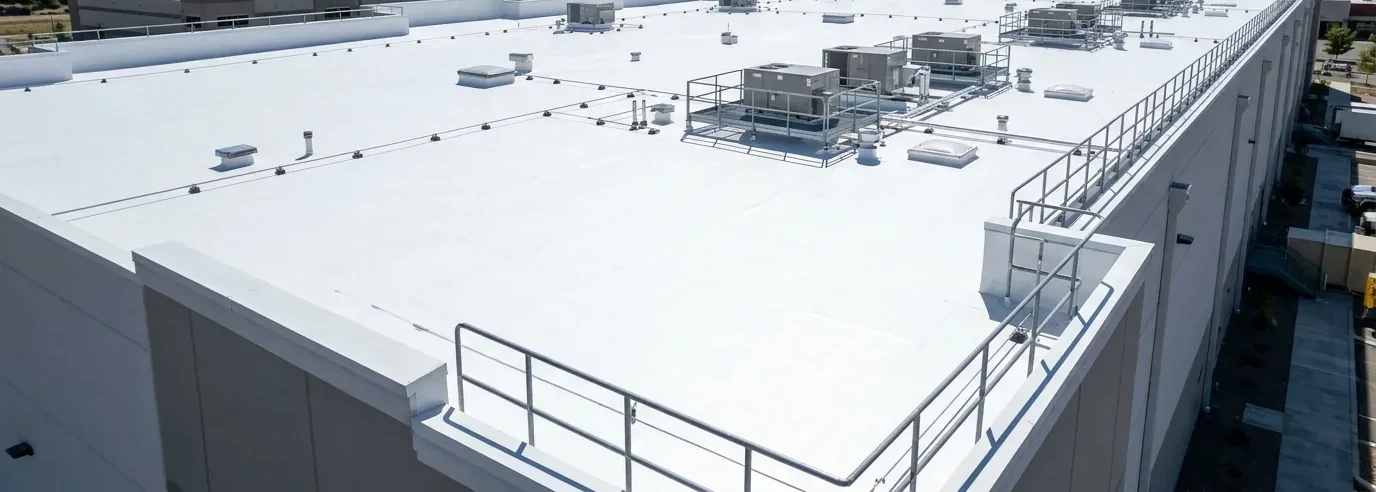
On the Gulf Coast, ballast is a design choice that needs scrutiny. Stone left loose in hurricane-force wind turns into projectiles, and an undersized stone at the corners can scatter across a parking lot. If the structure allows, we lean toward adhered or fastened systems for exposed sites. On a long-span building where a lighter assembly is needed, TPO roofing may be a better match, and we price both before the choice is final.
Treat Every Seam as a Splice That Needs a Dry Surface
EPDM seams are made with splice adhesive or seam tape on a primed, clean overlap. Dew, dust and humid air all interfere. With morning humidity over 90 percent in summer, we hold seam work until the sheet is dry, apply primer in thin coats and roll the splice firmly. A seam that looks sealed but was made over a damp surface can open after the first heat cycle.
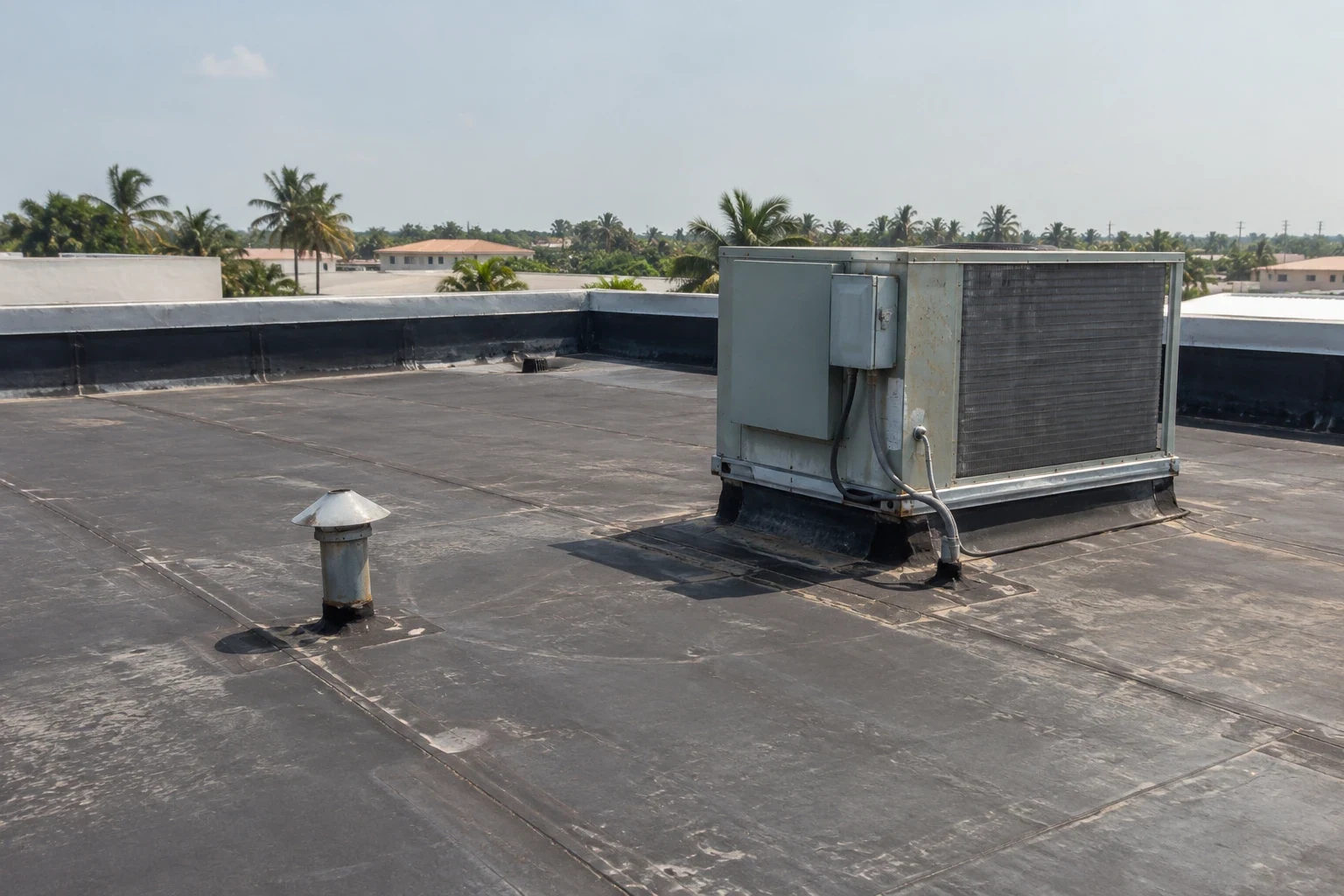
Flashings are the second weak point. Corners, pipe boots and curb wraps need pre-molded pieces or carefully cut and cured patches, and the edge of every splice needs a lap sealant. When an older EPDM roof begins to show open laps, we sort the defects before pricing the work. A few open splices fit a repair; widespread splice failure on one roof points toward seam failure repair at scale or a different membrane.
Drain the Water Before It Settles In
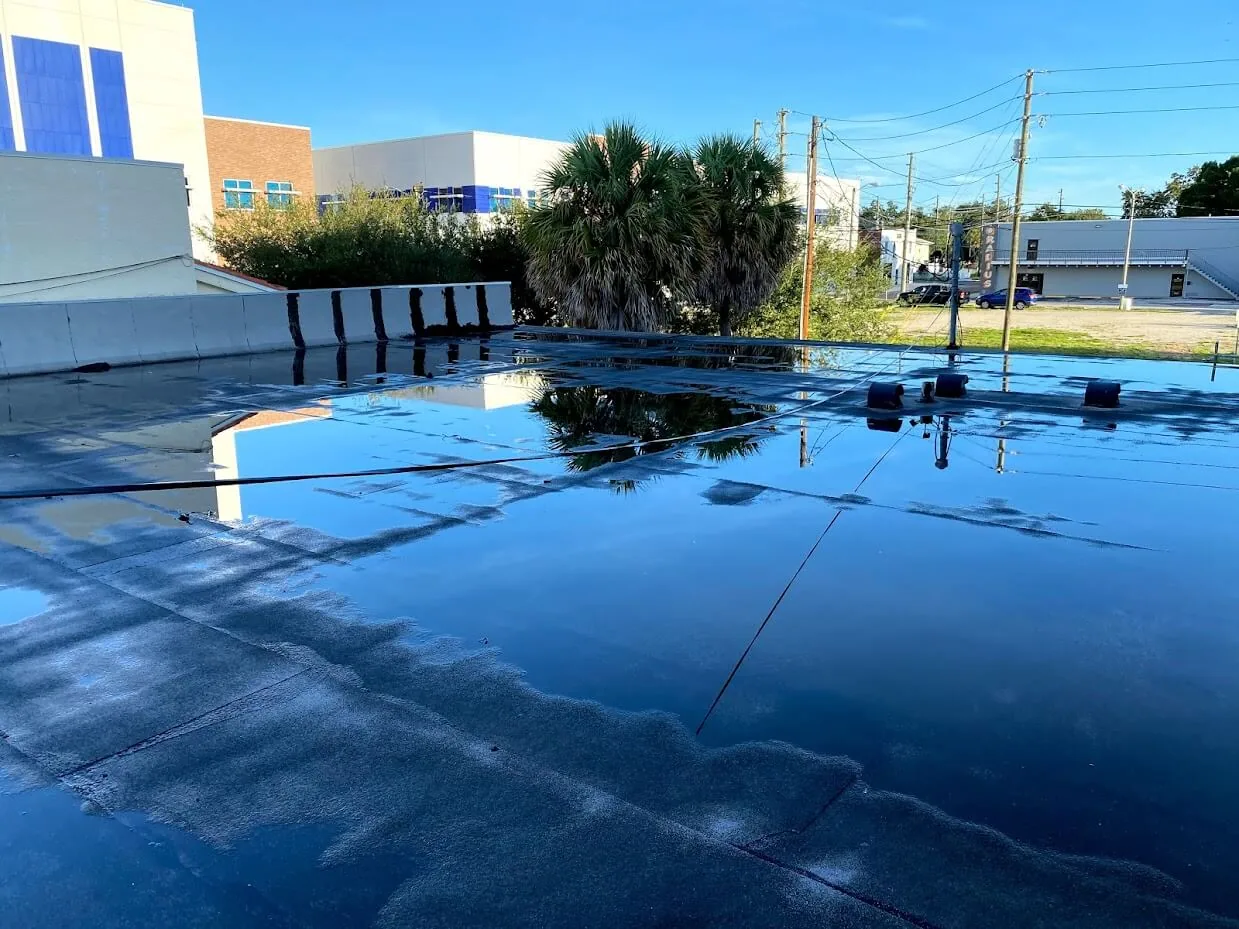
EPDM tolerates standing water better than many sheets, but that is a reason to remove a ponding problem, not to ignore one. Water that stays for days grows algae, holds dirt against the membrane, adds weight to the deck and finds any weak seam. Houston's constant rain, plus Harvey in 2017, the wettest tropical cyclone on record in the United States, makes drain performance a first-order concern for flat roofs here.
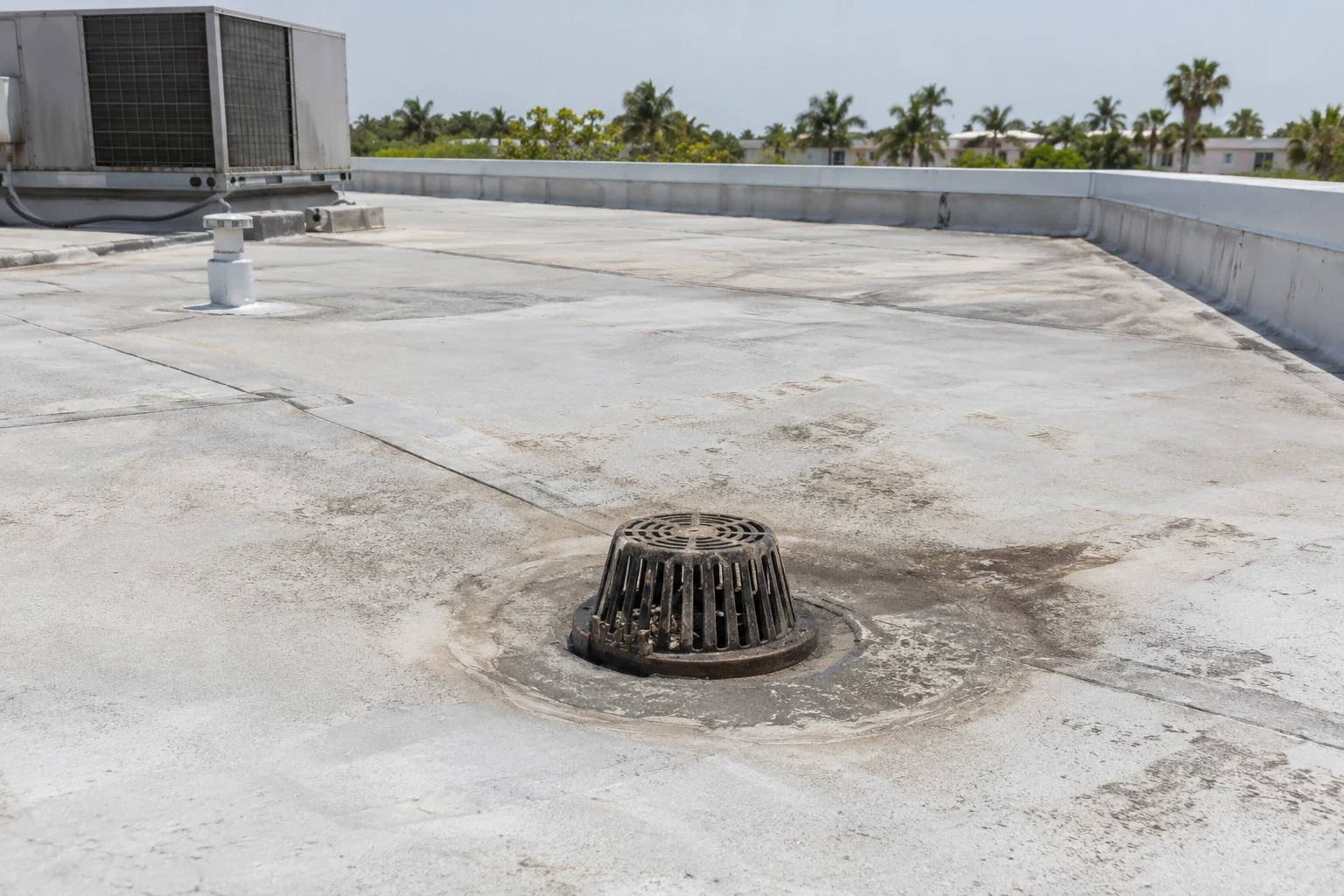
We check every drain bowl, strainer, scupper and overflow, then look at the slope between them. Where the roof holds water, tapered insulation or added drains can cure it. Where the issue is a clogged line or a misplaced outlet, fixing the roof drains and scuppers is the cure. Persistent ponding needs ponding water roof repair before any new sheet goes on, because a new membrane over a low spot just inherits the problem.
Protect the Rubber From Heat and Careless Boots
Black EPDM absorbs a great deal of sun. With Houston's August highs near 95 F and a summer 2023 that reached 109 F, the surface runs far hotter than the air. White EPDM exists and reflects much of that heat. Where the space below is air-conditioned all summer, the color choice deserves a real conversation.
The more common injury to EPDM is mechanical. A dropped tool, a ladder foot or a technician dragging a gauge across a seam can puncture a sheet that is otherwise fine. We lay walk pads on the paths to equipment, flag the rooftop units that draw the most traffic and recommend protection boards under any area where trades store material. Where a roof needs a tougher, layered surface for heavy trade traffic, modified bitumen roofing is the usual alternative.
Detail the Edges for the Next Tornado or Gust Line
On January 24, 2023, Pasadena Memorial High School took roof damage when an EF3 tornado with winds near 140 mph crossed Fairmont Parkway, and several businesses and many homes were hit along the same path. Any school or low-slope building along that path faces the same question about how well its edge is held down. Once an edge lets go, a membrane can peel quickly, and the Fairmont Parkway corridor is where the 2023 tornado crossed Pasadena.
A properly detailed EPDM edge uses a continuous metal flange, a secure cleat, correct fastener spacing and a sealed termination at the wall. Corners and perimeters get extra adhesive coverage or extra fasteners, and parapet flashings tie the sheet to the wall instead of just resting against it. After a storm, a quick check of those same edges is the first step in tornado damage roof repair, and the earlier it happens, the easier the repair is to document.
Commercial Roofing Questions
Does EPDM have to be black on a roof that sees 109 F summers?
No, white EPDM is available and reflects more heat. Black remains common where the space below is lightly conditioned and the owner wants the lower first cost. Where cooling load is a concern, a white sheet or a different white membrane deserves a proper side-by-side look.
Why do some older EPDM roofs pull away from their flashings?
Rubber can shrink slightly as it ages, and a sheet that was installed without enough slack at corners and walls will pull at its terminations. The signs are a taut sheet at the base of a wall, a bridging membrane at inside corners and lifted edges. We inspect those spots first on any roof of this type.
Is ballast a bad idea in hurricane country?
It can be. Loose stone in high wind becomes debris, and the corners need larger stone or pavers to stay put. If the structure can carry the weight and the wind zone is moderate, ballast is workable. For exposed sites east of State Highway 146, we usually lean toward adhered or fastened attachment instead.
How do you keep a reroof from disturbing a school's summer programs?
Work areas are drawn to avoid the wings that stay open, and noisy tear-off runs during hours the program office approves. Material arrives through a single gate, and the crew stays out of play areas and bus lanes. A short daily briefing with the campus contact keeps everyone informed of the next day's open area.
Will standing water ruin an EPDM roof?
Standing water alone does not dissolve the sheet, but it ages the surface and exposes every weak splice. The real problem is what accumulates: dirt, algae and extra weight. We treat persistent ponding as a drainage defect and fix the slope or the drains so the membrane does not carry the burden.
Keep Reading
Related Roofing Work in Pasadena
Plan the Summer Window With Us Before It Closes
Send us the campus or building address, the roof history and your access calendar. We will walk the roof with your facility director and build an EPDM plan that fits the schedule you actually have.