
Commercial Roofing Services
Preventive Roof Maintenance in Pasadena, TX
A plant in the Bayport Industrial District of Pasadena, TX plans its year around turnarounds, and the roof belongs on that calendar. A maintenance program puts the roof on the same footing as the pumps and the boilers: a visit at a fixed interval, a written list afterward, a budget line, and a crew that already knows the building.
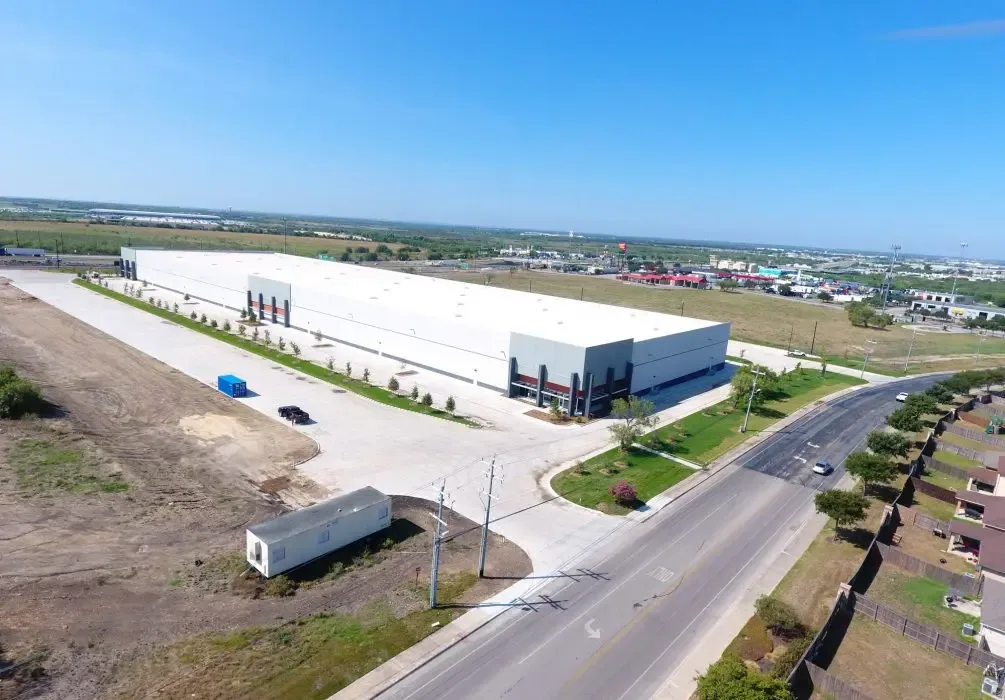
Distribution buildings near Beltway 8 and Highway 225 run the same program on a calmer cycle. The idea is plain. A loose termination bar found in spring costs a morning on the roof. The same bar found after a June downpour costs a wet bay, a shift of rerouted product and a long conversation with the insurer.
Set the Visit Calendar Before the Season Sets It for You
Most low-slope roofs earn two scheduled visits a year, one ahead of the wet months and one after the long heat. Buildings with heavy rooftop equipment, kitchen or process exhaust, or regular foot traffic from service techs earn a third. We agree the dates with the facility director first, then fit each visit into a quiet window, when the dock is idle or the unit is down.
Every visit opens with a site safety orientation. Anything that calls for flame or a welder gets a hot work permit before the tools come out. The roof walk itself is short. The paperwork behind it is what turns a walk into a program.
Walk the Roof in the Same Order Every Time
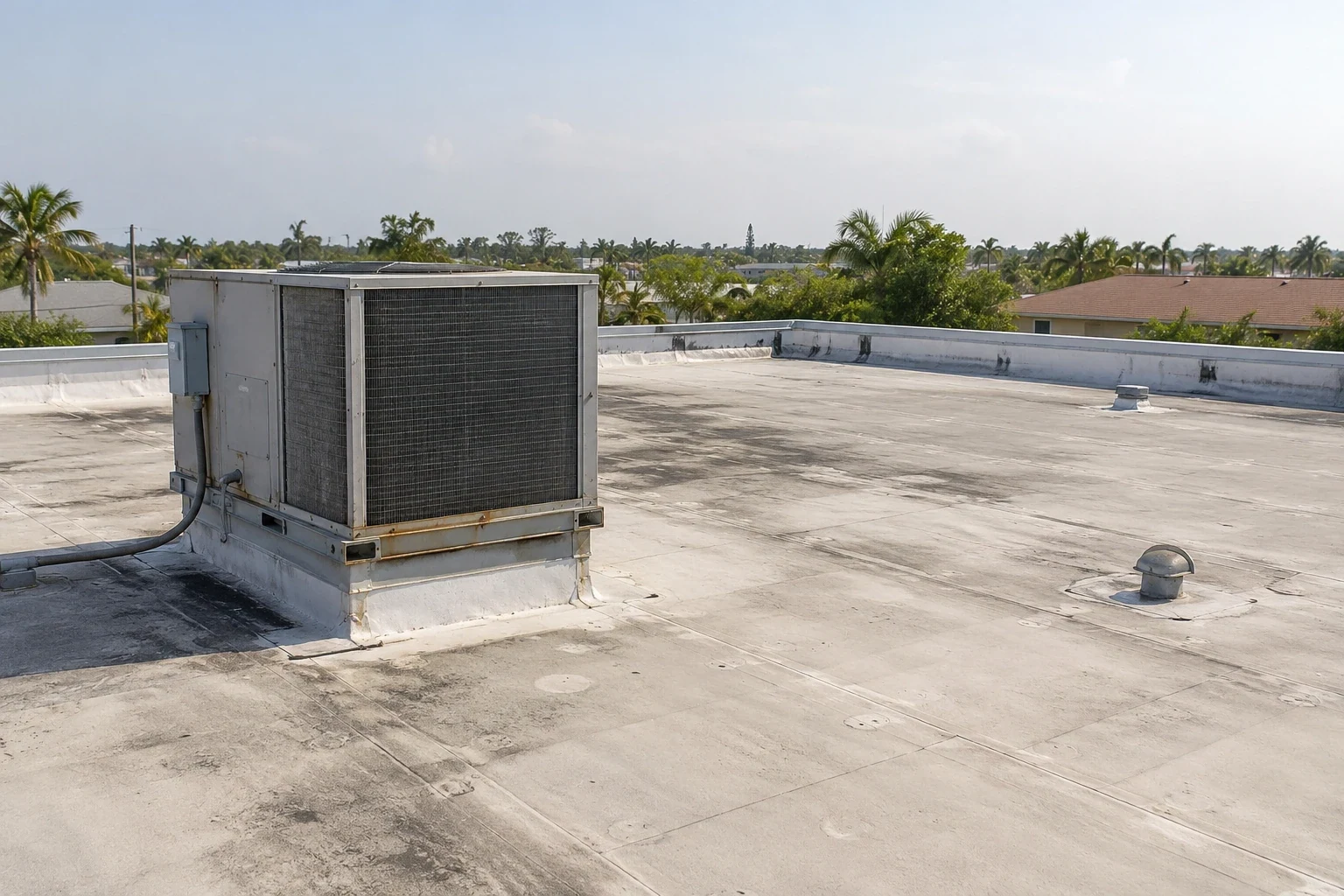
A repeatable route catches change. We start at the drains, work the perimeter, cross the field, then check each penetration and unit. At every stop the question is the same: what is different since last time? Seams tight in spring and lifting by fall, sealant cracked at a pipe boot, fasteners backing out of an edge, walk pads worn through to membrane: they all show up when the same eyes check the same spots.
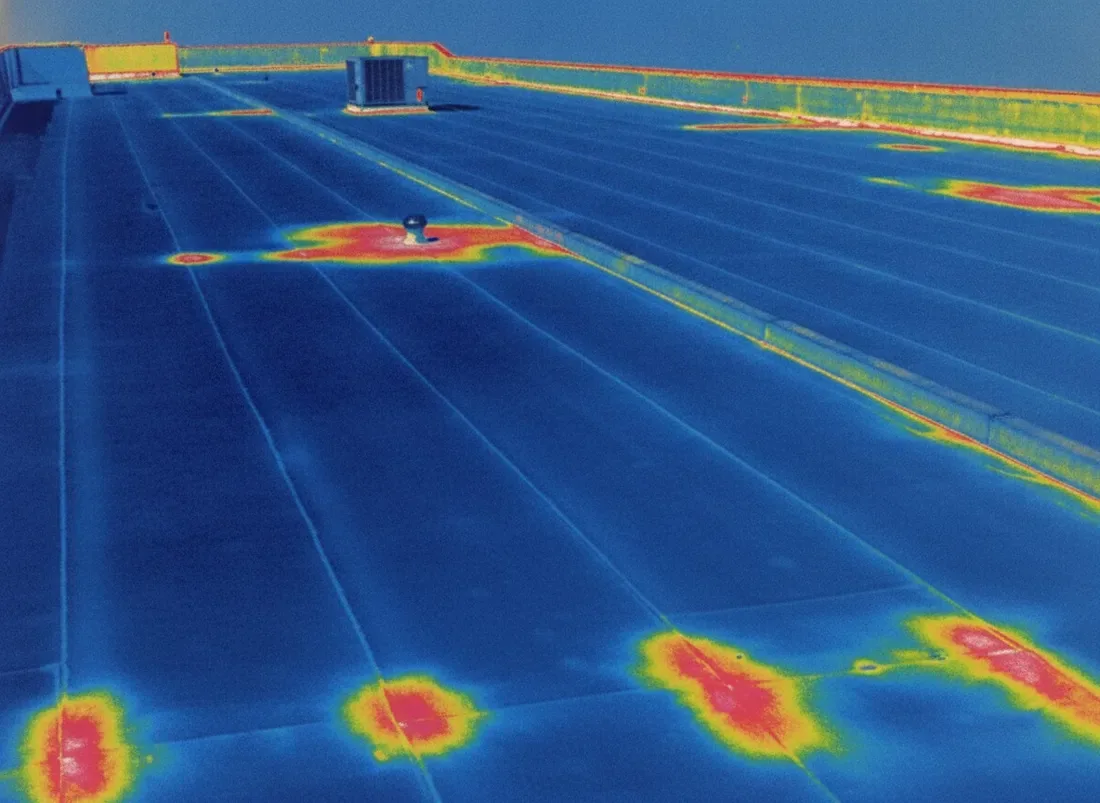
Where moisture is suspected under a sound-looking surface, we add a scan, using the same infrared moisture survey method that supports larger decisions. A full commercial roof inspection gives the program its baseline, and every visit afterward is measured against it.
Clear the Outlets Before the Wet Months Arrive
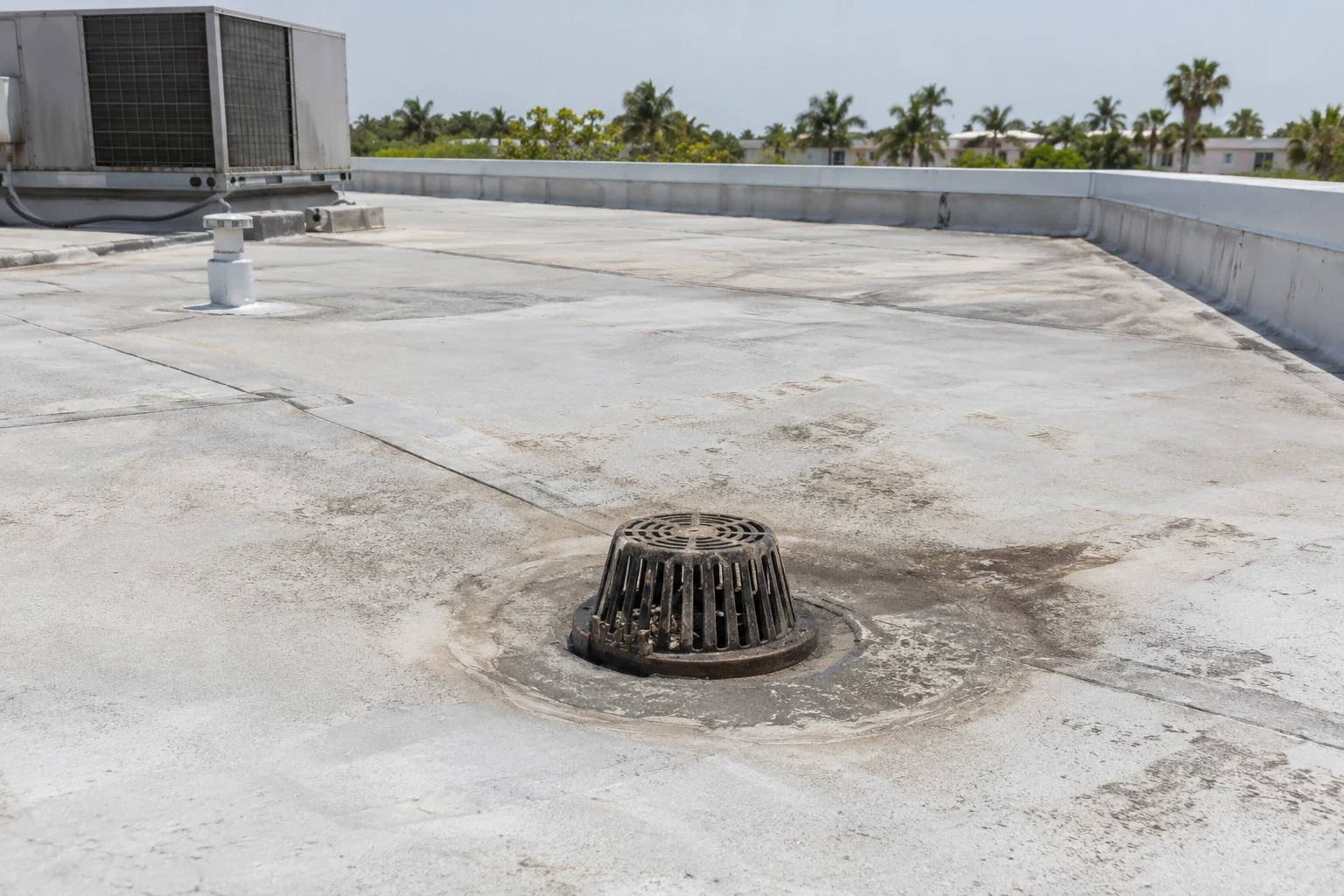
Rain falls on about 104 days a year in Houston, adding up to roughly 50 inches, and June is the wettest month. A low-slope roof with marginal drainage has little room for a clogged outlet. Leaves, windblown packaging, gravel and fine sediment collect at roof drains and scuppers, and a drain bowl full of debris behaves like a dam.
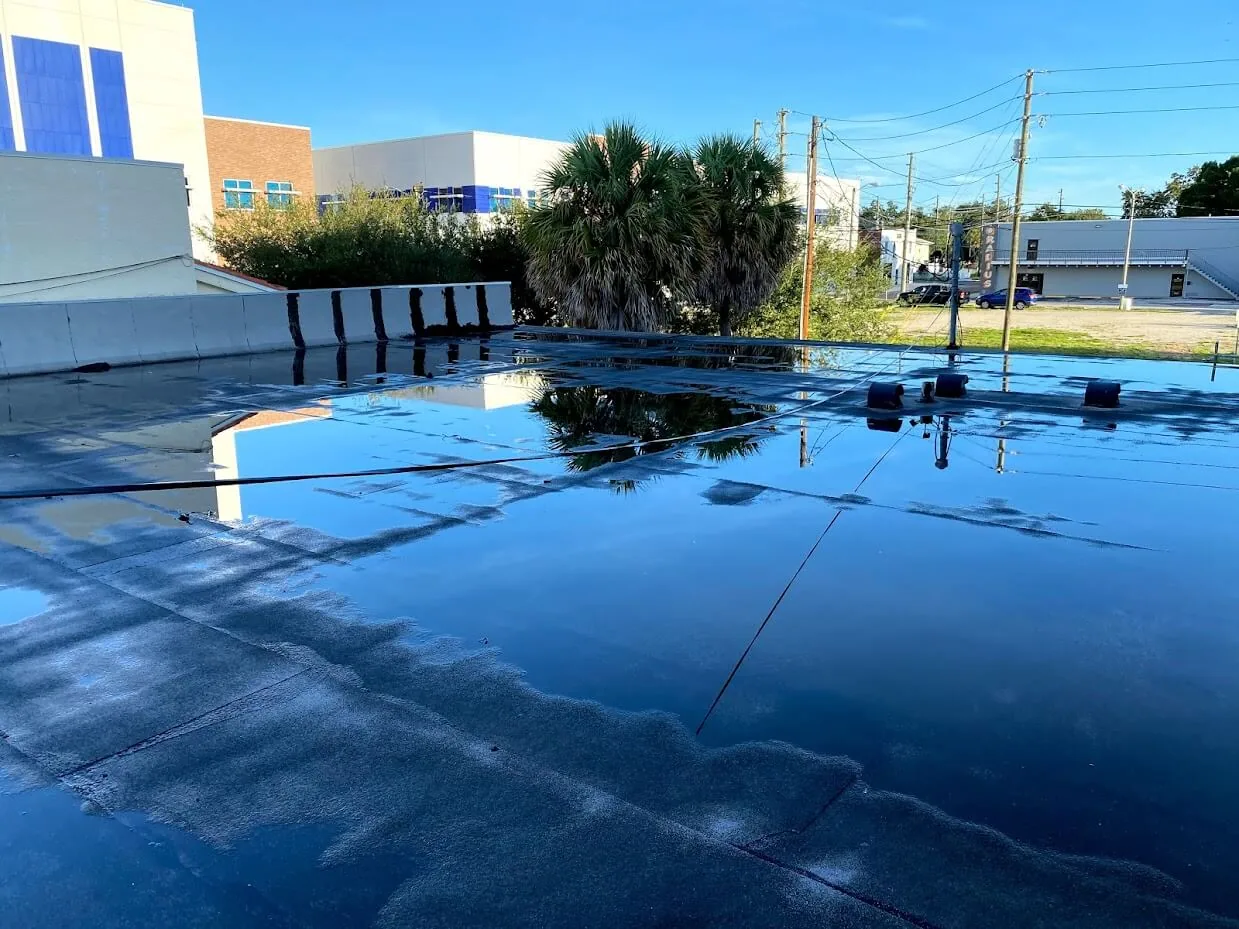
Standing water loads the deck, softens the surface and speeds the aging of seams. Clearing outlets and noting where water is still sitting a day after rain gives the program an early read on ponding water long before it becomes a repair order.
Fix the Small Items Before Leaving the Roof
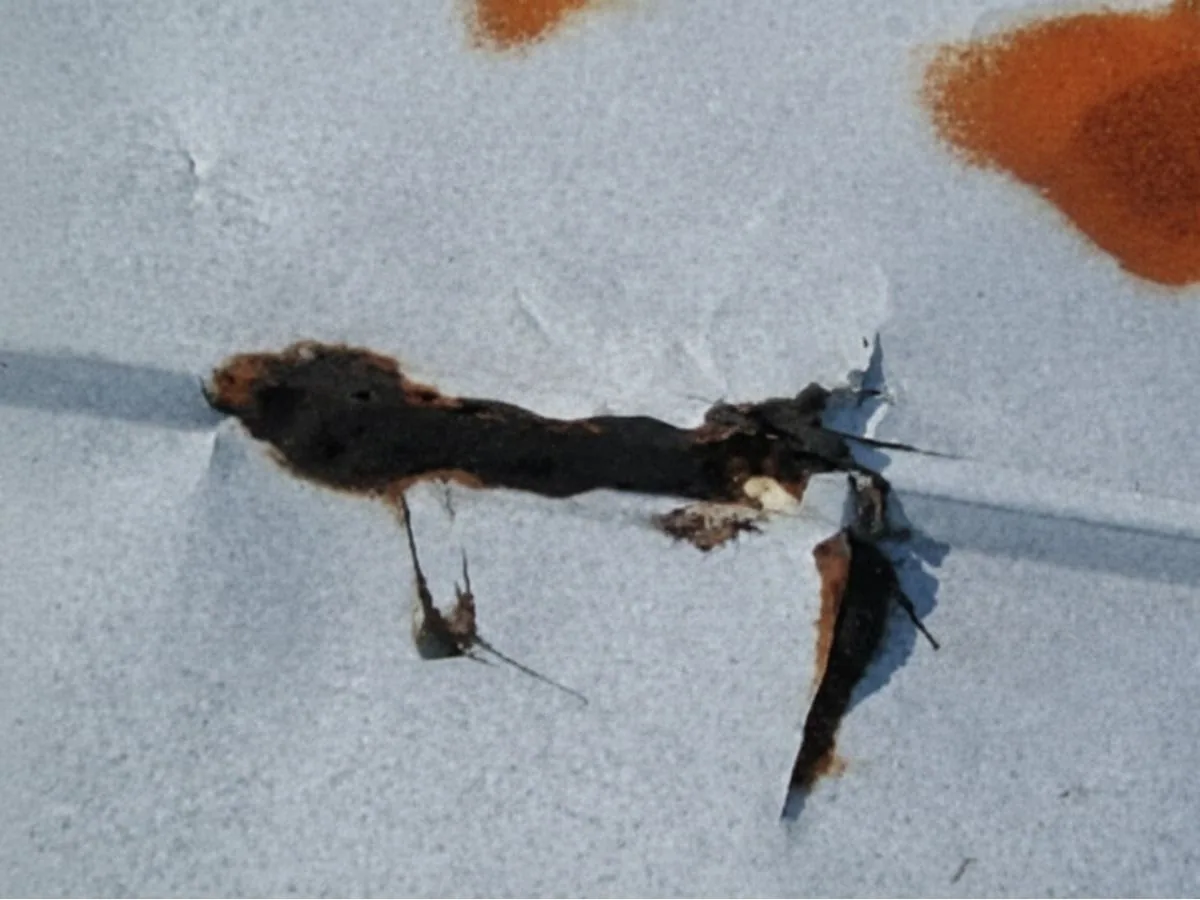
A visit is not only a look. The crew carries material for the jobs that take minutes: resealing a pipe boot, reseating a termination bar, patching a scuff, replacing a lost fastener cap, snugging a loose edge piece. Those happen on the spot and appear in the report as closed.
Anything larger goes on a ranked list with photos and a likely cause. The facility director approves it, defers it or holds it for the next window. Items that call for real commercial roof repair get a schedule that respects production, not a surprise lift plan on a Monday morning.
Stage the Roof for Storm Season
Gulf storms do not hold their dates. Ike came up the east side of Houston along Galveston Bay in September 2008, and Harvey, the wettest tropical cyclone ever recorded in the country, followed in August 2017. Beryl's eyewall passed over the region in July 2024, weeks after a May derecho that gusted to 78 mph at Highlands. A pre-season visit checks the parts of a roof that give way first under that load: edges, copings, lifted laps, loose fasteners and unsecured equipment covers.
Buildings east of State Highway 146 sit in the TWIA zone, where the state windstorm inspection program reviews roof work, and a dated record of upkeep helps when an adjuster asks what was done. Perimeter securement gets our first look. Heat and UV wear gets the second, since Houston reaches 90 F or hotter on about 102 days each year.
Close Out Each Visit With Photos and a Ledger
The closeout is the product. Each visit ends with dated photos tied to the roof plan, the list of items completed, the open items, and a plain note on how much service life we can see left. After a few years the ledger shows which roofs are holding, which are slipping and which belong in the capital plan.
Owners with several buildings get the same format at every site, so a portfolio manager can compare roofs side by side through written roof condition reports and plan spending across multi-site roof programs. A hospital on Spencer Highway and a plant on SH 225 can share one ledger with very different visit rhythms.
A maintenance visit works best when it follows the same route and ends with a specific disposition for each finding. Clear loose debris only where the roof assembly and site rules permit; report damaged equipment supports or trade work that should be corrected by another contractor. Photograph drains before and after cleaning, check that overflow paths remain open, and record any water that persists beyond the expected drainage period. Separate completed minor work from recommendations that need pricing or engineering review. Before leaving, confirm the next inspection window with the facility contact and file the visit record by building and roof zone. A consistent log makes small changes visible.
Commercial Roofing Questions
Our roof is still under a manufacturer warranty. Does a maintenance program change anything?
Manufacturers commonly expect owners to keep drains clear, report damage promptly and keep records, so a written visit history tends to support a warranty rather than strain it. Send us the warranty document and we will build the visit checklist to match its conditions, with photos kept in a form the manufacturer can read.
How do roof visits work on a building that runs three shifts?
Tell us which areas are quiet and when. Roof walks make little noise, so we usually book the slowest shift, check in with the shift supervisor on arrival and stay off the roof above any line that is mid-run. Night shift access is common on plant and warehouse buildings.
Is a maintenance program worth it on a roof that is close to replacement?
Yes, for a different reason. On an aging roof the visits hold off leaks while the budget is prepared, and the ledger of photos, repairs and moisture readings becomes the evidence behind the replacement request. Owners who skip the records often arrive at that meeting with only a hunch.
What drives the cost of a maintenance program compared with fixing leaks as they appear?
Roof area, the count of penetrations and rooftop units, access difficulty and the number of visits a year set the scope. Emergency calls carry their own costs on top of the repair: interior damage, lost operating time and rushed material. A program trades those unplanned costs for a predictable line item.
Do you come back after a named storm or a high-wind night?
Add an unscheduled visit to the plan for exactly that. After a hurricane or a derecho like the May 2024 event, we walk the roof for lifted laps, displaced edge metal and punctures from flying debris, photograph what we find and start the claim documentation if the owner needs it.
Keep Reading
Related Roofing Work in Pasadena

Walk the Roofs With Us and Set the Rhythm
Bring your shutdown calendar and a list of buildings. We will walk the roofs with your facility director and set a visit schedule that fits how each building runs.