
Property Types We Roof
Distribution Center Roofing in Pasadena, TX
The number that matters inside a distribution center is how fast a trailer turns, and a leak at a dock door slows it. Wet concrete at the leveler pit, a damp ceiling over the sorting line, a forklift charger sitting under a drip: none of it appears as a roofing line item, yet all of it lands on the operations manager's desk. The roof over a distribution building is part of the throughput plan whether anyone wrote it down or not.
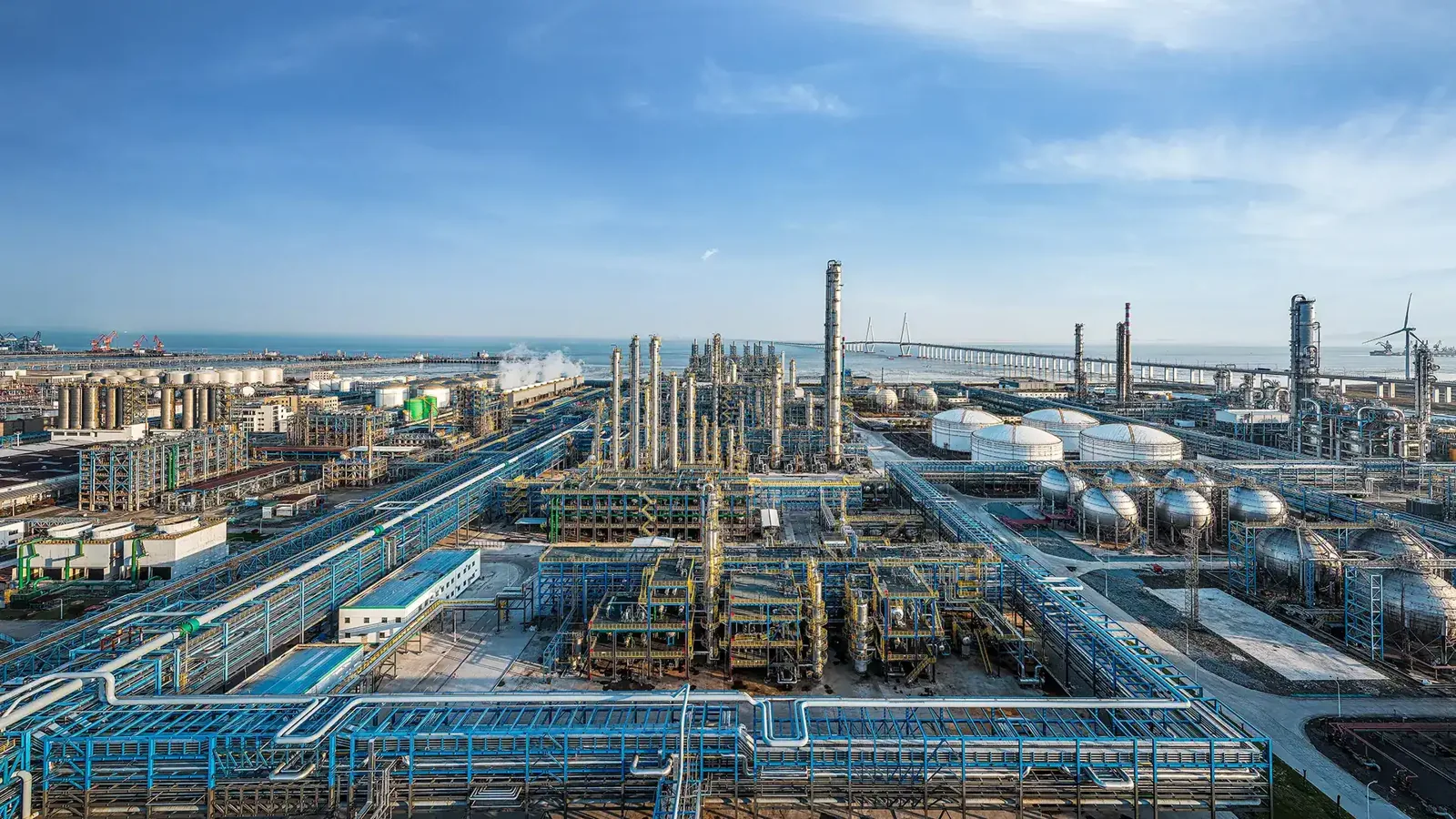
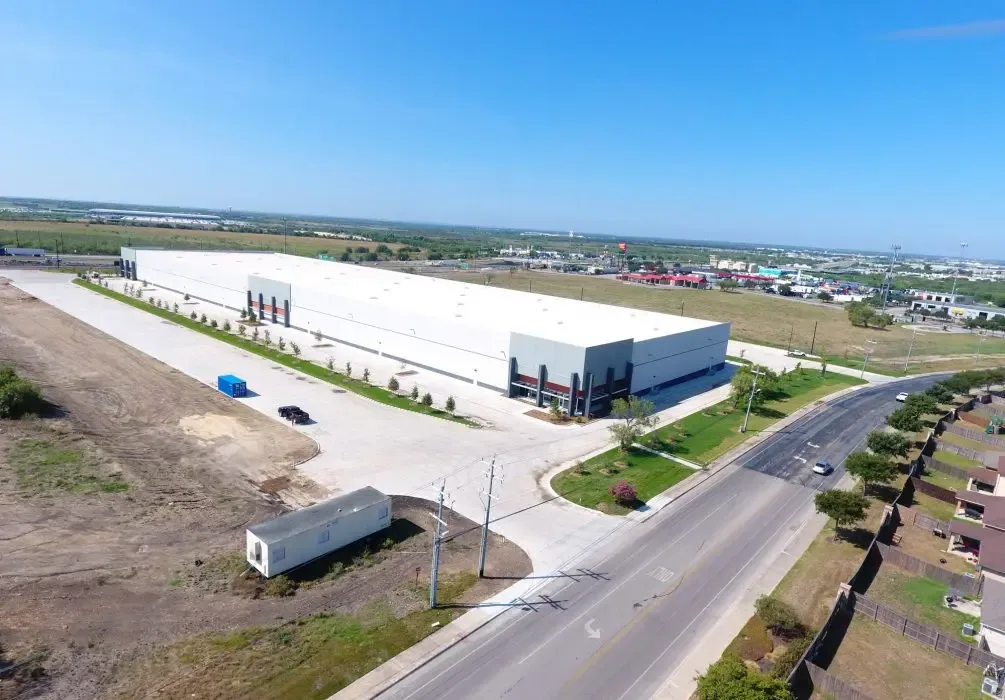
In Pasadena, TX, the SH 225 industrial corridor is where Silver Eagle Distributors bought 100 acres at Beltway 8 for a distribution facility, inside a 10,000-acre industrial district. We approach the roof the way the building approaches freight: map the flow, find the choke points, and keep the doors working while the crew is overhead.
Start at the Dock Wall, Where Trailers and Water Meet
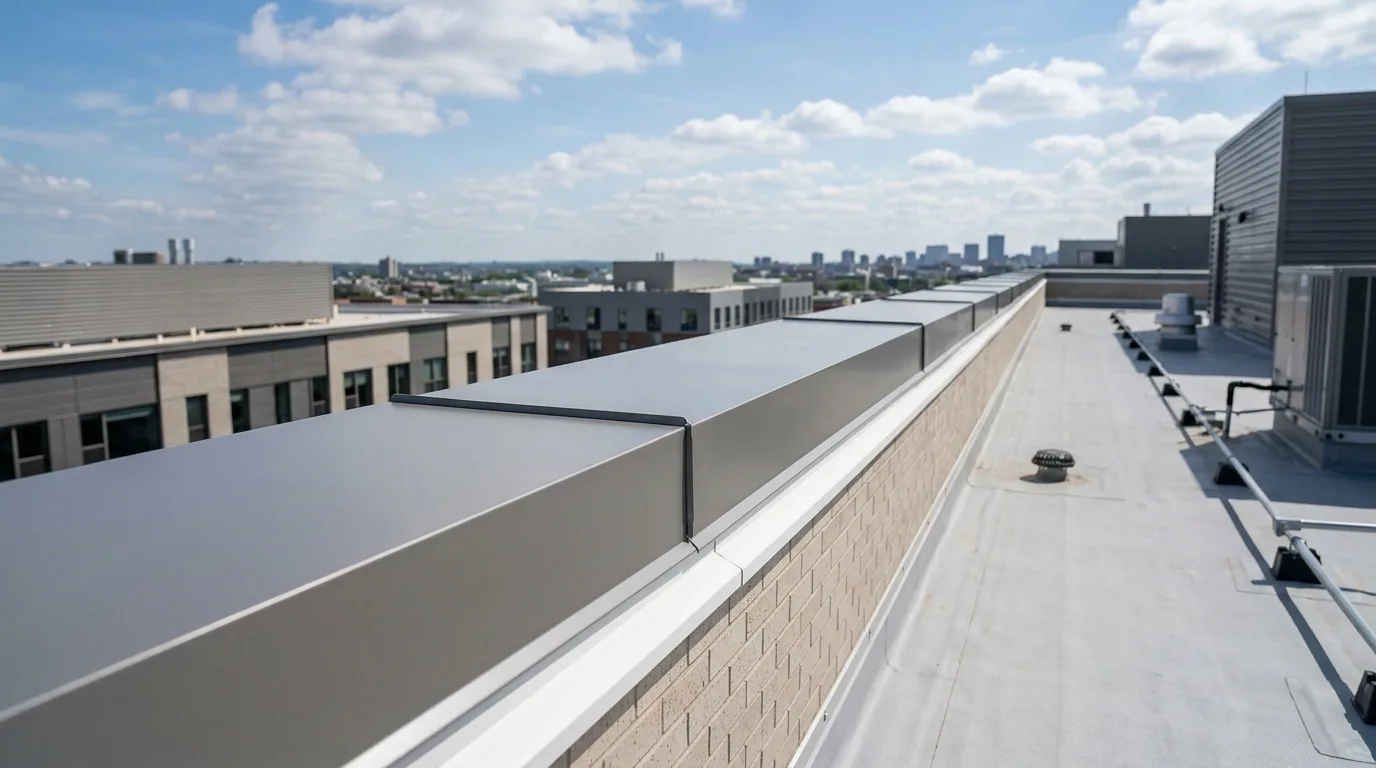
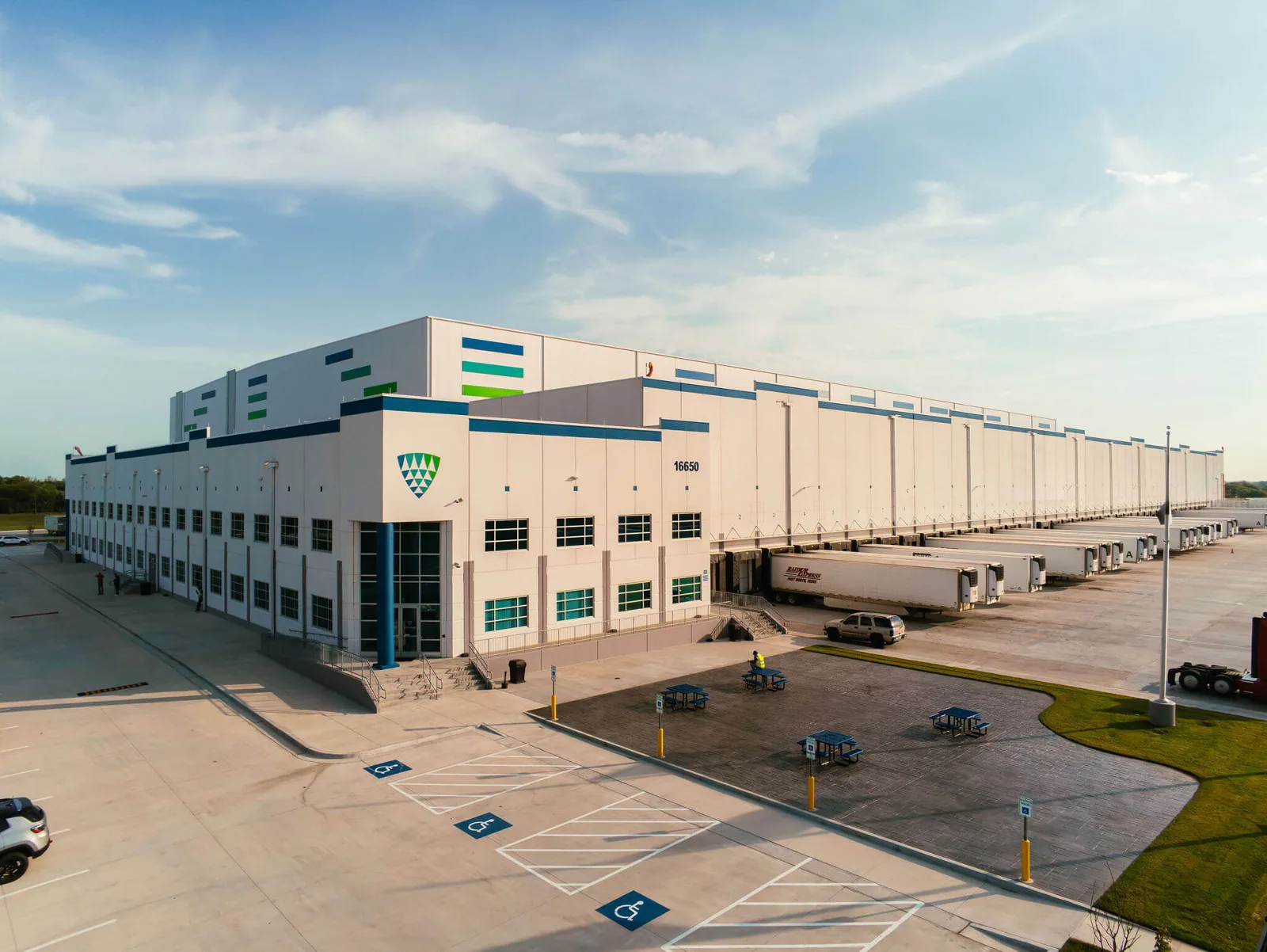
The dock side of a distribution building takes the hardest use. Trailers strike the bumpers, canopies shed water onto the apron, and the parapet and wall flashing above the doors carry rain that a long roof sheds toward one edge. Sealant cracks, coping loosens, and a small gap at a wall transition lets water run behind the cladding and down to the leveler pit.
A damp pit is a safety problem before it is a roofing problem, since a wet floor at a door is where a forklift slips. We trace dock-side leaks from the roof edge down, repair the flashing and edge metal and coping with materials matched to the wall, and check the drains that serve that side. The doors with the worst leaks get the first repair days.
Keep the Sortation Line, Chargers and Sprinklers Dry
Inside the building, the sensitive things are the ones that cost a day of throughput when they get wet: conveyor motors, sorter controls, the forklift charging area, electrical rooms and the fire sprinkler system. We ask where those sit and mark them on the roof plan, so the crew knows which areas call for the tightest controls. Over a charging area or a main electrical room, we open less roof at a time and stage temporary protection before the first cut.
Where a leak has already been dripping onto equipment, the water path gets closed first and the larger project follows. Interior photos taken before work starts protect the operator and the contractor, and they give the facility director a clean record if a question comes up later.
Work Around Peak Season and the Shift Calendar
Distribution operations run on a calendar that the roofing schedule has to respect. Many operators set blackout dates ahead of their heaviest shipping weeks and will not accept a crane in the yard during them. We ask for those dates early and plan around them, placing the largest material deliveries and the crane pick in the quieter weeks and keeping the peak window for monitoring only.
A second or third shift changes the picture again. Where a building never goes silent, noise, truck routing and material staging have to be agreed with the shift supervisors. Our occupied building reroofing method puts those agreements into a written sequence, with the laydown area, access points and lane closures named for each day.
Plan for Port-Side Wind, Heat and Tornado Paths
The Bayport Container Terminal sits inside Pasadena's industrial complex with 314 acres of container yard, and Port Houston's public terminals moved about 4.1 million TEUs in 2024. Freight like that has to be stored and moved somewhere, and the Bayport district sits in the Galveston Bay wind zone, where the eastern eyewall of Beryl passed over the Houston region in July 2024 and Ike pushed up the bay side in 2008. Tall walls and wide, flat roofs catch that wind.
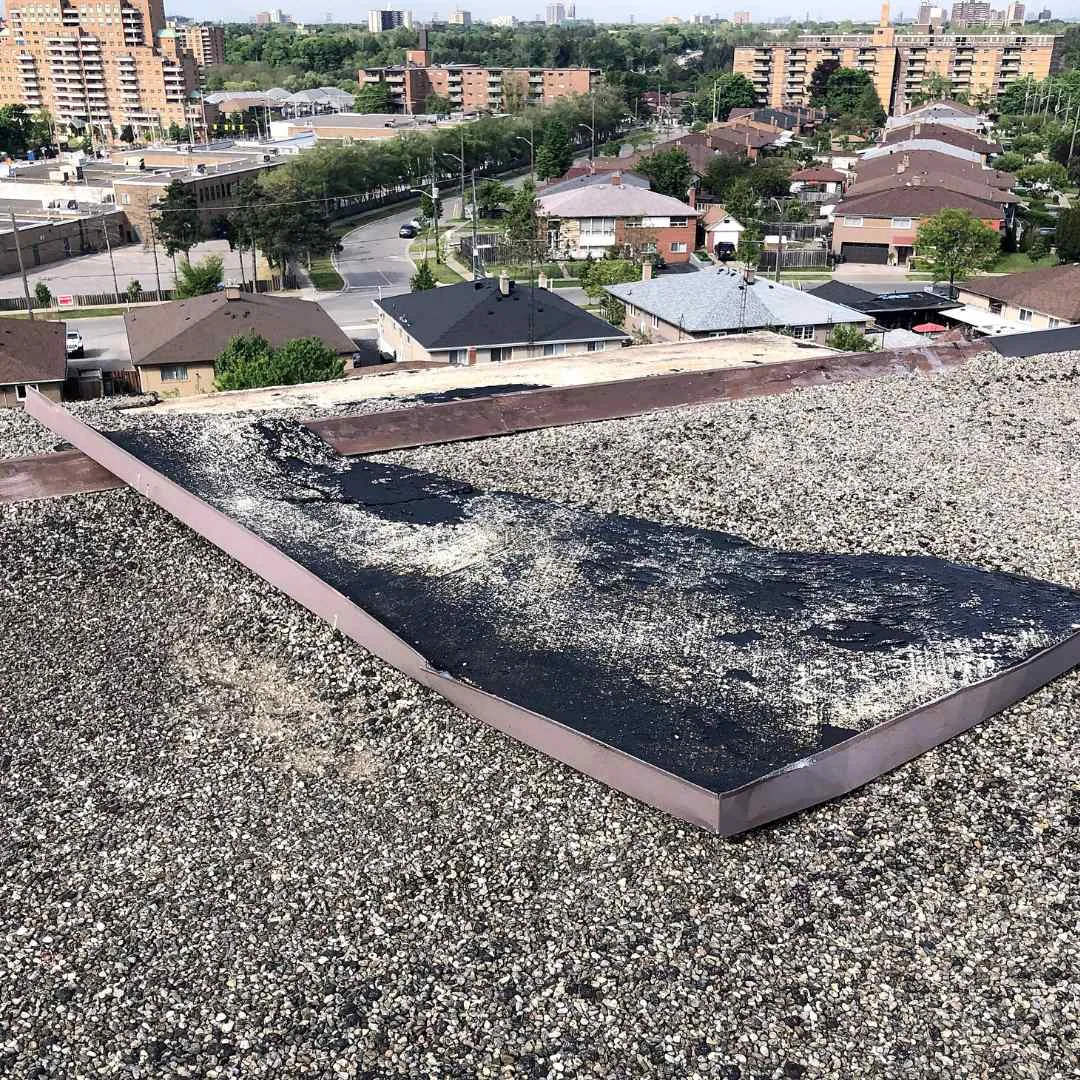
The EF3 tornado of January 2023 moved through Pasadena and over the Ship Channel, leaving roof loss here and there along its path. After any storm of that kind, we look at wind damage on a distribution building even when the interior looks dry. Uplift-rated attachment and perimeter securement are specified for these exposures, and east of SH 146 the Texas Windstorm Insurance Association inspection process applies as well.
Settle Rooftop Equipment and Solar Plans Before the Membrane Goes Down
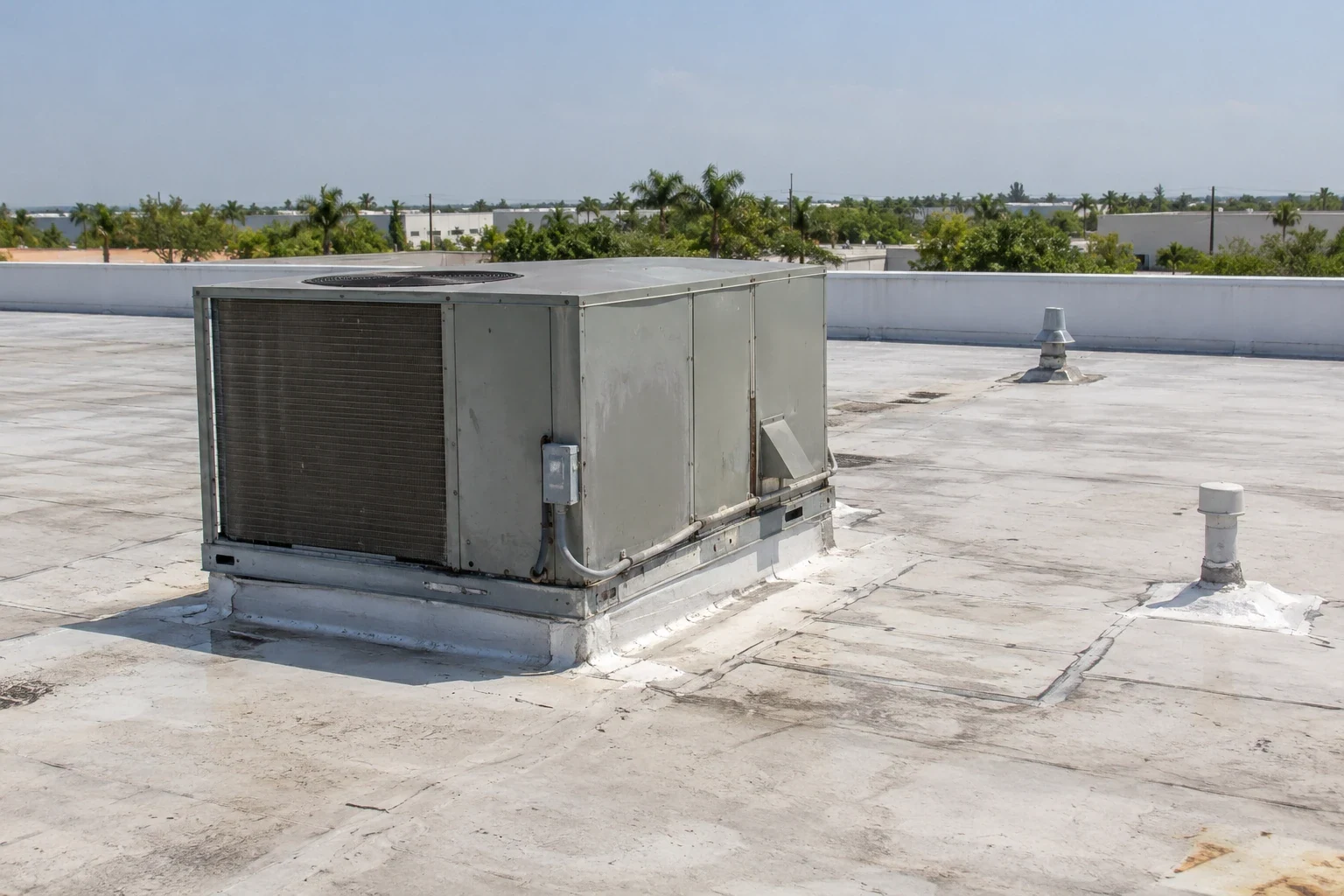
A new roof is the clearest moment to decide what else will sit on it. Distribution owners add rooftop units for office and mezzanine space, vent fans, daylighting and sometimes solar arrays. Each future curb, post and conduit run is a penetration, and each penetration is a place for a new membrane to leak if it is added carelessly.
Tell us what is coming over the next several years, and we will place curbs and walk pads to match, or specify a solar-ready roof with insulation, cover board and attachment that can carry the load. Then the arrays go on without cutting into a finished roof more than they have to.
Close Out Building by Building and Roll It Up
Owners who run several distribution buildings need their roofs to read the same way on paper. At closeout we photograph terminations, drains and equipment curbs, mark the as-built layout, record the system and attachment, and hand the facility director a file for that address. For a portfolio, the same format feeds multi-site roof programs, where roof age, condition and upcoming work for each building sit in one view.
The same file format works for a warehouse or a cold storage building with refrigeration loads in the same holdings, so mixed holdings do not need separate record systems.
Distribution properties should be divided into operating zones before a roof scope is priced. Mark dock doors, trailer circulation, battery-charging areas, conveyor penetrations, and the equipment that cannot lose power during work. Set crane positions and delivery hours with the site manager so roof access does not block shipping lanes. Where several buildings share a portfolio, use one inspection format but keep each roof's assembly, drainage, and repair history distinct. A closeout package should include phasing photographs and a list of temporary protection removed at completion. That gives operations staff a clear basis for reopening each zone and scheduling follow-up work.
Commercial Roofing Questions
How do we keep trailers moving while the roof over the docks is open?
Work above the docks is cut into door groups. We open the roof over a few doors at a time, take the matching interior doors out of service only while the crew is at the edge, and reopen them each afternoon. The sequence is posted for the yard team so drivers and spotters know which doors are live.
Does a reroof have to wait until after peak season?
Not always. Dry-in work and structural repairs can run in the quiet weeks, and a recover can be fast enough to finish between two shipping peaks. The real limit is the crane and the deliveries, so we put those in the gaps and keep peak weeks for light work only.
Why do the dock-side parapets leak more than the rest of the roof?
They collect the hard use. Trailers hit the walls, sealant ages in the sun, and the roof drains toward that edge, so the flashing sees more water than any other detail. Tearing out the failed wall transition and tying new metal into the membrane works where repeated caulking has not.
What changes when we plan solar on a distribution building roof?
The roof needs to be ready for the load and for the penetrations. Insulation and cover board are chosen to carry foot traffic and equipment, attachment points are planned before the membrane goes down, and the array contractor is told where the roof can and cannot take new curbs. Retrofits cut through finished work, so the planning happens at the start.
Can one contract cover several of our distribution buildings?
Yes, and a single program usually runs smoother. Surveys happen once, each building gets its own condition record, and work is ordered by risk. Buildings with active leaks go first, and sound roofs get maintenance until their turn comes.
Keep Reading
Related Roofing Work in Pasadena

Bring the Dock Schedule and Walk the Roof With Us
Bring the operations manager, the shift calendar and your peak-season dates. We will walk the docks and the roof together and build a plan that fits your operation before any material is ordered.