
Property Types We Roof
Warehouse Roofing in Pasadena, TX
A warehouse tells on its roof from the floor. Buckets set between the racking after a June storm, rust blooming on the sprinkler piping near the dock wall, a few pallet positions left empty for reasons nobody wrote down: each one is a roof report in disguise. Before anyone climbs a ladder at a warehouse in Pasadena, TX, we want to hear what the floor crew already knows about where the building drips.
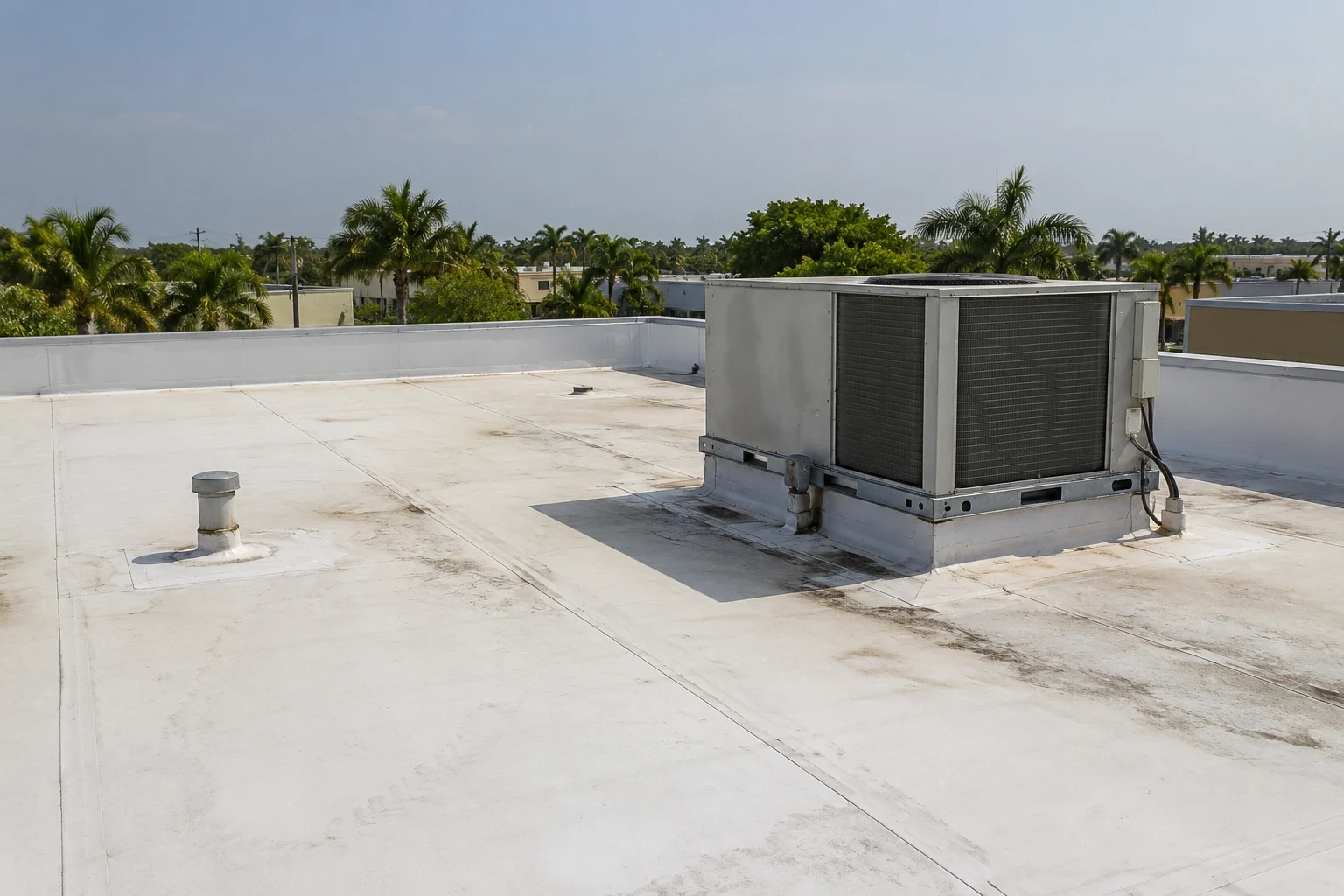
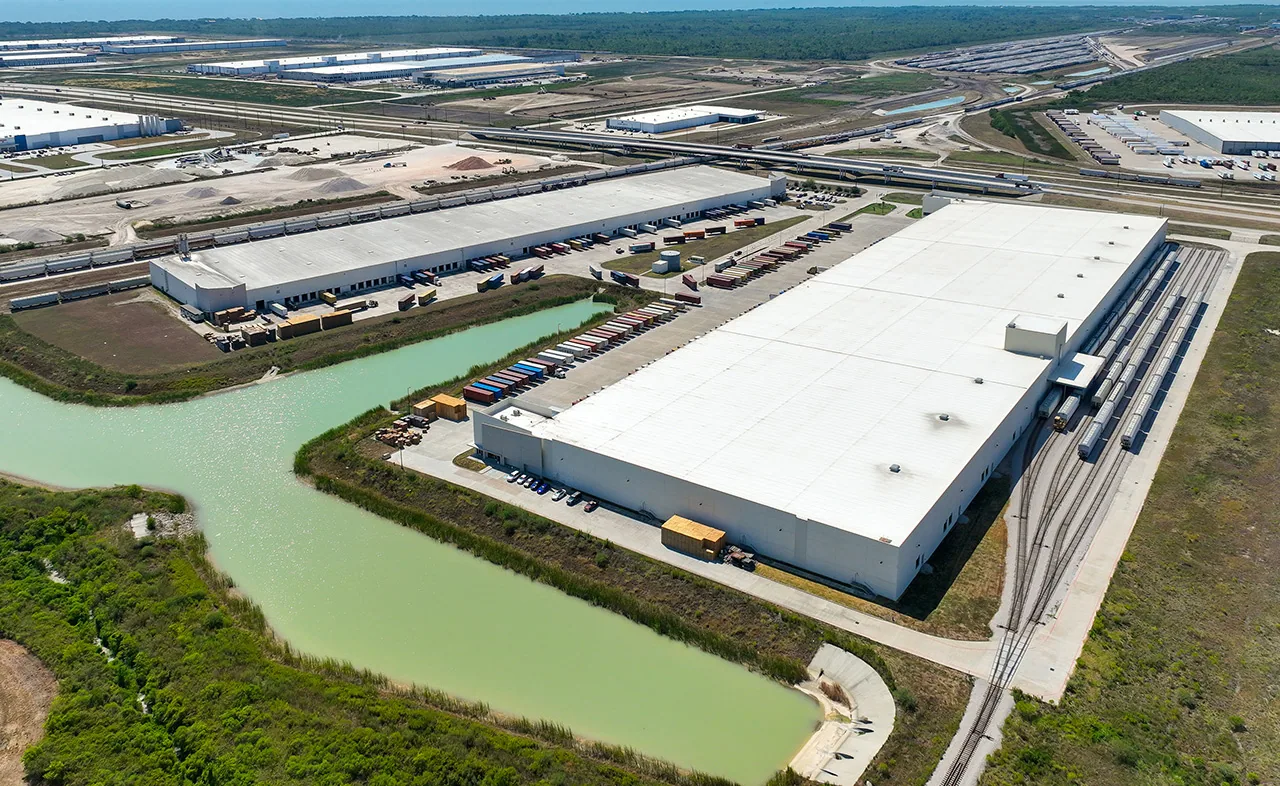
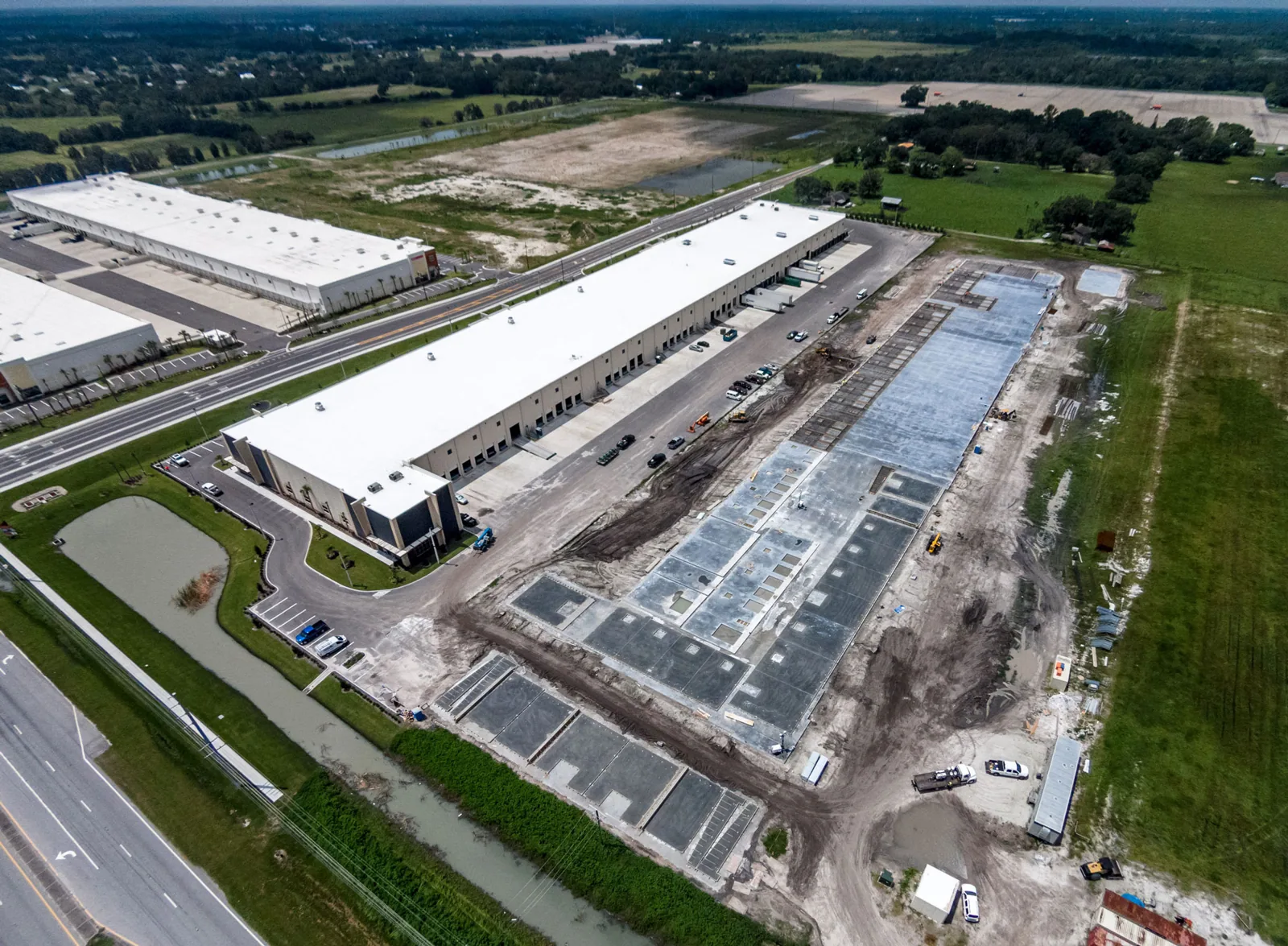
Many warehouses are broad, low-slope boxes: a membrane over insulation over steel deck, a few rooftop units, and a drain system that has to move a great deal of Gulf Coast rain. They are simple buildings, which is why small defects get expensive fast. A wet bay costs more in spoiled product than in membrane. The roof plan starts with the operation, and the specification follows.
Walk the Floor Before the Roof
The interior walk takes an hour and saves days. We look along the ceiling line for stains, at the deck for corrosion streaks, at the sprinkler mains for drip marks, and at the slab for patches where water pooled and was mopped away. Then we ask the shift supervisor which docks get wet first and which aisles get cleared of product whenever a storm is in the forecast.
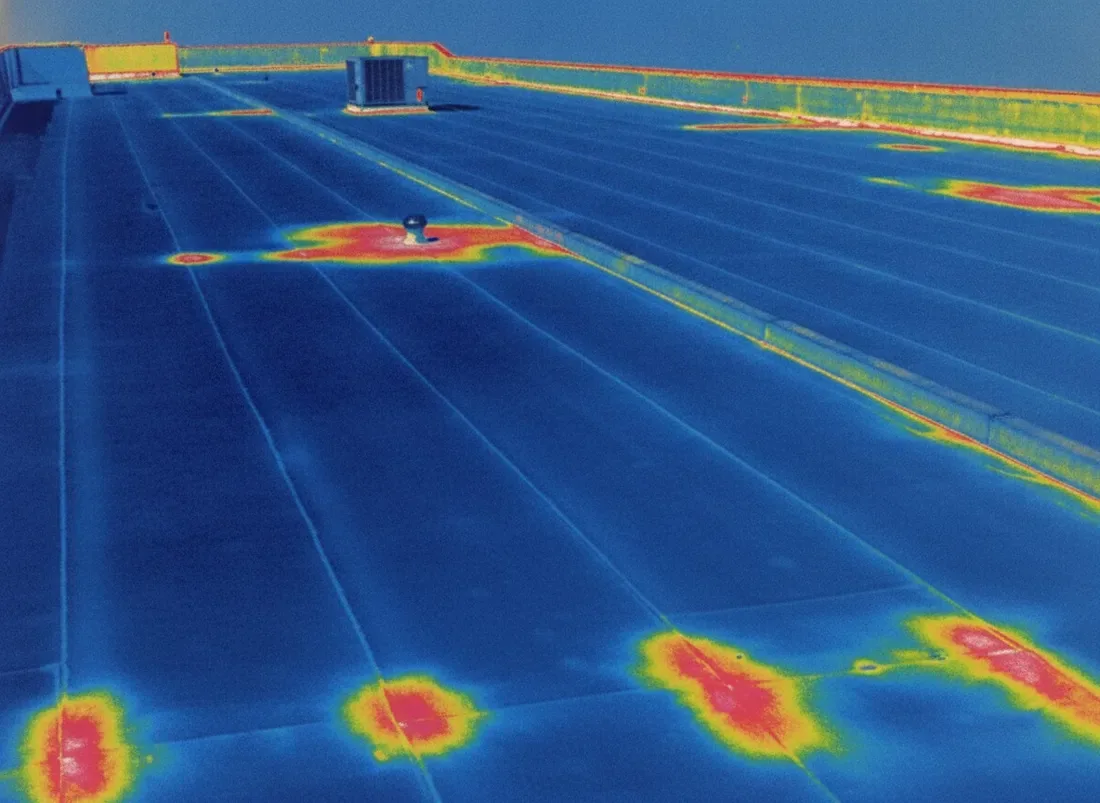
Those answers set the order of the work above. A commercial roof inspection that starts over the worst bay finds a cause faster than a grid walk that begins at the far corner. When the membrane looks sound but the ceiling does not, an infrared moisture survey shows where water is travelling under the surface before it ever drops.
Pick a Membrane That Survives the Heat on an Unshaded Deck
Houston's August highs sit near 95 F, about 102 days a year reach 90 F or more, and summer mornings arrive with humidity over 90 percent. A warehouse roof has no shade and little airflow to carry that heat away, so the membrane swells every afternoon and shrinks every night, thousands of times a year. Seams, laps and the flashing at the dock walls take that movement first.
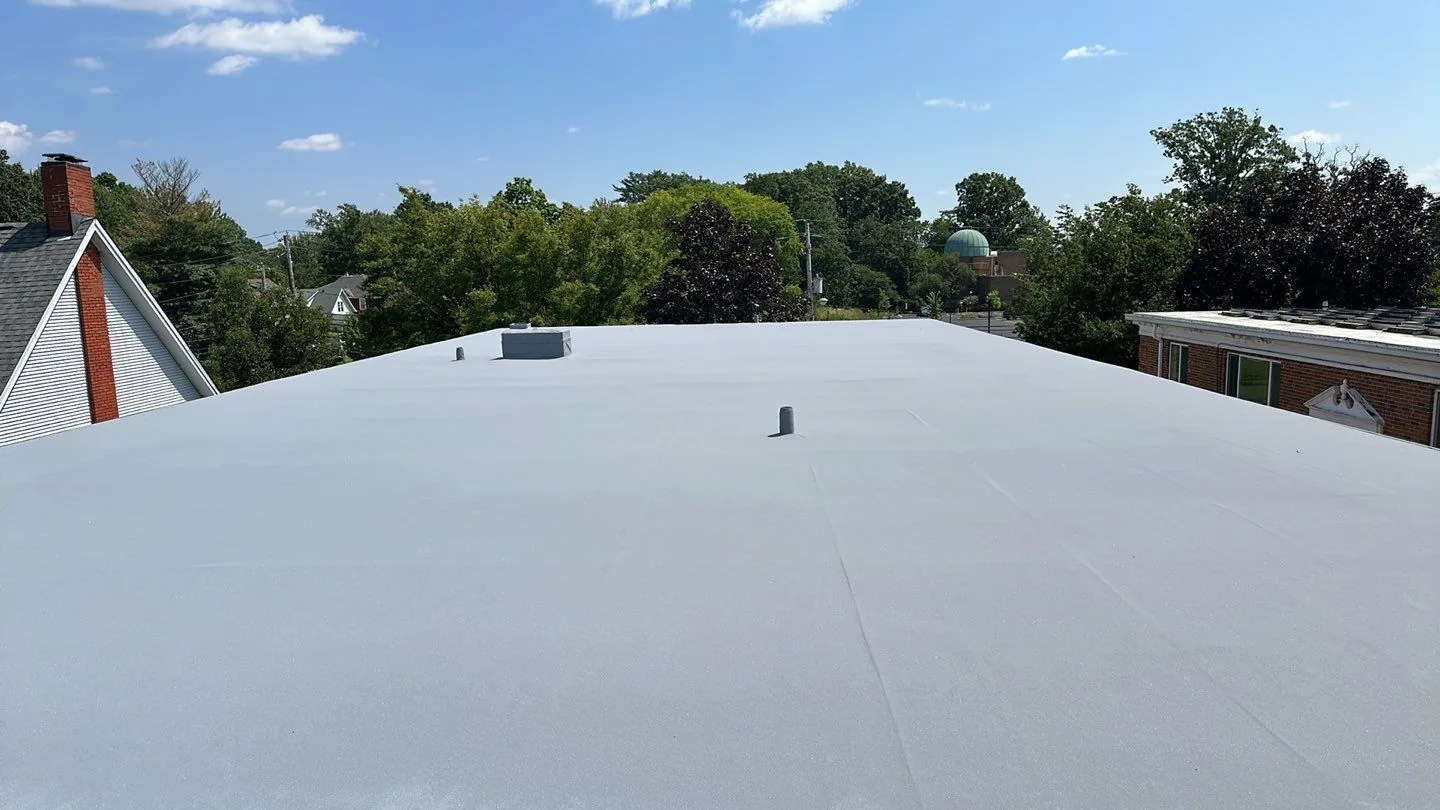
A white TPO sheet is the usual answer for a plain storage building because it reflects heat and welds into one continuous surface. Where forklift exhaust, grease vents or chemical storage put contaminants on the roof, PVC holds up better. A sound but tired roof over dry insulation can often be restored with a coating instead of a tear-off. We lay the options against what the building stores, not against a catalog.
Clear the Drains Before the June Rains
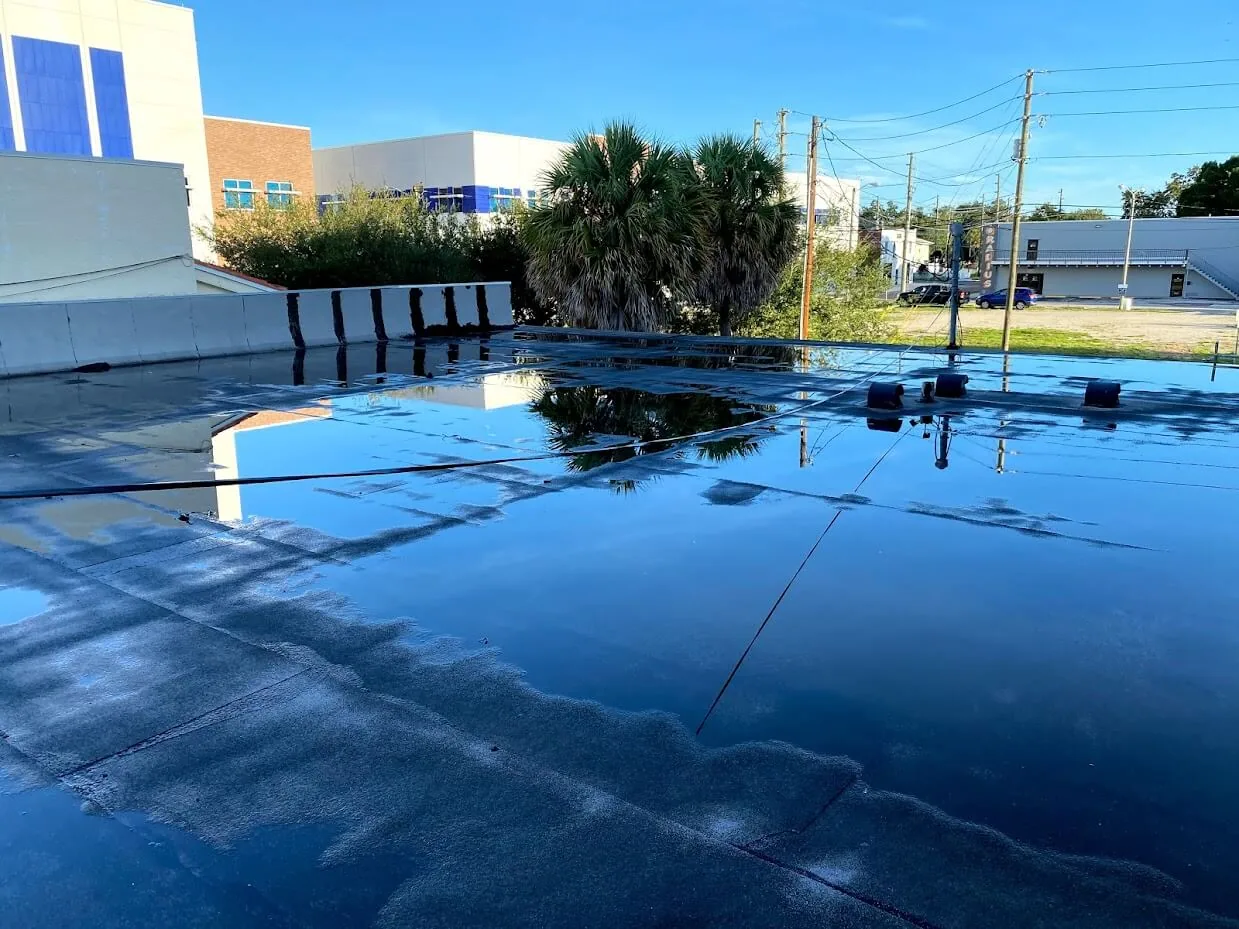
Houston collects roughly 50 inches of rain a year, and June is the wettest month. On a big warehouse roof, most of that water funnels toward a handful of drains and scuppers, and one clogged outlet turns a field of membrane into a pond. Standing water adds weight to the deck, wears the surface faster and finds every weak seam.
We would rather clear the strainers in spring, check the sumps for settlement and confirm the overflow scuppers sit at the right height than patch a ceiling in July. Where ponding already shows, a lasting ponding water repair may mean tapered insulation or a relocated drain, not another patch over the same low spot. The fix follows the water.
Hold the Perimeter Against Derecho and Hurricane Wind
Wind finds the perimeter first. On a long flat roof, uplift concentrates at corners and edges, and coping that has lost a few fasteners can start a peel that runs across the field. The May 2024 derecho put a 78 mph gust on the gauge at Highlands while surveyors put downtown winds near 100 mph, and Hurricane Ike came ashore at Galveston in 2008 before running north along the bay side of Houston. Neither storm asked whether the edge metal had been checked.
A warehouse standing east of State Highway 146 falls in Texas Windstorm Insurance Association territory, and its reroof has to pass a Texas Department of Insurance windstorm inspection for the building to stay insurable. Around the Bayport Industrial District, beside Port Houston's Bayport Terminal in the Galveston Bay wind zone, perimeter securement and fastener patterns are reviewed with that inspection in mind. The same care pays off for a building off SH 225 outside the line, because storm wind does not read the boundary.
Phase the Work Bay by Bay
A warehouse cannot lose its dock doors. We map the roof against the floor: which bays hold product that cannot get wet, which doors stay open, where the laydown area sits so trailers never lose a lane, and how much roof can be dried in before quitting time. The crane pick for insulation and membrane lands in the yard, away from the trailer lanes, and the night shift hears about it before it happens.
Work moves in strips sized to the afternoon weather, with a temporary tie-in at every open edge. A full replacement is sequenced this way from the first strip to the last. A recover over dry insulation moves faster because nothing comes off the deck, and the site safety orientation still covers everyone from the warehouse floor to the crane crew.
Finish With a Roof File the Owner Can Budget From
When the roof is done, we walk it with the facility director, photograph the terminations, drains and curbs, and hand over a short condition record. For an owner holding several buildings along Fairmont Parkway or the SH 225 corridor, that record feeds a spending plan, so the next roof becomes a date on the calendar rather than a surprise on a Monday morning.
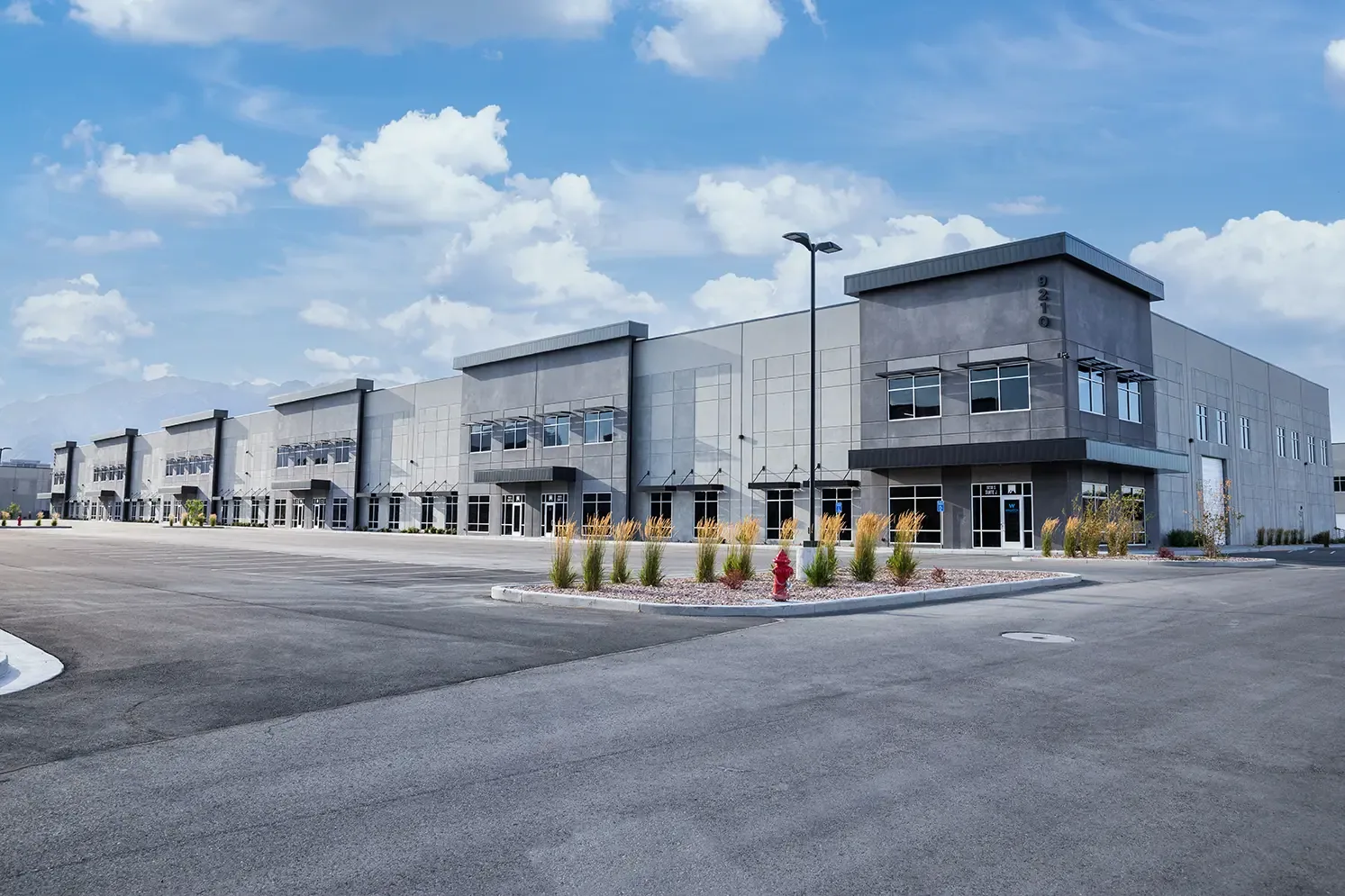
Operators who move product in bulk often run their warehouses next to a distribution center or a flex industrial building with different dock counts and different roof loads. The same record format works for all of them, which keeps a mixed portfolio readable.
Commercial Roofing Questions
My warehouse roof only leaks in heavy rain. Where do we start?
Start with the rain pattern, not the stain. A leak that shows only in a hard downpour usually means water is backing up behind a drain, a scupper or a parapet flashing rather than coming through the open field. Tell us which bays drip and how long after the storm begins, and we will look first at the outlets and wall terminations above those spots.
Can racking and stored product stay in place during a reroof?
Usually the product stays. The crew works in strips, and interior protection goes under an open strip only where deck repair is expected. Sensitive goods close to the work may move for a day or two. We settle each bay in the written sequence before the first load of material arrives.
What makes the price of a warehouse reroof move?
Four things move it most: how much wet insulation comes out, how many curbs, drains and penetrations the roof carries, how hard the crane pick and access are, and which membrane is chosen. Floor area matters less than those details. We price the quantities as separate lines so bids can be compared fairly.
Is a coating a sensible option for an older warehouse roof?
Sometimes. The deciding factor is what sits under the membrane. If a moisture survey shows dry insulation and the seams are sound, a roof coating restoration can add service life without a tear-off. If water has already spread through the insulation, a coating only seals the problem in.
Should a warehouse near the Ship Channel worry about corrosion?
Metal suffers first. Bay air, constant humidity and industrial exhaust work on fasteners, edge metal and any exposed steel deck long before the membrane shows wear. We check those parts on every visit and replace them in kind where they have thinned, so a good membrane does not fail at its attachment points.
Keep Reading
Related Roofing Work in Pasadena

Walk the Warehouse With Us
Bring the facility director, the dock schedule and any leak log you have kept. We will walk the floor and the roof together and build a plan that keeps your doors working from the first day.