
Service Areas
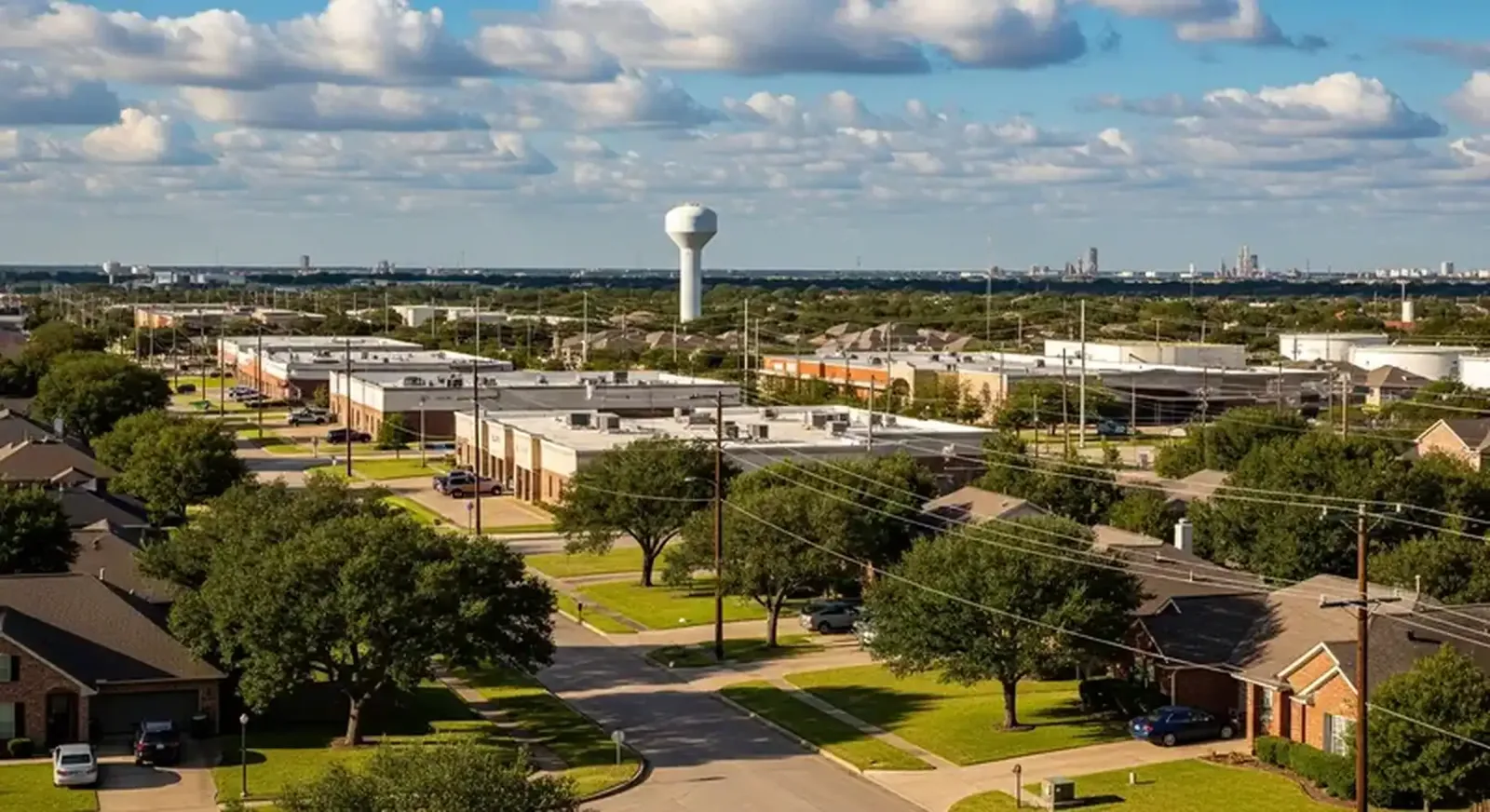
Commercial Roofing in the Spencer Highway Medical and Education Corridor, Pasadena, TX
One road carries ambulances, college commuters and school buses, and the roofs above it keep three different calendars. The hospital never closes. The college runs by term. The school district works to a bell schedule and a long summer break. A roof plan on Spencer Highway has to respect all three before it respects the weather.
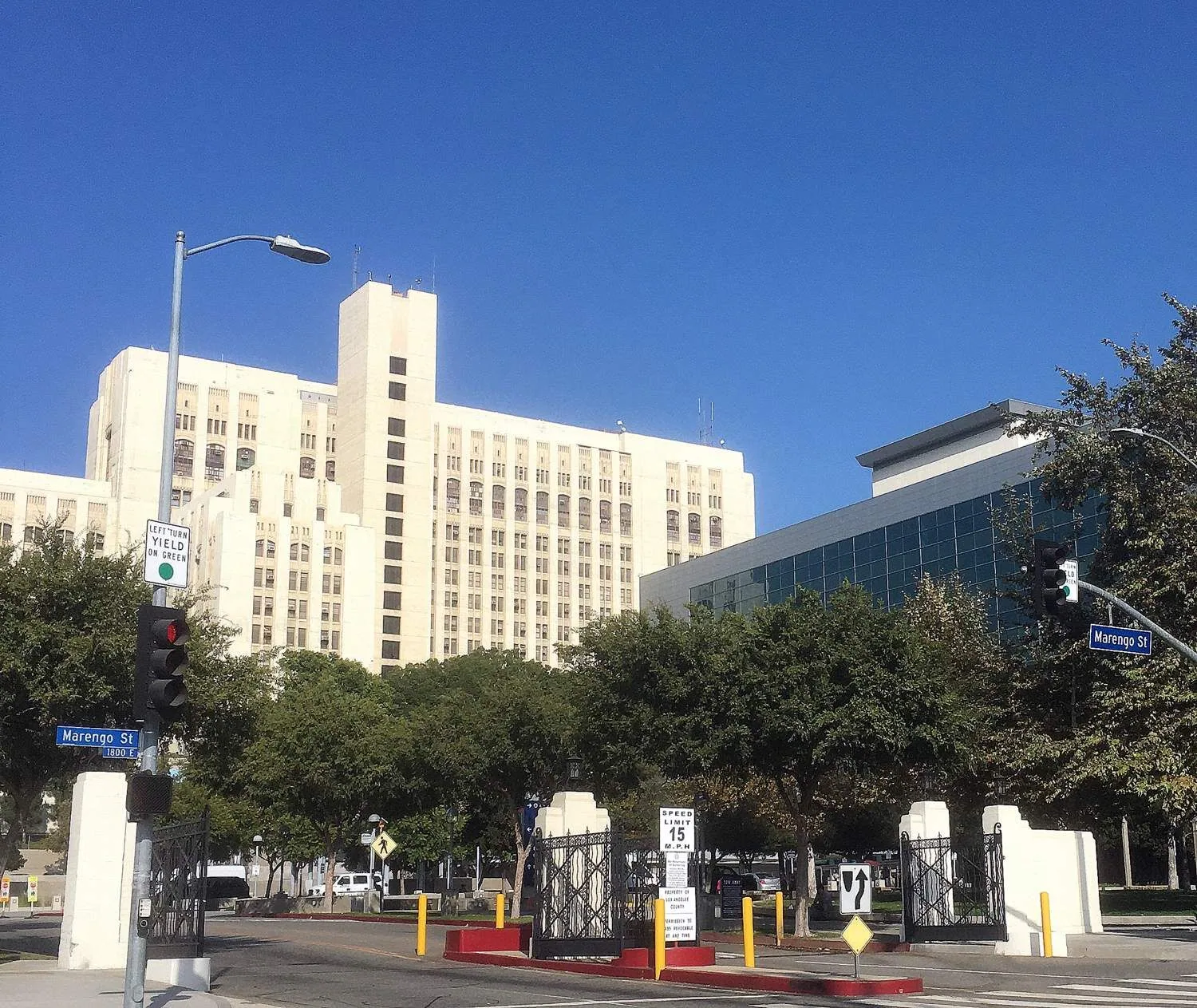
HCA Houston Healthcare Southeast is a longstanding Pasadena hospital and Level III trauma center. San Jacinto College Central Campus, the college's original campus, enrolls more than 15,000 students. Pasadena ISD operates campuses across Pasadena and South Houston. The Spencer Highway corridor serves healthcare, education and public facilities, each with its own access and scheduling needs. We repair, recover and replace commercial roofs for institutions like these, and we write the plan around the people inside.
Along the corridor, one schedule rarely fits every building. A healthcare roof may require a quiet window and protection for air intakes, while a classroom or public facility may need work timed around occupancy. We identify each operating constraint with the property contact and write it into the sequence. That keeps the road itself as the broad service geography while each hospital, college or school remains a contextual example, not a separate location target.
Before work starts, we confirm whether operations require a separate safety orientation, a limited delivery window or protection for sensitive rooms. Those requirements vary by property along the road. The corridor connects distinct destinations, while project access and scheduling are arranged with the specific facility contact.
Respect the Hospital's Clock Before Opening a Single Seam
A trauma center has no off hours, which means roof work happens above live rooms. We ask the facilities team to rank what sits below each roof area, from the emergency department and surgical suites down to storage, and we open the smallest sections above the most sensitive spaces. Air intakes get mapped before staging begins so that dust, odor and exhaust stay away from them.
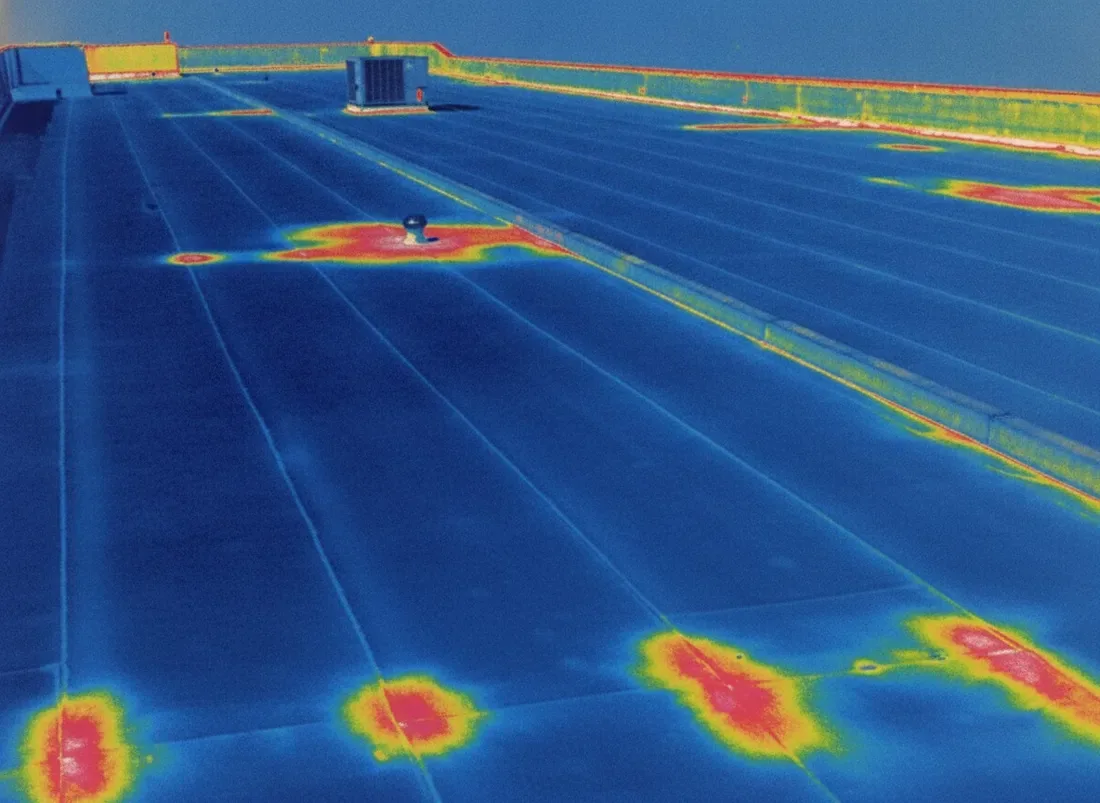
Access is controlled. Workers are badged, trained in a site safety orientation and routed along approved paths, and deliveries are timed away from ambulance traffic and shift change. If a leak is already active, an infrared moisture survey shows how far the water has traveled before any tear-off begins. A hospital roofing project is rehearsed on paper, and then it is run with a morning check-in every day.
Cost on a clinical roof follows the restrictions. Smaller work areas, infection-control barriers, protected air intakes and limited hours all add labor, while a clean, well-mapped scope keeps change orders down. We would rather show the owner those drivers up front than surprise them in the middle of a phase.
Sort the Campus Roofs by Age Before Phasing Them
San Jacinto College's Central Campus is the college's original campus, and any campus with buildings added over the years can hold more than one roof age and more than one roof system. Classroom wings, labs, shops and support buildings can each carry a different membrane, a different insulation and a different drainage pattern. The LyondellBasell Center for Petrochemical, Energy & Technology is part of that campus, and that center deserves its own line in the survey.
We survey each roof for its age and system rather than guess from the building's use: record the system, find the wet areas and rank the roofs. A roof condition report gives the facilities office a list that can drive a multi-year budget and avoid emergency replacements in the middle of a term.
Schedule School and College Work Into the Quiet Weeks
Summer break is the obvious window for a school roof. A district with dozens of campuses cannot reroof all of them in one June, so the order matters: oldest or leakiest first, then the rest as capital funds allow. Pasadena ISD's growth is concentrated along Beltway 8, but the order for roofs should come from condition, not from where the district is growing.
The same window can slip. Hurricane season begins in June, and afternoon thunderstorms are routine through summer. We keep each tear-off section small enough to dry in the same day, stage materials where buses and walkways stay clear, and hold a plan to close the roof if a Gulf system turns toward the coast. The work for a school building or college facility also needs fenced drop zones and approved routes for students and staff when classes are in session.
Check Rooftop Equipment Before the Summer Load Arrives
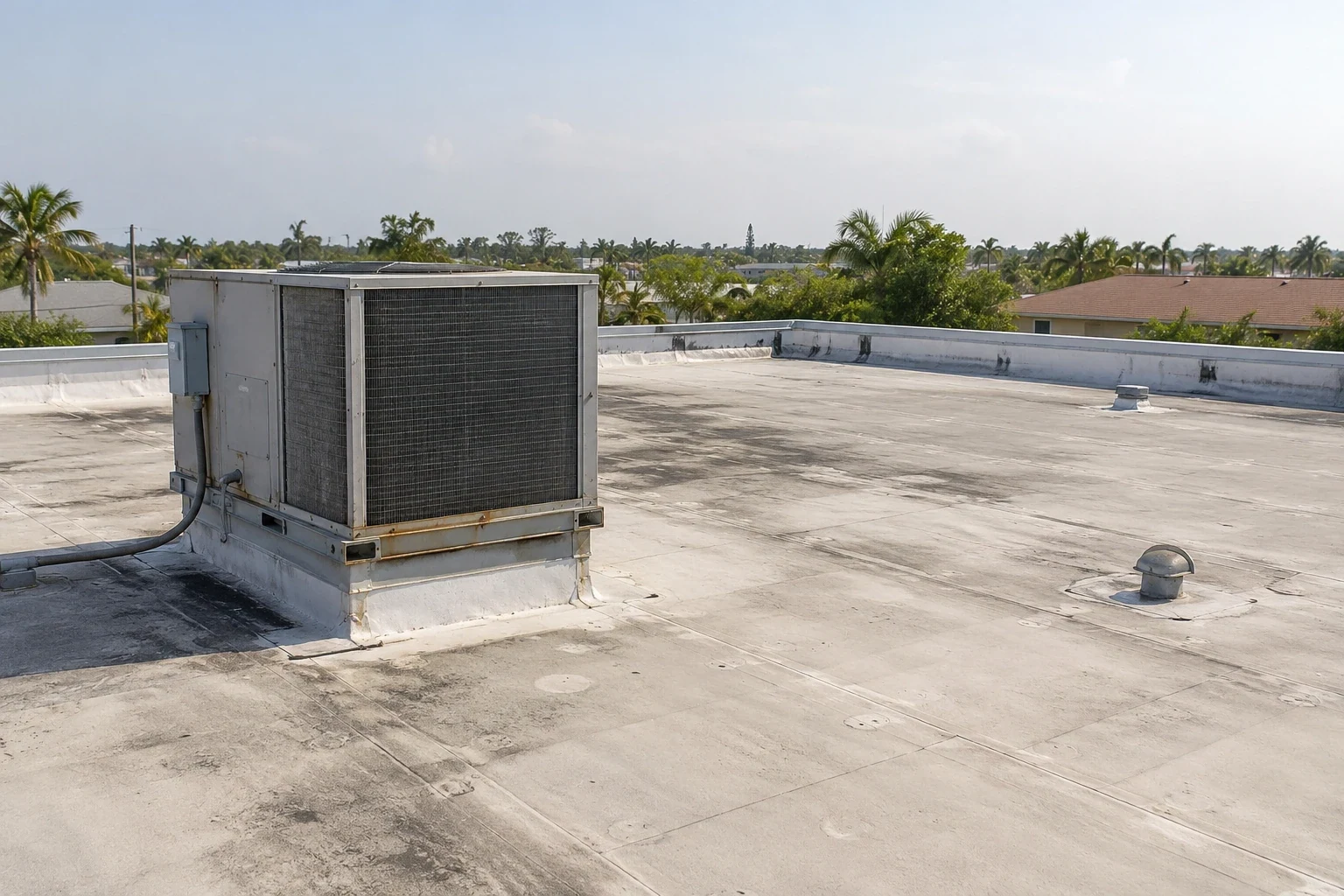
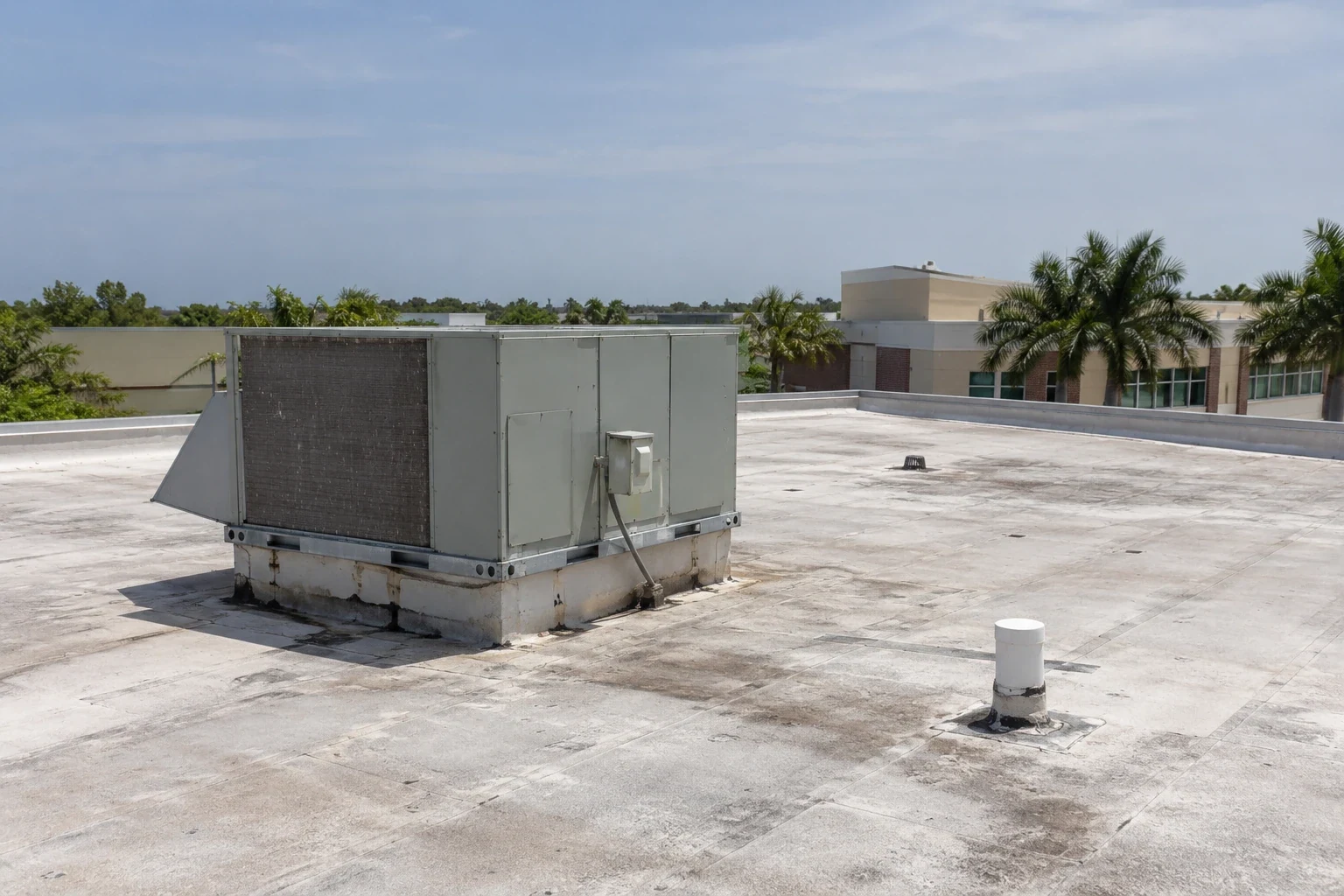
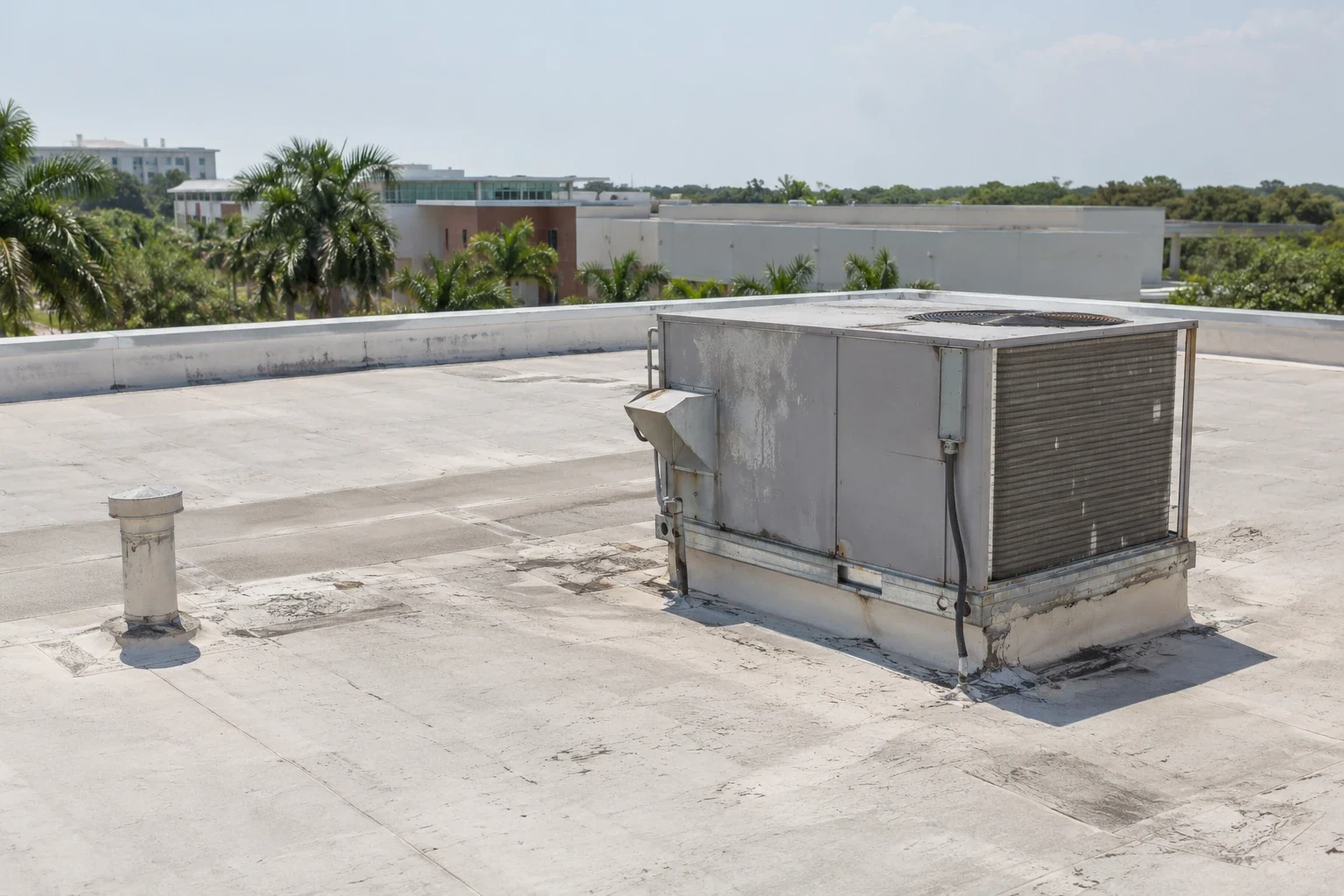
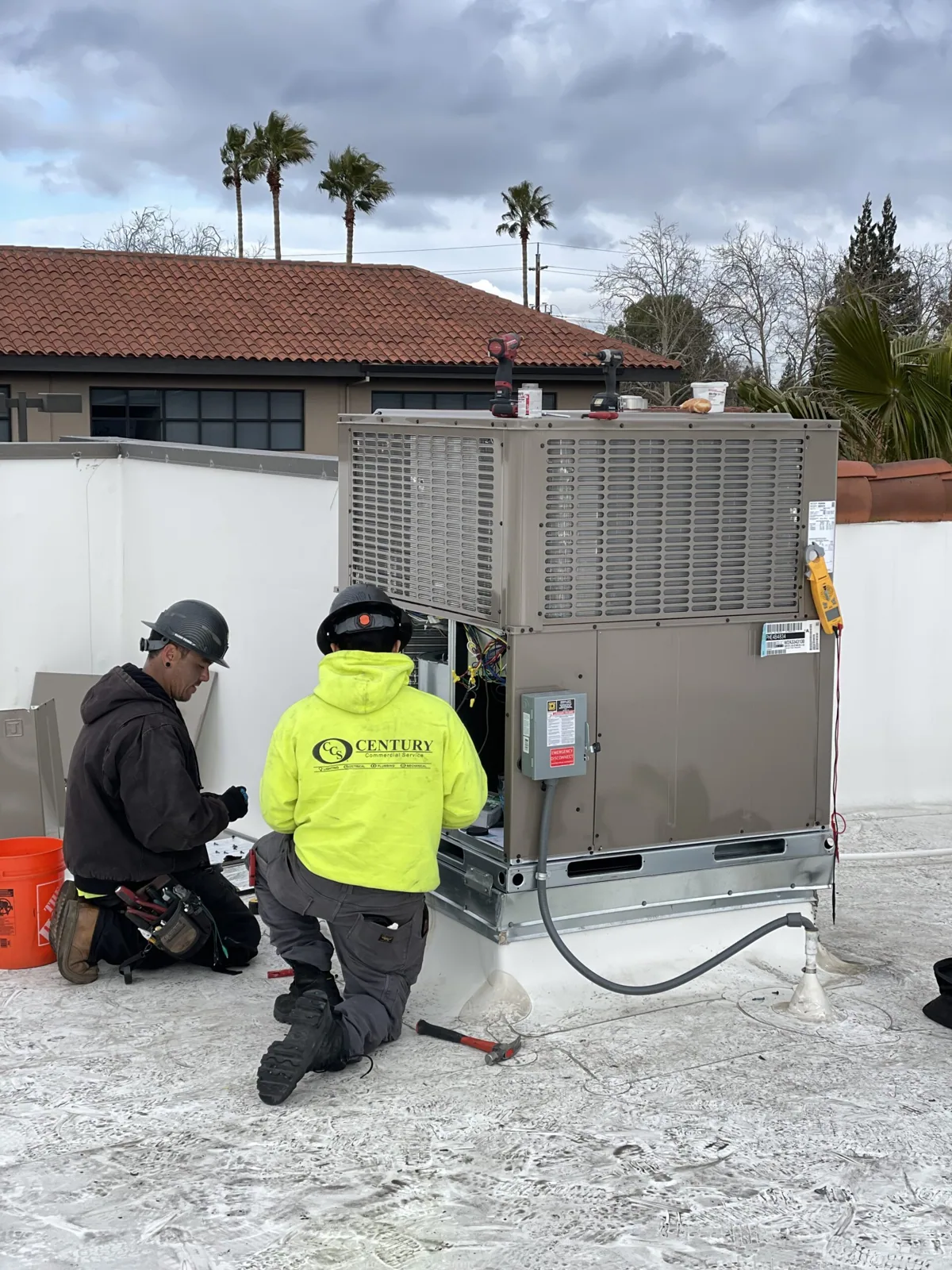
Hospitals and colleges both put heavy mechanical systems on the roof. Air handlers, exhaust fans, chillers and generators set on curbs or frames stress the membrane at every base, and a failed curb flashing is a common source of ceiling leaks. Houston summers, with an August average high near 95 F, keep those systems working hard.
We look at the base flashing, the pitch pockets, the condensate lines and the walk paths to the equipment, because service crews walk the membrane every week. Curb and support repair often costs far less than the water damage that follows a missed leak. When equipment is due for replacement, we coordinate the roof work and the crane pick so the unit is not set twice.
Prepare Institutional Roofs for the Next Long Outage
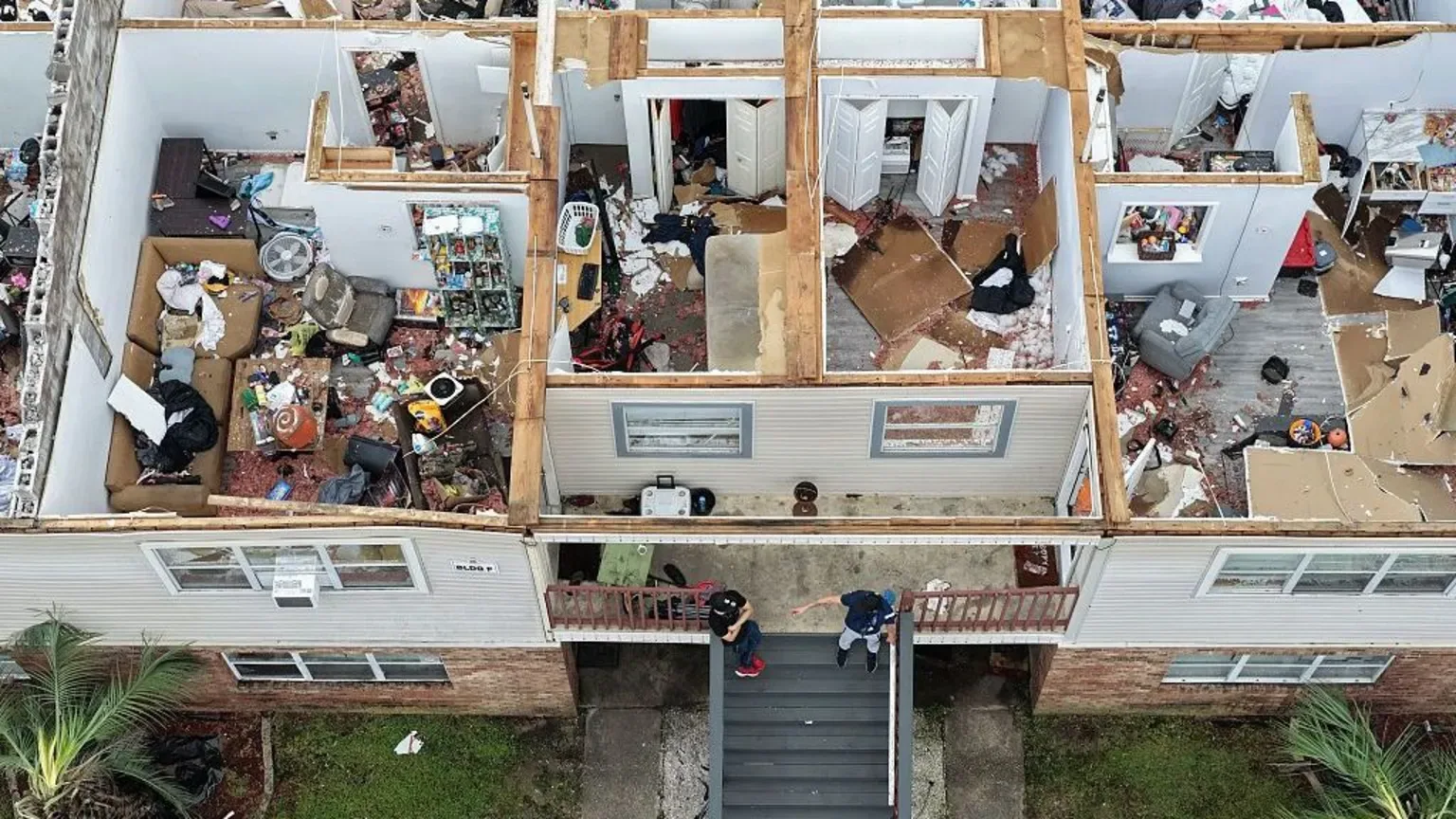
When Beryl passed in July 2024, millions of Texans lost power, and Ike had done the same across the region in 2008. A hospital runs on generators when the grid fails, and any institution is stretched during a week like that. A roof failure in a week like that lands on a building already short of power and time.
So the preparation is practical. Before the season we inspect drains and scuppers, tighten loose edge metal, clear debris and look at equipment tie-downs. Once the wind drops, hurricane damage roof repair opens with a safety walk and temporary closure of openings, taken in the order the institution sets. The Texas Medical Center flooded basements and first floors with 18 inches of water in Tropical Storm Allison in 2001 and added protective retrofits afterward. Neighboring South Houston is also served by Spencer Highway.The same occupied-facility discipline applies in the Texas Medical Center, where clinical schedules shape roof access.
Commercial Roofing Questions
How can a hospital roof be replaced while patients are in the building?
By working in small sections, with interior protection in place and the most sensitive spaces below handled last or in the safest hours. Air intakes are mapped and protected, and each day's plan is reviewed with the facilities team before the crew goes up.
Which campus roofs should come first in a multi-year plan?
The ones with active leaks, wet insulation or critical spaces below. A survey ranks them by condition and consequence, so the oldest roof is not automatically the first, and a roof over a lab may outrank a larger one over storage.
Is one summer enough to reroof a school?
Often a single building, yes, provided the tear-off sections are sized to dry in daily and materials arrive before the break begins. A larger scope or a delayed start can push work into the school year, so the plan names fallback phases.
Why do rooftop units cause so many leaks?
Each curb, pipe and cable adds seams, and technicians walk to them week after week. Worn flashing, loose fasteners and open sealant let water in. Protective walk pads and periodic flashing checks cut the problem sharply.
What records does a public institution usually need after the work?
Closeout photos, as-built details, product data, hot work permits and a maintenance schedule cover most requests. Public owners often need clear documentation for procurement and audit, so we organize it the way their reviewers expect.
Keep Reading
Related Roofing Work in Pasadena
Walk Your Campus With Us
Bring the facilities director and the academic or patient calendar. We will walk the roofs together and shape a work plan around how the buildings are used.