
Commercial Roofing Services
Roof Insurance Claim Assistance in Pasadena, TX
On a building that never closes, the roof claim gets filed in the gaps between everything else. The hospital engineer is busy with air handlers, the plant's risk manager is chasing three other losses, and the property manager is fielding tenant calls. The carrier, meanwhile, wants photographs, a scope and dates. Roof insurance claim assistance in Pasadena, TX is the work of putting those pieces in front of the adjuster in the order the adjuster reads them.
We document and coordinate. Coverage decisions stay with the carrier, and our part is a clean record of what the roof was and what the storm did to it.
Photograph the Roof the Way an Adjuster Reads It
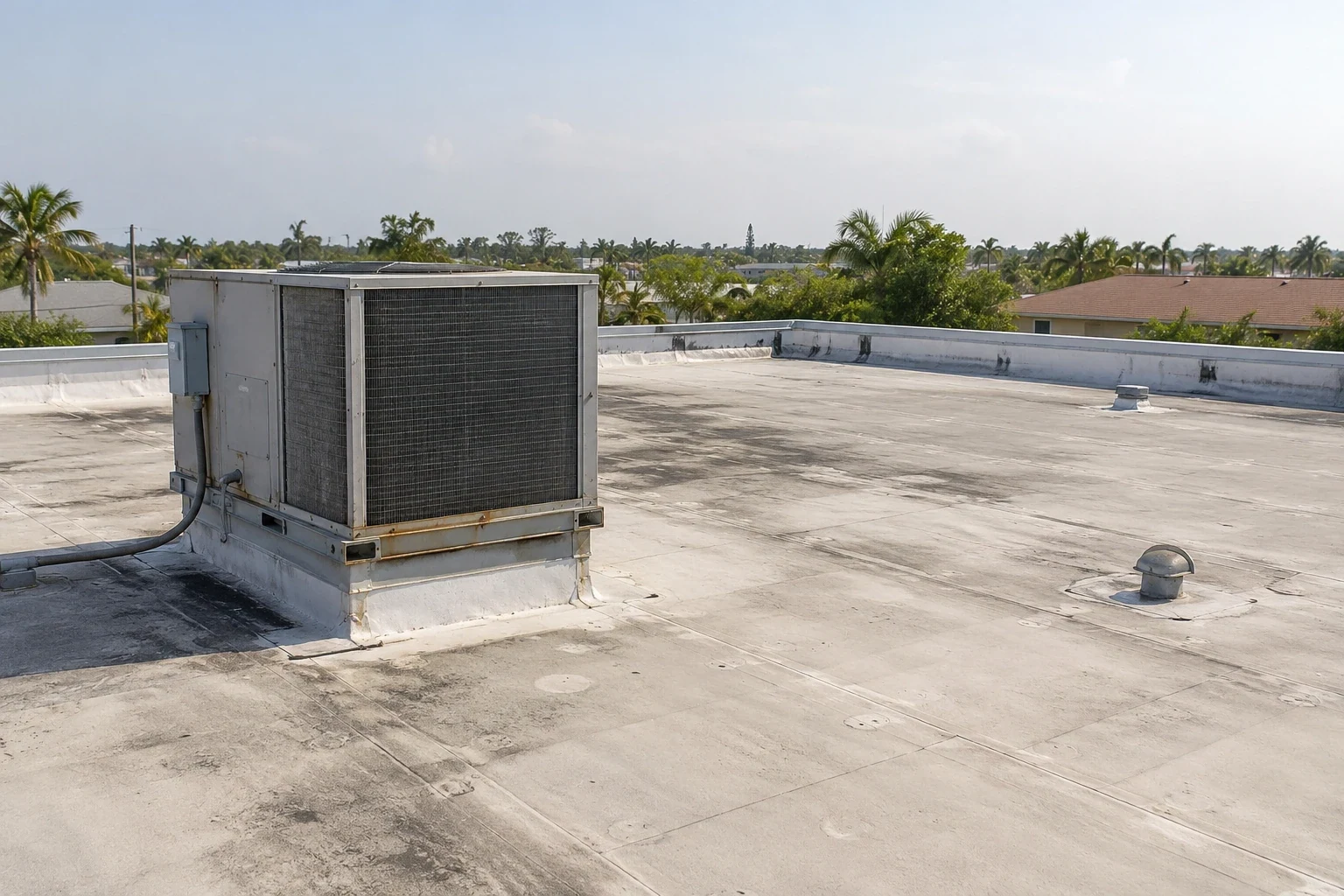
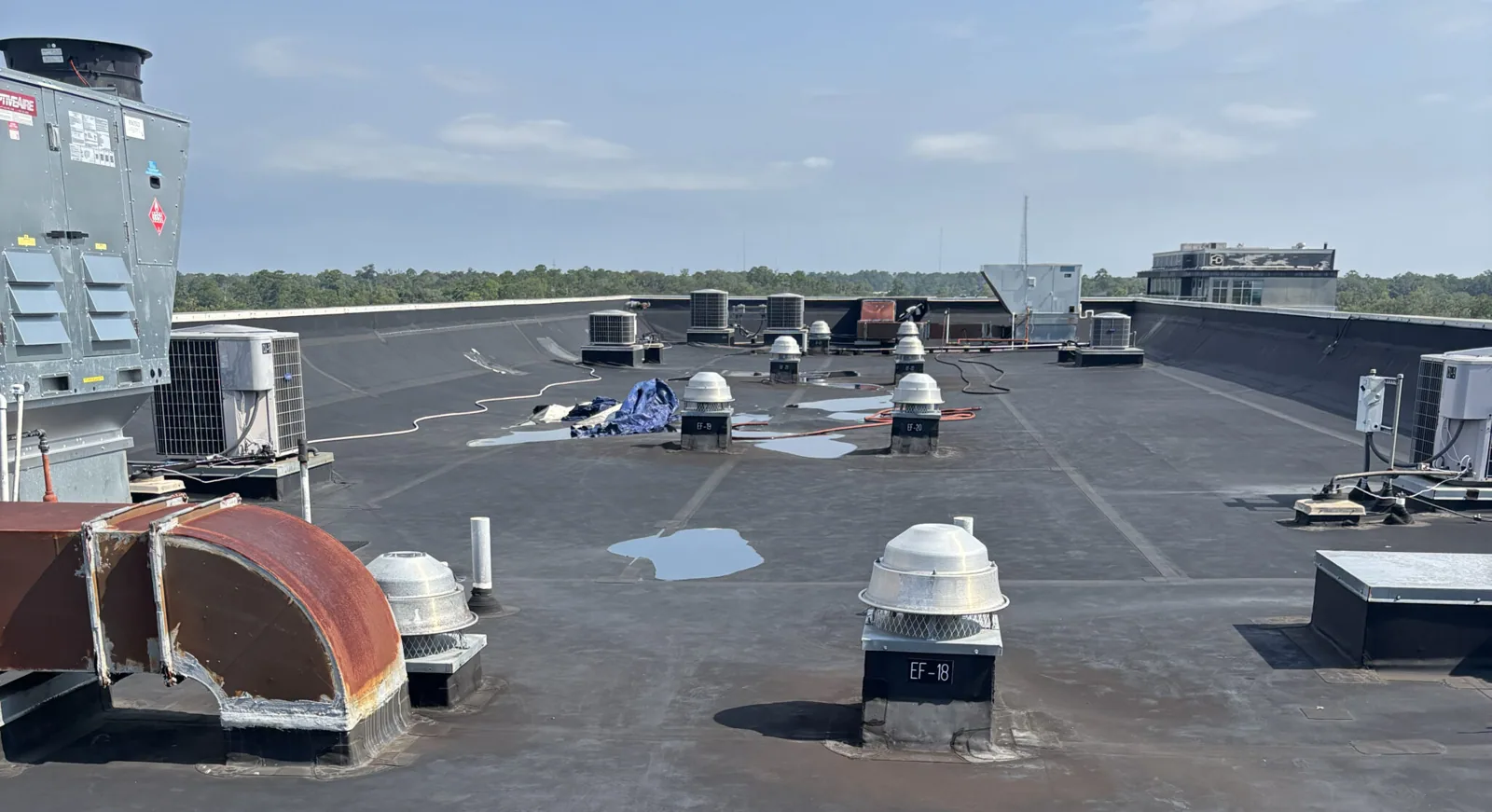
An adjuster reads a roof in zones: perimeter, field, penetrations, drainage and equipment. So we shoot in the same order, with a wide frame of each zone, close frames of each damaged spot with a scale reference, and a roof plan that numbers every photo so it can be found again. Timestamps and location tags stay on the files. Damaged material is tagged where it lies before anything is bagged.
Interior photos matter just as much. Ceiling stains, wet insulation at a drain bowl and water around equipment below the roof tie the roof damage to the loss. We collect those from the facility team the same day, because rooms get dried and cleaned quickly and the evidence goes with them.
Write the Scope in Line Items a Carrier Can Price
Claims stall on vague scope. We break the work into line items by area: membrane type and approximate quantity, insulation and cover board, flashing and edge metal by linear measure, penetrations by count, drains and any deck repair. Each line ties to a photo number. The same format serves a small patch and a full replacement, so a later supplement adds to the document instead of replacing it.
The scope also separates storm damage from long-running wear. Chalked membrane and failed sealant from years of Houston heat are not the same as fresh tears and missing panels, and two columns let a legitimate claim stand on its own. The roof's age and layers come from a written roof condition report when one exists.
Put the Adjuster on the Roof With the Right Information
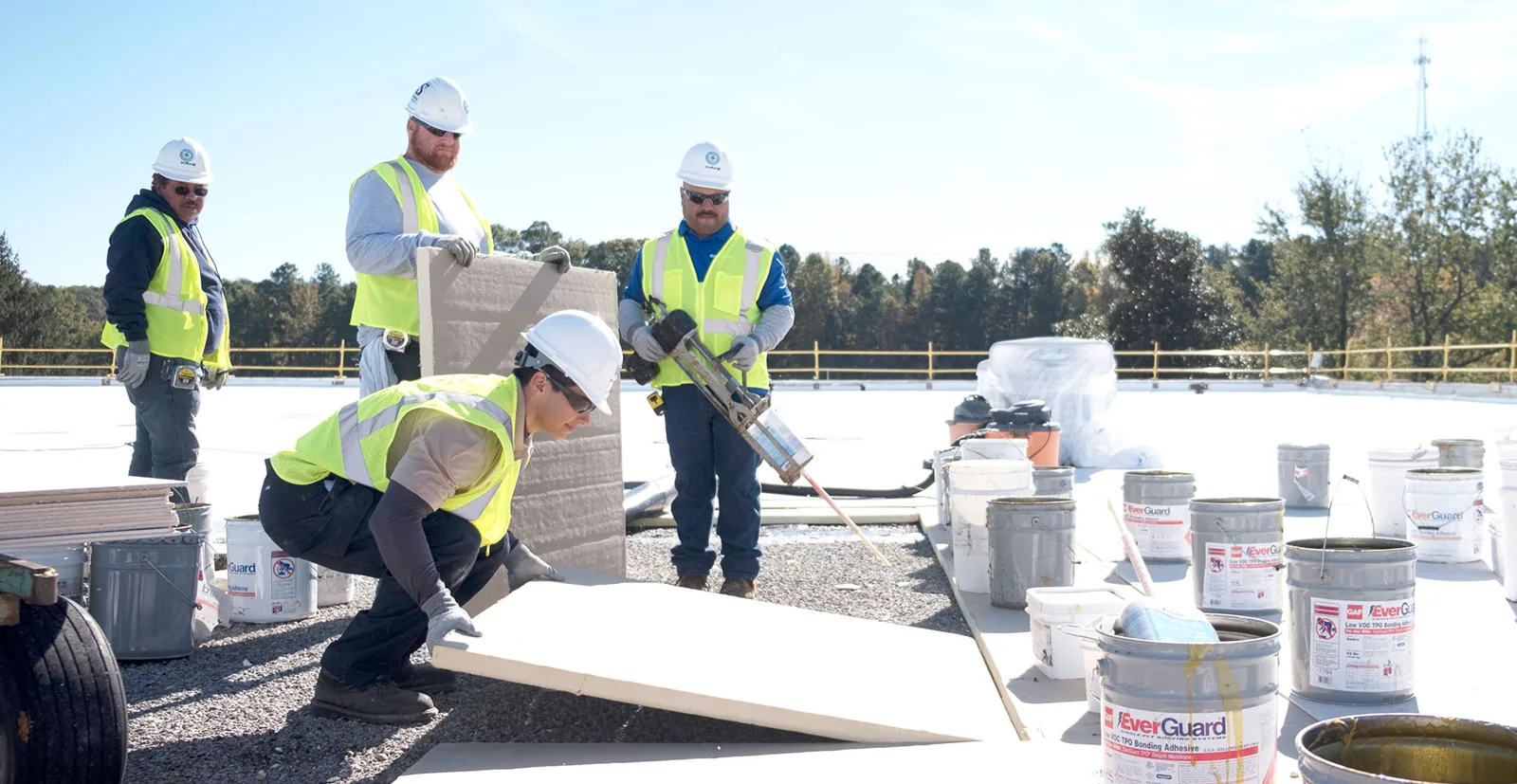
The adjuster visit is the appointment the whole claim leans on, and on an operating site it needs planning: who escorts, which door leads to the roof, what fall protection is required and what hazards sit near rooftop equipment. We attend, run the site safety orientation and open test cuts at agreed spots so the layers and any trapped water are visible.
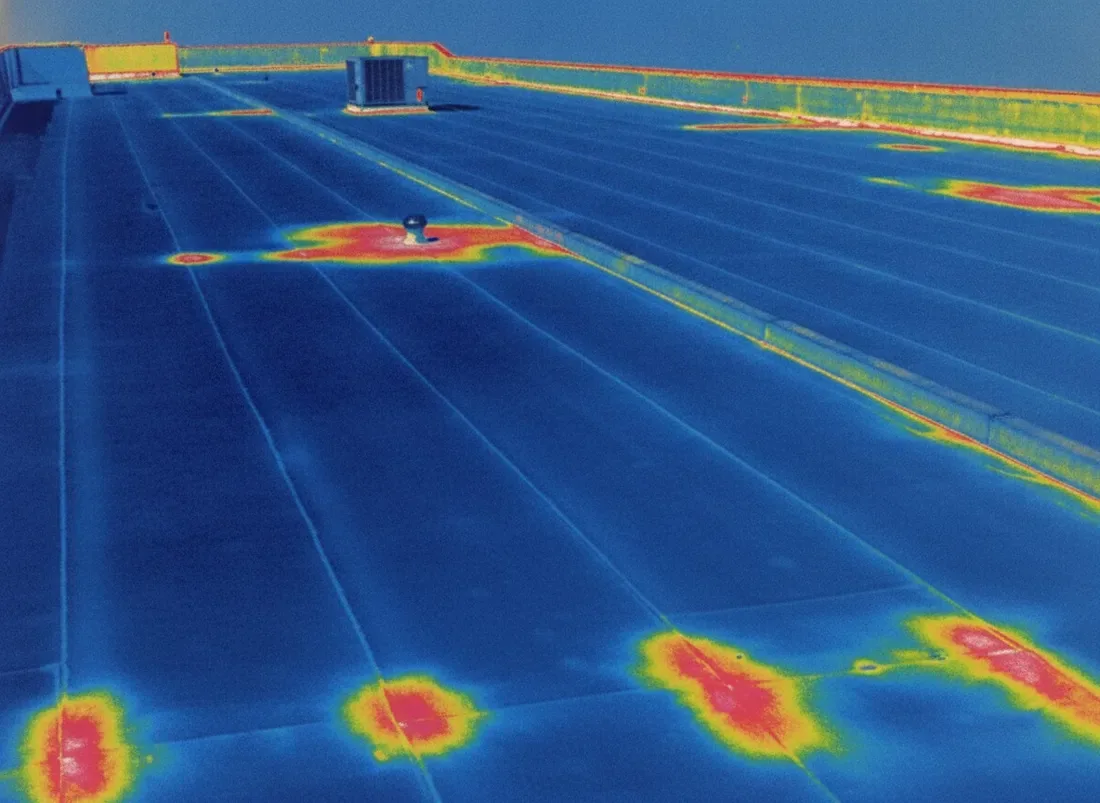
When water may be hidden, an infrared moisture survey adds a map of wet insulation that the eye cannot see. Bringing it to the visit keeps the conversation on what exists on the roof, not on whether the owner can prove it.
Protect the Building While the Claim Stays Open
Policies generally expect an owner to take reasonable steps against further damage, and the cost of those steps belongs in the record. That means a temporary dry-in the day the roof opens, usually through emergency roof repair, with receipts, photos and a short log of what was installed and why. It also means leaving the damaged area in place for the adjuster unless the building cannot be protected any other way.
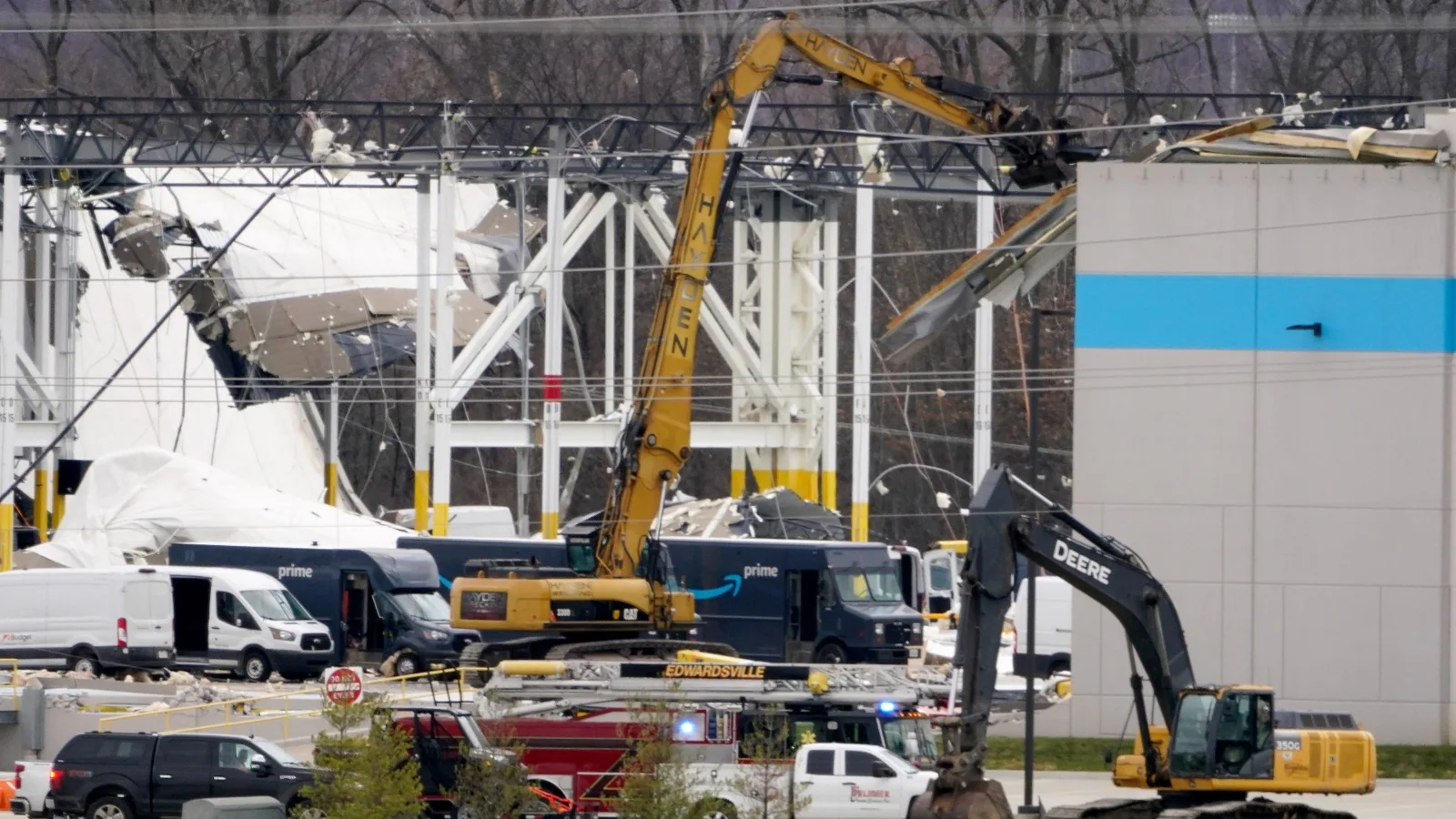
After a regional storm, many buildings wait on the same adjusters. The May 2024 derecho left over a million customers in Greater Houston without power, and Hurricane Beryl followed that July, so the roof has to hold through the wait. Protecting it falls to the owner, with our crew.
Account for the Windstorm Area East of SH 146
Parts of Pasadena fall inside the Texas Windstorm Insurance Association designated area. The association's territory starts east of State Highway 146 and reaches into Pasadena, with Shoreacres, Morgan's Point, La Porte and Seabrook on the same side of the line. Roof work there goes through the state windstorm inspection program for the building to stay insurable. Owners in that zone often carry windstorm coverage separate from the rest of the property program.
Which policy responds is for the owner, the broker and the carrier to settle. What we can do is schedule the repair so the windstorm inspection has a place on the calendar and the record serves whichever carrier asks. That matters on hurricane damage claims, where wind and water often arrive together.
Reconcile Supplements and the Final Closeout
Once a roof is open, its real condition shows. Wet insulation under a torn area, rusted deck on a metal roof or a second layer nobody counted can push the work past the first estimate. We photograph each discovery before it is covered, match it to the original line items and prepare a supplement the adjuster can verify. Contractors and insurance restoration firms working claim-driven jobs get the same package.
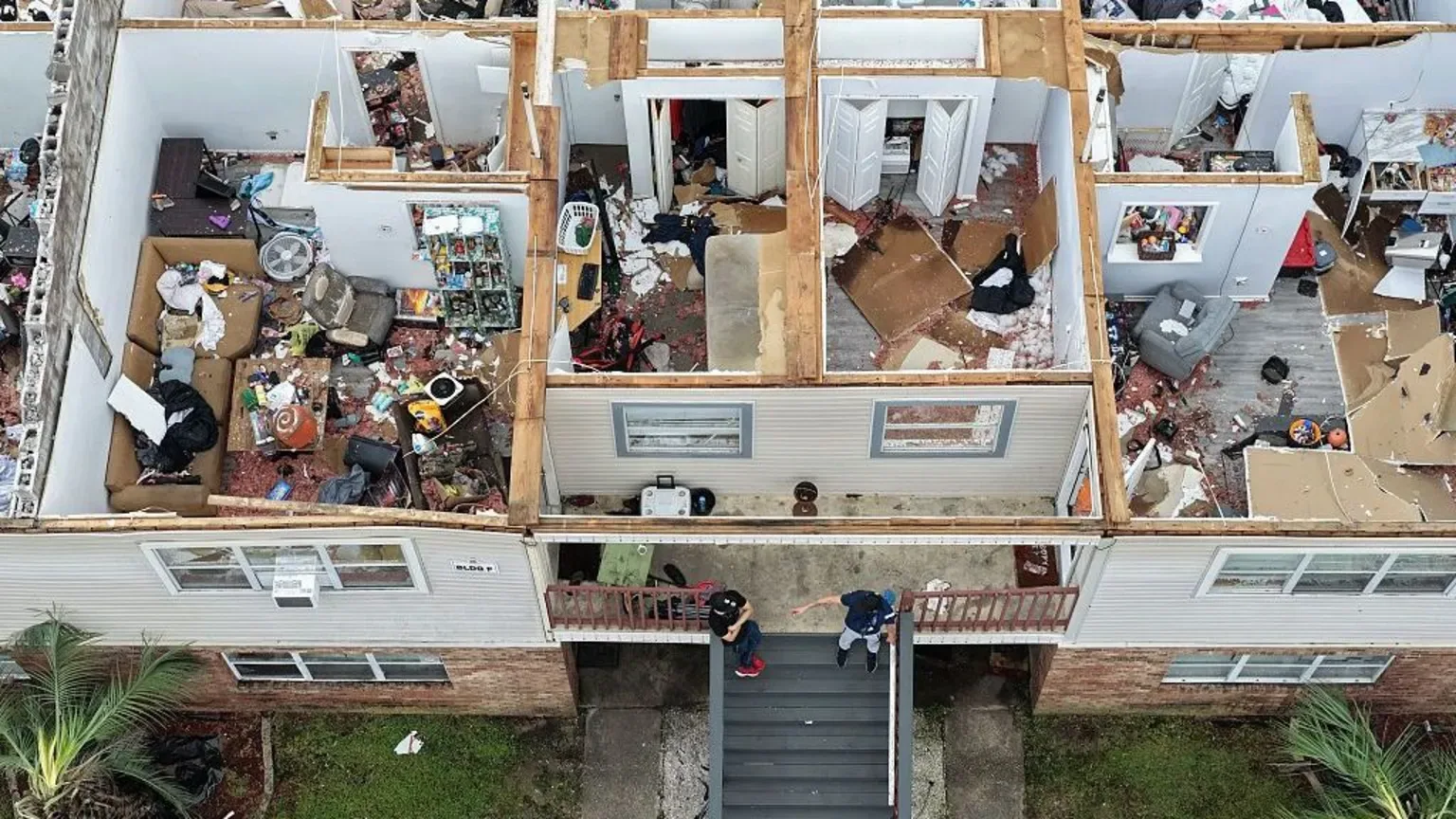
In Deer Park, where the January 2023 tornado damaged the public library, St. Hyacinth Catholic Church and Deer Park High School South, a building with several kinds of damage needs the roof line items kept apart from everything else on the claim. The final package holds closing photos, invoices matched to line items and a roof record for the next owner. Buildings in the tornado's path get the same line-item treatment after tornado damage.
A claim file is easier to review when each observation can be matched to a roof location, photograph, and line item. Keep existing deterioration, storm-related damage, emergency protection, and recommended upgrades in separate categories. Note the inspection method and any limitation that affects confidence, especially where layers are concealed or access is restricted. When a scope changes, show the reason and supporting image beside the revised quantity rather than relying on a general summary. The owner should retain estimates, approvals, invoices, and completion photographs together. This record supports discussion with the carrier while keeping the repair decision grounded in the roof's documented condition.
Commercial Roofing Questions
Should we repair the roof before the adjuster has seen it?
Protect the building first and repair second. A temporary dry-in is expected and should be documented, but permanent removal of damaged material waits for the visit unless leaving it would cause more harm. When timing is tight, our photos and tagged samples can stand in for what has to come off.
What happens if the carrier denies part of the claim?
Complete records keep options open, so the photographs, scope and dated notes should be finished before any dispute begins. We can supply a written condition report or a moisture survey to support a second look. Coverage questions and appeals stay between the owner, the broker and the carrier.
Do you deal with our broker, or with the carrier's adjuster directly?
We work with whoever the owner names. Some facility directors want everything routed through the broker, others want us on the roof with the adjuster. Either way, we send the same photo set and scope to every party at the same time, so nobody works from a different version.
Can a claim include a roof that was already worn before the storm?
Carriers usually pay for storm-caused damage, not for age-related wear, which is why the scope separates the two. An old roof can still have a valid claim for the part the storm damaged. Whether that stays a repair or turns into a larger project is a conversation among the owner, the carrier and us.
How long should roof records be kept after a claim closes?
Keep them for the life of the roof. The photos, scope, invoices and moisture maps show the next owner or lender what the roof has been through, and they help the next claim by showing what was already repaired. We hand over a closeout set the facility team can file once.
Keep Reading
Related Roofing Work in Pasadena

Walk the Loss With Us Before the Adjuster Arrives
Tell us what the building does and what the storm did. We will walk the roof with your facility director, build the photo record and scope, and set the visit so the work plan fits your operation.