
Commercial Roofing Services
Roof Recover and Overlay Systems in Pasadena, TX
Some buildings cannot afford to have their roof opened at all. A process plant with a narrow shutdown window, a manufacturing floor with open product lines, or a medical suite with sensitive equipment under the deck all push the same question: can the old roof stay where it is while a new one goes on top? In Pasadena, TX, the right answer is sometimes yes and sometimes no, and the difference comes down to three things we can measure.
The first is whether the insulation below is dry. The second is how many layers already sit on the deck. The third is whether the structure can carry the added weight. We check all three before a recover goes into the scope, because a recover laid over a wet or overloaded roof only moves the failure to a later date and a larger bill.
Prove the Old Roof Is Dry Enough to Keep
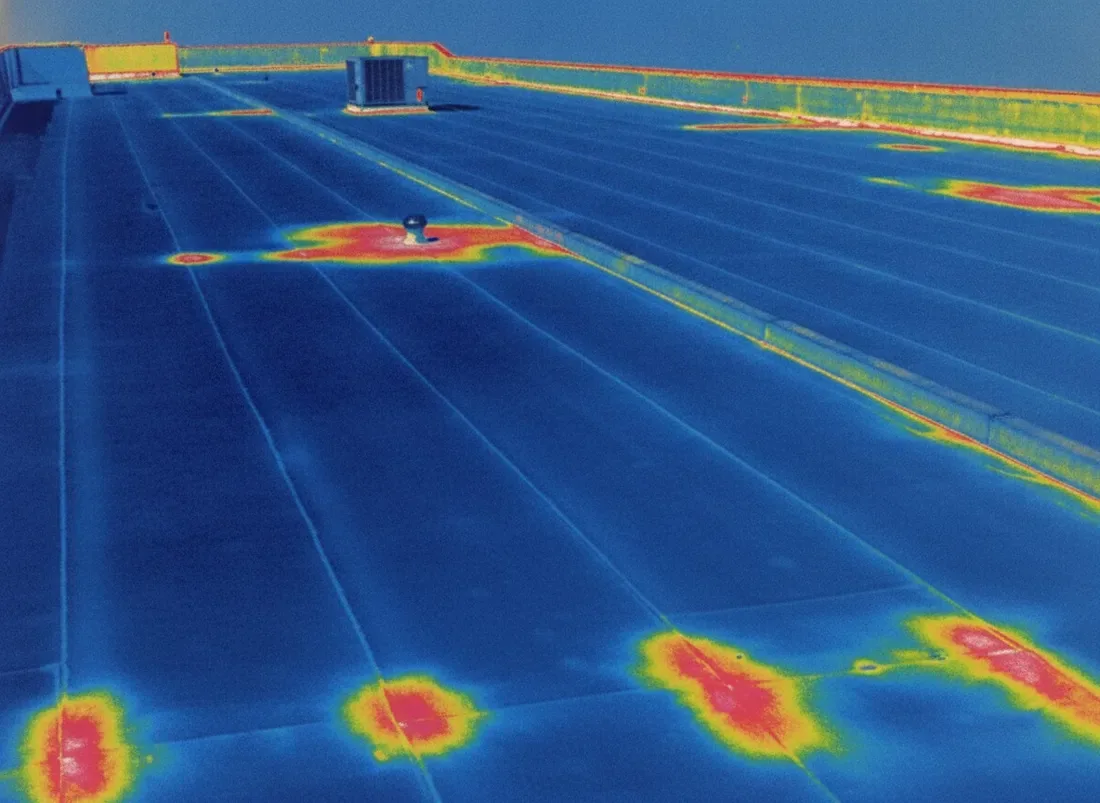
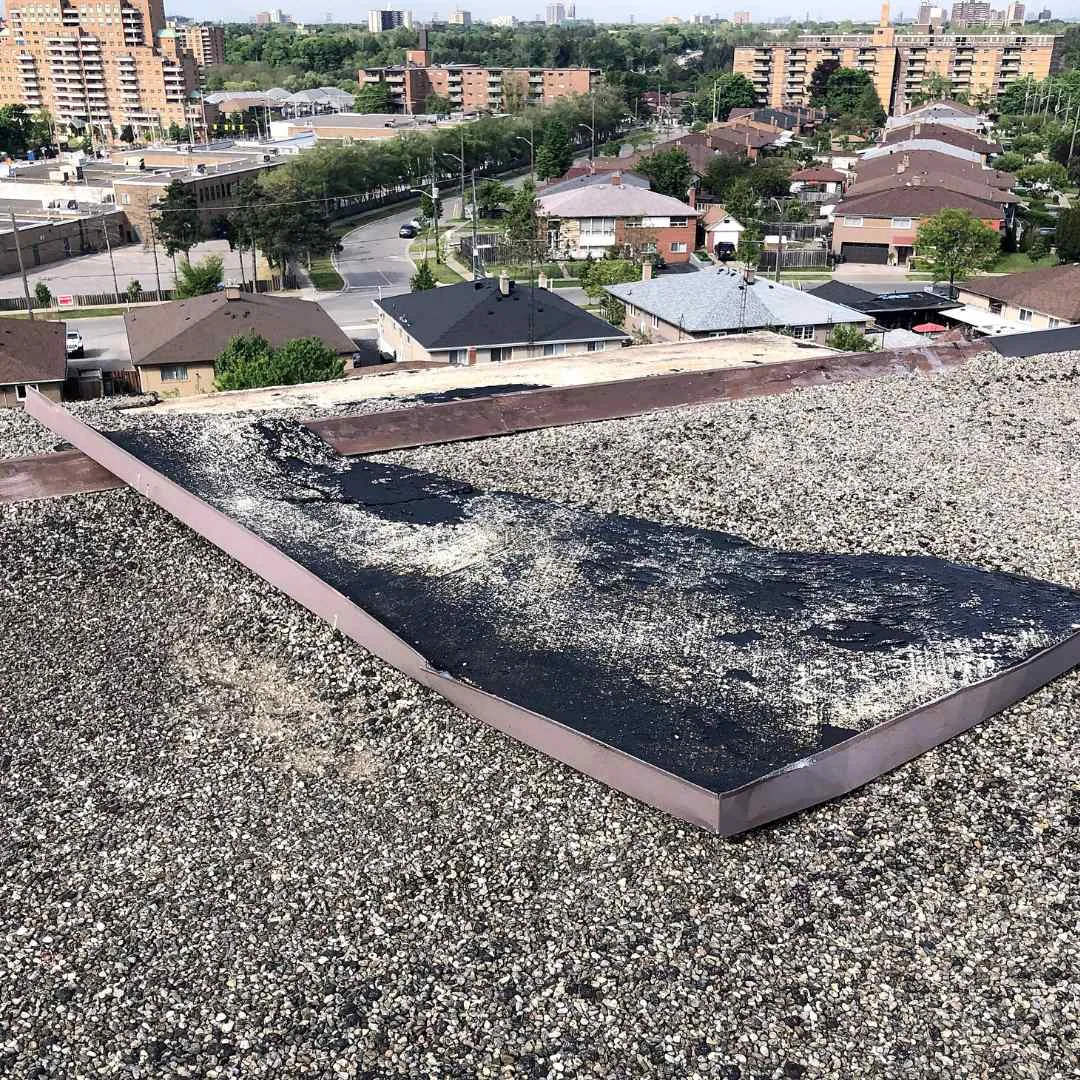
Every recover decision starts with moisture. We walk the roof with a hands-on roof inspection, mark soft spots, blisters and ponding, then run an infrared moisture survey at dusk, when wet insulation releases heat differently from dry. Core cuts confirm what the scan suggests. Each cut gets patched the same day.
The result is a map. Areas of dry insulation can stay. Areas of saturated board cannot, and a recover that covers them traps water against the deck. If the map shows wet insulation scattered across most of the roof, we say so plainly and price a tear-off instead. If it shows a few local wet zones, we cut those out, replace them and recover the rest.
Count the Layers and Check the Structure
Building code generally limits how many roof layers can sit on a deck, and a roof that has already been recovered once may have no room left. We confirm the existing layers from the cores and look at the deck from below where access allows. Corroded steel deck, sagging spans or rotted wood nailers all end the conversation early.
Added weight matters too. Mechanically attached single-ply membrane over a cover board adds little load, while ballast or a heavy assembly adds more. As of February 2, 2026, Pasadena's Permit Department requires 2024 IECC compliance for new construction, additions, remodels and changes of occupancy that affect energy load, so we confirm with the permit office whether the insulation added in a recover falls under it. Decisions about layers and load go into the scope in writing.
Select the Recover Assembly for the Building
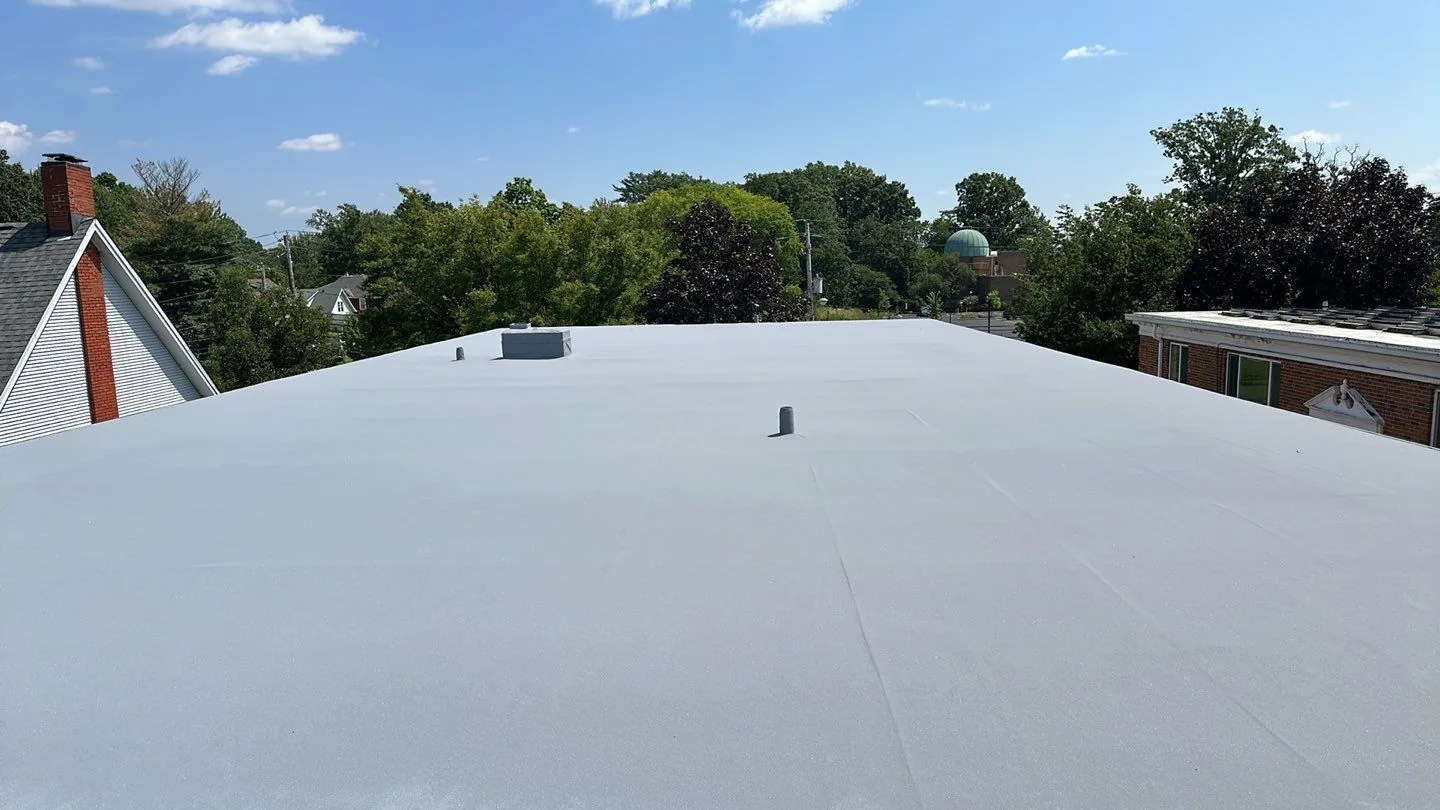
Recover assemblies are chosen by what is underneath. Over built-up or modified bitumen, a layer of cover board or separation sheet usually goes down first, then a mechanically attached or adhered single-ply membrane. Over a corroded metal roof, a metal roof retrofit framing system lets new panels span the old ones without removing them.
Where the existing surface is irregular or the plan calls for added insulation, spray polyurethane foam can go over a cleaned, dry substrate and be coated for UV protection. Each of these is a different tradeoff of weight, fastener penetration, speed and service life, and we explain which tradeoff fits a given building before the contract is signed.
Plan Noise, Fasteners and Access Around the Operation
A recover is quieter than a tear-off, but it is not silent. Mechanically attached systems drive fasteners through the deck, and the tips show above ceilings or in open-structure spaces. On a manufacturing plant roof, we mark the areas where fastener penetration is unacceptable and move those sections to adhered attachment.
The logistics are lighter than a tear-off but still real. We set the laydown area, schedule the crane pick, and phase the work so each section is finished and sealed the same day. Hot work permits are pulled where heat-welded seams or torch details apply, and every crew member completes the site safety orientation before stepping onto the roof.
Build for Uplift in a Storm Market
A recover has to resist the same wind as a new roof. Hurricane Beryl came ashore as a Category 1 storm with its eastern eyewall over the Houston region in July 2024, and the May 2024 derecho measured a 78 mph gust at Highlands, with surveyors estimating about 100 mph downtown. Edges and corners take the worst of it, so we add perimeter securement, check edge metal, and size the attachment pattern to the building's exposure.
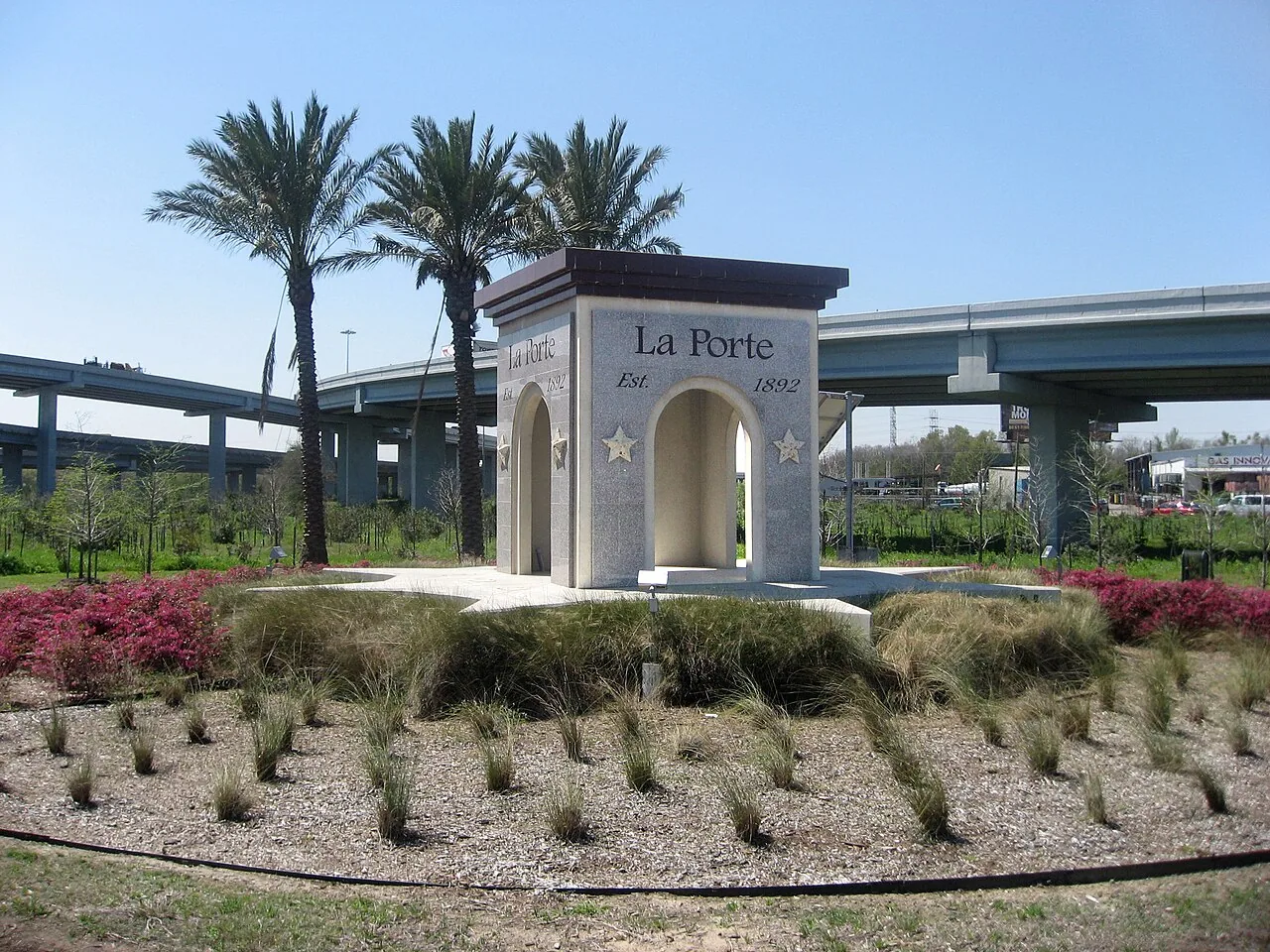
East of State Highway 146, La Porte sits inside the Texas Windstorm Insurance Association area, where roofing work goes through the Texas Department of Insurance windstorm program. If a recover there cannot meet the uplift requirement over the existing assembly, a tear-off becomes the better path. Edges are detailed the way a roof is rebuilt after wind damage, with continuous cleats and sealed coping joints.
Record Every Layer for the Next Owner
A recover leaves the roof with more history than a new roof, so the paperwork matters more. We photograph the existing surface before cover board goes down, log where core cuts were patched, and mark the drain and curb locations on a simple plan. When the next owner or the next facility manager asks what is under the membrane, the file answers without a destructive test.
Manufacturer warranty terms depend on the assembly and on how the substrate was prepared, so we gather that documentation at the same time. Closeout includes a walk with the facility director and a short written list of items to watch during the first heavy rain.
A recover decision also needs a written boundary for what stays and what gets removed. Mark every area where the insulation is wet, the deck has lost strength, or old patching prevents a reliable bond. If those conditions are scattered, compare a limited tear-off with a broader replacement before choosing the lowest initial price. Note how drains, curbs, and perimeter metal will be raised to meet the added assembly. The proposal should state how the crew will protect occupied space, stage debris, and keep temporary openings watertight at the end of each shift. That detail lets an owner compare a recover with replacement on service life, disruption, and future access.
Commercial Roofing Questions
How do I know whether my roof can be recovered?
Start with the moisture map. If infrared scanning and core cuts show dry insulation across most of the roof, a recover is on the table. If wet insulation covers a large share of the area, or the deck is corroded, the better answer is a full replacement. We show you the findings before you choose.
How many times can a roof be recovered?
Building code generally limits the number of layers on a deck, so a roof that has already been recovered may have to be torn off. We count the layers from core cuts, check the deck, and tell you plainly if there is no room left.
Does a recover cost less than a replacement?
Often it does, because disposal and deck work drop out. The moisture survey can narrow the saving: if wet sections must be cut out first, the gap closes. We price the repair of those sections separately so the comparison with a tear-off is fair and visible.
Will a recover disrupt my tenants less than a tear-off?
Usually, because a recover keeps the old roof as a lid during the work, so water risk is lower, and there is far less debris. Fastener tips are the exception: where they are unacceptable above a certain space, we use adhesive attachment there. We confirm each sensitive area with the facility team.
Does a recover affect my wind insurance?
Address matters. Buildings east of State Highway 146 fall under windstorm insurance rules that add a state inspection step to roofing work. We confirm that requirement during the survey and size the attachment to satisfy it.
Keep Reading
Related Roofing Work in Pasadena

Let Us Test the Roof Before You Commit to a Recover
Send us the building address and its roof history. We will schedule a site walk, run the moisture survey, and tell you whether a recover fits your building or whether a tear-off is the safer plan.