
Commercial Roofing Services
24/7 Emergency Roof Repair in Pasadena, TX
A hospital wing, a cold dock and a plant control room each fail differently when the roof opens. The hospital has patients who cannot be moved on short notice, the cold dock has product warming by the hour, and the control room has electronics that cannot take a single drip. Emergency roof repair is about stopping the loss in the right order: people first, then equipment and product, then the building itself, with every step on the roof sequenced to serve that order.
Someone answers our emergency line at two in the morning on a holiday as readily as at noon on a Tuesday. In Pasadena, TX, that matters, because storms build quickly off the Gulf, and a roof that is open at midnight can be a flooded floor by morning. We respond with a plan, not just a tarp.
Call In and Get a Safe Assessment Underway
The first call is short. We ask what the building is, what the roof is made of, where water is entering, and whether anyone is at risk. Then we ask about hazards: downed lines, damaged gas piping, bowed deck, or standing water that could overload the structure. A crew does not go on a roof until those questions have answers.
On arrival, a lead tech walks the building from the ground, then the roof if conditions allow. High wind, lightning and wet steel deck can all keep a crew off the surface, and we do not trade safety for speed. Where roof access is unsafe, we start from the interior, controlling water and protecting contents while the weather clears. Photos begin at once.
Dry In With the Method the Damage Calls For
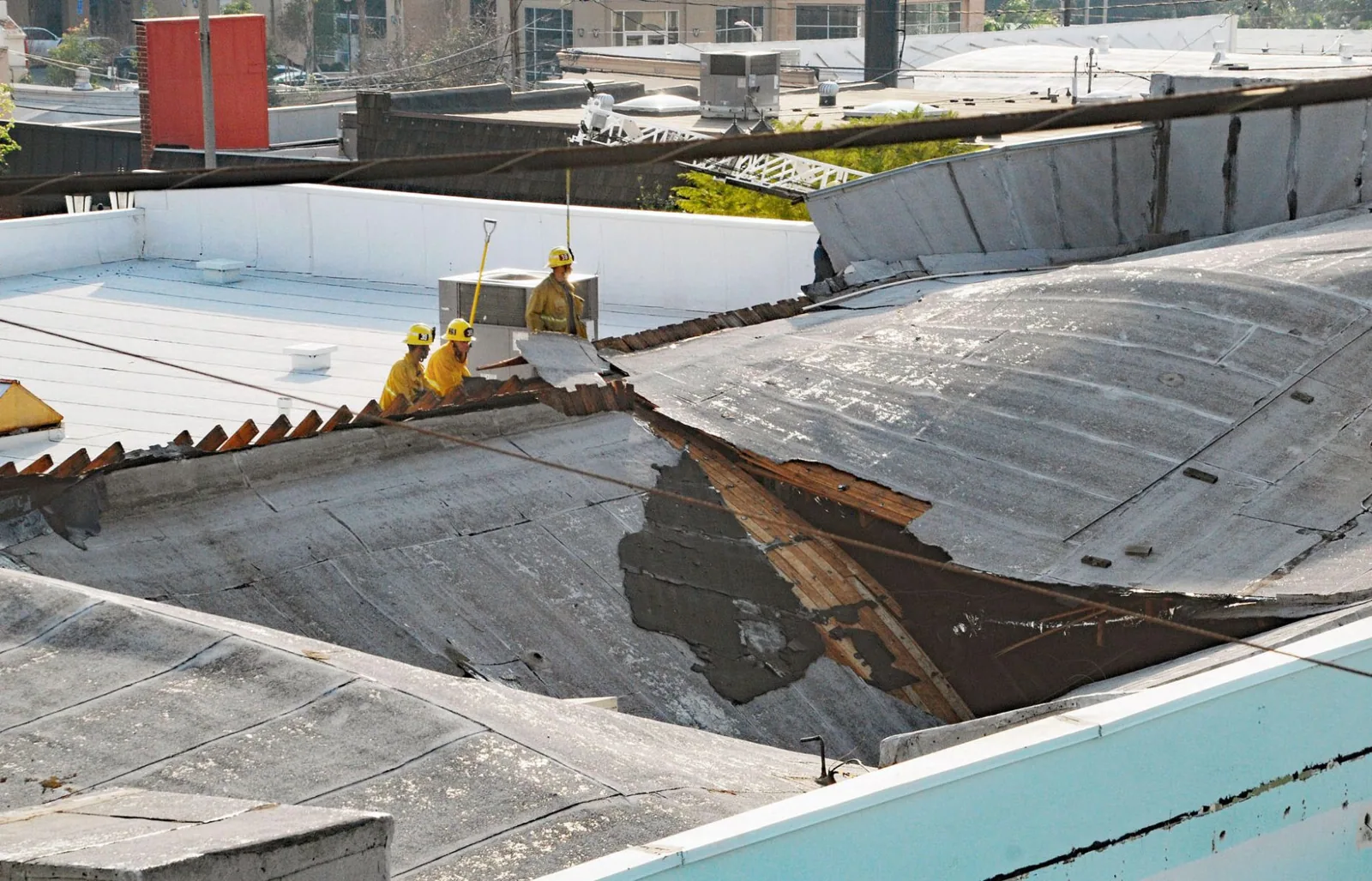
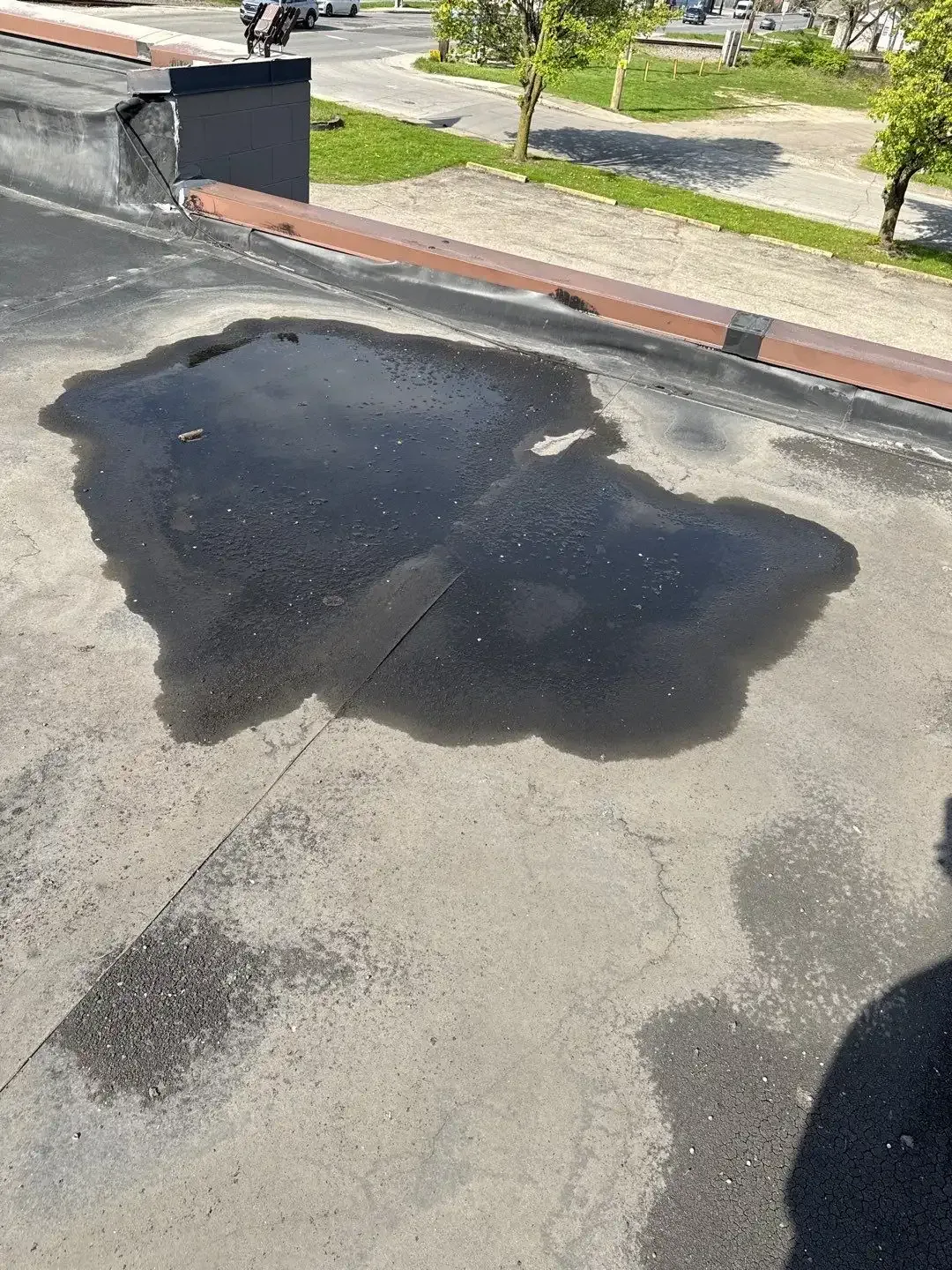
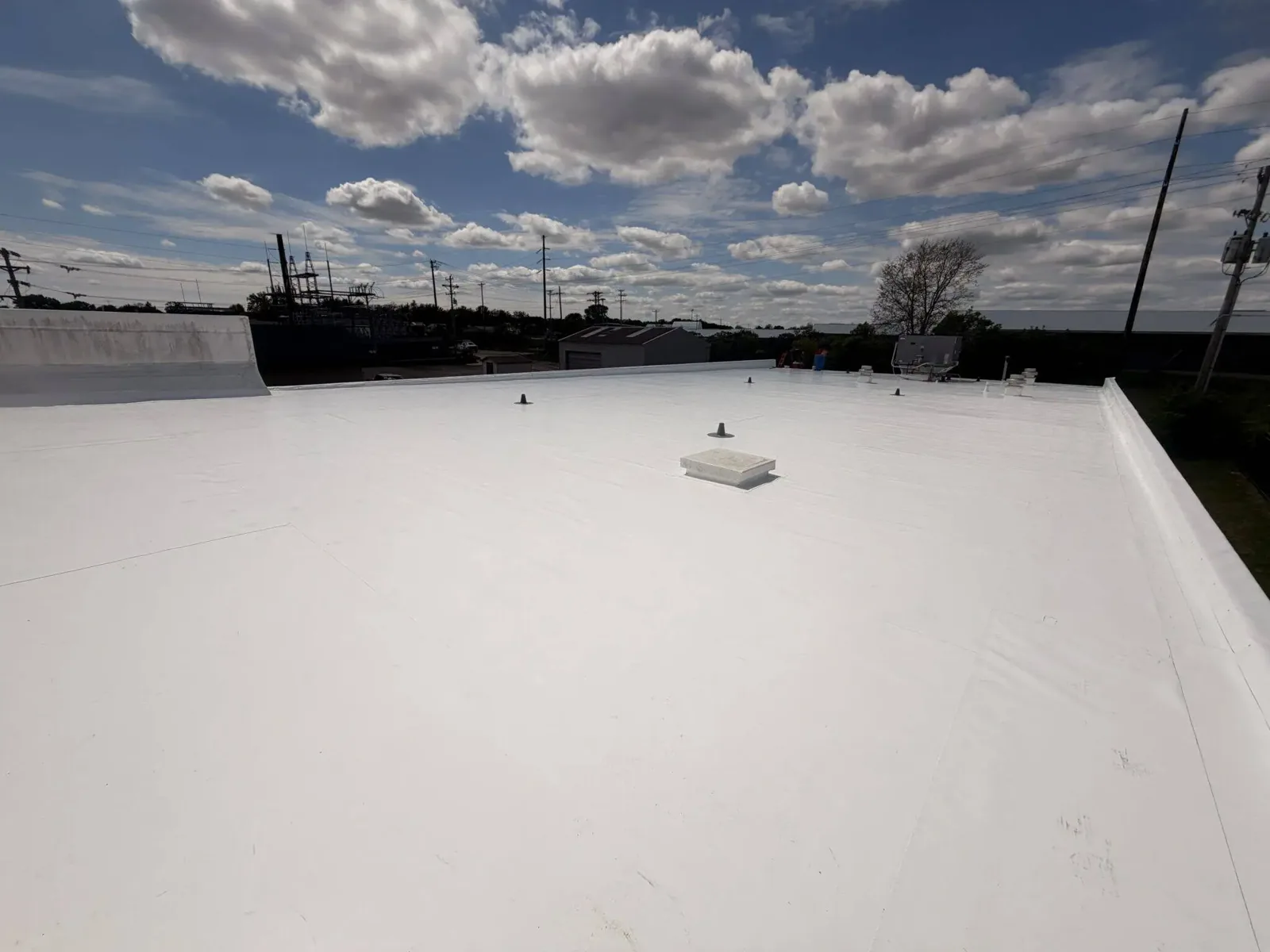
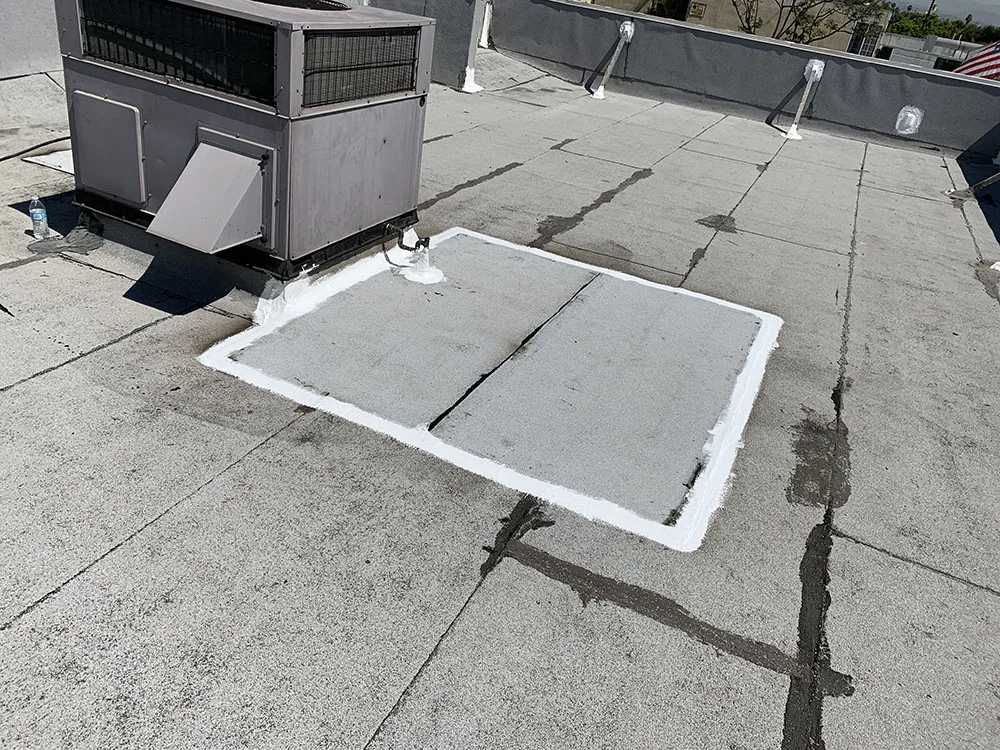
Dry-in is the goal, and the method depends on the damage. Torn single-ply membrane can be covered with a temporary patch or heavy-duty tarp, secured with battens at the edges. Missing metal panels may need a temporary cover with sealed laps. Broken skylights get boarded and sealed. Standing water gets pumped or drained so the roof is not carrying extra load.
Temporary work has to hold through more wind than most owners expect. On a roof where uplift has just peeled the membrane, a loosely tied tarp will fail in the next gust. We secure perimeters, weigh down the field where it is safe, and plan the temporary cover to stay put until the permanent repair is ready. We also tell the owner how long the temporary fix can reasonably last.
Shield the Operation Under the Roof
While the dry-in work runs, the interior needs attention too. Wet ceilings, soaked insulation and water around electrical gear can cause more damage than the original opening. We coordinate with the facility team to move product, cover racking, extract standing water and keep the building's critical operations running wherever possible.
Once the building is secure, emergency work can lead into larger storm damage roof repair. A tarp buys days, sometimes weeks, depending on the wind and sun it sees. We write down what the temporary measures cover, where they end, and what the next step looks like, so the owner is never guessing.
Document the Loss Before Anything Is Moved
Insurance carriers pay for what they can see documented. Before we remove debris or install a temporary cover, we photograph the roof, the damage and the interior. We tag damaged materials, note the time and weather, and keep a log of every action taken. That record supports the owner's claim and shows that the emergency work was reasonable and necessary.
Our roof insurance claim assistance turns that record into a package the adjuster can use. In the Texas Windstorm Insurance Association area east of State Highway 146, windstorm inspection and certification affect permanent roof work, and early documentation helps the building get through that process.
Plan for the Storms This Coast Produces
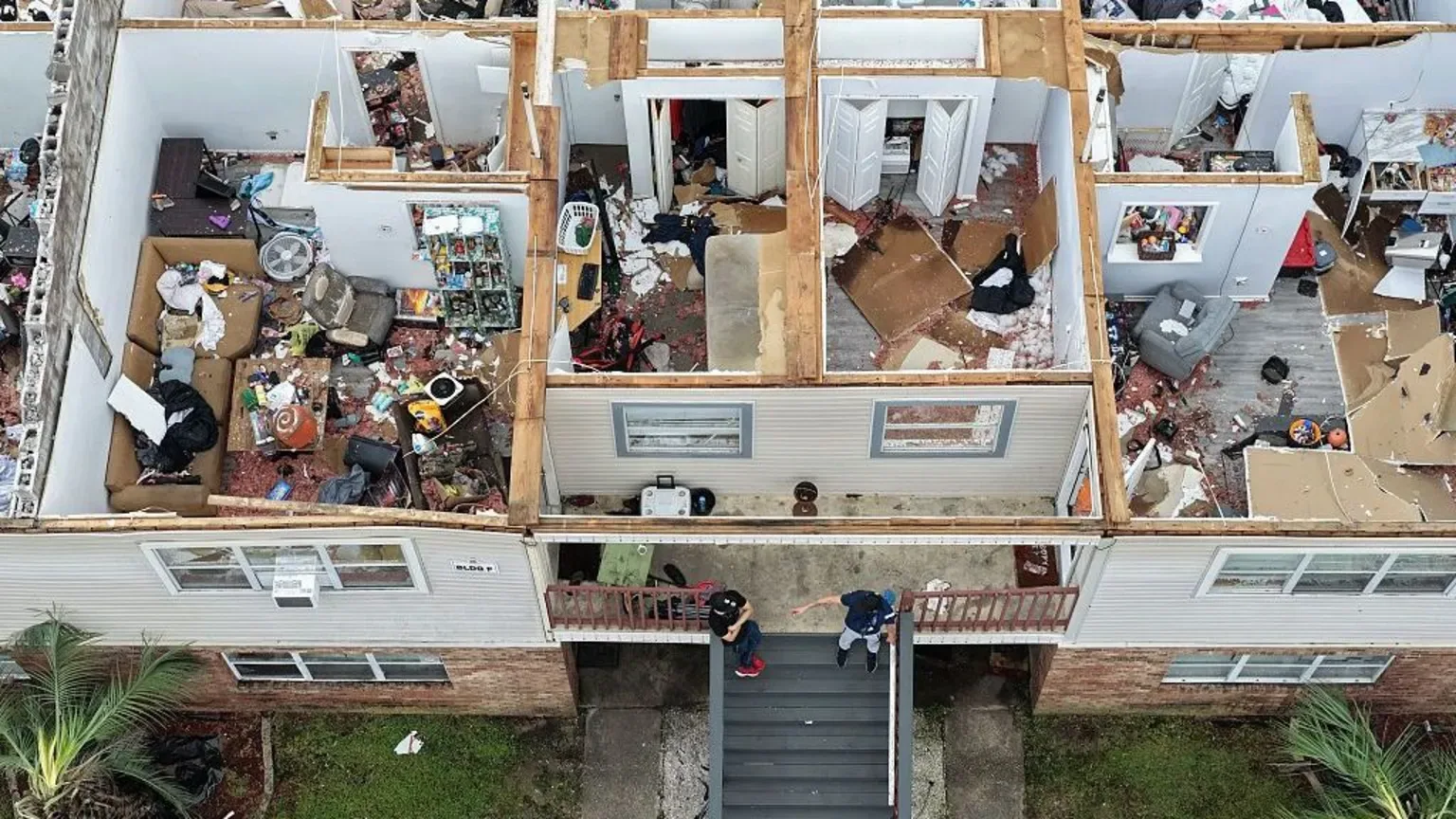
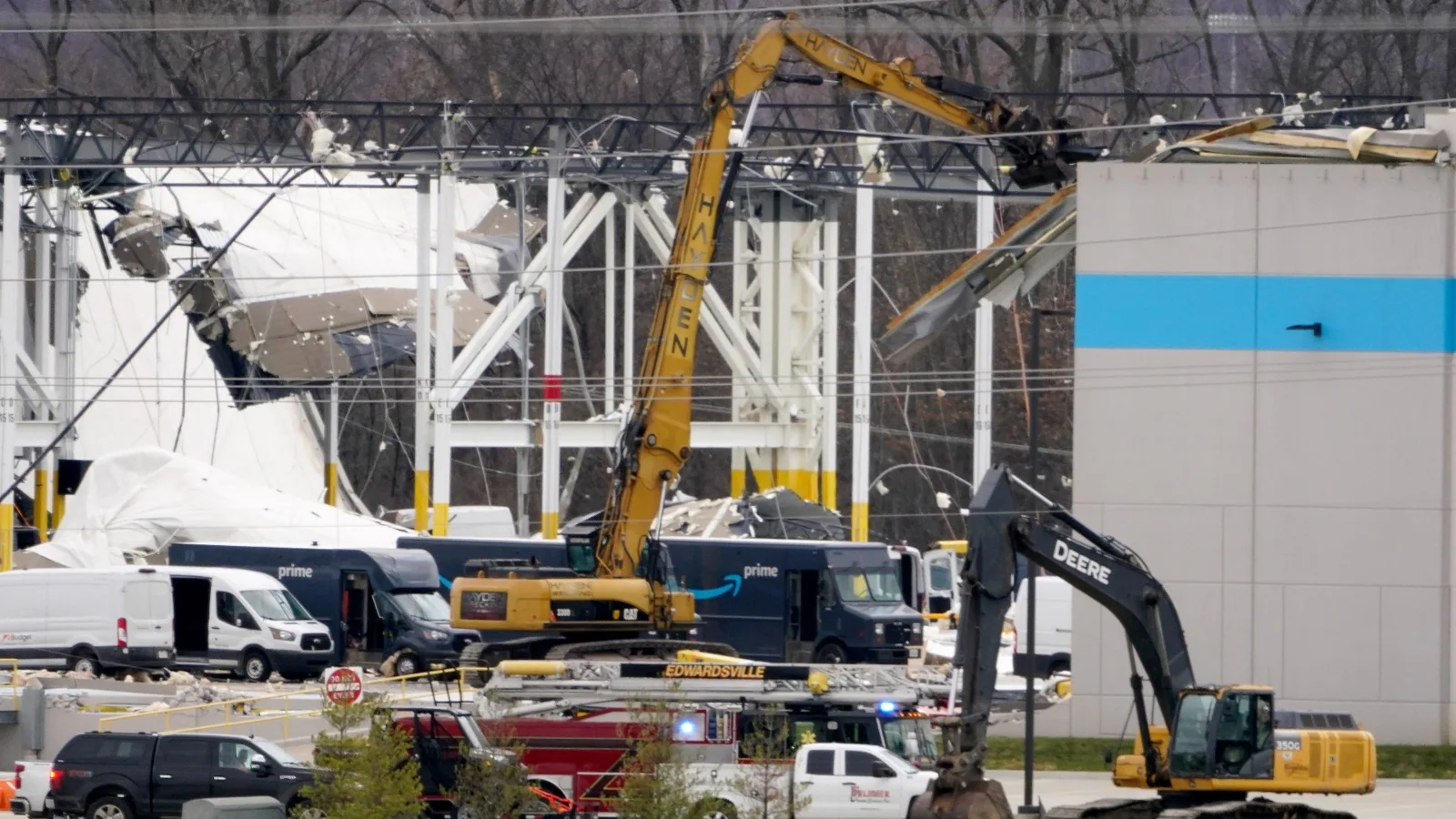
Gulf Coast storms arrive in more than one form. Ike in 2008, Harvey in 2017 and Beryl in July 2024 all reached the Houston region, and hurricane damage calls for its own dry-in. A derecho in May 2024 produced a measured 78 mph gust at Highlands, and a June 2023 thunderstorm line produced a 97 mph gust at Bush Intercontinental, above the 82 mph Ike set there. A tornado is a separate kind of event, and the January 2023 EF3 damaged roofs along its path through Pasadena and Deer Park.
Each storm leaves a different pattern. Hurricanes strip edges and flood decks. Tornadoes tear sections away and scatter debris. Thunderstorm winds lift membrane from the corners. Tornado damage repair and hurricane work call for different dry-in tactics, and we choose accordingly.
Move From Temporary Cover to Permanent Repair
Once the building is dry, the question becomes what comes next. A proper commercial roof repair or, if the damage is broad, a replacement, replaces the temporary work with a lasting system. We prepare a written scope, schedule it into the building's operating windows and coordinate the permit and inspection steps.
Emergency work should not become the permanent roof by default. Tarps and temporary seals age fast in Gulf Coast heat and UV, and a temporary cover left through the next storm season is a risk. We follow up on every emergency call with a plan and a timeline. If water keeps finding its way in after the dry-in, the same crew moves into commercial roof leak repair and traces the entry point before the next rain, so the owner is not left guessing about what is still open.
During an active event, the first update should identify which interior spaces are exposed, what access is safe, and what temporary measure is in place. Keep a simple log of arrival, weather, materials used, and the limits of the dry-in so the morning team does not mistake temporary protection for a finished repair. If water is near electrical equipment or occupied rooms, involve the building's responsible staff before opening ceilings or moving contents. At handover, list the areas that still need inspection and the next decision date. Clear records help the owner coordinate operations while a permanent scope is prepared.
Commercial Roofing Questions
A storm has hit half the buildings along SH 225. Whose roof gets a crew first?
Triage sets the order, not the time of the call. We answer around the clock and send a crew as soon as it is safe to travel and to work on the roof. When many buildings call at once, we rank by active water entry, risk to life and sensitivity of the operation, and we tell you where you stand.
Water is coming through the ceiling tonight. What can my staff safely do in the meantime?
Keep people away from damaged areas and wet electrical gear, move product out of the water path if that can be done safely, and photograph the damage. Nobody should climb onto a storm-damaged roof. When you call, tell us the building type, the roof material and where water is entering.
Is a tarp enough?
For a short bridge, yes. How long that bridge must be is the real question, because wind, UV and heat degrade temporary covers quickly. Where permits, material lead times or ongoing weather will delay the permanent repair, we install a more durable temporary membrane and inspect it regularly.
Will emergency work affect my insurance claim?
Documentation is what protects it. Insurers expect reasonable steps to protect the building and want to see the damage as it was, so we photograph before work, log every action and keep damaged materials when the claim needs them. That record gives the claim a stronger footing.
Our building is east of SH 146. Does that change the emergency response?
Ask that question on the first call, because permanent roof work east of SH 146 needs a Texas Department of Insurance windstorm inspection to stay insurable. We document the emergency cover with photographs and a log, then write the inspection steps into the permanent repair scope so the inspection is planned rather than discovered.
Keep Reading
Related Roofing Work in Pasadena
Call Us the Moment the Roof Opens
Keep our emergency number with your facility contacts. When the roof is damaged, call, tell us what you see, and we will assess, dry in and plan the next step with your facility director.