
Property Types We Roof
Cold Storage Roofing in Pasadena, TX
A freezer warehouse holds a temperature gap all day and all night: warm, humid Gulf air on top of the membrane, and a room well below freezing under the deck. The roof is the boundary between the two. Every pinhole, open seam and unsealed penetration becomes a path for water vapor to travel toward the cold, where it condenses, freezes and stays.
That is why a cold storage building in Pasadena, TX, is judged by its roof differently than a dry warehouse down the road. Houston's summer mornings run over 90 percent humidity, rain adds up to roughly 50 inches a year, and a small leak can turn into ice inside the insulation long before it shows as a stain. We plan cold storage roofs around moisture first and membrane second.
Control Vapor Drive Before It Becomes Ice
Vapor pressure pushes from the warm side to the cold side, and in a Gulf Coast summer the warm side is the outdoors. A well-placed vapor retarder, sealed at every wall, curb and penetration, slows that movement. When a seal is missing, moist air reaches the cold insulation, condenses and freezes, and the ice expands, breaks down the board and cuts the insulating value of the roof.
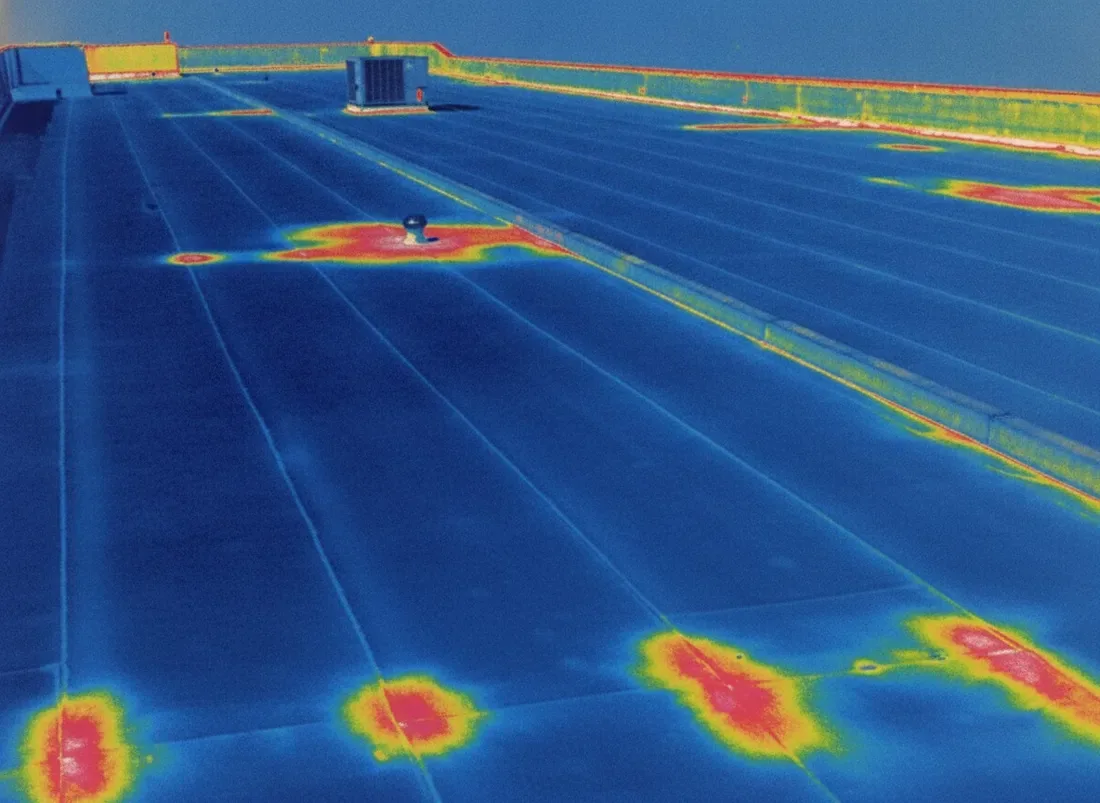
On an existing roof, we look for the signs: sagging ceiling panels, frost on the underside of the deck, soft spots underfoot and unexplained energy use. An infrared moisture survey with core cuts shows where the insulation is wet, and it separates a membrane leak from a vapor problem that needs a different repair. Treating one as the other wastes a season.
Build the Insulation Package for a Steep Temperature Difference
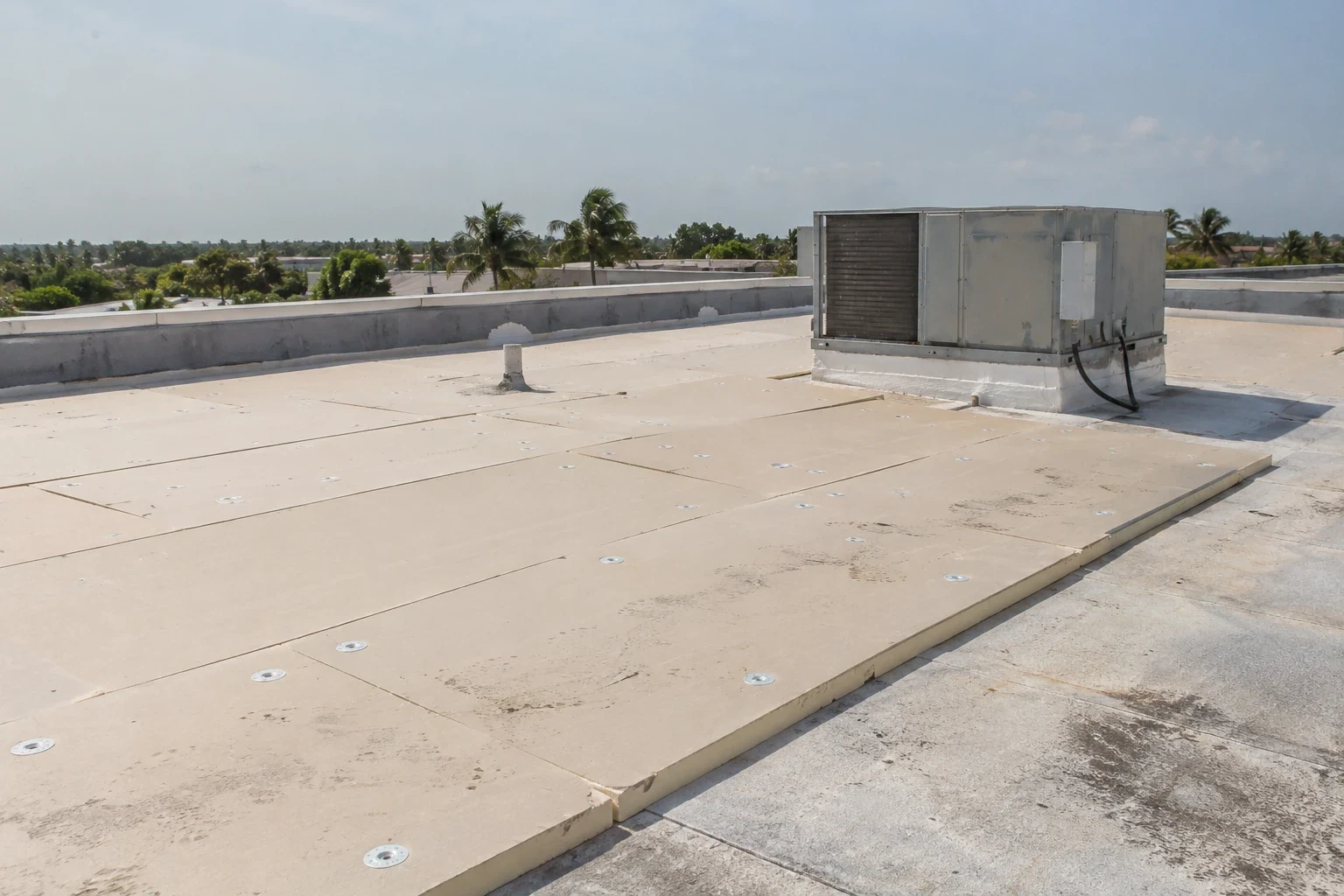
Cold storage roofs carry far more insulation than a typical warehouse, often in several layers with staggered joints so no seam runs straight through to the deck. Each layer is a chance to place a vapor control layer, and every fastener or plate that passes through the package is a thermal bridge that can grow frost. A cover board over the insulation gives the membrane a firm, moisture-resistant base and protects the board from the foot traffic that refrigeration service creates.
We detail the penetrations and the perimeter with the freezer's operating temperature in mind, not the roof's. Where fasteners cannot be avoided, we plan adhesive attachment or plate patterns that limit bridging, and we confirm the detailing with the refrigeration contractor before material is ordered.
Carry Condensers and Refrigerant Lines Without Opening the Roof
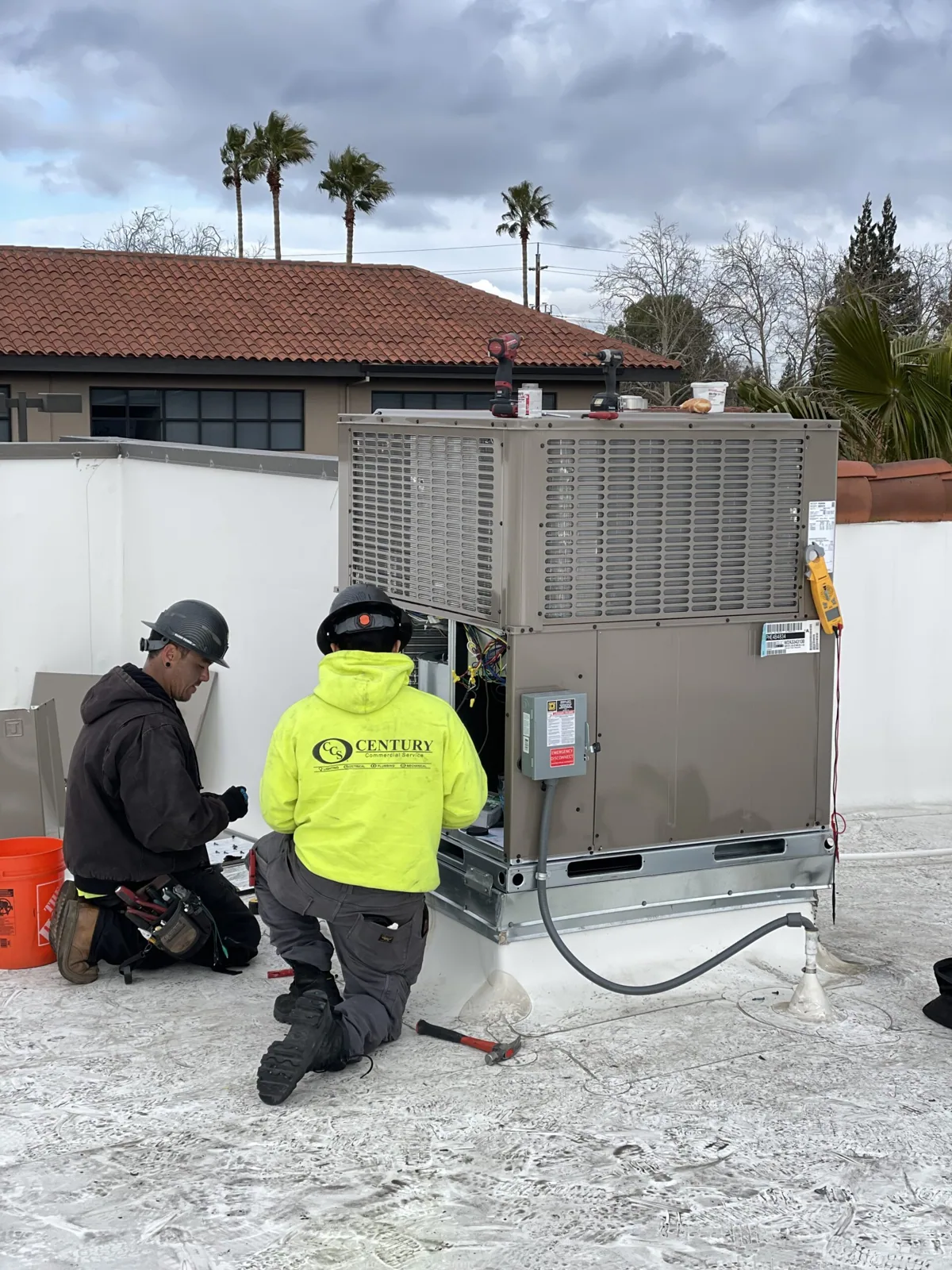
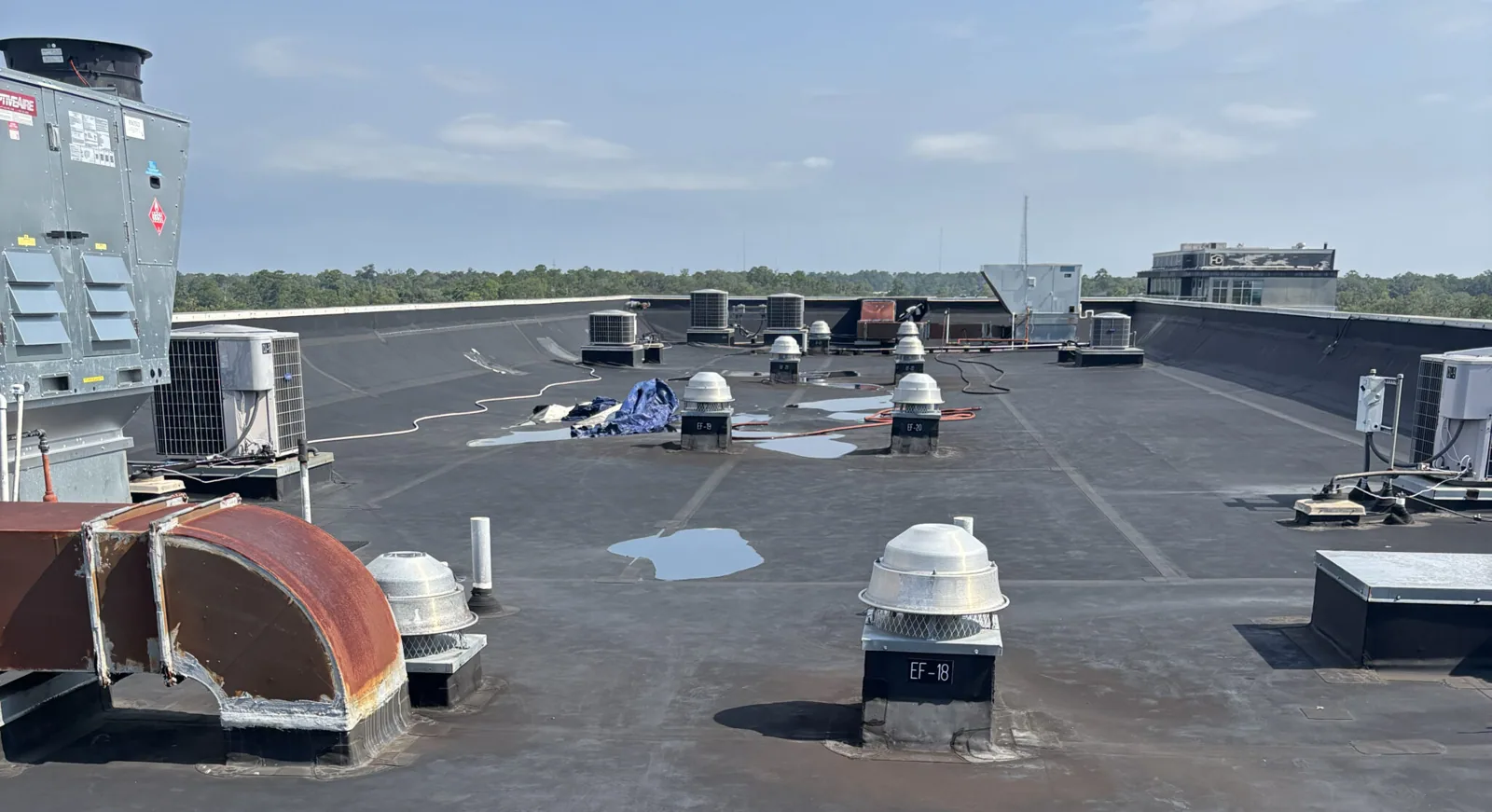
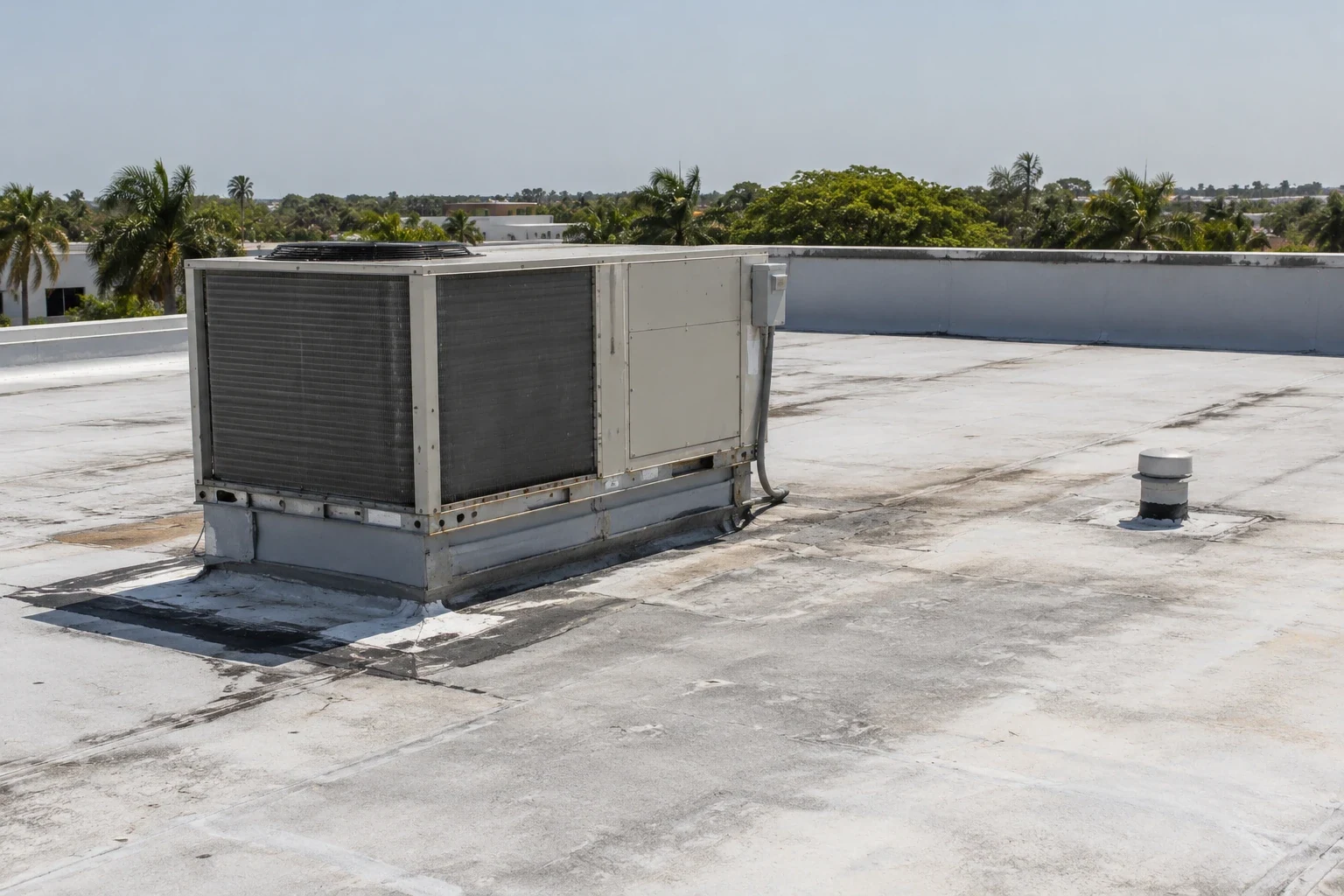
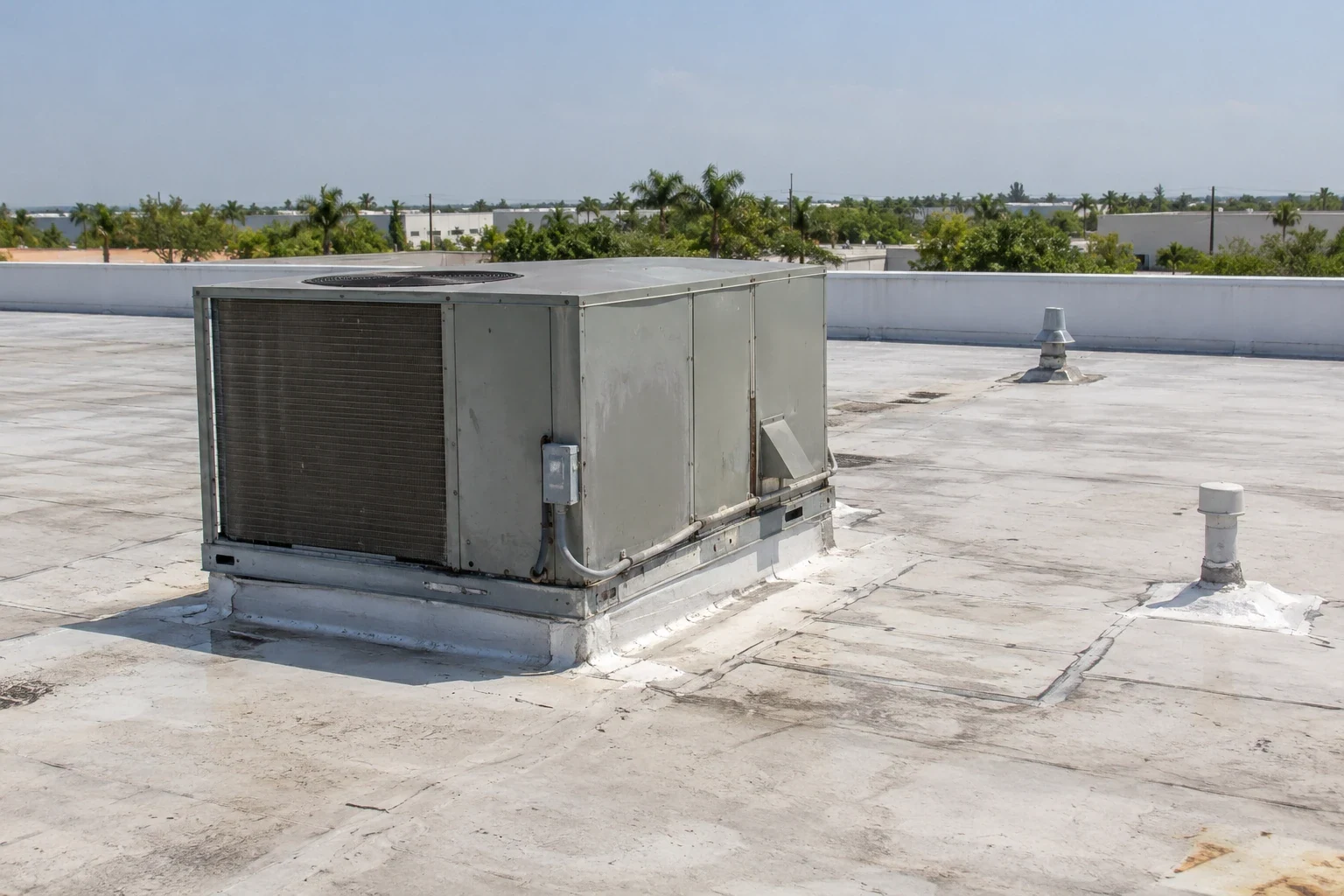
Refrigeration equipment sits on the roof and its lines run through it. Condensers, vents and line sets mean heavy curbs, many penetrations, and a maintenance crew that walks the same paths week after week. Every one of those details is a place where the vapor retarder has to be cut and put back, and a sloppy repair there undoes a good roof.
We plan equipment curbs and supports so the equipment sits clear of standing water, with flashing detailed to the insulation thickness, and we add walk pads along service routes so technicians do not wear through the membrane. When a refrigeration contractor adds or moves a line, we coordinate the cut and the reseal on the same day so the building is never left open overnight.
Reflect the Heat the Gulf Side Delivers
Every degree of solar heat that reaches the roof surface becomes load for the refrigeration system. A Houston August day averages a high near 95 F, and Houston's airport touched 109 F again on August 27, 2023, matching its all-time record. A bright white membrane sends much of that heat back, and a cool roof installation can lower what the roof hands to the building.
Energy code belongs in the plan as well. As of February 2, 2026, Pasadena's permit office requires 2024 IECC compliance wherever new construction, an addition, a remodel or a change of occupancy alters a building's energy load, with a cover inspection and a final energy inspection. A freezer roof that gets a different insulation thickness is worth raising with that office before the permit is filed.
Open Small Sections and Protect the Cold Below
A tear-off over a freezer is delicate because the building is open to the sky. Warm, wet air drops into the insulation the moment a section is exposed. So we keep openings small, remove and replace insulation and vapor control layers within one working day, and tie each section into the existing roof with a temporary seal before the crew leaves. Rolled insulation and membrane stay staged and covered until the crane pick.
Power is a separate worry. When Beryl came ashore in July 2024, over 2.7 million customers across Texas lost electricity, and Ike had darkened millions around Houston in 2008. A cold building on backup power cannot absorb a wet roof on top of an outage, so storm preparation includes checking edge details and drains ahead of the season, and having a plan to dry in fast through our emergency roof repair response if the membrane opens.
Scan After Installation, After Storms and When Energy Use Climbs
A new cold storage roof should get a baseline scan once it is complete, so the owner holds a reference image of dry insulation. After that, scans following a severe storm, following equipment work, and whenever energy use or frost patterns change will catch moisture while it is still local and fixable.
Seasonal visits under a preventive roof maintenance program clear drains, check the seals at refrigeration penetrations and look at the walk pads. An owner with cold storage on the SH 225 corridor beside dry warehouse space, or a grocery store with its own refrigeration, can put all of those roofs on one schedule.
Cold-storage work should account for temperature differences across the roof, vapor-control details, and the consequences of an interior shutdown. Confirm that proposed penetrations and attachment points do not create an unreviewed path for condensation. Coordinate access to refrigeration lines and condensers with the facility's mechanical contractor, and protect sensors and controls from dust or heat. If testing requires a core, agree on the repair and interior protection before cutting. Record insulation condition by zone and identify any area that needs another moisture check. This lets the owner compare roof recommendations with refrigeration performance without assuming that every energy change comes from the roof.
Commercial Roofing Questions
How can I tell whether a freezer roof has wet insulation?
Look for the signals inside first: frost or ice on the underside of the deck, sagging ceiling panels, drips near the evaporators, and energy use that climbs without a mechanical reason. Then confirm with a scan and core cuts, because the spot you see inside is rarely the spot above the leak.
Why not add a new membrane over the old one on a cold storage building?
Because a recover traps whatever moisture is already in the insulation. In a freezer building that moisture freezes, expands and keeps working. A recover makes sense only after a moisture survey shows dry insulation across the roof.
Will roof work warm up the cold space?
Not if the plan is right. Sections stay small, the vapor control layer is replaced the same day it is opened, and the refrigeration contractor is on call during tear-off. We agree on stop points with the facility team so one person can pause the work if temperatures start to move.
What should the specification say about refrigeration penetrations?
It should name each penetration, the flashing type, how the vapor retarder is sealed to it and who may cut near it later. The deciding factor is the record. When a technician adds a line two years from now, the drawing tells them how to reseal the roof, not just how to run the pipe.
What does a hurricane do to the roof of a cold storage building?
Wind lifts membrane at the edges and corners, and rain follows through the opening into cold insulation. East of State Highway 146, a repair also runs into the Texas Windstorm Insurance Association inspection process. We secure the edges before the season and dry the building in fast afterward.
Keep Reading
Related Roofing Work in Pasadena

Walk the Cold Building With Us Before the Next Rainy Season
Bring the facility director, the refrigeration contractor and any energy records you keep. We will scan, core and plan the work so the building stays cold and the roof stays dry.