
Service Areas
Commercial Roofing in Shoreacres, TX
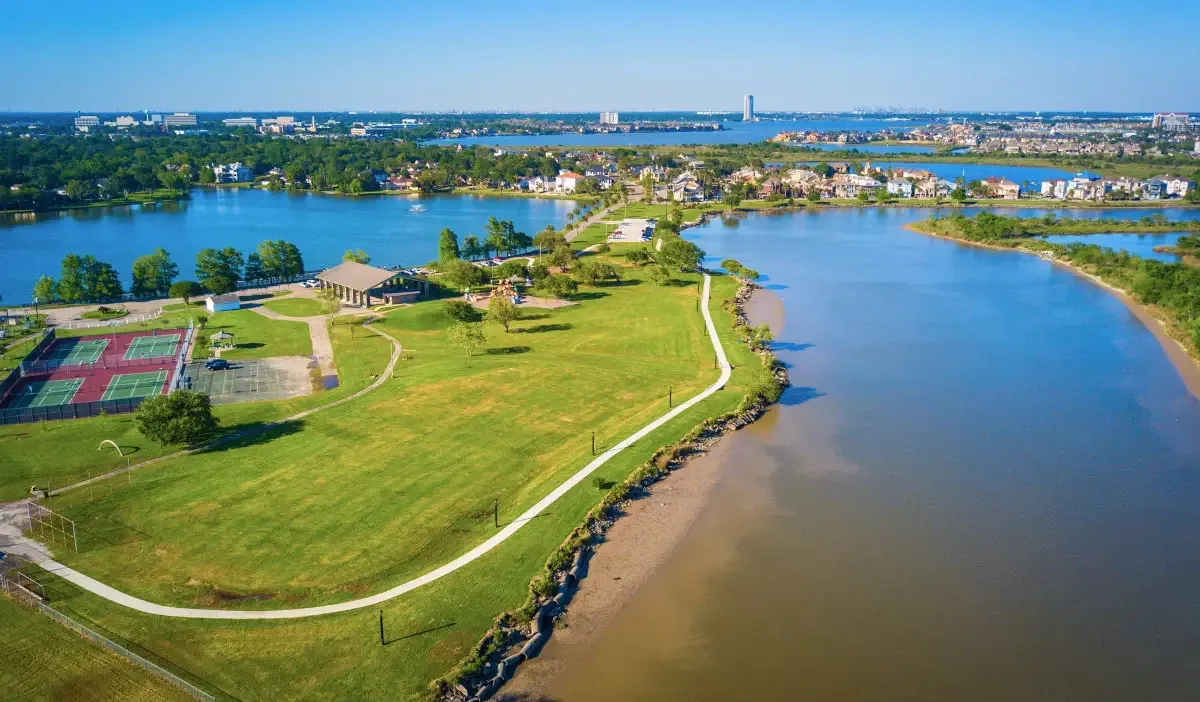
A roof along Galveston Bay needs details that can stay tight through humid air, driving rain and wind. In Shoreacres, we begin with the building and the immediate need: active water, loose edge metal, blocked drainage or planned replacement. We protect the interior first, then check the roof assembly, fasteners, penetrations and drainage before recommending work. Shoreacres has public bay access, and its shoreline runs alongside the Houston Ship Channel and Bayport Ship Channel.
That setting is useful context, but a shoreline address does not tell us what roof system is installed or what condition it is in. We verify the property privately for dispatch, ask about operating hours and access, and document the observed roof. Shoreacres is in the first tier of the Texas Windstorm Inspection Program, so confirm applicable windstorm requirements before finalizing the scope.
Coastal exposure and roof edges
Moist air and frequent wind put pressure on perimeter details. We inspect coping, edge metal, fasteners, termination bars and exposed flashing for movement, corrosion or loss of securement. At penetrations, we check whether the boot or curb flashing remains compatible with the roof and whether sealant has split or pulled away. If a metal detail is rusted through or mechanically loose, adding surface sealant will not restore a sound attachment.
We match the repair to the actual assembly and use components suited to the substrate and exposure. The work area is opened only as far as needed, old material is removed where it prevents a reliable bond, and each repaired edge is photographed. When the property is subject to windstorm inspection or certification, we discuss the owner’s documentation needs before work and keep the approved scope and closeout records together.
A roof inspection that follows water
For a leak, we start inside. The location and pattern of a stain, ceiling damage or wet insulation help us form a path to test, but water can travel far from the opening. On the roof we compare those clues with seams, drains, wall transitions and equipment curbs. Moisture readings can show where water has spread beneath the surface; a small test cut can confirm layers and deck condition when the owner approves it.
We provide a photo log, a short description of the cause we can verify and a prioritized scope. If evidence points to plumbing or condensation, we identify that rather than sell a roof repair. A planned commercial roof inspection also establishes a baseline for later visits, so owners can compare the same details after storms and track whether a repair remains stable.
Interior protection is part of diagnosis. We move or cover contents, isolate electrical hazards and check whether ceiling materials are holding water. If the roof cannot be accessed safely, we stabilize the interior first and schedule the roof inspection when conditions permit. Once access is safe, we document the full path from the visible damage to the likely roof entry, including any wall cavity or equipment curb that could redirect water.
Drainage after coastal rain
Roof drains, scuppers and overflow paths need room to move water when rain intensifies. We check strainers, drain bowls and low areas for blockage, standing water, compressed insulation or signs that a roof has settled. A primary drain should not be treated as the only route: overflow details matter if debris or intense rainfall overwhelms the main outlet. Any persistent ponding is documented and investigated in the context of the deck and slope.
During construction, the daily plan includes clear drains and a weather-tight closeout. We phase tear-off so the crew can finish the work area or install a secure dry-in before leaving. If a forecast changes, we stop opening new sections and protect the roof already exposed. Those ordinary controls matter as much as the chosen membrane in a coastal setting.
Repair, restoration or replacement
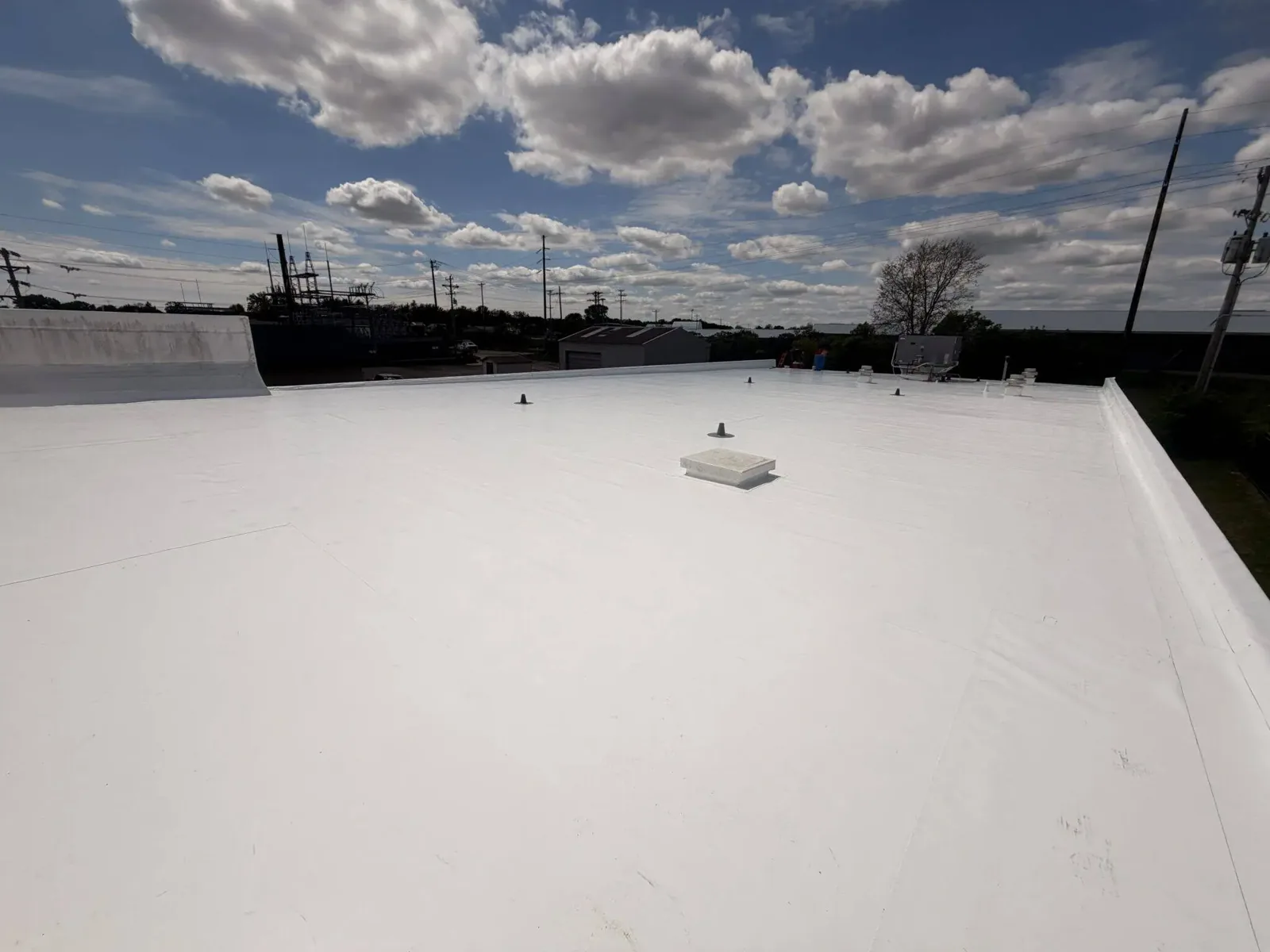
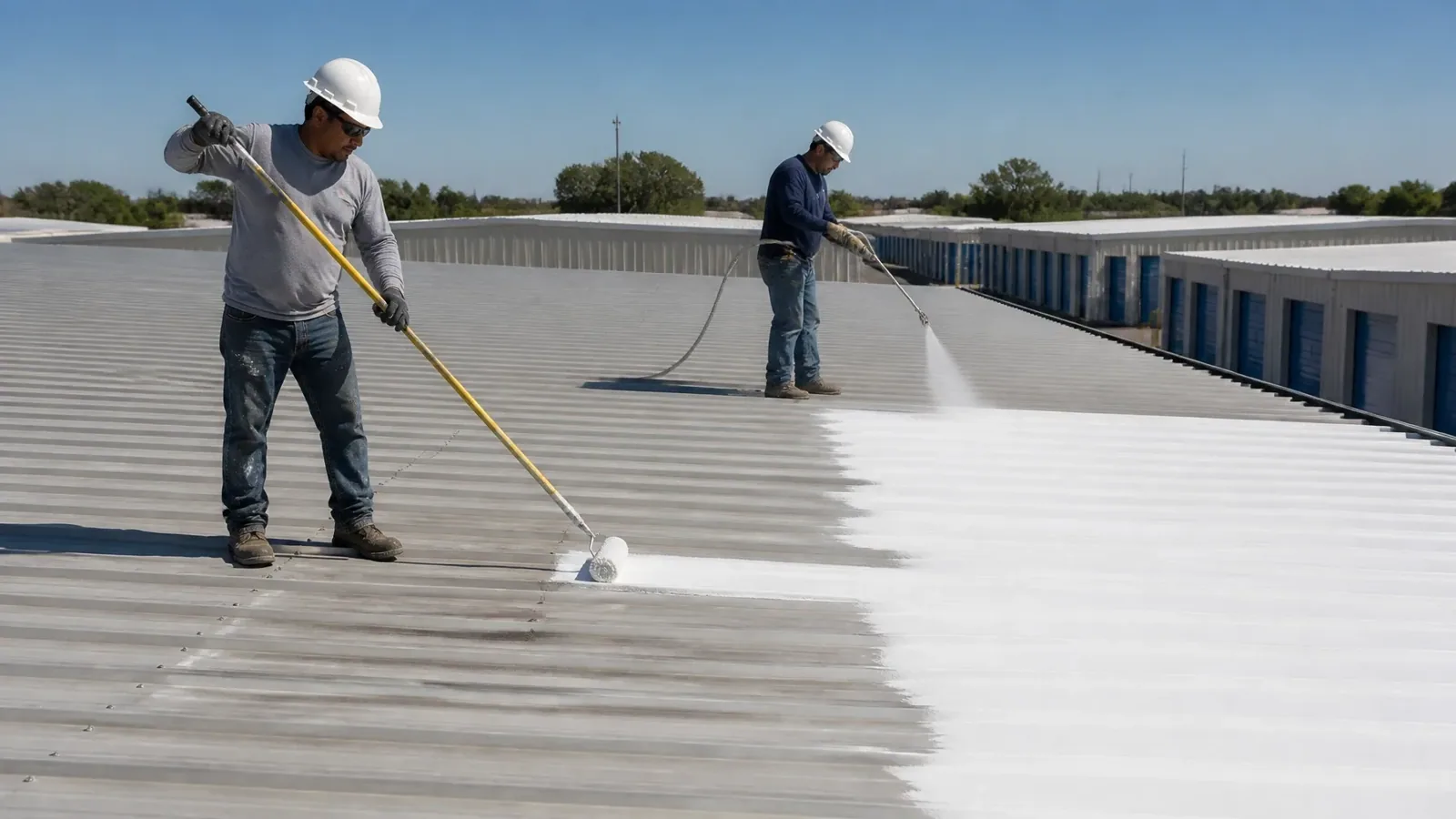
A local defect with sound surrounding material may be repaired. A recover can make sense when the existing roof is dry enough, compatible with the new system and structurally suitable. Replacement is worth evaluating when moisture is widespread, layers are excessive, seams keep failing or the deck needs access. We confirm those conditions before proposing the larger scope, using moisture mapping or test cuts when needed.
The estimate states which roof areas are included, how edges and penetrations will be rebuilt, what insulation is proposed, how drainage will be handled and how the building stays dry each night. We compare the life and cost of repair, recover and replacement without disguising unknown deck conditions. If windstorm compliance affects material or inspection steps, that requirement is addressed before installation rather than left for closeout.
Wind-related documentation should be considered before the system is selected. We confirm who will arrange any required inspection, whether a design professional or windstorm inspector needs to review the assembly, and which product approvals apply to the project. The roof scope then identifies attachment, edge securement, flashing and inspection hold points. Keeping those items visible in the proposal helps the owner coordinate contractors and avoids discovering a documentation gap after the roof has been closed.
Keep the property operating
Before mobilization, the owner and crew lead agree on access, delivery windows, parking, roof entry and the spaces that need extra protection. If customers, residents or staff use the building during the day, we keep entrances and pedestrian routes clear and place any barricades where people can see them. Noisy or disruptive work can be scheduled in phases, with advance notice to the property contact.
At each shift end, debris is removed, drains are checked and open work is closed against weather. The owner receives an update on completed sections, any concealed condition and the next day’s plan. At closeout, we provide photographs and warranty documents when applicable, plus maintenance items outside the contract so they can be budgeted separately.
Practical maintenance between storms
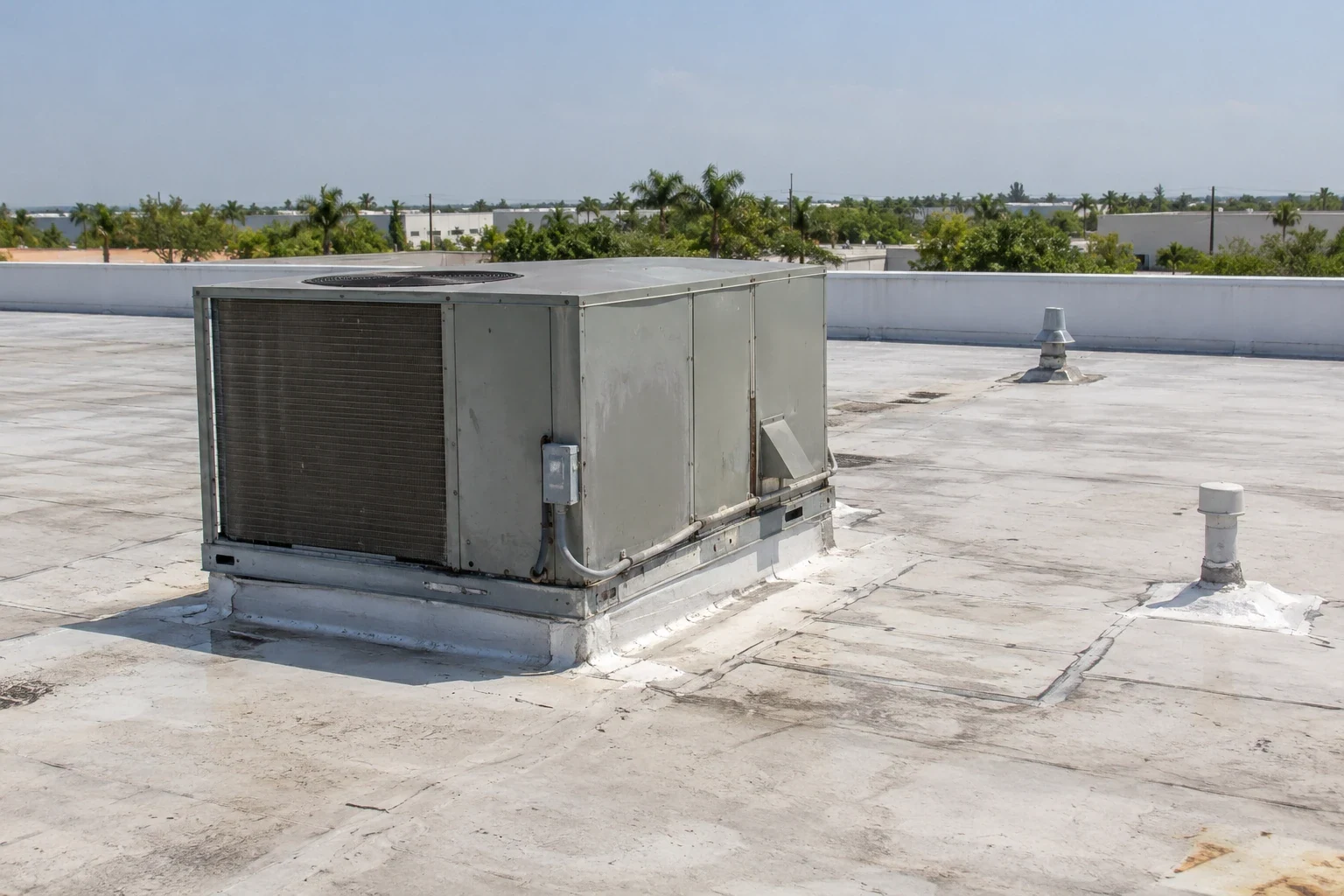
A maintenance visit looks for change: open laps, loose edge metal, cracked sealant, blocked outlets and damage around rooftop equipment. We revisit prior repair locations and take dated photos so an owner has a record, not just a verbal assurance. After a severe weather event, a targeted inspection can identify displaced components or punctures before water reaches the interior.
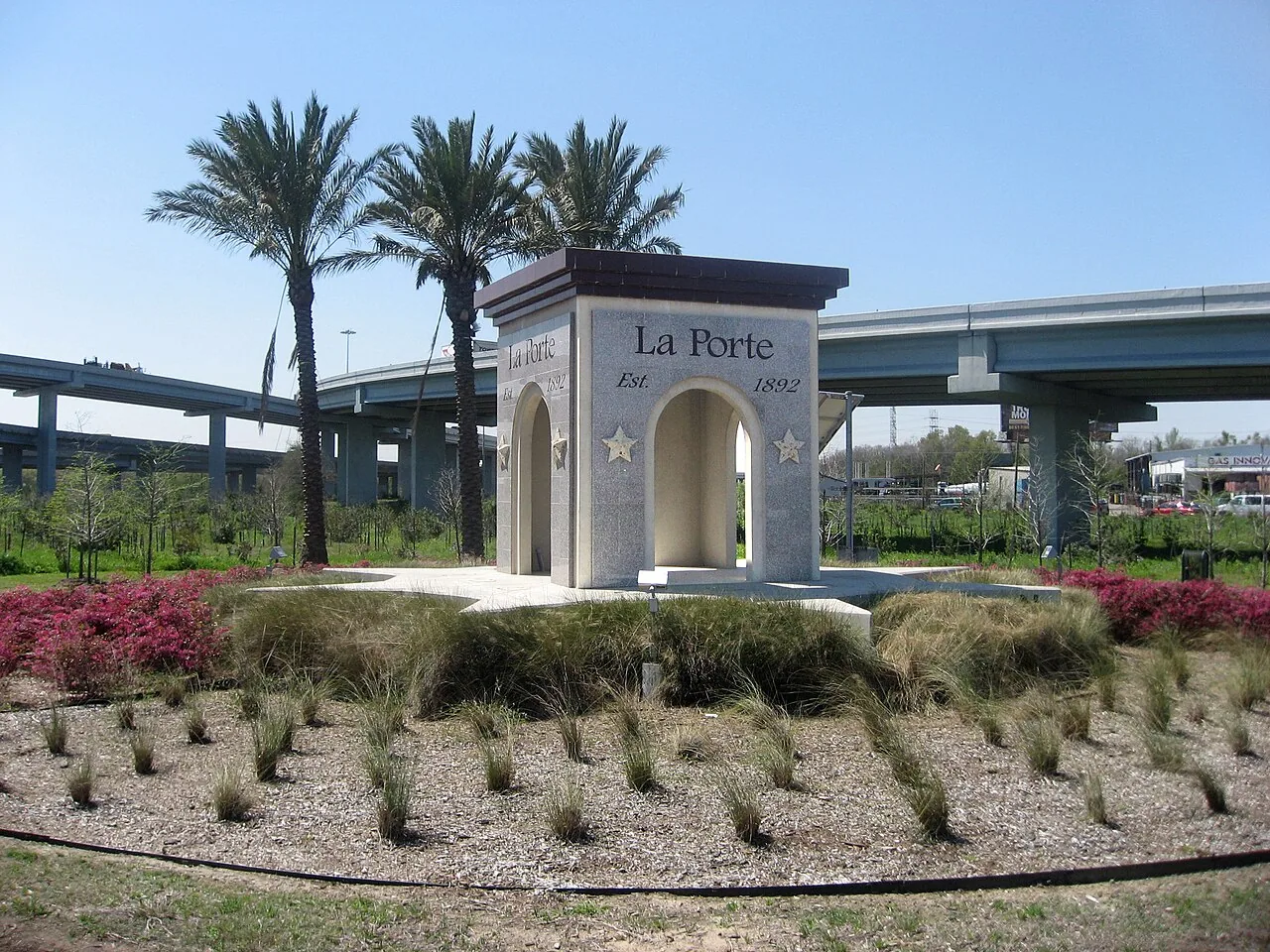
Shoreacres’ city guidance and coastal geography make it sensible to keep inspection and windstorm records accessible, but the schedule should follow the specific roof and warranty. We can help set a recurring interval, organize repair priorities and explain which conditions need attention first. Explore La Porte and Seabrook coverage, as well as commercial roof repair, roof coating restoration and warehouse roofing.
For a property with multiple roof planes, we can organize inspection findings by elevation or section and set a return interval around the owner’s maintenance program. That makes it easier to find recurring trouble at the same drain or edge. The record can also note access limitations, safety equipment and the materials used in earlier work, so a future repair starts with useful history instead of an unverified assumption.
Commercial Roofing Questions
Does Shoreacres have windstorm inspection requirements?
The City places Shoreacres in the first tier of the Texas Windstorm Inspection Program. Confirm project-specific requirements before work is scoped.
Can salt air affect roof components?
Coastal moisture can contribute to corrosion on exposed metal. We inspect fasteners, coping and edge details, then specify compatible replacement parts.
What happens during a leak inspection?
We trace water from the interior symptom to roof details, document likely entry points and distinguish confirmed defects from other possible sources.
Will you coordinate an occupied property?
Yes. We set access, staging, noise windows and occupant notices with the owner before crews begin.
Keep Reading
Related Roofing Work in Pasadena

Arrange a commercial roof assessment
Call to talk through the roof, current weather exposure and the spaces that need protection. We will arrange a site review and explain the available repair path.