
Commercial Roofing Services
Edge Metal, Coping and Gutters in Pasadena, TX
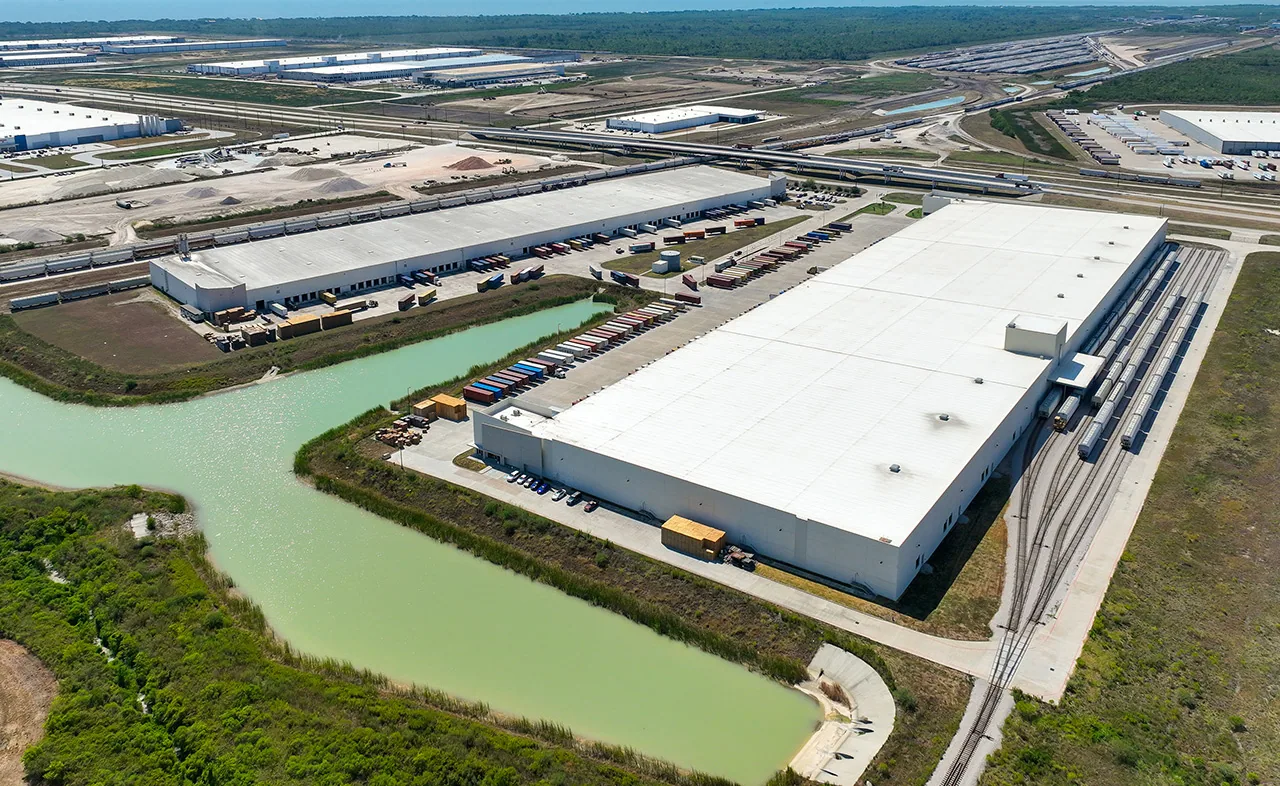
Drivers backing into the docks of a distribution building never look at the roof edge, but every gust off the Gulf does. The perimeter is where wind first gets under a roof, where water first gets behind a wall and where a loose piece of metal first becomes a falling hazard over a loading lane. It is also a small part of the roof that gets very little attention until something lets go.
Edge metal, coping and gutters in Pasadena, TX are the pieces that hold the membrane down at its most exposed line and carry water away from the walls. When they are sound, the rest of the roof has a fair chance in a storm. When they are not, a good membrane can be peeled from the edge inward.
Start at the Perimeter Because the Wind Does
Wind does not load a roof evenly. Uplift builds along edges and spikes at corners, which is why a membrane that is perfectly attached across the field can still lift at the parapet. Hurricane Beryl's eastern eyewall passed over the Houston region in July 2024, and a derecho that May measured a 78 mph gust at Highlands, with surveys estimating about 100 mph downtown Houston.
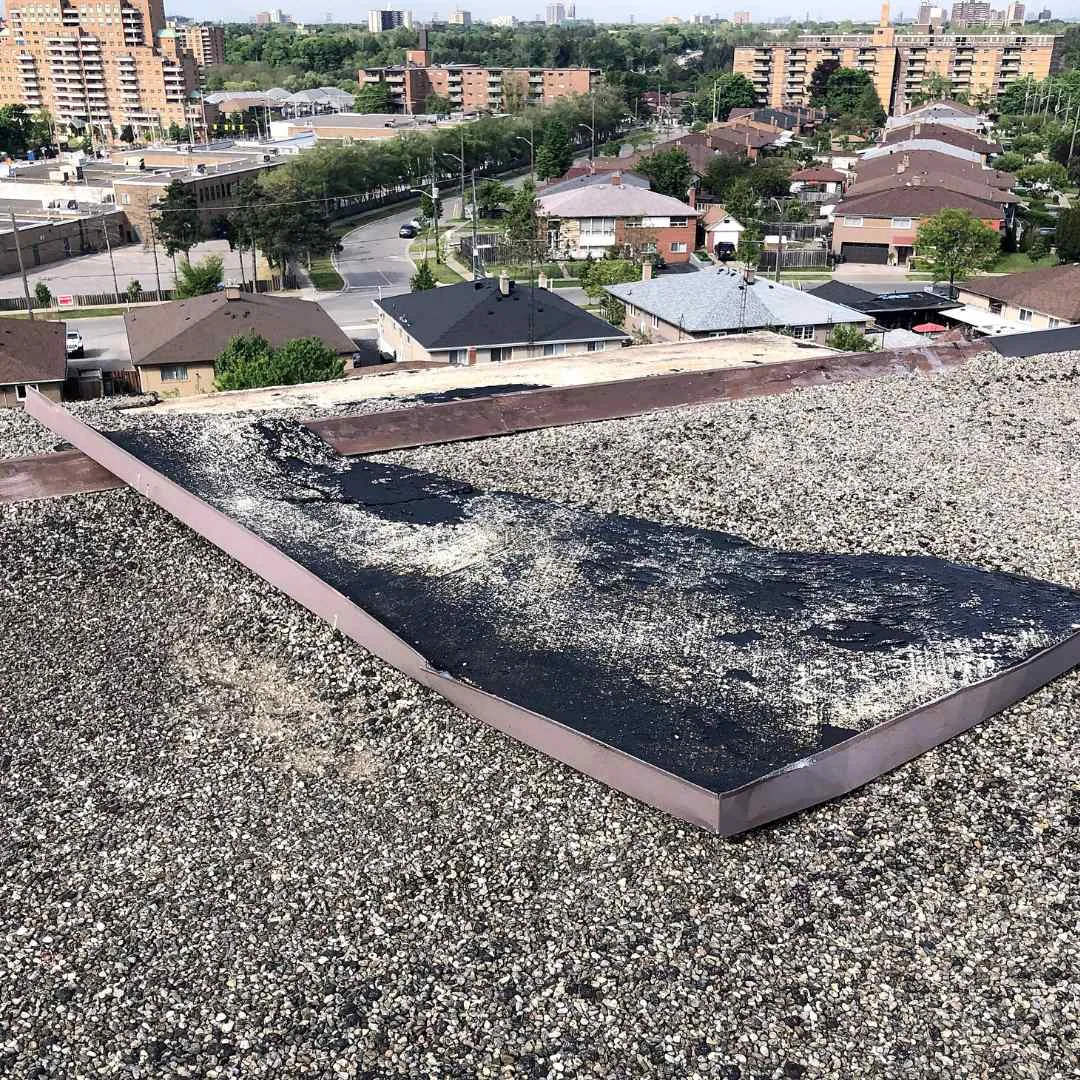
After events like those, wind damage usually starts as a bent coping cap, an open joint or a fascia pulled away from its cleat. Left alone, the next gust works the opening wider. We treat the edge as the first line to inspect and the first to upgrade, because the cost of fixing it is small next to what the membrane loses when it goes.
Inspect Joints, Cleats and Fasteners Run by Run
A walk along the edge tells us what the roof is doing. Each coping run gets checked for open splices, failed sealant, loose caps and fasteners that have backed out. Fascia and drip edge get checked for the continuous cleat that holds the lower leg, since a face-fastened edge with no cleat tends to peel. Metal moves with temperature, and Houston summers run hot for months, so joints that were tight in spring may be open by August.
We record each defect against a numbered run on the roof plan, with photos. A failed termination is really a flashing failure, so the report separates those from simple fastener and sealant work and the facility director sees the scope clearly.
Match the Metal to the Bay-Side Air
Pasadena sits between the Houston Ship Channel and Galveston Bay, and the air stays damp for much of the year. That wears on metal. Bare galvanized steel pits at scratches, dissimilar metals corrode where they touch, and the wrong fastener rusts through a perfectly good cap in a few seasons. Buildings in the Bayport Industrial District sit in the Galveston Bay wind zone beside Port Houston's Bayport Terminal, so wind and damp air arrive together.
So we specify by environment: prefinished steel or aluminum with a finish suited to the exposure, stainless fasteners where the cap is out in the weather, and compatible sealants and underlayments. Gauge matters as much as finish. A thin cap flexes in wind and fatigues its fasteners, and a heavier gauge with a proper cleat holds its shape through the next storm.
Size Gutters and Downspouts for Gulf Coast Rain
Houston receives roughly 50 inches of rain a year, with June the wettest month. A gutter sized for a mild climate overflows against the wall, soaks the cladding and drops water onto walkways. We check gutter size, pitch to the outlet, the number of downspouts and where they discharge. A downspout that empties against a slab foundation creates its own problem.
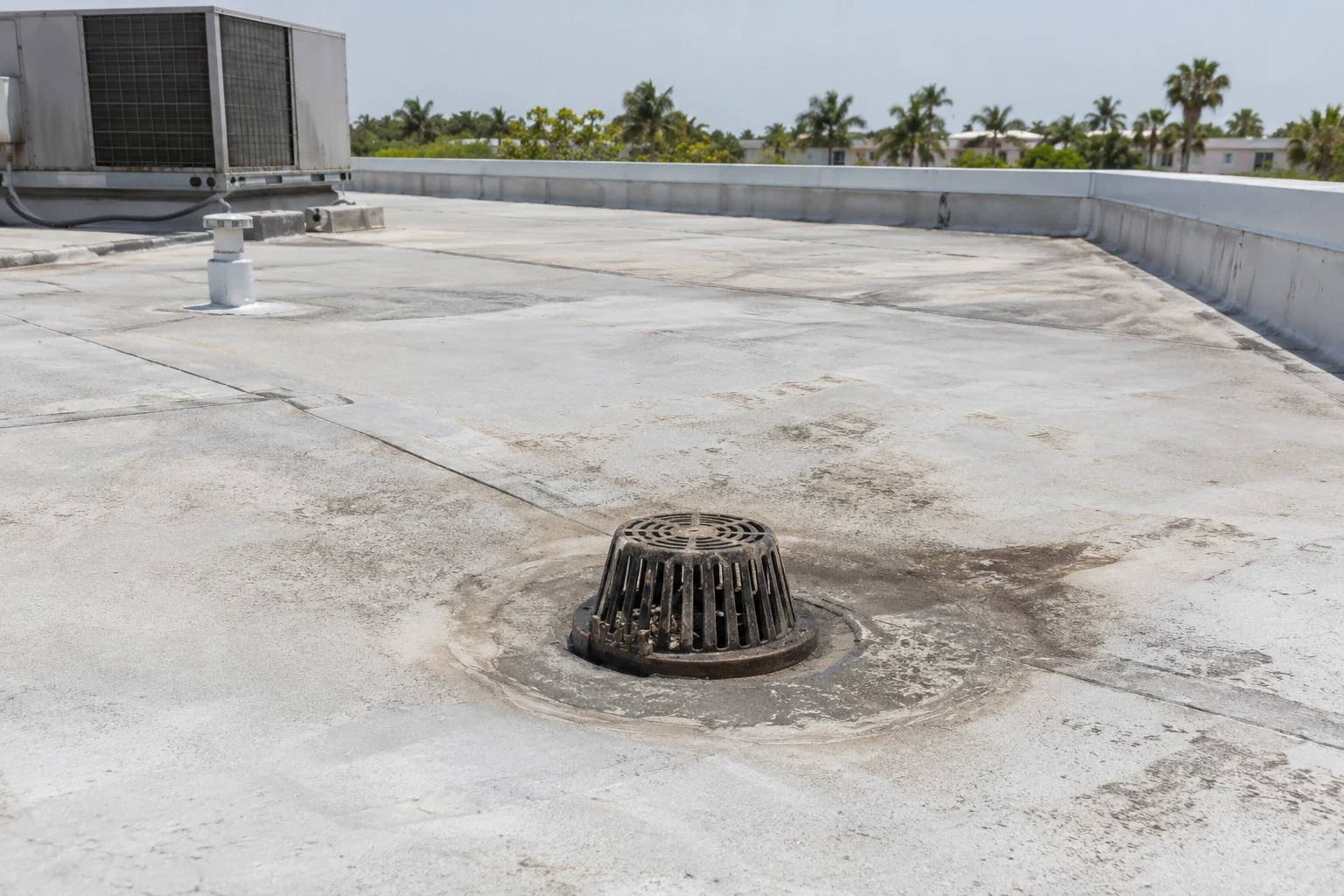
Where a building uses both gutters and interior drainage, the two need to work together. Roof drains and scuppers carry the field and the interior side, and gutters carry the perimeter. Debris guards help in tree-lined sites, though they need regular cleaning to keep from becoming the clog.
Phase the Perimeter Work Around Dock Lanes and Entrances
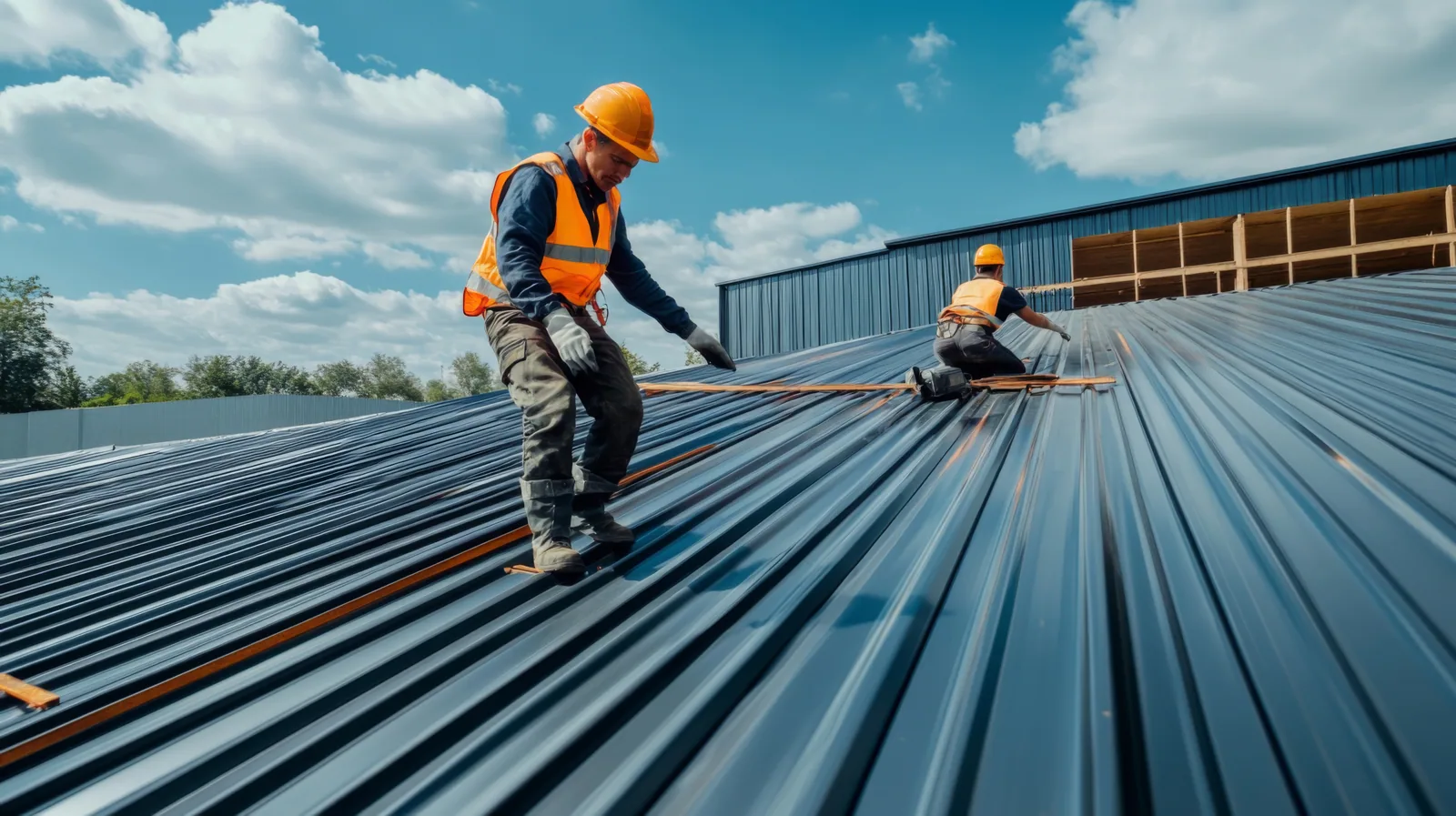
Edge work sits over the places people walk and trucks stop. A lift plan marks which sides of the building come open on which day, where barricades go and which entrances stay clear. Falling-object protection goes up before old metal comes down, and a crane pick for long runs of coping is timed for an early or off-hours window when docks are quiet.
We work run by run so no section sits open at quitting time. Temporary edge protection goes on any run that cannot be finished the same day, and material is staged on the roof, not left on the ground in a lane. Night shift work is common on distribution and manufacturing sites.
Tie the New Edge to the Membrane and Record It
A new edge only works if it ties into the membrane correctly. We lap the membrane or flashing over the cleat as the system requires, test the securement at the corners and photograph each completed run. In La Porte and Seabrook the TWIA zone lies east of State Highway 146, and inside it an inspector will want to see the edge details, so each run is photographed with that visit in mind.
When the roof is nearing the end of its life, the edge metal is usually replaced with the membrane in a full roof replacement, and on metal buildings it ties into standing seam metal trim. After a storm, the edge is the first thing we examine in storm damage repair.
Perimeter work needs a detail-by-detail record because a secure run can hide a weak splice nearby. Check cleat engagement, fastener spacing against the approved assembly, laps, corners, and transitions to wall membranes. At gutters, confirm that hangers and outlets support the intended flow without directing water behind fascia or onto pedestrian routes. Coordinate lifts and barricades with receiving doors, entrances, and tenant hours before removing metal. When the new edge is complete, photograph representative joints and every repaired transition, then reconcile the installed profile with the submittal. The owner receives a record that helps distinguish storm damage from later trade disturbance.
Commercial Roofing Questions
Why does a roof lose its edge metal in a storm while the field stays put?
Wind accelerates around corners and over the parapet, so edges see the highest uplift on the roof. A cap attached with a few face screws and no continuous cleat has little to resist that pull. Once one section lifts, the gap lets wind in behind the next.
Can we replace coping without touching the membrane?
Often, yes, when the membrane behind it is sound and the new cap fits the existing wall. The crew removes the old cap, checks the substrate, installs the new cleat and cap, and seals the joints. If the membrane under the cap is torn or wet, that is repaired first.
Which metal holds up best near the Ship Channel and the bay?
Prefinished aluminum and heavy-gauge prefinished steel with a quality finish both perform well, provided the fasteners and sealants are compatible. Stainless fasteners cost more and last far longer in damp air. Avoid mixing metals that corrode when they touch, such as bare steel against aluminum.
Are gutters even needed on a building with a flat roof?
Many flat roofs shed water to interior drains or scuppers and never use a gutter. Gutters earn their place on sloped sections, canopies, and edges where water would otherwise run down a wall or across a walkway. We look at how the building sheds water before recommending any.
How do we get loose metal secured quickly after a storm warning?
Call us before the weather arrives if a cap or fascia is already loose. A temporary strap or fastener can hold a run through the event, and a permanent fix follows once it passes. Waiting for the storm to prove the weak spot usually means a bigger repair.
Keep Reading
Related Roofing Work in Pasadena
Walk the Perimeter With Us Before the Next Gust
Tell us where the loose metal is and how the docks and entrances run. We will walk the edge with your facility director, record every run and plan the repair around your traffic.