
Property Types We Roof
College and University Roofing in Pasadena, TX
A college building keeps three clocks at once. There is the semester calendar, the class-change bell that sends thousands of people across a quad in ten minutes, and the research or lab schedule that does not care what week it is. The roof has to be worked on inside all three.
San Jacinto College Central Campus in Pasadena enrolls more than 15,000 students. It is reached from Beltway 8, Spencer Highway or Fairmont Parkway, three of the city's main commercial arteries, and it sits in the Spencer Highway medical and education corridor, so every truck, crane and dumpster for a roof project has to find its way in through the same arteries that students and staff use. Planning a campus roof starts with that arrival route and ends with a closeout file the facilities office can hand to the next administrator.
Schedule Around the Term, Finals and the Summer Sessions
A university does not have one quiet season. Summer sessions keep some buildings busy while others sit empty, and finals week makes a noisy tear-off a bad idea for the library next door. We ask for the academic calendar early and mark three things on it: the buildings that go dark between terms, the rooms that cannot take vibration or dust on a given day, and the dates when move-in, orientation or commencement bring extra foot traffic.
Short winter and spring breaks work well for repairs and flashing details. Longer replacements go in the big summer window, when the sections can be sized to the weather. Houston summers are hot and humid, with morning humidity above 90 percent, so we place hot-air welding and adhesive work after the sheet is dry and aim for dry-in by quitting time. The same calendar logic applies to K-12 school buildings, where the bell schedule replaces the semester.
Where a campus has many roofs, we sequence the buildings in order of risk instead of order of convenience.
Protect Labs, Libraries and Server Rooms Before Anything Else
Not every room under a roof is equal. A classroom with a stained ceiling tile is a nuisance. A teaching lab with instruments, a library with archive stacks, or an IT room with network gear is a different order of loss, and the roof plan should rank them that way.
Technical programs in particular tend to put exhaust fans, air handlers and ducting on the roof, and every one of those is a penetration that has to stay watertight through a tear-off. A technical building such as the LyondellBasell Center for Petrochemical, Energy & Technology on the Central Campus, is the sort of place where a facility director wants the equipment list on the table before the first panel is lifted.
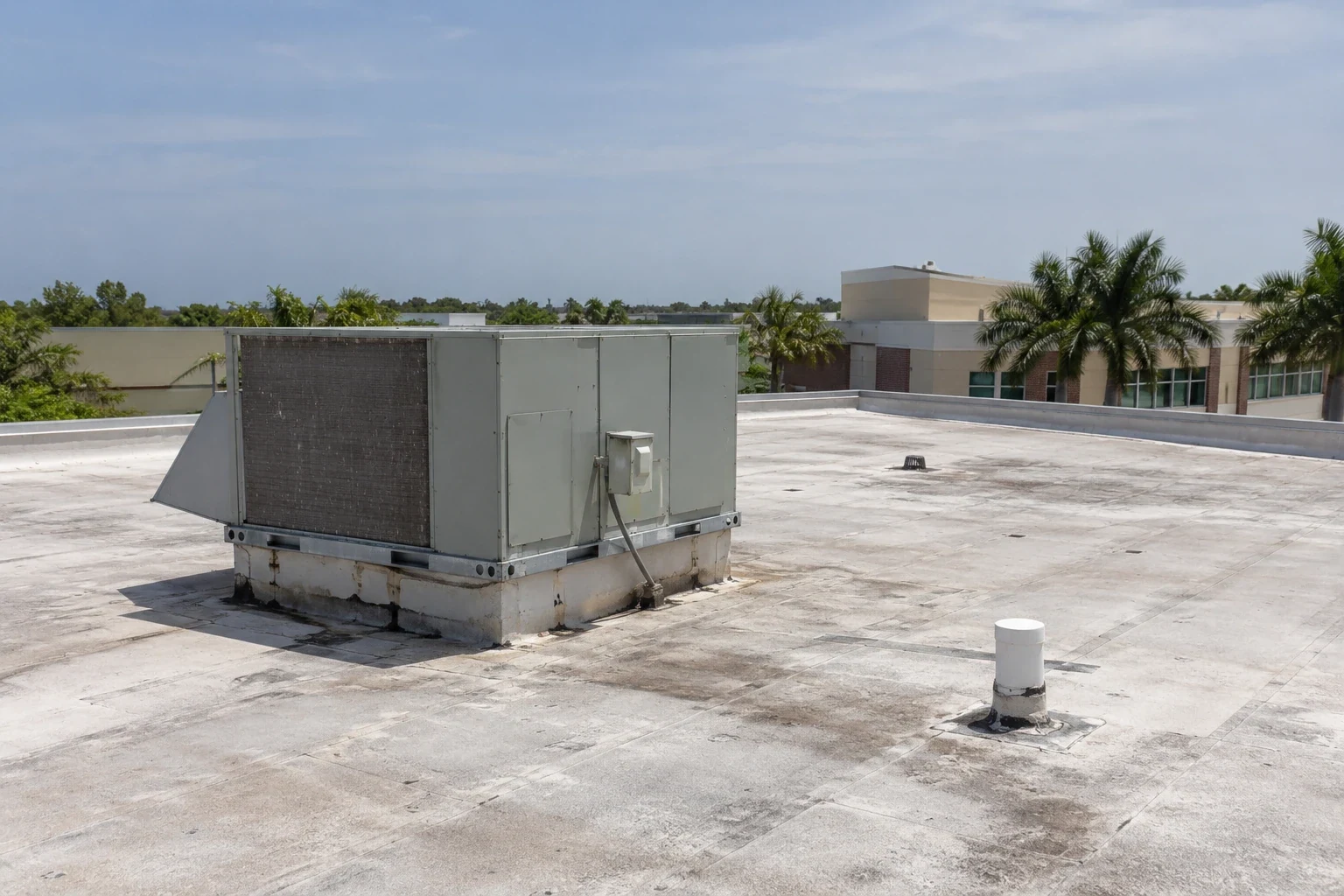
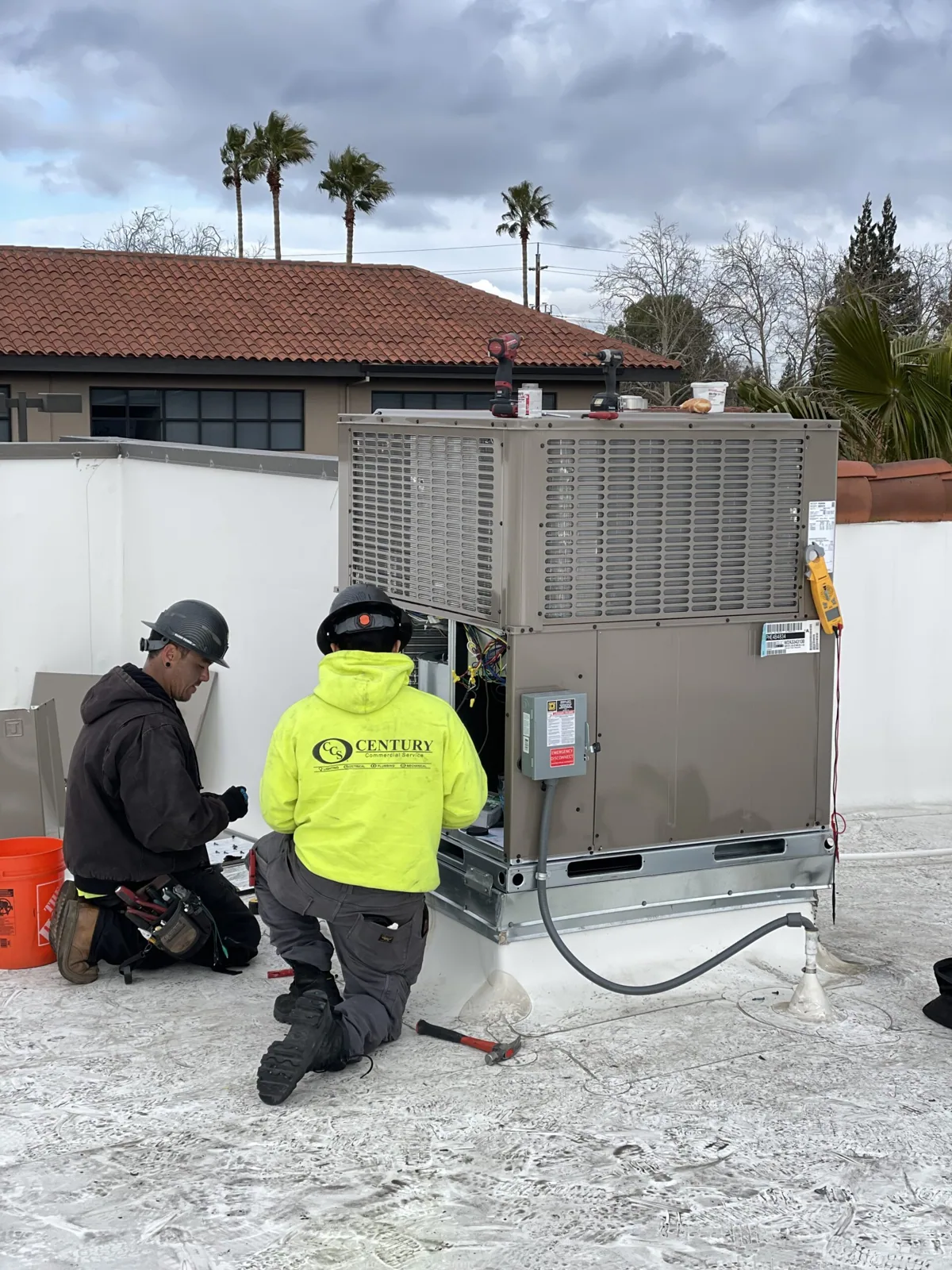
Our rooftop equipment curbs and supports work starts with a count and a sketch. We tell the facility office which units need a shutdown window, which can be bypassed, and which roof areas should go last so critical rooms stay covered as long as possible.
Route Trucks and Cranes Away From Walkways and Parking
A campus is a pedestrian place. Students cut across lawns, cyclists use service roads, and parking lots fill before the first class. A material delivery that blocks a drive for an hour is noticed by a few thousand people.
We lay out the access in three steps. First, a laydown area on a lot or service yard that the college can spare, fenced and lit. Second, a crane pick scheduled for early morning or an off-hour, with spotters and a closed path below. Third, a haul route that avoids class-change crossings and fire lanes. We share the plan with the college's safety office, and every worker completes a site safety orientation before stepping onto the property.
Hot work gets its own approval. Open-flame methods stay off buildings with sensitive occupants unless the college permits them, and for most reroofs the better answer is a heat-welded single-ply such as PVC roofing, which carries good chemical resistance for roofs near exhaust.
Phase a Mixed Roof Inventory Into a Multi-Year Plan
College campuses grow in layers. An early building, a lab wing added later, a student center from another budget cycle: the roofs rarely match in age, membrane or condition. Replacing everything at once is not realistic, and ignoring the oldest roof is not either.
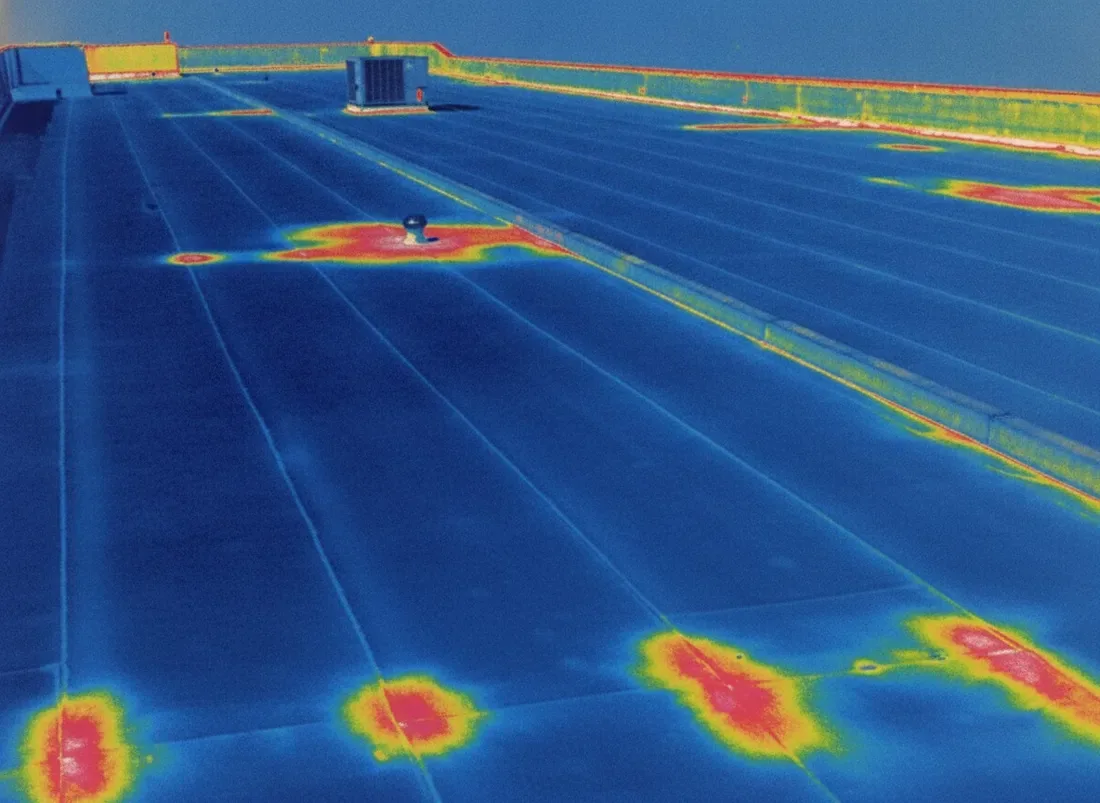
The approach that works is a ranked list. We survey each roof, rate it for remaining life, and write a plan that puts the worst first and the sound ones on a watch schedule. Infrared moisture surveys show which insulation is still dry and which must come out. That keeps the budget honest, and it lets the college pair roofing with other work, for example an air handler change-out, so the roof is opened once.
For institutions with several buildings, a roof capital plan turns a stack of surveys into a line of spending the board can read. It also keeps the warranty paperwork in one place when the next building comes up.
Build for Corrosive Air, Heat and the Next Hurricane
The city lies low, roughly thirty feet above sea level, with the Ship Channel along its northern edge and the bay off to the southeast. That puts humid bay-side air, with the Ship Channel's heavy industry close by, over a campus roof. Fasteners, edge metal, drain bowls and HVAC support steel see more corrosion in air like that than they would inland, and we specify coatings and materials with that in mind.
Heat matters just as much. In Houston, August highs average near 95 F, roughly 102 days a year reach 90 F or higher, and the summer of 2023 pushed Hobby to 109 F with eighteen straight triple-digit days. Dark membranes run hot, and a reflective surface lowers the load on the cooling plant below.
Then there is wind. A derecho in May 2024 produced winds estimated near 100 mph downtown Houston, and Hurricane Beryl followed that July. East of SH 146, roofing falls under the windstorm inspection program, so attachment, perimeter securement and closeout photos are planned for the inspector. Hurricane damage roof repair after a storm follows the same triage a university would want: occupied spaces first, then the rest.Roof planning for campus administrative offices still has to protect the staff and equipment below.
Commercial Roofing Questions
Which buildings on a campus should be reroofed first?
The ones with the most expensive contents and the least tolerance for water: labs, libraries, data rooms and performing spaces. After that, rank by roof age and by how often it has leaked. A survey gives each building a number so the priority list stops being a debate and becomes a schedule.
Does the college need to shut down a building during a reroof?
Seldom. Most reroofs run overhead while classes continue below, with noisy steps moved to off-hours and occupants kept off the area under a crane pick. A few spaces, such as a lab with sensitive instruments, may close for a day or two while the deck is open above them. We agree on those rooms before work starts.
How do you keep pedestrian paths clear while the crew works?
With fencing, spotters and a closed zone under every lift. Deliveries come in before the morning rush, and the laydown area sits on a lot or yard the college chooses. Walkways below the work get covered protection, and we post the schedule with the campus safety office so no one is surprised by a lift.
Can a college roof stay on the same system when it is replaced?
It can, but a replacement is the moment to rethink the system. Exhaust and chemical exposure may favor a PVC or KEE sheet, a hot roof may favor a reflective one, and an older built-up may be replaced with modified bitumen for a similar feel. The survey and the roof's ponding history shape the pick.
Will the project change the manufacturer warranty on my other roofs?
Only if the work touches them. A repair on one building does not alter the terms on another, but a hot work or penetration mistake can void coverage on the roof being touched. We read the existing warranty first, follow its repair rules and record each step with photos for the file.
Keep Reading
Related Roofing Work in Pasadena


Walk the Quad and the Roofs With Us
Share the academic calendar and the list of buildings you worry about. We will walk the campus with your facilities director, rank every roof by risk, and draw up a phasing plan that keeps classes and labs running.