
Roofing Capabilities
Roof Condition Reports in Pasadena, TX
A school business office receives a roof report in June and needs a decision by the August board meeting. Between those dates the campus is empty, contractors are scarce and the maintenance director is already juggling summer projects. A report that arrives as a folder of loose photographs and a paragraph of opinion does not survive that schedule. One that arrives as a plan, a ranked list and a clear photograph for every finding does, which is why school districts ask for it in that form.
A written roof condition report in Pasadena, TX is the document that carries a field walk into a budget meeting, an insurance file or a purchase file. Ours is built to be read by a facility director first and forwarded second, so the finance office, the insurer or a lender can follow it without a phone call to the person who walked the roof.
Read the Roof by Area, Not by Building
The report opens with a roof plan, a scaled drawing of the building showing each roof area with its identifier, its system type, its drains and its rooftop equipment. Every finding in the body points back to a spot on that plan. A reader who has never been on the roof can find the torn boot at the northeast curb or the soft insulation beside the second drain without guessing.
Splitting by area matters because buildings carry roofs of different ages. A medical building with an original section, a later addition and a platform for new units has three roofs aging on three schedules. Rolling them into one grade hides both the problem and the bargain. The report grades each area separately, then adds a summary for the whole building, so an owner can see the one weak area dragging down an otherwise sound roof.
Photograph the Cause as Well as the Damage
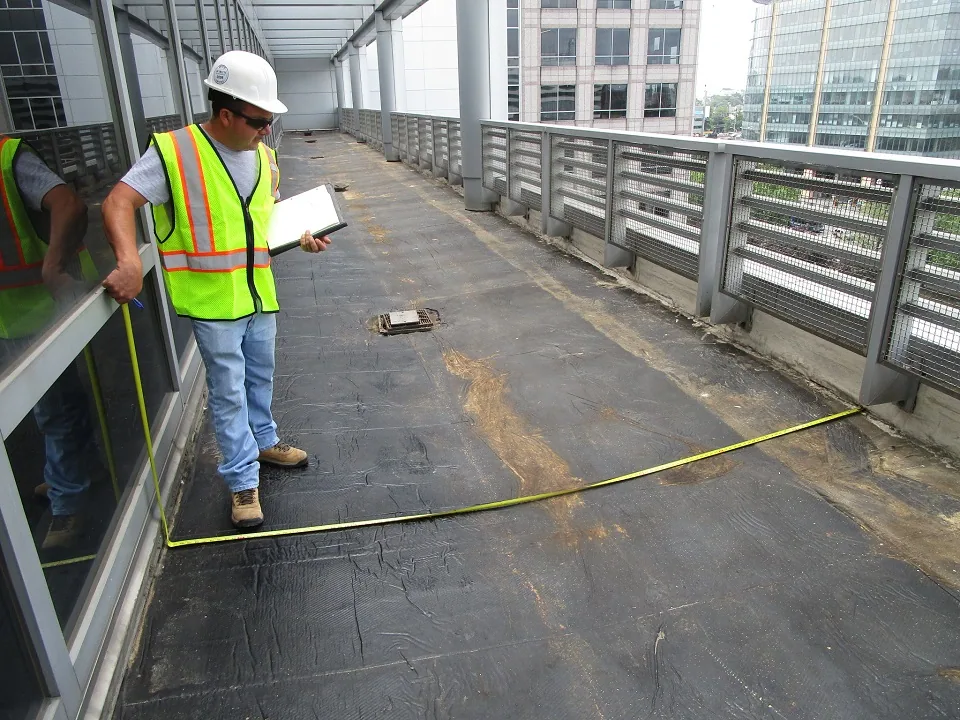
A close-up of a stain proves a stain. A report earns trust by showing the chain: a wide shot that places the defect on the roof, a medium shot that shows what surrounds it, and a close shot of the defect itself. Beside the set sits a short statement of the likely cause, such as a lifted termination bar, a drain bowl without a clamping ring or a fastener backing out of the deck. The owner can follow the reasoning, and a contractor pricing the repair can bid it without a second visit.
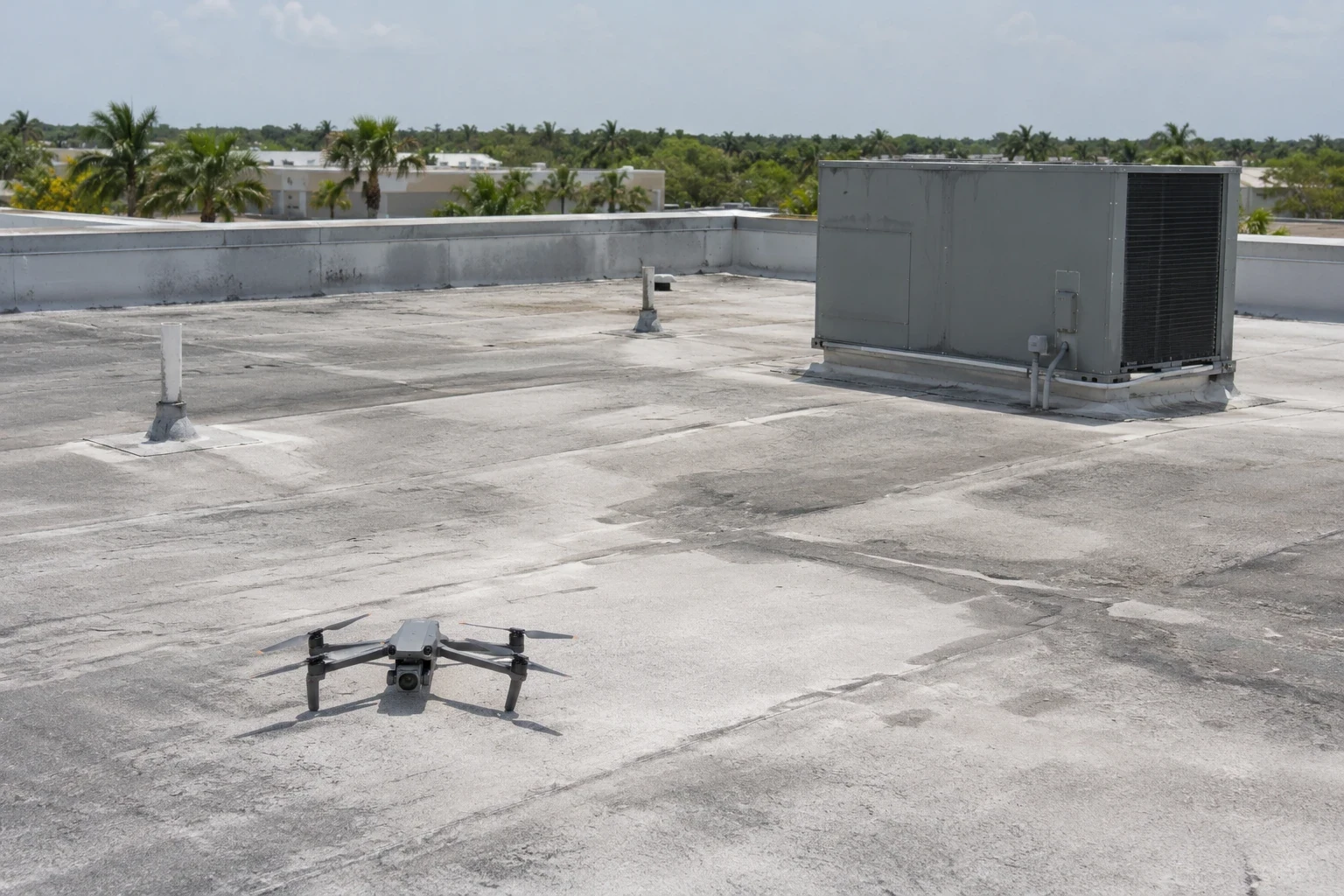
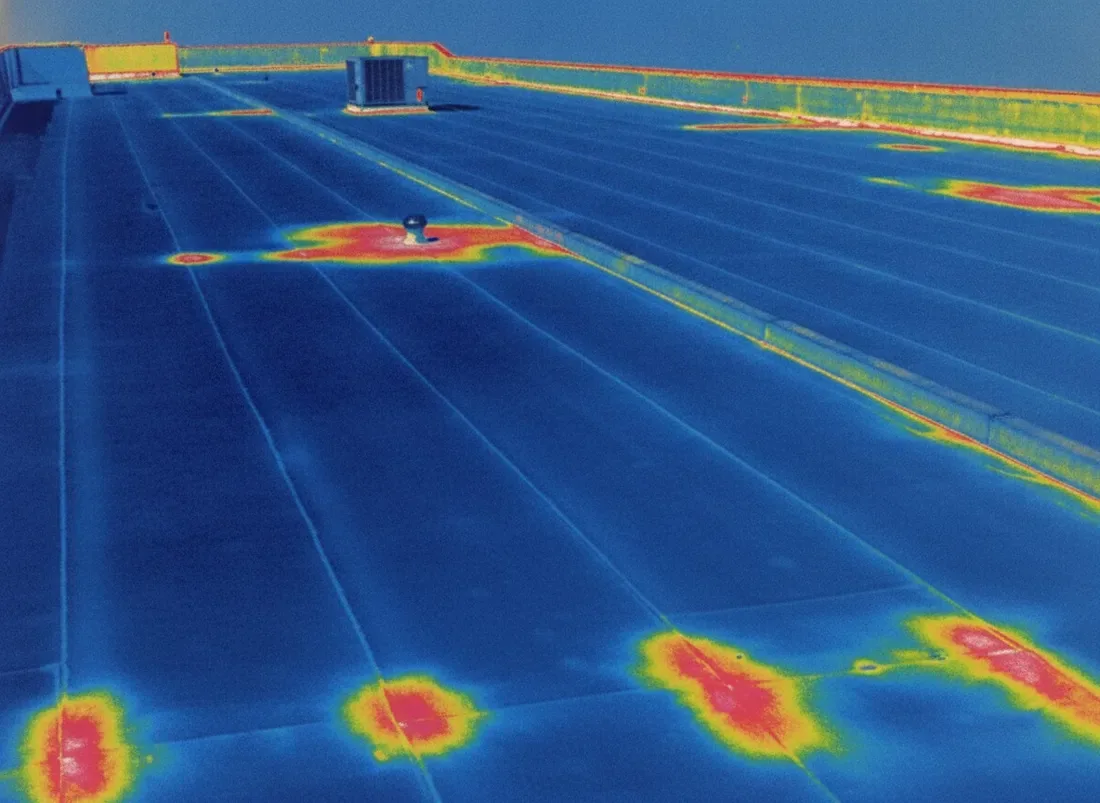
Where the surface cannot tell the story, the report brings in other evidence. Drone imagery shows ponding patterns and layout across a roof that is awkward to walk, and an infrared moisture survey maps wet insulation as a color overlay on the same roof plan. Core samples confirm what the scan suggests and record the layers actually sitting under the membrane.
Sort Findings by What Needs Doing and When
The ranking is the part owners use most. Every finding lands in one of three bands: act now because water is entering or about to, correct within the year because the defect is spreading, or plan for a later budget because the condition is stable but aging. Each item states the recommended action and the cost drivers behind it, in words: how much deck or insulation is involved, how many linear feet of flashing, how hard the access is and which equipment has to be disconnected and reset.
We keep dollar figures out of the report body unless a priced scope is requested, because a number without a scope behind it gets quoted in meetings long after it stopped being true. What the report does give is the order of operations, so two repairs in the same area are bundled and a drainage correction comes before the new membrane that depends on it.
Match the Report to the Decision Behind It
One field walk supports several readers, and the report is laid out to serve each. For a board, the summary page and the ranking carry the case. For a lender or buyer, the report states remaining service life by area and flags deferred work, which is the part that moves a purchase price, and the same walk can double as a due diligence roof survey. For an insurer, it separates storm damage from age-related wear with dated photographs, which is what a claim needs after an event like Hurricane Beryl or the May 2024 derecho.
A manufacturer's warranty has its own paper trail. Reports kept on a regular cycle show that the roof was inspected and maintained, and they flag the conditions that can put coverage at risk, such as penetrations added by other trades. That record is the backbone of warranty management, and it supports an insurance claim when a storm does damage.
Fit the Walk to the Calendar the Building Keeps
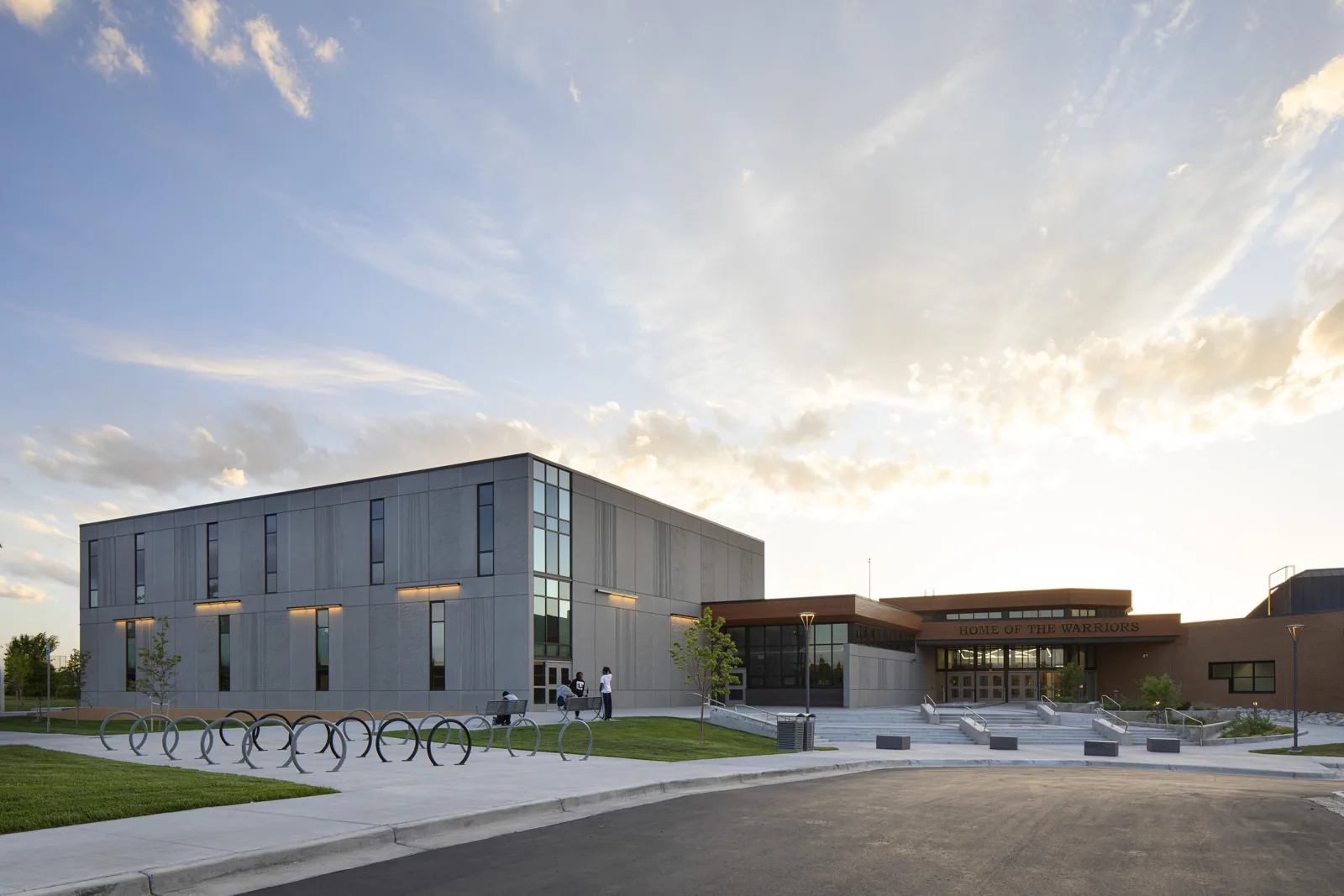
Timing keeps a report useful. A campus with thousands of students, like San Jacinto College's Central Campus in Pasadena offers its best roof access when classes are out, and a report finished in July can feed an August decision. A hospital never closes, so a walk above patient floors is arranged with the facility team and infection control, and that sets the pace more than the weather does. Along the Spencer Highway corridor a hospital and a college both sit on the same road, and each asks for a different access plan.
Owners on the Gulf side have one more date to plan around. Hurricane season makes a spring baseline report worth having, because it gives everyone something to compare against after a storm. We close each report by walking the findings with the facility staff, with the plan open on the table, so the first conversation happens over the drawing and not over a long email chain. Owners who keep several reports on file can fold them into one roof asset register.
Commercial Roofing Questions
What does a lender or buyer expect to see in a condition report?
Area-by-area findings with dated photographs, a roof plan, core or moisture-scan evidence behind any claim of wet insulation, and a stated remaining service life for each system. Lenders look hardest at deferred work, so the report separates repairs that are overdue from improvements that are optional.
Can a report cover only the roofs that leaked during a storm?
A limited report is possible after any event. It examines the affected roofs in full and records the remaining roofs at a lighter level, so the owner ends up with a baseline for every building and a detailed file for the ones in dispute with an insurer.
Who keeps the photographs, and can our insurer receive them?
The owner holds the originals along with the roof plan, and anyone the owner names can receive copies. Each image carries a date and a location on the plan, which is what an adjuster or an auditor looks for first when they open the file.
How does a report treat a roof that is old but still performing?
It says so plainly. Age by itself does not trigger a recommendation to replace. The report records the readings that show the roof is dry, the seams are tight and the drains work, and it schedules the next check in place of a replacement. Owners with a performing old roof often use that finding to defer spending with evidence behind the decision.
What separates a condition report from a roof asset register?
A report captures one walk on one date in depth. A register follows every roof across the years and absorbs each new report as an entry. An owner with a single building usually needs the report alone, while a portfolio benefits from both.
Keep Reading
Related Roofing Work in Pasadena

Schedule the Roof Walk Around Your Operation
Tell us the building, when the roof can be reached and who needs the findings. We will walk the roof with your facility staff and deliver a plan, photographs and a ranked list that fit how the property runs.