
Service Areas
Commercial Roofing in La Porte, TX
Port freight, plant schedules and airport rules all meet inside one set of city limits in La Porte, TX. Barbours Cut Terminal, a Port Houston container terminal operated since 1977, sits here beside the Bayport and Battleground industrial districts, and the La Porte Municipal Airport lies inside the city. A roofing contractor reads that list as constraints first and customers second: vessel and truck calendars, process areas with hot work rules, and height limits near an airfield. The roof plan has to satisfy all three before the first pallet of insulation is lifted.
The city also sits at the northwest end of Galveston Bay, so wind arrives with open water behind it. La Porte falls inside the Texas Windstorm Insurance Association catastrophe area east of State Highway 146, which means roofing work there has to pass a Texas Department of Insurance windstorm inspection and receive its certification for the building to stay insurable. We write that inspection into the schedule on the first day, next to the crane pick and the shutdown window.
Build the Roof So the Windstorm Inspection Can Pass
An inspection is only possible if the roof can be shown. So we photograph fastener patterns, edge metal, perimeter securement and the closure of every opening before the next layer covers them, and we tie the photographs to a roof plan. When the inspection is requested, the record already exists and nobody is peeling back membrane to prove what lies under it.
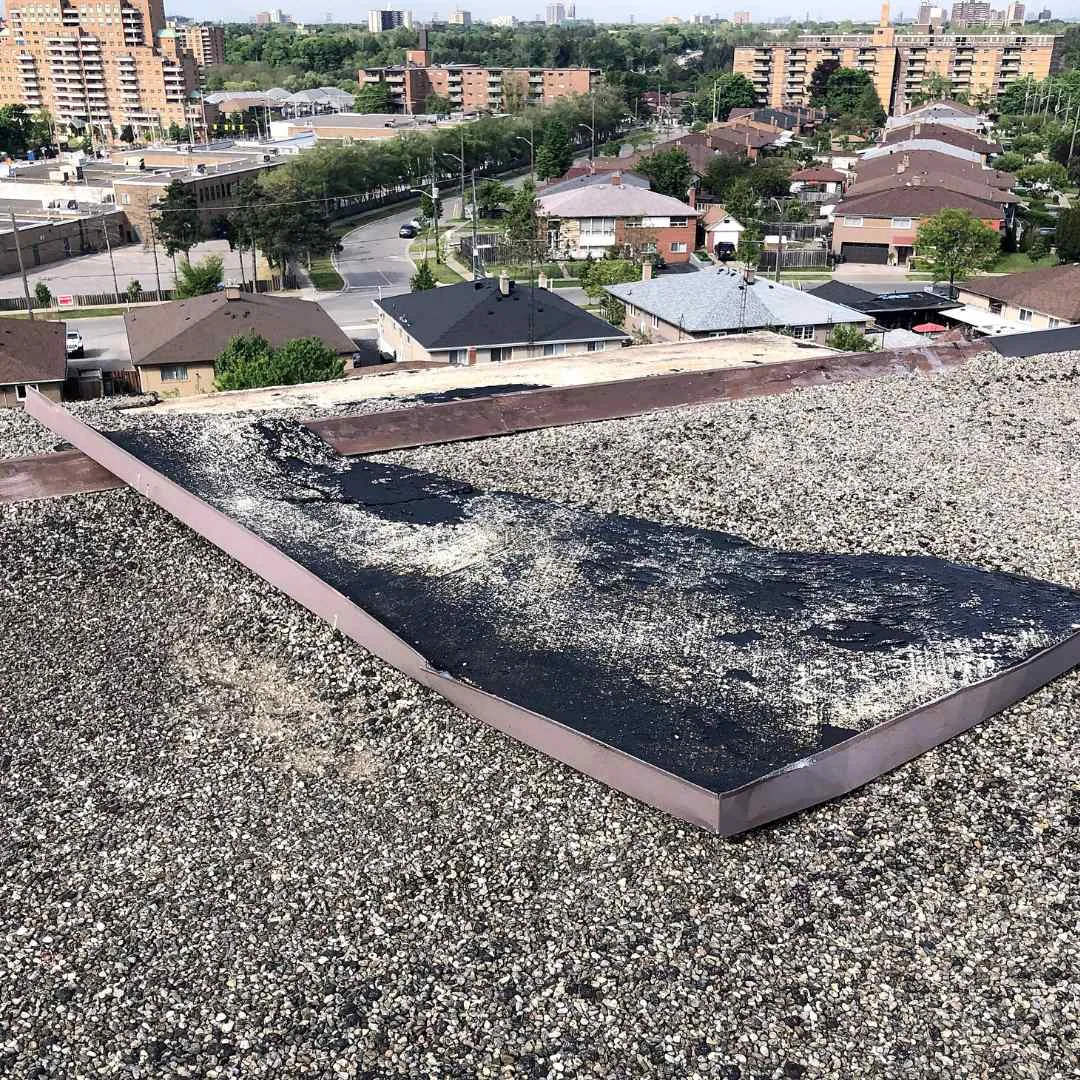
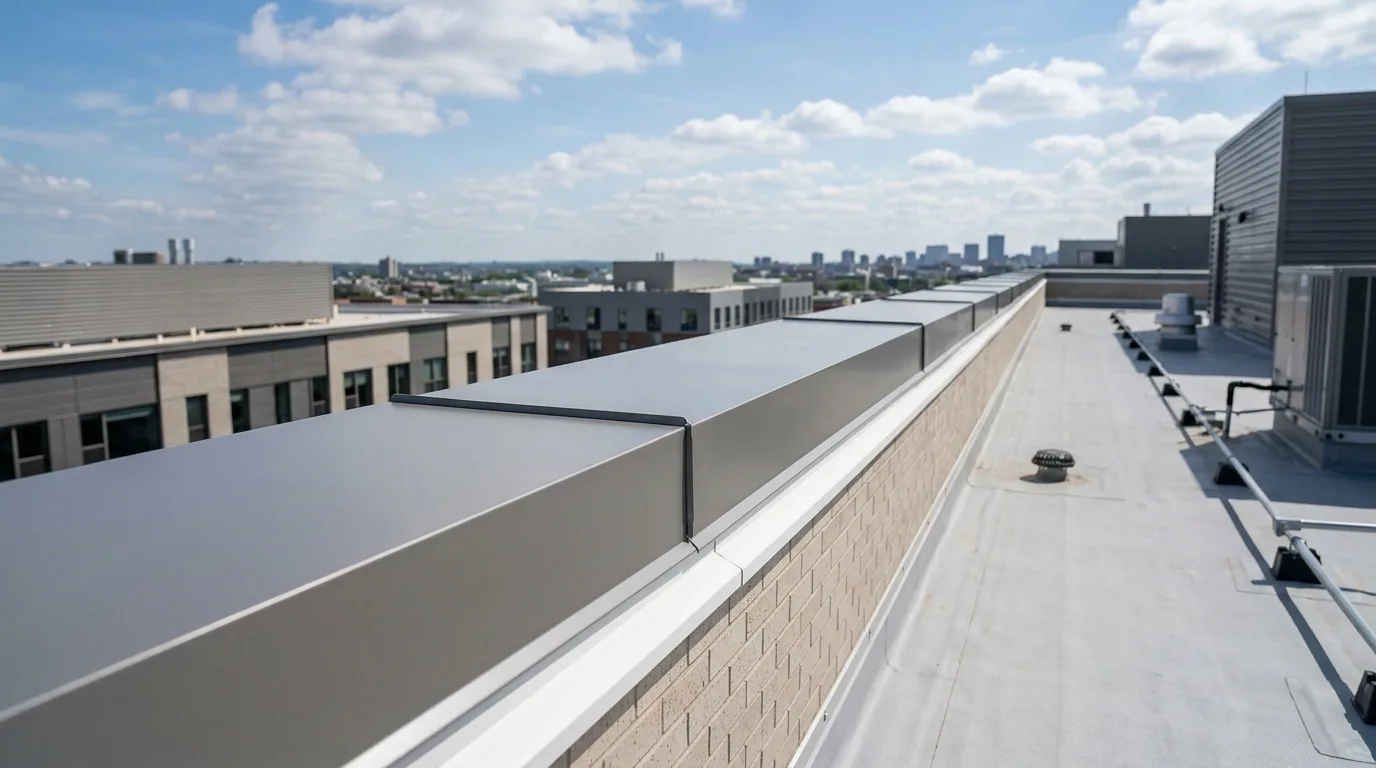
Wind loads concentrate at corners and perimeters, so that is where the detailing gets the most attention. Loose coping, thin edge metal and a few backed-out fasteners are how wind damage starts on an otherwise sound roof, and a repair that restores only the field sheet leaves the weak line in place. We look hard at edge metal and coping on every La Porte roof, because an owner east of SH 146 needs the whole assembly to hold up, not just the part that leaks.
Plan the Haul Route Before the First Delivery
SH 225 meets SH 146 in La Porte, and SH 146 carries traffic over the Fred Hartman Bridge toward Baytown. Insulation, membrane, metal and the crane itself all arrive by truck, so the route and the delivery window are part of the job. We schedule loads away from shift changes at plant gates, hold trucks off the road until the laydown area is clear, and set the crane pick for the quiet hours of the morning.
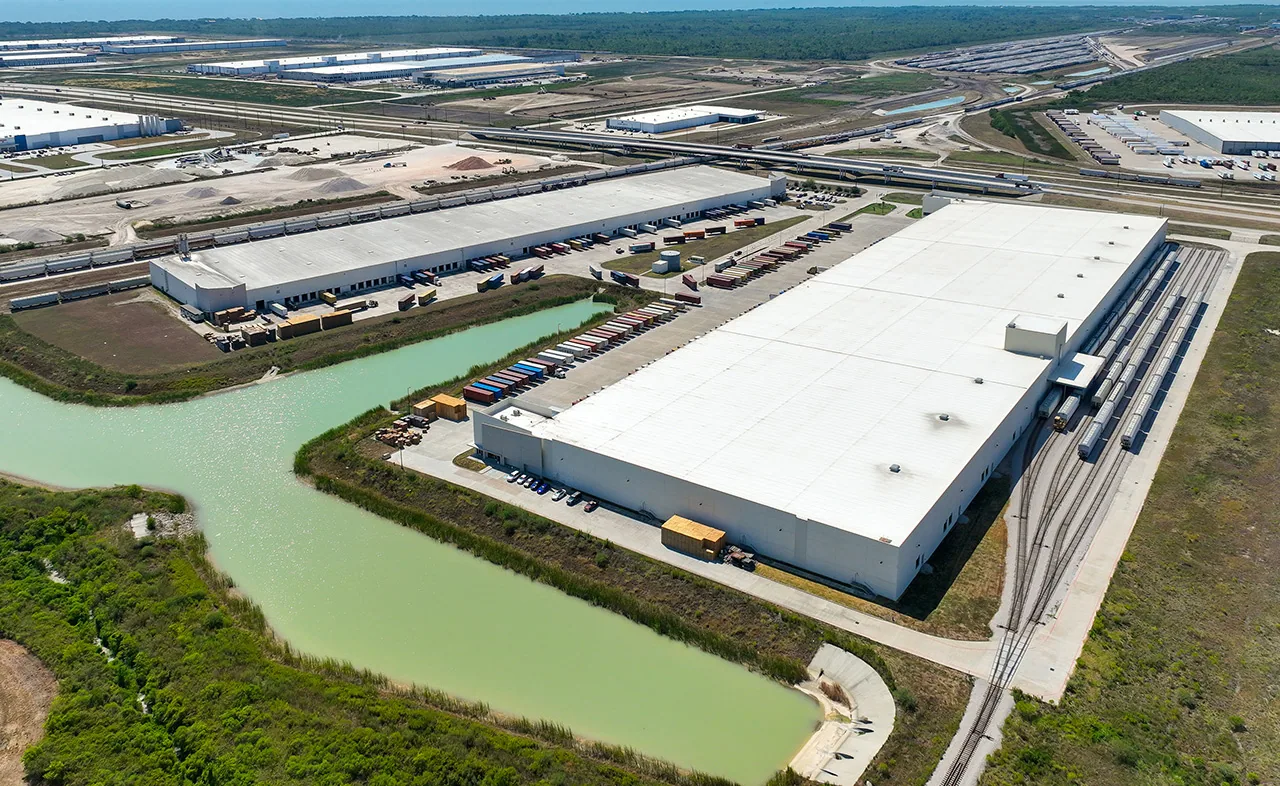
On a site shared with trailers, the same discipline applies inside the fence. A warehouse roof with trailers at the docks keeps those docks working, so material staging goes along the building edge farthest from the doors, and each strip of roof opened in the morning is dried in by evening. Owners with buildings across the bridge in Baytown and in La Porte can have both roofs sequenced on one program so crews, cranes and deliveries are shared.
Control Hot Work in the Bayport and Battleground Districts
An industrial district is where roofing and process safety meet. Torch-applied membrane, cutting near piping and any open flame require a hot work permit, a fire watch and a clear understanding of what vents or lines sit under the work. Every worker takes a site safety orientation before climbing, and the plan marks the areas that stay off limits during a turnaround.
Corrosion is the slower problem. Bay air carries moisture, and industrial districts add chemical exhaust, so fasteners, edge metal and rooftop equipment frames wear faster than they would inland. The Bayport Industrial District covers about 7.3 square miles with more than 60 chemical plants, and La Porte buildings near that kind of industry share the exposure. A manufacturing plant roof there needs a membrane that tolerates contaminants and metal details that resist rust, and the maintenance visits should check both.
Check the Airspace Before a Crane or Drone Goes Up
A municipal airport inside the city limits changes the lift plan for any building close to it. Crane height, boom swing, lift hours and notice to the airport belong in the plan before the crane arrives, because a boom that is fine on an ordinary site can become a hazard near an airport approach path. We do not guess whether a particular building falls under that question. We ask, and the answer shapes the crane pick.
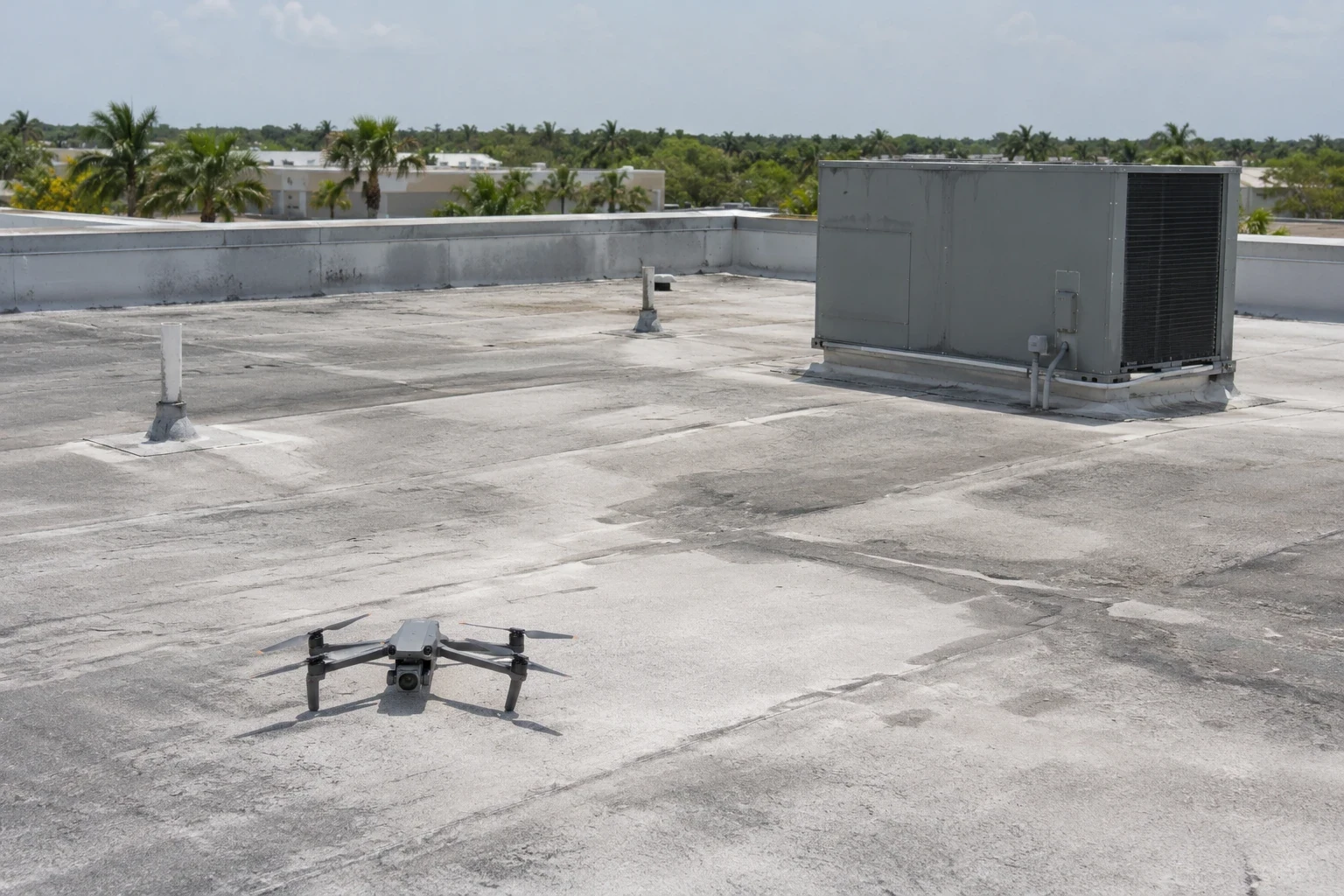
The same caution applies to aerial work. A drone roof inspection is useful for large flat roofs because it covers the field quickly and records every seam, but near an airfield the flight needs an airspace check first. When the flight is not allowed, the survey goes back to a hands-on walk with infrared scanning after sunset.
Document the Roof Before the Next Gulf Storm
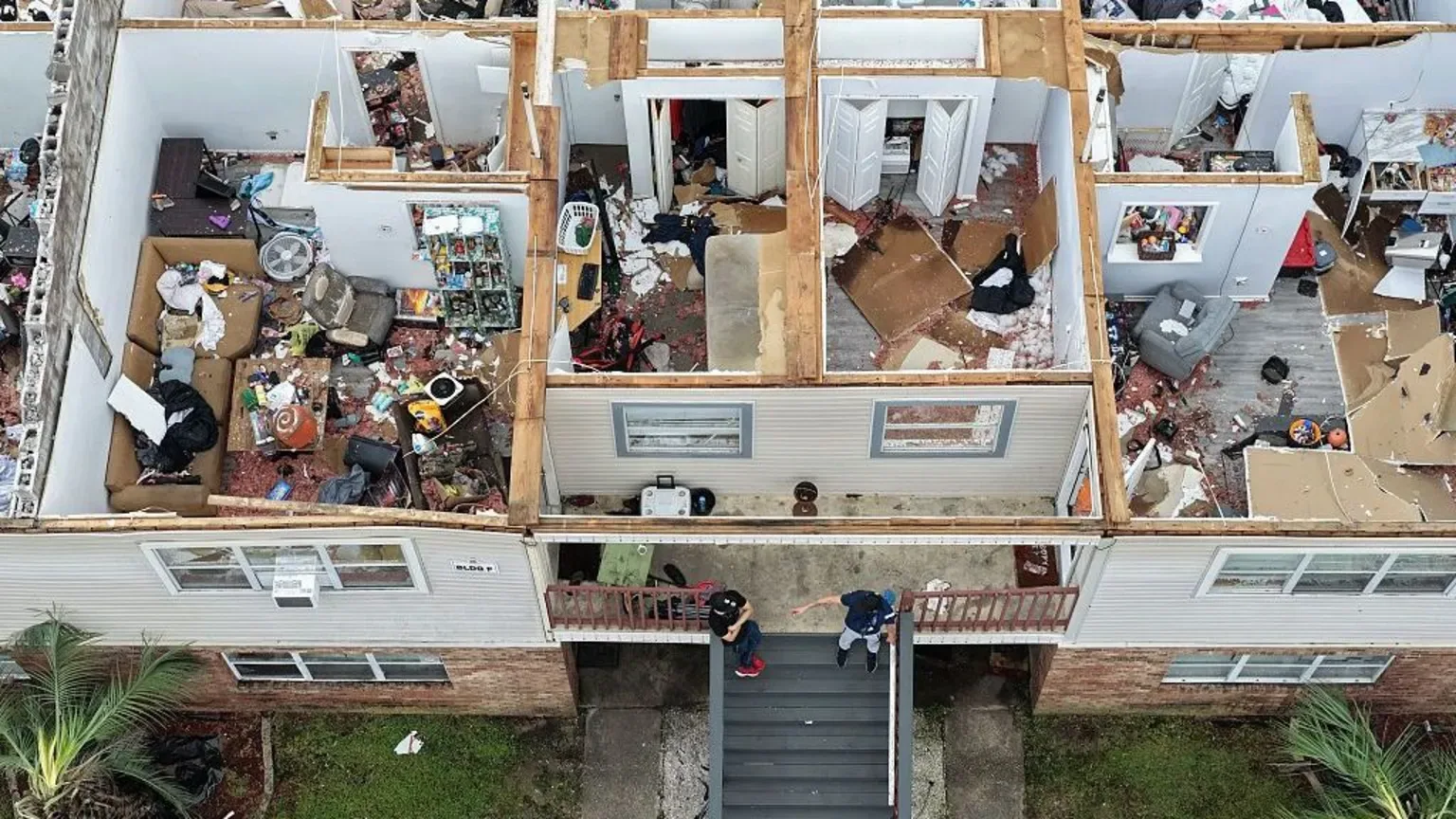
Ike made landfall at Galveston on September 13, 2008, then ran up the Galveston Bay side of Houston. Beryl came ashore near Matagorda on July 8, 2024 as a Category 1 hurricane, and the Houston region sat under its eastern eyewall. Harvey in 2017 holds the record as the wettest tropical cyclone to strike the United States. When the storm has passed, an owner needs a condition record that shows what the roof looked like beforehand.
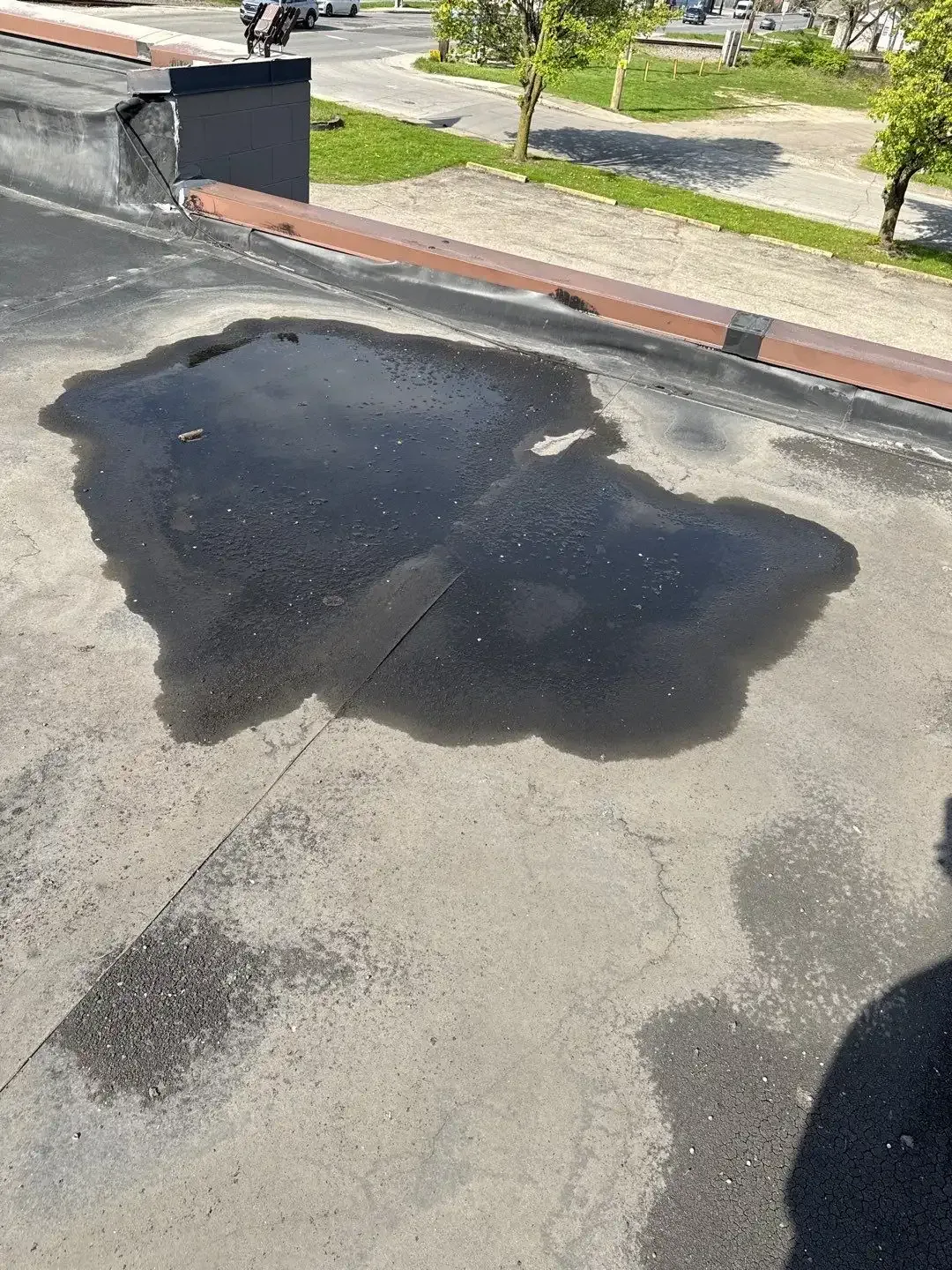
We build that record with dated photographs of terminations, drains, curbs and seams, then keep it with the roof file. After a storm, the same walk produces a comparison that a carrier can read. With dated photographs in the file, work after hurricane damage and any insurance claim rest on comparison instead of memory. Neighbors in Seabrook and Morgan's Point sit in the same windstorm zone and should hold the same record.
Commercial Roofing Questions
Our La Porte building is east of SH 146. When does the windstorm inspection happen?
The inspection is requested once the roof assembly is complete, and the record we assemble along the way is what supports it. Fastener photographs, edge metal details and opening closures are captured while they are still visible. That way an inspector sees a documented roof, and the owner does not lose the insurable status of the building while waiting on paperwork.
Can a crane still work if the building is close to the municipal airport?
Often yes, with conditions. The lift plan lists crane height, boom swing and hours, and we confirm whether the airport needs notice before the pick is scheduled. If a taller crane is a problem, a smaller one with more picks, or a staged material hoist, can serve the same roof. We choose after the conversation with the airport, not before.
How do deliveries reach a site when the highway and the bridge are busy?
Trucks are scheduled into windows that avoid plant shift changes and terminal peaks, and they hold off the road until the laydown area is ready. SH 225 and SH 146 meet in La Porte, so the route is simple to describe, though it needs a person at the gate to release each load. Driver instructions go out ahead of time.
What goes into a roof record that helps after a hurricane?
Dated photographs matter most: every drain, curb, seam and termination, taken from the same positions each visit. A roof plan with those positions marked turns the photographs into a comparison. Add the age and type of the membrane, the insulation layout and any past repairs, and an adjuster can separate new storm damage from older wear without a debate.
Does bay air shorten the life of a metal roof?
Bay moisture and industrial exhaust speed up corrosion at fasteners, laps and cut edges, which are the places where a coating or paint system has been broken. Panels themselves often last well. The weak points are the small parts, so a scheduled walk that tightens, reseals and spot-coats those details usually extends the roof more than a sweeping change in system.
Keep Reading
Related Roofing Work in Pasadena
Walk the Site Before the Crane Does
Call and we will walk the roof, the dock lanes and the permit schedule with you, so the work plan fits how your La Porte building runs before anyone mobilizes.