
Service Areas
Commercial Roofing in Seabrook, TX
A fish market with a wet ceiling loses its product and its customers in the same afternoon. That is the kind of building a roof plan in Seabrook, TX starts from: the fish markets along Waterfront Drive, the many marinas, and whatever commercial buildings serve them in a city where about 75 percent of the area is water. On a map that reads as bay and lake. On a roof it reads as constant humidity, spray and wind.
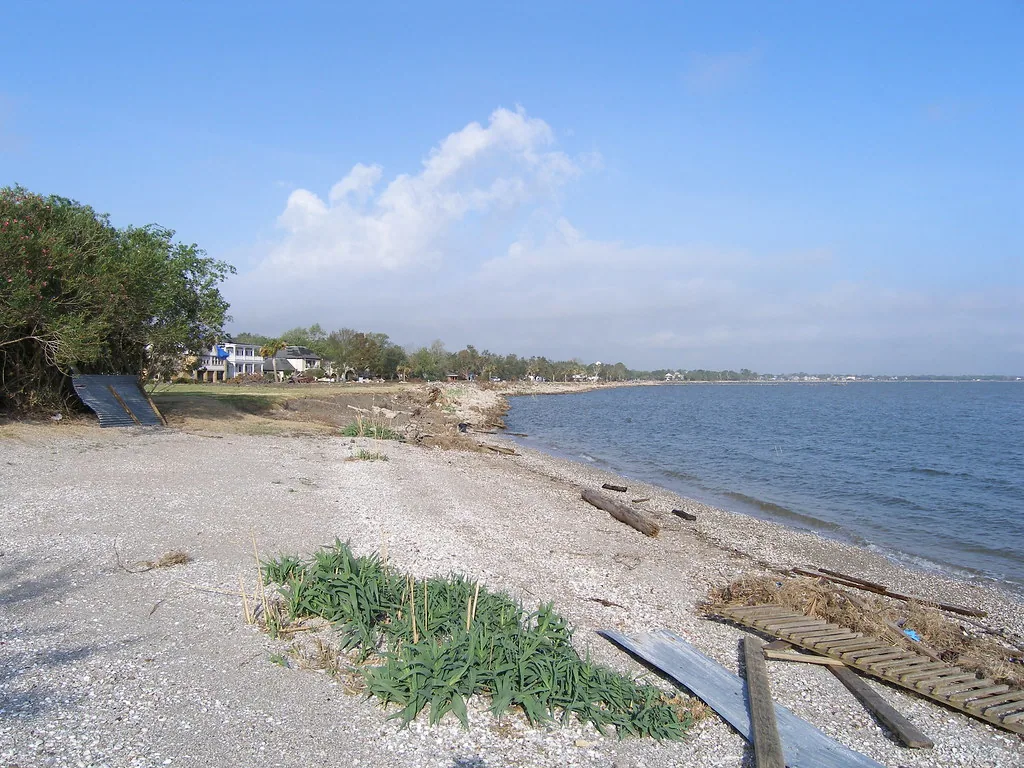
Seabrook sits on Galveston Bay at Clear Lake, and it falls within the designated windstorm catastrophe zone east of SH 146, so a reroof there has to pass windstorm inspection. The surge from Hurricane Ike in 2008 took out the city's streets and power, and people went without electricity and water for as long as a month. A building left empty for weeks cannot be babysat by its owner. The roof has to hold on its own.
Keep the Roof Closed When Nobody Can Reach the Building
After Ike, Seabrook residents spent as long as a month without power and water, and a building in that position cannot run pumps or have its ceilings checked. A roof that fails on day three of a long outage keeps leaking on day thirty. So before hurricane season we close every open item we can: drains cleared, loose flashing resealed, rooftop unit panels fastened, and exposed edges secured.
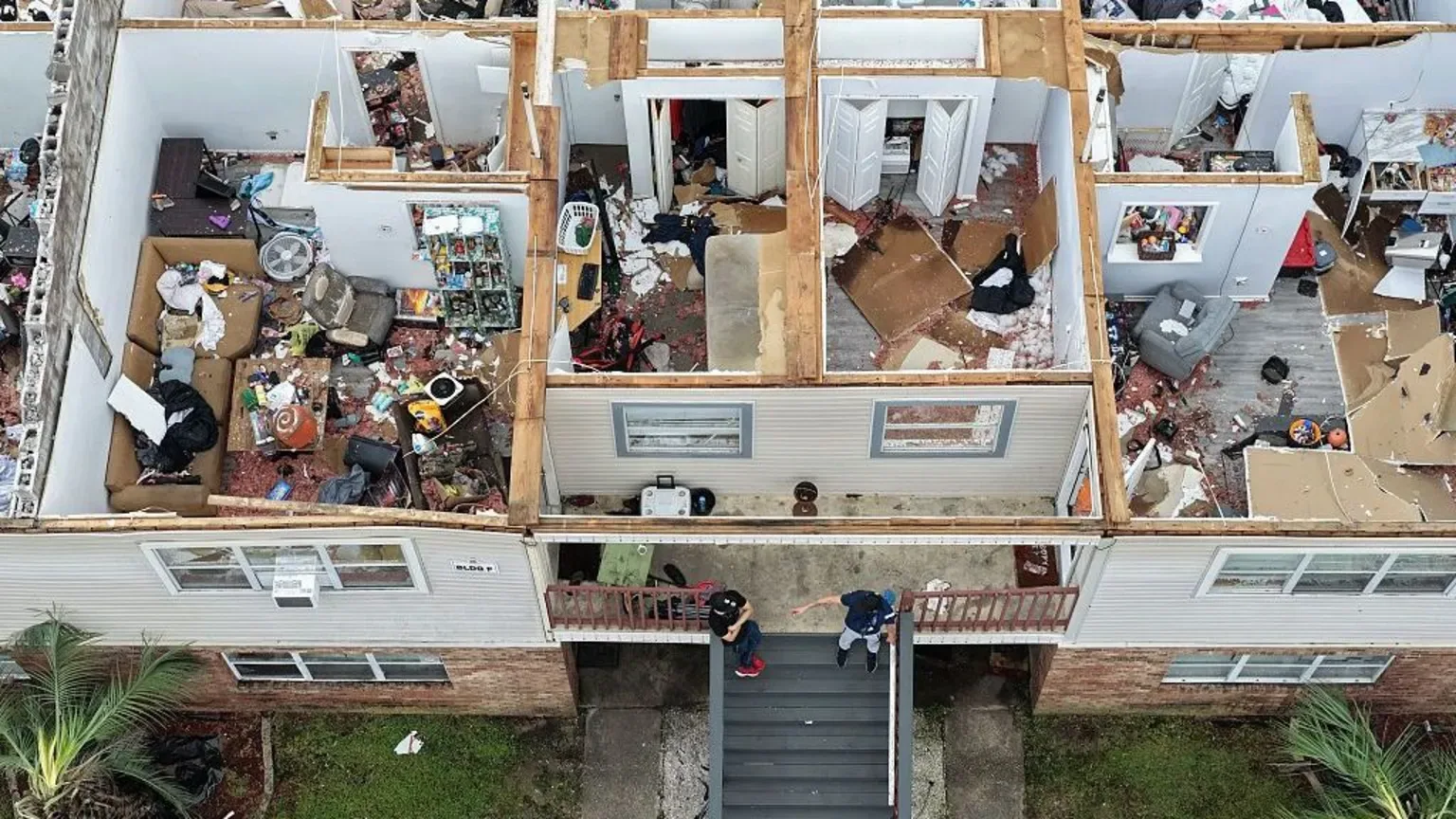
When the storm has passed, the sequence runs in a fixed order. First, structure and safe access. Then temporary dry-in over any breach, so the next rain stays outside. Emergency roof repair is available around the clock for that step, and the permanent hurricane damage repair follows once the building is dry and the record is complete. Owners who prepared find the second step goes faster, because the roof file already shows the starting condition.
Choose Membranes That Shrug Off Spray and Grease
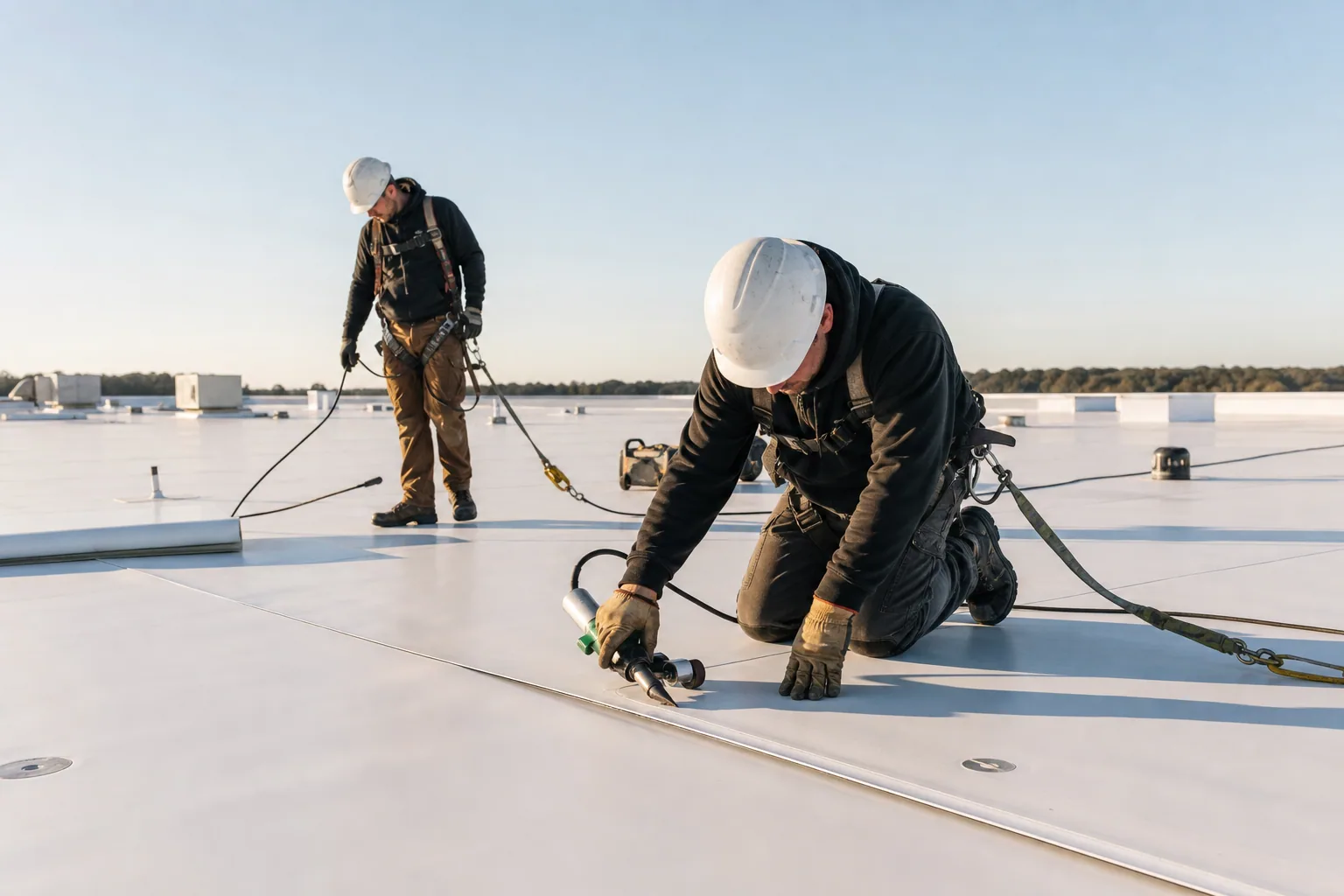
Houston-area mornings often start above 90 percent humidity, with August highs near 95 F, and Seabrook adds bay moisture on top. Damp air gets into any weak seam, condenses on metal and keeps insulation wetter for longer than it would sit inland. That favors membranes that weld into one sheet, and details that shed water instead of collecting it.
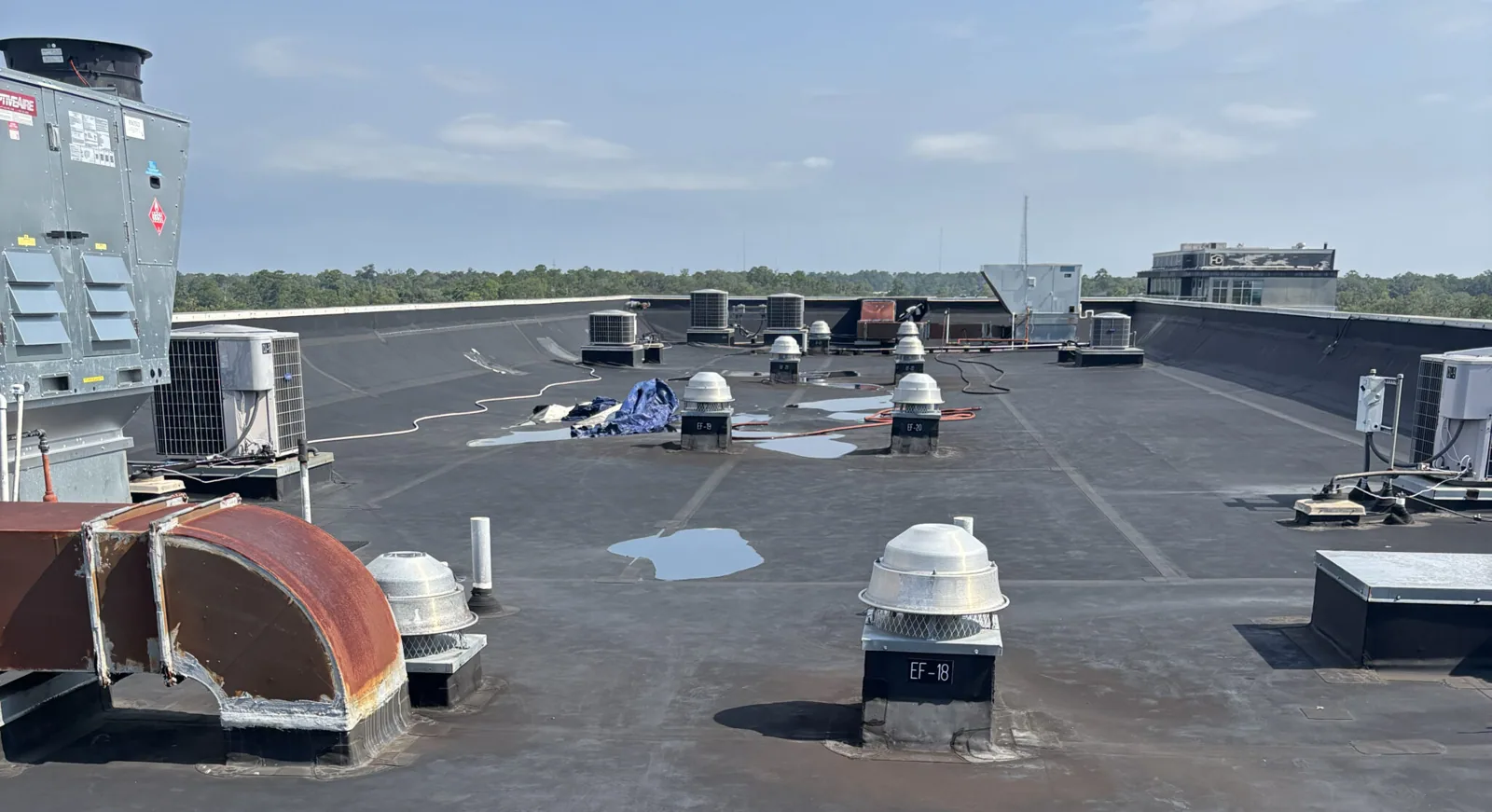
A restaurant on the water adds grease from kitchen exhaust, which attacks some membranes and leaves others untouched. A PVC roof is built for that exposure and for the contaminants around it, which is why we reach for it over exhaust fans. A restaurant roof also needs grease containment, curb heights and fan skirts checked, because those small parts decide how long the sheet around them stays clean. Stainless fasteners and sealed edge metal handle the salt.
Time the Windstorm Inspection to the Storm Calendar
Roofing east of SH 146 in Seabrook is inspected through the Texas Department of Insurance windstorm program, and the building has to receive its certification to stay insurable. The practical question is when. A roof opened in September and left waiting for an inspector is exposed at the worst time of year, so we try to finish and document the assembly in the spring and early summer windows.
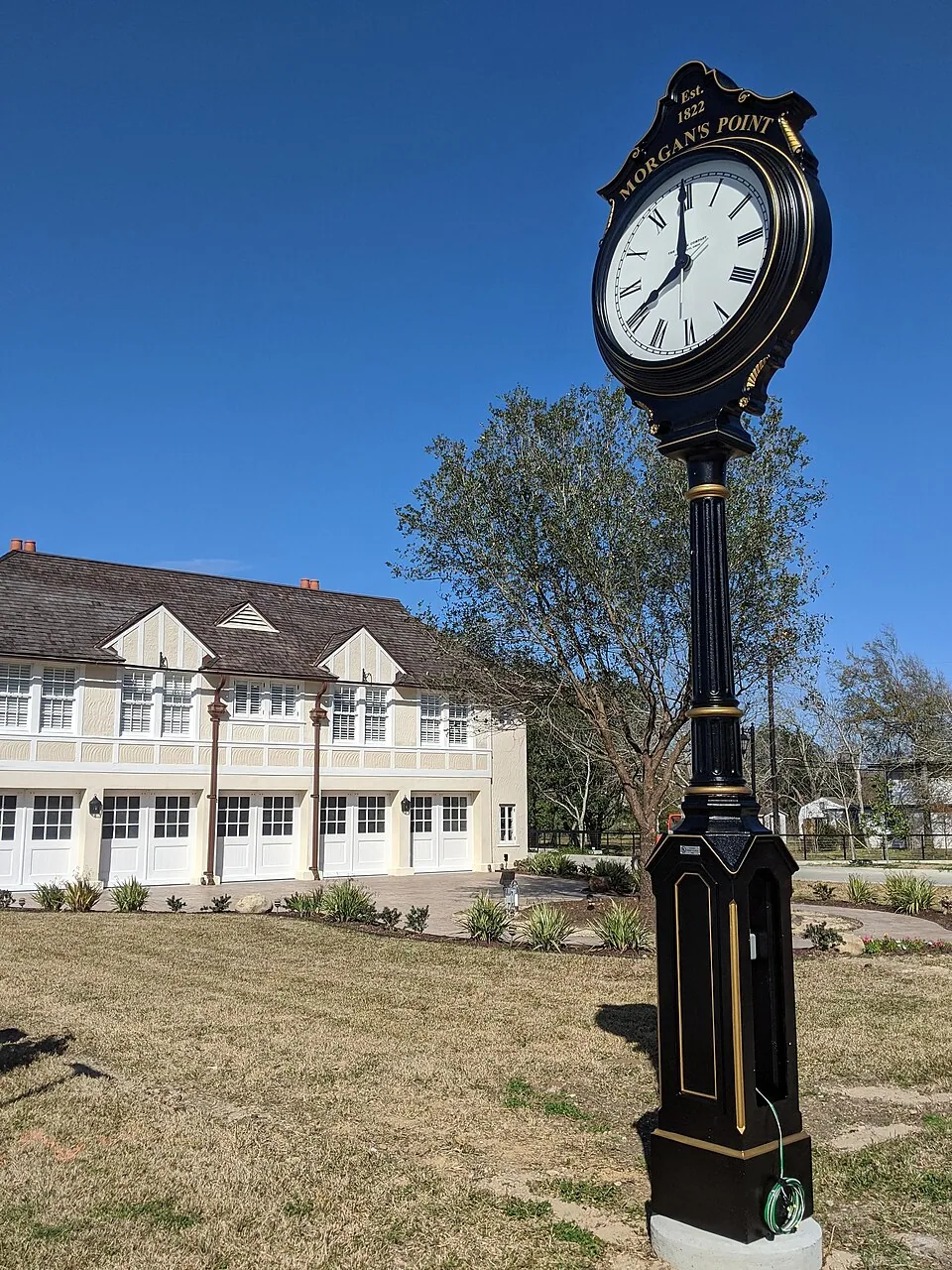
The paperwork is lighter when the photographs are taken as layers go on. We capture the deck, fasteners, edge metal and curb flashing in sequence, with a roof plan that locates each shot. If a carrier later asks what changed, the answer is already on file, and roof insurance claim assistance becomes a matter of assembling what exists. The same photograph sequence suits owners in Morgan's Point and the other communities inside the zone.
Stage Material Where the Site Allows and Off-Site Where It Does Not
SH 146 links Seabrook to SH 225 and to the Bayport Terminal, so trucks reach the city from the highway side. Once they arrive, space becomes the limit. A marina or waterfront building may have little room for a laydown area, a crane pick or a dumpster, and a customer parking lot cannot be closed for a week.
Where room is short, we stage off-site and bring material in loads sized to what the crane can set that day. Debris goes out the same day instead of piling up beside the building. The Shoreacres is close by on the same highway link, so port traffic belongs in the delivery window as well. Night shift hours handle the loudest lifts for businesses that cannot lose a morning of customers.
Price the Work by What Sits Under the Membrane
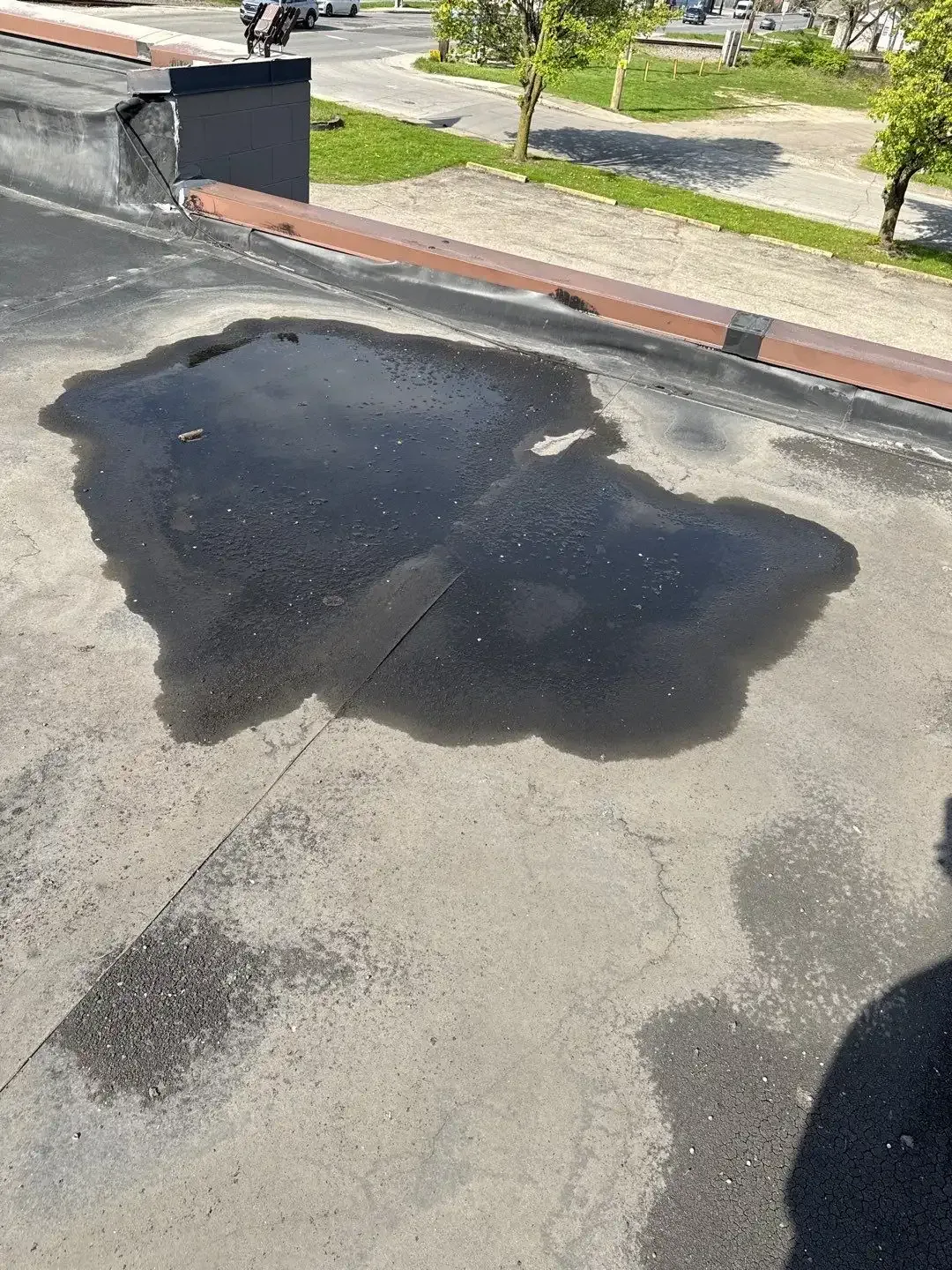
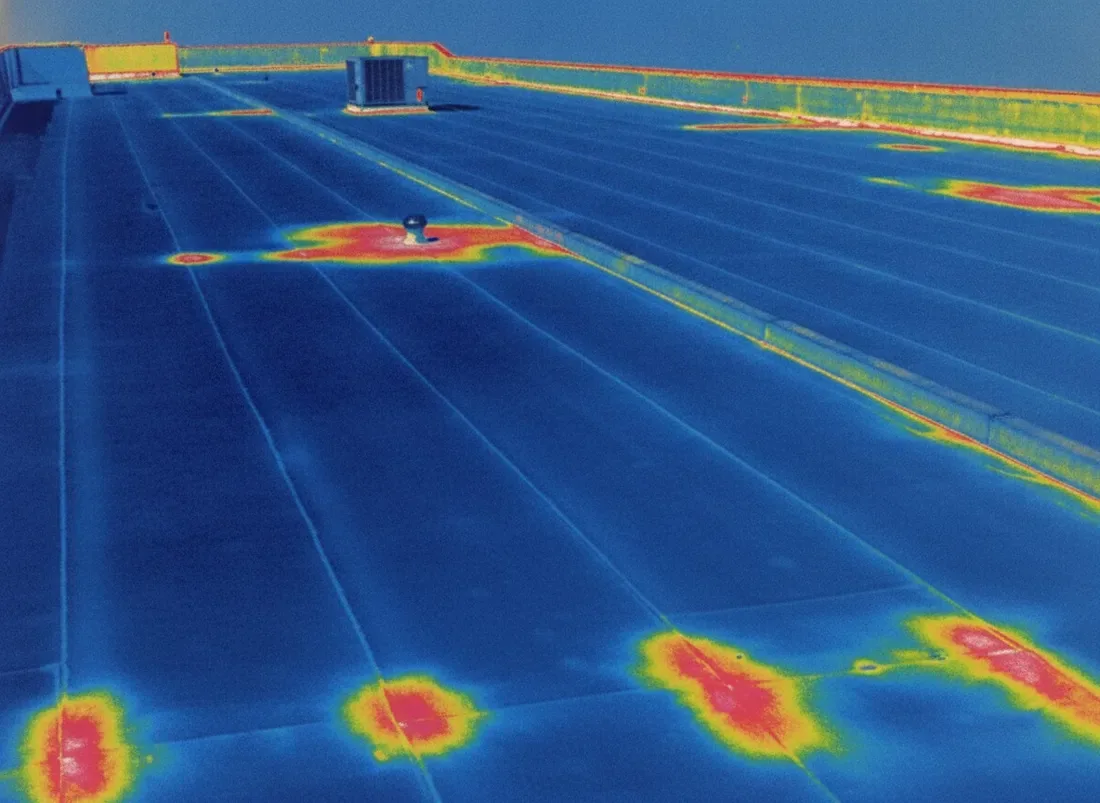
Bay moisture raises the stakes on wet insulation. Once water is in the board, humid air slows its drying, and a sheet laid over damp insulation traps the problem. An infrared moisture survey maps the wet areas so the scope covers only what has to come out. That map often changes the choice between spot replacement and a full tear-off.
Other drivers are the number of rooftop units, the condition of the deck, the crane time, the hours that must fall at night and the extra protection a food business requires. A roof recover over dry insulation saves tear-off cost and shortens the time the building sits open, which matters when a business is trying to stay in operation through the season.
For properties near the water, inspect metal components, fasteners, roof edges, and exposed equipment supports along with the membrane. Record any corrosion separately from storm damage and determine whether it affects attachment or only the surface finish. Plan material storage and lifting around the site's available space, keeping public access and emergency routes open. If a building is difficult to reach during severe weather, agree on how temporary protection will be monitored and who will report a change. At the end of the project, leave a map of repaired details and a maintenance schedule that can be followed without a roofing crew present.
Commercial Roofing Questions
A marina building will sit empty for weeks after a storm. What should the roof have before we leave?
Clear drains, tight flashing, fastened equipment panels and secured edge metal are the minimum. We also photograph each area so the post-storm comparison is easy. If a breach appears, temporary dry-in goes over it within hours, using panels or membrane fastened to sound deck, so a week of afternoon storms cannot make the damage worse.
Which membrane holds up near grease and exhaust from a waterfront kitchen?
PVC is the usual answer, since its welded seams and chemical resistance suit grease and exhaust residue. It still needs clean details: grease containment at the fans, sealed curbs and a walk after the busy season. A cheaper sheet in the same spot may swell, soften and fail early, which costs more than the upgrade would have.
How long can insulation stay damp under a roof in humid air?
Too long. Humid bay air slows drying, and a wet board loses its insulating value and adds weight to the deck. Surveys show where the water sits, and a short repair that includes removing the wet board usually costs less than waiting a season. A recover over damp insulation is the one choice we steer owners away from.
Who should we call first after a storm, the carrier or the roofer?
Call both within the first day, and call us first if the building is open to weather. A dry-in crew stops the loss that a carrier will not pay for twice, and our photographs support the claim. Keep receipts for emergency work, because the carrier will want them alongside the roof record.
What if flooded streets keep a crew from reaching the building?
Reaching the roof comes in stages. A drone survey from a dry vantage point can cover the field and show breaches before anyone walks it, and crews carry temporary materials by hand if a truck cannot pass. Access to the building then follows as streets reopen. Ike's surge knocked out Seabrook's streets in 2008, so we plan for it.
Keep Reading
Related Roofing Work in Pasadena
Walk the Roof Before the Season Does
Call and we will walk the building, the access route and the storm plan with you, so the work fits how your Seabrook operation runs before the next forecast.