
Service Areas
Commercial Roofing in Morgan's Point, TX
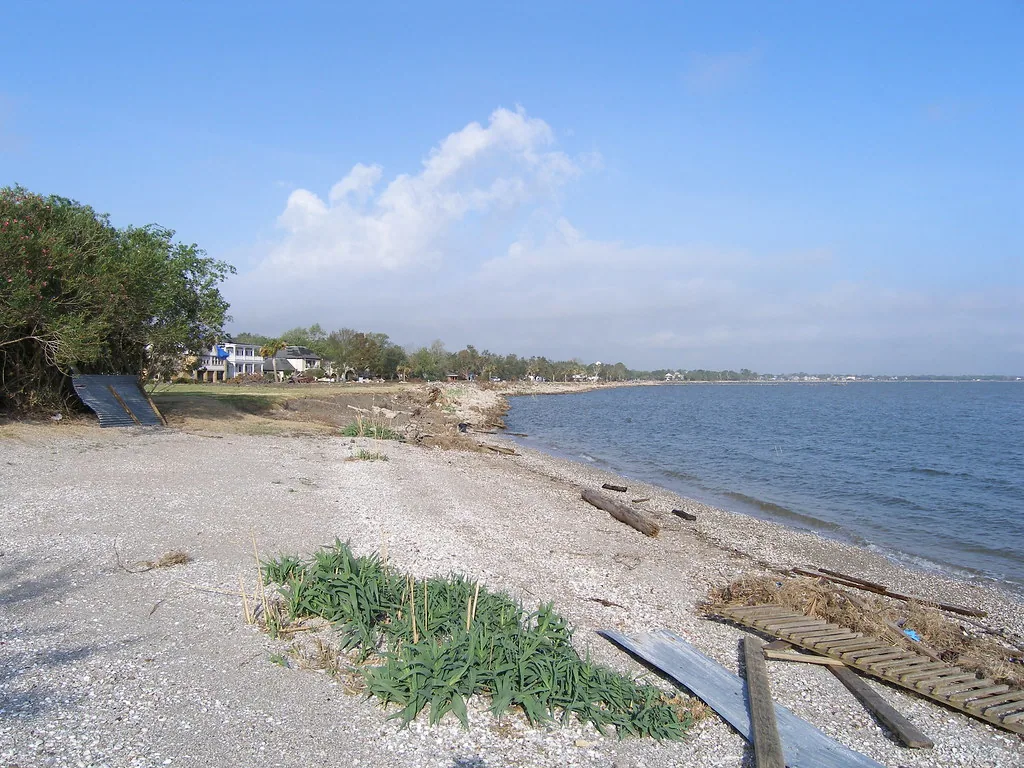
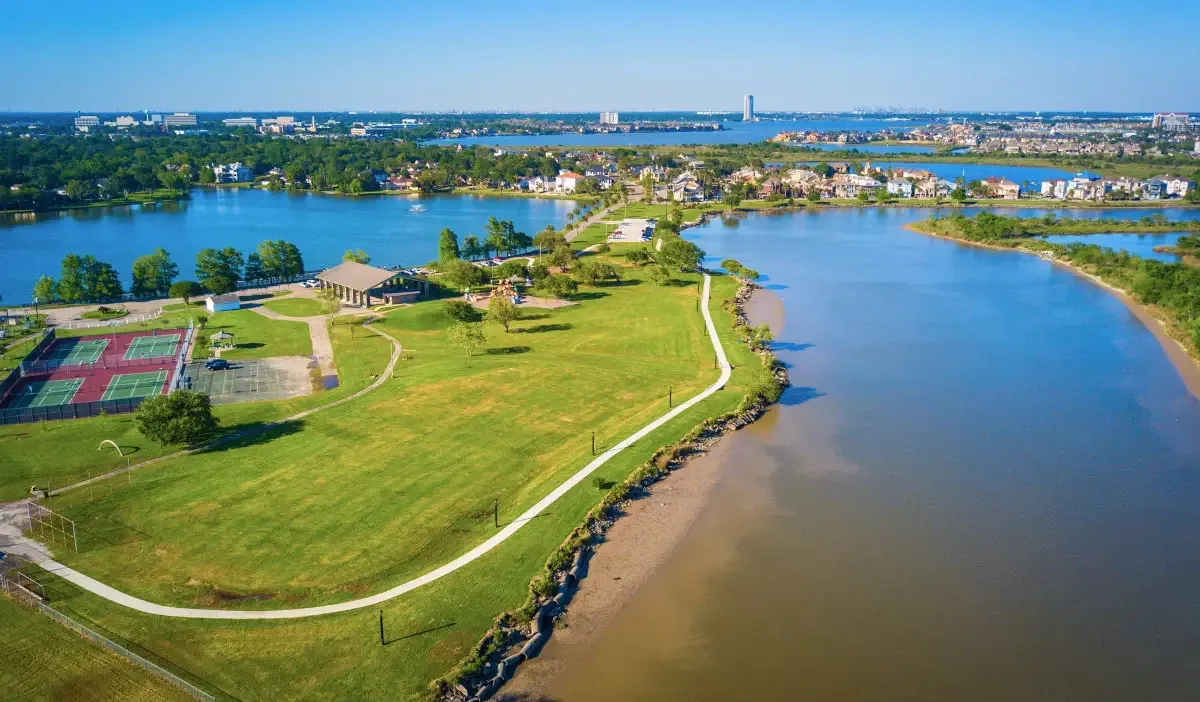
A container terminal runs by the vessel calendar, and any roof work in Morgan's Point, TX has to respect that clock. The Barbours Cut shipping terminal here, run by the Port of Houston Authority since it opened in 1977, is the key container terminal for the Houston area. Whatever building an owner holds in this community, it shares the terminal's wind, its bay air and its place on the water, at the inlet of the Houston Ship Channel on Galveston Bay.
The roof plan starts with those three conditions. Wind comes across open water with nothing to slow it. Humid air hangs over the site all year and works on fasteners, laps and cut metal edges. And because Morgan's Point is one of the Harris County communities inside the Texas Windstorm Insurance Association catastrophe area, roofing work has to go through windstorm certification before the building counts as insurable.
Read the Vessel Calendar Before Writing the Work Calendar
Barbours Cut and Bayport are Port Houston's two container terminals, both on the Galveston Bay side of the Ship Channel, and the port's public terminals moved about 4.1 million TEUs and 53 million short tons of cargo in 2024. A busy port means trucks, shift changes and peaks that follow ship arrivals. We ask the facility director to tell us when those peaks fall, then schedule deliveries, the crane pick and the noisiest work around them.
Distance matters too. Morgan's Point sits about 30 miles southeast of downtown Houston, so a delivery is planned as a trip, and a missed window costs a morning. Material staging gets a firm plan: what arrives, where it lands, who signs for it and what gets covered if weather turns. The same logic holds around the Shoreacres: a roof in a freight zone gets planned around the trucks first.
Secure the Perimeter Against Wind Off the Water
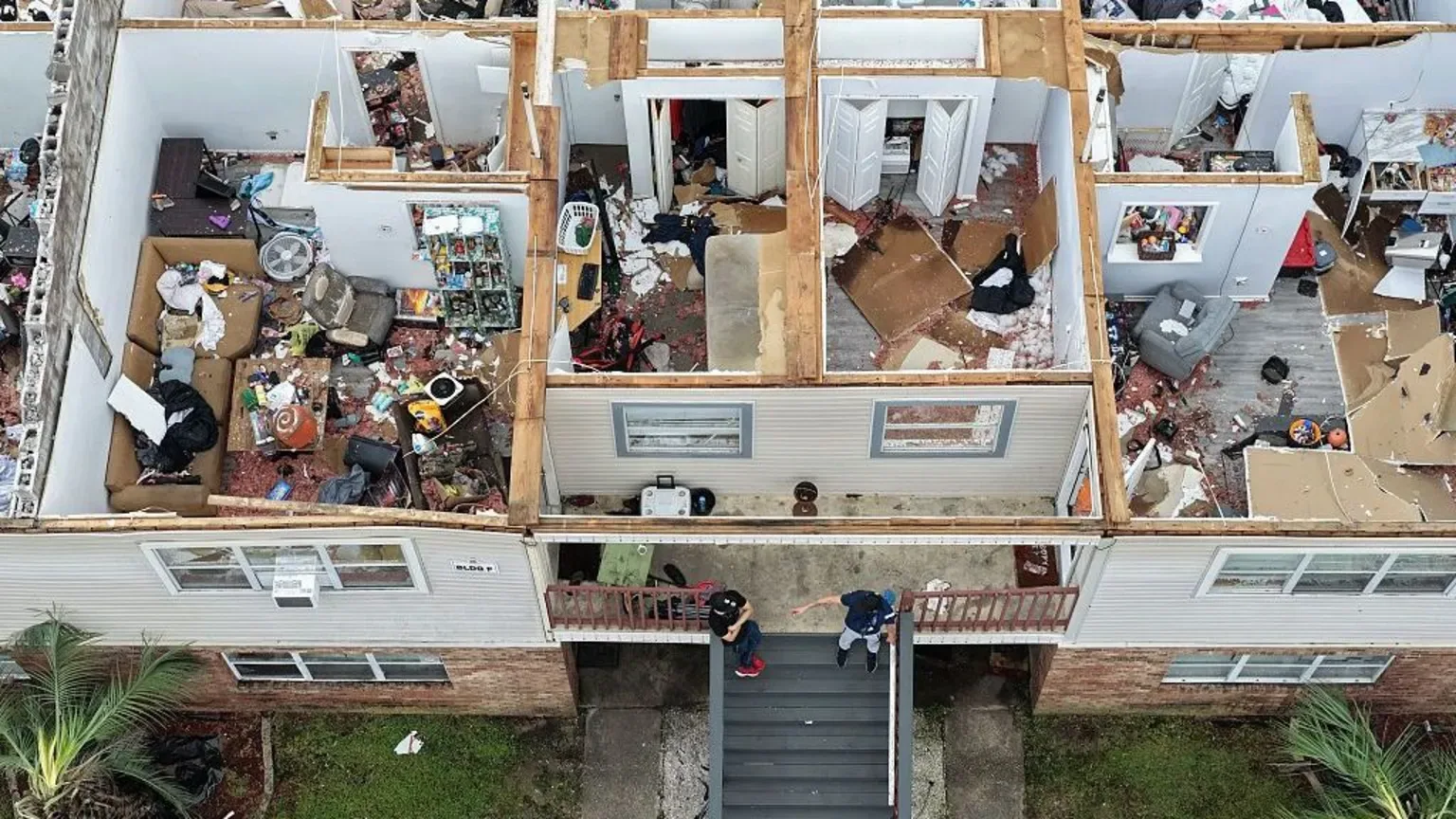
Uplift builds fastest at corners and edges, and open water gives the wind a long, clear run before it reaches a Morgan's Point roof. After landfall at Galveston in September 2008, Ike followed Galveston Bay up the east side of Houston, and Beryl in July 2024 put its eastern eyewall over the region. Both storms are reminders that the edge of a bay-front roof is where a failure begins.
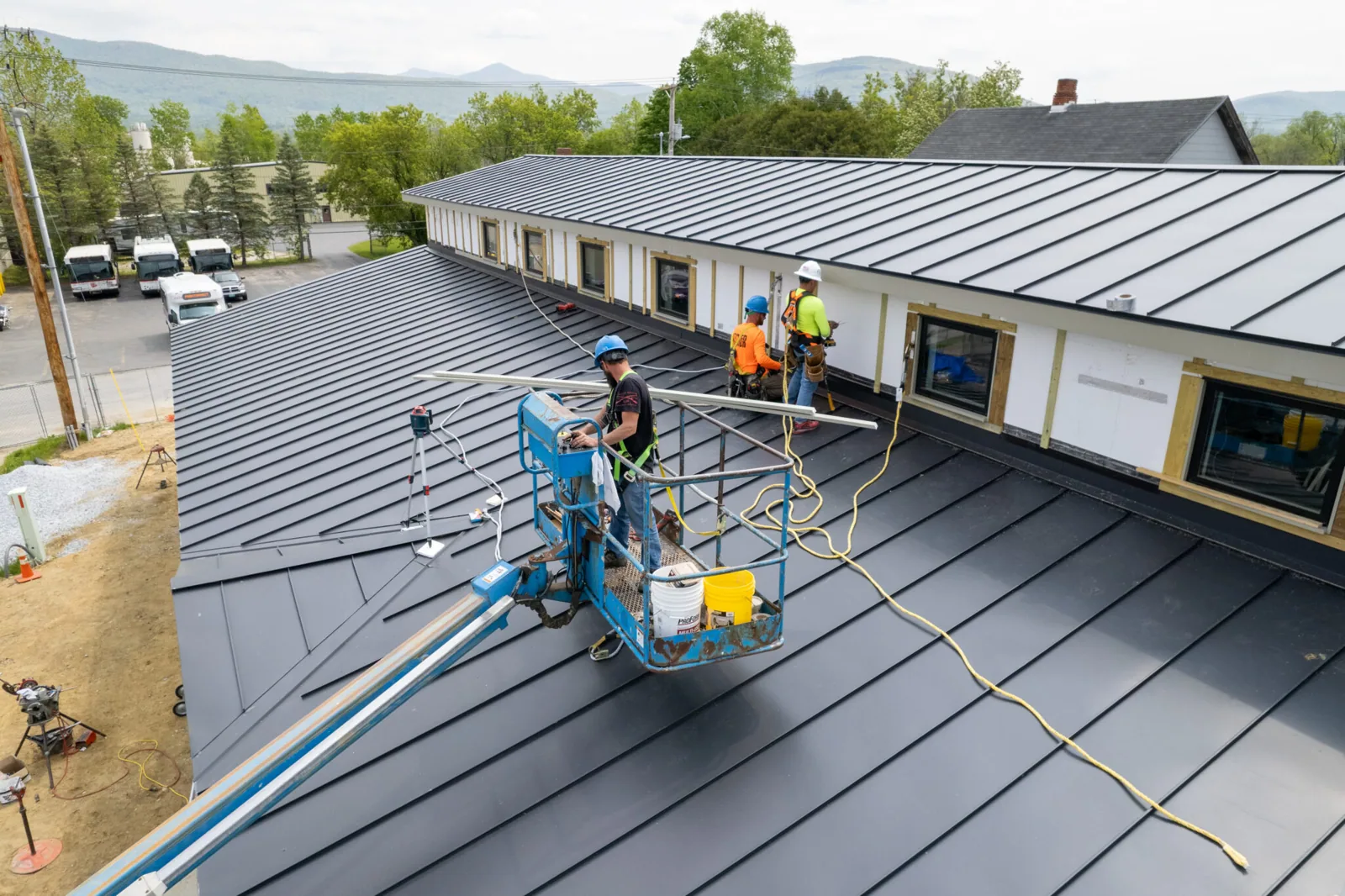
Perimeter securement is the answer: heavier edge metal, closer fastener spacing at corners, coping that is fastened into solid substrate, and a membrane terminated so wind cannot get under it. A standing seam metal roof adds its own demands at the clip and the ridge. In all cases, the assembly gets checked from the edge inward, because that is the direction a peel travels. The hurricane damage repair after a bad storm is much smaller when those details were right to begin with.
Build the Windstorm Inspection Into the Closeout
The state windstorm program expects roofing work in this area to be inspected and receive certification for the building to stay insurable. An owner who treats that as a final errand finds it slows the whole project. We treat it as a milestone: fastener patterns, edge details and securement are photographed while they are open, labeled against a roof plan, and ready to hand over.
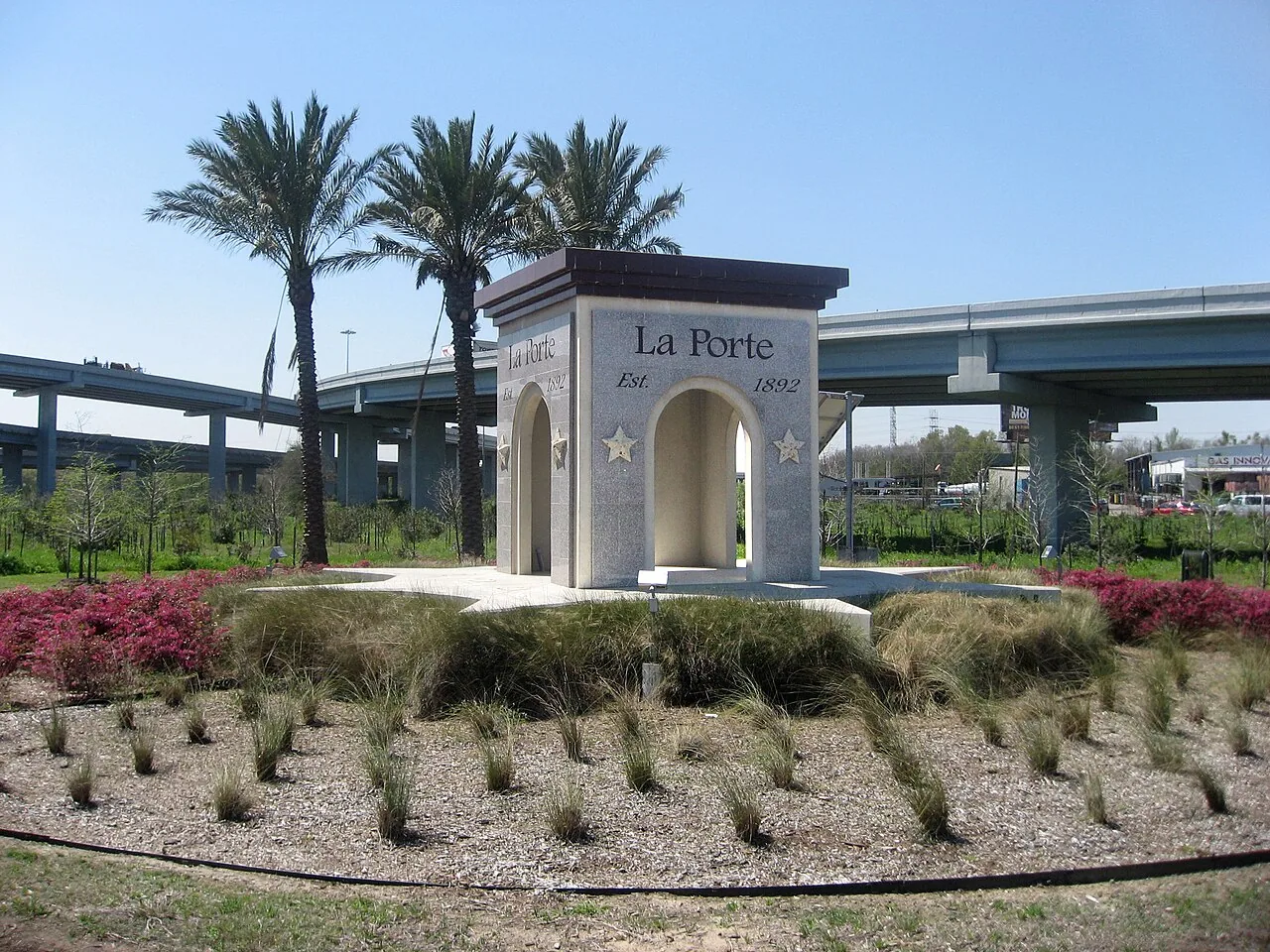
Closeout also means the building is clean. Debris and loose metal are swept up with magnets, temporary protection is removed and drains are checked before the crew leaves. Neighbors in La Porte and Seabrook fall in the same windstorm zone and face the same expectation, so an owner with buildings in more than one of these communities can run the inspection paperwork the same way each time. Questions after a loss go faster when the insurance claim rests on that same photographic file.
Specify Materials That Tolerate Humidity and Industrial Air
Bay air is humid, and the Ship Channel adds exhaust and process air to the mix. Summer heat is the steady background: Houston's August highs average near 95 F, and humid mornings above 90 percent keep sealants and membranes damp until the sun burns it off. Metal parts rust, sealants dry out and dark membranes soften. Material choice has to account for all of it.
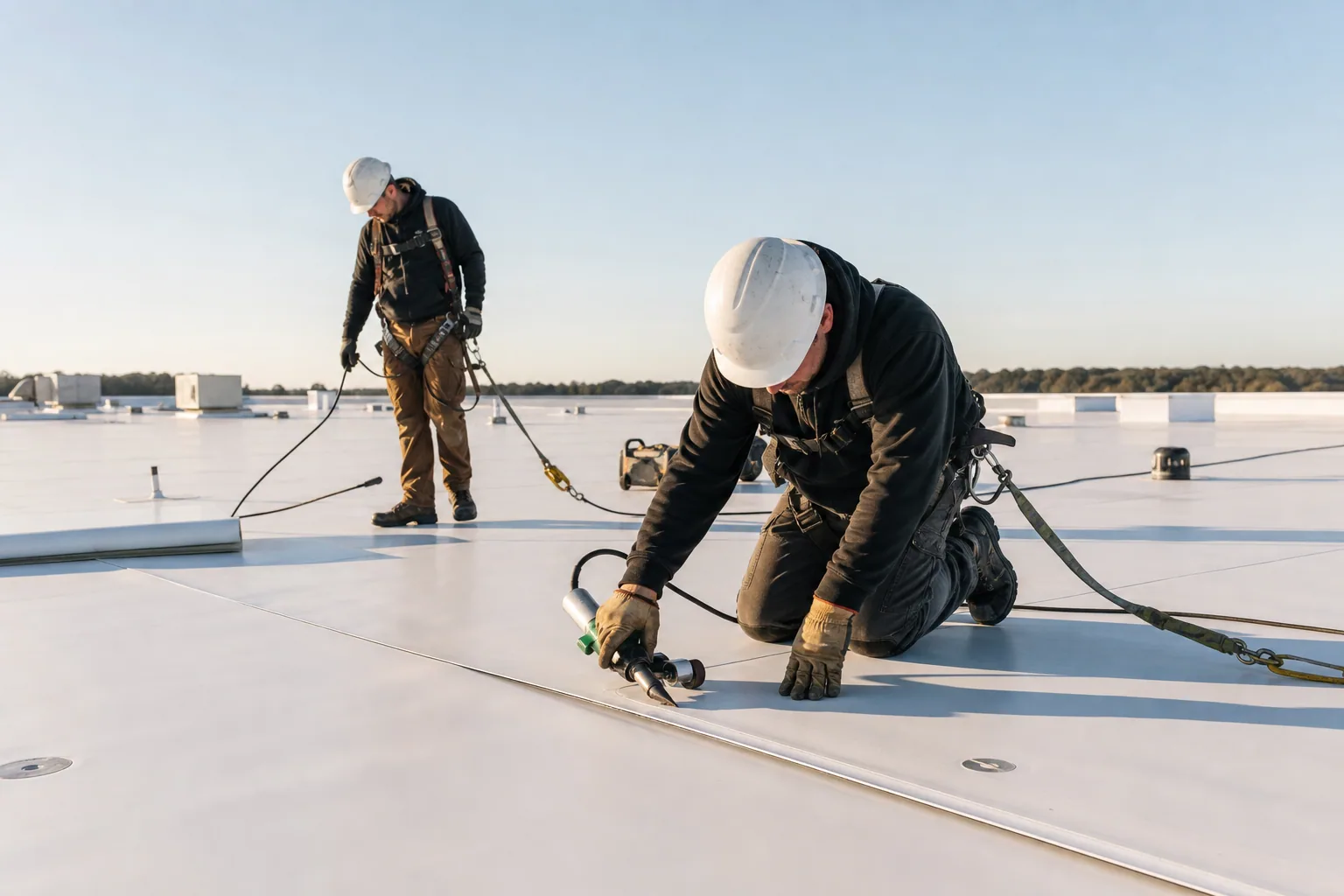
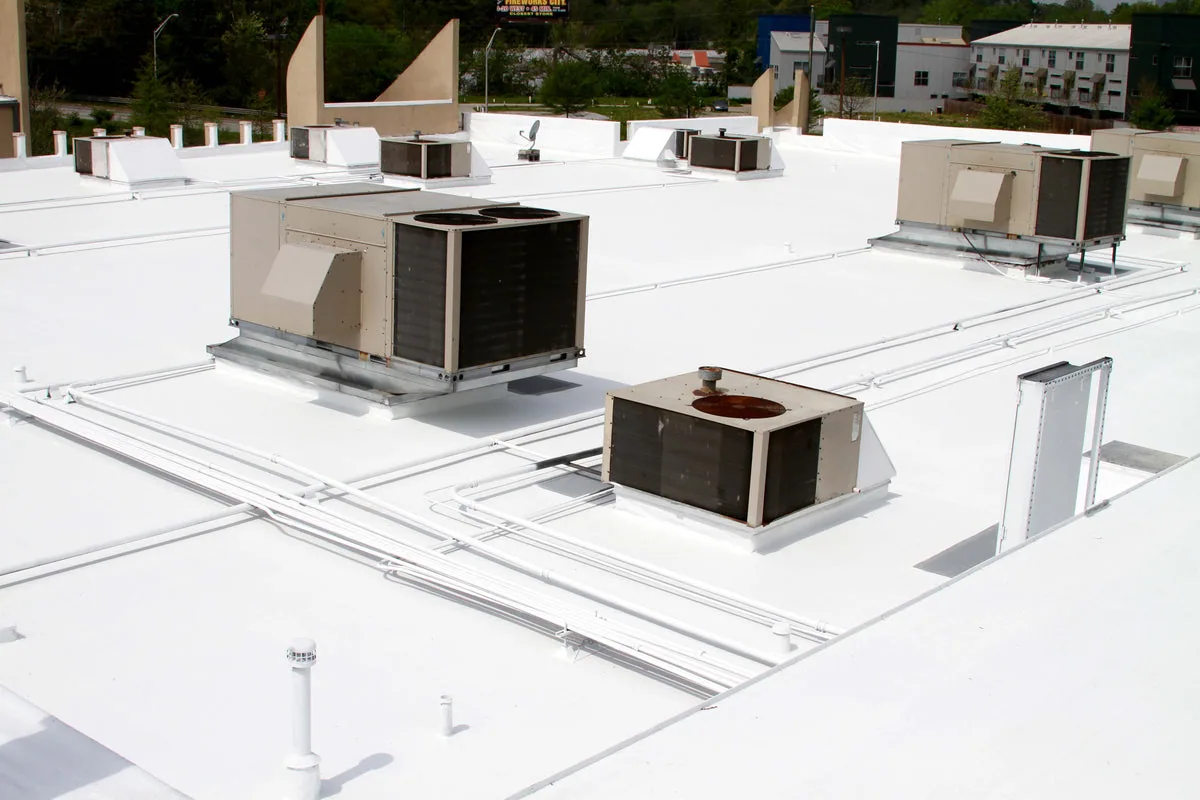
A PVC membrane stands up to contaminants that attack other sheets, and welded seams hold up under a heat cycle. Where a roof is sound but weathered, a silicone coating can reseal and reflect heat without a tear-off, as long as moisture mapping shows the insulation below is dry. On any system, stainless or coated fasteners, sealed edge metal and generous overlaps at penetrations buy years. The price difference is small compared with a replacement that came early.
Schedule Upkeep Visits Between the Storms
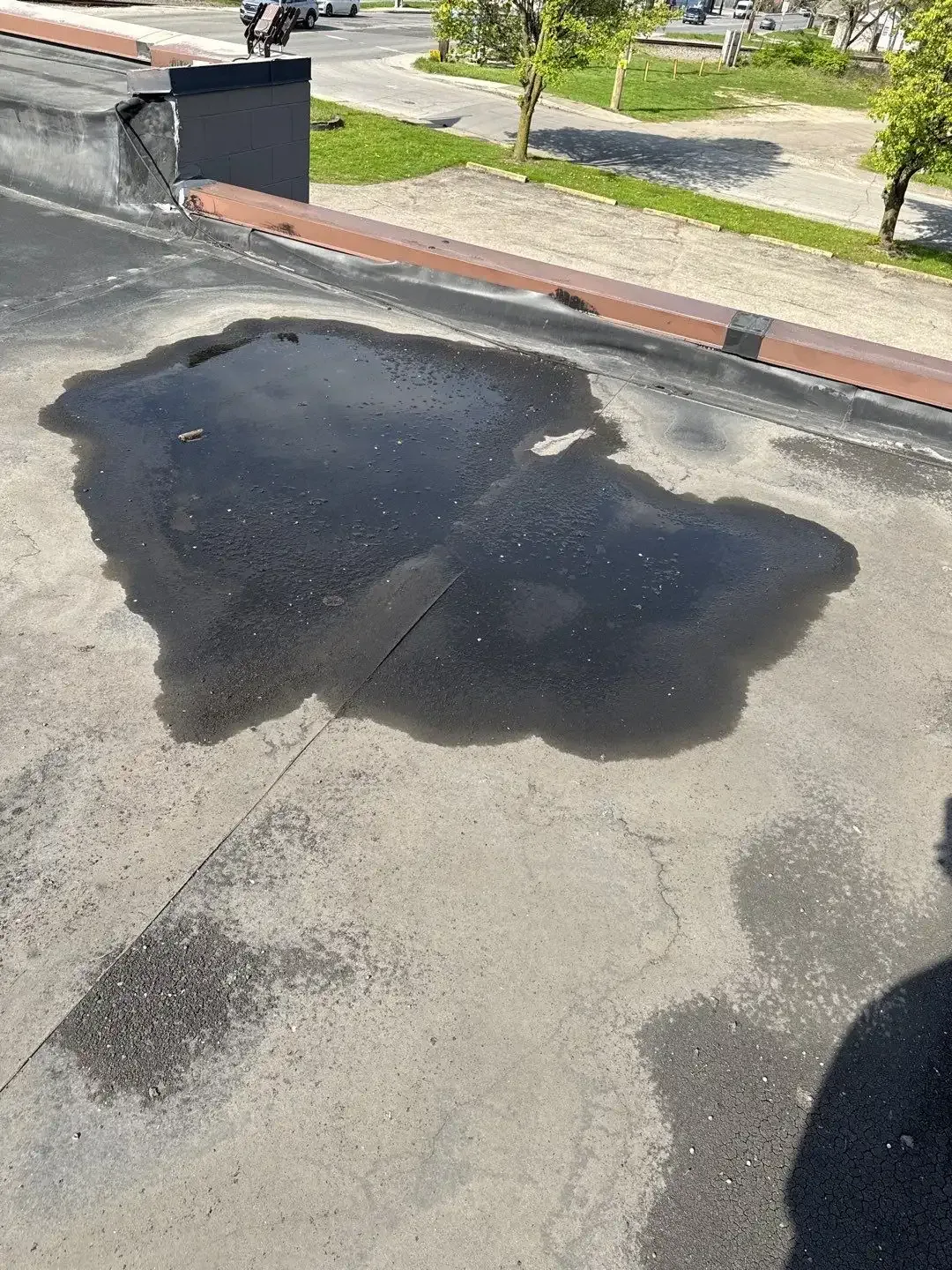
The best time to look at a bay-side roof is before the storm season, and the second best is right after. A visit in late spring clears drains, tightens loose fasteners, reseals flashing and photographs the roof against last year's record. June is the wettest month in Houston, with roughly 50 inches of rain across the year, so any ponding found in May is cheaper than ponding found in July.
A written preventive maintenance visit also gives the owner a defensible budget. Small repairs are priced as they appear, bigger decisions are flagged early, and the next replacement date stops being a surprise. For a facility director who cannot close the building, that predictability is worth more than any single repair.
Commercial Roofing Questions
How early should we start planning a reroof at a bay-side building?
Start before the roof forces the issue, ideally a season ahead. A survey and moisture map give the scope, material lead times need weeks, and the windstorm inspection has to fit at the end. Owners who begin while the roof is merely tired get to choose the quiet part of the calendar. Owners who begin after a leak usually take whatever window the weather allows.
What does the windstorm program actually ask of a roofing contractor?
The program expects the work to pass inspection and receive certification so the building stays insurable. In practice that means clear records of how the roof is attached, edge details that match the wind exposure and an assembly the inspector can see while it is still open. We shape the documentation to that expectation from the first day, so nothing has to be recreated afterward.
Will humid bay air eat through a new roof?
Not quickly, but it does punish the small parts first. Fasteners, edge metal, rooftop equipment frames and sealants at penetrations are where corrosion shows up. Choosing coated or stainless hardware, sealing cut edges and walking the roof twice a year slows the process a great deal. The membrane or panel itself is rarely the first thing to fail.
A hurricane is forecast. What can we do for the roof beforehand?
Clear every drain and scupper, remove loose debris and equipment covers, and secure or lower anything that can fly. Photograph the roof afterward and before, so a carrier can compare. We also ask owners to confirm who holds the keys and the roof hatch combination, because the first dry-in crew after the storm needs access within hours.
Why would two buildings on the same street need different repairs?
Age, membrane type, insulation condition and exposure all vary from one roof to the next. One building may have dry board under a weathered sheet and need only a coating, while its neighbor holds saturated insulation across a bay and needs replacement. A walk with moisture mapping separates the two, and the facility's use and schedule then set how the chosen work gets phased.
Keep Reading
Related Roofing Work in Pasadena
Walk the Site and the Calendar Together
Call and we will walk the roof, the access lanes and the vessel and permit schedule with you, so the plan fits how your Morgan's Point operation runs from day one.