Service Areas
Commercial Roofing in Friendswood, TX
Clear Creek flooding has pushed Friendswood toward raised construction, and a raised building changes a roof job in ways nobody sees on the plans: the first ladder is longer, the loading route is a ramp or a stair, and the crane has to reach from a spot that may itself sit above grade. A facility director with a raised building learns quickly that the roof is not only up. It is also farther away than it looks.
The city counted 41,213 residents in 2020, spread across Galveston and Harris counties, and it lay in the path of both Hurricane Harvey in 2017 and Hurricane Beryl in 2024. Those two storms give commercial owners here a practical reason to keep a roof file current. The work we plan is occupied-building work: low-slope and metal roofs repaired, recovered or replaced in sections, with the drains and the flashing treated as the system that actually matters.
Set the Lift Plan for a Building That Sits High
When a building has been raised to stay clear of floodwater, the ground approach drives the schedule. We ask how tall the first floor sits above grade, whether trucks can reach the wall or must stop short, and where a crane can set up without blocking the entrance. A long reach means a larger crane, and a larger crane means a bigger footprint and a more carefully protected laydown area. None of that shows up in a roof-only quote, which is why we walk the site first.
Material staging comes next. Rolls of membrane, pallets of insulation and bundles of edge metal all have to get up and stay put. We lift in amounts the crew will install that day and tie everything down against the wind. In a city that lay in the path of both Harvey and Beryl, loose material left overnight is a liability the owner should not carry.
Separate Flood Damage From Roof Damage
Harvey set the record in August 2017 as the wettest tropical cyclone the United States has seen. Beryl followed in July 2024, coming ashore near Matagorda while its eastern eyewall passed over the Houston region. A building in the path of storms like these may have taken water from below, from above, or both, and the insurance side treats the two very differently.
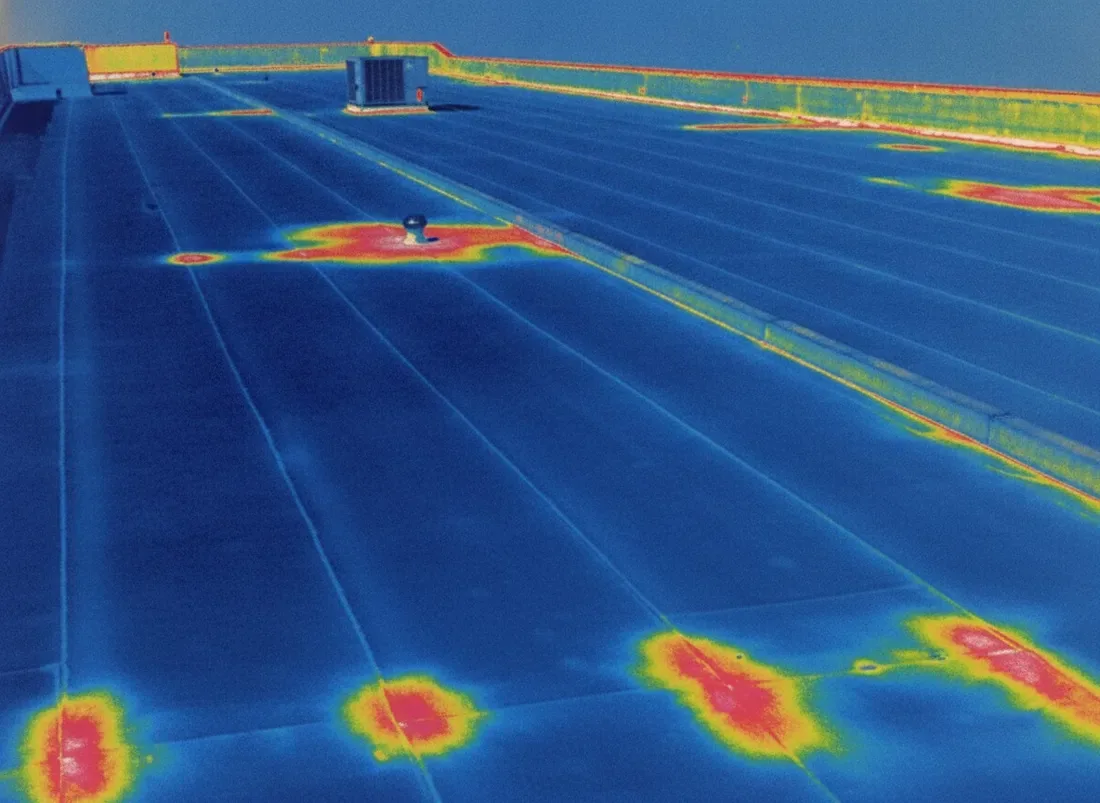
So the roof inspection after a storm is partly detective work. We trace where the water actually entered. Wet insulation under an intact membrane points to an old flashing or seam failure. A lifted corner points to wind. Water stains on a ceiling with a dry roof above point somewhere else entirely. We document each finding with photographs and an infrared moisture survey so the claim file keeps roof damage and flood damage on separate pages, which is what carriers expect to see.
Design Drainage for Rain That Keeps Coming
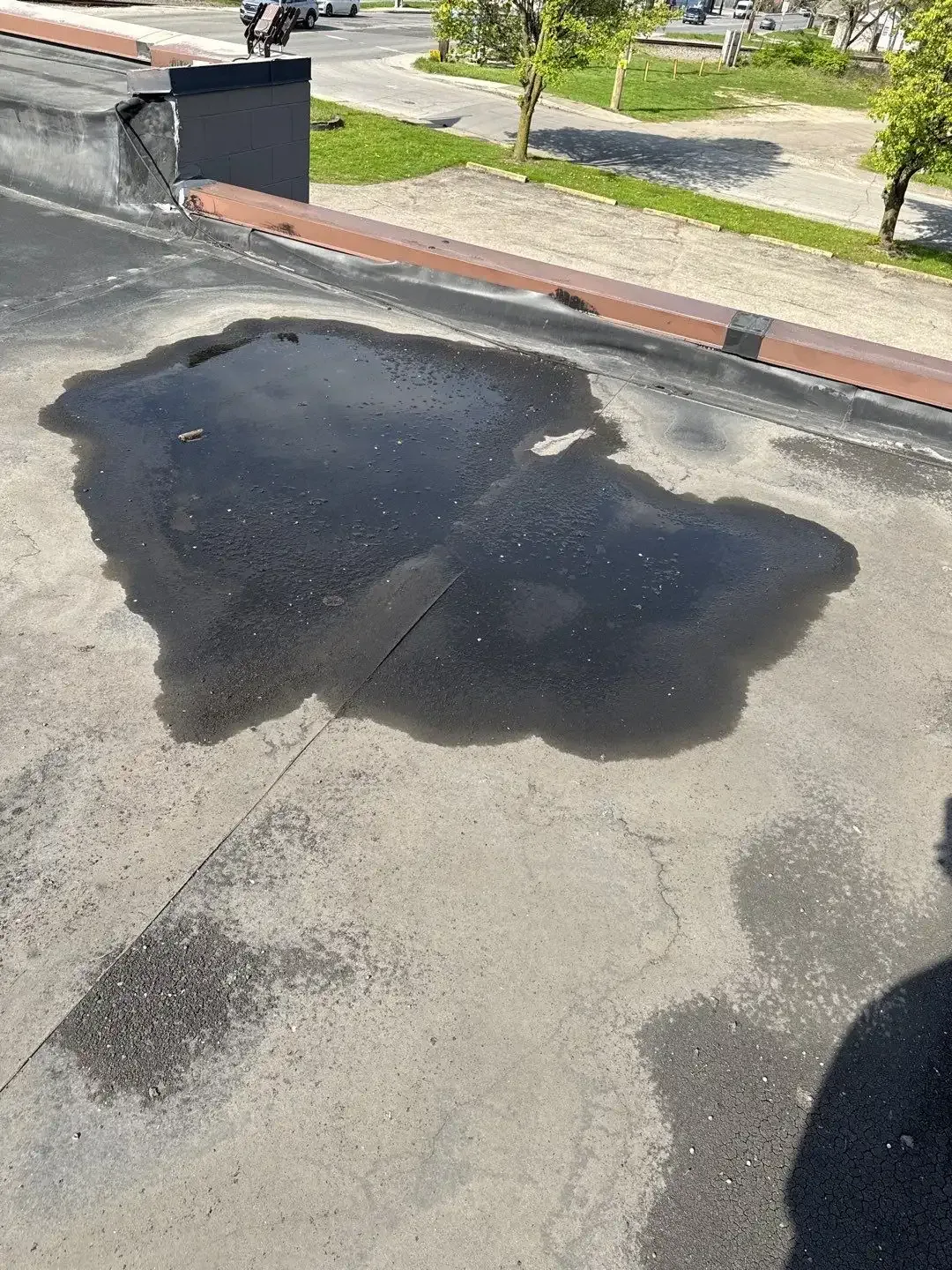
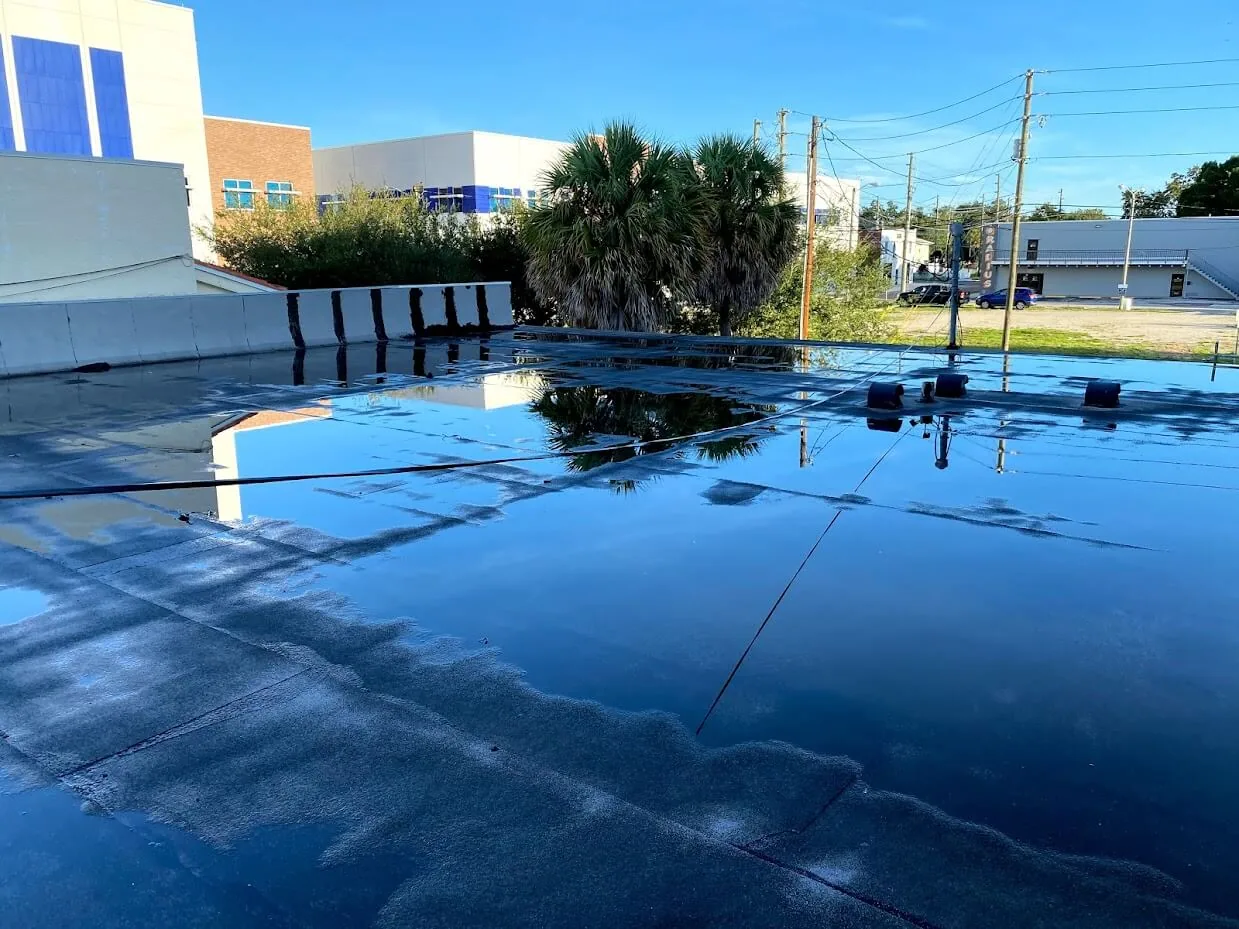
Houston gets roughly 50 inches of rain a year over about 104 rainy days, and June is the wettest month. Under that load a flat roof is only as good as the way it sheds water. Tapered insulation, working drains, overflow scuppers and a clear path to each outlet matter more than the brand on the membrane. Standing water speeds up the aging of the sheet, adds weight and finds every weak seam.
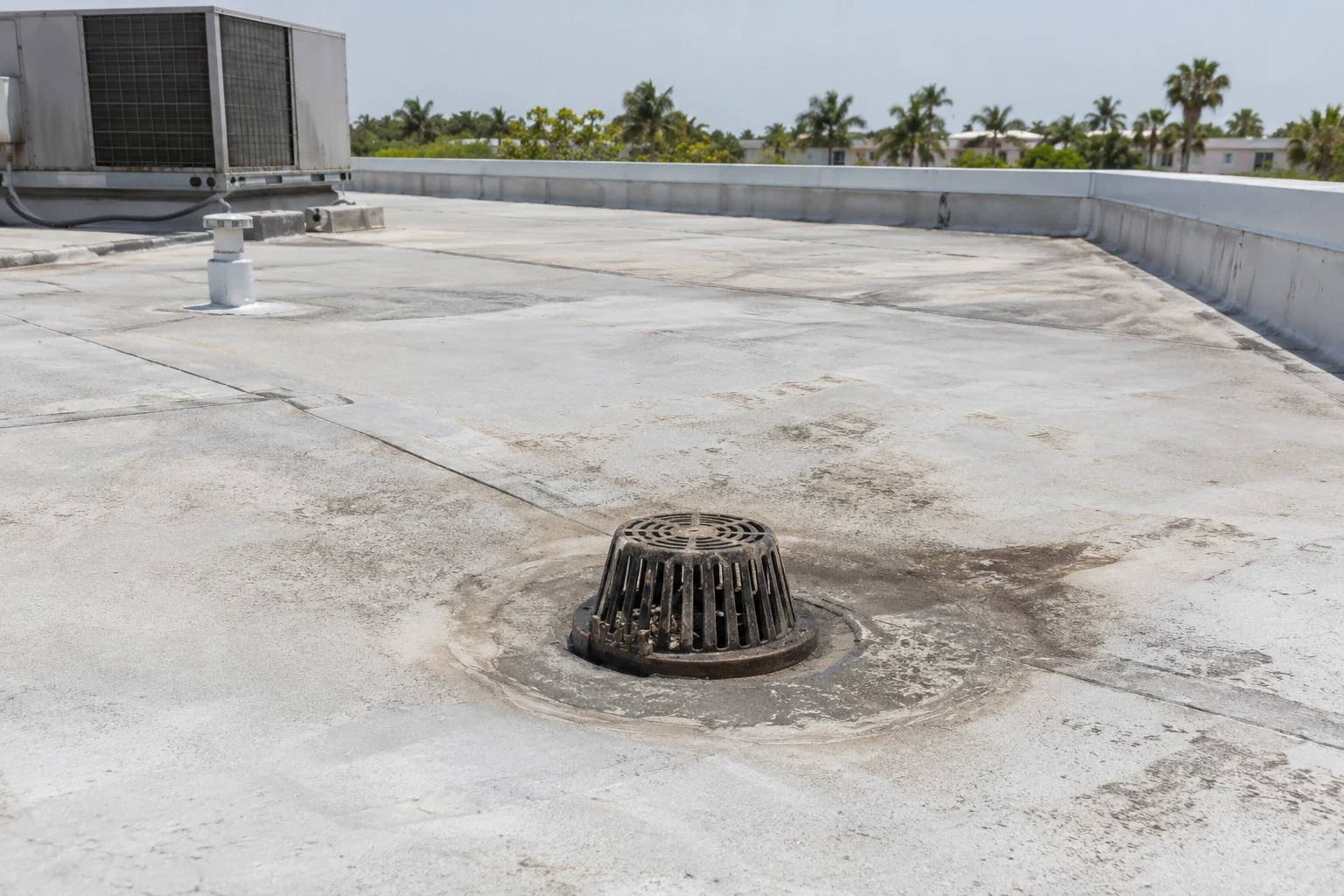
We start a drainage review by looking for ponds that outlast the rain by more than a day, then check the drain bodies, strainers and the lines beneath them. Drain and scupper work is a small job next to replacing a membrane that held water for years. Where a roof cannot be re-sloped, ponding water repair adds crickets and new outlets to move the water off.
Heat is the other half of the picture. Houston's August average high sits near 95 F, with about 102 days a year at or above 90 F, and the same summers bake Friendswood roofs. A reflective membrane reduces the swing between day and night, and fewer swings mean fewer seam failures.
Confirm Which City Holds the Permit
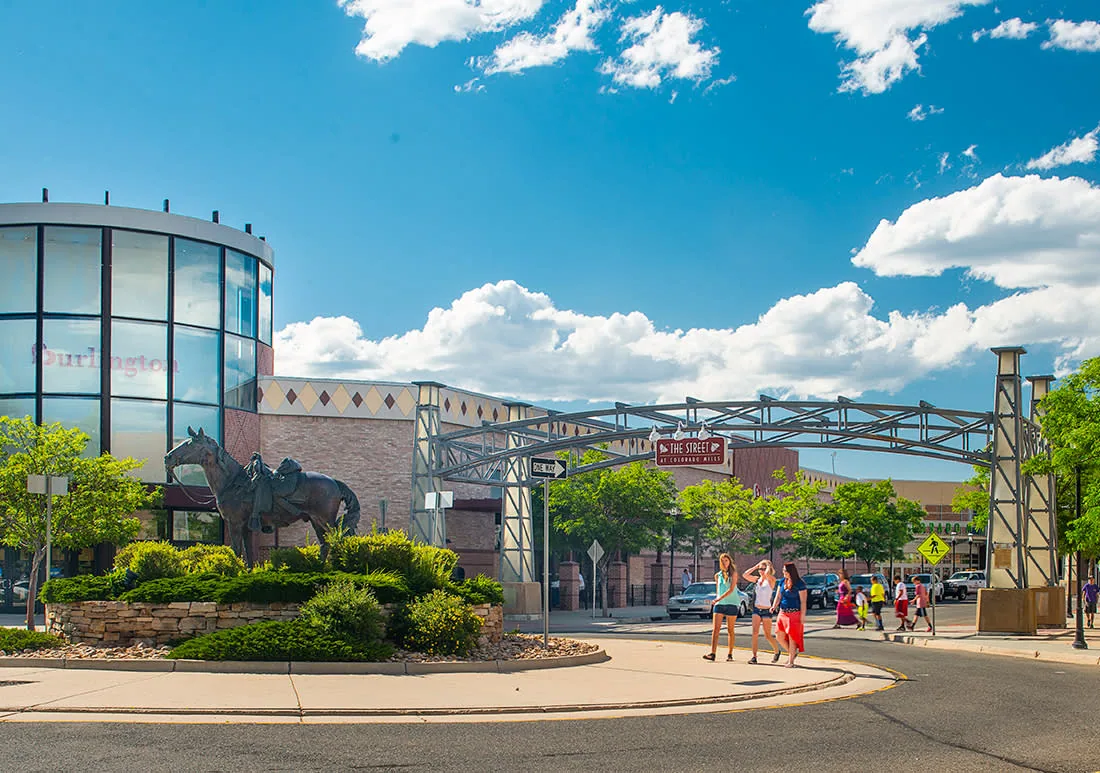
Baybrook Mall carries a Friendswood mailing address even though it lies within Houston city limits. That small fact is easy to trip over on a roof project. A mailing address names the post office, not the building department, and the permit for a reroof comes from whichever city has jurisdiction over the parcel. We confirm that on the first call, because the answer sets the inspection steps, the fees and the timeline.
The same habit helps with energy code. Pasadena's Permit Department, for example, now requires 2024 IECC compliance for remodels and changes that affect energy load. Other cities set their own dates and editions. Before a recover or replacement is priced, we ask the issuing building department what insulation and reflectivity it expects, so the owner does not pay twice for the same roof. The mall district itself, Meadowbrook / Allendale, sits right in that gap between mailing address and city limits.
Sequence the Work Over Occupied Space
A building that keeps customers or tenants inside while the roof is worked above them needs a particular routine. We handle that by opening the roof in strips and closing each strip the same day, by protecting interior floors under any area where fasteners go through the deck, and by running the noisy tear-off at hours that suit the tenants. Each crew member takes a site safety orientation, and anything involving a torch waits on a hot work permit and a fire watch.
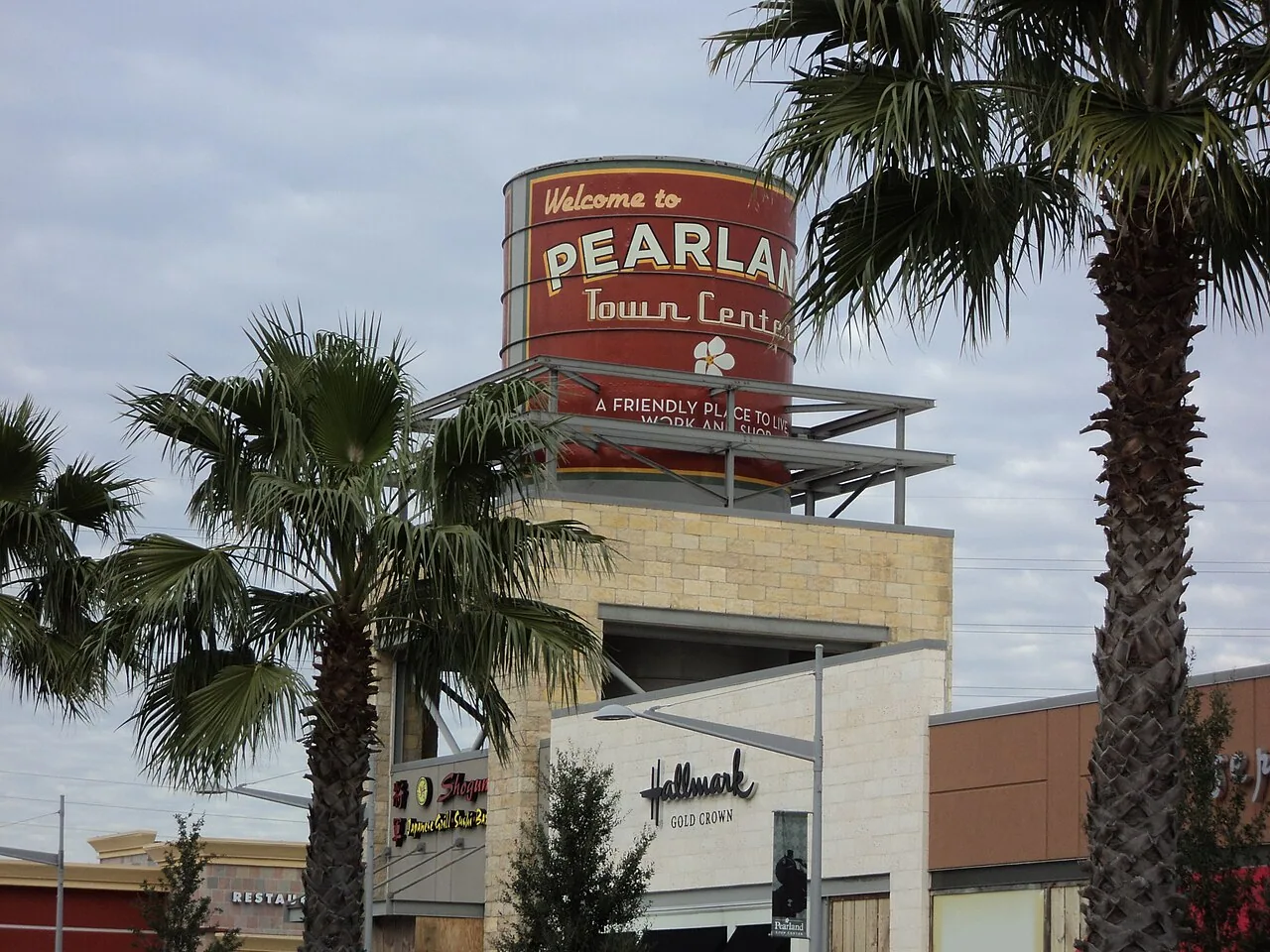
Staging and sequence are the cost drivers owners feel most. A bigger crane, a night shift, a thicker insulation package or a long lead time on a particular membrane each moves the bill. A shopping center with several tenants adds coordination time because each lease has its own rules. Owners in Pearland face the same trade-offs, and we price them the same way: one list, line by line, before work starts.
Commercial Roofing Questions
Our building was raised after the creek flooded. Does that make roofing more expensive?
It can, mostly through access. A higher first floor lengthens the reach, so the crane gets bigger and the staging area has to be protected more carefully. We measure the access on the first walk and price it as its own line, so you can see what the raised floor adds.
After Harvey or Beryl, how do we tell a roof leak from flood water?
Look at where the water shows. Flood water rises from the floor and leaves a line on the walls. A roof leak drips from ceilings and runs down walls from above. A moisture scan of the roof confirms which one you have, and separate photo sets keep the two causes apart for the carrier.
The mall near us has a Friendswood address, but the permit seems to come from Houston. Why?
The address reflects mail delivery, not city limits. Baybrook Mall lies within Houston city limits though it uses a Friendswood mailing address, and permits follow the parcel. Before a bid is final, call the building department that holds the parcel and ask about required inspections.
Ponding keeps showing up after every storm. Is it a drainage failure or a roof failure?
Usually both are linked. A clogged or undersized drain holds water, and water held for days stresses the membrane at seams and corners. We clear and test the drains first. If the water still stays, the deck has settled or the slope was never right, and that calls for crickets or tapered insulation.
Should we repair in sections or replace the whole roof after a hurricane season?
Section repairs make sense when damage is isolated and the insulation underneath is dry. Replacement makes sense when moisture runs across the field or the membrane has aged past repair. The survey results and the roof's age together point to one choice.
Keep Reading
Related Roofing Work in Pasadena
Walk the Site With Us
Call us to walk the building, the ground approach and the tenant schedule together, so the work plan fits how your property runs before the first truck rolls in.