
Property Types We Roof
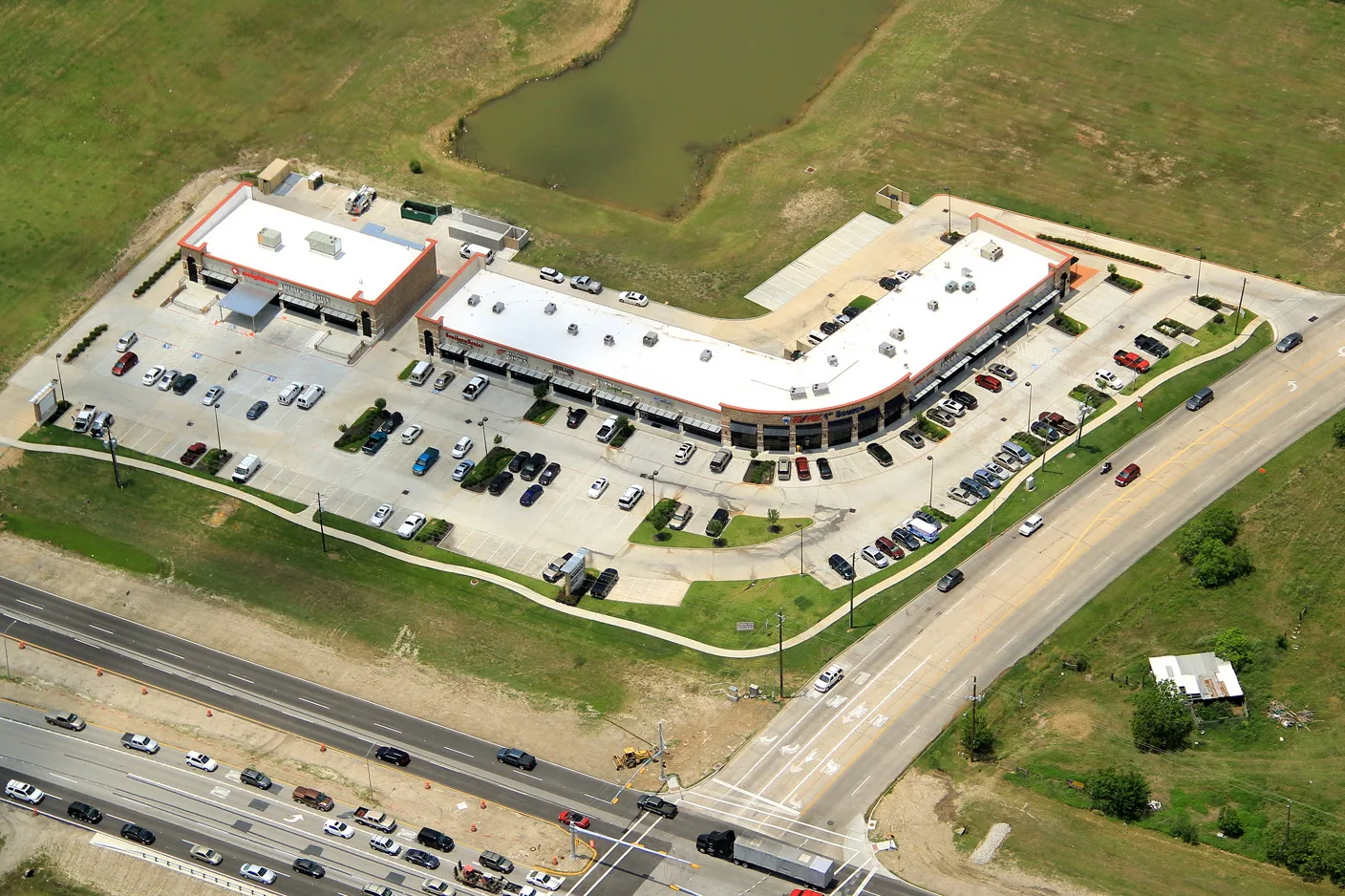
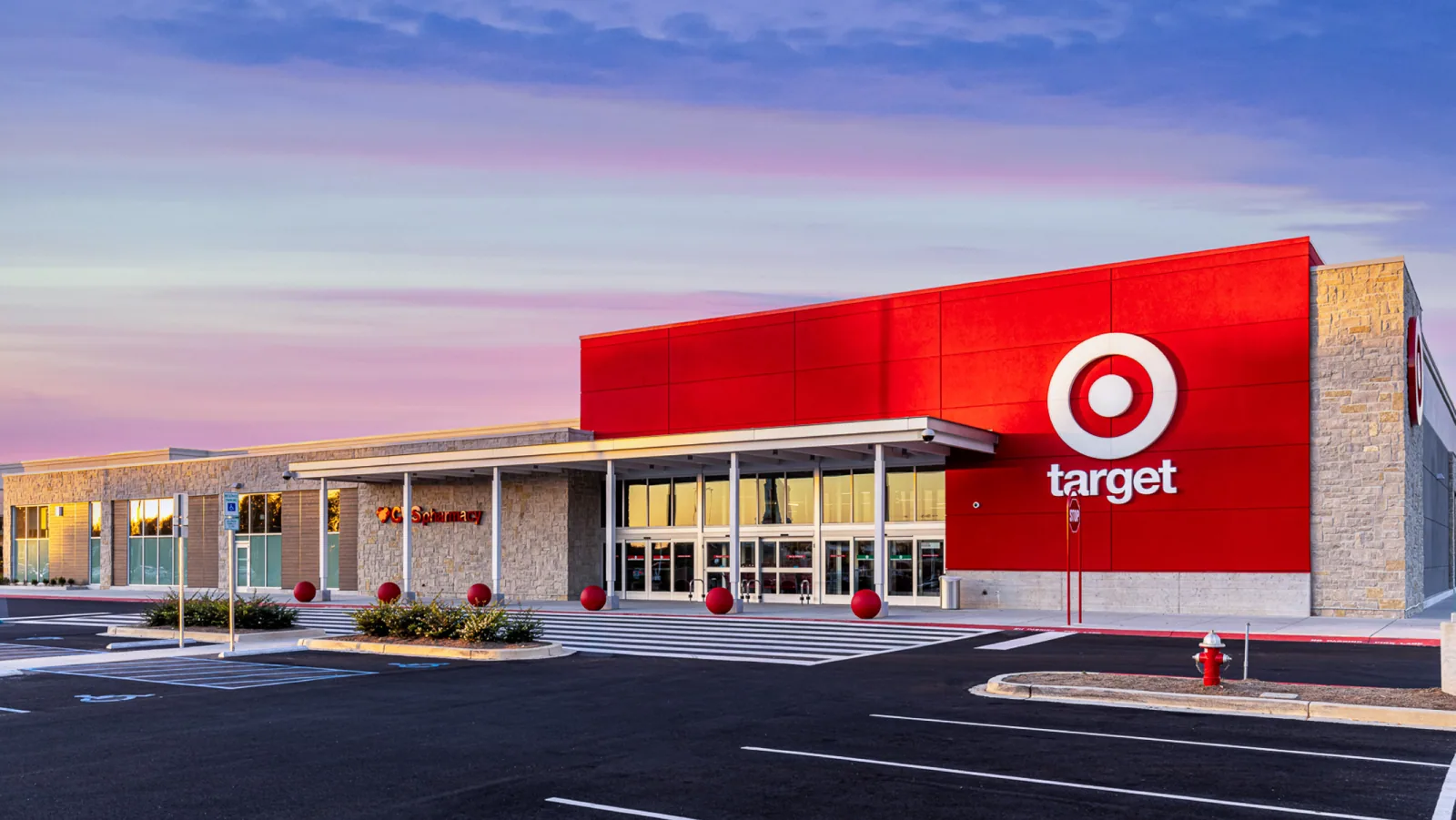
Shopping Center Roofing in Pasadena, TX
One roof, many tenants. A typical strip center might put a nail salon, a pharmacy, a taqueria and a phone store under a single membrane, each with its own hours, its own rooftop exhaust and its own lease language. Customers walk in and out of the same doors the whole time the roof is being worked on. That is the job.
Retail in Pasadena, TX shares its weather with the plants and warehouses: the same Gulf heat, humidity and storm wind work on the commercial frontage along Spencer Highway and the Fairmont Parkway corridor. The scale runs up to Meadowbrook / Allendale, where the mall off I-45 at Bay Area Boulevard holds about 204 retail locations. Whatever the size, a shopping center roof plan has three jobs: protect the sales floor, keep the storefronts open, and leave the property manager with a record that holds up when a tenant calls about a ceiling stain.
Map Every Tenant Penetration Before Pricing the Work
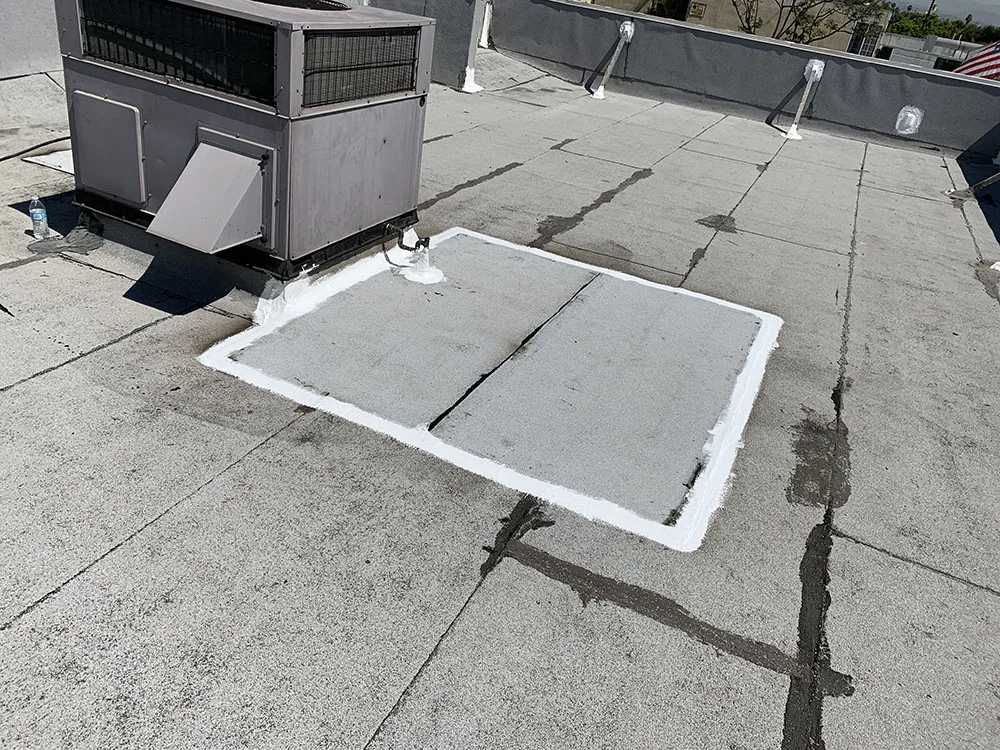
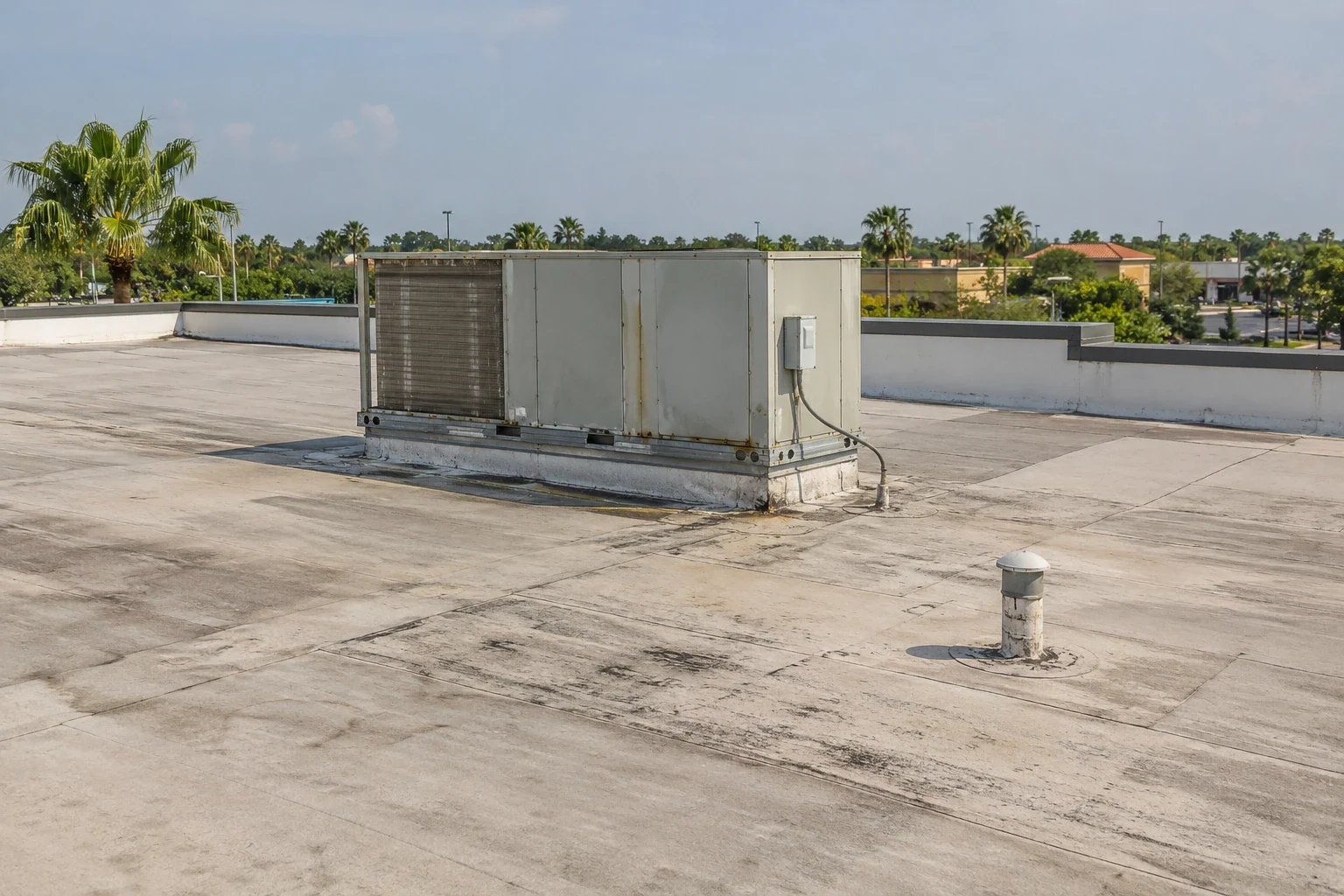
A multi-tenant roof collects penetrations the way a drawer collects keys. Restaurant exhaust fans, kitchen makeup air, rooftop units that were swapped three tenants ago, abandoned conduit, satellite mounts, and sign supports all pierce the membrane, and each was flashed by a different installer at a different time.
Before a bid is final, we walk the whole roof and draw a map of every penetration, noting which ones are live, which are abandoned and which seem to be in the wrong spot. Many commercial roof leaks trace back to one of those details rather than to the field of the roof, so the map often points to the cheapest repair on the property. It also tells the landlord which tenants must be involved when a unit needs a lift or a shutdown.
If a unit has to be disconnected, we schedule it with the tenant, not around them. A restaurant exhaust fan going dark at lunch is a lost day of sales.
Run the Noisy Steps on Night Shift and Before Opening
Store hours differ, but the pattern is predictable. Grocery and pharmacy doors open early, and a grocery store adds refrigeration condensers to the roof as well. Restaurants peak at lunch and dinner, while salons and service shops follow business hours. The loudest roofing steps, such as tear-off, crane picks and deck fastening, go into the quietest hours of the center, which is often early morning or after close.
Delivery windows matter too. Rear service lanes are where trucks back in to unload, and a roofing crew parked there blocks the tenant's supply. We stage material on a part of the lot that the manager approves, mark the truck path in orange and keep a spotter at the corner. If the center has a night shift of its own, such as a restaurant that preps overnight, we ask for its noise limits in writing.
An exterior sequence is built from the back of the building to the front. The back is where the dumpsters, the lift and the haul route live, and the front is the last place a customer should see a crew.
Keep Customers Out of the Path of the Work
The people who matter most on a retail site are the ones who do not work there. A shopper carrying bags should never walk under a crane, a debris chute or a hot kettle.
We close the walkway beneath any active roof section and give shoppers a clear, marked detour. Covered protection goes over the storefront entries where overhead work reaches the edge. Fencing and cones set a perimeter around the lift, and a spotter watches the cart corral and the loading zone while a pick is in the air. Torch-applied methods stay off an occupied center unless the owner, the insurer and the fire marshal all agree, and in most cases a heat-welded or cold-applied system is the better fit, much as it is on a big-box store with a large sales floor below.
Debris leaves the roof in covered bins, not across the lot, and the laydown area is swept at the end of every shift. A tidy site is also a safer site, and tenants notice both.
Sort Out the Cost Between Landlord, Tenant and Insurer
Retail roofs raise a cost question that a plant roof does not: who pays. Triple-net leases often pass roof costs through to tenants in some form, while other leases leave the roof entirely with the landlord. The lease decides who pays, and we give the manager what the lease analysis needs: a clear scope, a defect list, photos, and a separation between repair, restoration and replacement.
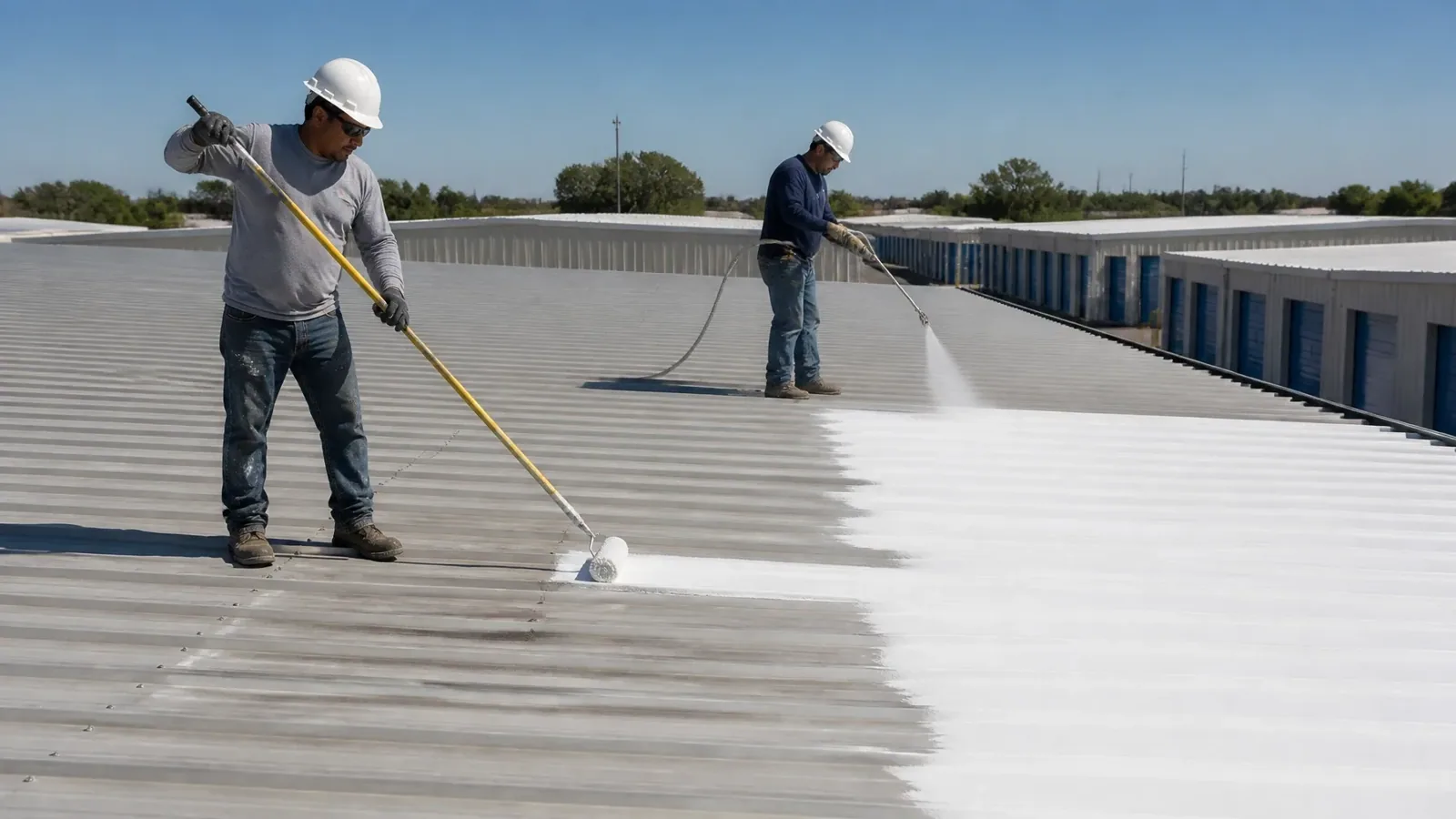
The cost drivers are the same on any building: how much of the roof is wet, how many penetrations need rework, how many sections the center can release at once, and how the edge metal and drains hold up. Roof coating restoration can extend a sound membrane across a long run of retail roof at a fraction of the disruption of a tear-off, but only after a moisture survey shows the insulation is dry.
After a storm, a claim package built from dated photos and a clear scope speeds the adjuster's review. We assemble that package as the work goes, not afterward.
Hold the Parapet, Canopy and Edge Against Gulf Wind
A strip center is long, low and full of edge. Parapets, canopies and storefront overhangs catch wind, and uplift peaks at corners and perimeters. When the January 2023 EF3 tornado crossed Fairmont Parkway, it damaged several businesses along its path. In May 2024 a derecho put winds estimated near 100 mph over downtown Houston, and Hurricane Beryl came ashore near Matagorda that July and passed its eastern eyewall over the Houston region.
The defense is in the perimeter: edge metal that is fastened to current standards, coping that is secured with continuous cleats, and a membrane attached at a pattern that fits the corner and edge zones. Wind damage roof repair after a storm starts with those same details, since a lifted coping cap is how a sheet starts to peel.
Centers east of SH 146 face the extra step of windstorm inspection through the Texas Department of Insurance. We build the closeout record to answer it, with photos of fasteners, flashing and edge metal before they are covered.
Commercial Roofing Questions
Who is responsible for a roof leak over one tenant's suite?
That is set by the lease, not by the leak. The landlord, the tenant or a common-area fund may each be responsible depending on the cause. A leak at a rooftop unit the tenant installed reads differently from a failed seam in the field of the roof, and a photo record helps a manager place the cause fairly.
Will the pharmacy and the restaurants have to close while the center is reroofed?
Not with a section schedule each tenant has agreed to in advance. Storefront entries get overhead protection, loud steps shift to off-hours, and every business knows its window before the crew mobilizes. Tenants with the least tolerance for disruption, such as a restaurant or a clinic, are briefed first.
How do you handle restaurant grease on a shared roof?
Grease degrades many membranes, so we look for staining near kitchen exhausts and plan around it. Drip containment, curbed fans and a membrane that resists oils are the usual remedies. Where a fan has been spilling for years, we often replace the surrounding sheet rather than patch it.
Should a center repair, coat or replace an aging flat roof?
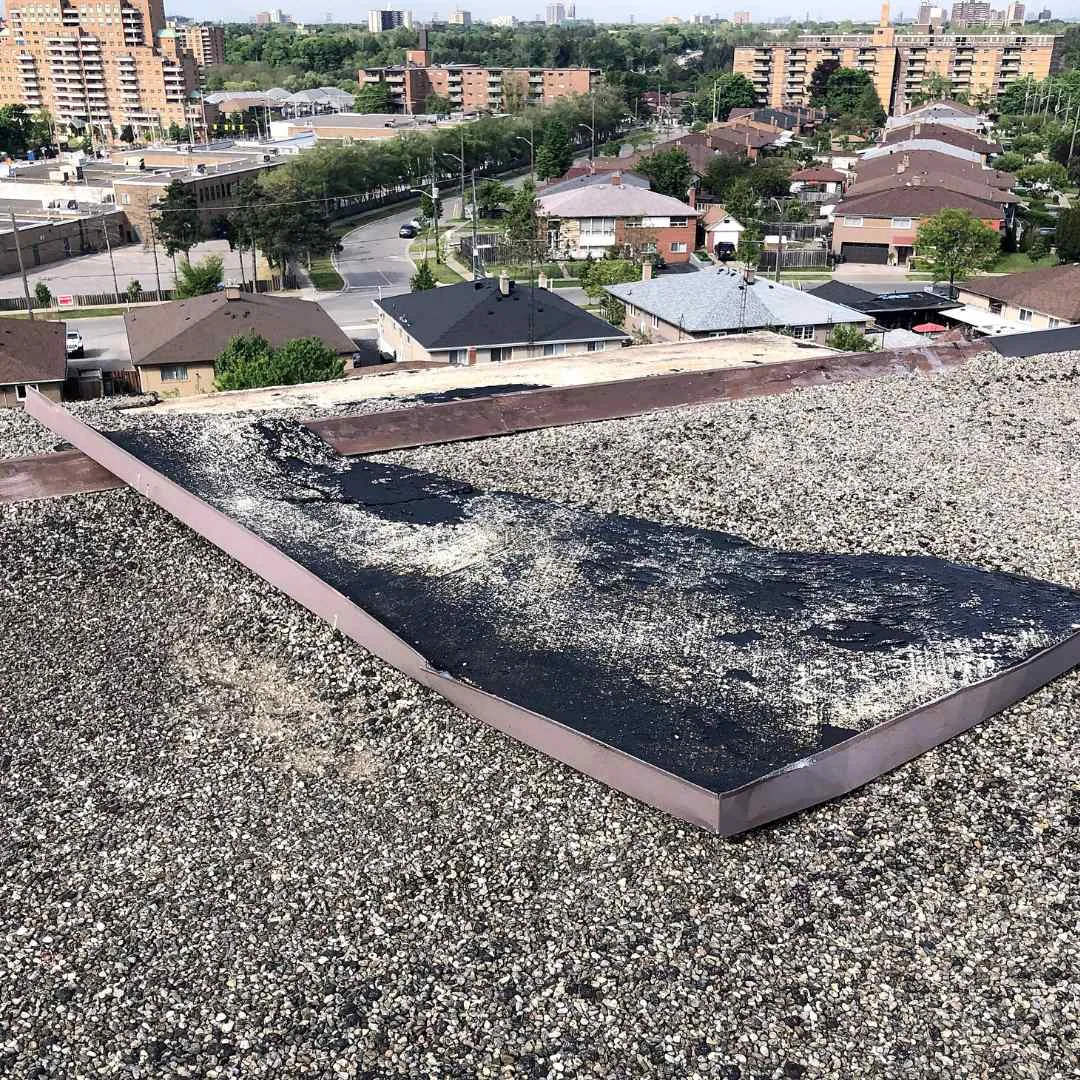
The moisture survey makes the call. If the insulation is mostly dry, a repair or a coating can extend life across the whole center. If the survey finds wet areas spread through the roof, replacement of those areas or the whole roof is the sound path. Photos and core samples back the recommendation.
Which paperwork speeds up the bid on a multi-tenant center?
The tenant list with hours, any roof drawings, the warranty file and the last few service records. Add contact names for restaurants and any other tenant with rooftop equipment. With that in hand, the work plan, access routes and shutdown windows can be set before material arrives.
Keep Reading
Related Roofing Work in Pasadena
Walk the Center With Us Before Opening
Send us the tenant list and the hours each business keeps. We will walk the property with your manager, map the penetrations, and write a work plan that keeps every storefront open.