Property Types We Roof
Aircraft Hangar Roofing in Pasadena, TX
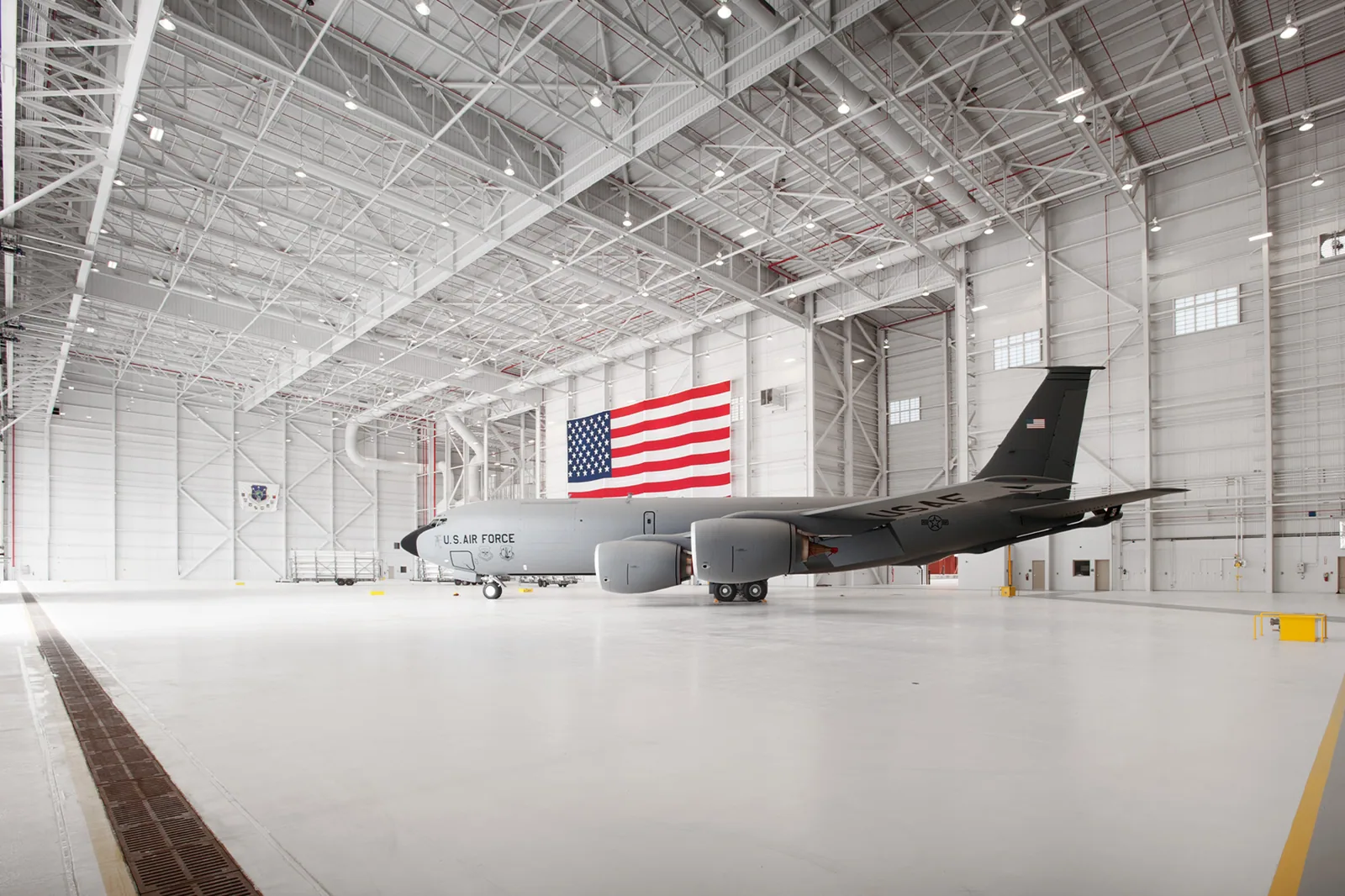
A hangar keeps time by its doors. The tug pulls an aircraft out at first light, pushes another one in before dark, and in between a maintenance crew works under the roof with an airframe on jacks and an engine open on a stand. Nothing in that routine tolerates a drip. A hangar roof is part of the aircraft's protection, and it has to be repaired by people who understand how the building is used.
The aviation buildings nearest Pasadena, TX sit at Ellington Field, about 7 miles south-southeast, where the 147th Attack Wing flies its MQ-9 mission around the clock and Coast Guard Air Station Houston launches helicopters along the coast. Civilian aviation fills in the picture: Alvin hosts NASA's T-38 jets and the Lone Star Flight Museum, William P. Hobby covers 1,304 acres, and La Porte Municipal Airport sits inside the city of La Porte. We plan hangar roofs with the airfield first and the roof second.
Plan Around the Door, the Tow Path and the Aircraft Inside
We start the plan on the apron. Which door opens first, where the tow path runs, which bay holds aircraft that cannot be moved and when the maintenance shift changes all affect where the lift sets up and when the crew may work. In a working hangar, the roof sections over active bays go in last or at night, while the sections over storage or an empty bay go first.
Inside, the aircraft and the shop equipment get covered before any deck is opened, and the crew works in sections small enough to close at the end of a shift. Debris is a hazard in aviation in a way it is not elsewhere. Every fastener, cut-off and scrap of membrane that falls to the ramp is a danger to an engine, so the crew sweeps with magnets, nets and hand tools at the end of each day. That discipline is part of the scope, not an afterthought.
Respect the Long Span and the Door That Opens the Wall
A hangar is an uncommon building: one huge room with a roof carried across a wide clear span and a wall that can open to the weather. The structure above is often a truss or a frame, with a lighter deck than a warehouse roof. Any change to the roof, whether an overlay, a heavier insulation or a rack of rooftop equipment, is checked against what the framing can carry before the work is priced.
The big door matters to the roof. When it stands open in a storm, wind can pressurize the interior, pushing up on the underside of the deck at the same moment it lifts the outside. That is why edge metal, deck attachment and panel clips on a hangar deserve attention beyond the field of the roof. Where the existing roof is metal, standing seam metal roofing or a metal roof retrofit handles span and uplift with concealed fasteners and few penetrations, which also reduces what can work loose.
Control Fire, Foam and Fuel Around Every Hot Work Permit
Aircraft hangars store fuel, solvents and sometimes fire suppression foam, so the rules for hot work are strict. A hot work permit, a fire watch that outlasts the work by a defined period and a hold on torch application near open fuel are standard. Inside the City of Pasadena, the 2024 International Fire Code took effect on January 19, 2026, adopted by the council on October 21, 2025 together with NFPA 101. At a military or federal installation the base fire marshal sets the rules, and we follow them.
Suppression systems also tie into the roof. Detection devices, foam nozzles and piping hang from the structure we are working on, and a careless fastener can strike a line or set off an alarm. We locate the systems before we open a section and walk the plan with the fire protection contractor. Cold-applied adhesives and mechanically attached assemblies are the usual choice, since they keep open flame away from the building.
Fit Cranes, Badging and Escorts Into the Airfield Rules
An airfield changes how any construction job runs. A crane near a runway needs coordination with airfield operations, and its height, its swing and its working hours have to be approved. On a military installation, the crew goes through base access: badging, vehicle inspection, escorts in controlled areas and restrictions on cameras and phones. These rules apply to the Air National Guard and Coast Guard facilities at Ellington, and a roofing plan has to account for them in the schedule.
We submit the crew roster early, schedule deliveries for the hours the gate staff can process them, and keep a supervisor with the radio at all times. Hangar work on a base follows the access pattern of military installation roofing generally, and the buildings themselves, whether military hangars and maintenance facilities or a Coast Guard station, share that access discipline with civilian aviation tenants.
Read the Hurricane Record Before Choosing the Roof
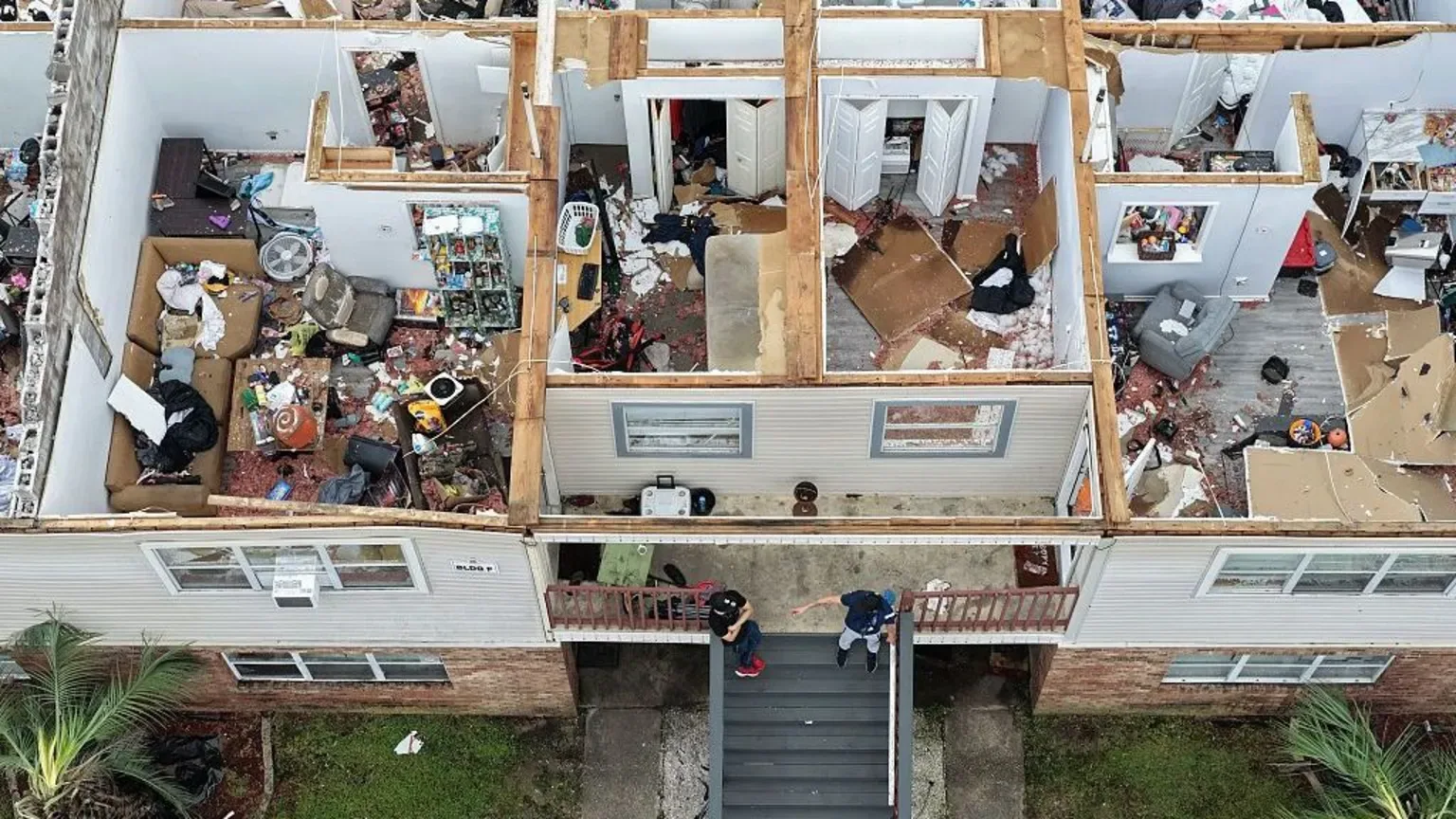
Hurricane Ike in 2008 damaged the roofs of several hangars that house NASA's T-38 jets at Ellington, a reminder of what a Gulf storm can do to an aviation building. Coast Guard Air Station Houston flew more than 3,000 rescues in Hurricane Harvey, and the 2024 derecho and Hurricane Beryl showed how quickly a storm changes what an operations manager needs from a facility. A hangar roof that fails in a storm can leave aircraft exposed when they are most needed.
Storm response on a hangar starts with hurricane damage roof repair that dries the structure in and protects what is inside, then moves to the permanent repair. Older hangars deserve a structural look before an overlay, because buildings from earlier decades were designed for different loads, and a roof recover may or may not suit them. A survey finds that out before anyone orders materials. Aviation buildings around Park Place face the same Gulf weather and the same need for a clear plan.
Commercial Roofing Questions
Can maintenance continue in a hangar while the roof overhead is replaced?
Often it can, with limits. Active bays get overhead protection, work above them runs in short sections and the loudest or riskiest steps move to shifts when the bay is empty. The aircraft under the section tell us how aggressive the sequence can be, so the maintenance lead has a say in each day's plan.
Why do hangars call for more care with fasteners than other roofs?
A loose screw on a ramp can be drawn into an engine, so every fastener and offcut is counted and swept. We use magnet sweeps and daily walkdowns, and we bag debris at the point of cut. On an airfield, housekeeping is part of the job, and it gets checked.
Does a hangar roof need special wind detailing near the Gulf?
Yes, because an open door lets wind act on both sides of the roof. The edge metal, the deck attachment and the panel clips deserve upgraded detailing, and anything east of State Highway 146 is in the Texas Windstorm Insurance Association area, where roof work must pass a Texas Department of Insurance windstorm inspection.
What should we check before putting a new layer over an older hangar roof?
Look at the framing, the existing layers and the moisture under the surface. Hangar structures are often built for lighter loads than modern buildings, and an overlay adds weight. A core cut and a framing review give an engineer what is needed to approve or decline a recover.
How do you schedule work around flight operations at a base?
The operations office controls it. We submit crane plans, delivery dates and the crew roster, then work inside the windows the base grants. Missions change with little warning, so the plan carries backup days and the supervisor stays in radio contact with the operations desk.
Keep Reading
Related Roofing Work in Pasadena
Walk the Hangar With Your Operations Lead
Bring the facility manager, the maintenance lead and the airfield access contact. We will walk the apron, the doors and the roof, and write a work plan that keeps the aircraft protected and the flight schedule intact.