Property Types We Roof
Coast Guard Station Roofing Near Pasadena, TX
A Coast Guard air station is built to launch into the weather everyone else is sheltering from. The hangar doors open when the barometer drops, the ready room fills, and the roof over both has to keep working while the storm does its worst. Coast Guard Air Station Houston sits at Ellington Field, roughly 7 miles south-southeast of Pasadena, TX. Three MH-65E Dolphin helicopters cover the coast from Matagorda Bay, Texas to White Lake, Louisiana, and the station flew over 3,000 rescues in Hurricane Harvey.
For a roofer, that record sets the standard. A leak is not a maintenance ticket at a station like this. It is a risk to the aircraft, the gear and the people who go out when everyone else comes in.
Keep the Work Zone Clear of the Duty Aircraft and the Alert Crew
Readiness comes first on every day of a roofing job. The plan fixes where the lift sets up so it never blocks a hangar door, where the crew parks, and how work stops the instant an alert comes in: tools stowed, openings covered, ladders pulled, a named person on the radio with the operations desk. Nobody on the roof stands between a helicopter and the sky.
Roof sections over the hangar bay and ready room are scheduled last on any day with weather in the forecast. Smaller sections go first, and each one closes before the shift turns over. For emergency work, emergency roof repair follows the same stand-down rules, which is why we agree on the hand signals and the radio channel before the first piece of membrane is cut.
Material staging follows the same rules. Pallets sit away from the apron and fuel points, the laydown area is fenced, and deliveries arrive on a schedule the station approves, so a truck backing in never meets a tow tractor coming out. The membrane is a short list of steps. The coordination around it is the longer one.
Survey Each Hangar as the Product of Its Own Decade
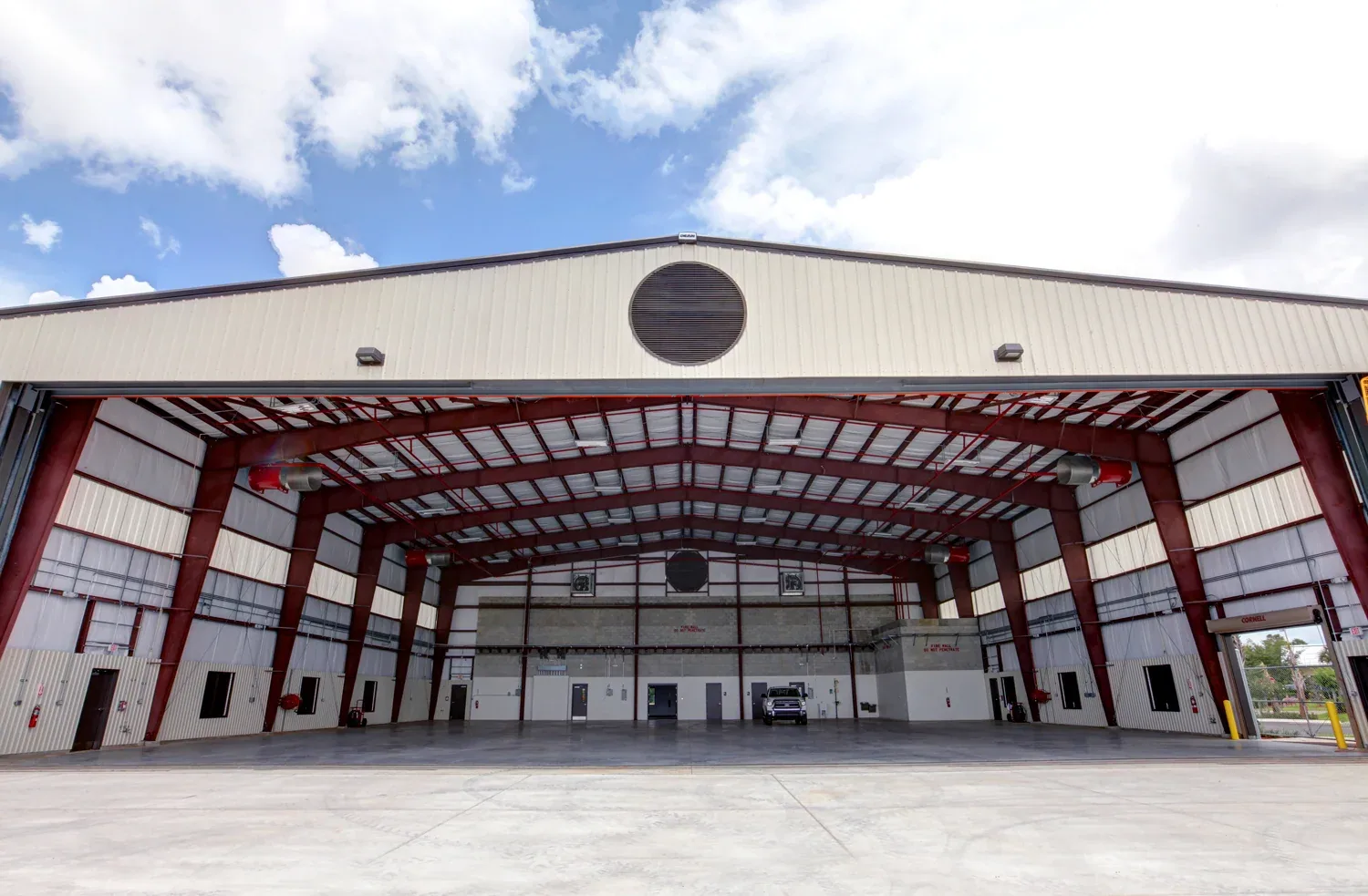
The station's first home was a 24,000 square foot hangar from 1942; a newer one was begun in 1985 and occupied in May 1987. Buildings put up decades apart rarely share a deck, an insulation package or flashing methods, so a survey on a field with that history treats each building as its own roof and finds out what it carries by putting a hand on it.
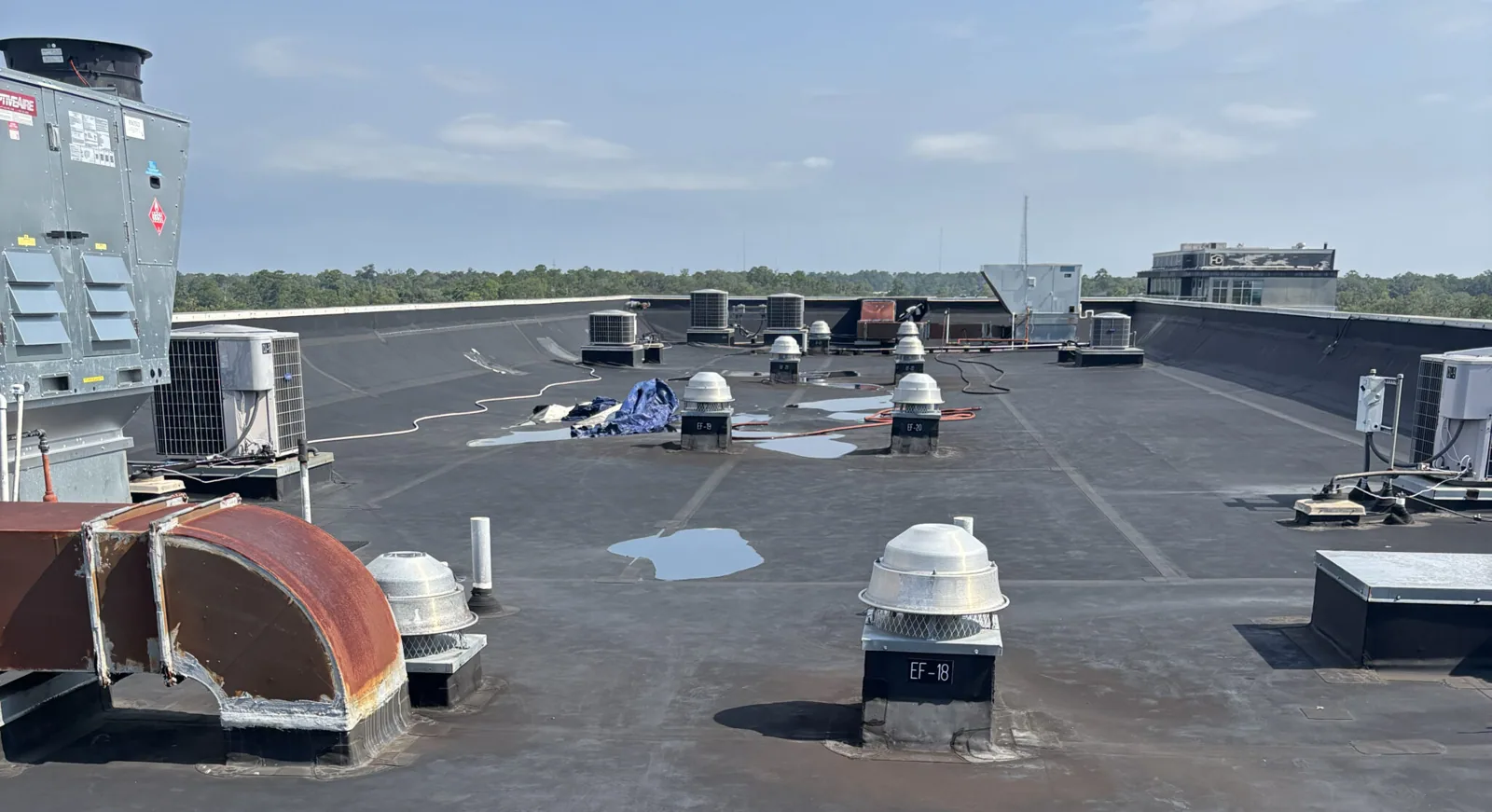
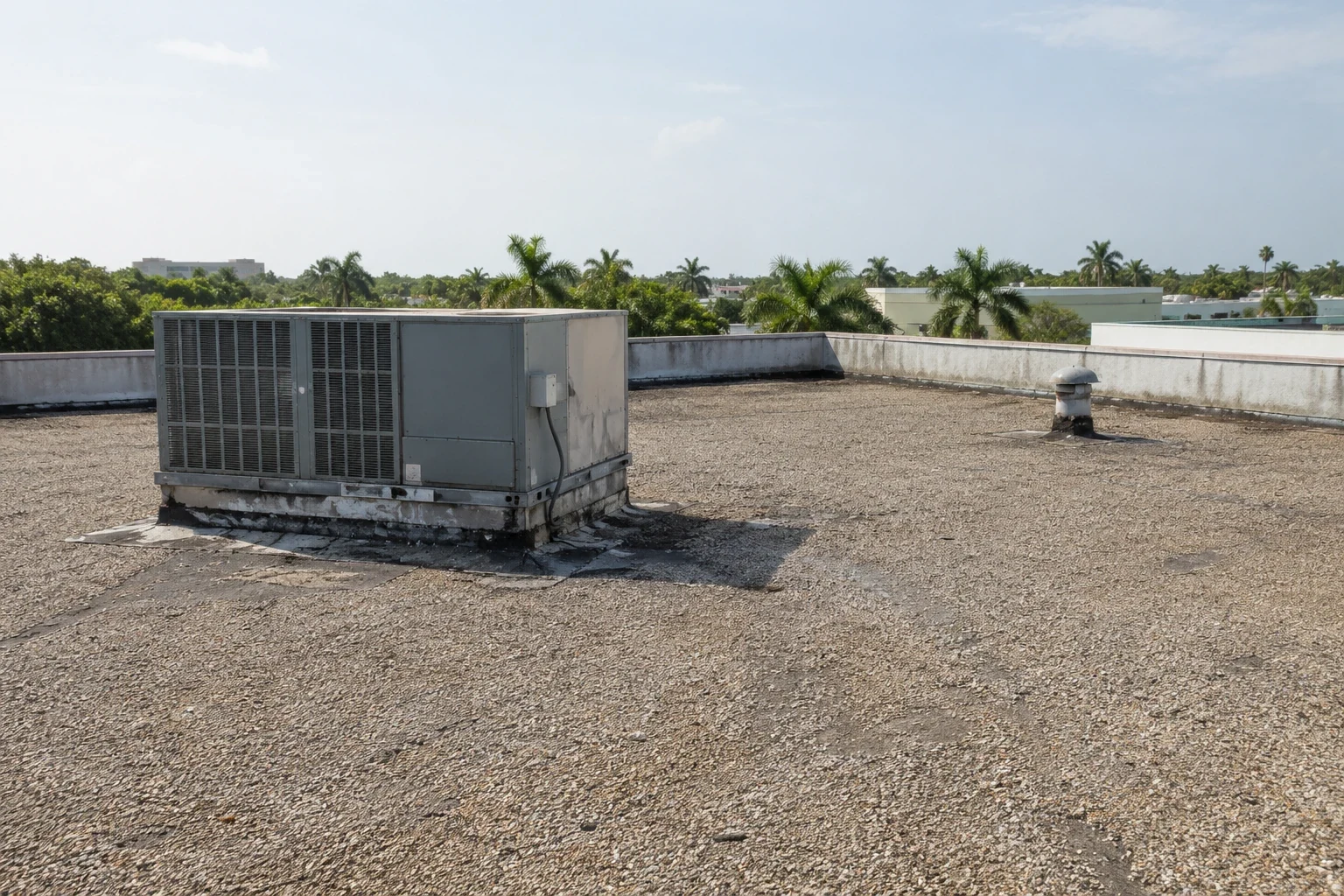
That means a hands-on walk, core samples where moisture is suspected and a review of past repairs. Where a built-up roofing assembly turns up wet, repairs or a recover can stretch its life, and where a newer membrane is sound, the work narrows to seams, flashings and drains. On the long span and door line, aircraft hangar roofing practices guide the detailing, and every finding goes into a photo record the station can keep.
Pin Down Loose Material Against Rotor Wash
Helicopter downwash near an apron or hangar is a wind source that nobody forecasts. It lifts loose gravel, scraps, poorly secured flashings and the corner of a membrane that has started to peel. On a roof close to operating areas, we remove loose surfacing, tighten every termination and keep staged material strapped down all day, because anything that blows off a roof in downwash ends up on the ramp or in an engine intake.
The same discipline applies to the edges. Perimeter securement gets extra fastening, sealed coping joints and a visible check at the end of each shift. A dropped fastener on the ground is not just litter. It is foreign object debris that gets swept with magnets, counted and logged, so the apron is as clean at dusk as it was at sunrise.
Protect Waterfront Buildings From Corrosive Bay Air
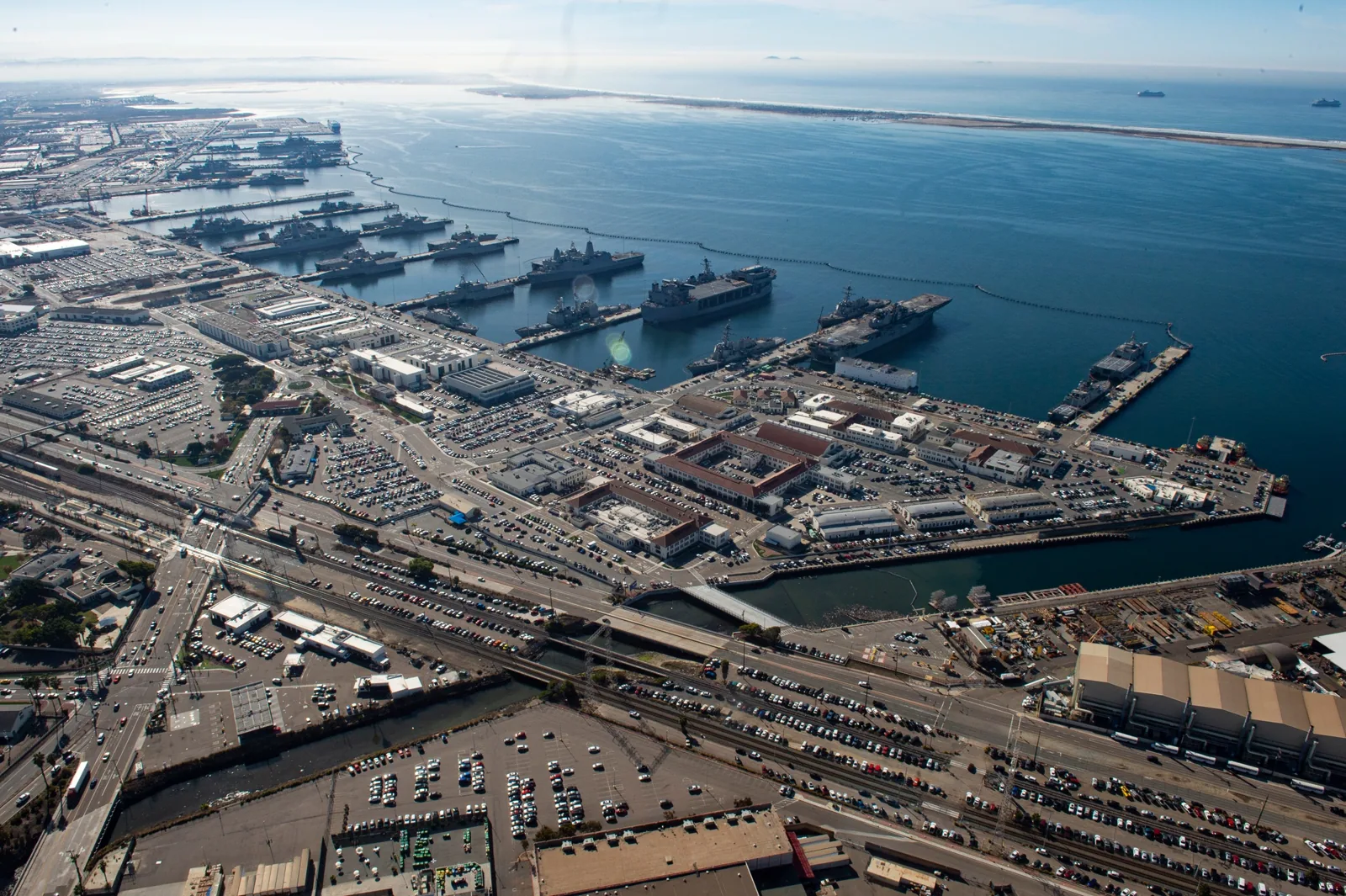
Coast Guard buildings do not all stand on an airfield. A Coast Guard building near the water breathes the same humid, corrosive air as the marinas at Seabrook and the shrimp fleet at Kemah, and the rust shows first at fasteners, coping, scuppers and equipment supports. Seabrook is about 75 percent water by area, so the bay is never far from a roof there. The same air works on naval facility roofs beside the bay.
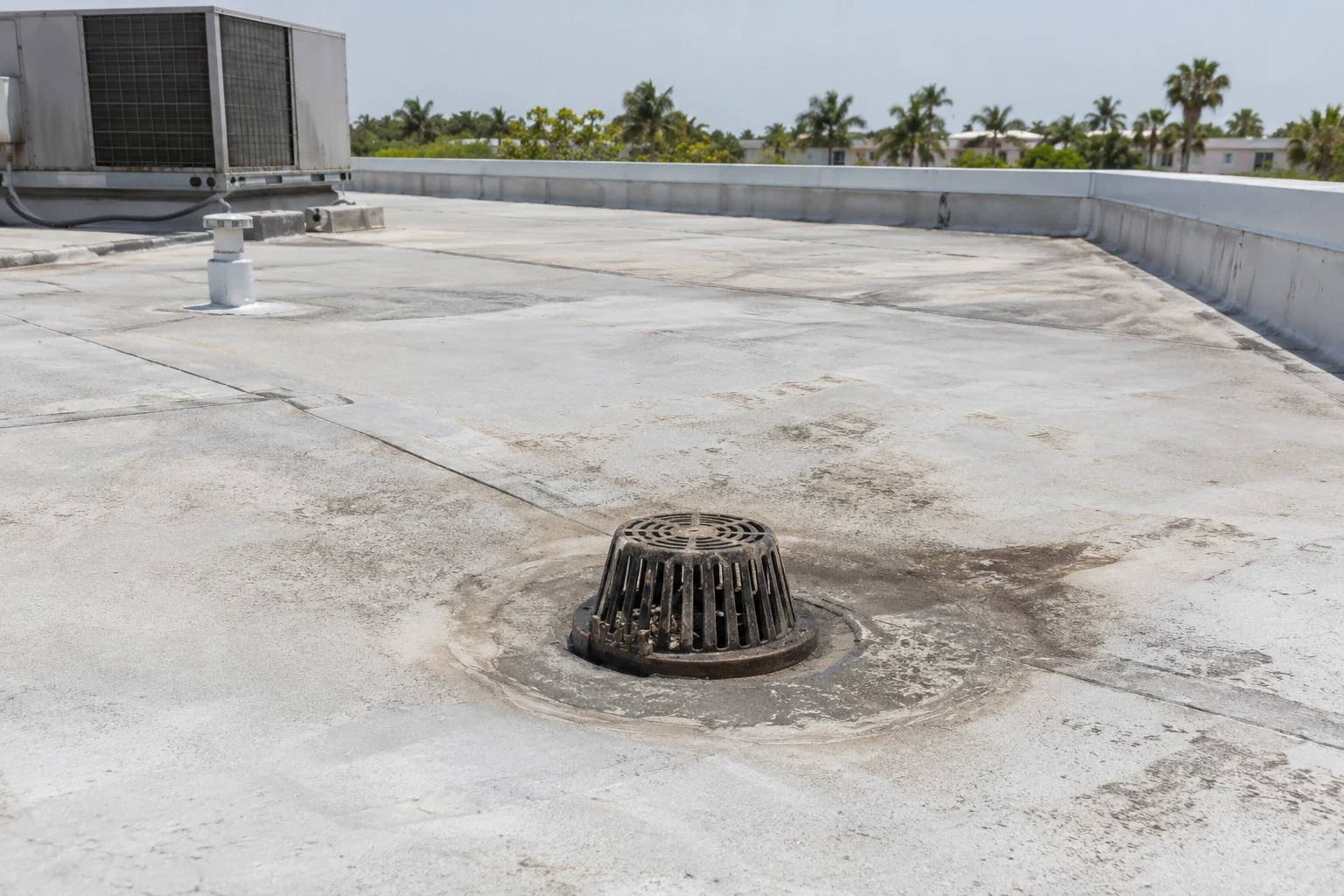
For that air we choose stainless or coated fasteners, factory-finished metal and sealants that stay flexible when damp. Rooftop equipment sits on curbs with isolation pads so dissimilar metals do not touch, and roof drains and scuppers are cleaned and checked before the wet season. Where a roof is nearing the end of its life but still dry, we photograph every metal detail so the next inspection can measure the change.
Finish Before Hurricane Season Starts and Stay Ready Through It
Harvey in August 2017 dropped more rain than any other tropical cyclone on record in the country, Ike in 2008 followed the east side of Houston up the shore of Galveston Bay, and Beryl's eastern eyewall crossed the Houston region in July 2024. A station that flew over 3,000 rescues in Harvey needs a roof that has already been inspected, drained and secured before the warning comes.
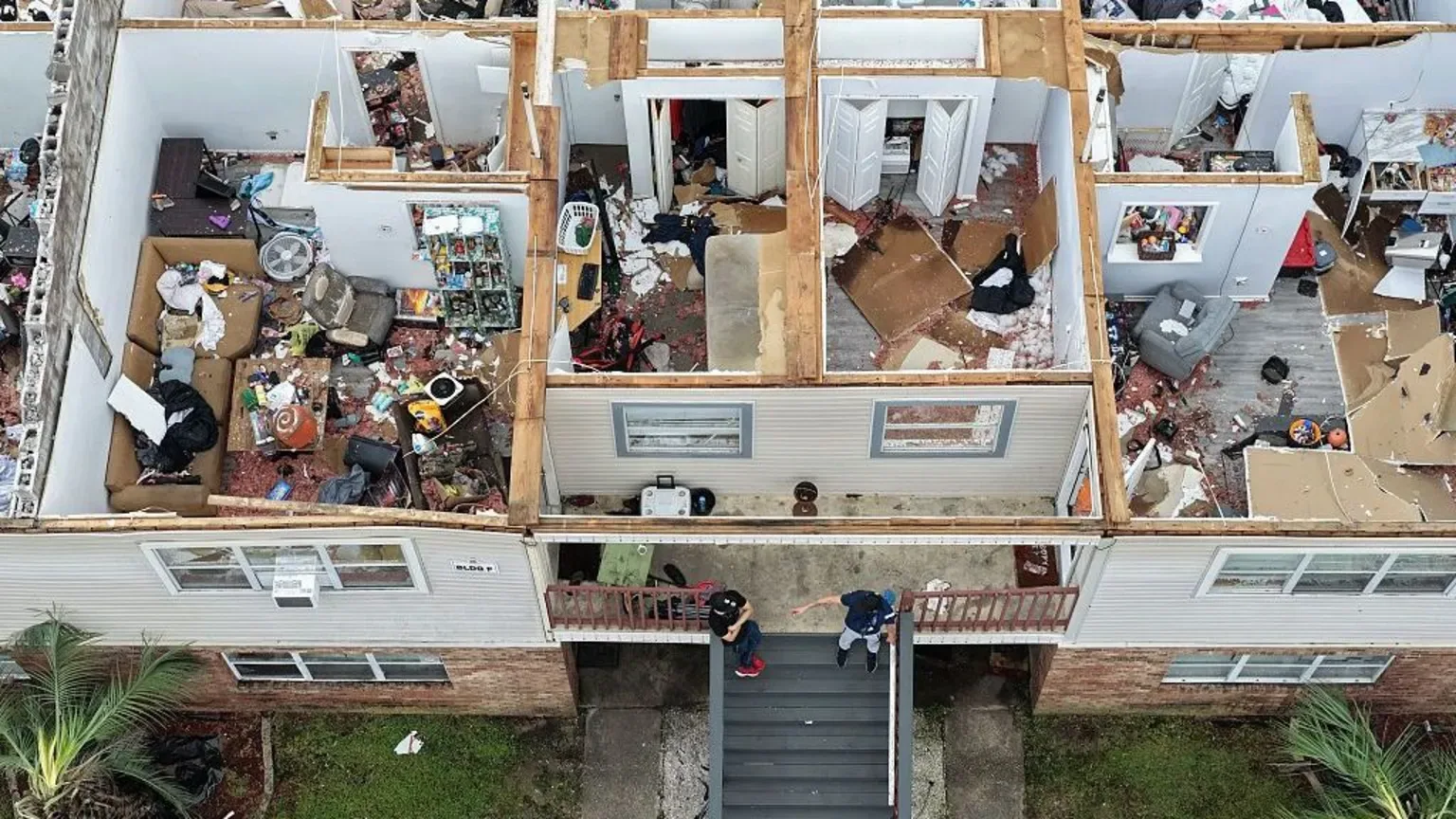
We plan the season in advance: repairs and edge work finished by early summer, drains cleared, equipment strapped, and a standing call-out arrangement for post-storm checks. After a storm, hurricane damage roof repair starts with photographs of the edges and openings, then temporary dry-in where needed, then permanent repair. Neighbors on the civilian side, Alvin, live under the same coastal weather.
A station roof plan should protect readiness as carefully as it protects the building. Identify alert spaces, hangar doors, communications equipment, and the routes needed by duty crews before staging a lift or closing an entrance. Secure materials and tools against wind and rotor wash, and agree on who can pause work if operations change. For waterfront structures, document corrosion at metal edges and fasteners separately from membrane wear. Keep weather protection ready for any roof section opened during the shift. The closeout file should identify the completed zones, temporary measures removed, and any remaining repair recommendation so the station can keep its maintenance plan current.
Commercial Roofing Questions
What happens to roof work when an alert launches the crew?
Work stops, tools come off the roof or get secured, open areas are covered and the crew clears the lift path. We write that stand-down into the plan and rehearse it with the operations desk, so a launch never waits on a roofer.
How can helicopter downwash affect a roof repair?
It acts like a gust at ground level, and it can lift loose material or a lightly fastened edge. We remove surface gravel and scrap near operating areas, tighten terminations and strap down staged material for the entire working day.
Do hangars built in different decades need different repair methods?
Yes, because the deck, insulation and membrane differ from one era to the next. A survey with core samples and a review of past repairs identifies what each roof actually contains, and the repair method follows from that rather than from a single standard detail.
Which metals hold up best on a roof near Galveston Bay?
Stainless fasteners and factory-finished panels resist the humid, corrosive air best, with dissimilar metals kept apart by isolation pads. Plain galvanized parts tend to show rust first at cut edges, so those are the ones we inspect and replace early.
When is the best time to inspect a station roof before hurricane season?
Late spring, ahead of June, the wettest month, and the first named storm. That leaves time to fix what the inspection finds, clear the drains and strap down equipment, with a few clear weeks to spare for items that need a crane.
Keep Reading
Related Roofing Work in Pasadena
Walk the Hangar and the Ready Room With Us
Bring the alert schedule, the building list and the access rules. We will walk the roofs with your facilities lead and write a plan that keeps the crew ready and the building dry from the first morning of work.