
Roof Systems
Standing Seam Metal Roofing in Pasadena, TX
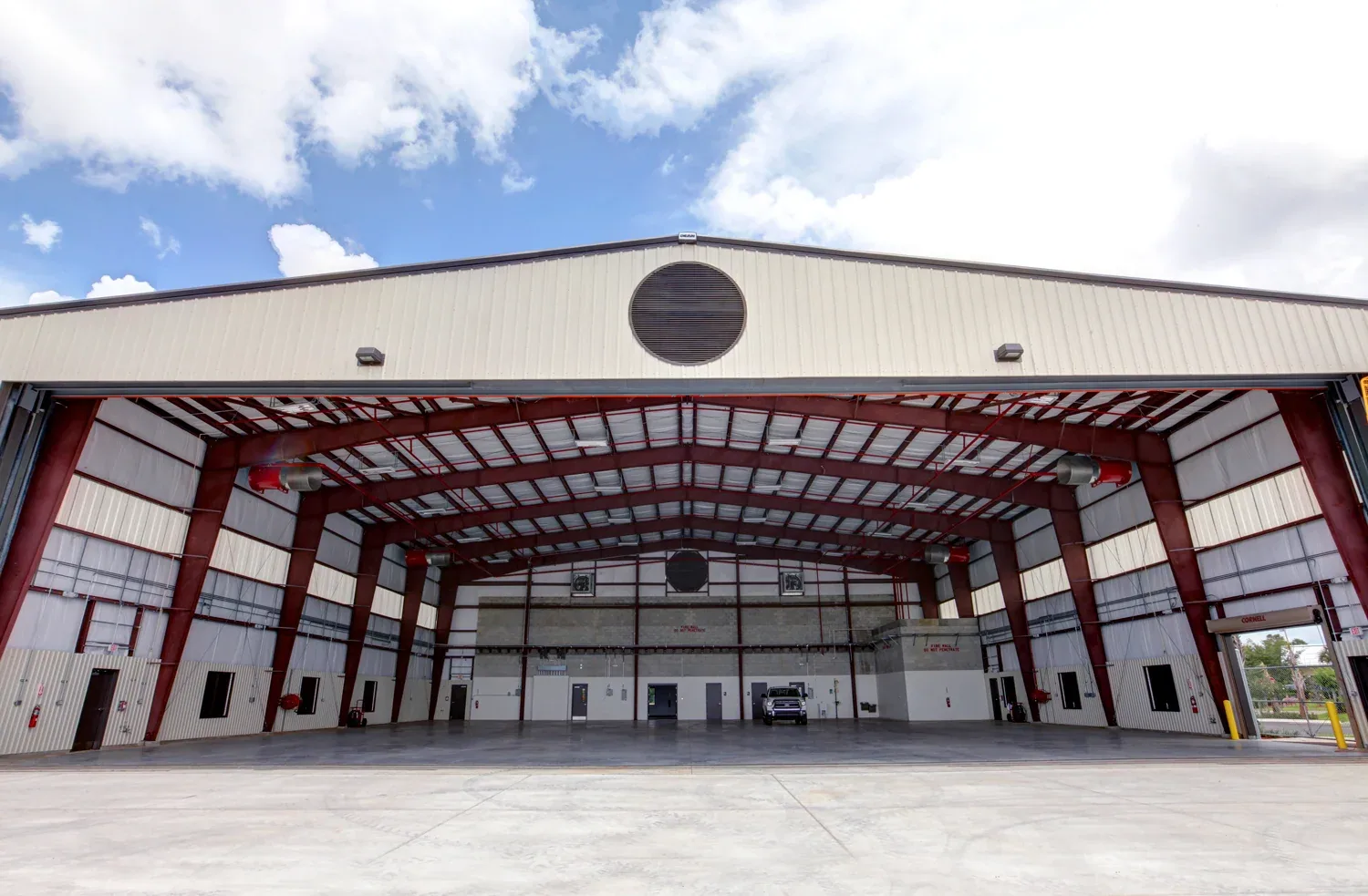
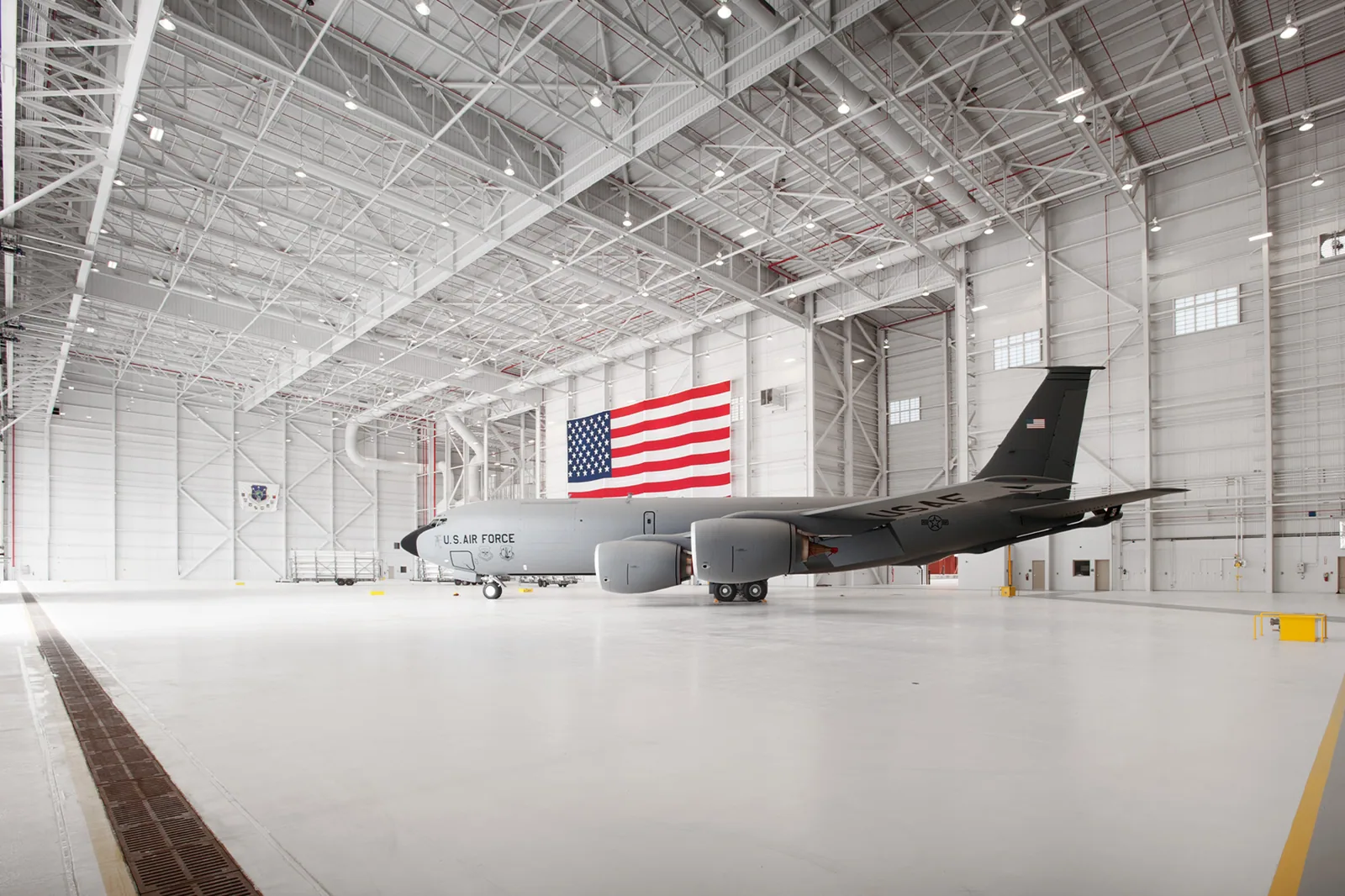
A hangar needs wide open floor, so its roof spans long distances with no interior walls to share the load. Aircraft come and go through the doors, fuel and tooling sit on the floor, and a leak overhead is a hazard as well as a nuisance. At the Ellington Airport and Houston Spaceport, southeast of Pasadena, TX, Hurricane Ike left roof damage on several of the hangars that house NASA's T-38 jets in 2008. A building like that is a serious candidate for standing seam metal roofing.
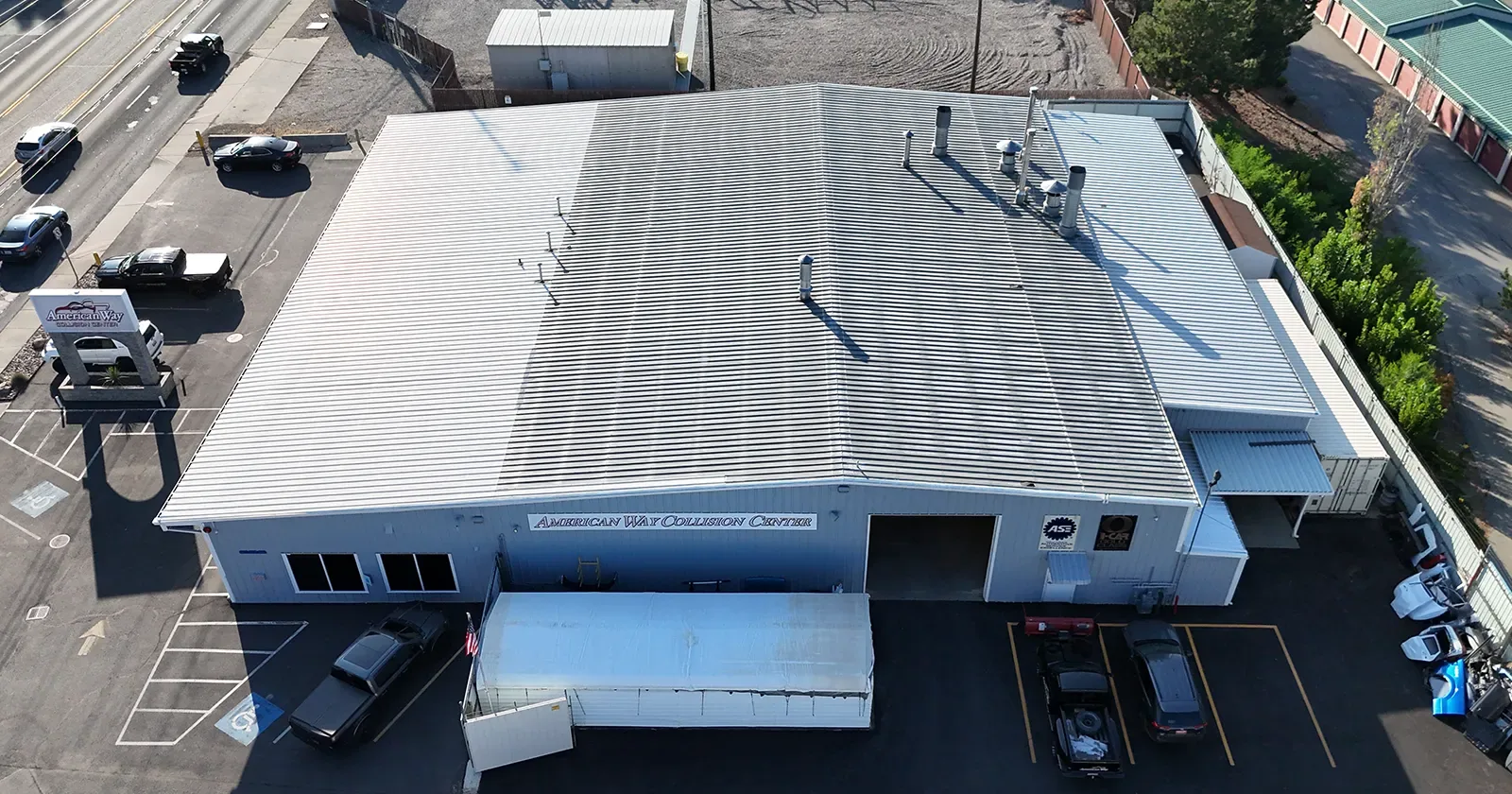
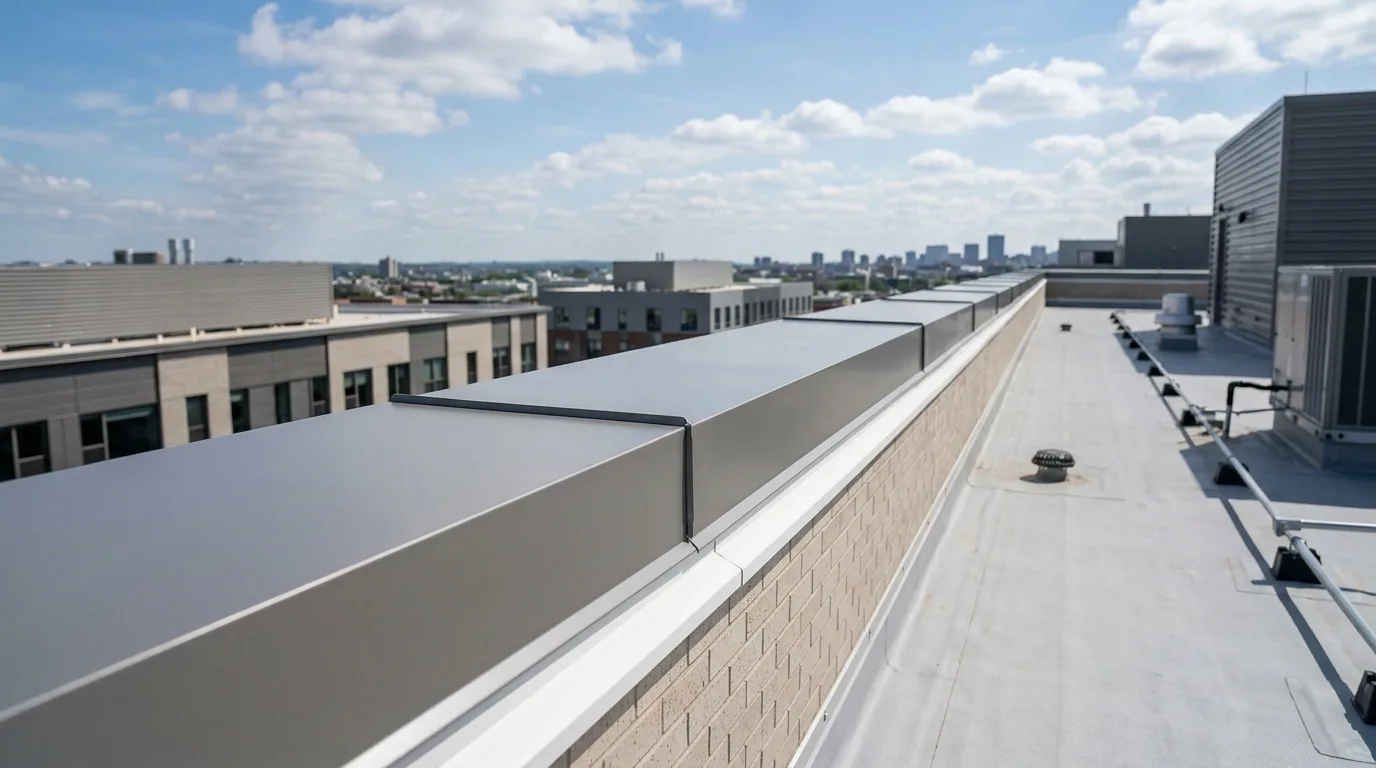
A standing seam roof is made of long, interlocking panels with raised vertical ribs. Concealed clips hold the panels to the structure, and no fasteners pierce the exposed surface, so there are few holes for water to find. It costs more up front and demands careful detailing. On the right building, it is the roof that asks the least of the facility team afterward.
Match the Panel Profile to the Slope and the Span
Standing seam is not one product. Panels vary in rib height, seam type, gauge and clip design, and the right combination depends on the building. We check these items before a panel is chosen:
- The roof slope, which sets the seam type and whether sealant is needed in the laps.
- The length of each panel run, which governs thermal movement and handling.
- The purlin or deck spacing, which affects the clip strength needed.
- The wind zone, which drives clip count and panel gauge.
On a new or heavily framed building, structural panels span between purlins. Over a solid deck, architectural panels are installed on underlayment. Where an older metal roof needs a second life, a framing system lets new panels span over the old ones, a method used in metal roof retrofit projects.
Clip for Uplift and Leave Room for Movement
The clip is the heart of a standing seam roof. Floating clips let each panel expand and contract with heat while holding it against uplift. With Houston August highs averaging near 95 F, sun-struck metal runs far hotter than the air, and long panels move every day. A clip that cannot slide will bind, and a bound panel will oil-can, distort or stress its seams.
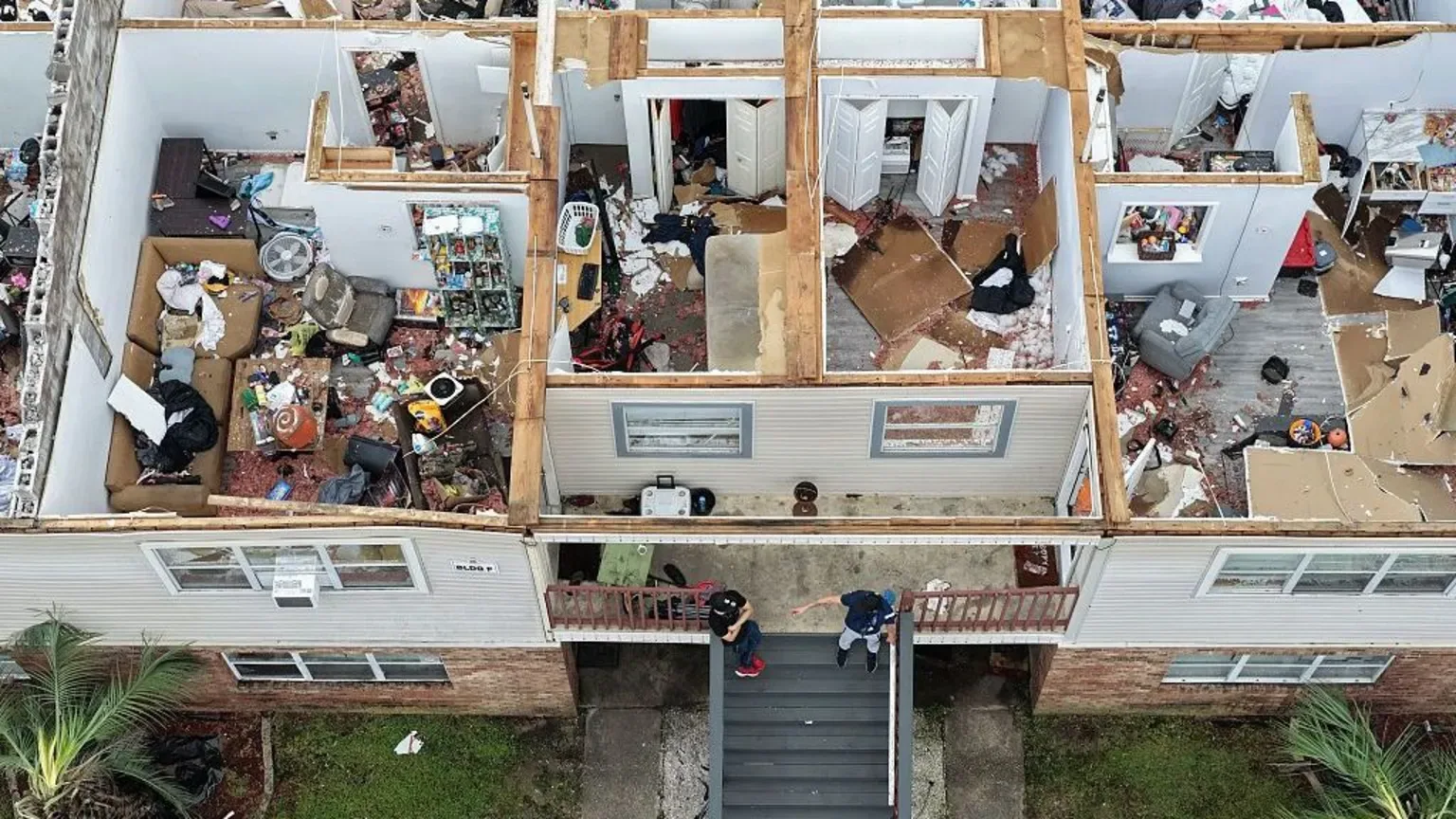
Wind loads concentrate at corners and edges, so clip spacing tightens there. Hurricane Ike moved up the east side of Houston in 2008, and Beryl came ashore in July 2024. Panel manufacturers test assemblies for uplift, and our crews install to those tested details without substitutions. Repair after a hurricane runs in a fixed order, as it does on any hurricane damage roof repair: dry in, document the damaged panels and replace them in full lengths.
Specify the Finish for Bay Air, Sun and Chemical Exposure
Metal in a coastal market is only as durable as its finish. Pasadena sits about 30 feet above sea level between the Houston Ship Channel and Galveston Bay, and the bay-side air is humid. Near the chemical plants, stack exhaust can add its own exposure. Cut edges, drilled holes and scratched coatings become corrosion starting points, so we protect them during installation and touch up every nick before the panel is locked in.
Finish choice follows exposure. A coating suited to a bay-side shop may differ from one for an inland office. Dissimilar metals matter too: aluminum next to steel, or copper runoff over galvanized panels, will start a corrosion cell. For a manufacturing plant roof near chemical exhaust, we ask what is leaving the stacks before any finish is chosen, and we review the panel manufacturer's published limits with the owner.
Plan the Crane Pick Around the Doors and the Aircraft
Long panels are awkward to lift. A roll-forming machine can produce them on site, and a crane or hoist raises them to the roof in bundles. The lift plan has to account for overhead power lines, door swing, aircraft movements and the fuel and ground equipment on the apron. The laydown area sits where it can neither block the doors nor hold up tugs and towbars.
For an aircraft hangar roof, the sequence also protects what sits below. Foreign object debris from fasteners, scrap and offcuts is a safety concern around aircraft, so we run magnetic sweeps and keep trash contained. Hangar doors stay usable, interior work areas are covered and the schedule is built to give the operator a clear closeout before the next inspection.
Treat Base Access as a Site Constraint, Not a Surprise
Ellington Field Joint Reserve Base lies about 7 miles south-southeast of Pasadena. The 147th Attack Wing is its host unit, and several reserve and Guard components share the field with the Coast Guard air station. World War II construction there included a pair of 46,000 square foot hangars.
Roof work on a military installation follows its own rules. Base access, escorts, badging and mission operations set the working hours, and roofing is typically built to the Unified Facilities Criteria for roofing. We plan for those realities with the facility manager and treat military installation roofing as paperwork first and crane second. The same method applies to a military hangar or maintenance facility.
Seal Penetrations Without Piercing the Panel
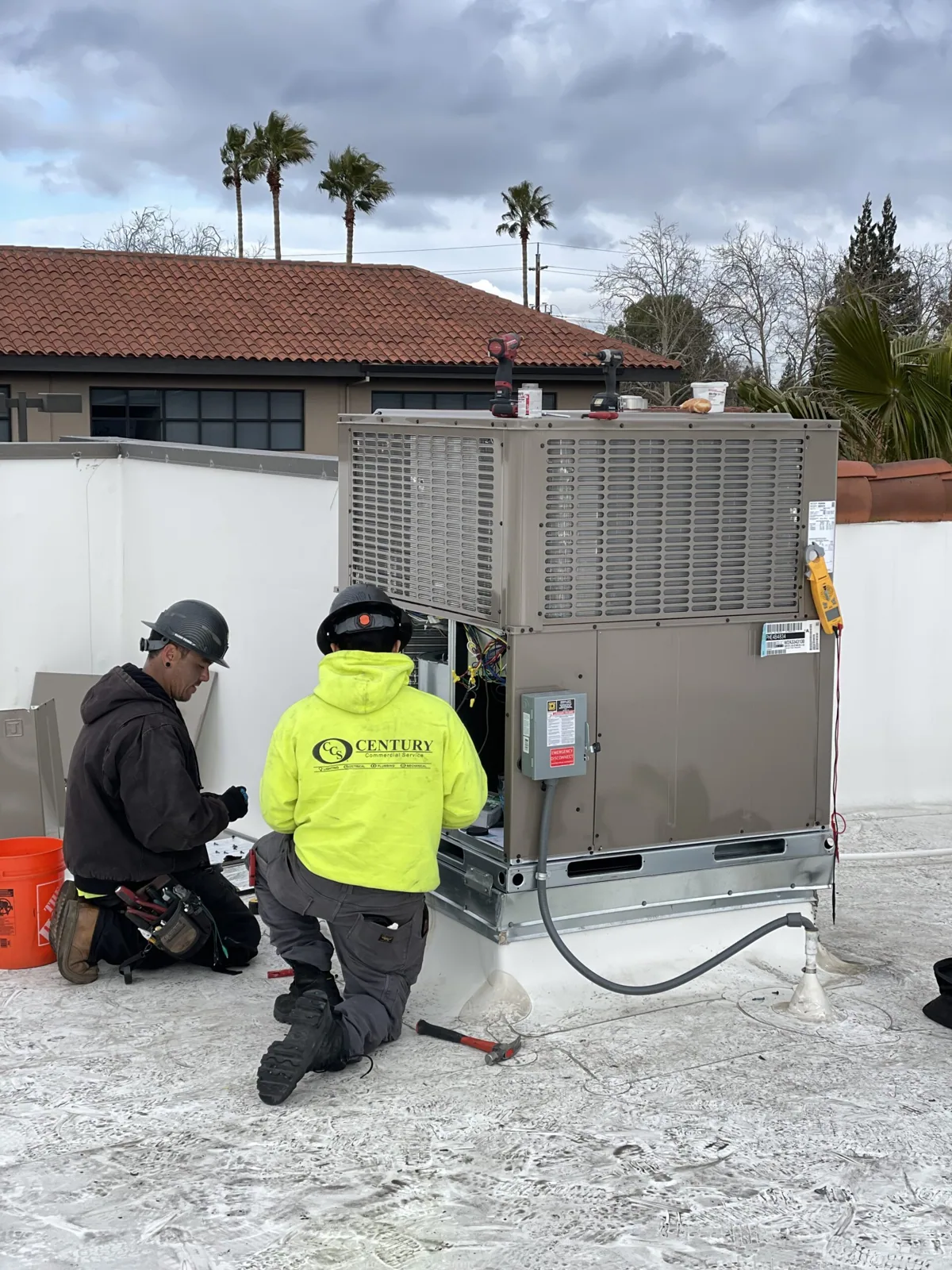
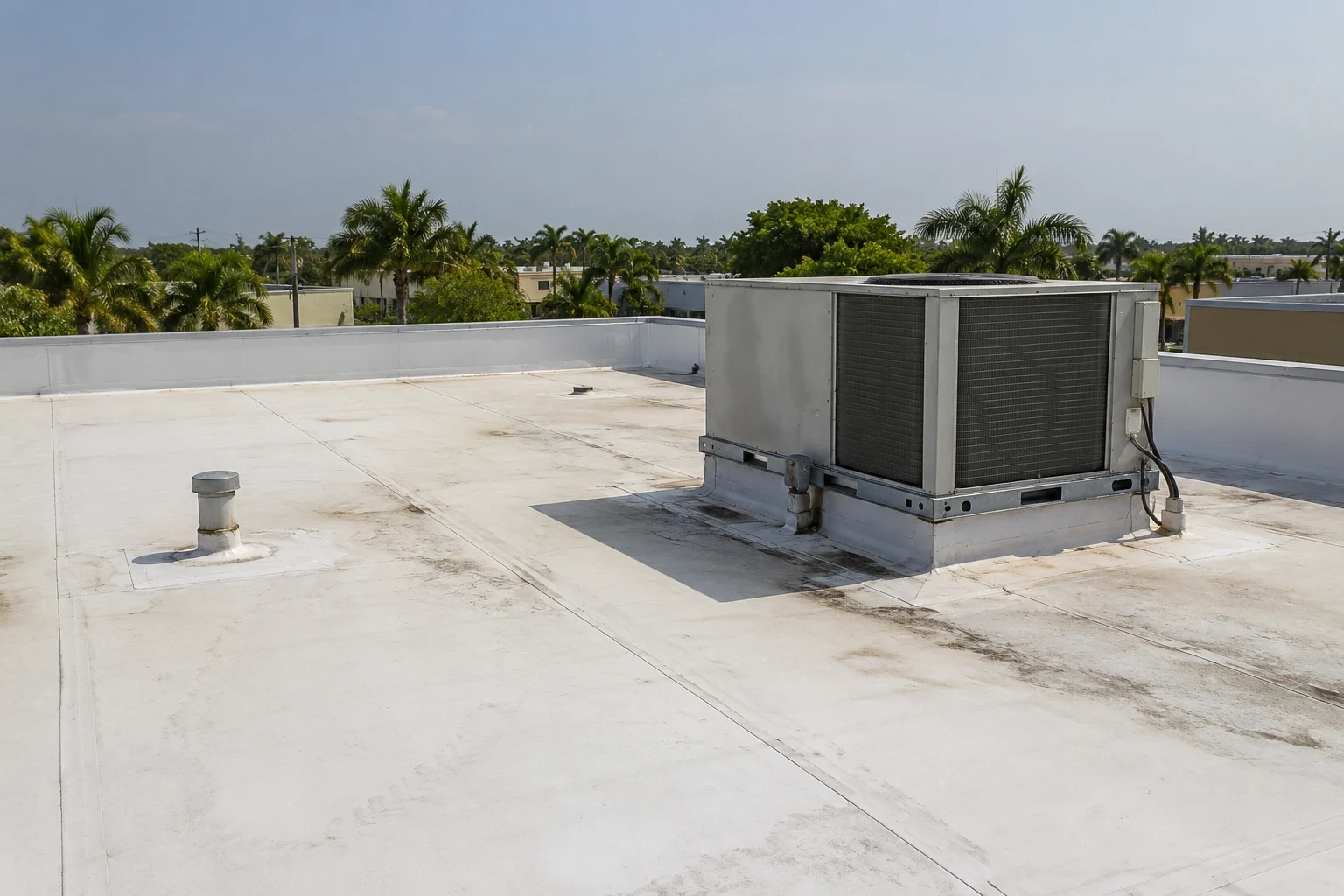
Standing seam punishes careless penetrations. A through-fastened pipe boot on a panel's flat can leak and restrict movement. The better detail is a curb, a seam-mounted clamp or a purpose-made flashing that lets the panel slide. For rooftop units, a properly built equipment curb and support carries the load to the structure and keeps the water out.
Eaves, ridges, rakes and gutters complete the system. Gaskets, closures and trim must match the panel profile, and edge metal and gutters are fastened with the same corrosion-resistant hardware as the field. At the end of the job we walk every seam, photograph the details and hand over a record the next facility manager can use.Where a building transitions from metal to low-slope sections, TPO roofing needs its own edge and penetration details.Commercial buildings in the Bayport Industrial District also need metal details checked against coastal exposure.
Commercial Roofing Questions
How does standing seam differ from the exposed-fastener metal on older buildings?
The fasteners are hidden under the panel ribs instead of driven through the flat, so there are far fewer holes to leak or back out. The panels also move on clips, which relieves heat stress. Exposed-fastener panels are cheaper at first, but their screws and washers need ongoing attention.
Can standing seam be used on a low-slope roof?
Down to a fairly low slope with the right seam and sealant, yes. Below that, a membrane or coating is the safer path. We check the slope, the drainage and the transitions to other roof areas, because a standing seam section on a mostly flat roof creates tricky tie-ins.
Why do some metal panels look wavy, and is that a defect?
Waviness, often called oil canning, is a visual effect of stress in thin metal and is usually cosmetic. Heavier gauge, a striated or ribbed panel and proper clips reduce it. If a panel is also leaking or buckled, we look for a bound clip or a restricted run.
What does a hangar reroof do to the aircraft inside?
Aircraft and ground equipment can usually stay in the hangar if the interior is protected and the schedule is coordinated with flight operations. Sometimes the aircraft move to another bay for a phase. We plan around the operator's priorities and make debris control a daily task.
Can new standing seam panels go over an old metal or membrane roof?
A recover framing system carries the new panels above the old surface when the structure can take the extra weight. The old roof must be dry and sound enough to be left in place. We check the structure, the moisture and the layer count before recommending a recover.
Keep Reading
Related Roofing Work in Pasadena
Walk the Span With Us Before the Panels Are Ordered
Bring the framing plans, the operating schedule and any access rules for the site. We will walk the roof with your facility director and plan a standing seam system around how the building works.