
Roofing Manufacturers
Soprema Roofing Systems in Pasadena, TX
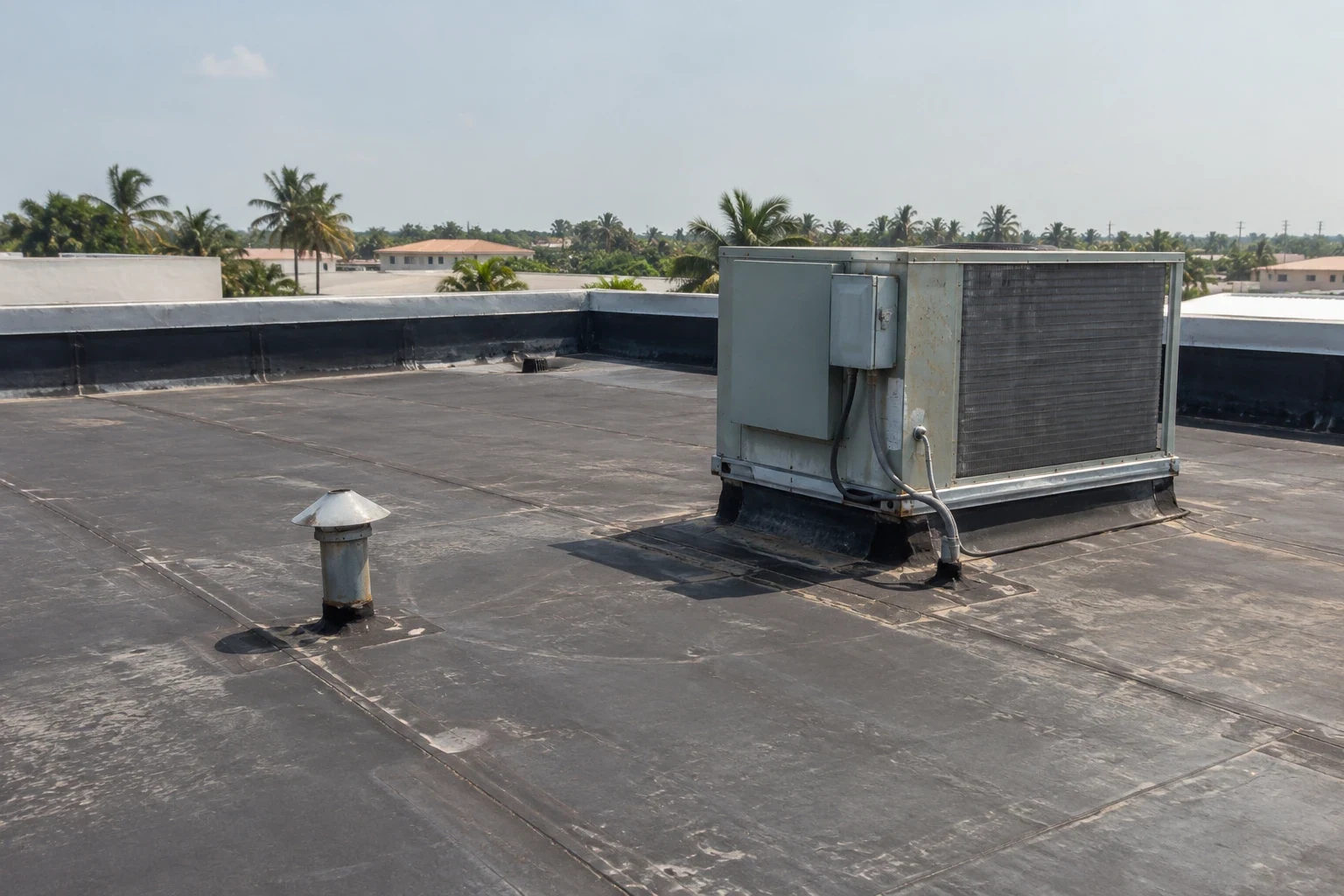
Over a process building, the roof is mostly detail. Pipe sleeves, conduit stand-offs, vent stacks and equipment rails crowd a membrane that may not have much open field at all, and each penetration is a place for water to start. A Soprema roof on that kind of building in Pasadena, TX succeeds or fails in the detail work, not in the flat parts that photograph well.
Soprema makes Sopralene SBS modified bitumen, Alsan liquid-applied flashing, Sentinel PVC single-ply sheets and Sopra-ISO polyiso insulation. It is a broad catalog, and it rewards the contractor who matches each product to a job instead of using one for everything. We install and repair these systems, and we start by counting what is sticking through the roof.
Count the Penetrations Before the Square Footage
Square footage sets how much material to order. Penetrations set how long the job takes and where it is most likely to fail. On a plant roof we walk the surface and mark every pipe, post, conduit run, vent and support, then sort them into those that can be flashed with a prefabricated boot, those that need custom metal and those that need something poured or brushed on.
A cluster of pipes closer than a pre-made boot allows is a classic problem. Instead of stacking boots and sealant, we enclose the cluster in a pitch pan or a liquid-applied detail that fills the gaps. Penetration flashing follows that logic, and so do the equipment curbs and supports where a rail crosses the membrane.
Pour Liquid Flashing Where a Sheet Cannot Lie Flat
Alsan liquid flashing cures into a continuous, reinforced membrane around odd shapes. It earns its place at tight corners, curved pipes and irregular steel, where a cut sheet would have too many laps. The surface has to be clean, dry and primed, and the resin needs the right thickness. Too thin, and it weathers early. Too thick, and it may not cure uniformly.
Humidity is the other variable. Houston summer mornings often run above 90 percent humidity, and some liquid products react to moisture in the air or on the surface. We check dew point before opening the drums, shift detail work to the drier part of the day, and keep a tarp ready for pop-up showers. A detail poured in a hurry on a damp morning is the one that blisters by fall.
Choose Torch, Self-Adhered or Cold-Applied by the Building
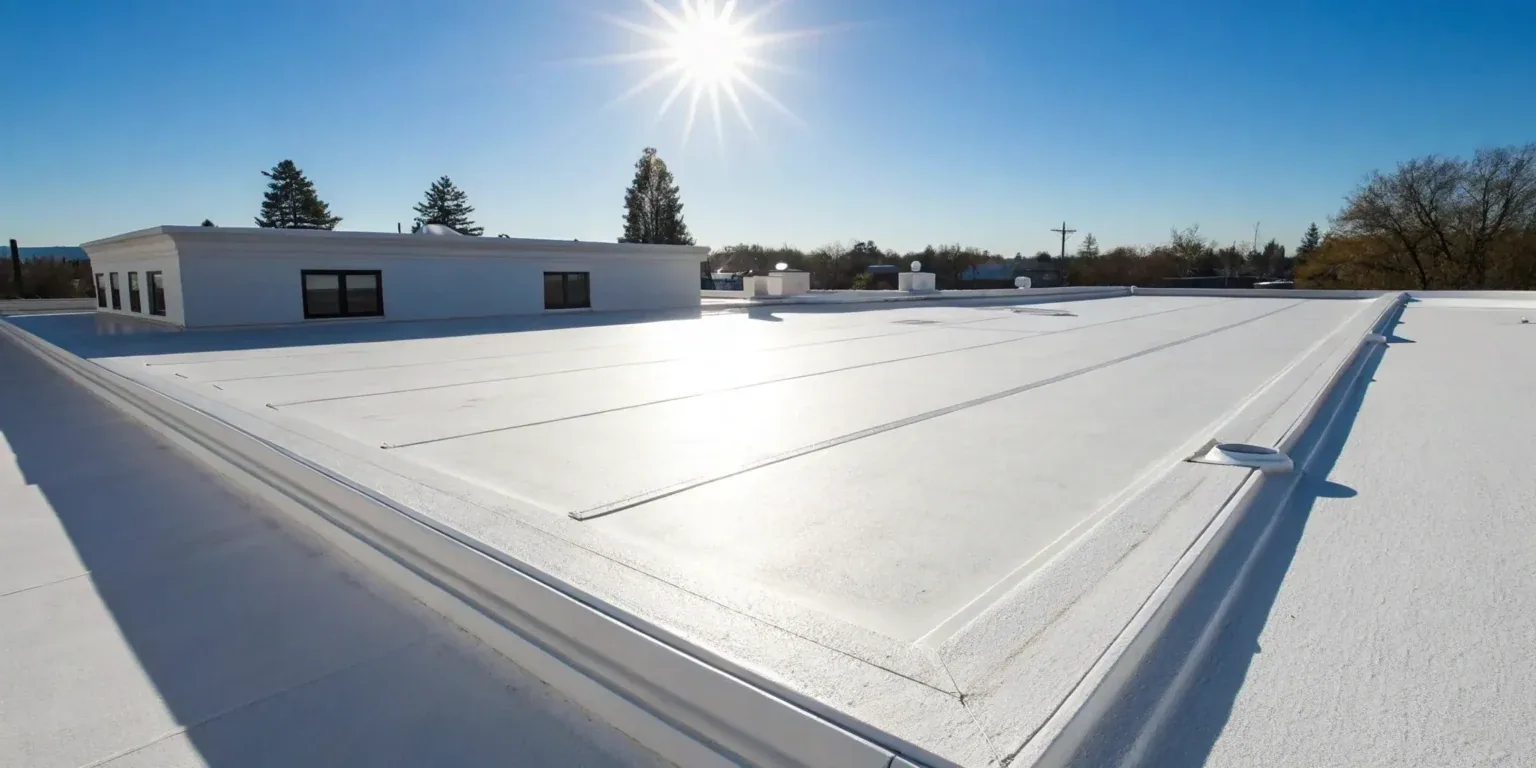
Soprema's SBS sheets go down three ways. Torch-applied sheets are welded to the substrate with a propane flame. Self-adhered sheets peel and stick, with no heat. Cold-applied sheets are set in adhesive that cures at ambient temperature. All three produce a durable modified bitumen roof, and the choice follows the building, the permit rules and the crew's schedule.
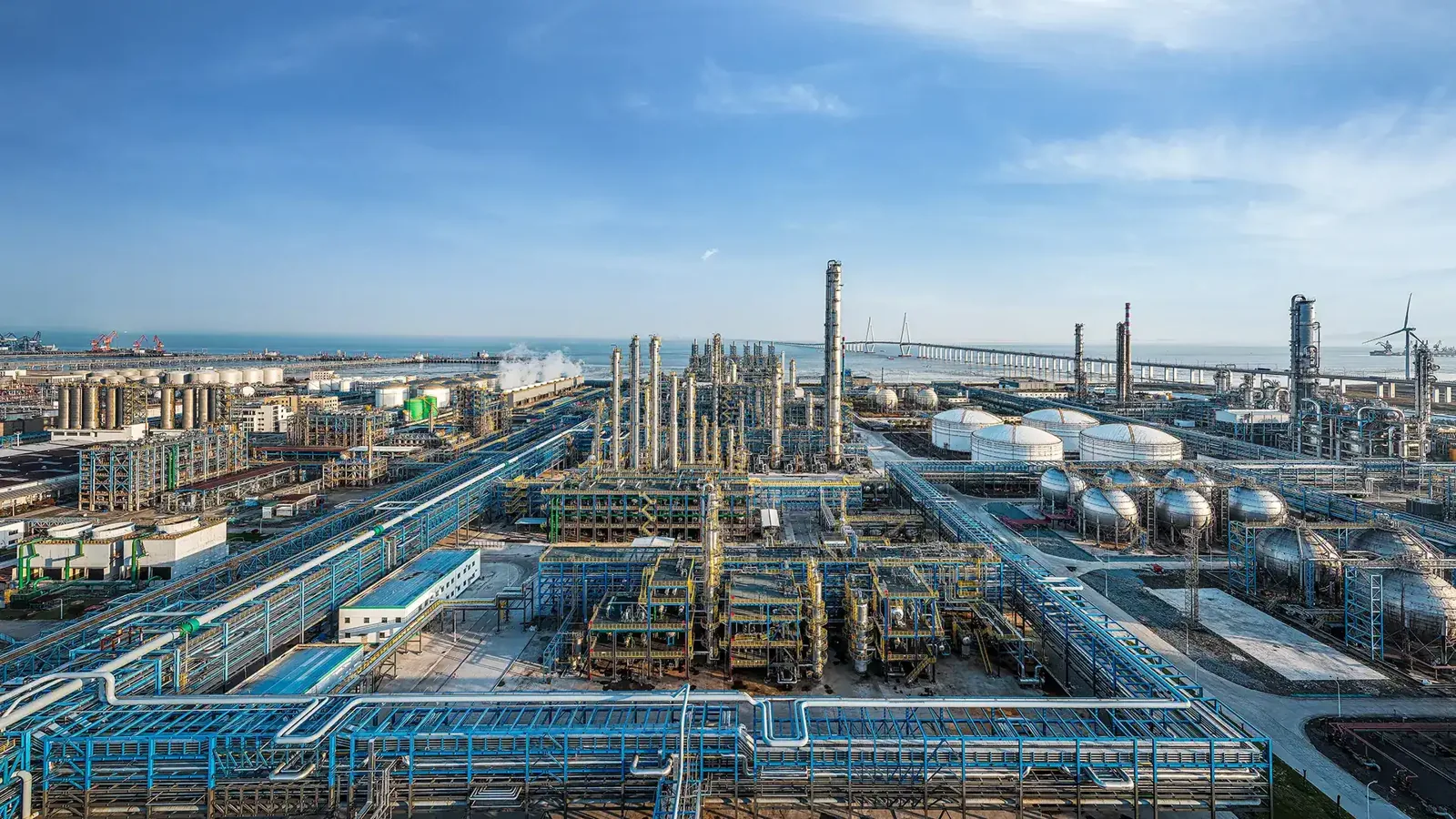
Near refineries and tank farms, flame is often the deciding limit, and the fire watch, hot work permit and site safety orientation that go with it can take days to arrange. Over a combustible deck or next to fuel-handling equipment, the cold method is safer to approve. On an open warehouse roof with a clear deck, torching may be the fastest route. We lay out these tradeoffs at the planning meeting, so the permit and the schedule agree.
Keep Water Moving Off Roofs in the Rain Belt
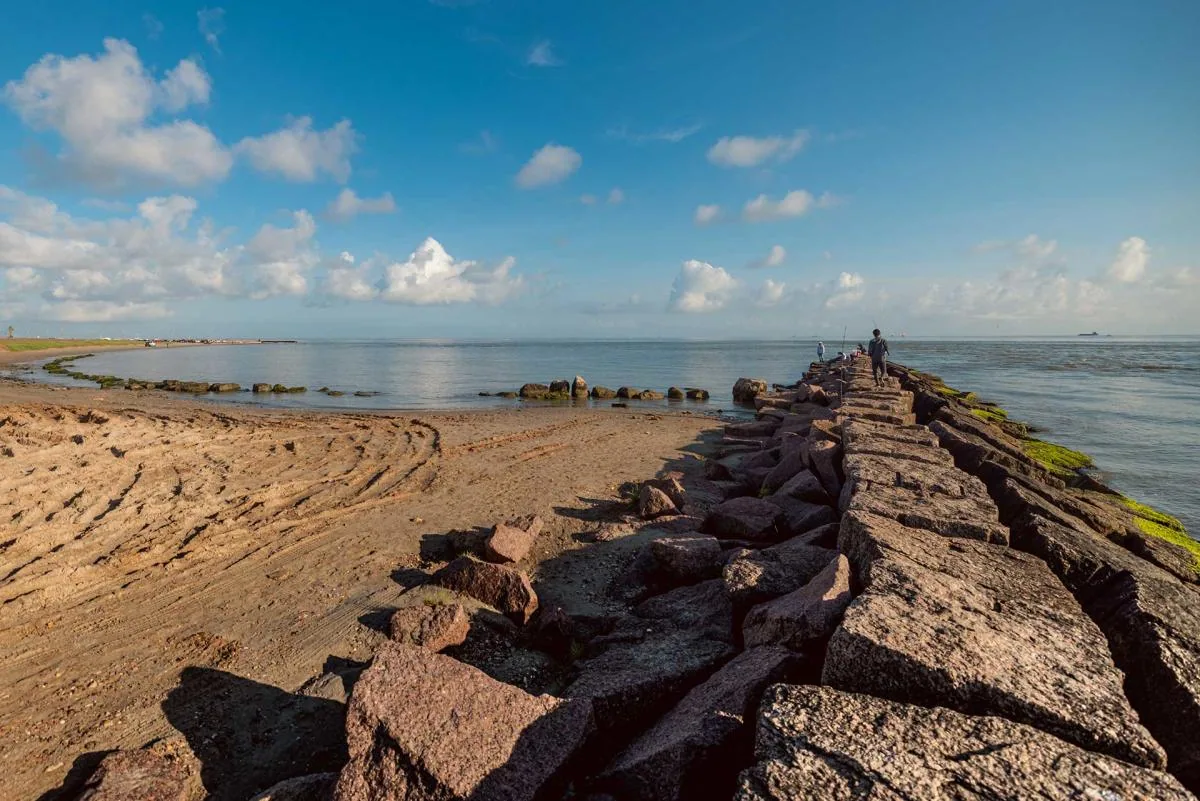
Parts of the Gulf Coast sit low, and the rain is heavy. Dickinson stands at only 9.8 feet above sea level, averages about 60 inches of rain a year and saw roughly 90 percent of the city flood in Hurricane Harvey. Texas City sits behind a 17-mile levee system built after Hurricane Carla in 1961. Wet air and heavy storms test every roof detail in both.
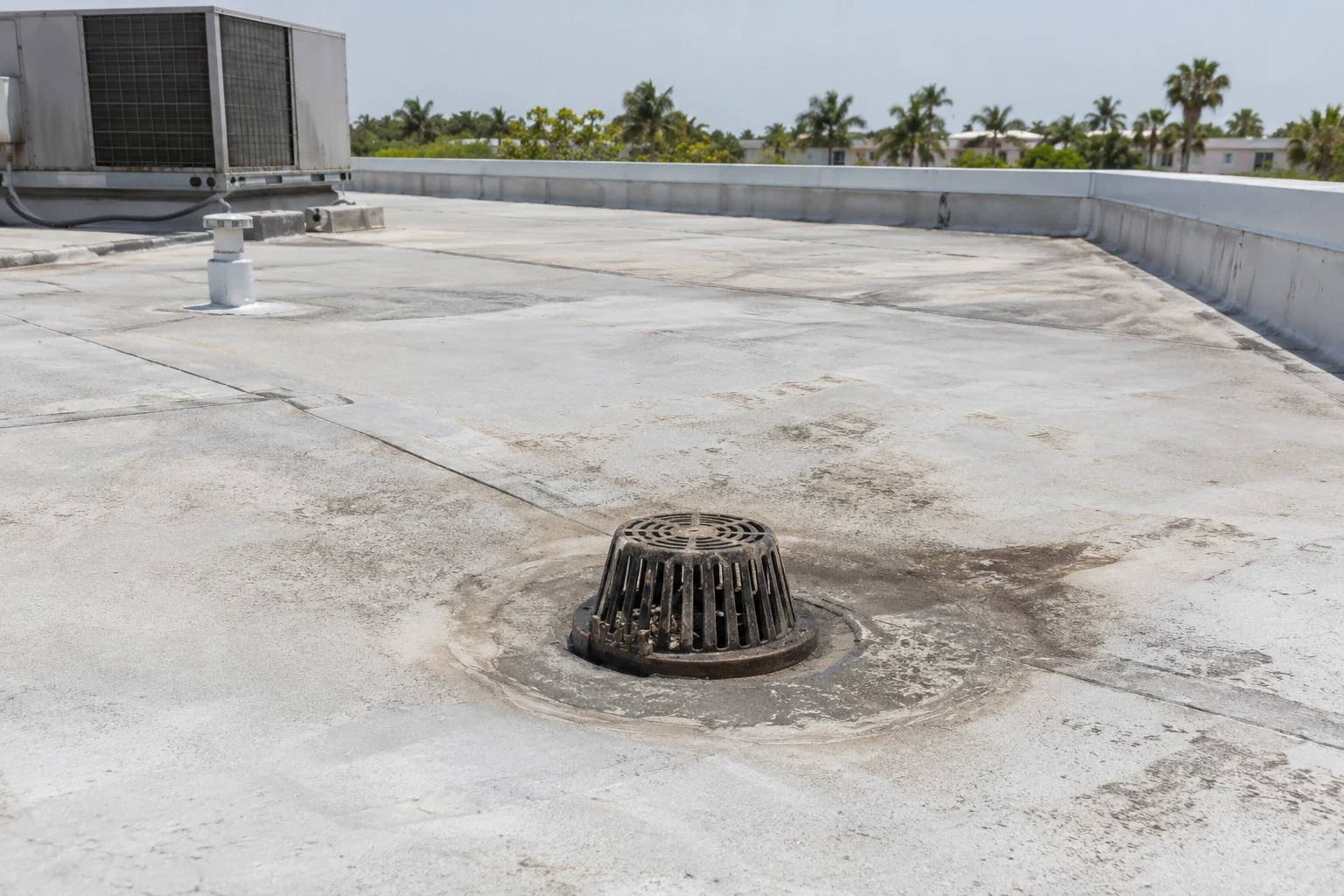
Bitumen roofs tolerate that moisture well when the laps are tight and the drainage works. Standing water is the enemy. We check slope to each drain, confirm the sumps are not settled, and verify that the overflow scuppers sit at the right height. Clearing and resetting drains through roof drain and scupper work is a modest job that can add seasons to a bitumen roof.
Dry In Every Section Before the Crew Leaves
Modified bitumen is laid in layers, and every layer has to be sealed before the end of the day. Insulation, a vapor retarder if the building calls for one, base ply and cap sheet go down in sequence. The foreman marks a stopping point for each shift, and the last act of the day is a temporary tie-in that sheds water at every open edge.
Material staging matters too. Rolls stay upright and shaded, adhesive drums stay out of the afternoon heat, and polyiso boards stay dry under cover until they are carried to the roof. A crane pick for the day's material is planned the evening before. That discipline is what lets a crew open a section in the morning and hand it back watertight by dark, even when a Gulf storm cell is building.
Walk the Laps and Photograph the Details at Closeout
When the last cap sheet is down, we walk every lap, mark any area that needs a second pass, and photograph each detail: pipe penetrations, curbs, drains and flashing terminations. The photos and notes go to the facility director, who can show them to an insurer, an engineer or the next contractor without a long explanation.
We also leave a short watch list: the laps that will see the most sun, the penetrations closest to the vents, and the drains that fill first in a hard rain. A quick look at those places after each major storm catches most small problems while they are still small. Roofs near the refineries, chemical plants and tank farms of the SH 225 corridor are worth that look after every storm.
Commercial Roofing Questions
A cluster of pipes sits too close together for pre-made boots. What happens there?
We build a custom detail. The usual choices are a pitch pan filled with a pourable sealer, a liquid-applied flashing that wraps the whole group, or a custom metal enclosure with a sealed collar. Which one fits depends on the spacing and movement of the pipes. Each gets a drainage check so water cannot collect around the base.
Is torch-applied modified bitumen allowed on a plant roof?
Only with the plant's blessing. Most facilities that handle fuel or chemicals ask for a hot work permit, a fire watch and sometimes a ban on open flame. That is why we also offer self-adhered and cold-applied alternatives. Those methods produce a comparable sheet and remove most of the permit delay from the schedule.
How does a Soprema bitumen roof compare with a Johns Manville or GAF one?
The families overlap. Johns Manville and GAF both make modified bitumen and built-up lines, and the layers, laps and care in application matter more than the label on the roll. We judge a system by the details, the substrate and the maintenance plan behind it.
Can liquid flashing be applied in wet weather?
Not on a wet surface. Moisture on the substrate or in the resin can cause bubbling, poor adhesion or uneven cure. We wait for the surface to dry, check the forecast and often schedule the work for a stretch of dry mornings. A dry day is cheaper than a repair after a detail fails.
What should be checked on a bitumen roof after a tropical storm?
Blisters, split laps, displaced gravel and any soft spots underfoot. Debris can crush a cap sheet without breaking it, so we also run a hand along drain strainers and the base of every penetration. Anything suspicious gets a marked photograph, and a moisture scan follows if there is a chance water got under the surface.
Keep Reading
Related Roofing Work in Pasadena
Walk the Roof and Count the Pipes With Us
Bring the equipment list, the permit rules and the shutdown calendar. We will walk the roof with your facility director and build a Soprema plan that puts the detail work first.