Roofing Manufacturers
Sika Sarnafil PVC Roofing in Pasadena, TX
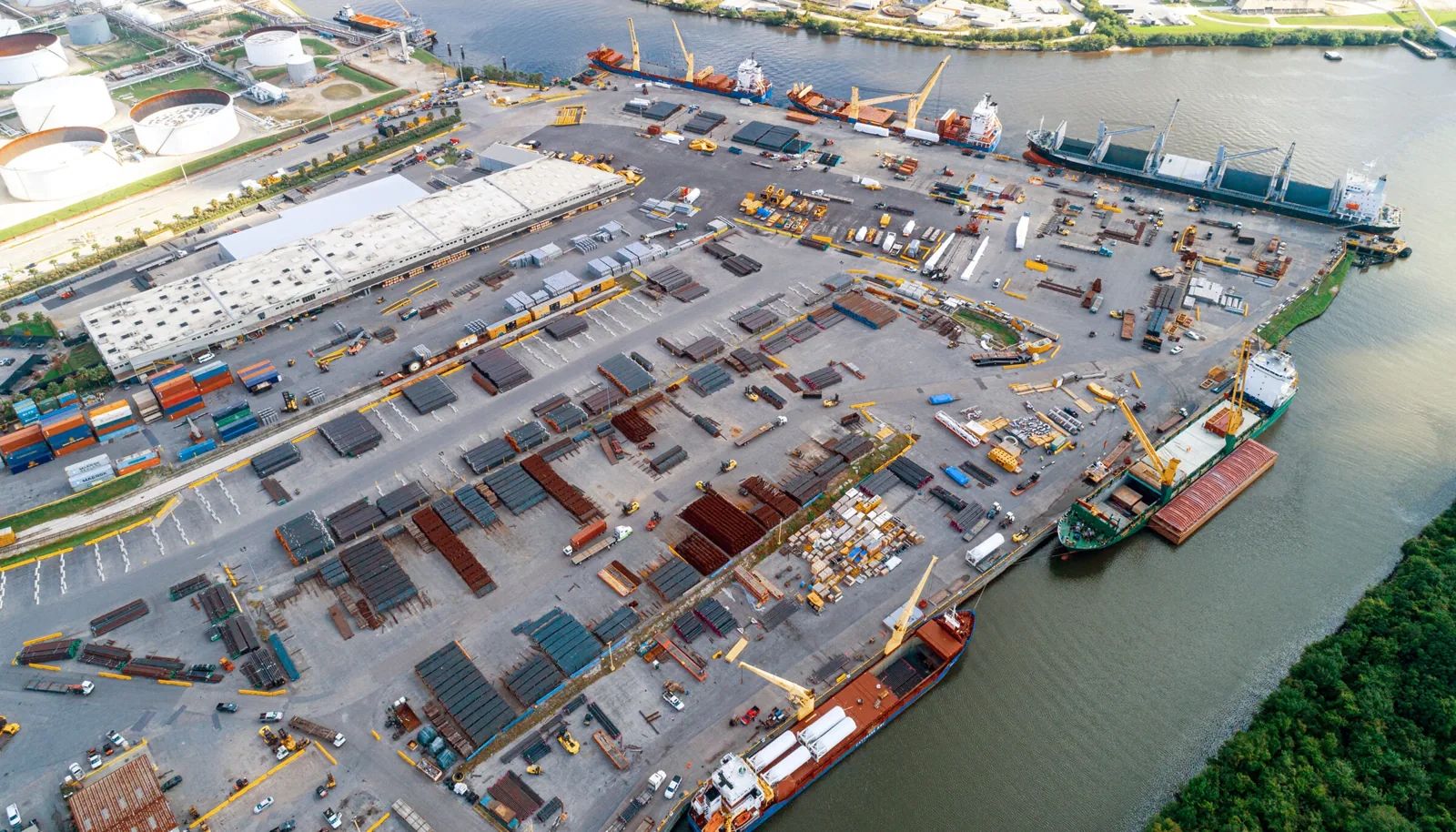
A warehouse beside the Ship Channel at Galena Park spends every day in humid, chemical-tinged air that never quite dries out, and its roof is expected to ignore all of it. Port trucks work Clinton Drive, the shift changes keep the lot busy, and nobody is going to shut the building so a crew can inspect a seam. In that setting, Sika Sarnafil is one of the PVC systems we repair, maintain and install in Pasadena, TX.
Sarnafil is a reinforced PVC single-ply sheet made by Sika, with seams fused by hot air into a continuous surface. PVC earns its place wherever grease, oil or process vapor lands on the roof, since those exposures break down other membranes sooner. It costs more to buy and takes more care to weld, which is why the planning matters as much as the product.
Start With What the Air Is Doing to the Metal
Along the channel, the membrane is rarely the first part of the roof to go. Fasteners, plates, edge metal and any exposed steel deck corrode before the sheet shows wear, because humid air carries chemical residue that settles on them every day. A roof can look sound from the ground while the termination bar at a parapet has rusted through to its bolts.
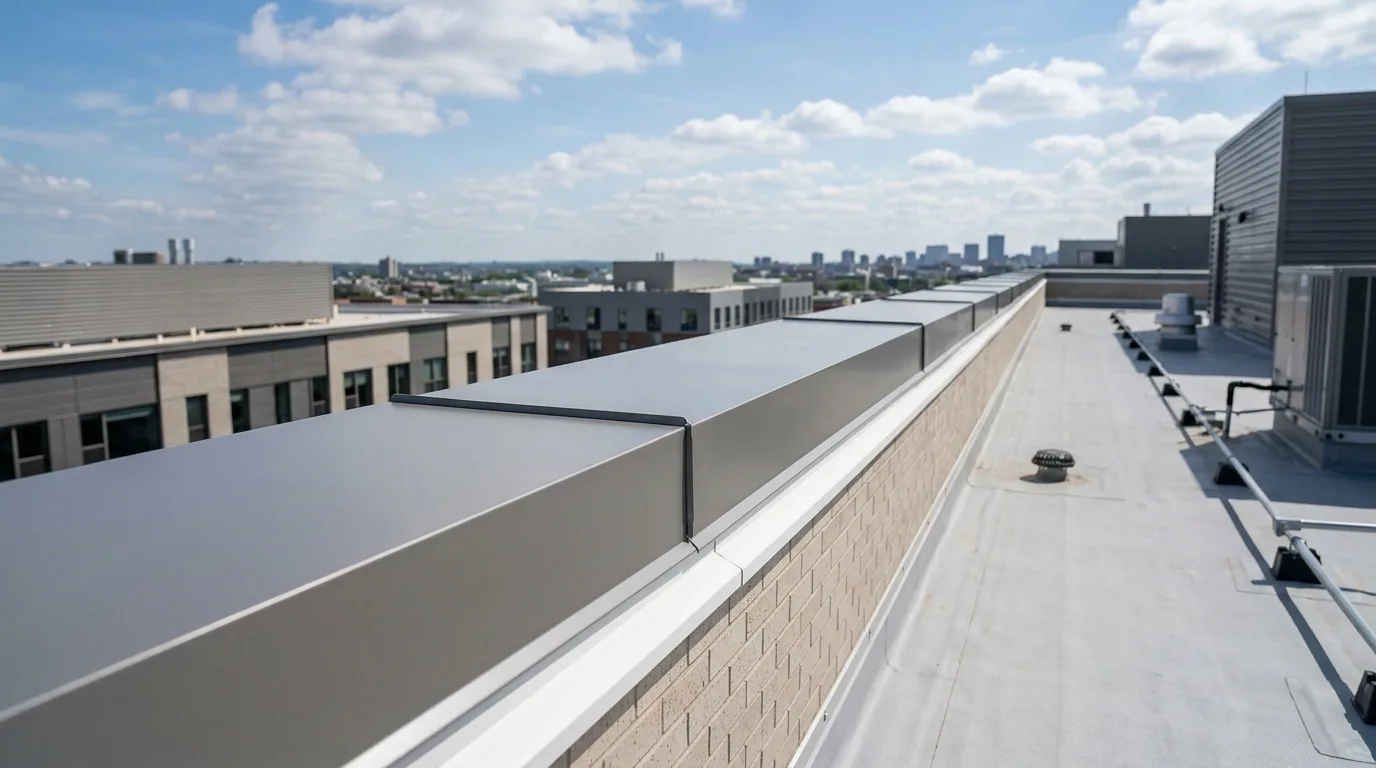
That is why we check hardware before surface. We probe the fasteners, look at the underside of the edge metal, and note any stains running from penetrations. Sika Sarnafil supplies PVC-clad metal flashings and edge pieces that weld directly to the membrane, which keeps the weakest part of the roof from being a bare steel flange. Where the existing edge metal and coping has corroded, replacing it often decides how long the roof lasts.
Read the Weld, Not the Surface
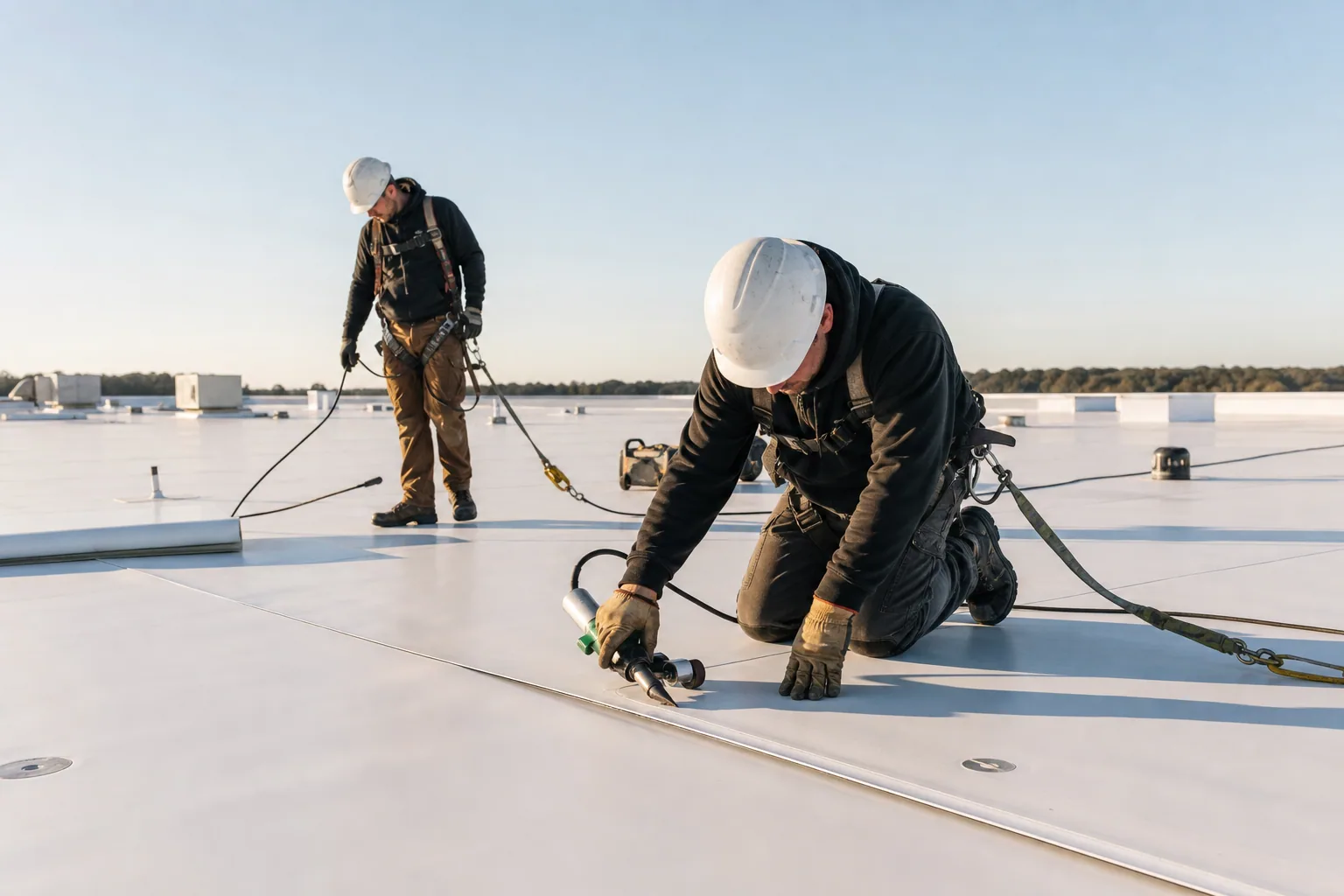
A PVC roof is only as tight as its seams. We look at the width of the weld, the clean line of melted material at the edge, and any pinholes or cold spots along the lap. Dirt on the lap at the time of welding, or a sheet welded while damp, leaves a seam that looks fine and fails in the next hard rain. A probe runs the full length of each seam and finds those faults.
For new PVC roofing, we weld in dry, clean conditions and test with a probe after the welder has cooled. For repairs on an older Sarnafil sheet, the surface is cleaned first, because aged PVC picks up dirt and residue that will not weld. A patch or cover strip goes on with rounded corners and a continuous weld, which keeps stress from collecting at a sharp edge.
Match the Backing to the Deck
Sarnafil sheets come in smooth and felt-backed versions, and the choice follows the substrate. A smooth reinforced sheet can be mechanically attached through the insulation into a steel deck, which suits large roofs and short windows. A felt-backed sheet is bonded to a firm substrate, usually insulation or cover board, which suits buildings where fasteners cannot show below and where uplift should be spread across the whole surface.
We choose by looking at what is under the roof. Steel deck, concrete deck and an existing built-up membrane each call for different preparation. Where an old roof is staying in place as a base, an infrared scan marks wet insulation first, and any wet area comes out before the new sheet is bonded over it.
Keep Grease and Chemicals Off the Weld Line
A restaurant roof and a plant roof have one thing in common: something is blowing out of a vent. On a restaurant roof, it is cooking grease that builds up around the hood exhaust and eats at any sheet that tolerates it poorly. On a manufacturing plant roof, it is solvent vapor, oil mist or process residue, different in each building.
PVC handles these exposures well, but not without help. We add splash guards and grease containment pans under the fans, run walk pads on the routes technicians use, and plan rinse points where a hose can reach. The roof lasts longer when the vent is managed than when the membrane is simply left to endure.
Sequence the Lift Plan Around the Port Trucks
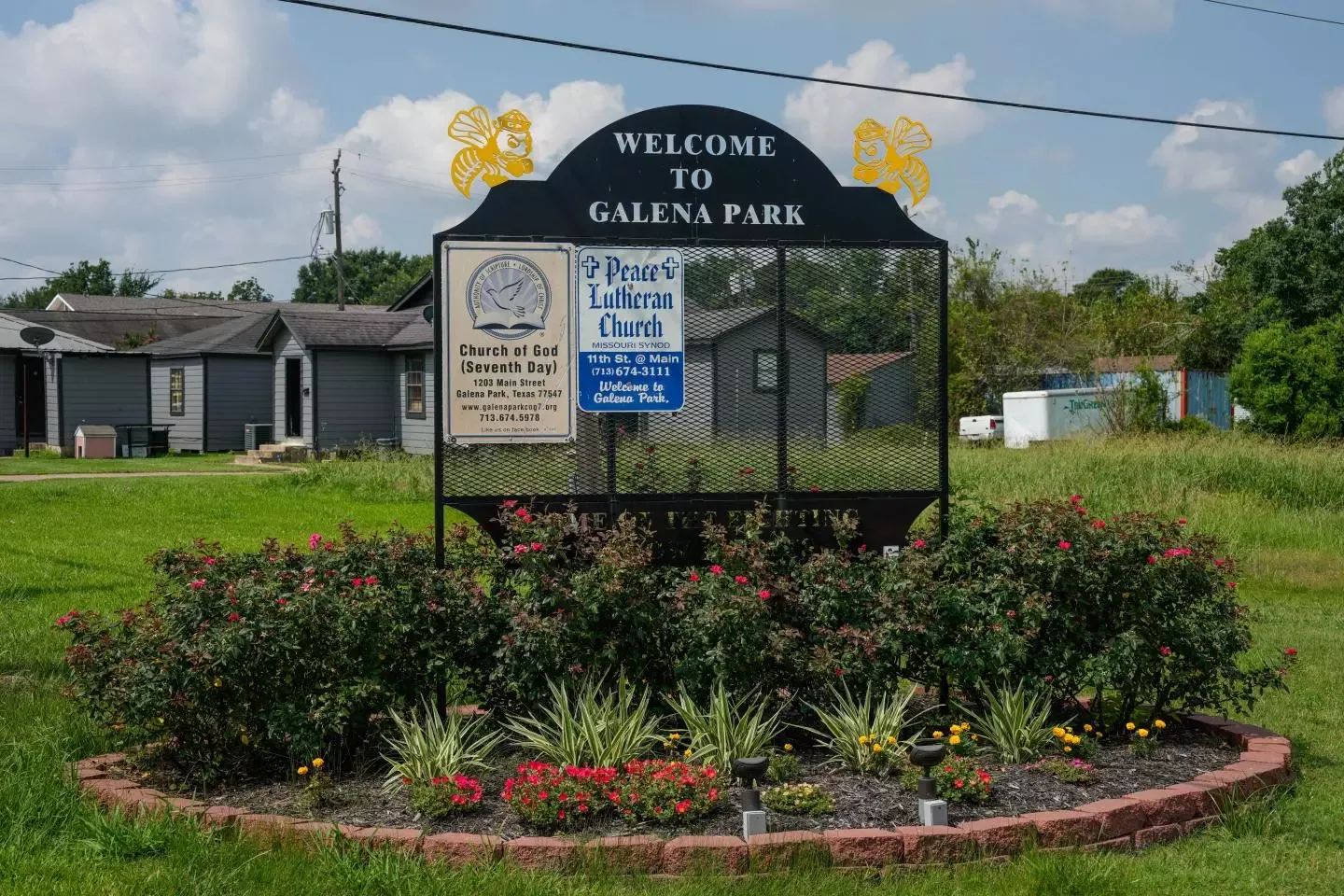
Galena Park brings freight rail and port truck traffic on Clinton Drive, and Manchester brings chemical plants and refineries beside the Ship Channel. Roofs in both sit among heavy trucks and industrial neighbors who do not want a crane swinging over their fence. Before the first roll goes up, we map the delivery route, the crane position and the laydown area so that no truck lane is blocked and no loaded boom crosses a neighbor's property.
Rolled PVC is heavy, and insulation boards are bulky. We stage them in the order the roof will take them, tie each open section into the old roof at day's end, and keep a watch on the forecast. A Gulf afternoon can turn quickly, so no section is opened that cannot be dried in before the crew goes home.
Hold the Perimeter in Bay-Side Wind
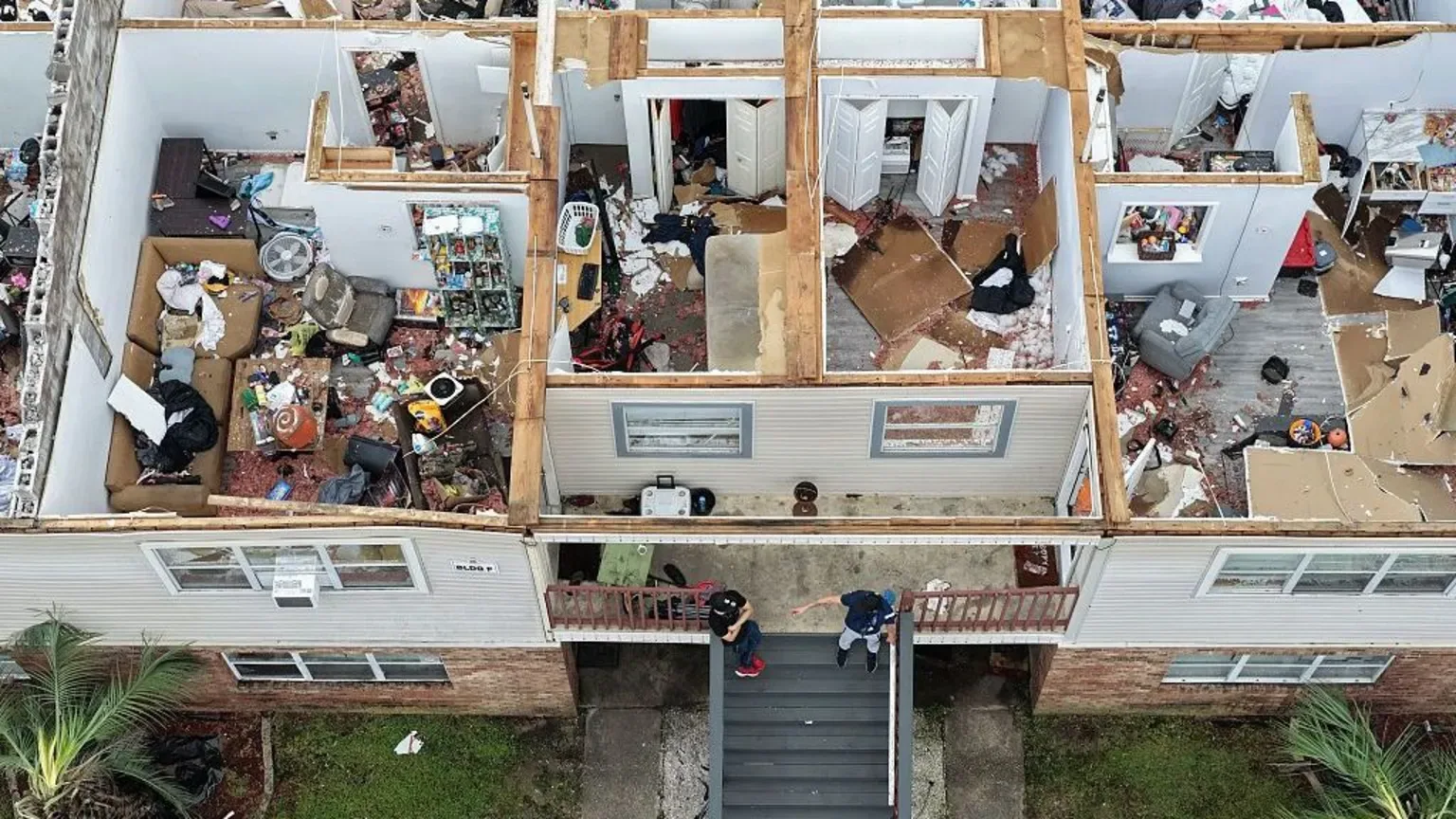
Ike's 2008 path ran up the Galveston Bay side of Houston, and bay wind plus thunderstorm gusts remain the loads a roof east of State Highway 146 has to survive. The hurricane damage repair we do after a storm starts at the edge, where uplift concentrates. A Sarnafil edge detail with PVC-clad metal and a continuous weld gives the perimeter a solid termination, and corner reinforcement spreads the load where gusts are strongest.
Commercial Roofing Questions
Will years of Gulf heat make a PVC roof brittle?
Heat ages every membrane, and PVC is no exception, but modern reinforced sheets are made with stabilizers that slow the process. What we watch for is surface stiffening, cracks at the welds and shrinkage at the edges. A roof that is cleaned, probed and repaired promptly keeps flexible far longer than one left to bake with open seams.
The roof near our kitchen exhaust looks worse than the rest. Why?
Grease. It sits on the surface, attracts dirt and slowly softens and stains the sheet nearby. PVC tolerates it better than other membranes, so the damage is usually dirt and discoloration, not holes. A containment pan under the fan, a walk pad and a regular wash keep that corner of the roof from aging faster than the rest.
A dropped tool left a hole in our PVC roof. How is it patched?
Prep the surface, cut a matching patch with rounded corners, and fuse the entire edge with a hot-air welder. A probe tests the weld once it cools. A patch glued on with sealant looks neat for a few weeks and then lifts. If the hole reached the insulation below, we also check that for moisture before closing it up.
Is PVC worth the premium on a warehouse with nothing on the roof?
Usually not. A plain storage roof with no grease, no chemical exhaust and few penetrations does fine with Versico or Carlisle TPO. PVC earns its higher cost where something chemical reaches the roof, or where the owner wants the added protection of a chemically resistant, welded surface.
How does a roof in Ship Channel air show the damage after several years?
Look at the metal first. Rust blooms around fasteners, streaks below edge metal, flaking coating on rooftop unit frames and pitted sheet metal flashing all show that the air is working. The membrane itself may still be fine. We note each sign in a written report, so you can plan to replace metal parts without a full reroof.
Keep Reading
Related Roofing Work in Pasadena
Walk the Roof and the Fence Line With Us
Bring the site plan, the truck schedule and anything you know about what vents onto the roof. We will walk it with your facility director and build a Sarnafil plan that fits how the building runs.