
Service Areas
Commercial Roofing in Galena Park, TX
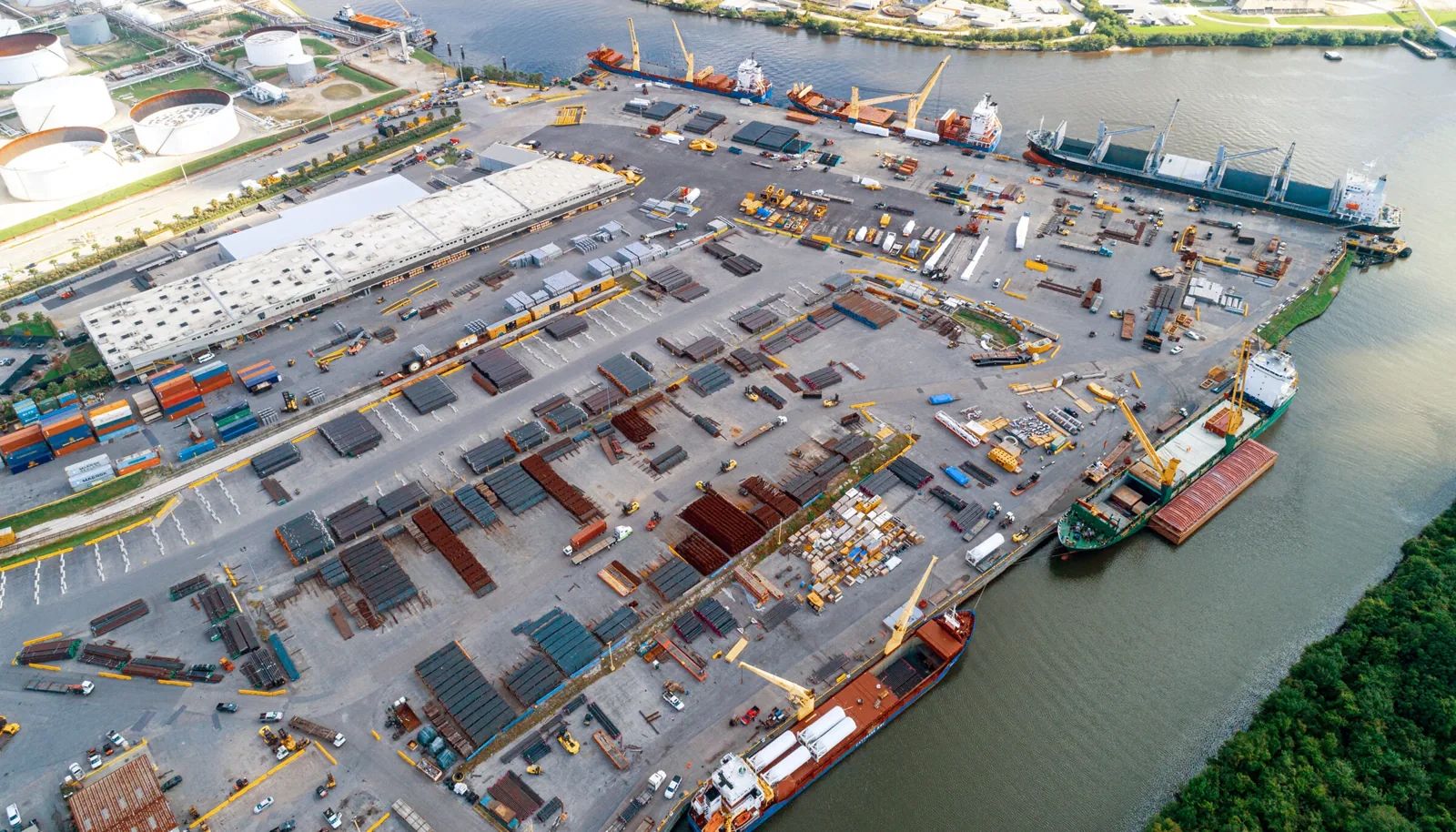
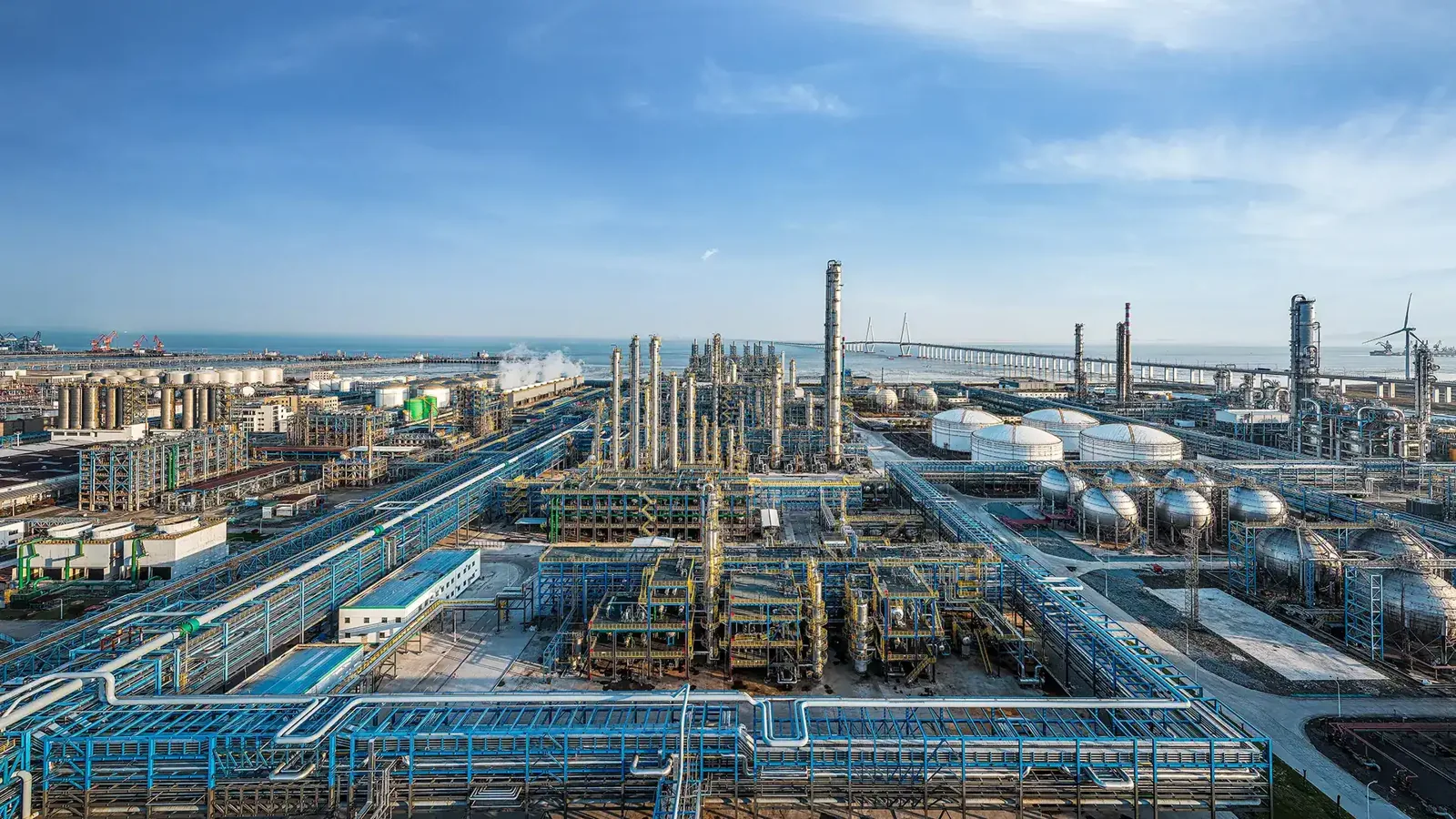
Clinton Drive is the main road for port traffic in Galena Park, TX, and any roofing schedule here has to work around what that road carries. Freeways, freight rail and heavy industry share the same ground north of the Houston Ship Channel, east of the 610 Loop, in a city that has been a petrochemical and refinery center since the early 1900s. A roof job on a building like that is one more thing that has to fit between the trucks, the trains and the shutdown windows.
So the plan starts outside the roof line. Where do deliveries enter and leave? Which gate releases a crane? Who issues the hot work permit, and how long does it take? Answers to those questions come first because they decide whether a crew works eight productive hours or sits at a gate for three. The membrane, the fasteners and the insulation follow once the site logistics are written down and agreed.
Time Deliveries Between the Trucks and the Trains
Port traffic on Clinton Drive means a steady run of tractor-trailers, and freight rail through the same part of the city means a stopped train can hold a crossing longer than anyone expects. A roofing delivery that needs to reach a site by seven can easily arrive at eight. We build slack into the window, release trucks from a staging point instead of letting them idle on the road, and confirm each load by phone before it moves.
The crane pick gets the same treatment. It is booked for a time when the lane is quiet, with a spotter at the road and a clear exclusion zone below. Material staging stays inside the fence and away from fire lanes and forklift paths. A manufacturing plant roof or a freight-oriented warehouse roof gets the same discipline, because the work only moves as fast as the access does.
Clear the Hot Work Permit Before the Torch Comes Out
Open flame near heavy industry is a safety question before it is a roofing one. Torch-applied membrane, cutting, grinding and welding on a roof all fall under a hot work permit here, with a fire watch standing by for a set time afterward. Every worker takes a site safety orientation, and the plan marks the vents, lines and tanks that sit under or beside the work area.
We often avoid the flame altogether. Heat-welded single-ply sheets, mechanically attached systems and cold-applied adhesives keep the work legal and quick on sites where torch permits are slow to arrive. Where a built-up or modified bitumen assembly is the right answer, the permit goes in early and the roofing waits for it. A hot work permit in Manchester, another Ship Channel community, follows the same logic.
Protect Metal From Industrial Air and Humidity
Near refineries and chemical plants, a roof can see exhaust, moisture and heat together. Steel deck rusts from the underside where condensation collects, fasteners lose their coating, and edge metal pits at the cut. Houston summer mornings often run above 90 percent humidity, and August highs sit near 95 F, so the chemistry never gets a rest.
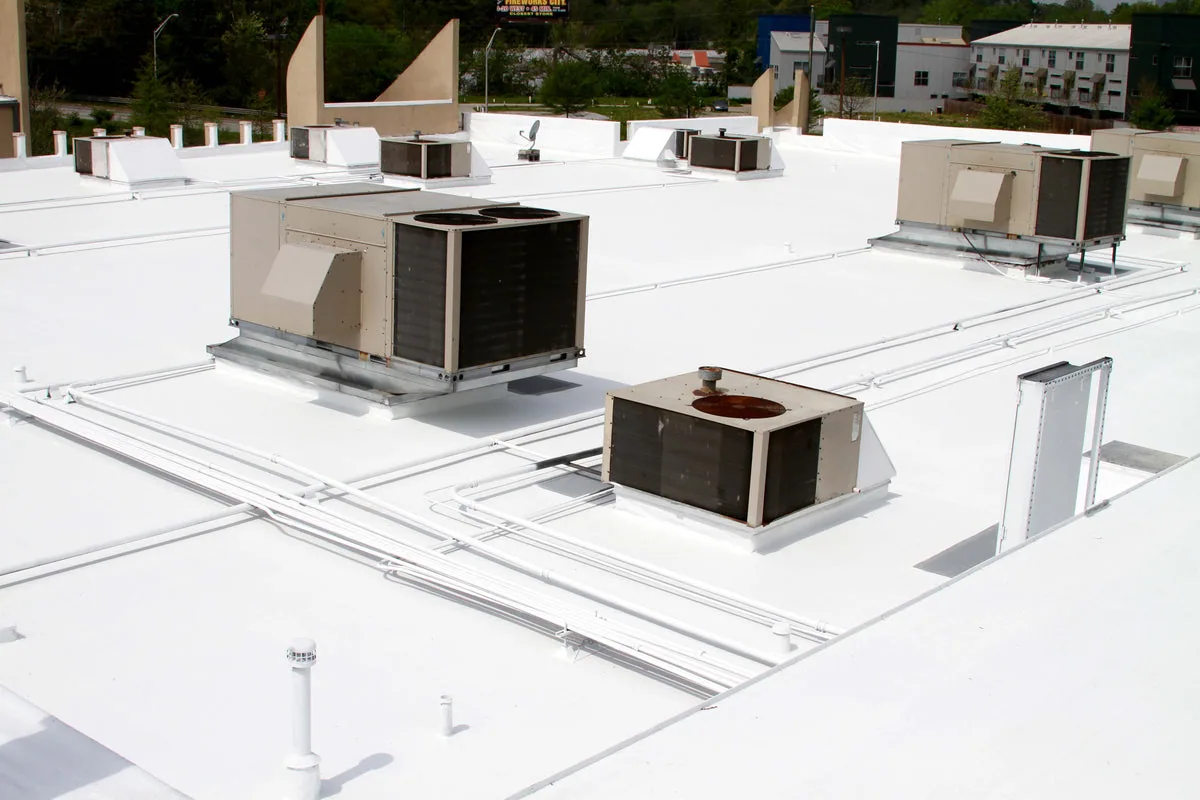
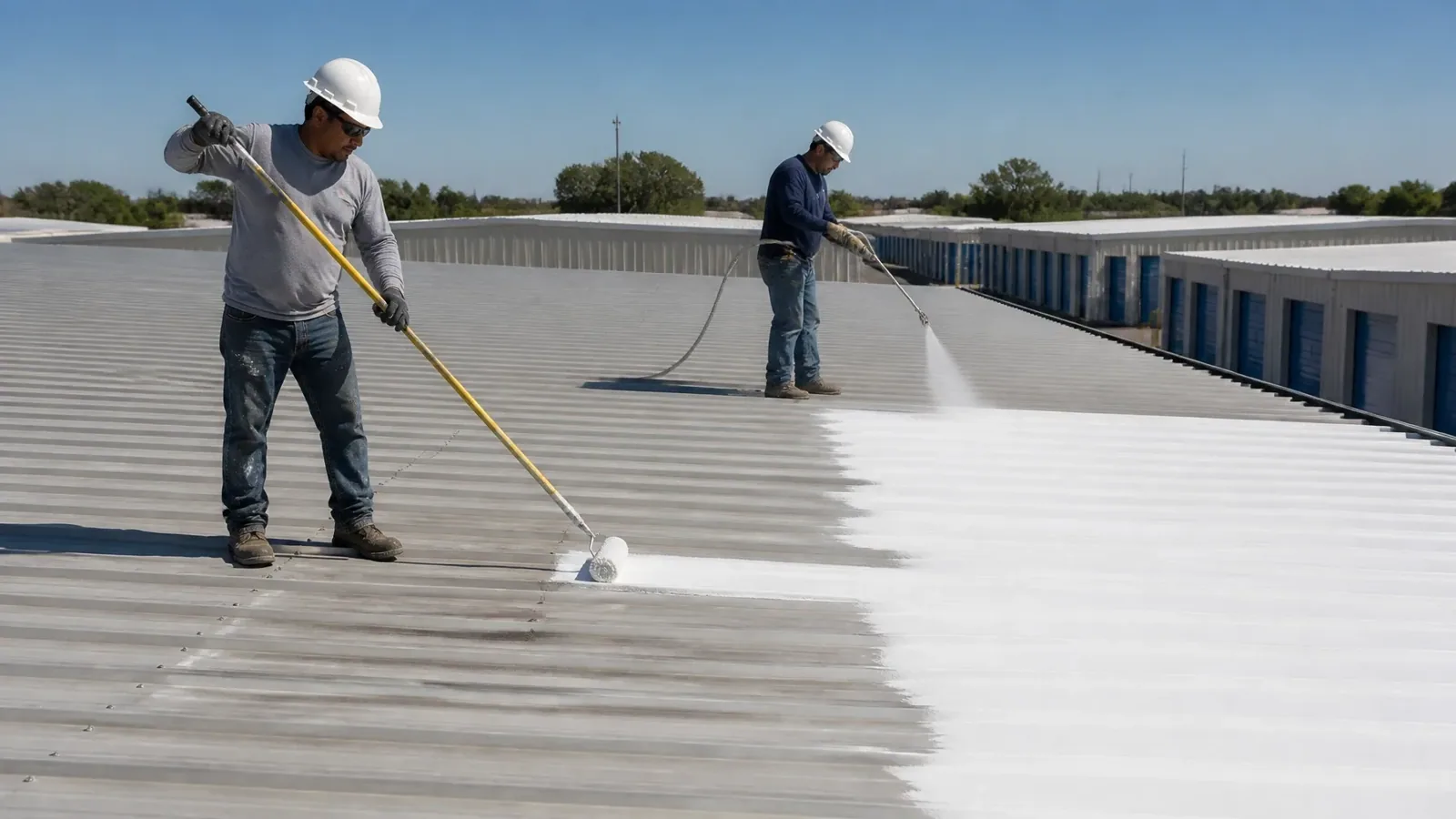
We read corrosion from below as well as above: deck underside, sprinkler piping, ceiling stains and fastener heads. Where the roof is sound but weathered, a silicone coating can seal and reflect heat, and a full roof coating restoration adds years when the insulation below is dry. If the deck itself has lost section, no coating will fix it, and the right answer is replacement of the affected area.
Prepare for Wind That Has Already Crossed the Channel
The January 2023 EF3 tornado moved through Pasadena and over the Houston Ship Channel, leaving sporadic roof loss along its path, and wind surveys after the May 2024 derecho put downtown gusts near 100 mph, while Highlands measured 78 mph. Hurricane Harvey in 2017 shut down roughly 12 percent of U.S. refining capacity along the Gulf Coast. Those events belong to the wider Houston region, and each one is a reminder of what an unsecured edge costs a plant.
For a plant or warehouse, the point is continuity. A roof that loses its edge metal or a rooftop unit in a storm can stop production in the bay below it. We walk the roof before the season and again after any major wind event, and edges, curbs and lap seams come first, since that is where wind damage starts. The Pasadena Freeway industrial corridor along SH 225 passes refineries, chemical plants and tank farms, so an owner with buildings on both sides of the channel can keep one inspection routine.
Carry the Roof in the Capital Plan, Not the Emergency Account
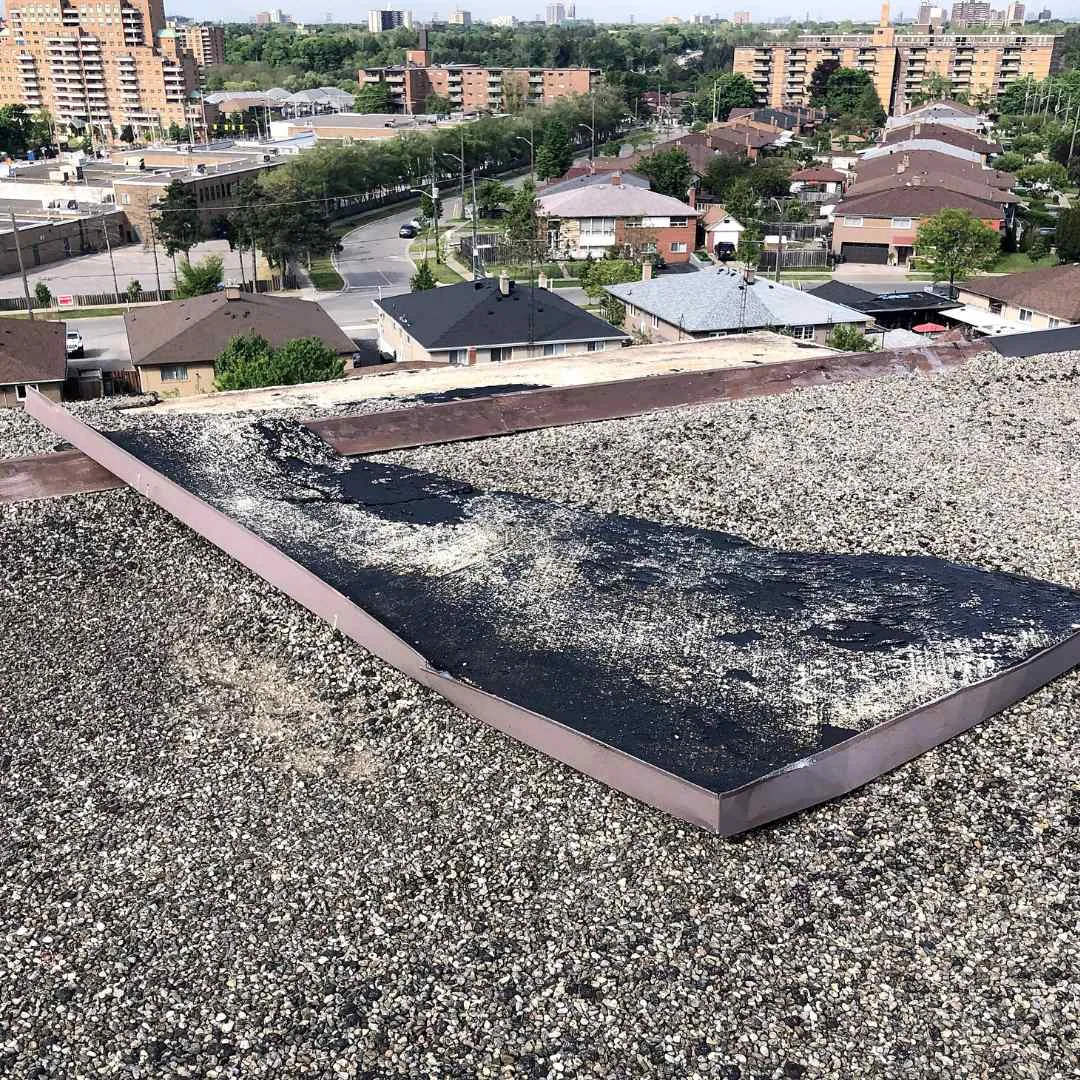
Facility directors in industrial cities know shutdown windows are scarce. A roof that fails off-schedule uses a window nobody planned to give it. A written condition report with photographs, moisture mapping and estimated remaining life lets the roof be scheduled with the rest of the capital work, ideally during a turnaround when the crane and the crew are already on site.
That report becomes the basis for roof capital planning. It lists which roofs can be repaired for a few more years, which need a coating or a recover, and which should be replaced next. The order follows condition and risk, so the budget goes where the next failure would hurt the most.
When proposals arrive, compare their assumptions before comparing totals. Each scope should state how many mobilizations it includes, what area can be opened per shift, how weather protection is handled, and whether deck or insulation repairs are unit-priced or excluded. Check that crane access, security orientation, hot-work controls, and disposal routes are addressed for the actual property. If two bids describe different assemblies or leave different conditions outside the price, the lower number is not an even comparison. We can walk the scope with the owner and mark each difference so the approval reflects the same roof, schedule, and closeout standard.
Commercial Roofing Questions
Can a reroof at an operating industrial site avoid torch work entirely?
Frequently, yes. Heat-welded TPO or PVC, mechanically attached sheets and cold adhesives cover most low-slope roofs without an open flame. Some details, such as certain tie-ins to existing bitumen, still call for heat. We list those spots in advance and file the hot work permit for them alone, which keeps the fire watch short and the permit process narrow.
How much slack belongs in a delivery window when freight trains cross the route?
Plan for at least an extra hour, and more for the first load of the day. Trucks are held at a staging point until the crane is ready, which keeps a stuck train from stalling the whole crew. We confirm each truck by phone and keep a second route in mind for loads that cannot reach the gate on time.
Is a coating realistic on a roof that sees chemical residue?
Sometimes, if the sheet and the insulation are sound. A silicone system resists many contaminants and can seal minor seams, but the surface must be cleaned thoroughly, tested for adhesion and checked for wet insulation first. A failing deck or saturated board rules a coating out, and replacement of the damaged section comes ahead of any restoration.
What belongs in a pre-season roof walk for a plant?
Drains and scuppers cleared, edge metal and coping fasteners checked, rooftop unit curbs and panels inspected, and every penetration walked for cracked sealant. Add a look at the deck underside and a photograph set stored with the roof file. The walk takes a morning, and it gives the plant a clear picture before the first named storm.
How do we budget roofs when the plant's priorities change every year?
Treat the roofs like any other asset and rank them. A condition report gives each roof an estimated remaining life and a repair cost, which lets you shift spending when priorities move. A roof marked for replacement in three years can wait if a repair holds it, and one that slips ahead of plan can move up without surprise.
Keep Reading
Related Roofing Work in Pasadena
Walk the Gate, the Dock and the Deck
Call and we will walk the roof, the gate procedure and the shutdown calendar with you, so the plan fits how your Galena Park operation runs before anyone mobilizes.