Commercial Roofing Services
Solar-Ready Roofing in Pasadena, TX
Facility directors at plants, schools and distribution buildings along the Gulf Coast tend to hear about solar from the energy team first and from the roofer last. By then a vendor has a layout, a financing model and a start date, and nobody has asked how many years the roof under the array has left. That question belongs at the front of the schedule, because a solar array turns a roof into a platform that has to stay watertight for decades while carrying equipment that cannot easily be moved.
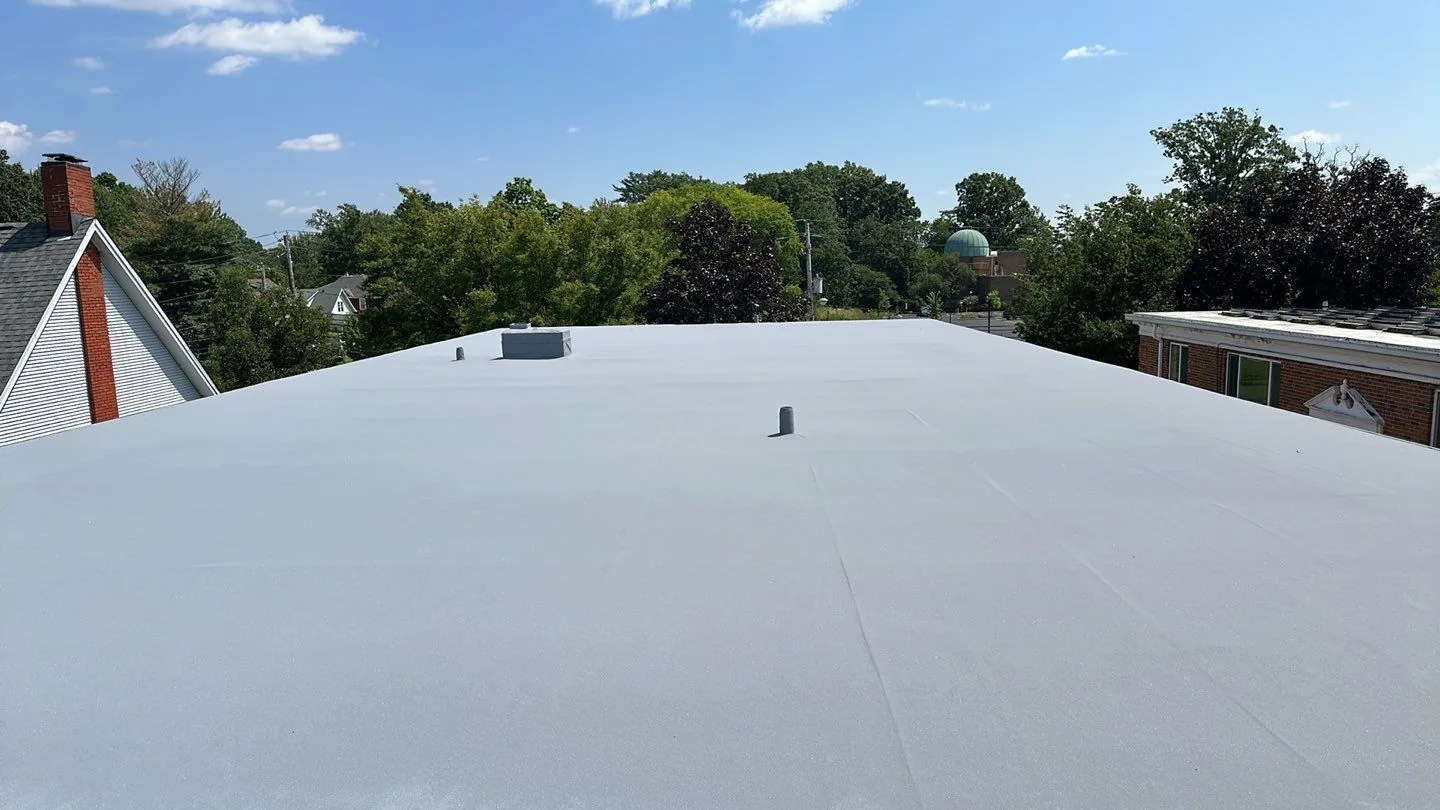
A roof is solar-ready when the sequence is right. Roof first, array second, access for both afterward.
Test the Roof Before It Has to Carry Panels for Decades
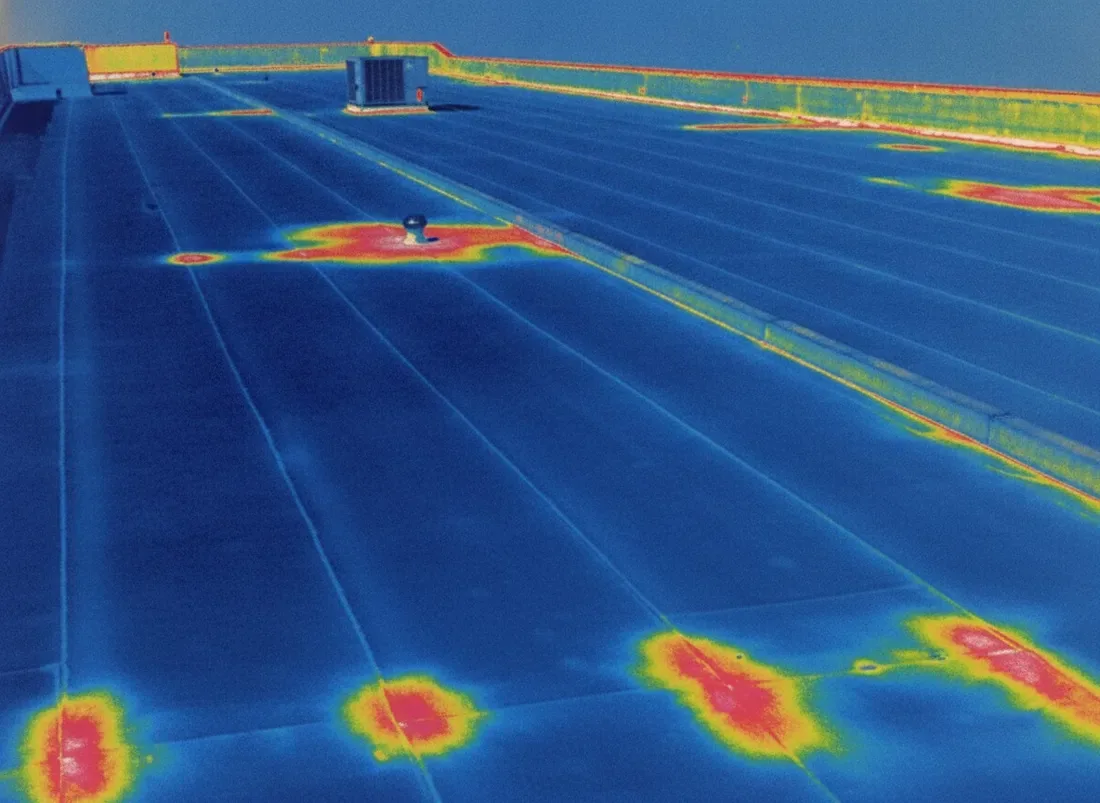
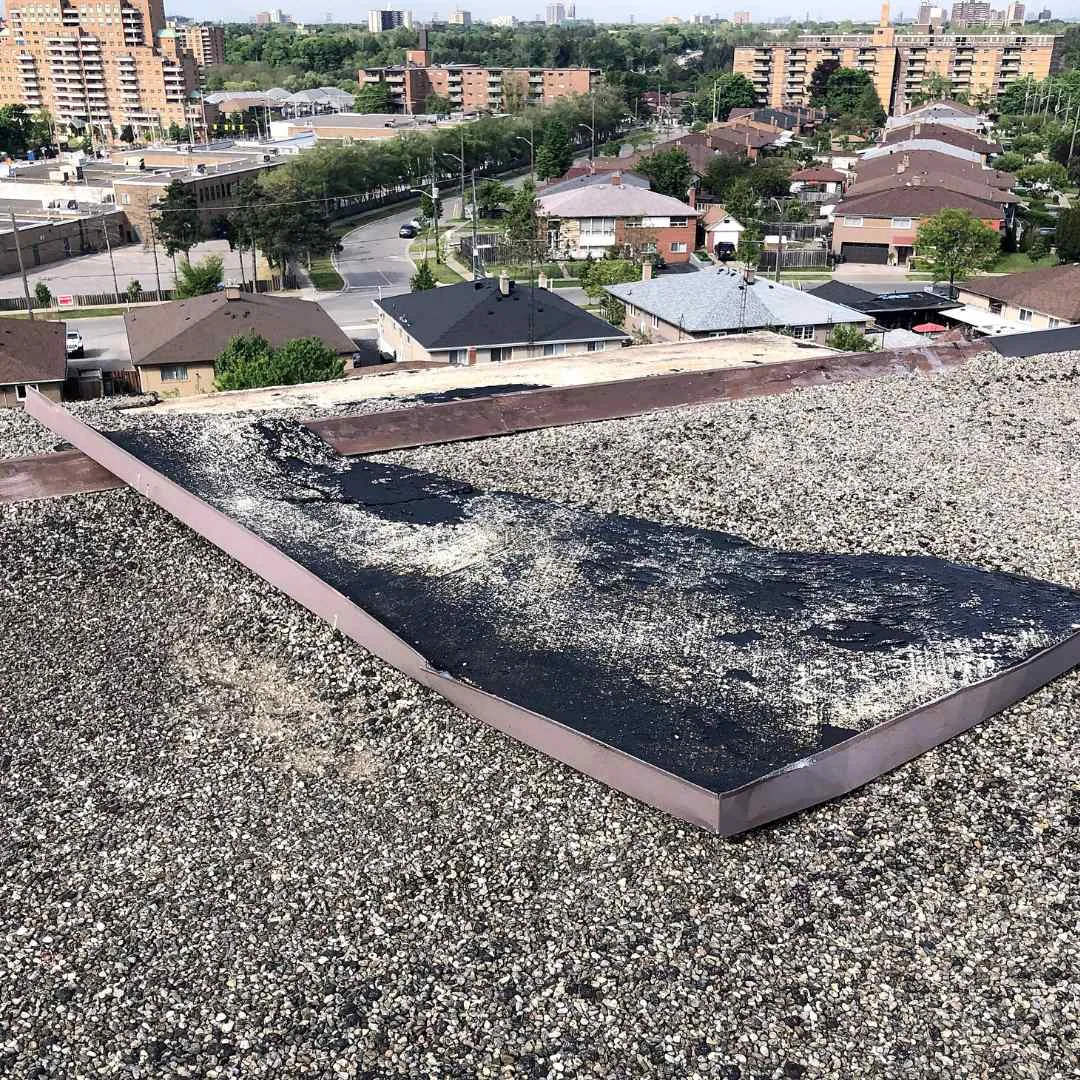
Panels outlast most membranes, so the honest first question is how much life the roof has left. We start with a moisture survey and a hands-on walk to find wet insulation, tired seams and thin spots in the field of the sheet. A roof with a few years remaining should be replaced or restored before the racking goes down, because pulling a working array to reach a failed membrane means paying to detach and reset every module. When the numbers favor a new roof, a replacement built with the array in mind costs less than tearing out the roof beneath a working array later.
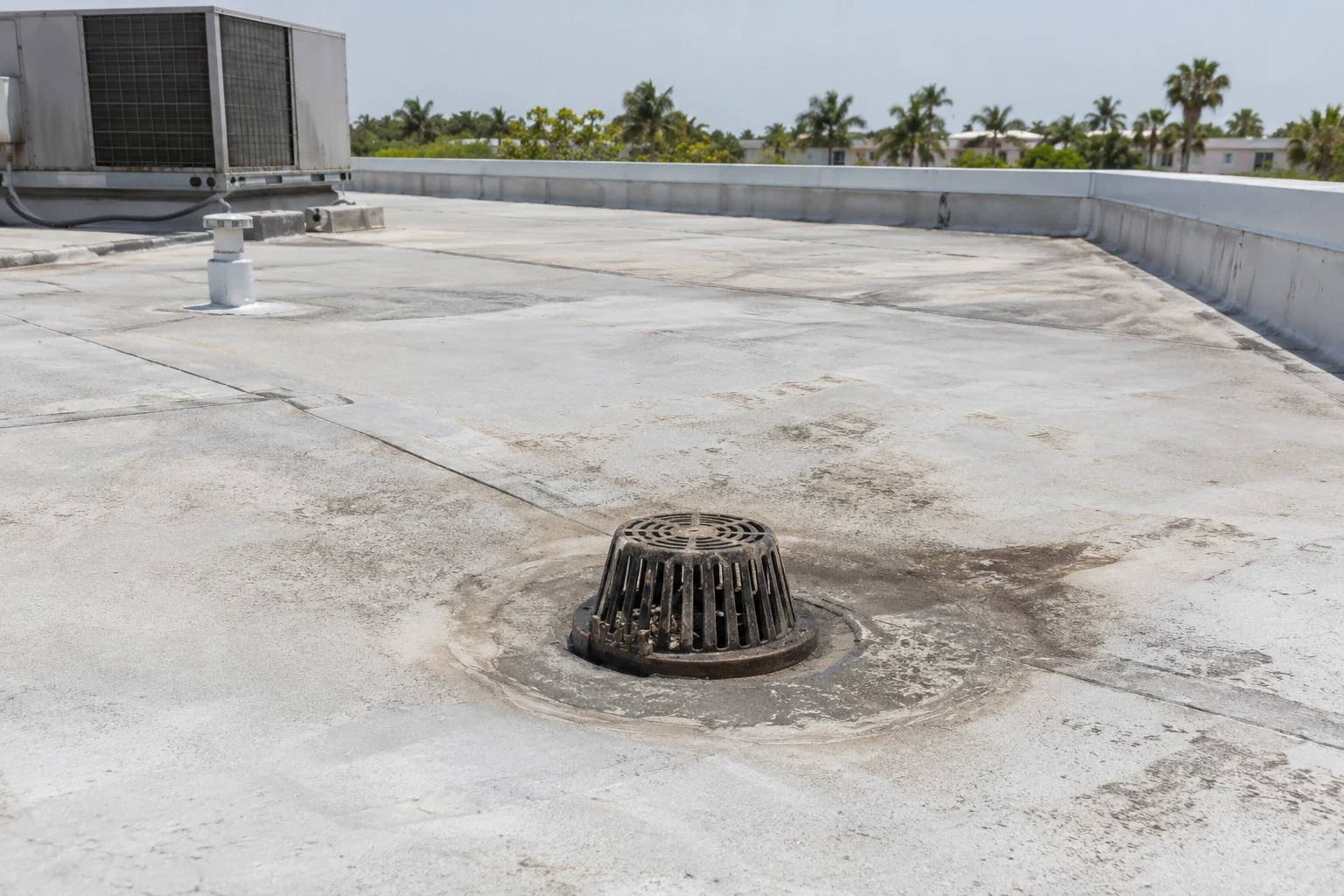
Drains, edges and curbs get their own review, because every one of them will be harder to reach once the array is in place.
Check What the Deck and Framing Can Carry
Racking, ballast, conduit and the modules themselves add weight to a deck that was designed for a different load. A structural engineer should confirm what the framing can take, and the answer shapes the mounting method. Steel decks, concrete decks and lightweight insulating fills each behave differently under point loads, and a ballasted layout that works on one deck may be wrong on another. The array layout also decides where weight lands near drains and low spots, which matters in a climate like Houston's, with about 104 rainy days a year, where a roof cannot afford a pond under a rack.
Pick a Mounting Method That Respects the Membrane
Three approaches cover most commercial roofs. Ballasted racks sit on the surface and resist wind with weight, which spares the membrane but loads the deck. Attached racks bolt to the structure through the roof, and every bolt is a penetration to flash in the roof's own system. Adhesive-mounted systems sit between the two, and they depend on a clean, sound surface. Whatever method is chosen, protection pads or slip sheets under every foot keep the racks from wearing through the sheet, and the array should leave drains and scuppers clear of racking and wire.
We install the roofing side of the detail and coordinate with the solar installer so the two crews never work on the same square foot at once.
Design the Array for Gulf Wind and the Occasional Hailstone
A rack that holds in a brochure can still move in a Gulf storm. The January 2023 tornado crossed Fairmont Parkway with winds near 140 mph, Hurricane Beryl came ashore in July 2024, and the May 2024 derecho put roughly 100 mph winds over downtown Houston. A June 2023 thunderstorm line put a 97 mph gust on Bush Intercontinental Airport, the highest recorded there. Arrays catch wind, and the corners and edges of a roof see the highest uplift. Layout should respect edge zones, and anything that loosens becomes debris and a source of wind damage for the roof below.
Hail reaches this coast only now and then, but April 2013 brought golf ball size stones across the Houston region, so panel glass and the membrane below both deserve a look. East of SH 146, windstorm inspection adds another layer.
Leave Walkways, Drainage and Fire Access Around the Array
Someone has to reach the roof after the array is built. Maintenance walkways let a technician reach units, drains and flashing without stepping on the sheet or the wiring, and pathways at the edges give firefighters room to work. The City of Pasadena adopted the 2024 International Fire Code effective January 19, 2026, so ask the fire marshal's office how setbacks and pathways apply before the layout is final. A commercial roof inspection after the install records the starting condition of the roof and the attachment points, and the same file helps when a building in the Fairmont Parkway corridor changes owners or contractors.
Sequence the Roofer and the Installer So Neither Undoes the Other
The order matters more than the speed. The roofer finishes the membrane, flashings and walkways and records them in photos. The solar crew then sets the racks, with a plan for the crane pick, a laydown area off the dock lanes and a safe route for materials. If a panel must come off for a repair later, the roof file shows where each attachment sits so the work can proceed without guessing. Owners should read the membrane warranty's terms before signing the solar contract, and warranty management on the roofing side means reading those terms alongside the racking plan.
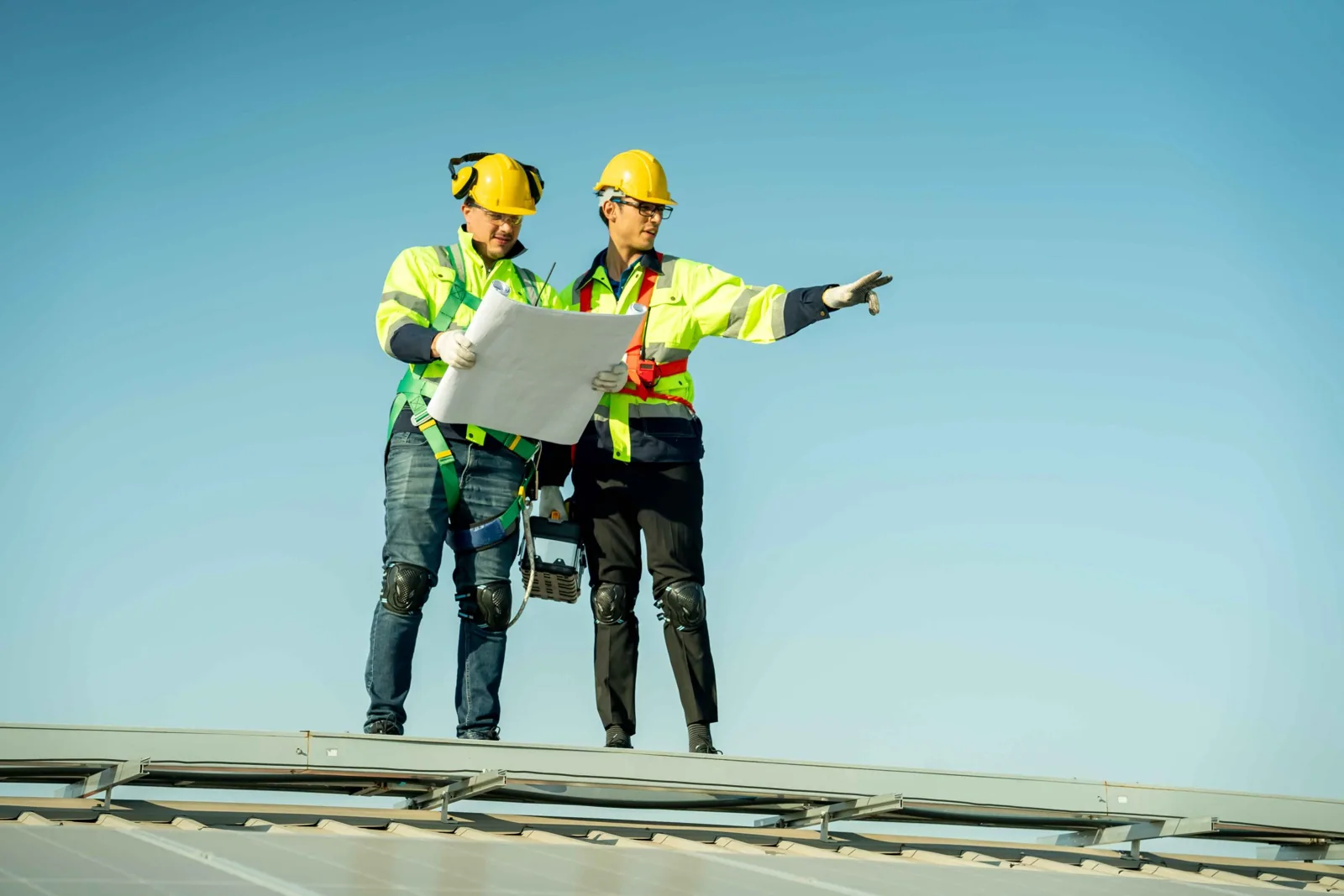
A solar-ready review should leave the roofer and electrical designer with a shared roof plan. Mark equipment clearances, drainage routes, fire-access paths, service walkways, and zones where attachment would interfere with seams or future repairs. Confirm that structural review addresses the actual array layout and mounting loads rather than a general panel allowance. If reroofing is planned, coordinate the membrane warranty, attachment details, and sequencing before procurement. The owner should retain the final array map with roof photographs and manufacturer documents. This makes later service easier and reduces the chance that a panel installer has to reopen a finished roof to resolve a preventable conflict.
Commercial Roofing Questions
Should I replace the roof before a solar array goes on it?
If the membrane has less life left than the array will run, yes, and the cheapest day to do it is before the first rack is set. A survey shows the remaining life and finds wet insulation that would shorten it. Plants and schools with a mixed inventory sometimes replace one roof and leave a younger one for later, which spreads the capital across several budget years.
Will mounting solar on my roof affect the membrane warranty?
Read the manufacturer's terms before anything is fastened, because many warranties spell out how penetrations, ballast and foot traffic must be handled and who must approve them. We flash every attachment in the roof's own system and keep photos of each one. Where the terms need written approval, we help gather it before the solar contract is signed, so the roof and the array carry their coverage together.
What happens when a panel has to come off for a leak repair?
Modules are detached, set aside on a protected surface and reset after the repair, and the cost of that is one reason to fix the roof first. A clear roof file with attachment locations keeps the lift short. Without one, technicians open sections of the array searching for the leak, which adds both time and risk to what could have been a small repair.
How is a ballasted array held down in a hurricane or a tornado?
Weight resists wind, so ballast has to be calculated for the corner and edge zones, where uplift is highest, and checked against what the deck can carry. A ballasted layout cannot promise survival in a violent tornado, but it lowers the risk in ordinary Gulf storms. Edge setbacks, interlocking racks and perimeter securement help the whole array move as one unit rather than panel by panel.
How do we keep the roof under an array from becoming a blind spot?
Plan the inspections before the array goes up. Infrared scans work at dusk when the roof gives up its heat, and a hands-on walk along the maintenance paths catches the slow failures, such as a seam lifting near a rack foot. Put those visits on the calendar with the same discipline as an equipment service call, and a small defect stays small.
Keep Reading
Related Roofing Work in Pasadena
Bring the Solar Layout and Let the Roof Plan Meet It
Share the proposed array drawings and what you know about the roof. We will walk the site with your facility director, test what the roof can still deliver, and plan the work so the roof and the array go in without surprises for either crew.