
Roofing Capabilities
Roof Warranty Management in Pasadena, TX
A warranty binder in a plant manager's credenza holds a letter, a spec sheet and a coverage period that nobody has read since the roof went on. Then a seam opens over a control room, the call goes to the manufacturer, and the first question is whether the roof was maintained the way the warranty required. If the file cannot answer, the coverage the owner paid for stays on paper.
Roof warranty management in Pasadena, TX is the habit of reading the warranty at the start, keeping the record it expects and acting inside its deadlines. Gulf Coast heat, wind and corrosive air test every clause. A facility director who knows which clauses matter can keep a manufacturer's coverage valid for the full term instead of discovering a gap after a loss.
Read the Terms Before the Roof Needs Them
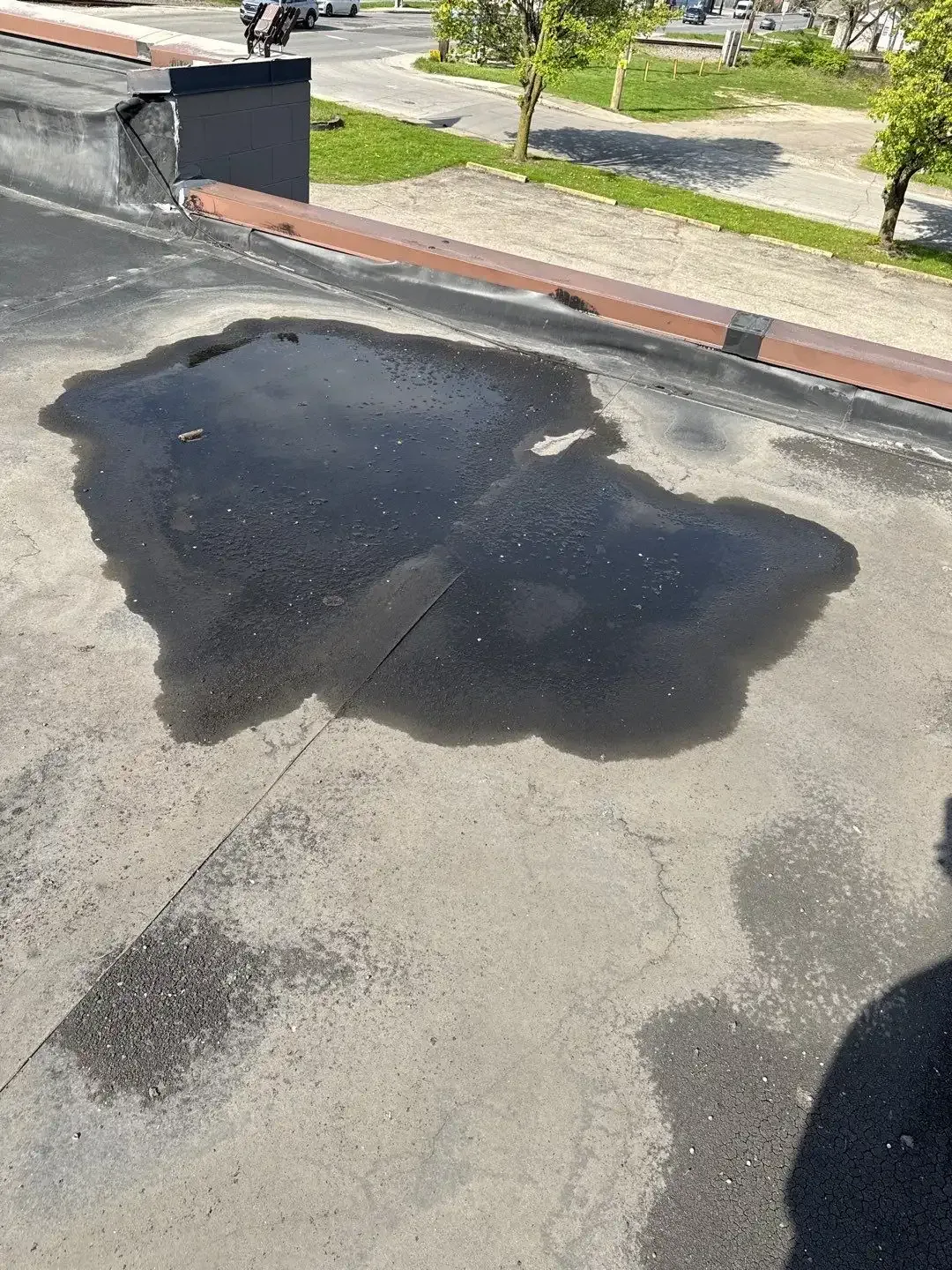
Warranties differ widely. Some cover materials only. Others add labor for repairs, and system warranties extend to the insulation and accessories installed with the membrane. Within each, the exclusions carry the weight: ponding water left standing past a stated period, damage by other trades, wind above a named speed, chemical exposure and unapproved changes to the roof. Reading those clauses at the start tells the facility team what to protect.
Local conditions make several clauses live ones. Plants in the Bayport Industrial District share the ground with more than 60 chemical plants, and exhaust or airborne chemistry can matter to a membrane's coverage. Humid bay-side air and Gulf storm exposure bring wind-speed limits into play. A copy of the warranty, filed with the roof plan and the closeout documents, should be the first thing anyone opens when something changes on the roof.
Keep the Maintenance Record the Manufacturer Will Ask For
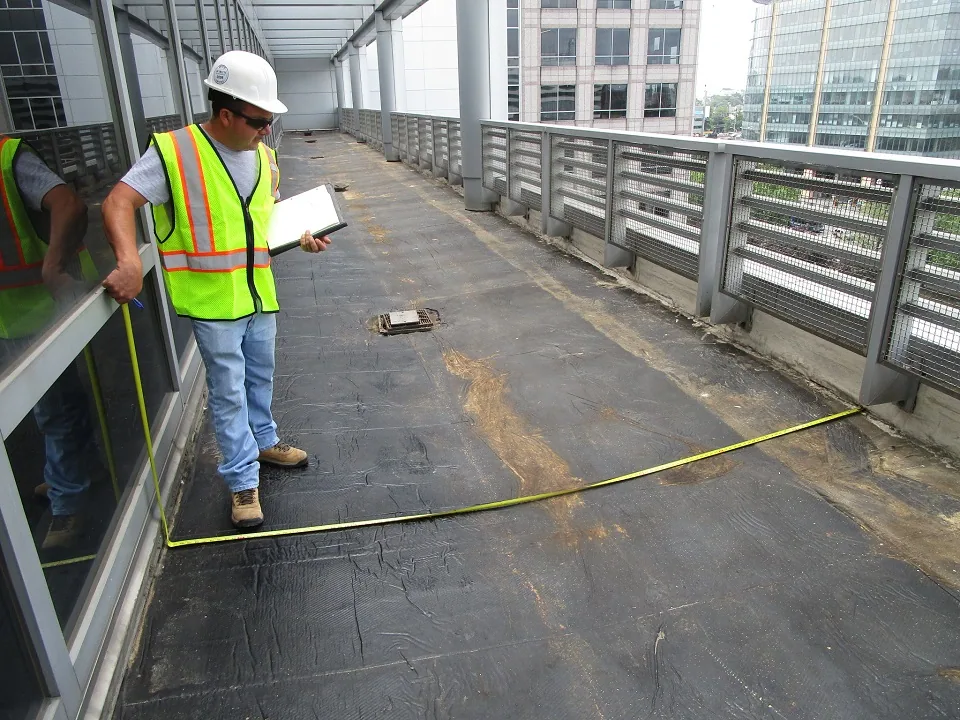
Most warranties assume the owner looks after the roof. That means periodic inspections, clearing debris from drains and scuppers, removing standing hazards and repairing damage promptly with compatible materials. The warranty rarely demands anything exotic. What fails owners is missing paperwork: no dated inspection, no photographs, no proof that the clogged drain was cleared before the water ponded.
A preventive maintenance program builds that file as a byproduct. Each visit produces a dated walk, a list of what was found and corrected, and photographs tied to roof areas. When a manufacturer's representative asks for proof of maintenance after a leak, the owner hands over a continuous record instead of a scramble through old invoices. The routine is small beside the coverage it protects.
Control Who Works on the Roof
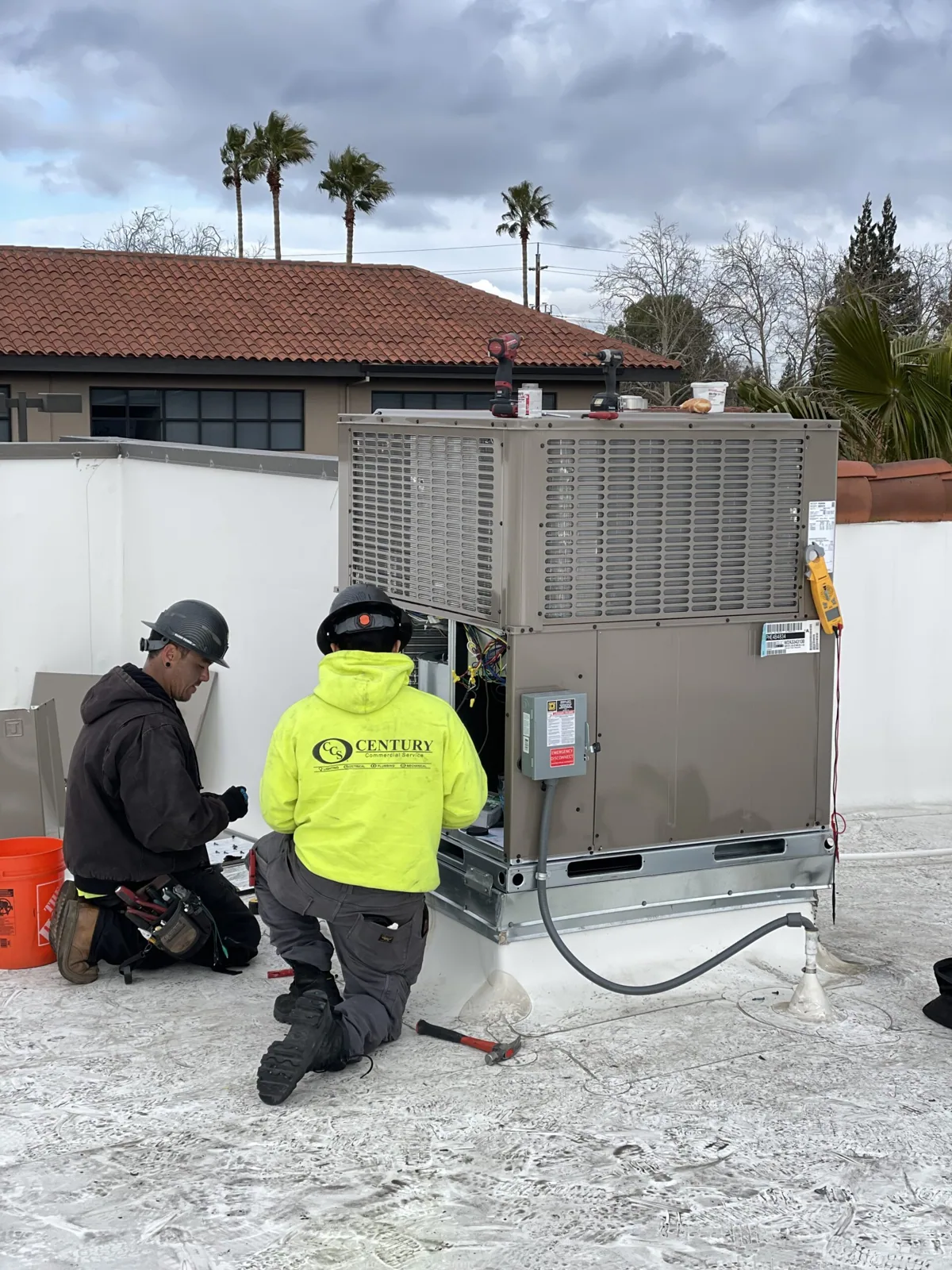
Other trades cause more warranty trouble than weather does. A technician replacing a rooftop unit, a cable installer running conduit or a solar contractor mounting racks can each puncture or burn a membrane in an afternoon, and the warranty often excludes damage from work it did not authorize. A roof access log stops the problem at the ladder: who went up, what for, and who checked the roof before and after.
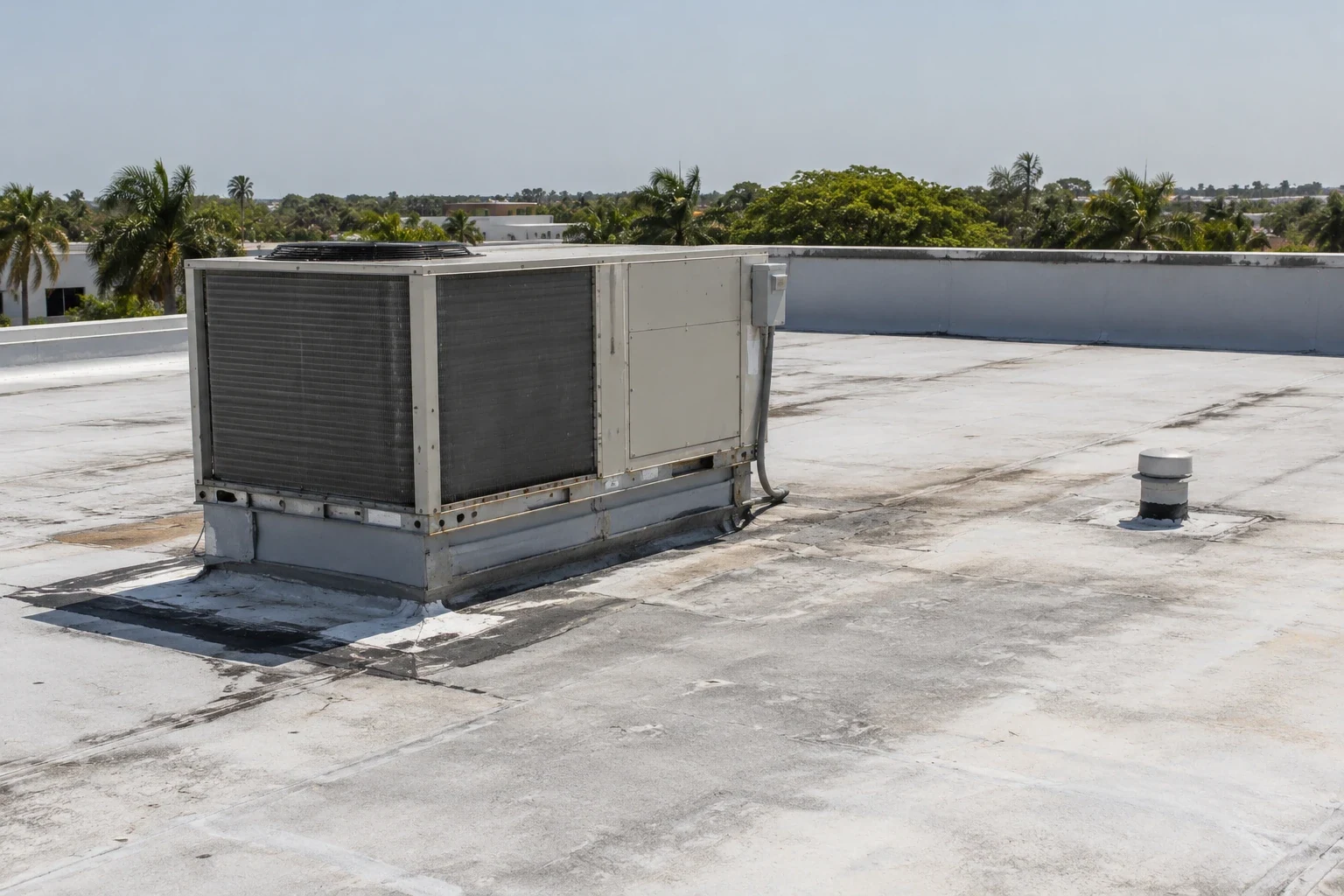
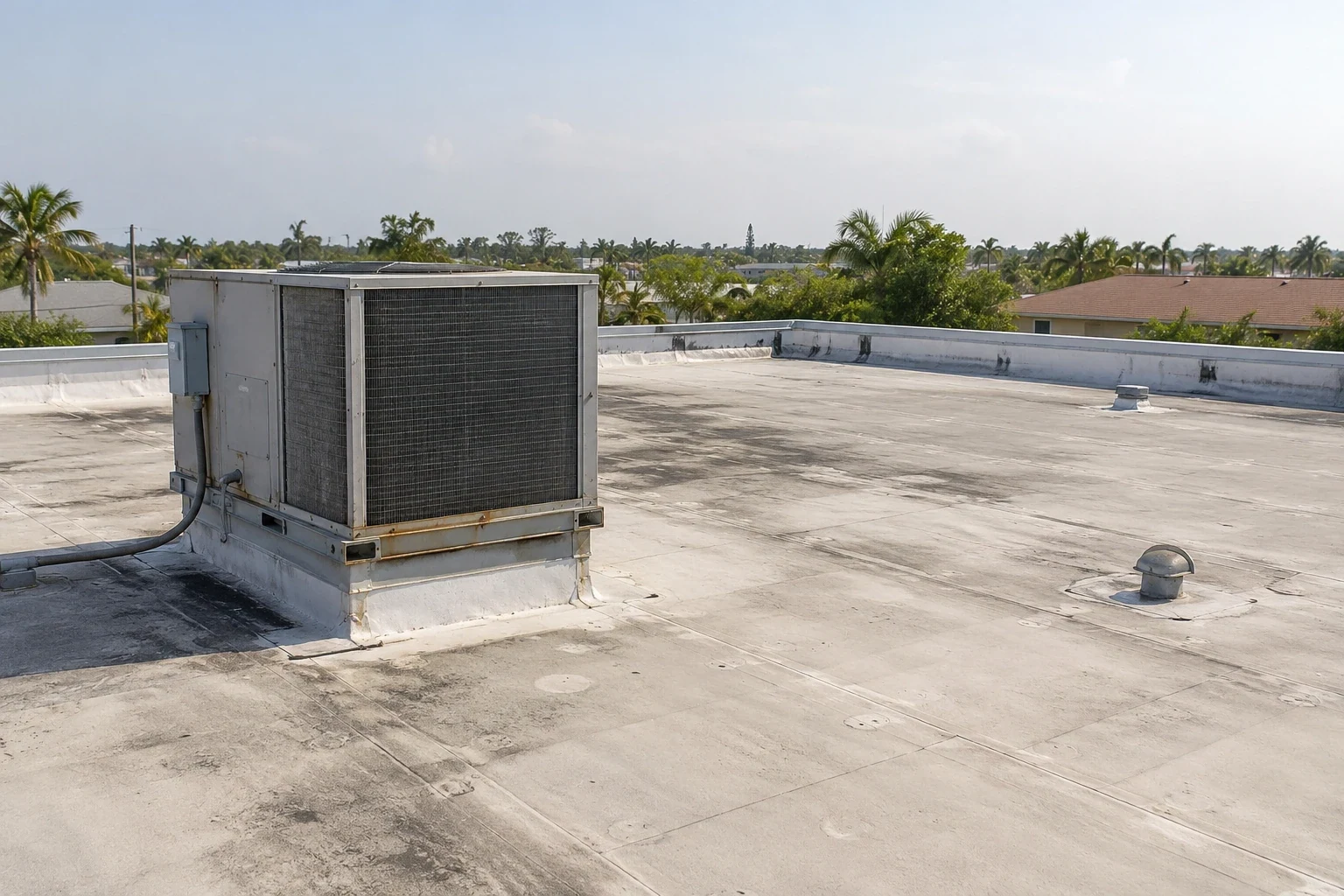
Hot work deserves its own rule. Torches, welders and heat guns near a membrane call for a permit, a fire watch and protection of the surface. A plant that already runs a hot work permit program can extend it to the roof in a day. When equipment moves or gets added, the flashing at equipment curbs and supports is the detail to inspect afterward, because that is where another trade's work meets the manufacturer's system.
Report Damage Inside the Notice Window
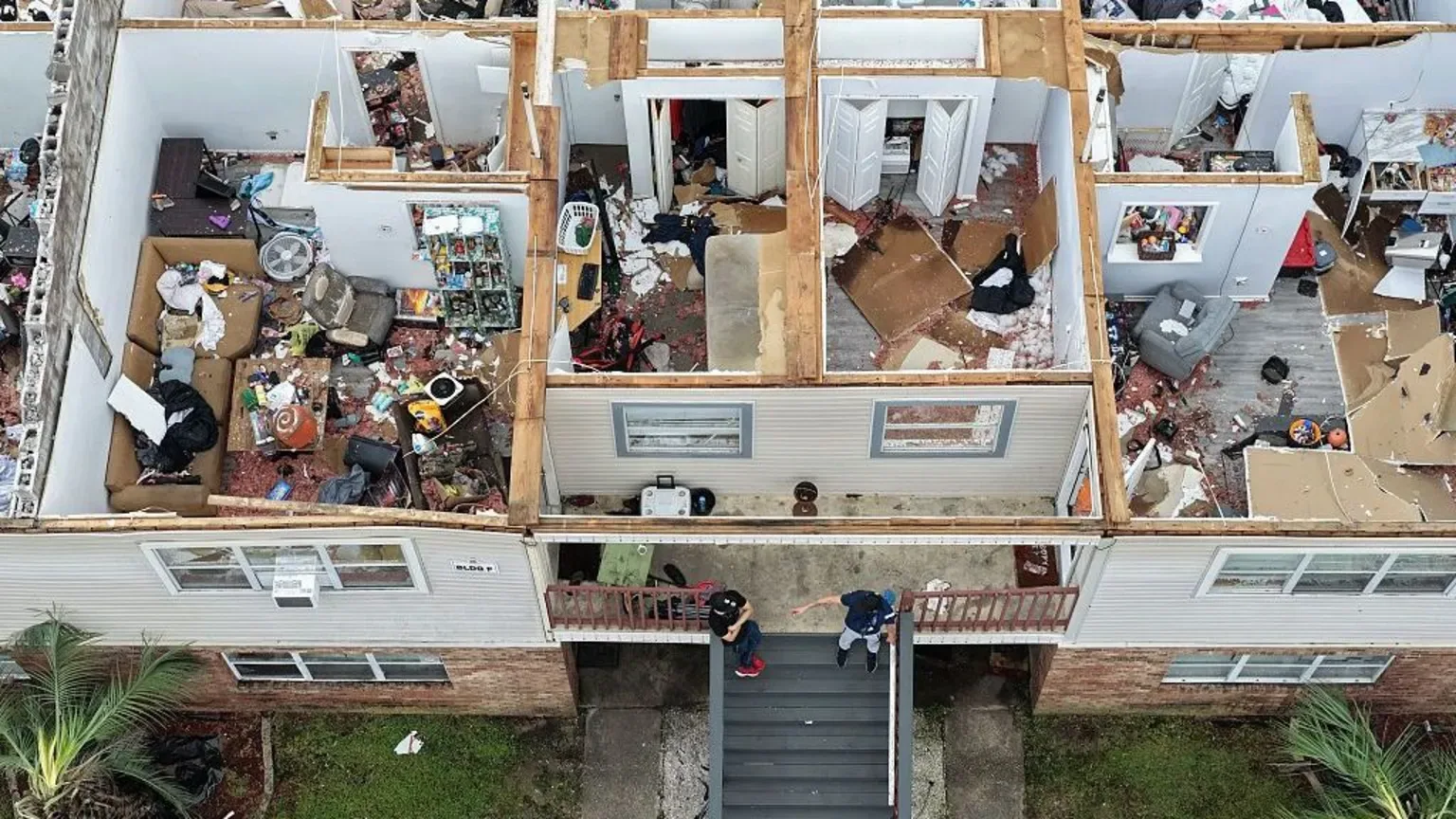
Warranties set a deadline for reporting a problem, and the clock starts when the owner knows. After a storm, the facility team has a narrow stretch of days to walk the roofs, photograph damage and send written notice. Hurricane Ike in 2008 and Hurricane Beryl in 2024 both tested Gulf roofs, and a wind event can limit coverage when the recorded gust exceeds the warranty's stated limit. Knowing that number ahead of time shapes the notice.
Two claims often run side by side. The manufacturer's warranty responds to defects and certain weather limits, while property insurance responds to storm loss. East of SH 146, the Texas Windstorm Insurance Association area adds a state windstorm inspection to the paperwork. We separate the evidence for each, so a photograph that supports the hurricane damage claim does not undercut the warranty position, and the owner's insurance claim file stays consistent with both.
Carry the Coverage Through a Sale or a Reroof
Warranties change hands badly when nobody planned for it. Some transfer to a new owner on written notice and a fee, while others end at sale or after an uncovered repair. A buyer who finds a lapsed warranty during a due diligence roof survey may ask for a lower price or a credit, so a seller with a clean file holds the stronger hand.
Roof work changes the picture too. A recover over an existing roof can alter the original coverage, and a replacement starts a new warranty with its own conditions. At closeout we collect the documents the new coverage depends on: the system specification, the installation record, photographs of concealed work and the manufacturer's issued terms. They go into the same file as the roof condition reports, so the next manager inherits the whole history.
Warranty administration should begin with a calendar of notice dates, inspection intervals, and documents each party must retain. Keep the issued warranty separate from a proposal that describes anticipated coverage, and record any exclusions or owner responsibilities in plain language. Before another trade penetrates the roof, verify the approval path and identify who will restore the membrane. For a reported leak, preserve the first notice, photographs, temporary work record, and any manufacturer's response in one file. At a sale or management handoff, confirm which documents transfer and who will own upcoming obligations. These steps help owners avoid confusing a repair commitment with a manufacturer's coverage decision.
Commercial Roofing Questions
Our roof is under warranty, but another contractor patched it last year. Is the coverage still good?
Read the repair clause before assuming either way. Some warranties require repairs by an approved contractor or with compatible materials and treat anything else as a break in coverage, while others exclude only the damage the patch caused. We review the clause and the patch together and say plainly where the owner stands.
A hurricane crossed the site and the roof leaked. Does the manufacturer's warranty respond?
Check the wind-speed limit first. Many system warranties name a gust level above which the manufacturer is not responsible for wind damage, and storm loss above it belongs with the property insurer. Below that level, a failed seam or flashing may still fall to the manufacturer. Photographs and written notice inside the deadline keep both routes open.
Who should hold the warranty documents across a multi-building portfolio?
One shared location, controlled by the person who signs the roof work orders, with a copy kept at each property. Each warranty sits beside its roof plan and condition reports, so a technician on site can read the terms before touching the roof.
What do we need in hand before selling a building whose roof is still under warranty?
The warranty itself, its transfer terms, the maintenance record and the latest condition report, in that order. Buyers read the transfer clause first because some require notice or a fee within a window after closing. A seller with these ready answers the roof question in a single email.
Will adding rooftop solar or new units put our coverage at risk?
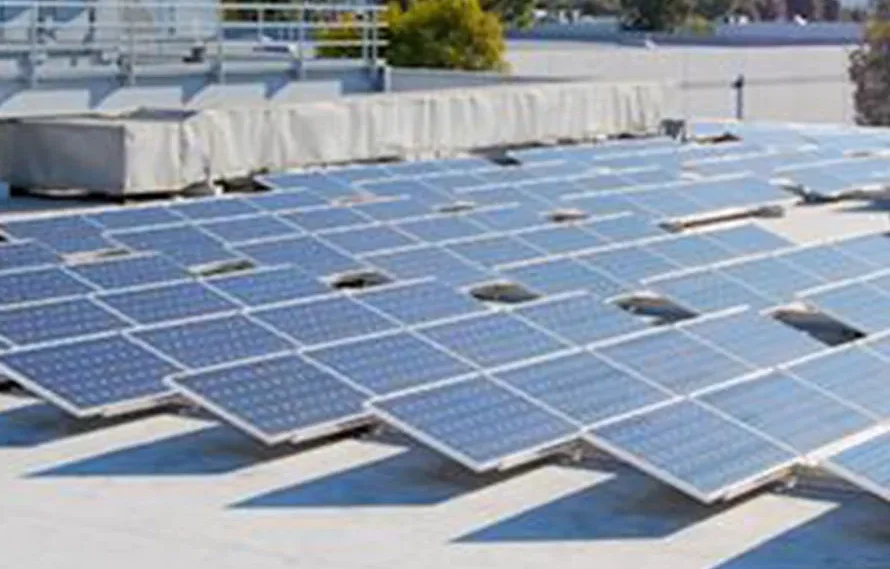
They can, so the work should be planned with the manufacturer's installation requirements in hand. A solar-ready roof needs the right walkway protection, flashing details and a record of the membrane before and after. Done that way, new equipment and the warranty coexist. Done without a plan, the penetration becomes the exclusion.
Keep Reading
Related Roofing Work in Pasadena

Bring the Warranty Binder to the Site Walk
Send us the warranty documents and the roof plan for the first few buildings. We will walk the roofs with your facility staff and set up the access log and maintenance record so the coverage you hold stays valid.