
Service Areas
Commercial Roofing in Clear Lake City, Houston, TX
Hurricane Ike left minor damage at Mission Control in 2008, and that detail says something useful to a facility director: even a building that exists to keep working through a crisis has a roof that needs checking afterward. NASA's Johnson Space Center occupies 1,620 acres next to Clear Lake City, with roughly 100 buildings and about 12,500 civil servants and contractors, including Mission Control and the Neutral Buoyancy Laboratory.
Aerospace firms such as Boeing and Lockheed Martin have a presence in the district, and Bay Area Boulevard is its main thoroughfare, with the University of Houston-Clear Lake in the vicinity. Commercial roofing in Clear Lake City, Houston, therefore means a space center campus, aerospace offices and a nearby university, where what sits under the roof sets the plan. We repair, recover and replace those roofs across the Pasadena, TX market, and every plan starts with the same question: what inside this building must never get wet, and how does the work protect it?
Rank Each Building by What It Protects
On a campus of roughly 100 buildings, like the Johnson Space Center, no two roofs deserve the same urgency. A training facility, an office wing and a control room with racks of equipment under it carry very different consequences when water finds a seam. We begin with an inventory: building use, roof age, deck type, number of layers, drain count, past leaks and what sits directly below the membrane.
Then we rank. Rooms that carry electronics, laboratory work or round-the-clock operations move to the top of the list. Roofs over storage and circulation space wait for a scheduled window. The ranking becomes the order of work in a multi-year plan, and it keeps small repairs from competing with big replacements for the same budget. Multi-site roof programs are built this way, one building at a time, with each decision traceable to a photograph and a measurement.
Phase the Tear-Off Above Rooms That Cannot Be Shut
A laboratory or control room cannot simply close for a week. So the plan opens the roof in sections small enough to dry in the same shift, with the new insulation and membrane tied into the old before the crew leaves. Rooftop air handlers and exhaust stay running, and we check their intakes so dust and fumes do not follow the air indoors.
The coordination steps are consistent:
- Badging, vehicle access and escort timing confirmed with the site before mobilization.
- A lift plan that places the crane away from entrances, parking and pedestrian paths.
- Material staging that keeps stock off the roof edges and away from open drains.
- Night or weekend windows for any step that makes noise or vibration.
Deliveries are timed against the traffic on Bay Area Boulevard, and truck arrivals avoid its peak hours. A closeout walk with the facility team finishes each phase before the next begins, and anything found underneath the old membrane goes into the written record.
Specify for Heat, Humidity and Rooftop Equipment
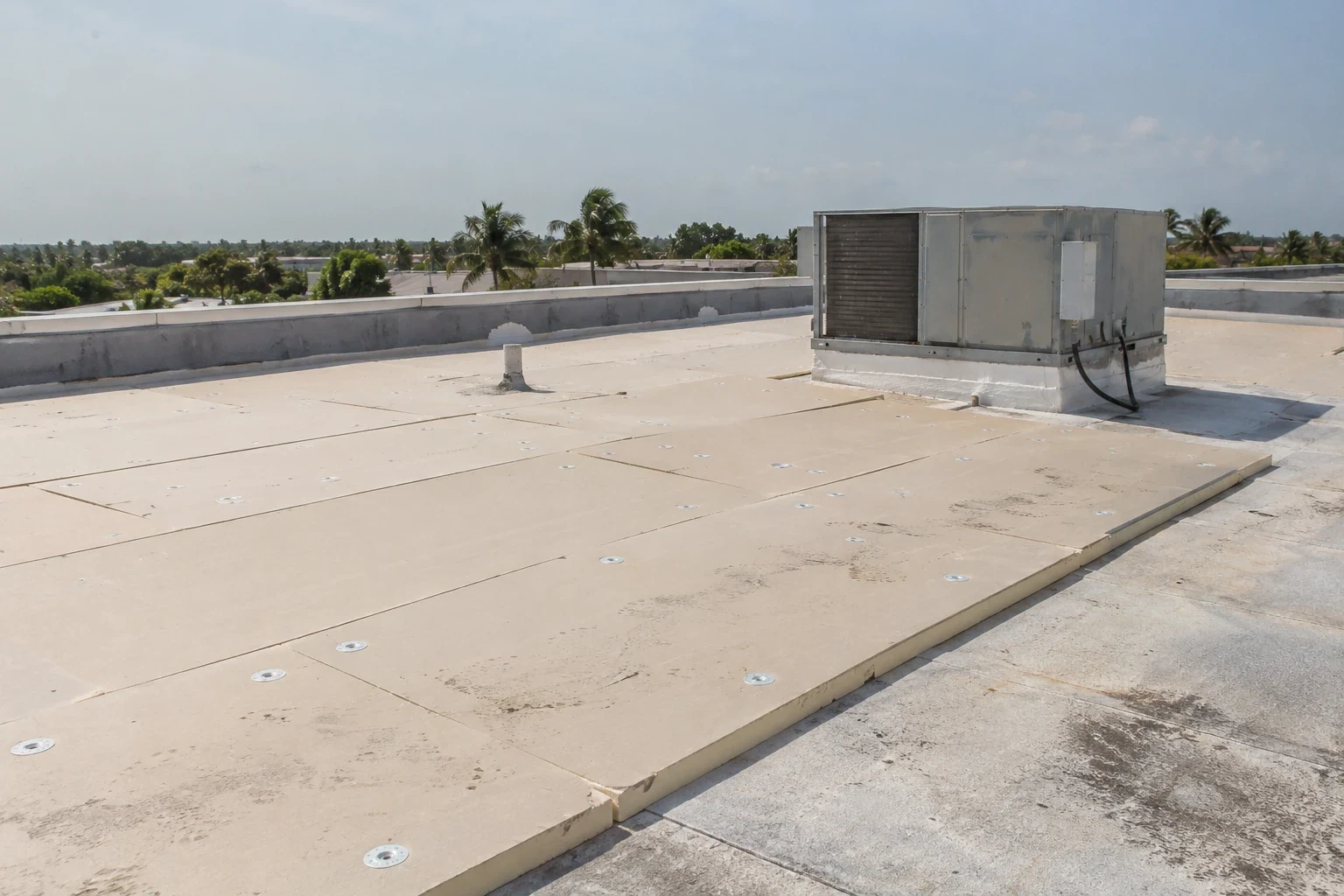
Summer in Houston means more than a hundred days at or above 90 F, afternoons near 95 F in August, and mornings so humid the air feels wet. A flat roof over an air-conditioned building takes that heat on one side and a cold interior on the other, and the insulation between them has to stay dry to keep its R-value, because wet insulation loses most of it. Cover boards and good insulation selection protect the membrane from the deck and the foot traffic that comes with equipment service.
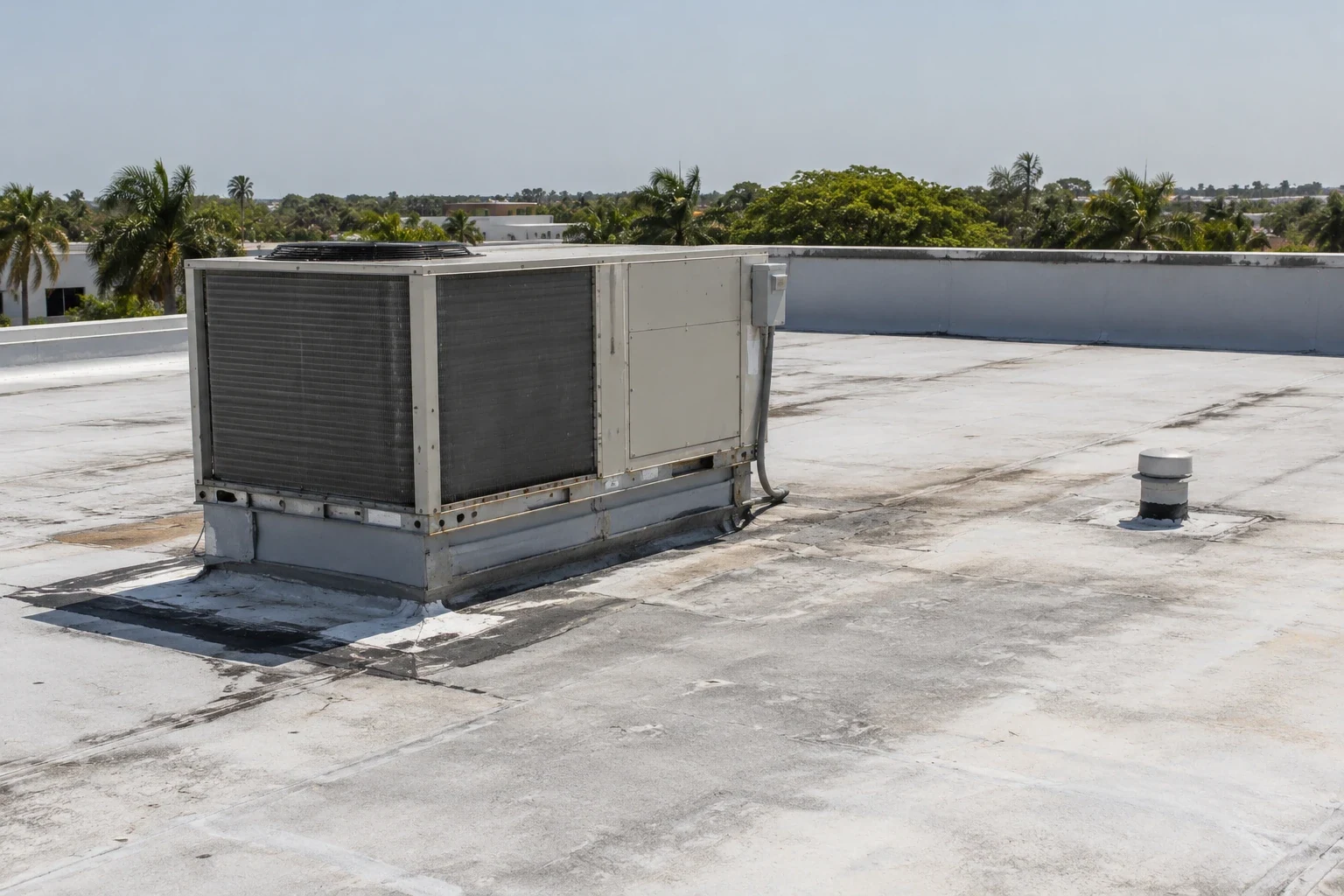
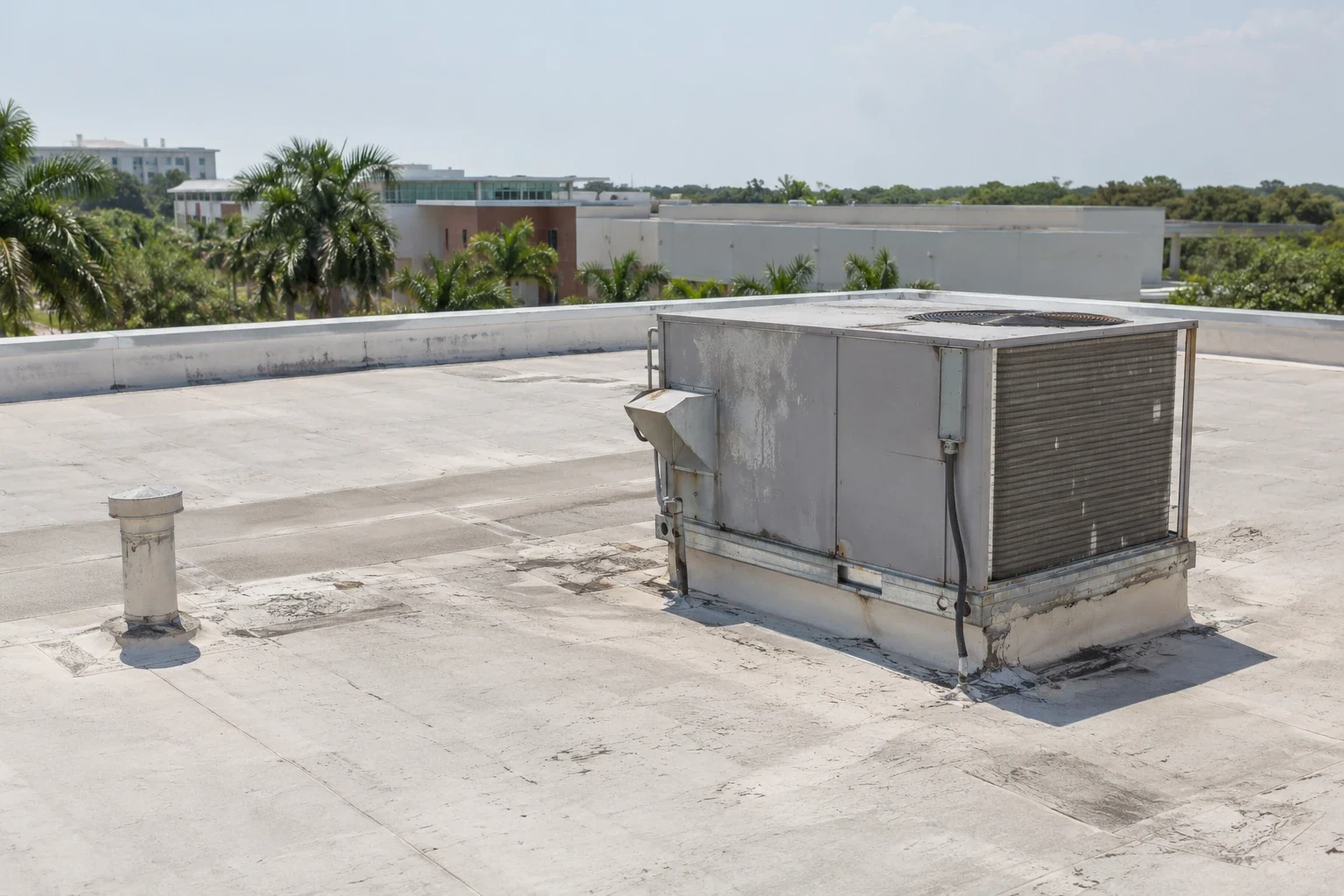
Offices and laboratories usually carry plenty of rooftop equipment, so curbs, pipe supports and penetrations are where leaks start. We rebuild penetration flashing carefully and set walkway pads along service routes, because technicians crossing a membrane to reach a unit wear it down faster than weather does. A reflective single-ply system keeps the roof surface cooler and the equipment below it under less load.
Prepare Before the Gulf Storms Arrive
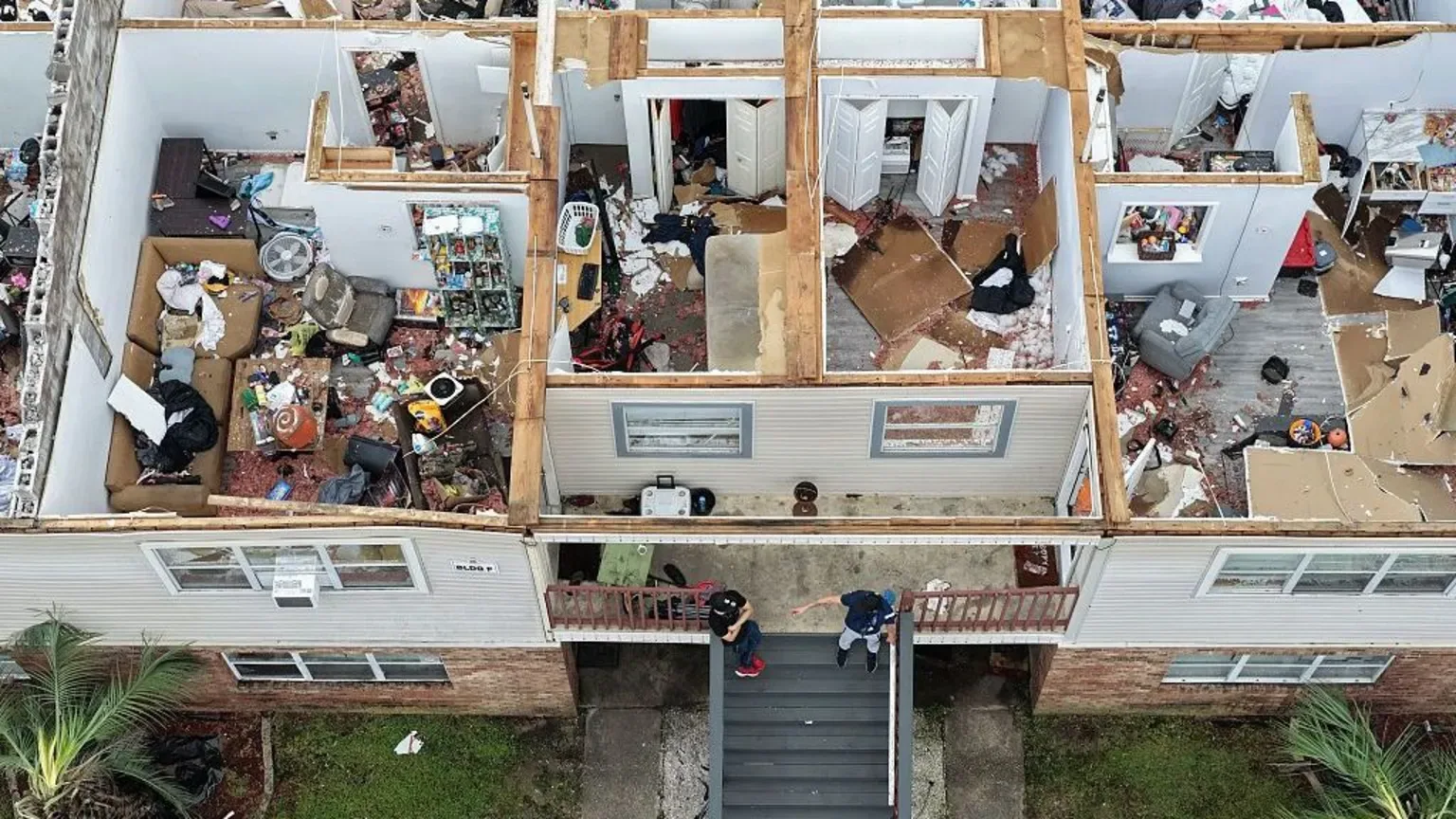
Clear Lake City sits within reach of the same storms that cross the region. Hurricane Ike in 2008 tracked up the east side of Houston along Galveston Bay. In July 2024 Beryl's eastern eyewall crossed the metro area, and a derecho that May produced downtown wind estimates near 100 mph. Storms like these move loose items, lift membrane edges and clog drains with debris.
The preparation is a routine rather than a reaction: before the season starts, preventive roof maintenance clears drains, tightens edge metal, secures loose equipment covers and records the condition of every roof. After a storm, we walk the campus in order of the earlier ranking, stop active leaks, and photograph the rest. That record supports an insurance claim and shows a facility director which hurricane damage needs permanent work and which can wait for the budget cycle.
Coordinate Office and University Roofs With Their Owners
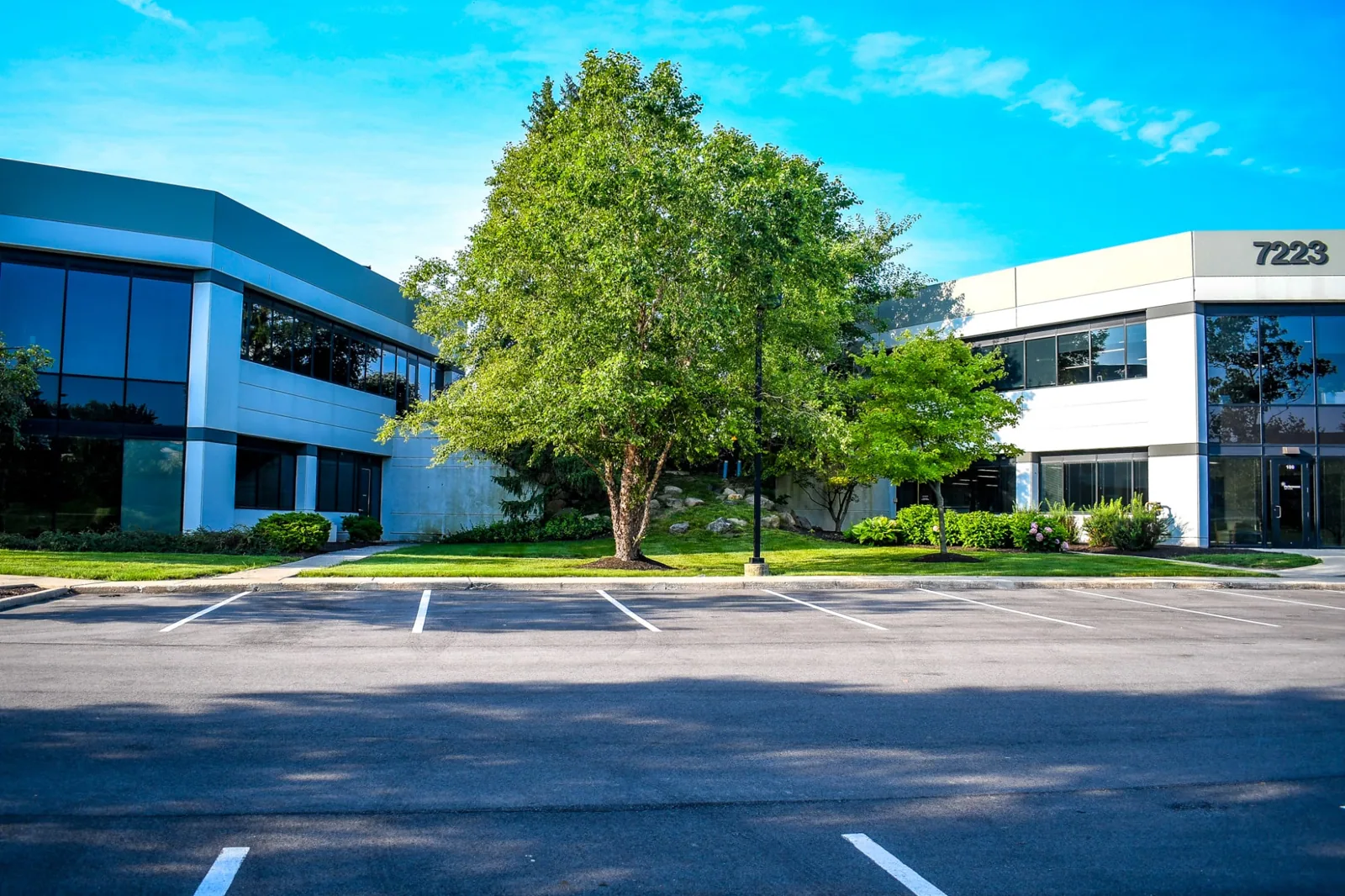
Office buildings and university facilities bring different owner structures. A landlord carries the roof and answers to tenants who call about every drip. A university facilities team manages many buildings and wants a consistent standard from one roof to the next. For an office building, we keep tenant notices and quiet hours in the schedule. For college and university buildings, we line up work with the academic calendar when the roof allows it.
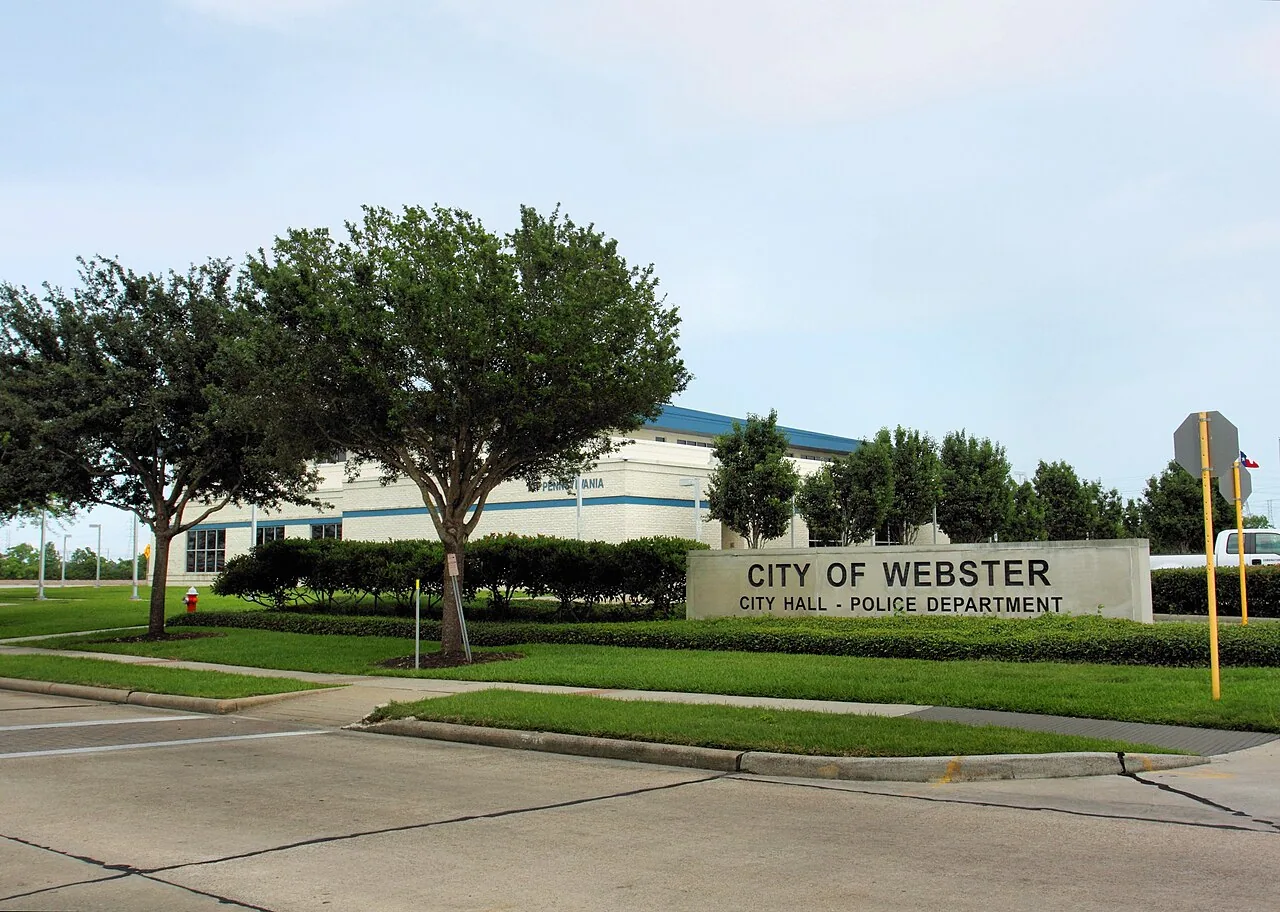
Nearby Webster sits beside the Johnson Space Center and serves the same aerospace workforce, so an owner with buildings in both places can hold them to one inspection standard. Consistent condition reports make that possible, and they let an asset manager compare roofs side by side.Roof programs can also cover Nassau Bay when an owner manages buildings across the Clear Lake area.
Clear Lake area properties can include offices, education, healthcare, and commercial operations with different access and continuity needs. Begin with a building list that names the owner contact, use below each roof, system type, and any planned equipment changes. Rank inspection needs by observed condition and water risk rather than assuming similar construction means similar performance. Before a repair, coordinate interior protection and HVAC access with the facility manager. For a portfolio, preserve each location's photographs and repair history while using a shared reporting format. That helps owners compare decisions across the area without losing the building-specific details that determine the right scope.
Commercial Roofing Questions
Our server room sits directly under a roof that has leaked before. What is the first step?
Temporary protection goes over the equipment, and a moisture survey locates where water is traveling beneath the membrane. Leak sources often sit several feet from the stain, so we trace the route before cutting anything, and we repair the entry point and the path together.
How do you decide the order of work on a campus with many roofs?
By consequence. Roofs over critical operations rank first, then those with active leaks, then the aging roofs with no current problems. A written condition report for each building makes the order defensible and lets the budget follow it year by year.
Can a tear-off happen above an active laboratory?
With the right sequence, yes. Sections are small, intakes are protected and noisy steps move to agreed hours. Vibration-sensitive rooms are identified in advance, and the crew uses methods that limit shock transfer through the deck.
Does a minor storm loss need immediate repair?
Anything that lets rain reach the interior gets a dry-in the same day. Cosmetic or edge damage with no current path for water can wait for a scheduled repair, but it is photographed now so the record stays accurate.
Why would I choose a reflective membrane over a standard dark one?
Heat is the reason. A reflective surface runs cooler through the Houston summer, which reduces thermal movement in the sheet and lowers the load on equipment below. Insulation thickness and local energy code requirements still apply, so we price the options together.
Keep Reading
Related Roofing Work in Pasadena
Walk the Campus Roofs With Us
Bring the facility director and a list of the rooms that cannot get wet. We will walk the buildings together and set a plan that keeps your operation running from the first day.