
Commercial Roofing Services
Roof Insulation, Tapered Systems and Cover Board in Pasadena, TX
A hospital that cools its air around the clock and a warehouse that hardly cools at all both lean on the same layer: the insulation under the membrane. It sets how much heat the roof passes into the building, how water is steered toward the drains and how well the membrane survives a hailstone or a service tech's boot.
Insulation is easy to overlook because nobody sees it. In Pasadena, TX that is a mistake, because the Gulf Coast asks more of the layer than most markets: months of heat, wet air, heavy rain and the occasional violent storm. The assembly below the membrane deserves the same planning as the membrane.
Read the Existing Layers Before Choosing New Ones
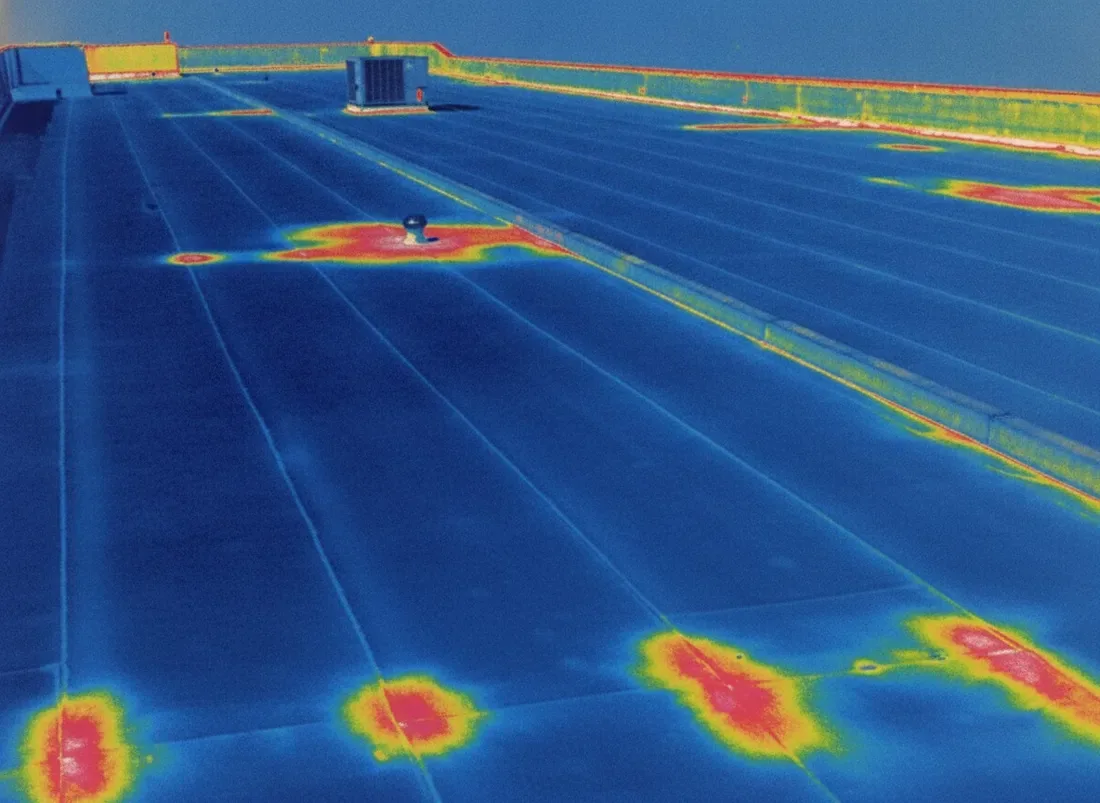
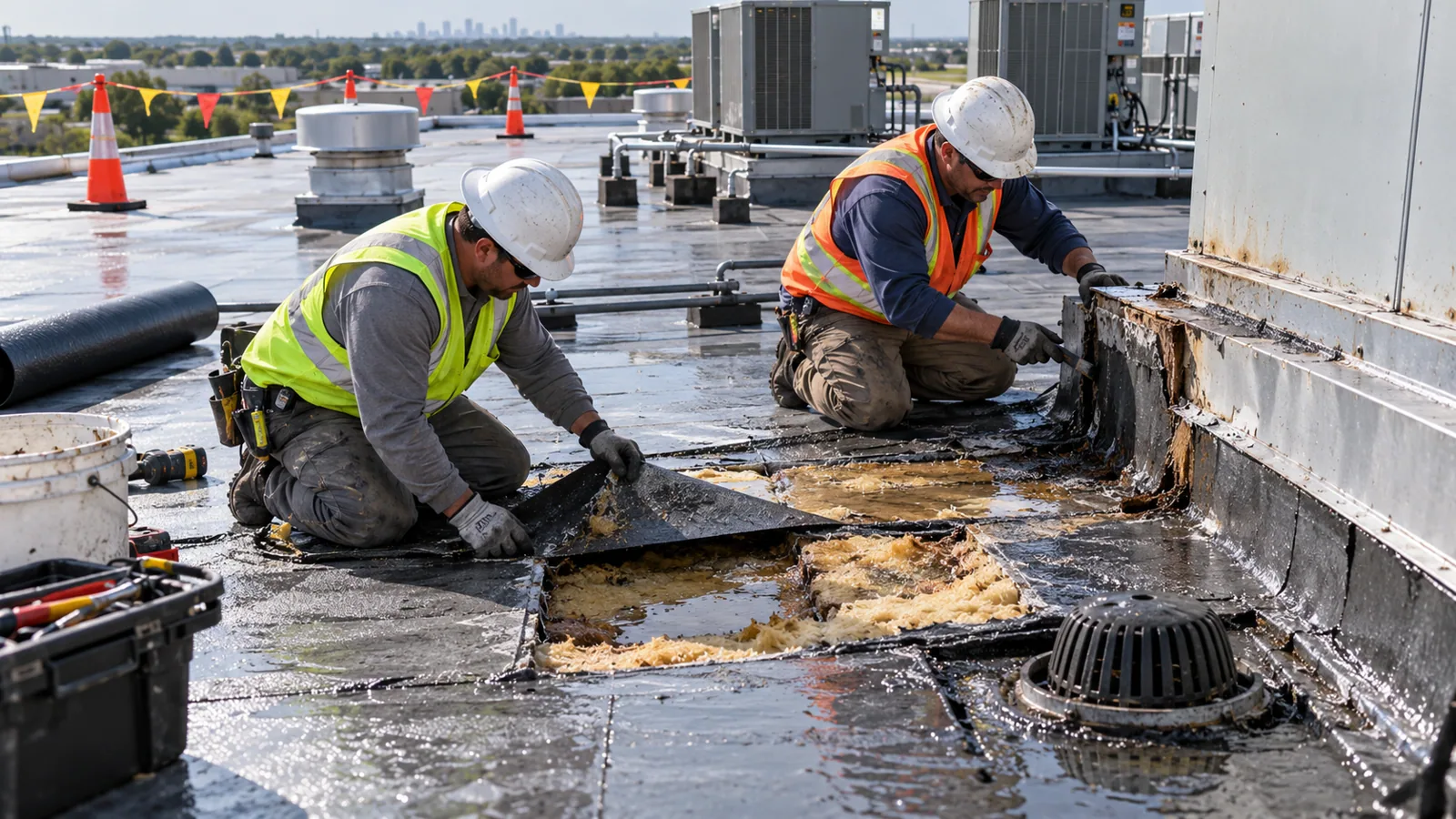
Choices start with what is already on the deck. Core cuts show the number of layers, the type and thickness of each, how the old insulation is attached and whether it is dry. An infrared moisture survey maps wet areas across the field, so we replace what is spoiled and keep what is sound.
The deck matters too. Steel, concrete, wood and gypsum decks take different fasteners and different adhesives, and a corroded steel deck changes the attachment plan entirely. We note the deck condition from below when we can and from the cores when we cannot, because attachment is only as good as what it grips, and a repair plan that skips the deck tends to fail at the fasteners first.
Match the Insulation to the Building's Cooling Load
Polyiso is common on low-slope commercial roofs because it delivers high insulating value for its thickness, while expanded polystyrene is lighter and handles moisture differently, and mineral wool brings fire and acoustic benefits where they matter. The right board is the one that suits the building's use, the roof's thickness limits at parapets and doors, and the membrane going on top.
Energy code sets a floor. The City of Pasadena Permit Department expects 2024 International Energy Conservation Code compliance on new construction, additions, remodels and occupancy changes that alter energy load, with a final energy inspection ahead of occupancy. Whether a given reroof triggers that, and at what insulation level, depends on the scope, so we confirm with the permit office early. Any building that cools around the clock sees the roof's insulation level on its energy bill, and a hospital such as the 350-bed one on Spencer Highway is the clearest case.
Place a Cover Board Where Hail and Traffic Test the Roof
Cover board is a thin, dense layer between insulation and membrane. It spreads point loads, gives adhesives a stable surface and adds fire resistance. Gypsum-based, high-density polyiso and fiber-faced boards each suit different membranes and attachment methods.
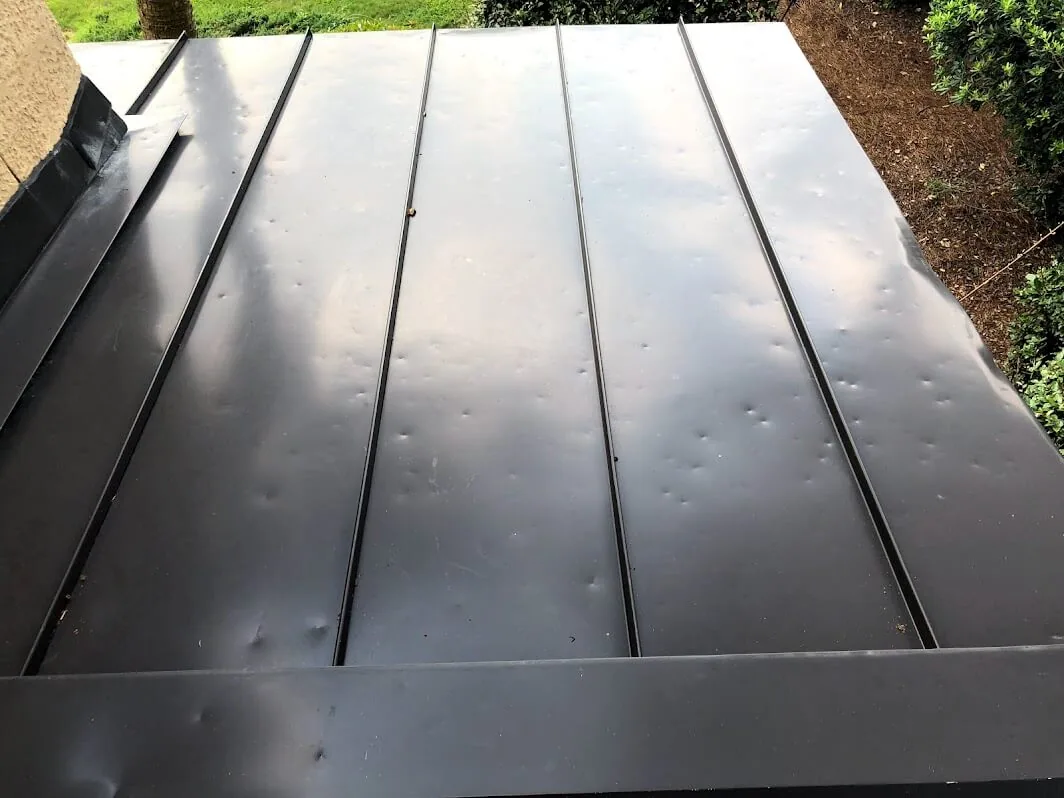
Large hail is rare here but not unheard of. Severe storms on April 2, 2013 produced golf ball size stones across the Houston region, and a firm board under the membrane helps it survive that kind of impact, as it does the steady foot traffic of service crews. A roof that sees rooftop equipment maintenance every month earns a cover board for that reason alone, and the same board helps the membrane take a hailstone and spare the owner a hail damage repair.
Build a Tapered System That Sends Water Somewhere
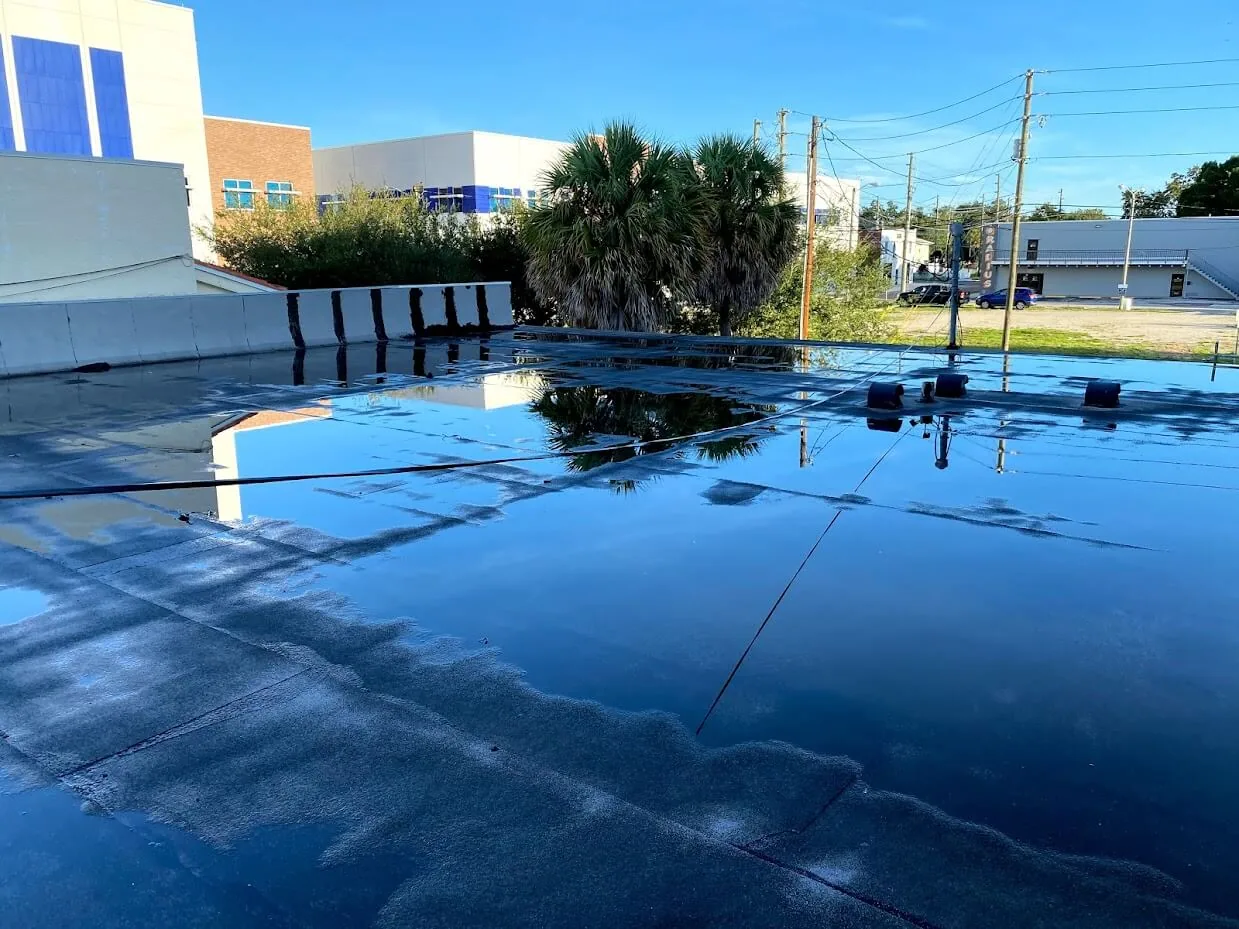
A flat roof is rarely flat on purpose. The target is a gentle fall toward each drain, commonly about a quarter inch per foot, and tapered insulation delivers that slope without touching the structure. Crickets divert water around curbs and units, and saddles guide it to the outlet.
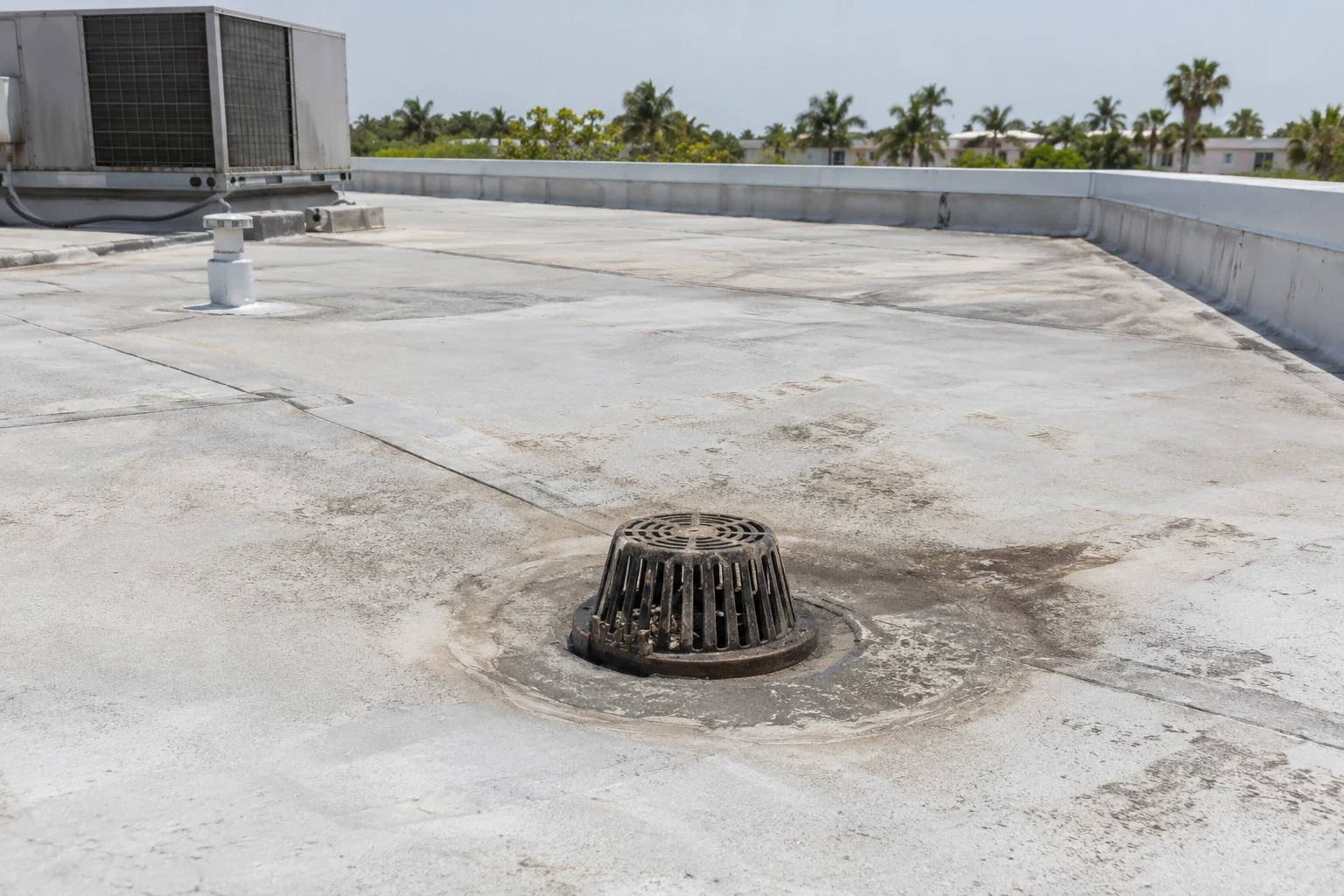
The taper plan is drawn from a survey of the deck, the drain locations and the high and low points, then each board is numbered so it lands where the drawing says. When it is done right, ponding water disappears without extra effort from the membrane, and the layout works hand in hand with drain and scupper correction.
Keep the Assembly Dry Through Humid Mornings and Gulf Storms
Houston summer mornings often start above 90 percent humidity, and the interior of a cooled building pulls moisture toward the cold side of the assembly. The vapor retarder, the air seal at the edges and the day's sequence all affect whether moisture gets trapped. A roof that is closed in wet stays wet, and the moisture shows up later as sour board, rusting fasteners and a membrane that blisters in the first hot week.
That is why the work is staged by the day. Material staging happens in the morning, only as much insulation is opened as can be covered by membrane the same afternoon, and nothing sits exposed when storms build off the Gulf. A pallet of insulation left uncovered overnight is a wet pallet by morning, and wet board does not go on the roof.
Fasten for Uplift and Record What Went Down
Insulation and cover board hold the membrane to the roof, so attachment is a wind issue. Perimeter and corner zones take a denser pattern of fasteners or adhesive than the field, and the pattern follows the wind load for the building. Hurricane Beryl in July 2024 tore a gap in the NRG Stadium roof and the May 2024 derecho blew out downtown high-rise windows, so the pattern is not an afterthought.
Roofing work in the windstorm zone east of State Highway 146 has to pass the state windstorm inspection program, and a layer-by-layer record helps there. We photograph each layer before it is covered, log board thickness and fastener layout, and hand the facility director a record that supports both a full replacement and a later recover.
A useful assembly schedule lists each layer from deck to surface, including thickness, attachment, and the condition that supports its use. At transitions, show how tapered boards meet drains, scuppers, curbs, and existing roof elevations without creating a new dam. Confirm that insulation is dry before covering it and replace damaged deck sections under an approved change process. During installation, retain photographs before each layer disappears; afterward, the owner cannot verify concealed fastening from a finished surface. Note where equipment, traffic, or future solar work may need reinforced paths. The completed record helps the next contractor repair the assembly without guessing what is beneath it.
Commercial Roofing Questions
How do I know whether wet insulation can stay in place?
Test it. A moisture scan and core cuts show which boards are saturated. Slightly damp board sometimes dries if the roof is opened, but saturated board has lost its value and holds water against the deck. Wet material that stays under a new membrane keeps causing trouble.
Is cover board worth adding on a roof that rarely sees hail?
Often yes, for reasons beyond hail. It protects the insulation from foot traffic, gives adhesives a better surface and can improve fire performance. For a roof with frequent equipment service, it is a modest layer that prevents a lot of small punctures.
Why would a tapered system be better than just adding drains?
Drains cure a symptom at one point. Taper reshapes the whole surface so water moves on its own, and it reduces the number of low spots that can collect water. In some cases a new drain still helps, and the two approaches are often combined.
Does adding insulation raise the roof edge and cause trouble at doors and walls?
It can. Thicker boards raise the surface, and flashings, curbs, door thresholds and parapet heights must still work. We check those clearances during design and adjust the plan, sometimes with thinner high-performance board or by raising the flashings.
What will my energy bill look like after new insulation?
Results vary with the building's cooling load, how much insulation was there before and the membrane color. We can explain the roof's part of the picture, but the building's mechanical system and use drive the rest, so a mechanical engineer's estimate is the right source for a number.
Keep Reading
Related Roofing Work in Pasadena

Walk the Roof With Us and Open a Core
Tell us how the building is cooled and when it can spare access. We will walk the roof with your facility director, take core samples and lay out an insulation plan that fits.