
Property Types We Roof
Self-Storage Roofing in Pasadena, TX
After dark a self-storage facility has a keypad gate, rows of roll-up doors and no one at the desk. A leak announces itself the next afternoon, when a customer rolls up a door and finds the dresser, the boxes of records or the inventory for a small business soaked. The operator hears about it from the tenant first and from the insurer soon after.
In Pasadena, TX, a storage property sits in the same Houston-area weather as everything else: about 50 inches of rain a year, about 102 days a year at or above 90 F, and a storm gust that reached 97 mph at Bush Intercontinental Airport. The roofs are simple and long, which is the problem. A single failed panel line can wet a whole row of units. We plan self-storage work row by row, so tenants keep their access and the building stays open while the roof is fixed.
Read the Roof Against the Doors Underneath It
Square footage tells an owner little about a storage roof. What counts is how many unit doors sit under each panel run, because that is the number of tenants a leak reaches. On the first walk we pair the roof with the floor plan, mark which rows carry climate-controlled units and which hold boats, vehicles or business inventory, and rank each section by what it protects. A failed seam over a vacant row is a task for next week. The same seam over a row of climate-controlled units is a task for today.
The leak path in a storage building is usually short and honest. Water enters at a fastener, a lap, a ridge cap or the flashing where a drive-up roof meets an office or a taller building, then falls straight into a unit. That makes the repair simple to trace and the damage simple to price. Our preventive roof maintenance visits start by checking the fasteners, caps and end laps row by row.
Separate the Drive-Up Rows From the Interior-Access Tower
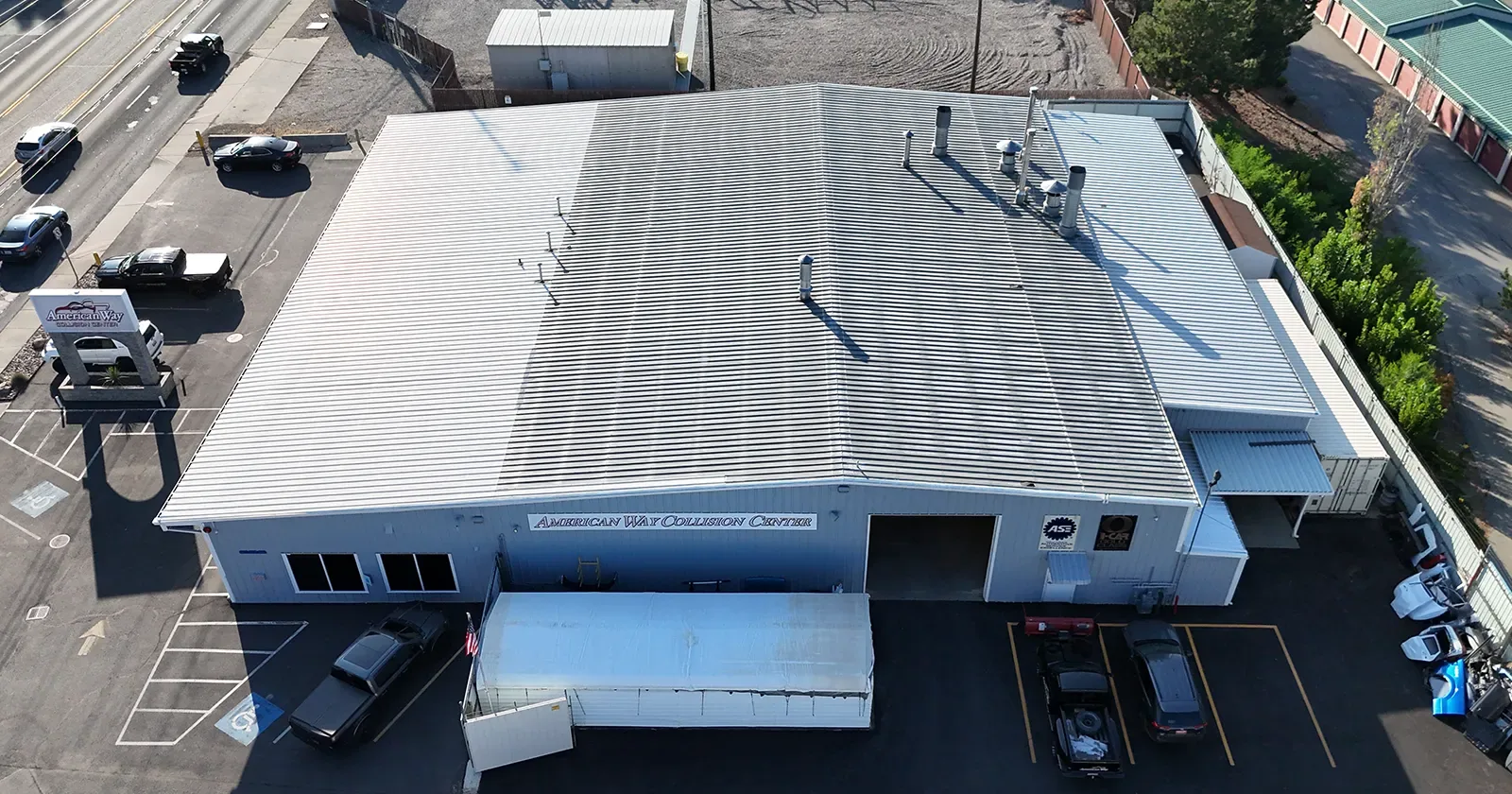
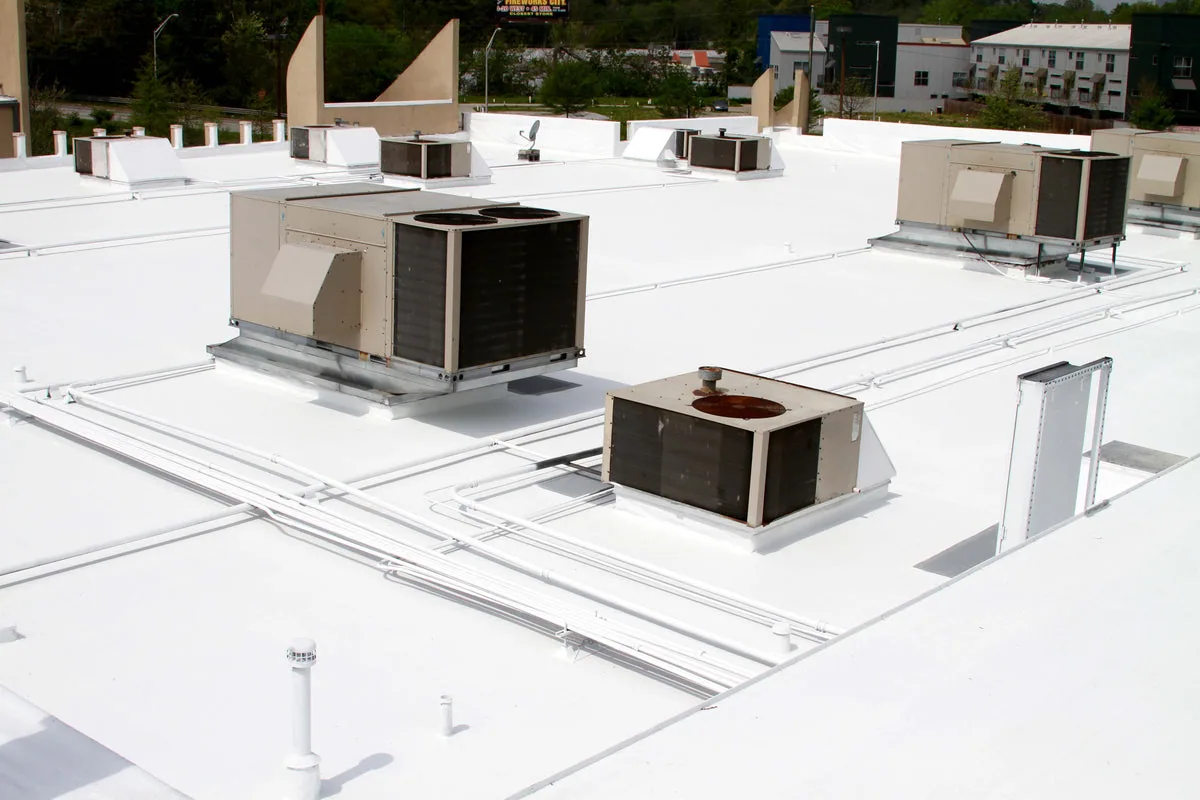
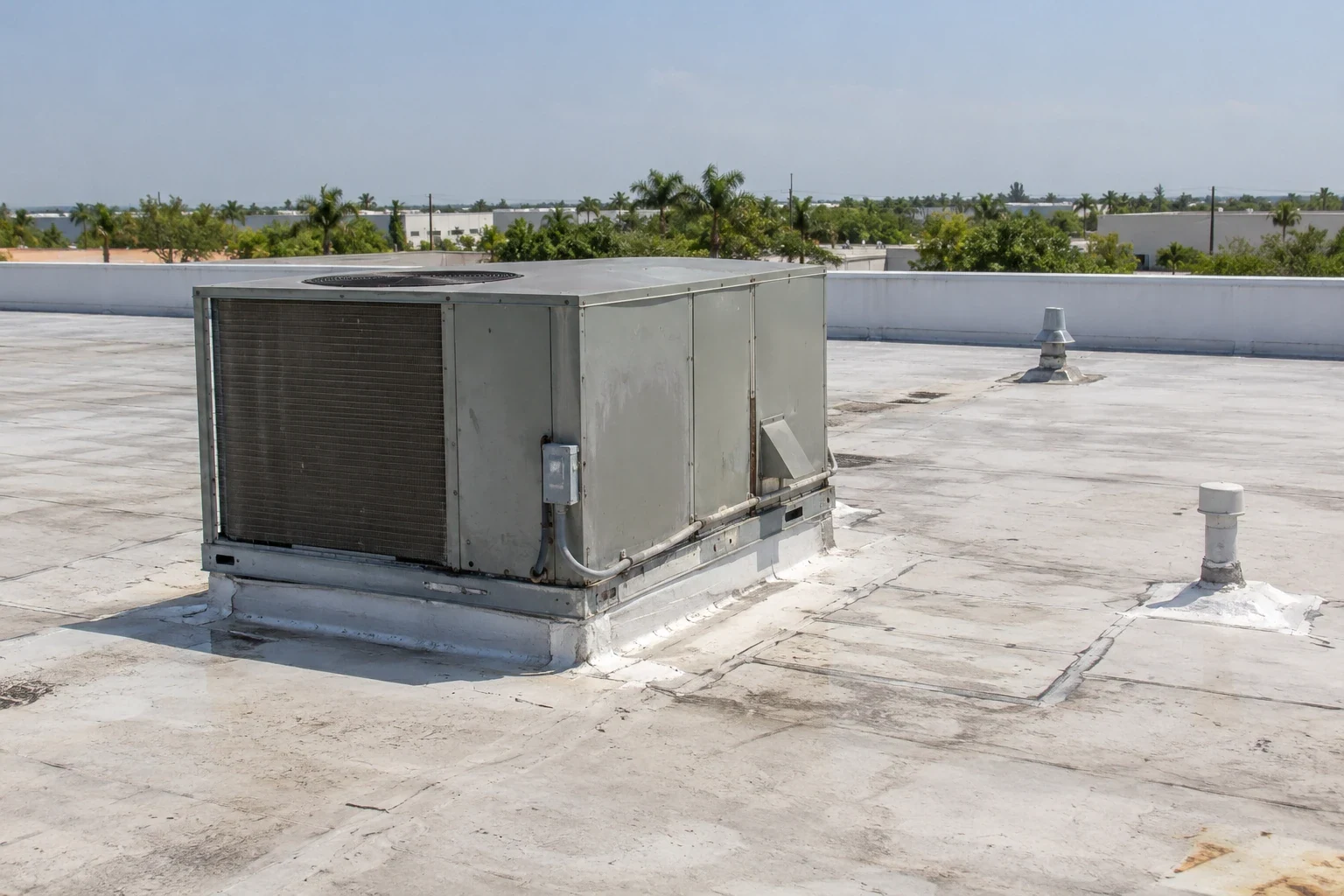
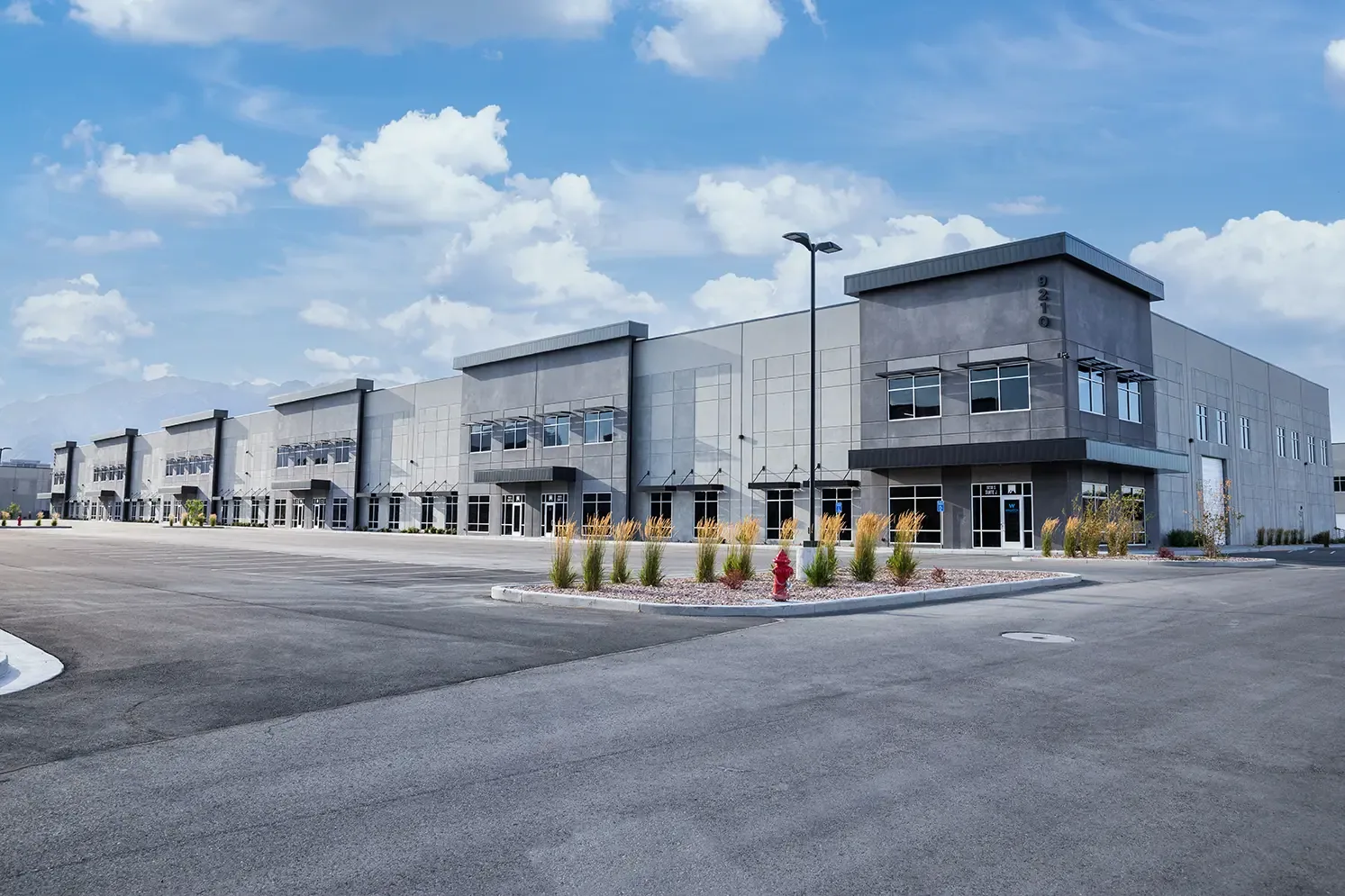
Many storage campuses mix two building types. Long single-story drive-up rows commonly carry metal panels over purlins, and a multi-story interior-access building often carries a low-slope membrane with a few rooftop units on top. They fail in different ways, and a plan that treats them the same wastes money on one and neglects the other.
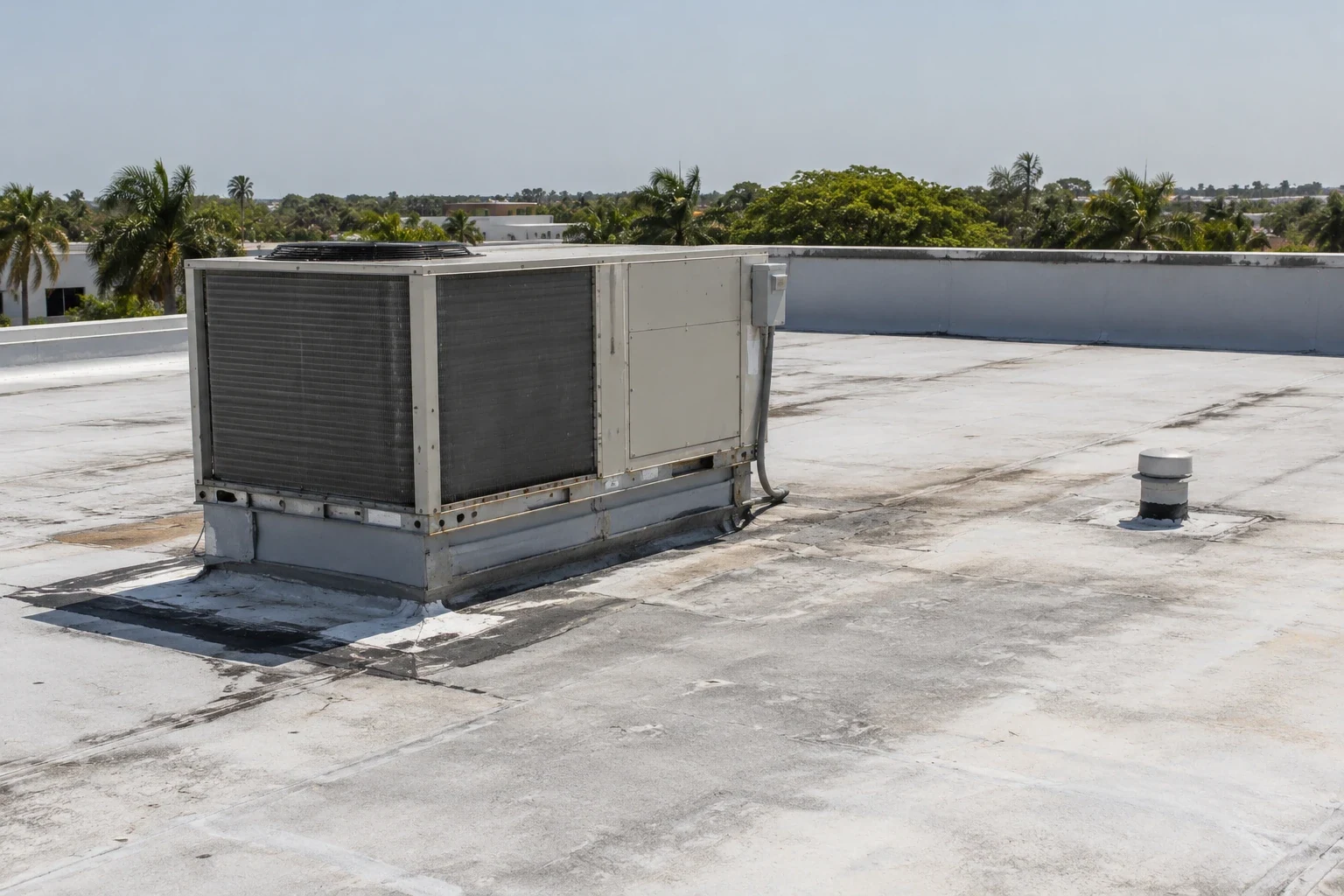
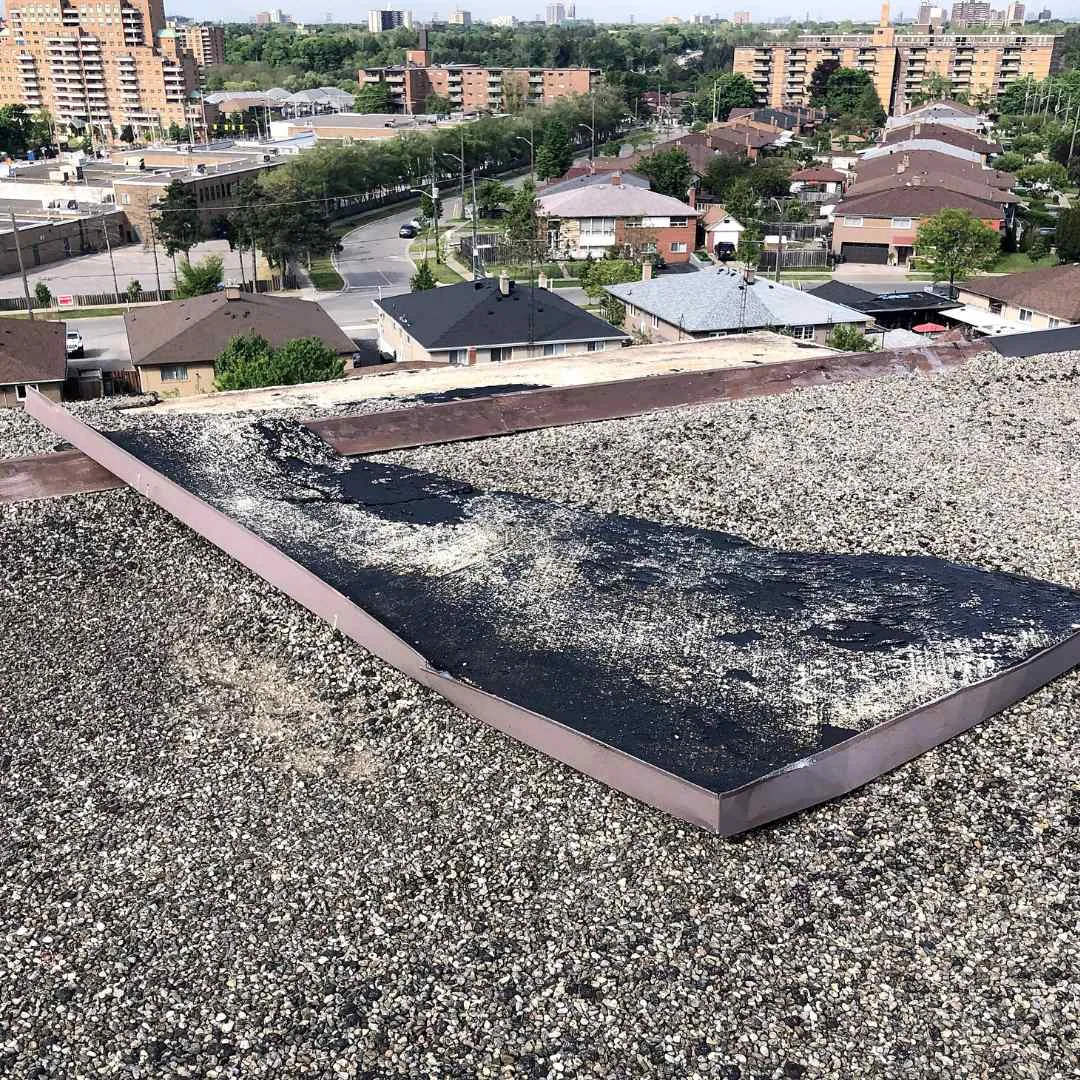
The metal rows lose fasteners, sealant and finish. The tower loses seams, drain flashing and curb detail, and its rooftop equipment may be what makes the dehumidified units possible, so no one wants a leak near it. Where a metal row has lost its panel life, a metal roof retrofit goes over the existing panels and avoids a tear-off above occupied units. Where the tower carries a worn membrane, the repair, recover or replacement choice follows the moisture survey, not the age of the building.
Reseal the Fasteners and Laps Before Heat Loosens Them
Houston logs about 102 days a year at 90 F or hotter, and a metal panel on an unshaded storage row expands in the afternoon and contracts overnight. Over a few seasons that movement works exposed fasteners loose, cracks the sealant at laps and opens a path along the panel rib. The first sign is rarely a leak. It is a rust streak at a screw head or a seam that has opened a hair at the eave.
A good rehab starts with a washdown, then replaces the failed fasteners with larger ones that bite into sound framing, reseals every lap and penetration, and checks the ridge and trim for gaps. When the panels are structurally sound but the finish is tired, a silicone roof coating can bring back reflectivity and seal the seams in one pass. It is a lower-cost route than a retrofit, and it can be done without tenant disruption, because the work stays on top of the roof.
Keep the Gate Open and the Aisles Clear While the Crew Works
Storage runs on move-ins, move-outs and weekend traffic. The manager knows when the office is busiest and which rows see the most truck activity, and that knowledge sets the order of the work. We close one row at a time with cones and a flagger, keep a lane open to the rest of the property, and stage panels and coils in a corner of the lot that does not block a loading space. Roof access happens by lift from the aisle ends so the crew never walks across a unit door.
Doors under an open section stay shut, and the manager can post a short notice at the gate. If a section is going to be torn off, the plan identifies which units will be sealed from inside before the crew starts and who tells the tenants. Work stops when a thunderstorm builds off Galveston Bay, and the section is dried in before the crew leaves each day.
Plan for Wind Where Long Open Roofs Catch It
A low, wide storage roof catches uplift at its eaves, gables and ridge. The May 2024 derecho measured 78 mph at Highlands, with survey estimates near 100 mph downtown, and Hurricane Beryl brought its eastern eyewall over the Houston region in July 2024. In La Porte and Seabrook, a storage property east of State Highway 146 falls under Texas Windstorm Insurance Association rules, and its roofing must pass a Texas Department of Insurance windstorm inspection to remain insurable.
After a storm, wind damage roof repair starts at the eaves and the end walls, and photographs taken before anything is moved support the claim. Investors holding several facilities, like many real estate investors and REITs, will find that a standard condition record for each property keeps the capital plan honest. The records also settle tenant disputes about when a leak began.
Owners who also hold a warehouse or a flex industrial building can put all of them on the same inspection calendar.
Commercial Roofing Questions
Do tenants have to empty their units before the roof is replaced?
Rarely. Most work stays on the outside of the building, and the crew protects the interior only where deck repair is expected. When a row is going to be opened up, the manager gives tenants notice and we place protection under that section. The units that sit below a tear-off are the ones with the most advance warning.
A few units leak after every heavy rain. Is that a fastener problem or a panel problem?
Start with the pattern. Leaks at the same spots after each rain usually trace to a failed fastener, a lap or a ridge detail, which a targeted repair can fix. Leaks that wander from row to row, or that follow the seams along the eave, point to tired panels and a larger scope. We walk the roof during or right after rain to confirm.
Which is better for a storage row, a coating or a retrofit panel?
The condition of the existing panels settles it. If they are sound and the problem is the finish and the seams, a coating is the faster and lower-cost route. If the panels are rusted through, the framing is wavy or the fasteners keep stripping, a retrofit panel over the old roof is the better investment.
How does a roof leak change a storage operator's liability?
Tenant goods, lease terms and the insurance program all matter, and the operator's attorney should weigh in. What we can supply is the roof side: dated inspection photos, a log of repairs and a maintenance schedule showing the building was looked after. Those records are often what separates a covered loss from a dispute.
Can the roof carry solar panels on top of a storage row?
Often it can, if the panel system, the framing and the attachment details are checked first. A new roof under a solar array should be sound for the life of the array, since removing panels to fix a roof costs more than doing the roof first. A short review of the existing sheet and structure tells us whether the row is ready.
Keep Reading
Related Roofing Work in Pasadena
Walk the Property With Your Manager and Your Floor Plan
Bring the site plan, the unit mix and any leak log the office has kept. We will walk the rows, rank them by what sits below, and write a plan that keeps your gate open and your tenants dry.