
Property Types We Roof
Air Force Base Roofing Near Pasadena, TX
Air Force mission buildings keep a roster, not business hours. Operations floors, maintenance bays, lodging and the offices behind them each fill and empty on a different clock, and a roof project has to learn every one of those clocks before it books a single crane pick. The 147th Attack Wing of the Texas Air National Guard flies from Ellington Field, about 7 miles south-southeast of Pasadena, TX, where MQ-9 Reaper aircraft have flown since the first one arrived on July 28, 2017 and where the mission runs around the clock.
Roofing on that kind of property is ordinary membrane and metal work wrapped in uncommon logistics: gate approvals, escorts, airfield height limits and a federal criteria set that governs what goes onto the deck. Our job is to put those pieces in order. The roof is the easy part.
Sort the Buildings by the Roster Each One Keeps
A squadron operations building, an aircraft maintenance bay, a dormitory and an administrative annex can stand a few hundred feet apart and still need four different work plans. Operations space is staffed on a rotation and cannot go dark. Maintenance space has people working in shifts around equipment that must stay dry. Lodging has sleepers who need quiet at hours a day-shift roofer never considers. Offices are the forgiving ones, and even they have to stay reachable on a Tuesday.
So we begin by writing down who sits under each roof section and when. A building that supports a mission around the clock gets the smallest sections and the tightest dry-in rule on the job. Then the loud work, the hot work permit window and the material staging are fitted to the quietest hours that building offers. Where a roof can be mended instead of replaced, commercial roof repair keeps the footprint small enough to live alongside the roster.
Clear Every Crane Pick With the Airfield
An airfield turns height into a controlled quantity. Ellington has three concrete runways, the longest reaching 9,001 feet, and a crane boom near an operating surface like that is never a routine item. The lift plan carries boom height, swing radius and exact dates to airfield management well ahead of mobilization, and the approval can arrive with conditions: lifts only between sorties, or only while a runway segment is closed. A separate roofing project in Alvin follows its own site schedule, while Ellington lift approval remains with the installation and airfield authorities.
Ground rules weigh as much as air rules. Loose fasteners, cut-off membrane and scrap flashing are foreign object debris, and on a ramp they end up in places that cost real money. Debris control goes into the plan as magnet sweeps, covered bins and a laydown area outside the movement area, so staged material never sits where a tug or a fuel truck has to pass. We would rather lose an hour to sweeping than hand a maintenance chief a problem.
Lock the Crew List, Gate Schedule and Escort Plan Early
Everyone who enters an Air Force or Air National Guard installation is vetted before the first morning, and vehicles, tools and deliveries pass inspection at the gate. That pushes the crew list to the front of the schedule. A name swapped in at the last minute can restart an approval cycle, so names, shift patterns and equipment are frozen early, and the plan keeps room for sick days and rework without bringing strangers to the gate.
Inside the fence, an escort may follow the crew to the work area, limit which routes trucks can drive and call a stop during certain activities. Photography is controlled, so the project record is built from approved images. A site safety orientation covers everyone on day one, and the hot work permit steps are agreed with the base fire office before a torch or welder comes out. None of this is exotic. It simply has to be done first and written down. That same order governs any military installation roofing job.
Write the Submittals to the Unified Facilities Criteria
Federal roofing is bought on criteria. The Unified Facilities Criteria for roofing set terms for membrane choice, insulation, wind uplift, fire classification, drainage and detailing, and the contract documents name the edition and may narrow the acceptable systems to a short list. Submittals come first: product data, shop drawings, the installation sequence and the quality-control plan are reviewed before any material is ordered.
Quality control then runs beside the crew. Written checks at set points, a log of fastener patterns, seam probes and flashing terminations, and photographs keyed to roof areas give a reviewer a clear path from the specification to the finished deck. A standing seam metal roof and a single-ply membrane each carry their own checklist, and the submittal says which one governs. Closeout is a file, not a handshake.
Brace the Perimeter for Hurricane Wind and Heat
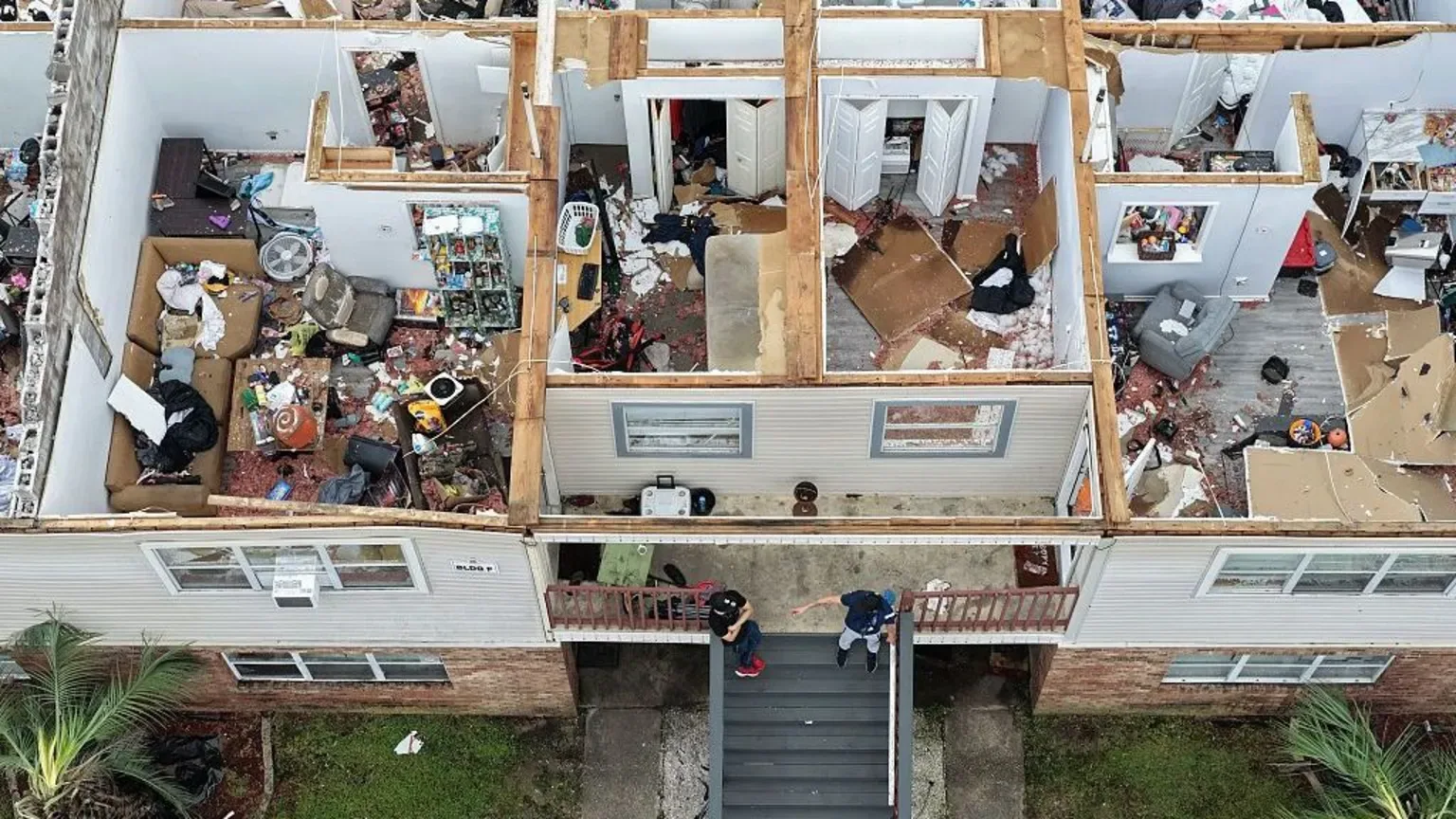
Hurricane Ike tracked up the east side of Houston in September 2008 and damaged hangar roofs at Ellington, among them hangars that serve NASA's T-38 jets. Hurricane Beryl, a Category 1 storm at landfall, swept the Houston region with its eastern eyewall in July 2024, and over 2.7 million Texas customers lost electricity. A mission building plans for both outcomes at once, wind on the roof and a grid that has gone quiet, and the roof has to stay whole while backup systems carry the load.
Uplift concentrates at corners and edges, so perimeter securement gets the most attention: edge metal, coping, cleats and the fastening pattern in the outer zones. Heat is the slower enemy. In an ordinary Houston year about a hundred days reach 90 F or hotter, and a dark membrane absorbs that load on every one of them. After a named storm we walk the roof the next morning, and hurricane damage roof repair starts from photographs of exactly what moved.
Plan the Hangars and Support Shops as Their Own Jobs
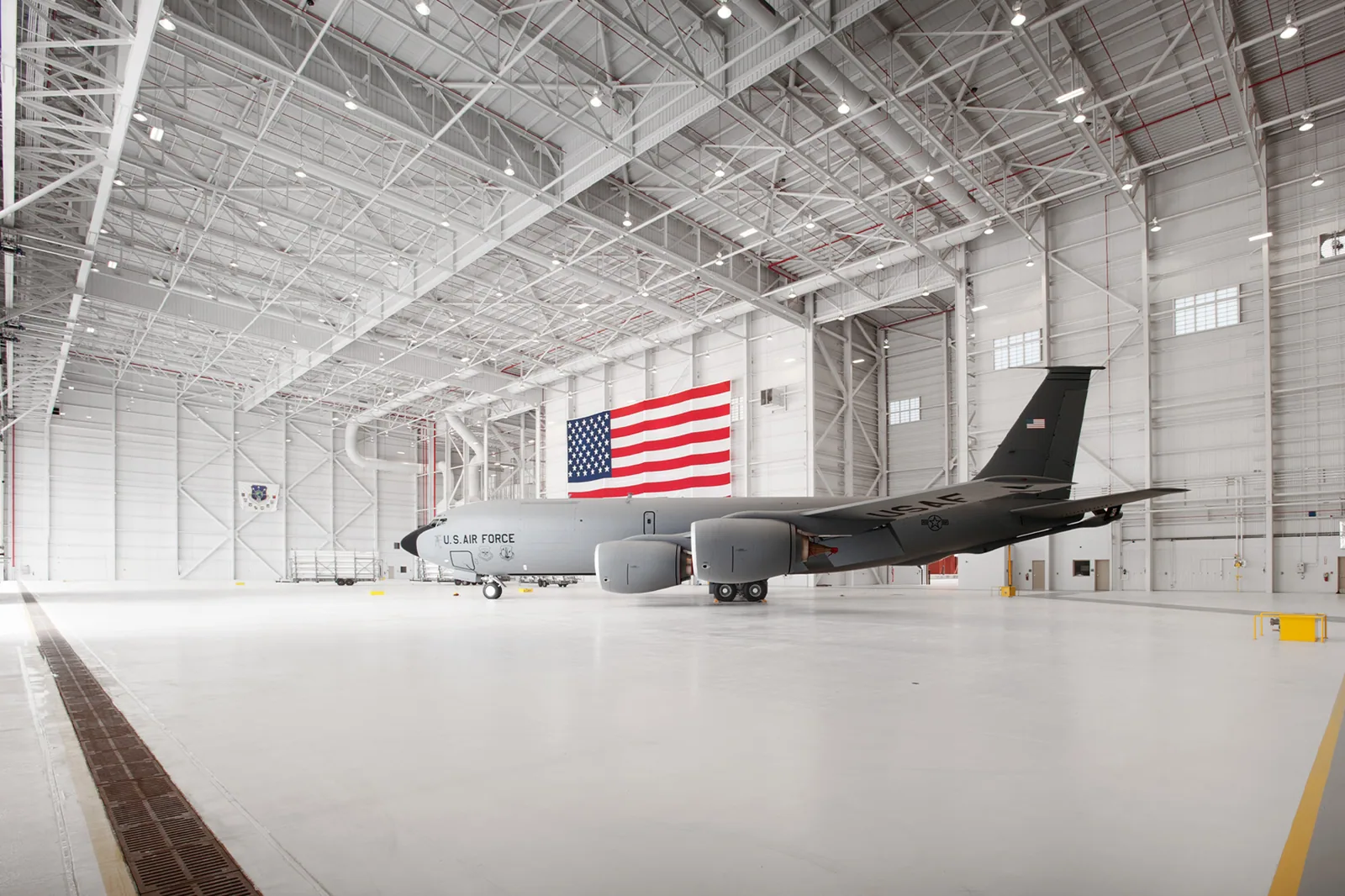
The flight line is only part of an installation. Hangars with long clear spans, low shop wings and mechanical roofs loaded with equipment stand in sight of each other, and each takes a different repair approach. A hangar roof is a wide-span, door-dominated problem, the kind we plan for military hangars and maintenance facilities. The administrative and lodging buildings behave like government building roofs anywhere in the county, with the access rules added on top.
Commercial Roofing Questions
How early does a roofing crew have to be approved for an Air National Guard or Air Force building?
As early as the contract allows. Approval cycles run on the installation's calendar, not ours, so the crew list goes in with the first submittal package and stays frozen unless someone is truly unavailable. Early names also let the gate office schedule vehicle checks before the first delivery arrives.
Can a roof project run over a building that supports a mission around the clock?
Yes, when the work is cut into sections small enough to dry in before the shift turns over. The plan marks which rooms below tolerate noise and which cannot tolerate water, and the most sensitive areas are opened last and closed first. Temporary protection inside is staged before any deck is opened.
Who signs off on a crane near a runway?
Airfield management and the installation safety office review the lift plan, and the approval names heights, dates and any sortie windows. We submit boom height, swing radius and the laydown area in advance, so a lift is never a question mark on the morning of the pick.
What goes into a federal roofing submittal package?
Product data, shop drawings, the installation sequence, the quality-control plan and the safety plan. Reviewers compare each against the contract criteria, which is why we build the package from the edition of the Unified Facilities Criteria that the documents name rather than a generic checklist.
What roof damage should be reported first after a hurricane passes a mission building?
Anything that lets water into occupied or equipment space: open seams, displaced edge metal, torn flashing and blocked drains. Those get a temporary dry-in the same day, and a written damage record follows so the permanent repair and the insurance paperwork use the same photographs.
Keep Reading
Related Roofing Work in Pasadena
Walk the Facility With Us Before the Crew List Is Due
Bring the mission calendar, the access rules and the contract roofing criteria. We will walk the buildings with your project manager and write a work plan that fits the way the facility runs from day one.