
Industries We Serve
Roofing for Hotel Owners and Hospitality Groups in Pasadena, TX
A hospitality group rarely owns just one roof. It owns a spread of them: a select-service hotel off the freeway, a waterfront property with a ballroom, a resort wing with its own pool deck, each run by a different general manager against a different booking calendar. Roof work for the group has to be sequenced the way the group runs, which means by property, by season and by what each building cannot afford to lose.
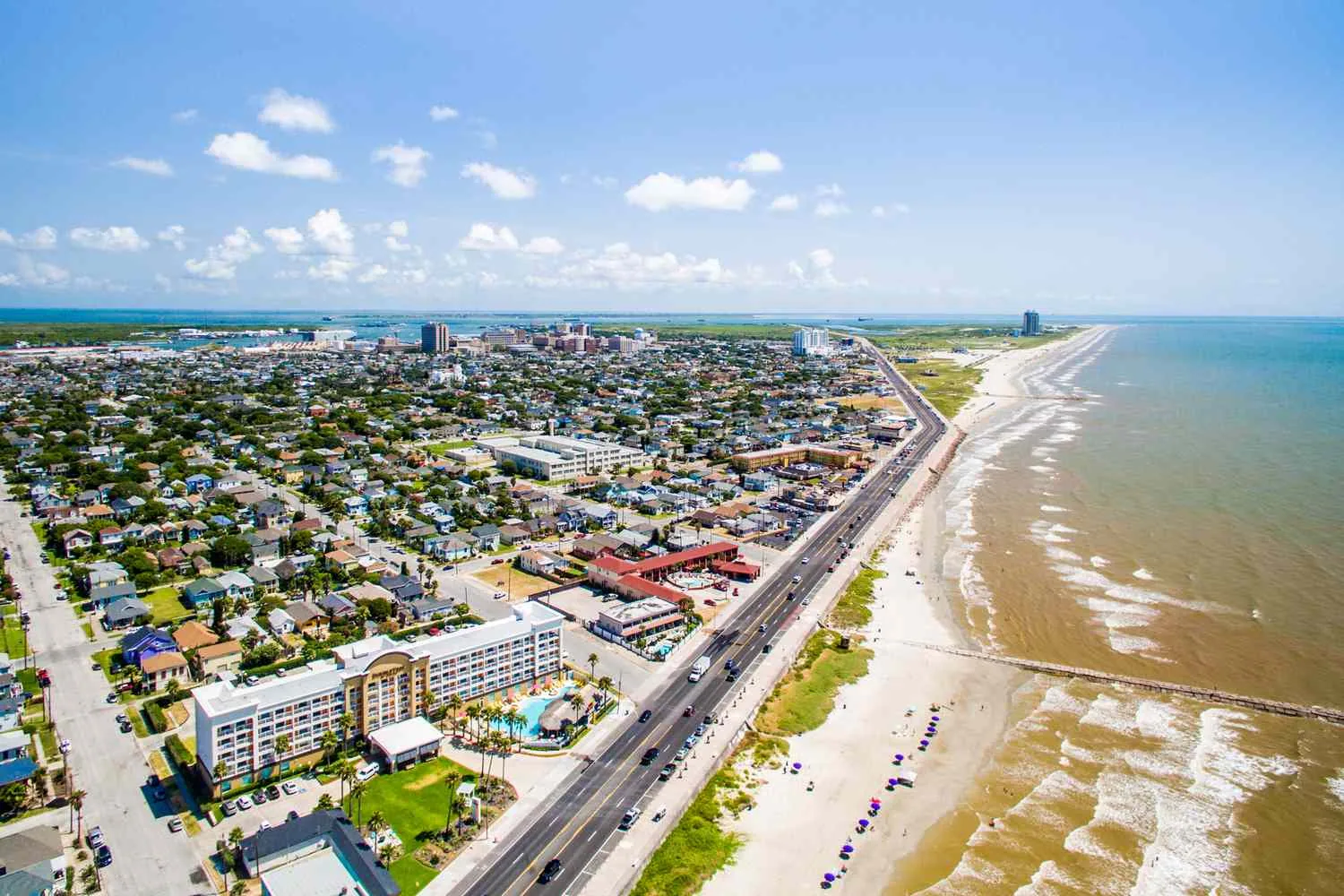
Around Pasadena, TX the properties in one group can sit near very different draws: the cruise terminals at Galveston and Bayport, the Johnson Space Center and its contractors near Clear Lake, the Kemah Boardwalk on the bay. Each general manager knows which weeks the house fills, and the roof sequence starts from those calendars. Gulf humidity, meanwhile, works on each roof in the group at the same pace, whether or not the property is full. An owner who plans the roofs as one program puts fewer guests under a tarp than one who plans them as a string of repairs.
Rank Each Property by What Sits Under the Roof, Not by Its Age
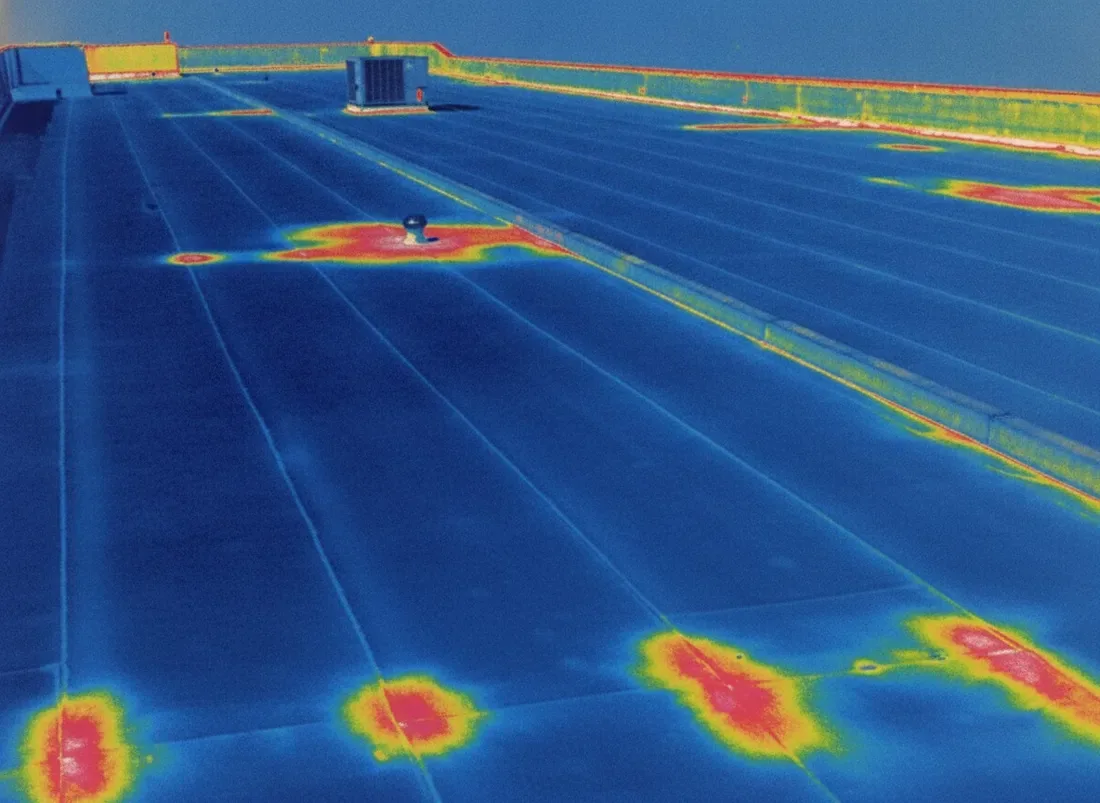
A ten-year-old roof over a ballroom and kitchen can be a bigger risk than a twenty-year-old roof over a stairwell and a storage wing. So the first step is a written ranking, built from a walk of each roof plus infrared moisture mapping that shows where wet insulation has already spread. Drone passes cover the sections that are awkward to reach, such as tower roofs and the high side of a mechanical penthouse.
Each property is then scored on three questions. What is directly underneath the weak area? How many nights of revenue does that space carry? How fast could we dry it in if a section failed? The answers sort the portfolio into replace now, repair and watch, and leave alone. That ranking feeds the owner's roof capital planning, so the budget follows evidence rather than whichever hotel called last.
Stage the Crews So No Two Hotels Open Their Roofs the Same Week
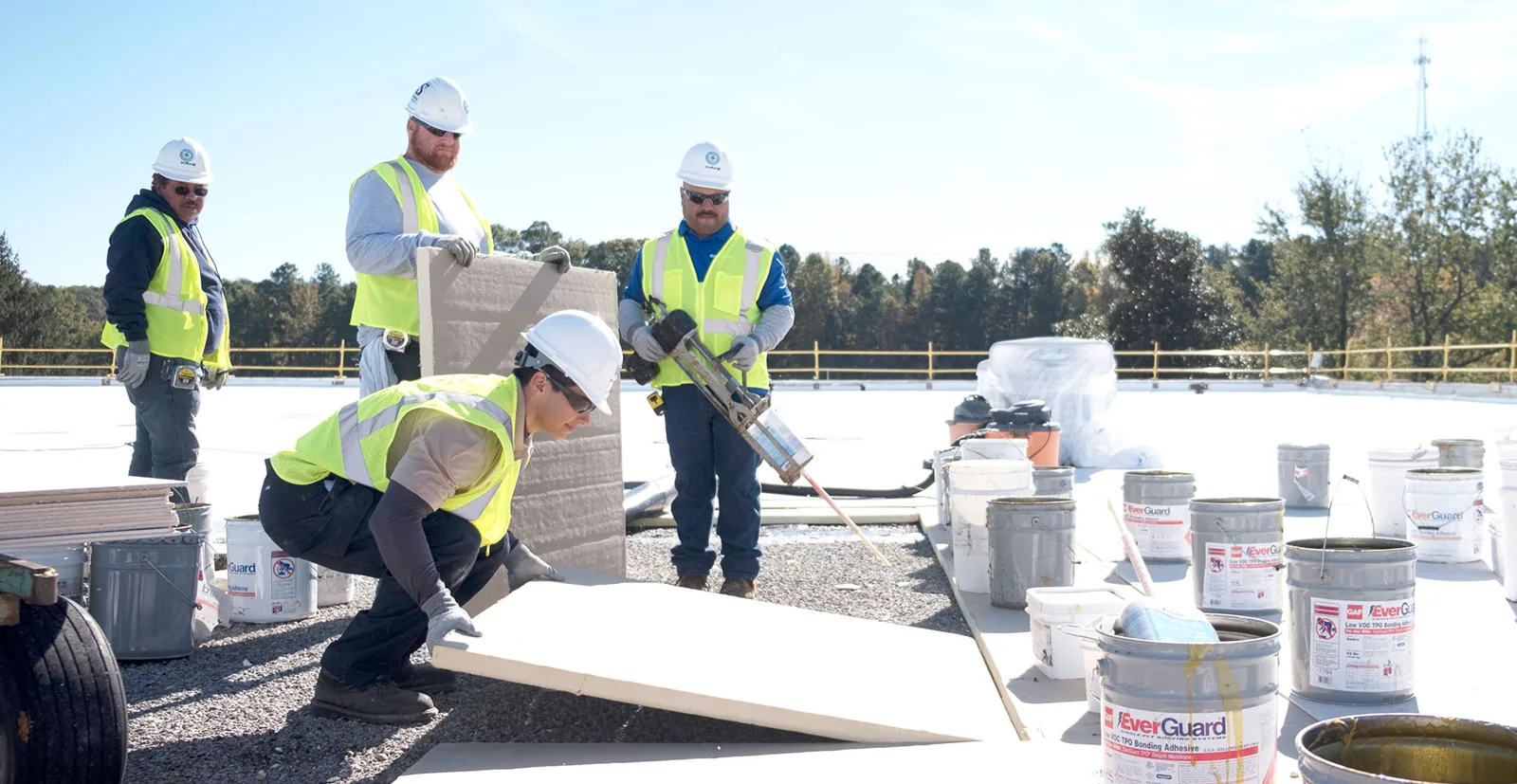
Opening two properties at once doubles the exposure and halves the attention each one gets. Instead, the group's revenue manager names the shoulder weeks for each hotel, and we stage the crane pick, material staging and laydown area to move from one property to the next without long idle gaps. A lift plan written once and adjusted per site saves days on every project after the first.
Hurricane season sets the outer edge of the calendar. A section that is stripped in late summer needs a dry-in plan that fits inside a normal forecast window, because the Gulf can build a storm in a few days. We size each day's tear-off to what can be closed before the afternoon cells arrive and keep loose material off the deck overnight. The approach is the same one used on any occupied building reroof, repeated across the group's properties with a new guest routine at each.
Pick One Membrane Family for Look-Alike Buildings and Coat the Sound Roofs
Where several properties share a footprint, one membrane family and one set of flashing details make life easier. Crews learn the pattern, spare material is interchangeable, and the maintenance team inspects the same seams and terminations everywhere. A reflective single-ply such as TPO is a common choice because it handles the heat Houston produces, where August highs average near 95 F and summer 2023 brought eighteen straight triple-digit days at Hobby Airport.
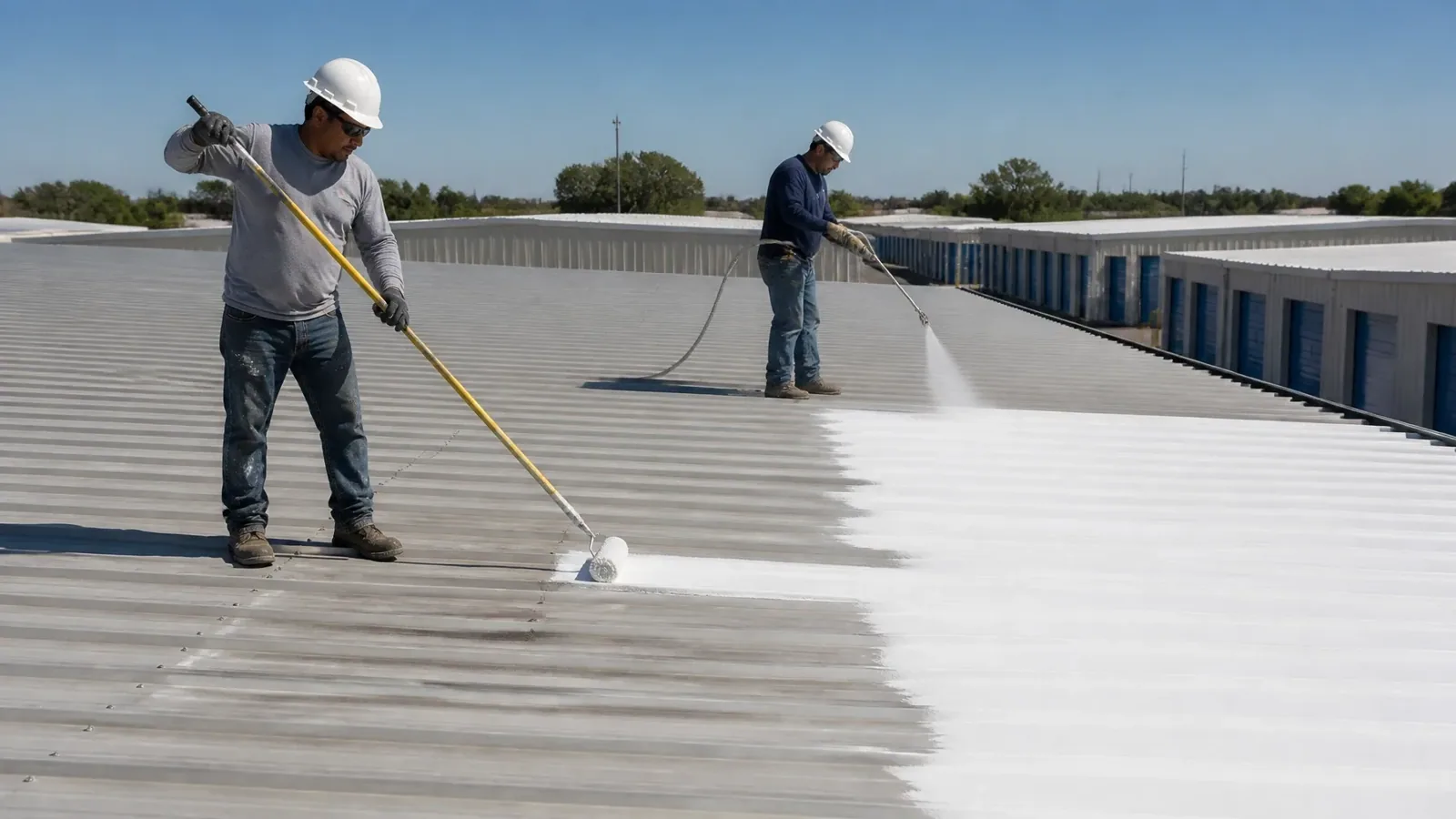
Not every roof needs a new sheet. Where the membrane is intact and the insulation tests dry, a roof coating restoration stretches the capital plan and removes the loud tear-off from the floors below. Where the survey shows saturated board, coating only hides the problem, and the sensible move is a replacement with proper drainage and cover board.
Plan for Coastal Exposure at Kemah, Seabrook and Galveston
Waterfront properties live with a harder test. Hurricane Ike pushed storm surge into the restaurants and rides at Kemah in 2008, left Seabrook without power and water for as long as a month, and came ashore at Galveston as a Category 2 storm. Seabrook and La Porte also sit inside the windstorm insurance zone east of SH 146, so a replacement there is inspected through the Texas Department of Insurance program before it counts.
That shapes the details more than the membrane. We pay attention to edge metal, perimeter securement, fastener pattern and the parapet cap, since uplift starts at the edges. Humid bay air and marina moisture also work on exposed fasteners and sealant, so those items go on the maintenance route. The May 2024 derecho put winds near 100 mph over downtown Houston, proof that a storm does not need a hurricane's name to open a roof.
Keep One Closeout Record per Property for Lenders and Carriers
When the work ends, each hotel gets a closeout file: the roof plan with equipment locations, dated photographs of every layer, product data, the moisture map from before the job and the windstorm inspection record where one applies. Owners who run several properties often answer questions from lenders, franchise inspectors and insurers in the same quarter, and a tidy file makes each answer a short email.
After a storm, that same file lets an insurance and restoration team compare the roof's condition before and after. Groups that also hire outside property management companies can hand the file to them, so the next manager knows what was installed and where the penetrations sit. A portfolio-wide multi-site roof program then keeps the inspection schedule consistent from one hotel to the next.
Commercial Roofing Questions
Can one roofing contractor handle several of our properties in a single season?
That works when the properties are staged one after another and each has its own written plan. We rotate the lift plan, material staging and crew between sites so the schedule never asks a single hotel to absorb two phases at once. With a mix of tower and low-rise buildings, the first project is the one carrying the highest risk.
How do we budget roof work across hotels built in different years?
Start from survey results and not from age. A moisture map and a condition report show which roofs are failing and which only look tired, and the group can then spread replacements over several budget years. Coatings, targeted repairs and a maintenance route fill the gaps between replacements.
What happens if a roof leaks at one hotel while a project is running at another?
Emergency response runs around the clock, so a call from the second property is triaged on its own. A small crew can tarp or dry in the leak while the main project continues, and we log the location, photograph the damage and send the record to the general manager and the carrier.
What should a general manager expect when a tropical storm watch is posted mid-project?
The crew stops opening new sections, dries in what is exposed, secures the laydown area and removes anything loose from the deck. Rooms under any open section stay out of inventory until the membrane is closed. After the storm passes, we walk the full roof before guests return.
Is it worth coating a hotel roof that has already been patched several times?
Only if the patches are sound and the insulation beneath is dry, which a moisture survey can confirm. Many patched roofs still have good insulation, and a coating over clean seams gives them a second cycle. If the survey finds wet board under the patches, replacement is the better use of money.
Keep Reading
Related Roofing Work in Pasadena



Walk the Portfolio With Us Before the Calendar Fills
Call us and we will go through your properties one at a time with the people who run them, then build a roof sequence that fits each booking calendar before the first crew arrives.