
Roof Damage Repair
Membrane Puncture Repair in Pasadena, TX
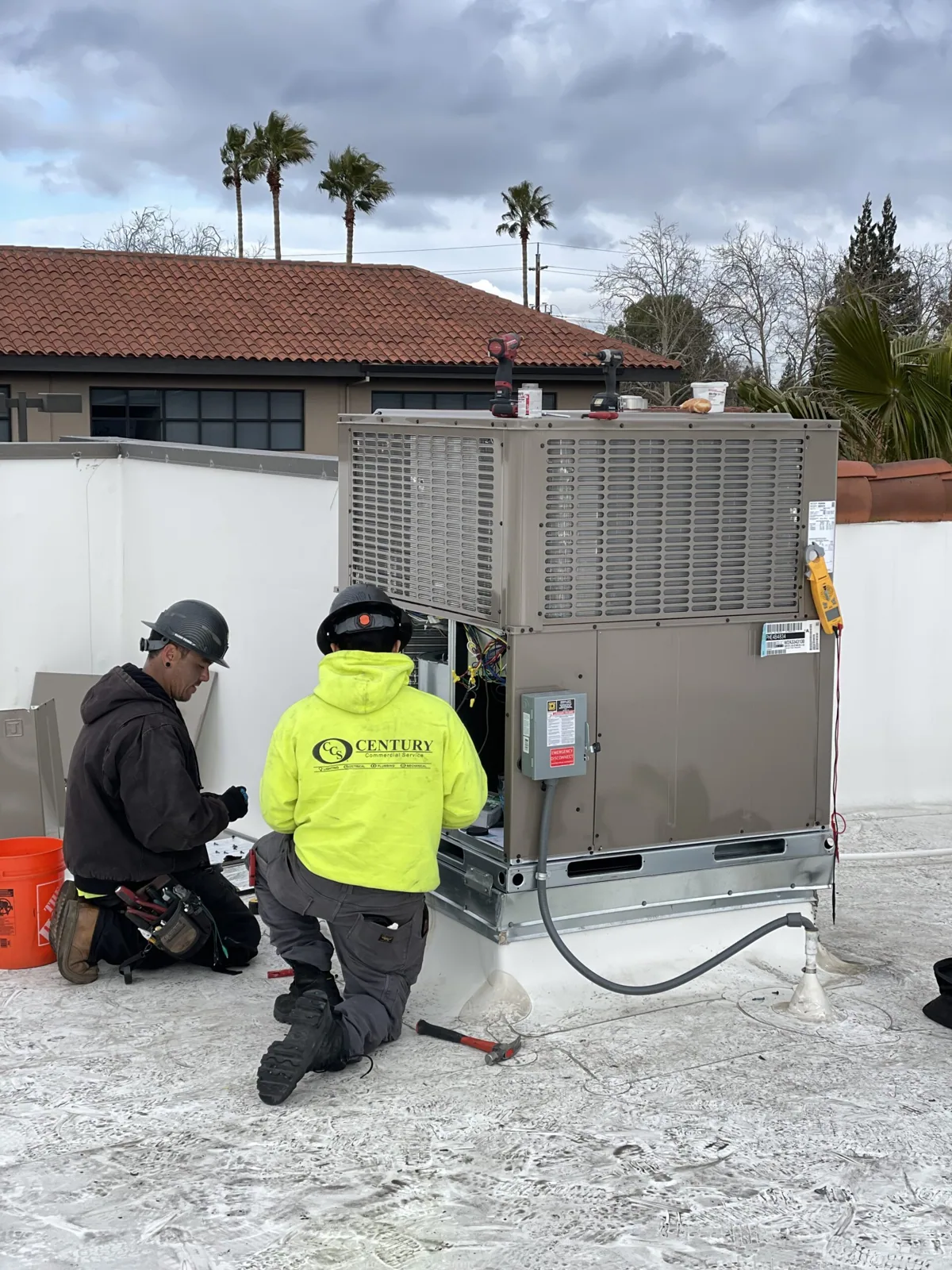
A rooftop unit over a commercial kitchen gets its filters changed more often than the roof under it gets inspected, and every one of those visits crosses the membrane on foot. Multiply that by refrigeration techs, antenna installers, a utility inspector and a contractor who sets a ladder foot wherever it fits, and a roof collects a steady record of small injuries. Most of them never leak on the first day.
In Pasadena, TX, where the summer sun softens dark membranes and storms scatter debris across rooftops, a puncture is a quiet start to a wet insulation problem. We find each one, learn what made it, check for water below it and repair it so the patch is as strong as the field around it.
Map the Routes People Actually Walk
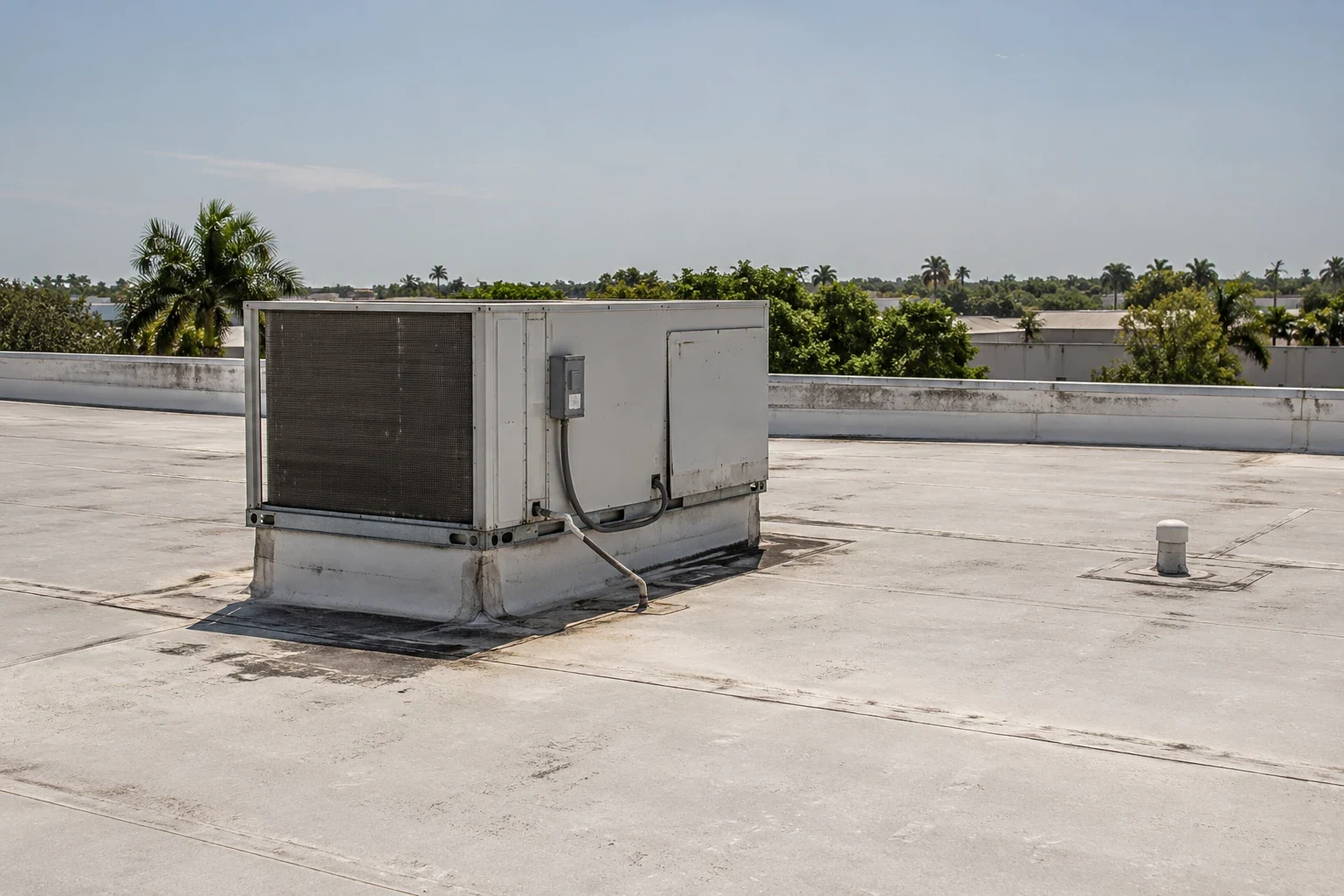
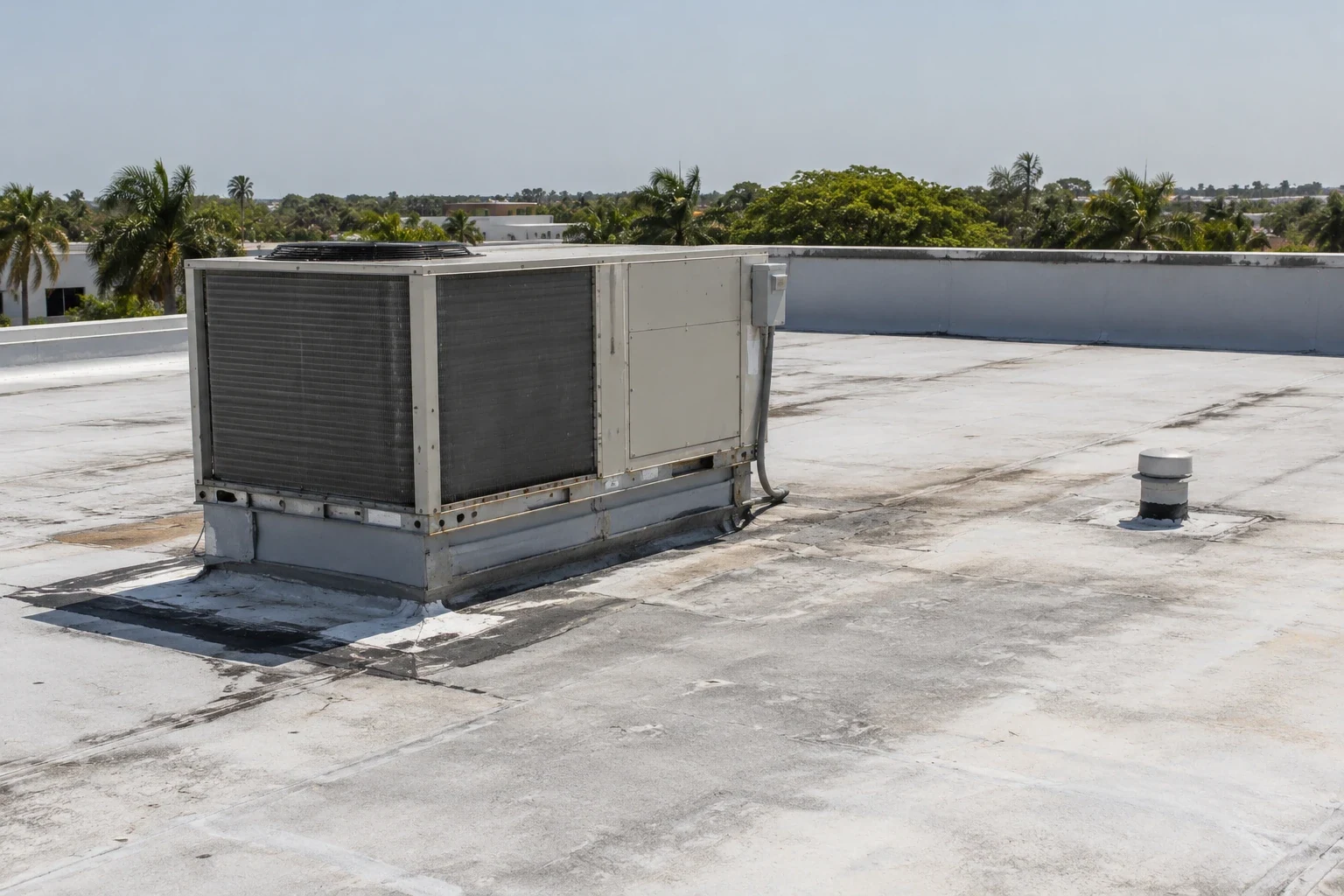
Wear on a roof follows habit. The path from the access hatch to the nearest rooftop unit is always the most beaten track, followed by the route to the exhaust fans, the roof drains and the edge where the ladder lands. We start the survey on those lines, because that is where scuffs, gouges and worn walk pads gather.
A map of the real paths also tells us who is on the roof. A restaurant sees grease techs and hood cleaners. A school sees HVAC contractors and pest crews. On a college site such as San Jacinto College Central Campus on Spencer Highway, several trades may cross the same roof in one month. Each group damages the surface in its own way, and the repair scope has to reflect that pattern. We also note which routes have no walk pad at all, since an unprotected path is the first place the next puncture will appear.
Identify the Object Behind Each Hole
A puncture rarely arrives unannounced, and the shape of the hole is a clue. A clean round cut points to a dropped tool or a screw driven through from above. A long scrape follows a dragged cart, a hand truck or a skid from an equipment change-out. A bruise with a ring pattern indicates a ladder foot. Sharp, scattered holes within one quadrant often trace to storm debris, because a wind event like the May 16, 2024 derecho across Greater Houston can drop loose material from neighboring yards and buildings onto a roof.
Fasteners cause a subtler version of the same problem. Screws in a mechanically attached system can back out through the membrane, and a high spot in the substrate can push through once the roof heats up. We check for those before patching, because covering a bulge without removing its cause only sets up the next puncture.
Size the Repair to the Membrane, Then Test Below It
A good patch starts with cleaning and a look at what lies under the hole. On thermoplastics like KEE and TPO, a round-cornered patch of the same membrane is welded over the opening with an overlap past all damaged material. EPDM takes primer and splice tape. Modified bitumen and built-up membranes get compatible patches embedded in adhesive and sealed at the edges. Sharp corners lift, which is why we round every cut.
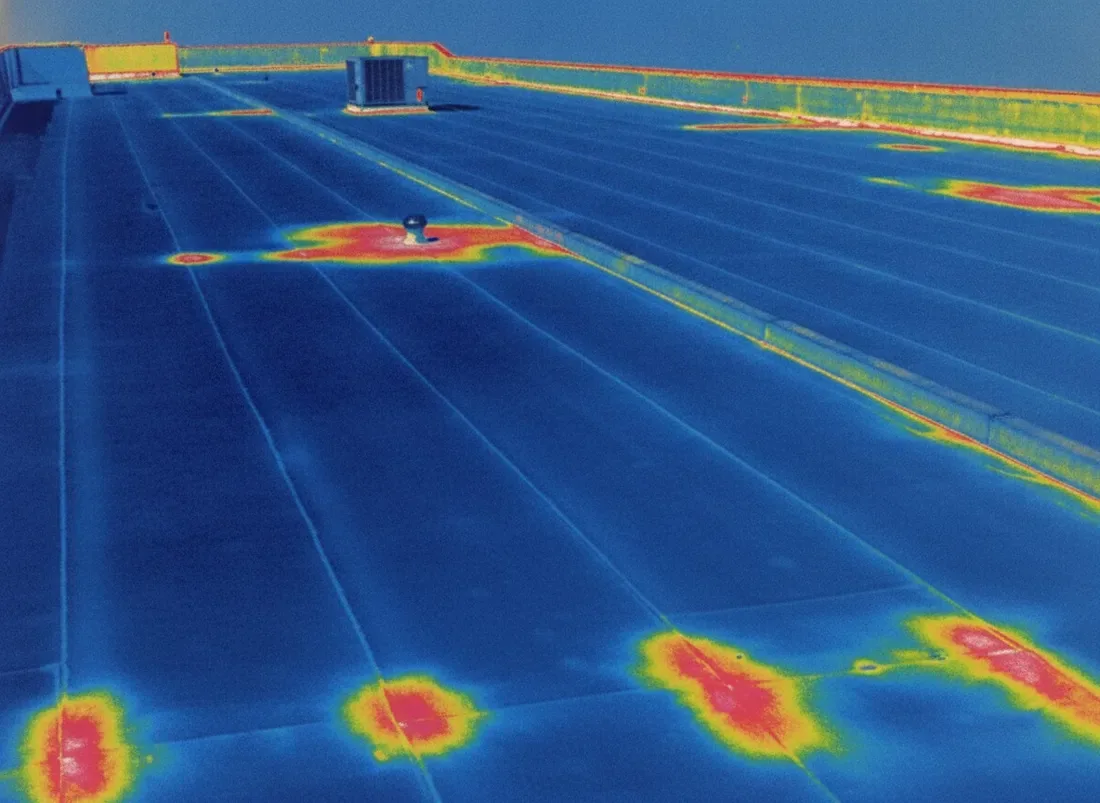
Then the question becomes whether water has gotten in. An infrared moisture survey and a few core samples show whether the insulation beneath the puncture is still dry. If it is wet, the repair grows to include a cut-out section and new insulation before the membrane goes back on. Skip that check and the patch can look perfect while the roof rots under it.
Protect the Repair With Walk Pads and Access Rules
A fresh patch placed in the middle of a foot path will not last. After the repair, we lay walk pads along the main routes, add pads at the foot of each unit and at ladder landings, and mark where tools and parts may be set down. Pads spread the load and give a technician something obvious to follow.
The other half of protection is a rule: everyone who goes on the roof signs in, completes a short site safety orientation and reports damage before leaving. That log is useful when the next patch appears, and it fits naturally into a preventive maintenance program that photographs traffic areas on a set schedule. Where rooftop equipment crowds the surface, the work also touches the equipment curbs and supports that determine where people step.
Rule Out Hail and Failed Flashing Before Calling It Foot Traffic
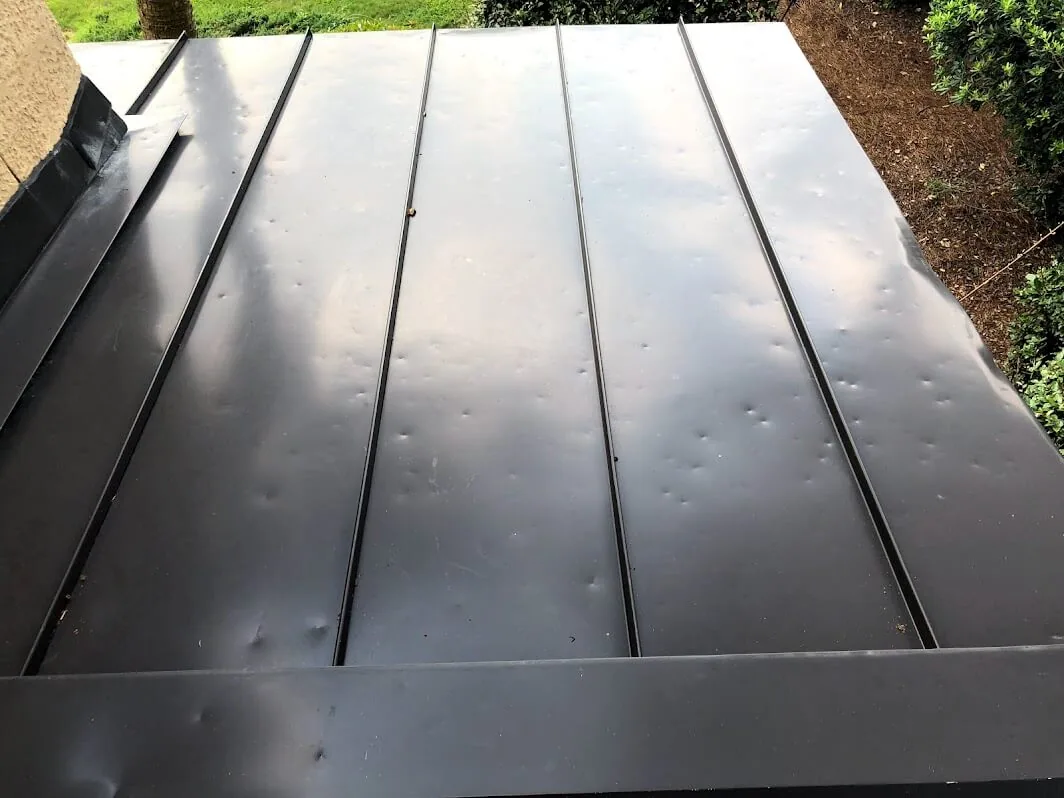
Not every hole comes from people. Hail, which does reach the Houston-Galveston area on occasion, leaves a different bruise pattern, round and scattered across the exposed field, which is how hail damage is told apart from a path worn by boots. Punctures near a wall or curb are sometimes a symptom of failed flashing that has let the membrane curl and tear. Separating those causes before the patch goes on keeps the repair honest and the claim record clean.
Timing also matters. Summer heat softens thermoplastic and rubber membranes, so a roof that is walked at midday in August takes marks it would shrug off in a cool month. When the facility allows it, we schedule patch work for the early shift, keep the crew off adjacent field areas until the new welds cool and probe each repair before the next round of traffic arrives. A repair finished at dawn and walked on at noon is a repair that has to be done twice.
A puncture log is more useful when it records both the damage and the activity that could have caused it. Note nearby equipment service paths, stored materials, sharp edges, and temporary protection, then compare the roof's pattern of wear with the reported leak. Repair each opening with a patch compatible with the membrane and allow the joint to cure or cool before probing it. If moisture has spread beneath the sheet, mark the limits of the affected insulation separately from the surface repair. Before reopening the area, remove temporary barricades only after the facility contact confirms the access route is safe. This creates a clear prevention step as well as a repair record.
Commercial Roofing Questions
Is a pinhole-sized puncture worth fixing right away?
Small holes stay open longest and cost the most in the end. A pinhole lets in a little water on every rain, soaks the insulation and spreads sideways before any stain appears. Repair is quick when the hole is fresh and gets much larger once the surrounding insulation has to be cut out.
How do I find out whether a puncture already let water into the insulation?
Moisture mapping answers that. An infrared scan, a meter survey or a few small core cuts show where the insulation is wet and how far the water has traveled. The map decides whether the repair is a surface patch or a section replacement, so we do it before the first patch is cut.
Who is responsible when a vendor's technician cuts the membrane?
Before-and-after photographs help most. Service contracts and the vendor's own insurance usually set responsibility, so we document the condition at each visit and give you dated images that make the discussion simple. Many facilities require vendors to sign in and sign out of the roof for this reason.
Do walk pads really reduce damage?
They spread the load and, just as important, they mark the route. Technicians follow the pad line instead of choosing a path, so wear concentrates on a surface designed for it. Pads also protect the area around a patch while the new weld or bond cures.
Can punctures in a coated roof be repaired without recoating the whole thing?
Spot repair works if the coating is sound and the substrate dry. We clean the area, patch the membrane, reinforce with fabric where needed and recoat a feathered area around it. If the coating is chalking or peeling across the roof, the repair is a good time to discuss a full recoat.
Keep Reading
Related Roofing Work in Pasadena



Walk the Service Routes With Us
Show us where your technicians go and where the roof shows wear. We will inspect every path, repair the damage and mark out walk pads that fit your site rules.