
Service Areas
Commercial Roofing in Channelview, TX
Along the Ship Channel's northeastern curve a day is counted in truck turns, and a roof crew either fits inside that count or costs the operation money. Channelview, TX sits north of I-10 and the Missouri Pacific railroad, roughly 15 miles east of downtown Houston, with petrochemical plants and channel logistics running right beside residential streets. Commercial roofing there has two audiences at once: the facility that needs its docks, lanes and process areas working, and the neighbors who live a short distance from the work.
Low-slope and metal roofs on that kind of ground get repaired, recovered or replaced, and we begin every project on the ground before the roof. Which gates are in use, where the trucks queue, and which areas are off limits during a unit's cycle all shape where the crane sets up and when the crew works. The membrane and the metal come second in the planning, even though they get the attention afterward.
Read the Yard Before You Read the Roof
A distribution or storage building near the channel works like a clock with trailers as the hands. Trucks pull in at fixed hours, forklifts cross the same lanes all shift, and anything stored under the roof may not tolerate a single wet pallet. A plant support building follows a different rhythm, with equipment alarms, contractor orientation and permit rules deciding when anyone may climb.
On the first walk we collect those facts alongside the roof facts. We ask which bays must stay open, which rooms hold product or electronics that cannot get wet, and where dock traffic would cross a lift zone. Then we read the roof itself: age and number of layers, drain positions, the condition of each curb and every penetration, and how water leaves the building when a Gulf storm arrives. A written plan that joins the two readings is what the facility director signs off on.
Keep the Work Quiet Where Plants Meet Neighborhoods
Channelview had 45,688 residents in 2020, and plants and logistics yards sit beside its residential areas. A tear-off sends noise, dust and debris a long way. A hot kettle or a solvent-based adhesive carries odor across a fence line. A crane parked on the wrong side of a building casts a very long shadow over somebody's afternoon.
So the plan for a roof near homes is written with the surroundings in mind. We schedule noisy tear-off during agreed hours, run magnets and sweeps to keep fasteners out of the street, pick low-odor systems when the building edge is close to houses, and keep haul trucks off residential streets. On a plant roof the same planning covers laydown areas, hot work permits and escort. If a night shift is the only window that fits, we build the plan for the night shift instead of stretching a daytime plan across it.
Secure the Perimeter Against the Wind This Region Has Seen
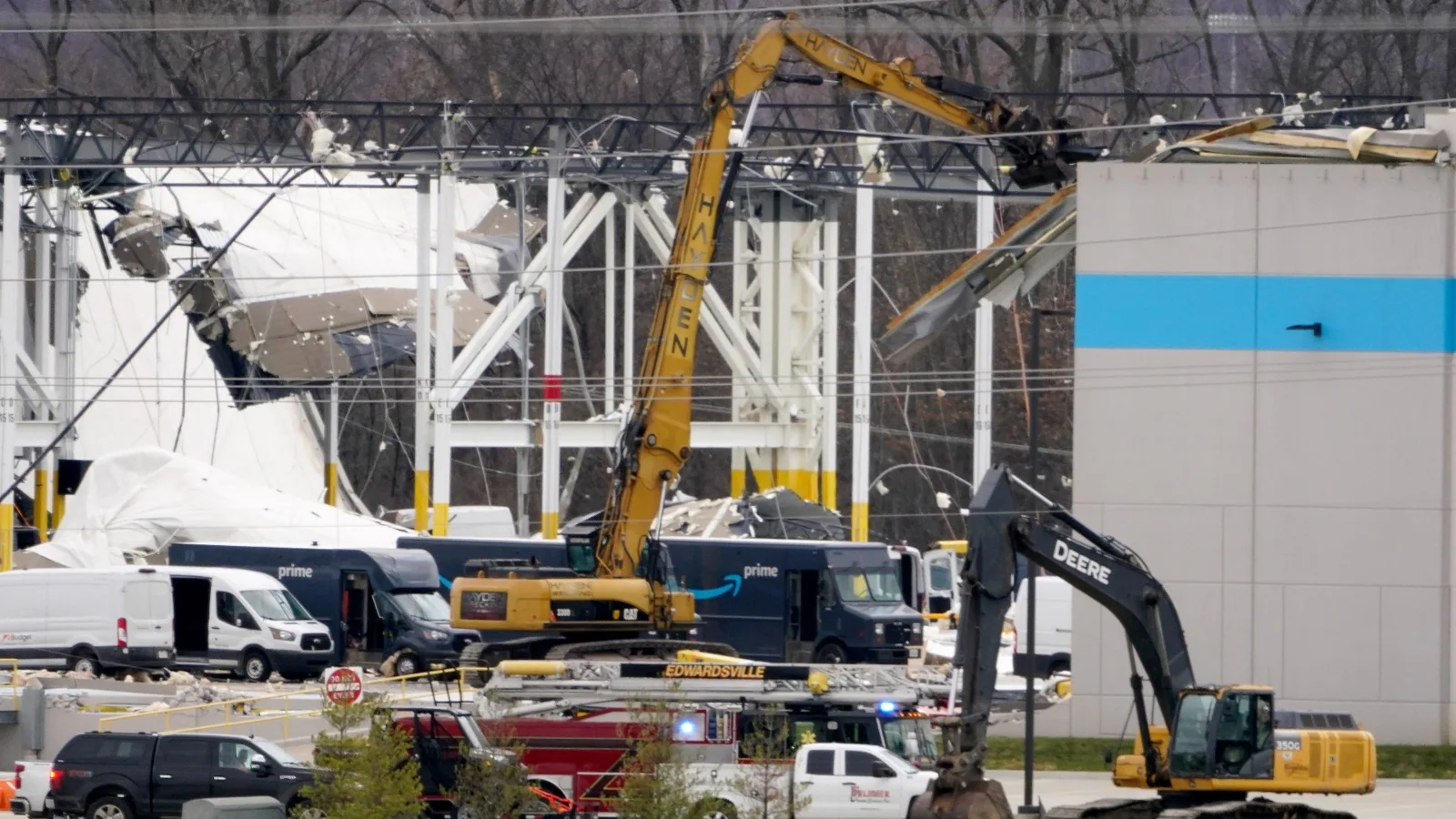
Channelview carries a record of its own: a 1992 F4 tornado in its history. More recently, an EF3 tornado crossed Pasadena, Deer Park and Baytown on January 24, 2023, with winds near 140 mph, and a derecho in May 2024 sent gusts that National Weather Service surveys estimated near 100 mph through downtown Houston. Those events are different in kind, yet each lifts roofs from the same weak places.
Corners, parapet caps and edge metal take the first uplift, so we test their attachment and the condition of the substrate under them before we spend money anywhere else. Where a membrane is mechanically fastened, we look at pullout resistance and fastener spacing, and where it is ballasted, we look for displaced stone. After a loss, a temporary dry-in follows within hours, and the permanent plan is built on photographs and measurements an insurer can follow. Repairs after tornado damage or straight-line wind damage follow that sequence.
Choose a System for Heat, Humidity and Channel Air
Annual rainfall near 50 inches arrives over roughly 104 wet days in Houston, and August afternoons average close to 95 F. A low-slope roof here spends a good part of the year either hot or wet. Ponding that sits for days speeds up seam wear, so drains, sumps and scuppers are part of the material choice, not an afterthought, and a roof that sheds water well extends the life of whatever sits on top of it.
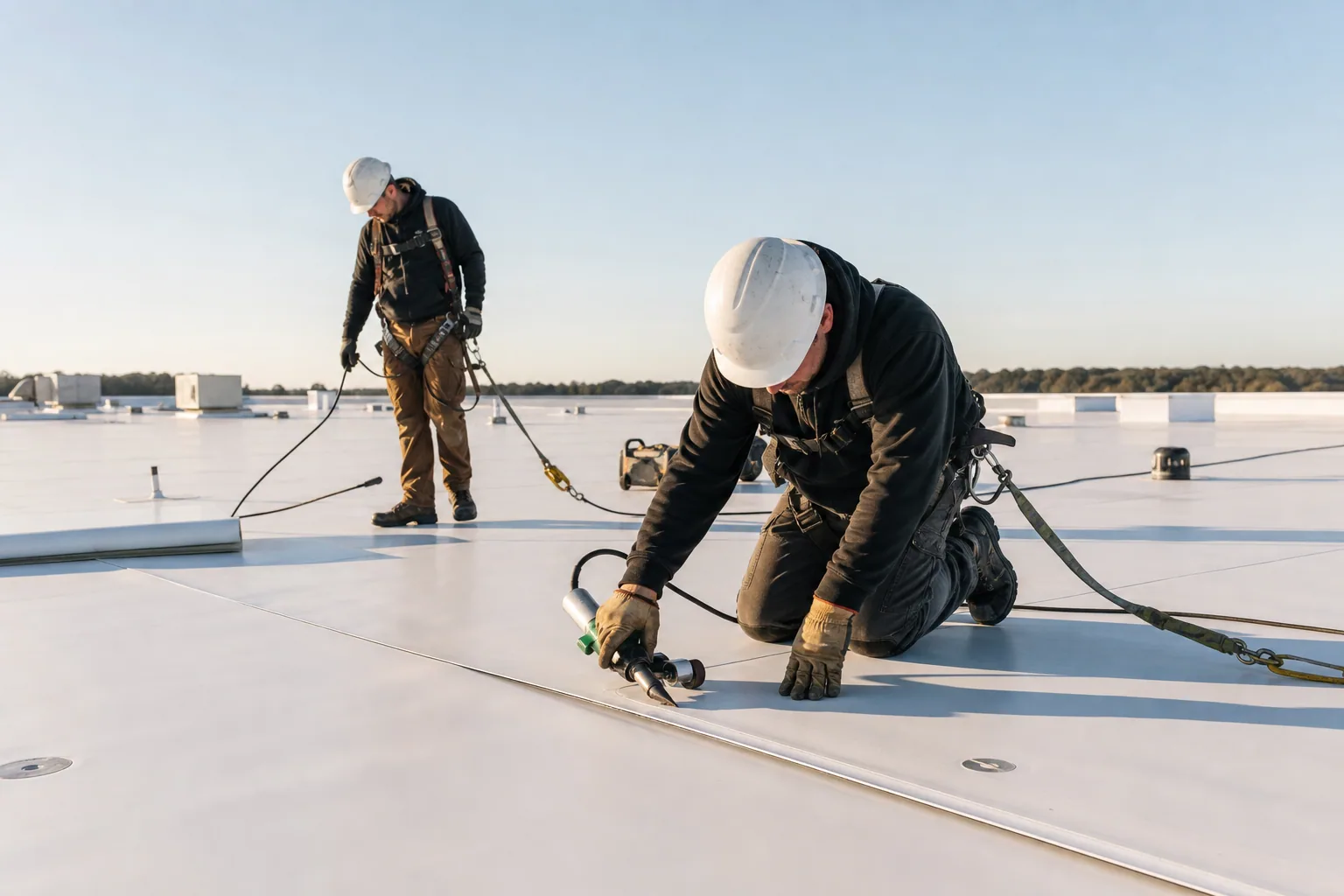
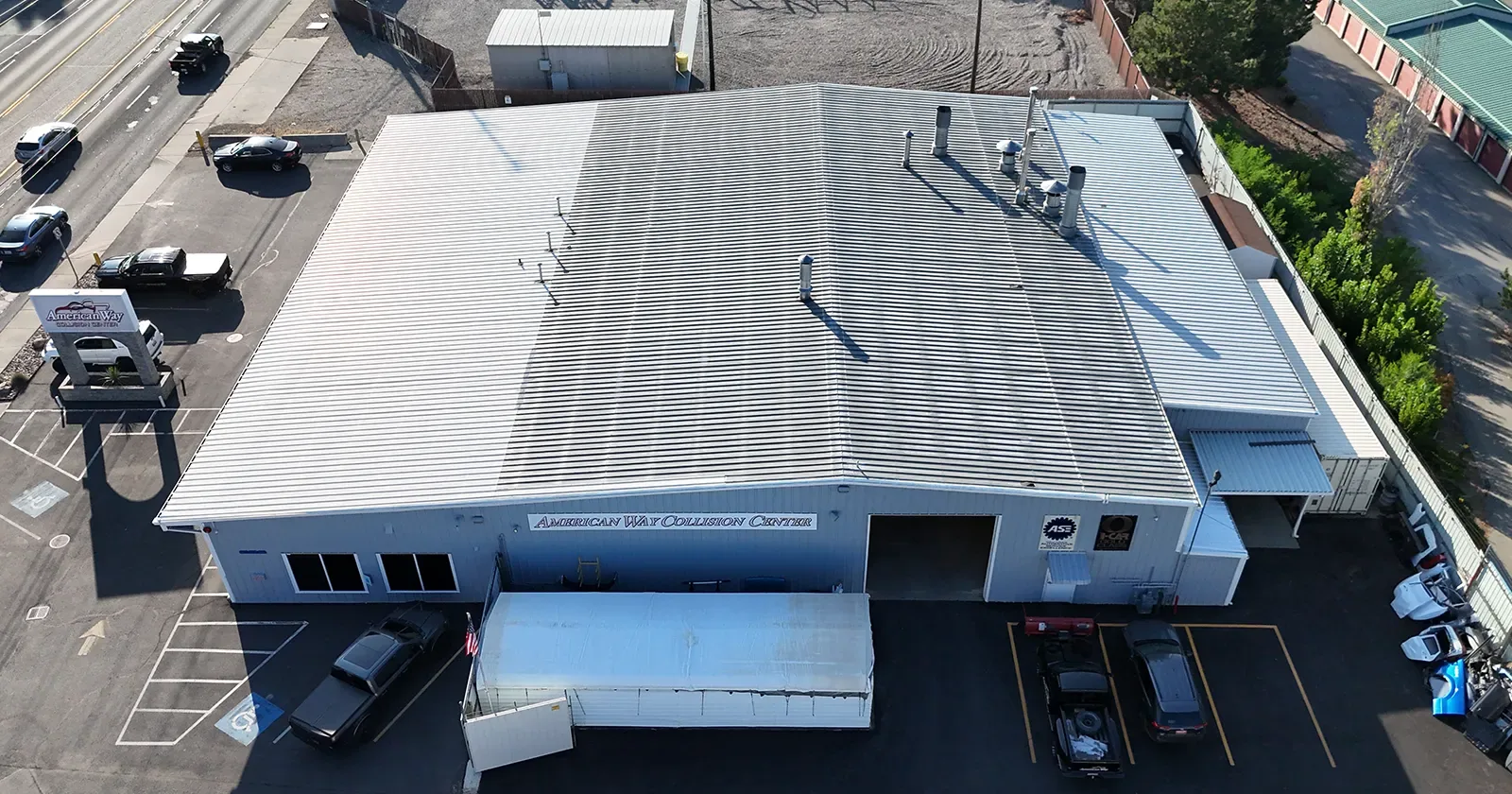
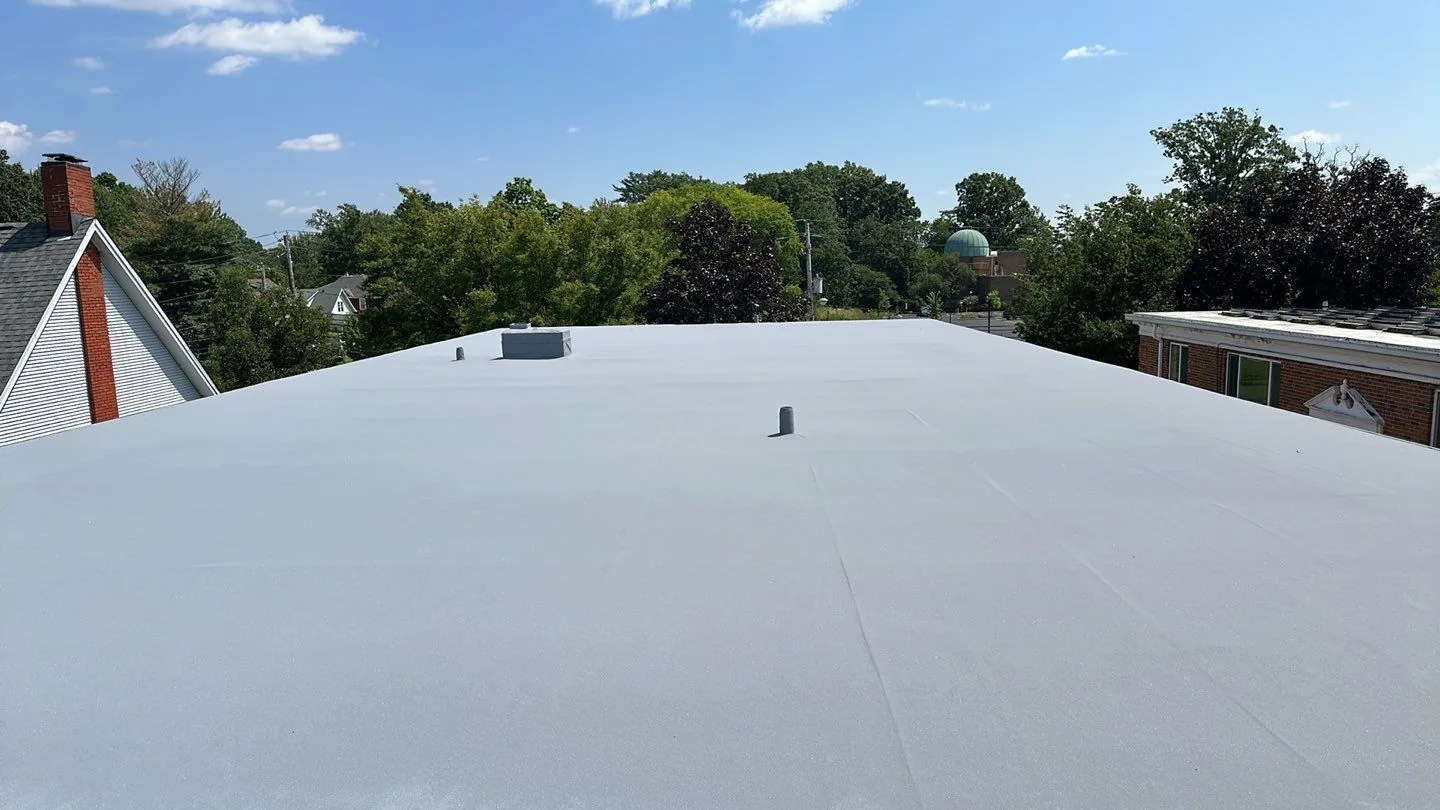
For broad warehouse roofs, TPO reflects heat and welds into a single surface. Near vents or process exhaust, PVC tolerates contaminants better. A metal building with a tired deck often does better under a metal retrofit than under a tear-off, because it keeps the structure dry while the work proceeds. Whichever system goes on, fasteners and edge metal are chosen for humid, corrosive air, since those parts fail before the sheet does.
Price the Roof by What Sits Under the Membrane
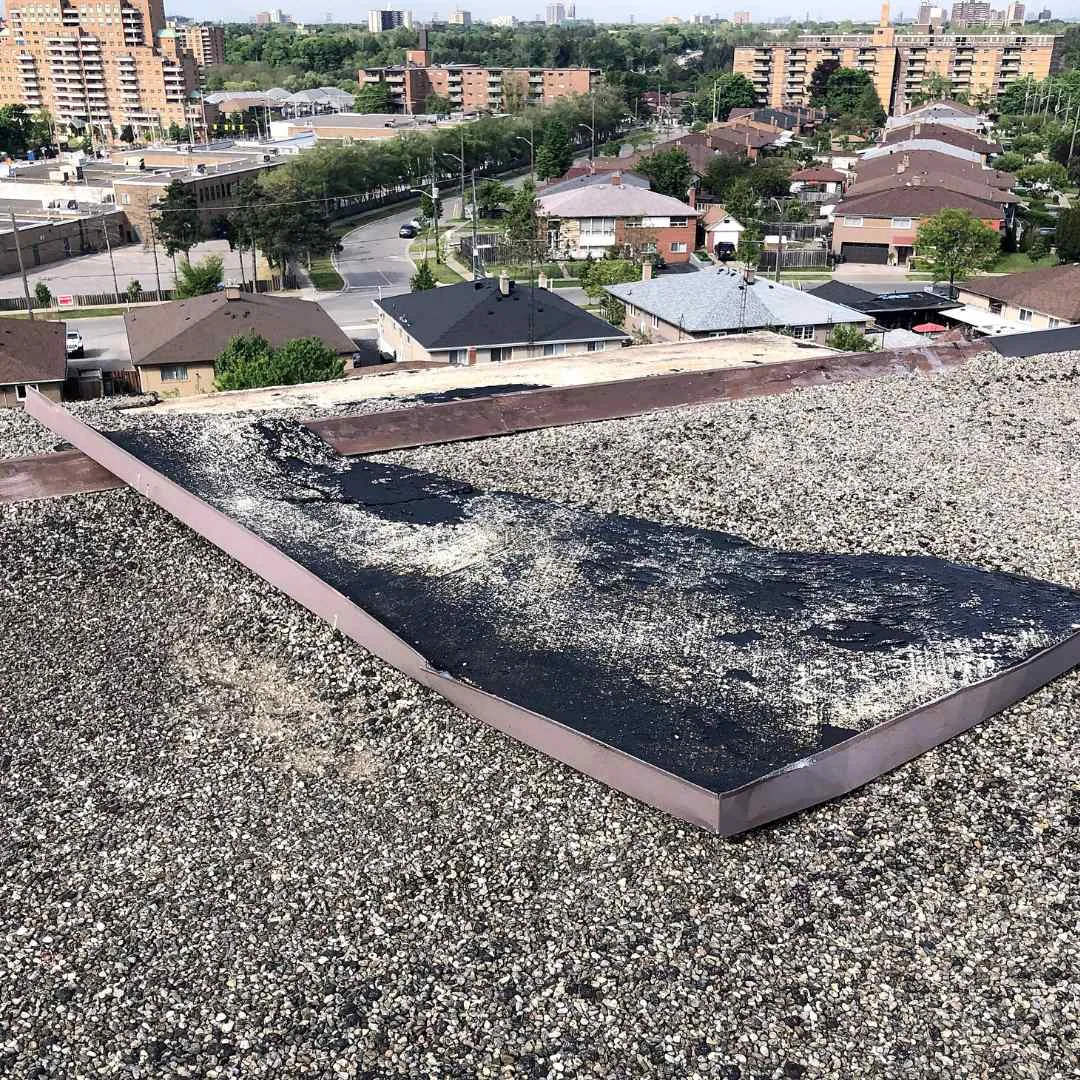
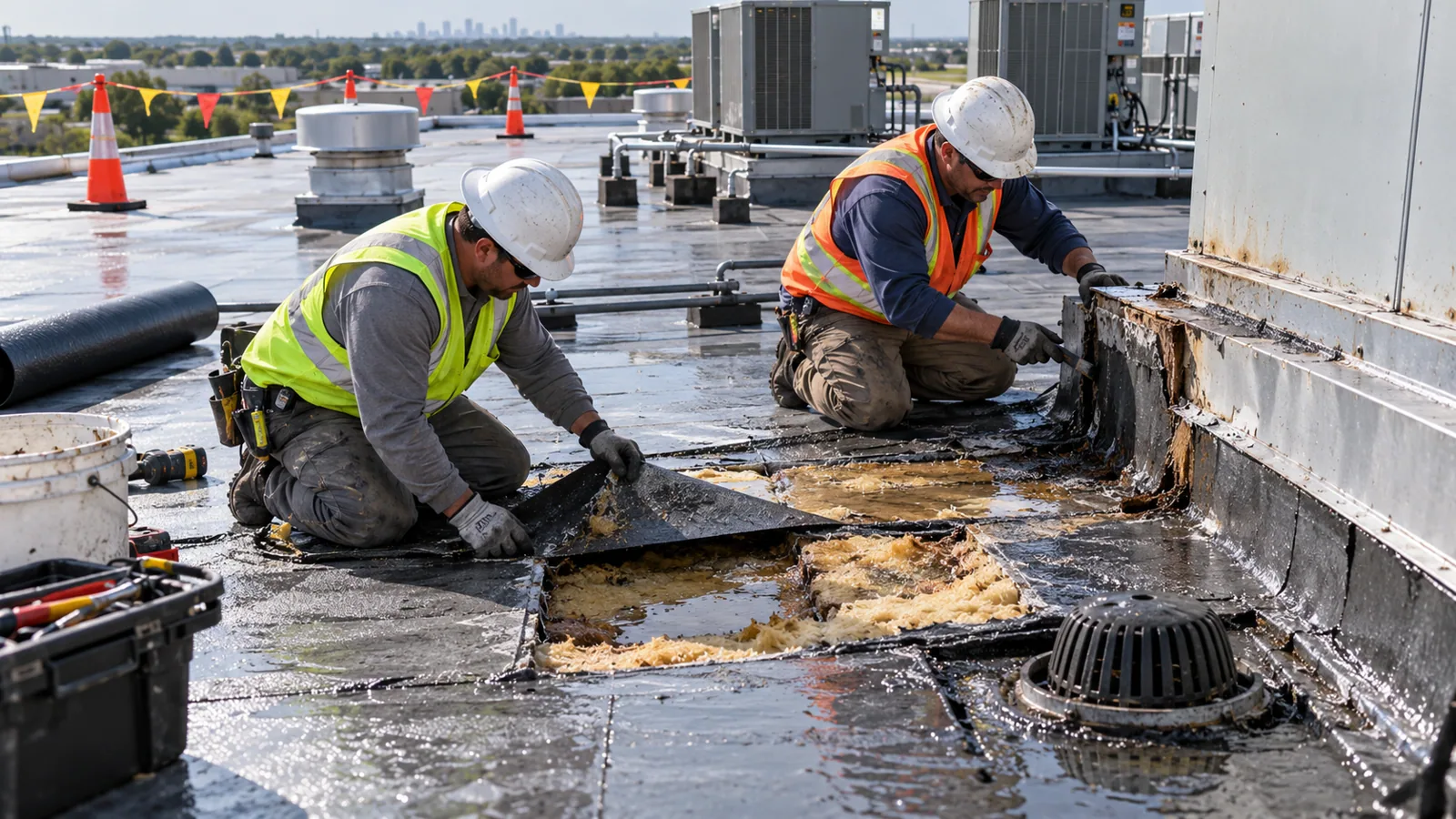
The membrane is the visible half of the cost. The rest is hidden: wet insulation, rusted deck, crushed fasteners and flashing that has been patched more than once. A moisture survey and a few core cuts show how much of that is present before anyone commits to a method. Dry, well-attached layers may allow a roof recover with a new sheet over the old, while saturated insulation points toward commercial roof replacement.
Beyond the scope, price moves with crane time, truck access, work hours, disposal volume, the number of penetrations and the amount of staging an active yard allows. Phasing a large roof across several quarters can spread a budget without leaving any section open to weather. We write the phases down, with the dry-in rule for each, so the owner knows what is being paid for and what stays protected at every stage.Portfolio work can extend along the channel into the Bayport Industrial District, with each site's access plan documented separately.
Commercial Roofing Questions
Our yard runs trucks all day. How does a crane fit into that?
We map the truck lanes first and then choose a pick location that keeps them clear. Picks are timed to gaps in dispatch, and a flagger controls the crossing. Where the yard cannot spare the space, we break the lift into smaller loads staged on the roof earlier in the day.
A plant next door shares a fence with houses. What changes in the roof plan?
Hours, odor, debris and haul routes all change. We schedule tear-off for agreed windows, favor systems with less smell at the edge of the property, sweep the lot and surrounding street each day, and keep a named contact on site for the plant's neighbors.
How do I know whether a roof near the channel needs repair or a full replacement?
Moisture inside the insulation is the dividing line. A survey and a few cores show whether the water is local or spread. Small, isolated wet areas get cut out and rebuilt; widespread saturation, a corroded deck or repeated failure at seams points to replacing the system.
Do old tornado losses matter for a roof I am pricing today?
They matter as a signal about the edge zones. Any building in a storm path deserves a close look at its corners, coping and flashing terminations. We document what is sound as well as what is damaged, so you have a baseline when the next squall line comes through.
Can a phased reroof keep my operation under cover the whole time?
Yes, when each phase is small enough to dry in the same day. We open a section, tie it into the existing roof with a watertight edge, and close it before the crew leaves. A forecast check each morning decides whether the day's section opens at all.
Keep Reading
Related Roofing Work in Pasadena
Walk the Yard and the Roof Together
Bring the facility director and your dock or shift schedule. We will walk the site with you, flag what the neighbors will notice, and set a work plan that fits your operation from the first day.