
Roof Damage Repair
Seam Failure Repair in Pasadena, TX
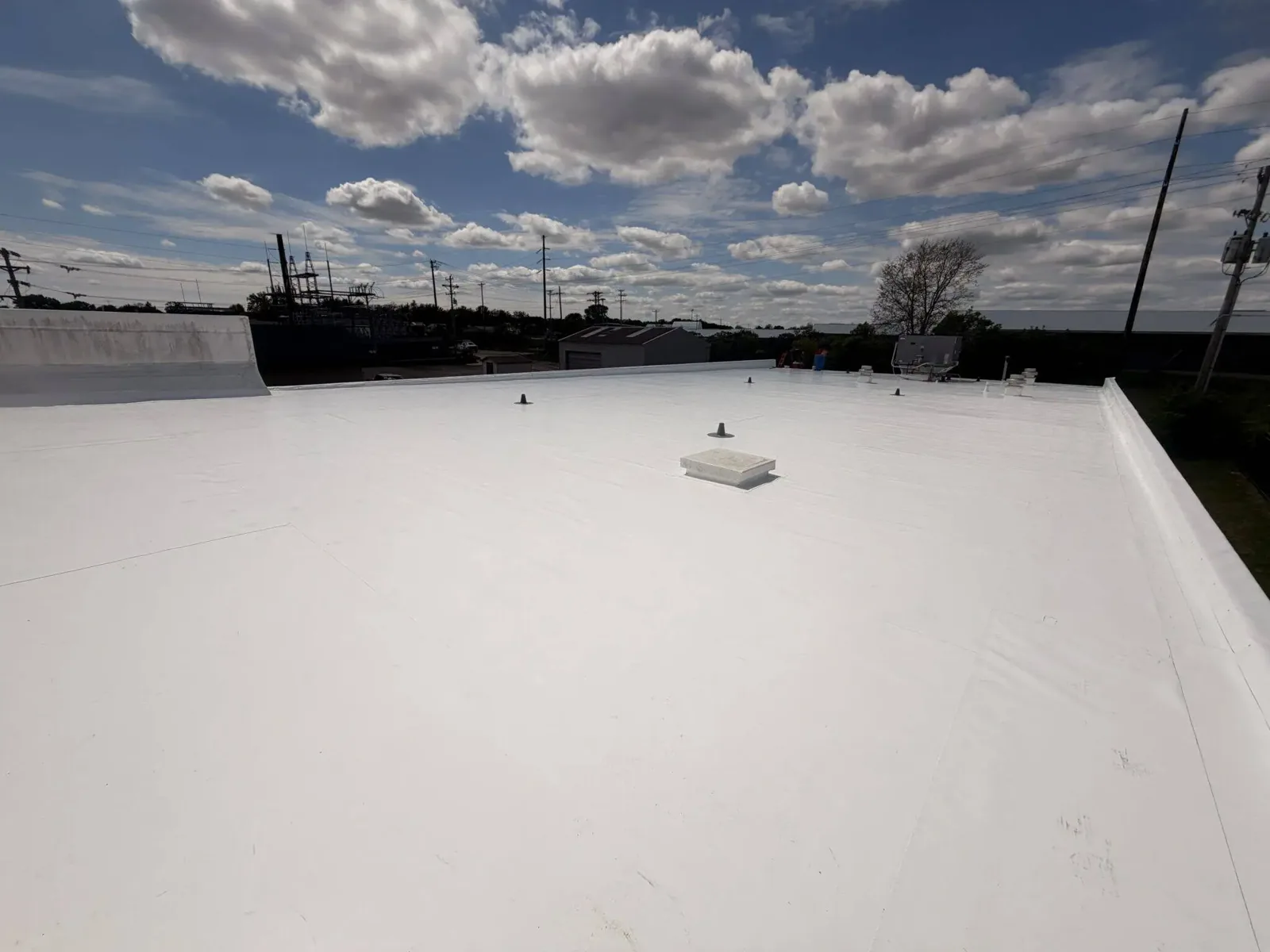
A retail center loses a tenant to a leak long before it loses a roof, and the leak almost always starts at a seam. Seams are made on the roof rather than in a factory, so they carry the widest variation in workmanship and take heavy abuse from heat. A strip of white membrane that looked sealed at closeout can open a hairline at one edge and leave the rest of the sheet intact.
In Pasadena, TX we treat a seam failure as a diagnosis first. We find which seams are open, learn why, and match the repair to the way the membrane was joined in the first place.
Probe Every Seam Instead of Trusting the Surface
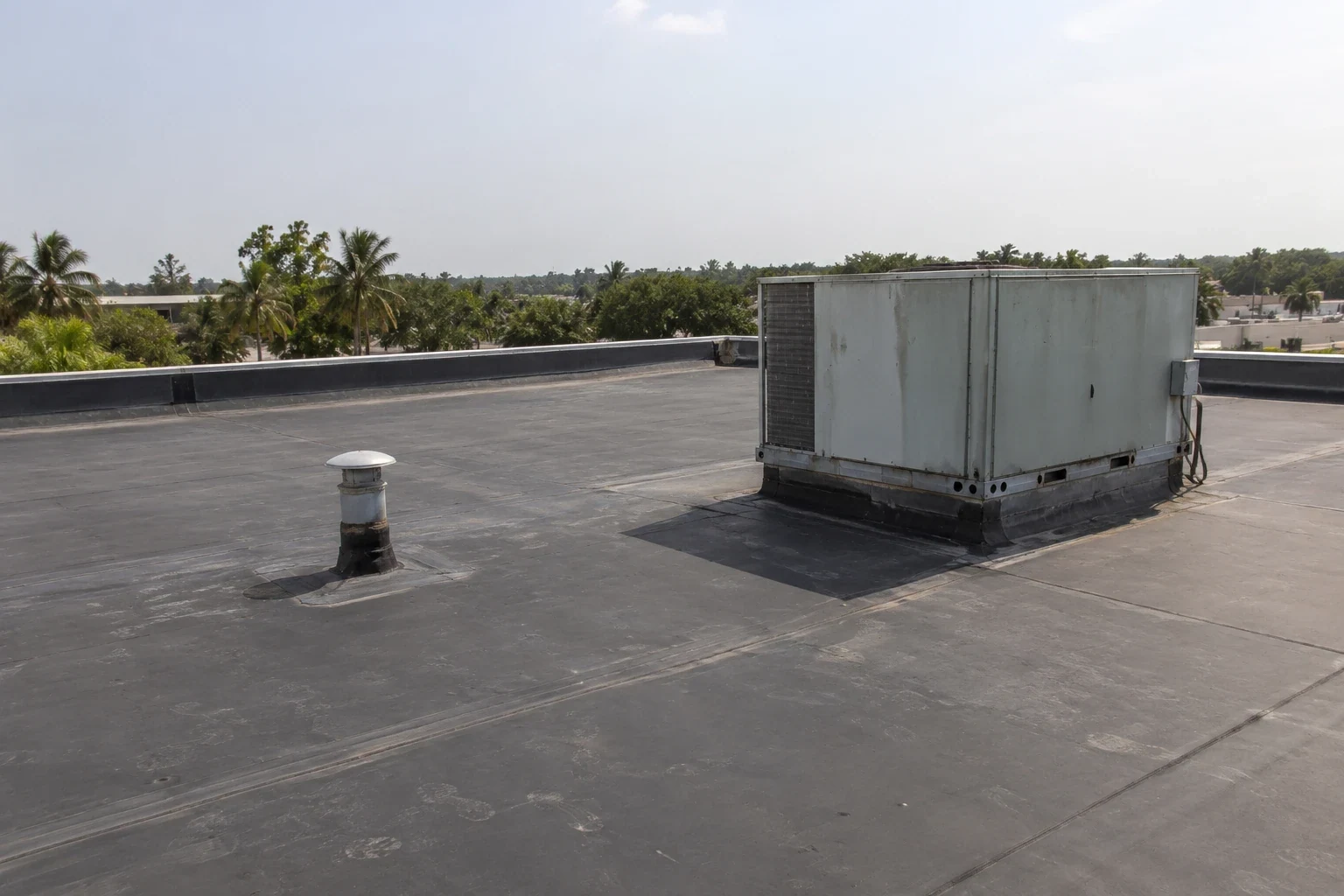
From the parapet, a seam that has lost its bond often looks fine. The edge may be closed, the color uniform and the lap line straight. The failure only shows when someone runs a blunt probe along the edge and feels it give. So the survey is slow on purpose. We walk the seams, probe the heat-welded laps and the tape lines, and mark every open or soft section with paint and a photograph.
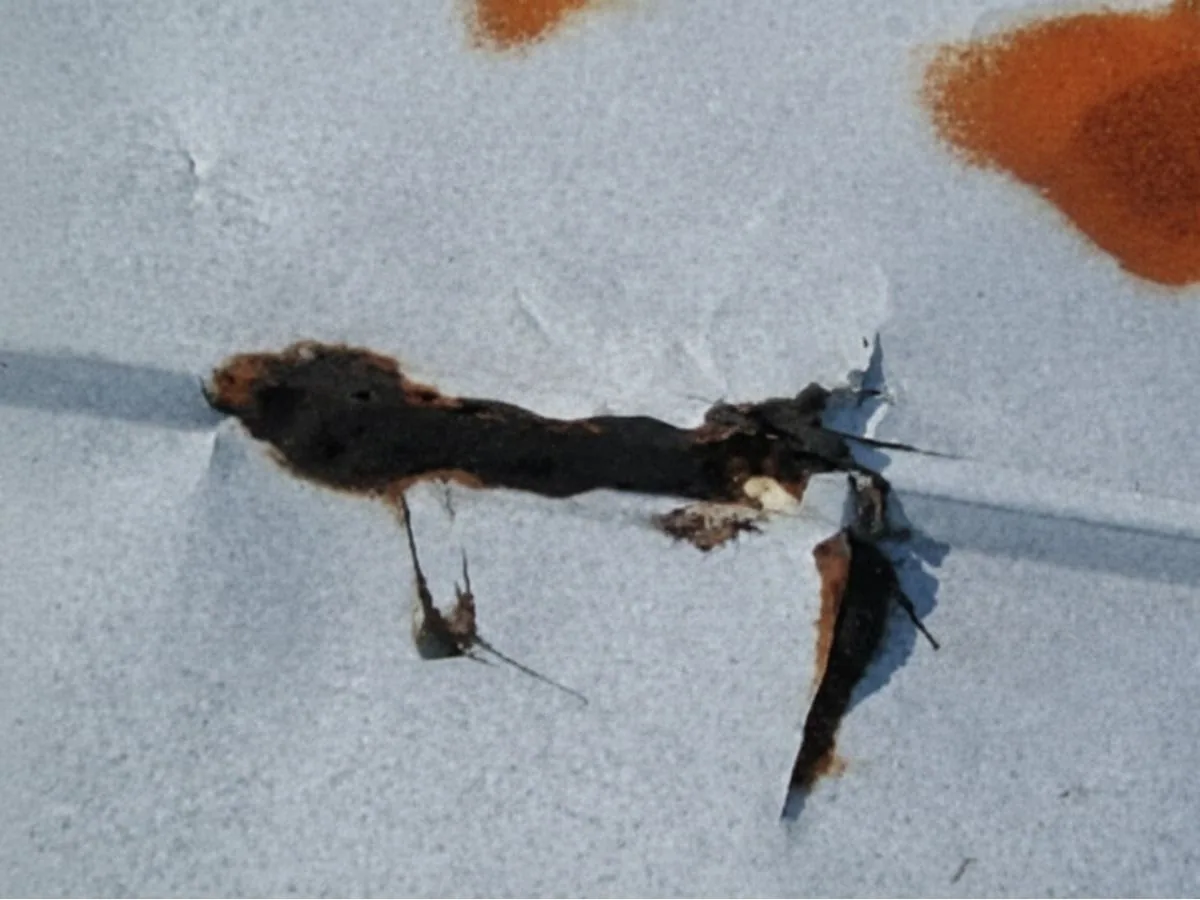
Some failures are visible from a distance: a flap of membrane lifting in the wind, a gap at a cross-seam, a seam edge curling back after summer afternoons. Others show only after cutting a test sample. A weld that peels cleanly from the sheet underneath tells a different story from one that tears the membrane itself, and that difference decides whether the seam is merely open or poorly made.
Find Out Why the Seam Opened
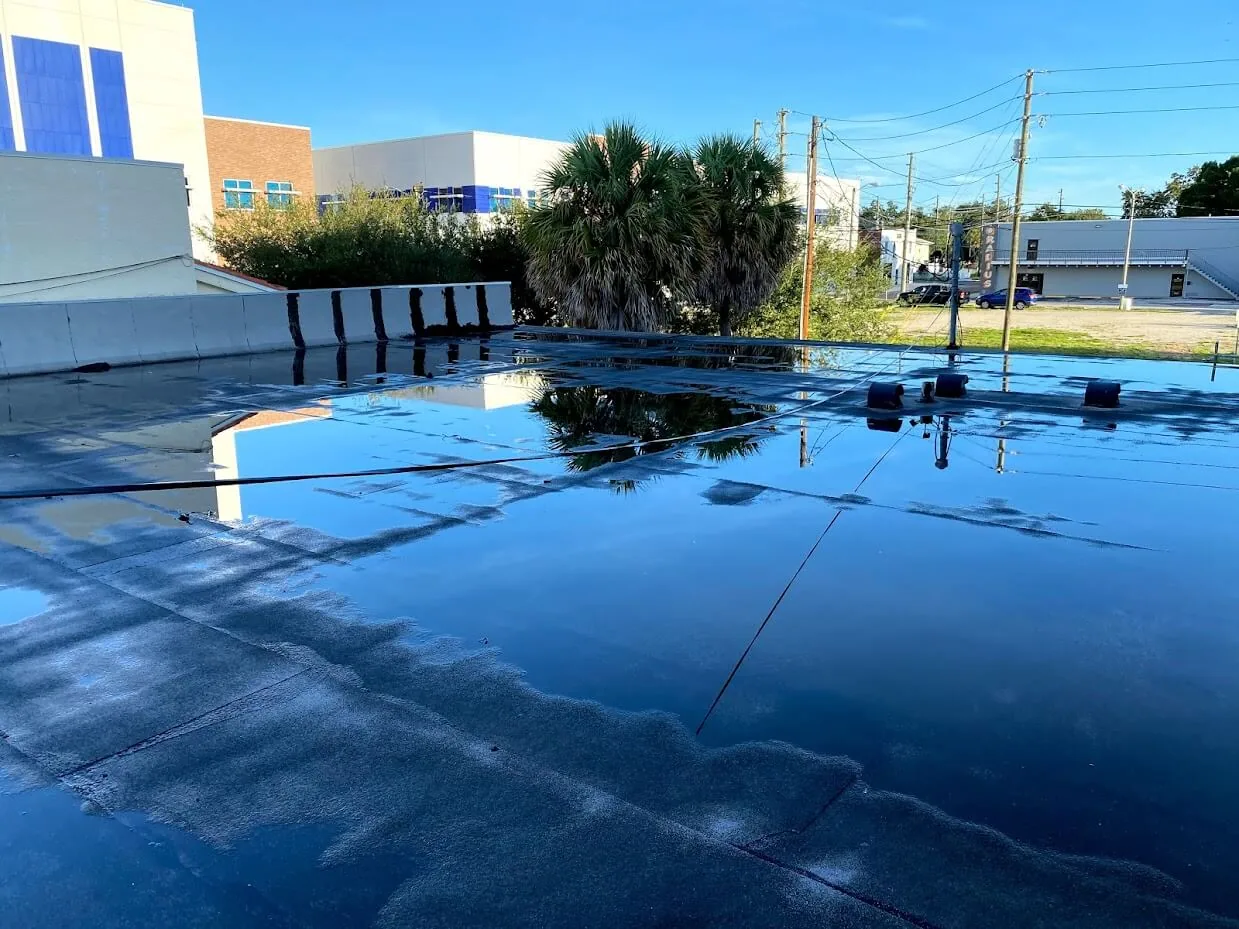
Seams open for a handful of reasons, and the repair should go after the reason. A weld made over dust or a damp surface never fused. A seam under standing water takes on a continuous load, which is why we always ask whether a ponding water area runs across a lap. Heat plays a part too. When Houston reaches 109 F, as it did on August 27, 2023, dark and white membranes alike swell and shrink through the day, and any lap with a weak bond works loose a bit more each cycle.
Wind flutter, foot traffic at a lap, aged adhesive and shrinkage of the sheet away from a wall all show up in the field. Heat and UV damage brings the same suspects to light, because sun-aged membrane stiffens and pulls on every seam it touches.
Repair the Seam the Way the Membrane Is Joined
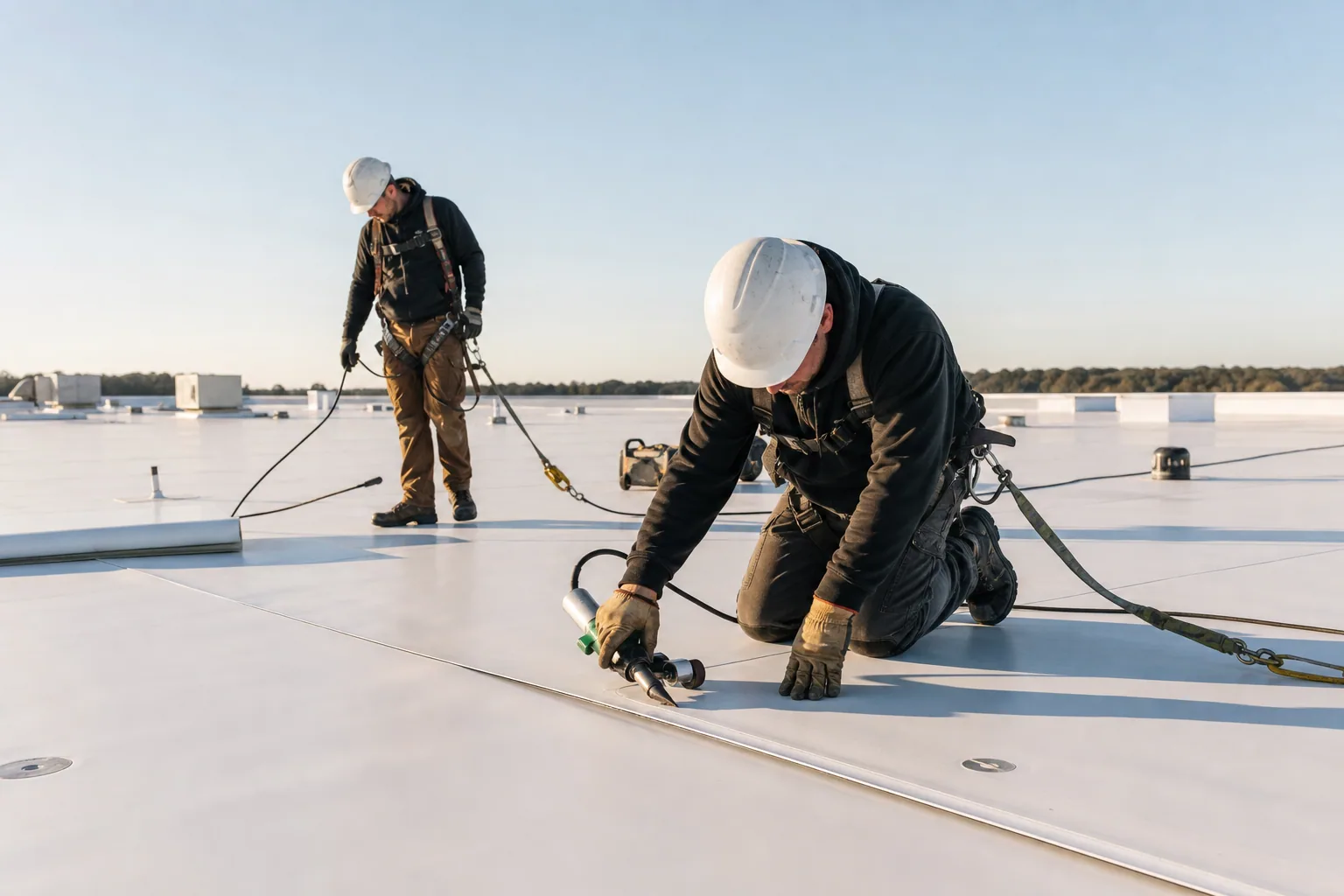
The membrane decides the repair. On PVC and TPO, we clean the lap, probe for the full length of the failure and weld a cover strip over it with a hot-air gun and a silicone roller. On EPDM, splice tape and primer replace the old bond after the contaminated surface has been scrubbed back. Modified bitumen laps are re-bonded with compatible adhesive or heat, and the edge is then sealed with a strip of the same material.
Metal roofs call for different tools: replacement fasteners, sealant tape between the panel laps and a check on clip spacing. In every case, the repair extends past the visible failure into sound material, because a weld ended inside a bad zone fails again at the edge of the patch.
Wait for the Dew to Burn Off Before Welding
Summer morning humidity in the Houston area runs above 90 percent, and a membrane that carries dew will not take a weld. So the sequence on a seam job starts after the sun has dried the surface, usually mid-morning. We keep working through the heat of the day, then stop early enough to dry in before the afternoon cells that build off the Gulf. A planned repair window around those storms gives the weld time to cure and be probed again.
On a building like the stores near Baybrook, off I-45 at Bay Area Boulevard, that sequence also fits the retail calendar. Material staging happens before the doors open, noisy work moves to the slow hours and the crew leaves each section dry and probed. Restaurants and major tenants get notice ahead of time so they can protect stock or shift kitchen schedules.
Weigh Spot Repair Against a Wider Section Fix
A single failed seam gets a cover strip. A roof with failures scattered across every lap is telling a different story, and a repair plan has to reflect it. We count open seams, note where they cluster and compare that map with the age and condition of the membrane. When failures are limited to a few areas, targeted repair plus a re-probe schedule is the sound choice.
When the pattern is widespread, the better path is often re-welding an entire section, coating the roof or planning a replacement. The photographs we hand over show the evidence behind that call, so owners of shopping centers and stores in the Meadowbrook / Allendale can check each decision against their own laps.
A seam repair should start with a representative test of the existing membrane and a check for contamination, moisture, or incompatible prior work. Mark the limits of each separation and probe the surrounding lap so a visible opening does not define the full repair by itself. Follow the membrane-specific preparation and welding method, then test the completed seam after it has cooled. If the substrate is wet or the sheet has shrunk, record that condition before deciding whether to extend the repair. Give the owner a marked roof plan and photos of the tested sections. Those details help a future inspection focus on the same seam runs instead of repeating the first survey.
Commercial Roofing Questions
Can one failed seam be fixed without redoing the entire roof?
Usually a welded or taped cover strip over the failed length does it, as long as the surrounding material is sound. We probe a margin beyond the visible opening to be sure the repair ends on good bond. The wider question is whether other seams on the roof are close behind.
How can I tell seams are opening before water shows up inside?
Probe tests find them first. Warning signs from the ground are rare, though a visitor on the roof may spot a lifted edge or a gap at a cross-seam. Scheduling probe checks every season, and after each major storm, turns a surprise leak into a line on a repair list.
Do seam repairs hold up if they are done in July?
Heat helps the weld and hurts the crew. A hot-air weld goes down well on a dry membrane at summer temperature, as long as the surface is not damp from dew or a recent storm. We shorten the workday, supply shade and water for the crew and make sure each repair is probed after cooling.
A seam keeps reopening in the same place. Why?
Something other than the seam is usually at fault. Standing water, a deck that moves, a wall that pulls the sheet or a section that was never cleaned all show up as a repeat failure. We fix the cause first and then re-weld, since another strip over the same movement would peel again.
Should we recoat a roof that has many open laps?
A coating can bridge small gaps, but it is not a bond. Open laps need to be repaired before any coating goes down, otherwise the coat just hides movement and cracks along the same line. If the roof is sound and dry underneath, a repair-then-coat sequence can extend its life.
Keep Reading
Related Roofing Work in Pasadena
Probe the Laps With Us Before the Next Storm
We will walk the roof with your facility director, probe every seam, and set a repair sequence that fits your operating hours and the forecast.