
Property Types We Roof
Medical Office Roofing in Pasadena, TX
Clinic days start early. By the time a roof crew would normally be loading the crane, the first patient is already in the waiting room and the front desk is verifying insurance. A medical office does not have a quiet shift to borrow, which makes the roof schedule a patient-flow question as much as a construction one. Entrances, parking, air intakes and the sound of tear-off all land on people who came in worried about something else.
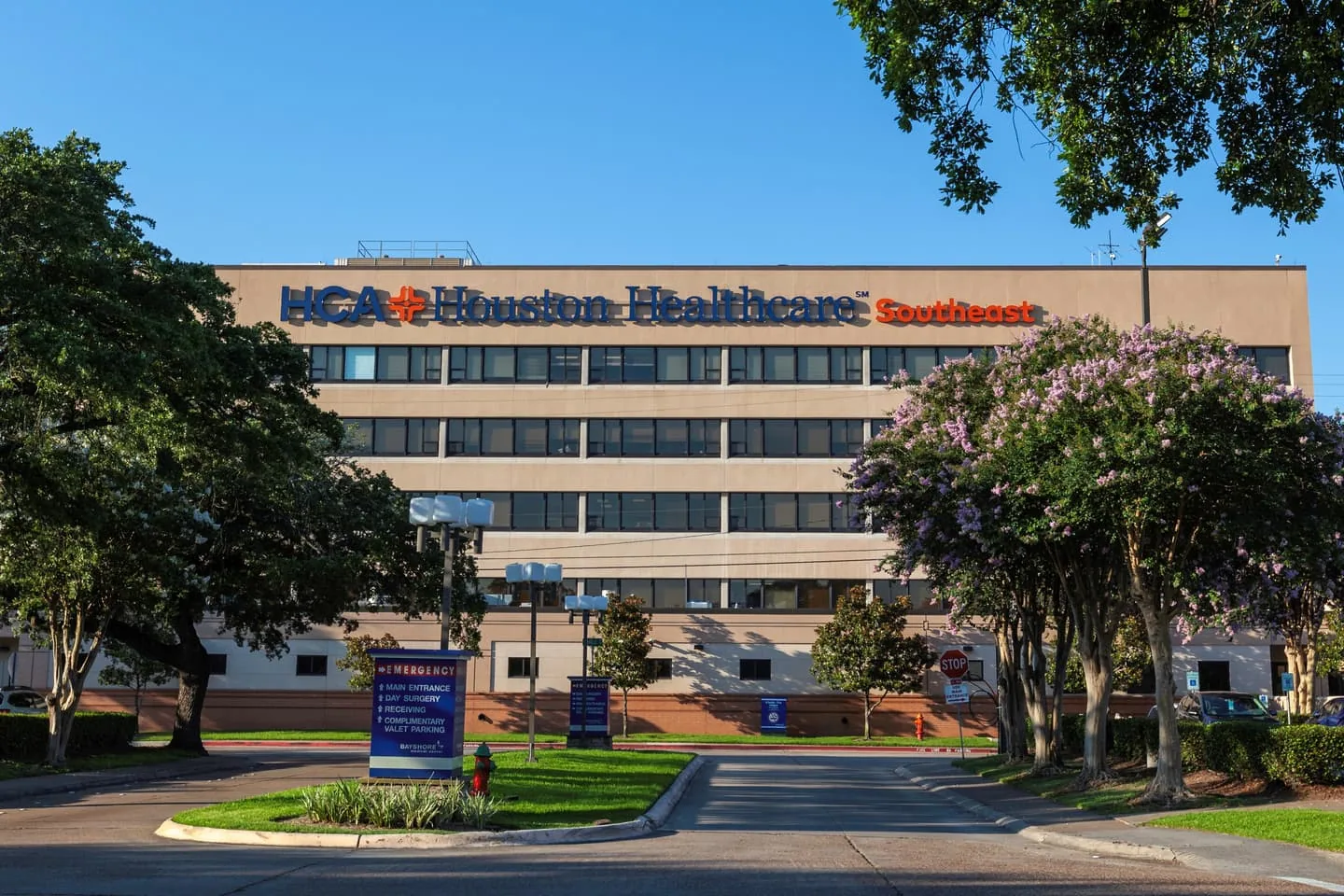
Medical offices in Pasadena, TX, share the city's main arteries with everything else, and the Spencer Highway corridor holds a cluster of care and education uses near HCA Houston Healthcare Southeast and San Jacinto College. We work through the sequence with the practice manager first and the specification second, so the roof gets done with as little disruption to the appointment book as the building allows.
Route Patients and Staff Away From the Work Zone
Patients arrive on foot, in wheelchairs, with walkers and with children, and the route from the car to the door has to stay clear and dry all day. We map the accessible stalls, the drop-off, the main entrance and any covered walkway, then place the crane pad and laydown area where they do not cross those paths. Barriers, signs and a flag person at the pick keep the work zone separate from the front door.
Where a building has only one entrance, we schedule overhead work for hours when the practice is closed or lightly booked, and we protect canopies and walkways before anything is lifted over them. That plan goes to the practice manager in writing, with each day's closures named.
Keep Dust, Fumes and Noise Out of the Exam Rooms
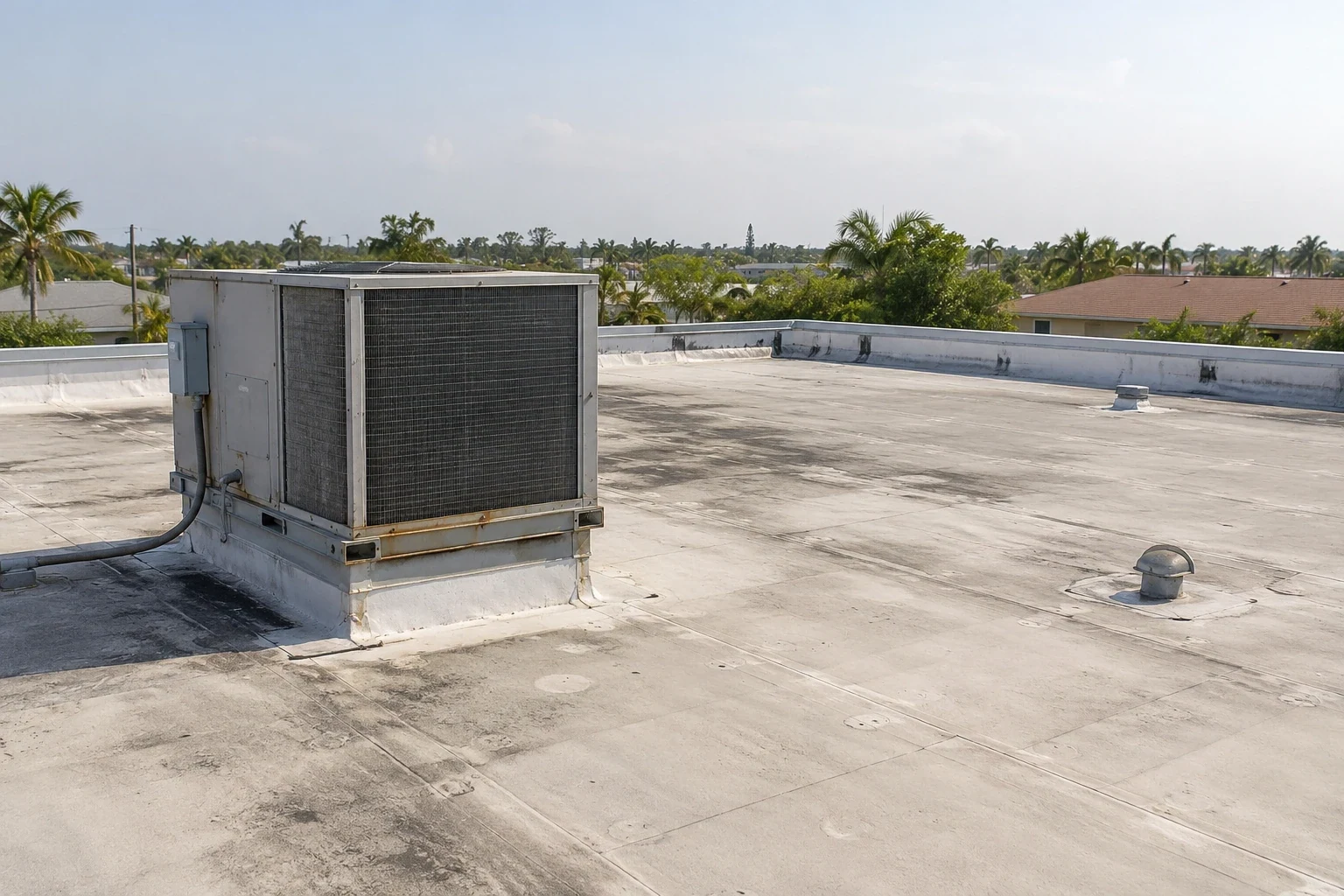
A roof project releases three things a clinic cares about: dust from tear-off, vapor from adhesives and sealants, and noise. The mechanical system links all three to the interior, since fresh-air intakes pull whatever is near them into the building. We locate every intake and exhaust on the roof, keep staged materials and adhesives away from them, and coordinate with the building engineer on when to close dampers or shut units off during sensitive steps.
Many medical tenants ask for an infection control risk assessment before work above occupied space, and we build the roof plan to fit it. Imaging suites, labs and procedure rooms deserve their own conversation about noise and vibration, and we bring that to the first meeting rather than the third.
Treat Every Leak as a Patient-Care Issue
A drip in an exam room closes the room, and a wet ceiling in a supply closet can compromise what is stored there. Houston's summer mornings arrive with humidity over 90 percent, so moisture in a ceiling cavity does not dry out on its own and can start to grow mold. Tile that stays damp is a warning that water is still entering.
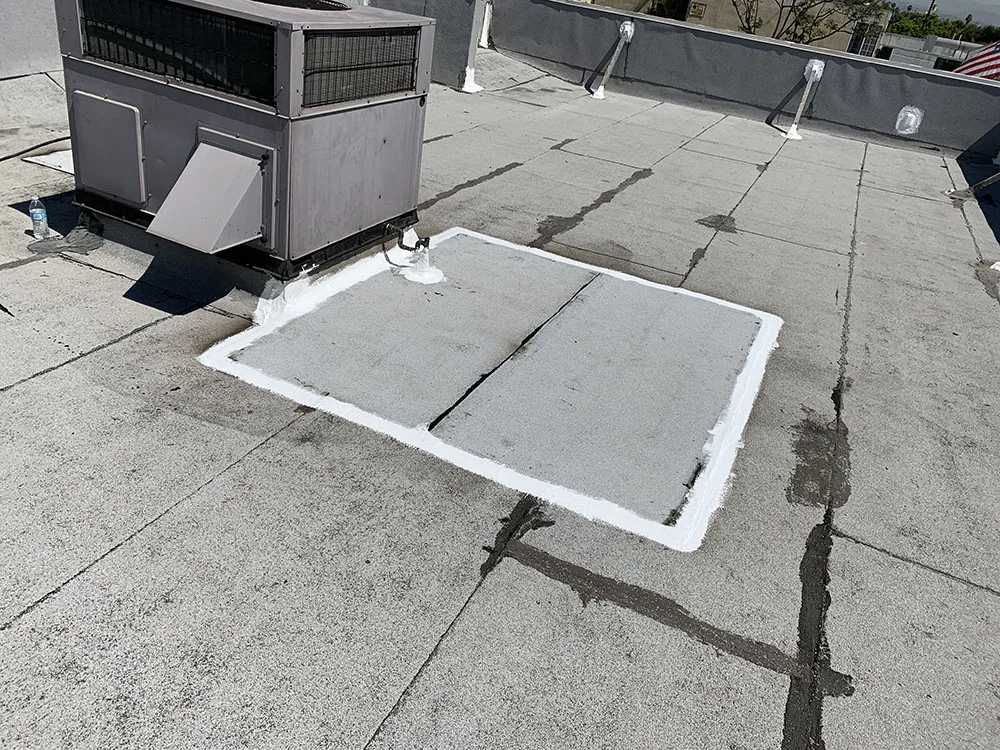
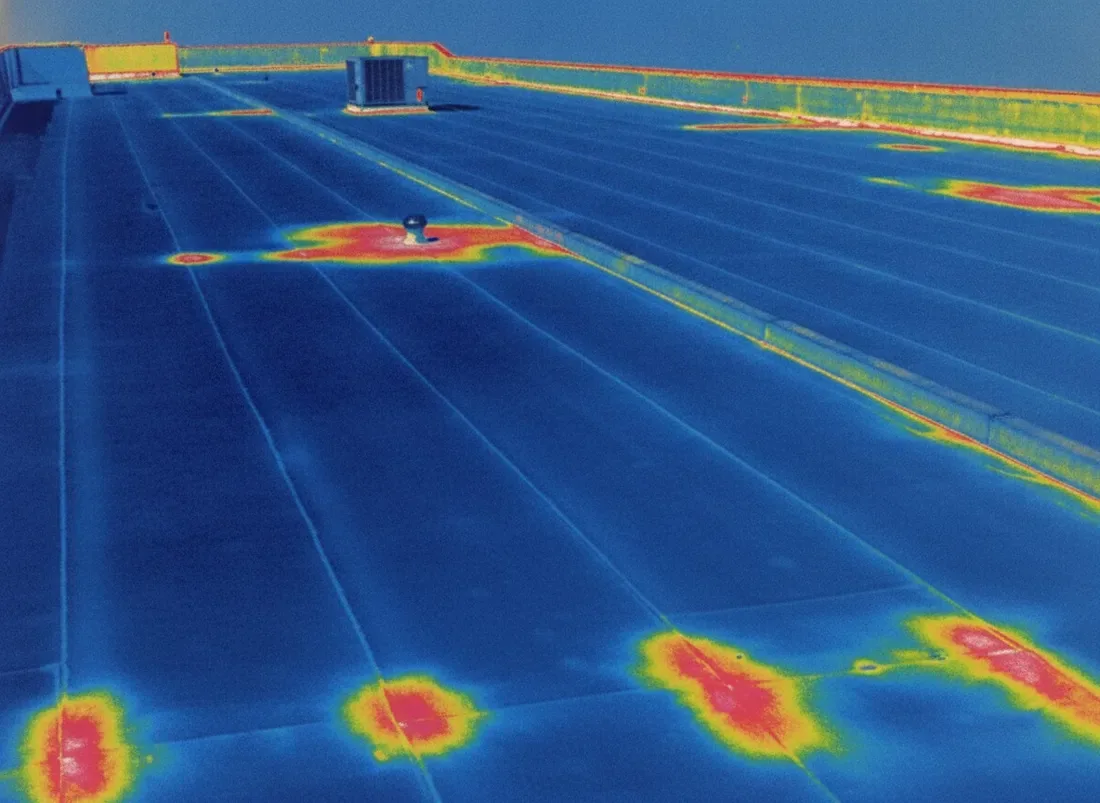
We trace the path from the interior mark to the roof, because the entry point is often feet away. A commercial roof leak repair begins with that trace and closes the opening, and then the interior team can replace affected tile and insulation knowing the source is gone. Where several rooms leak, an infrared scan shows whether wet insulation will keep feeding the problem.
Fit the Scope to the Practice's Closed Hours
Most medical offices have predictable closed hours, such as evenings, weekends and a midday break, and the work sequence follows them. Loud tear-off and crane picks go into the closed hours, while quieter work such as flashing, sealant and detailing fills open hours when needed. A small repair can often finish in a single closed block.
For larger projects, owners weigh a roof recover against a full tear-off. A recover makes less noise and less dust, which suits an occupied clinic, but it only works over dry insulation and a sound deck. A moisture survey answers that before the choice is made, so the owner is not buying quiet at the price of buried problems.
Plan for Storm Season, Power Loss and Code Review
A clinic that loses power loses its day. Beryl cost more than 2.7 million Texas customers their power in July 2024, and Ike left millions without power around Houston in 2008. A roof that holds through those storms is one less thing the practice has to manage while the lights are out.
Parts of Pasadena, La Porte and Seabrook lie east of State Highway 146, inside the windstorm insurance territory, so a reroof there needs the state's windstorm inspection before the building stays insurable. Pasadena's council also adopted the 2024 International Fire Code in October 2025, in force since January 19, 2026, and it governs hot work and fire watch procedures on the roof. We confirm the permit and inspection path early, so a final inspection does not hold up the reopening of a suite.
Hand the Practice a Roof File for Inspectors and Lenders
Medical office owners deal with lenders, insurers and tenants who ask about the roof. At closeout we deliver photographs, product data, the as-built plan and a maintenance schedule, so a question from any of them can be answered with a document. Our roof condition reports use one format for every building in a medical portfolio.
Medical space spreads across this market: Pearland lists Kelsey-Seybold Clinic among its employers, and League City hosts a 110,000 square foot UTMB Specialty Care Center on 35 acres. The same file format serves a small clinic or a larger outpatient building. The planning also overlaps with an office building roof, and it scales up to a full hospital campus.
Medical-office planning begins with the practice's schedule and the functions that cannot be interrupted. Identify patient drop-off, accessible paths, oxygen or exhaust equipment, and rooms that require quiet or dust control. Coordinate any HVAC shutdown with the clinical manager and the mechanical contractor, then provide a clear notice window for staff and patients. During work, keep temporary barriers and material routes away from treatment access. If a roof opening is needed, agree on interior protection before the crew cuts. At turnover, leave the practice a simple map of completed zones, tested details, and items that need another visit so building staff can answer future questions quickly.
Commercial Roofing Questions
What happens to our appointment schedule on the days the crane is on site?
Very little, if the pick is planned for closed hours. Patients keep using the normal entrance, the work zone stays barricaded, and the practice manager gets the day's plan the evening before. Lifts that cannot wait for a closed block are scheduled for the lightest booking time and watched by a flag person.
How do we keep roof dust and fumes out of the exam rooms?
Start with the intakes. Every fresh-air intake on the roof gets located, staged material moves away from it, and the building engineer closes dampers or shuts units off for the dusty or strong-smelling steps. The clinic manager signs off the plan before the work begins.
Will a lender or buyer ask about the roof?
A lender or buyer will want its age, condition and repair history. A condition report with dated photographs answers that directly. Remaining life and recent work carry more weight in those conversations than an old folder of paperwork.
Should we replace an older roof before it leaks?
Not by age alone. A roof with regular maintenance and dry insulation can run well past the age an owner expects, while a neglected one can fail early. A survey shows the actual condition and tells you whether to budget for replacement or keep maintaining.
Who should attend the meeting before construction starts?
Bring the practice manager, the building engineer, whoever handles infection control and the person who answers for imaging or lab space. Those four set most of the limits, and a single meeting with all of them is quicker than sorting the answers out by email during the job.
Keep Reading
Related Roofing Work in Pasadena


Walk the Clinic and the Roof With Us
Bring the practice manager, the building engineer and your closed-hour calendar. We will walk the building together and write a plan that keeps patients moving and the air clean from the first day.