
Industries We Serve
Roofing Partner for General Contractors in Pasadena, TX
On a new tilt-wall building, the steel and panels go up fast and then everyone below the roof line waits. Electricians want the deck closed before they pull wire, drywall crews want dry space, and the owner's lender wants a date. The roofer is suddenly the sequence. A general contractor in Pasadena, TX needs a roofing partner who treats that moment as a logistics problem, not a sales call.
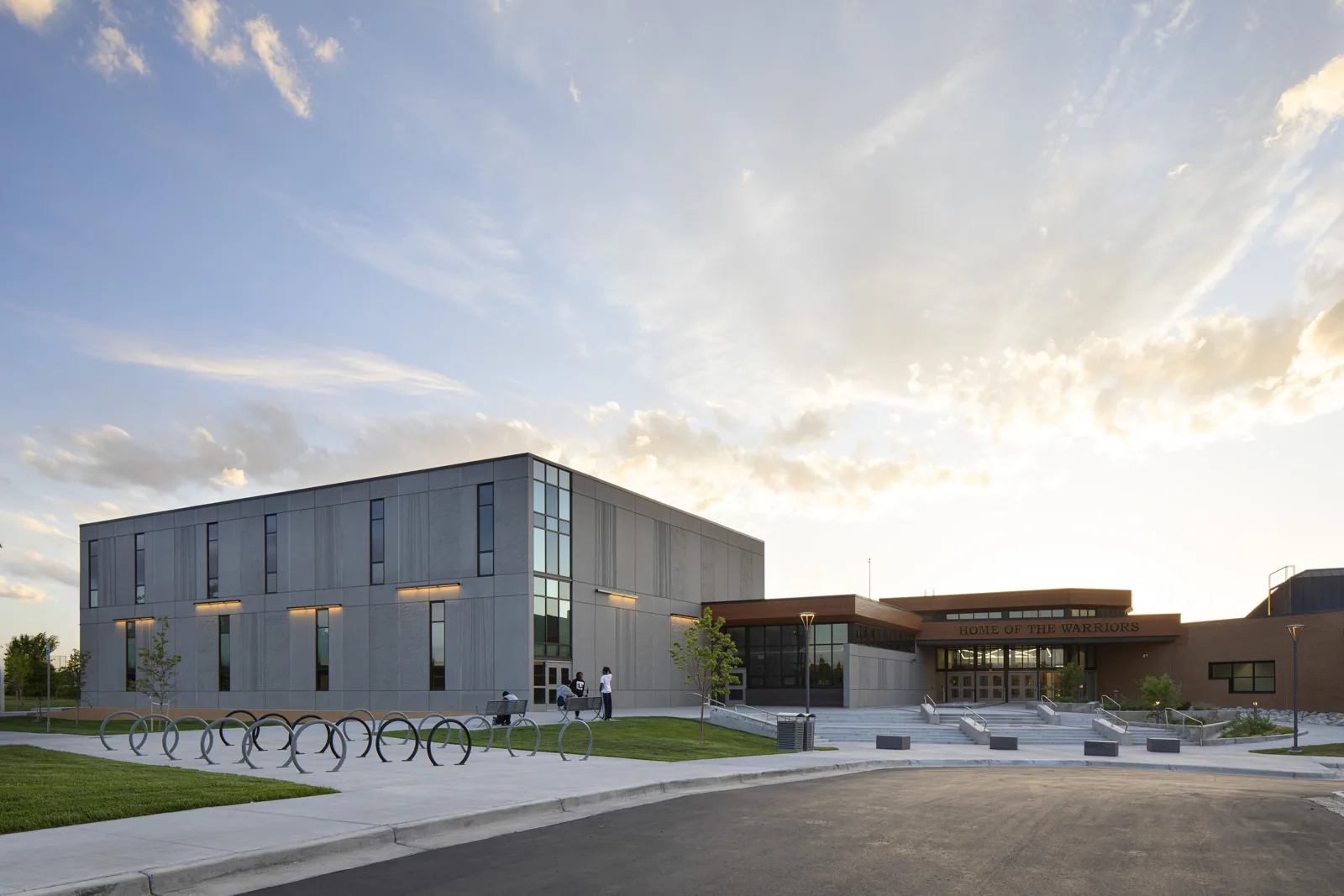
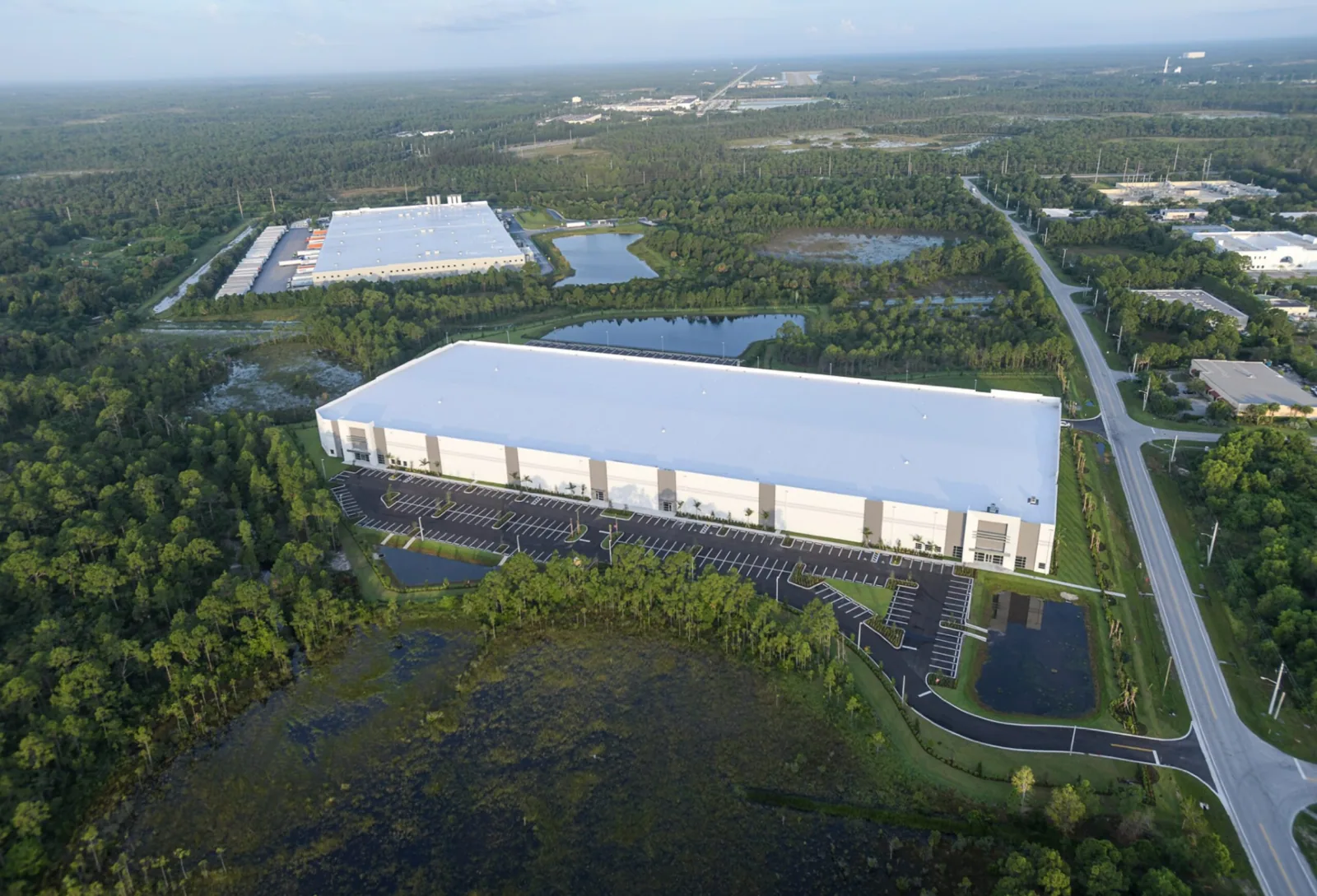
Work around here happens on large sites. The Bayport Industrial District covers about 7.3 square miles and hosts more than 60 chemical plants, Silver Eagle Distributors took 100 acres where Beltway 8 meets Highway 225 for a Budweiser distribution facility, and the Pasadena Arena & Convention Center on Fairmont Parkway is adding a 160,000 square foot arena. On a site like any of those, a superintendent is trying to keep a dry building ahead of the trades that follow.
Fix the Roof Scope in the Bid and Keep It Out of the Change Order
Most roofing change orders begin as a missing line in the original scope. Insulation thickness, cover board, tapered crickets, edge metal, roof hatches, wall flashing heights, blocking for rooftop units and who supplies each item all need a name beside them. We read the drawings, flag gaps before pricing and list exclusions in plain language so the general contractor can compare bids on equal footing.
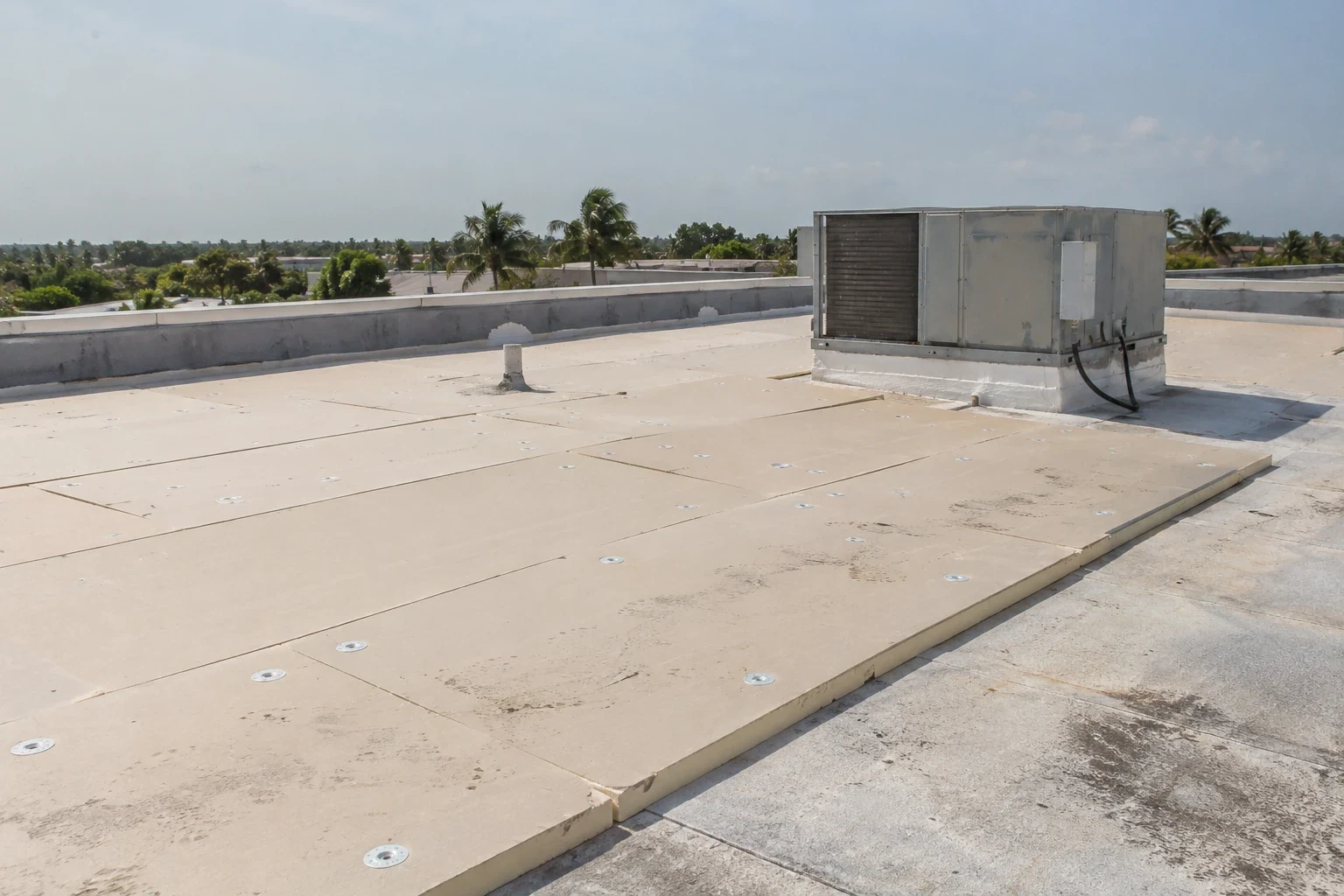
Details at the deck matter as much as the membrane. The insulation and cover board decision drives thermal performance, fire rating and wind uplift, and the mechanical sub's curb layout drives how many penetrations the roof must carry. Settling both before the shop drawings go out saves a rewrite later, and the written scope becomes the baseline for every pay application.
Set the Dry-In Date Before the Interior Trades Mobilize
Rain is a steady schedule item here, not an exception: Houston's wettest month is June, and its rainy days, about 104 a year, pile up through every season. A roof opened carelessly in that pattern can soak a freshly framed interior in one afternoon. So the schedule starts at the dry-in date and works backward: when the deck must be clean, when material arrives, how much membrane can close in a day and which sections go first over the spaces the other trades need soonest.
We agree on a forecast cutoff with the superintendent. If the afternoon cells build early, the crew stops opening new area and secures what is exposed. Interior trades then know their start date comes from a plan and not from hope, and the owner hears about a weather slip the same morning it happens.
Coordinate the Crane Pick, the Laydown Area and the Hot Work Permit
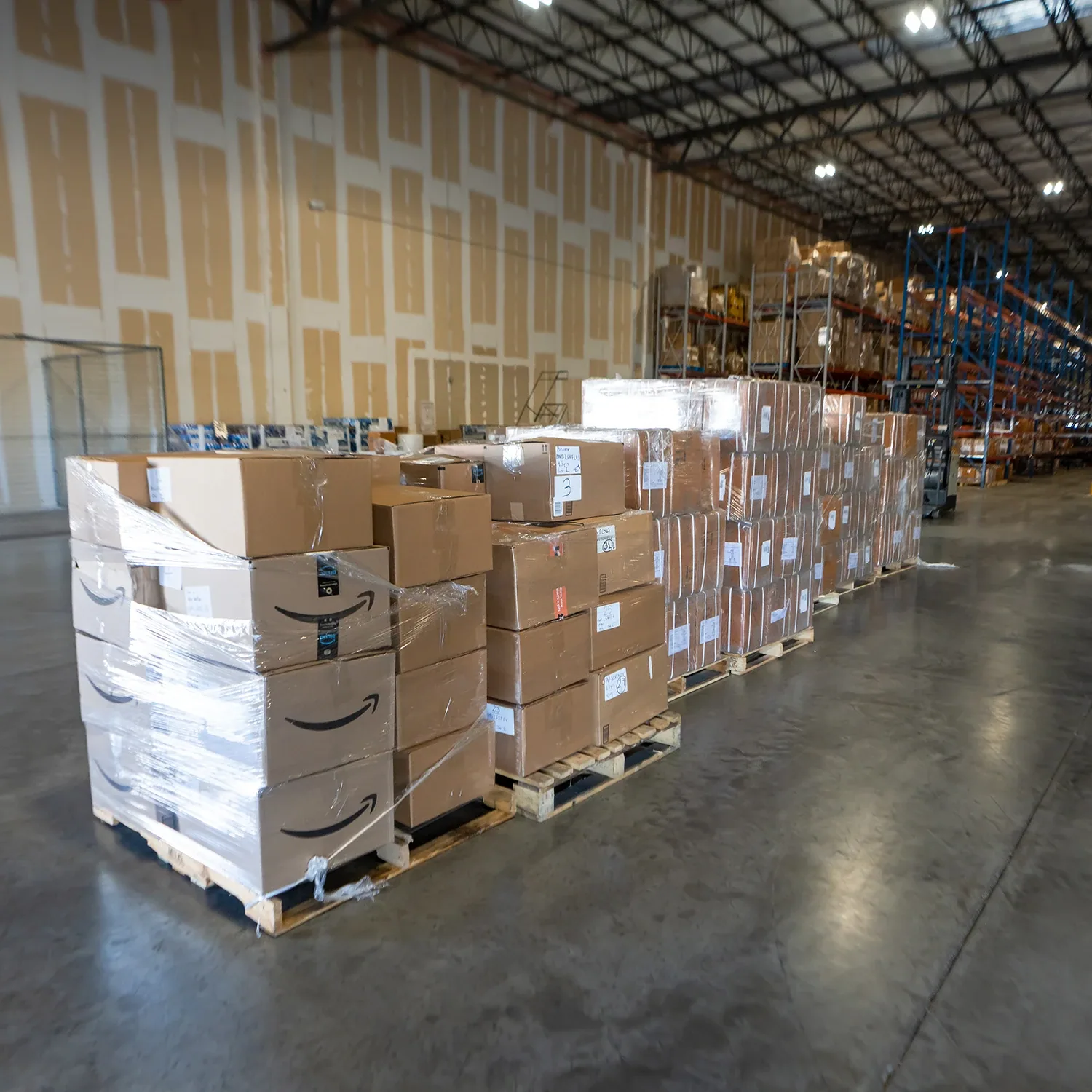
A roof crew shares the site with concrete, steel, mechanical and site-work crews, so the laydown area and the crane pick have to be agreed with the superintendent before mobilization. We submit a lift plan that shows where the crane sets up, which route the trucks take and how rolls, insulation and tanks reach the deck. Material staging is timed so the site is not full of pallets for a week before the roofers start.
Safety follows the general contractor's rules. Our crew attends the site safety orientation, works under the project's fall protection plan and files a hot work permit for any torch, heat gun or welding tool, with a fire watch after the last flame. Where an existing facility is next door, as in the Bayport Industrial District, we also coordinate with the owner's own plant safety rules.
Plan the Permit and Inspection Steps Before the Deck Is Closed
Any new building, addition or remodel that changes energy load in Pasadena has to show compliance with the 2024 IECC to the city's Permit Department, and the final energy inspection comes before anyone occupies the space. The roof is part of the energy file because its insulation value has to match what was submitted. The city also adopted the 2024 International Fire Code, effective January 19, 2026, so the plan set should be checked against the current edition before the roof drawings are released.
For sites east of SH 146, such as parts of Pasadena and La Porte, the windstorm program through the Texas Department of Insurance adds another inspection. We tell the general contractor which inspections apply and schedule our work so each one can happen while the area is still open, before a later trade covers it.
Tie In Rooftop Units and Tenant Changes Without Cutting the Sheet Twice
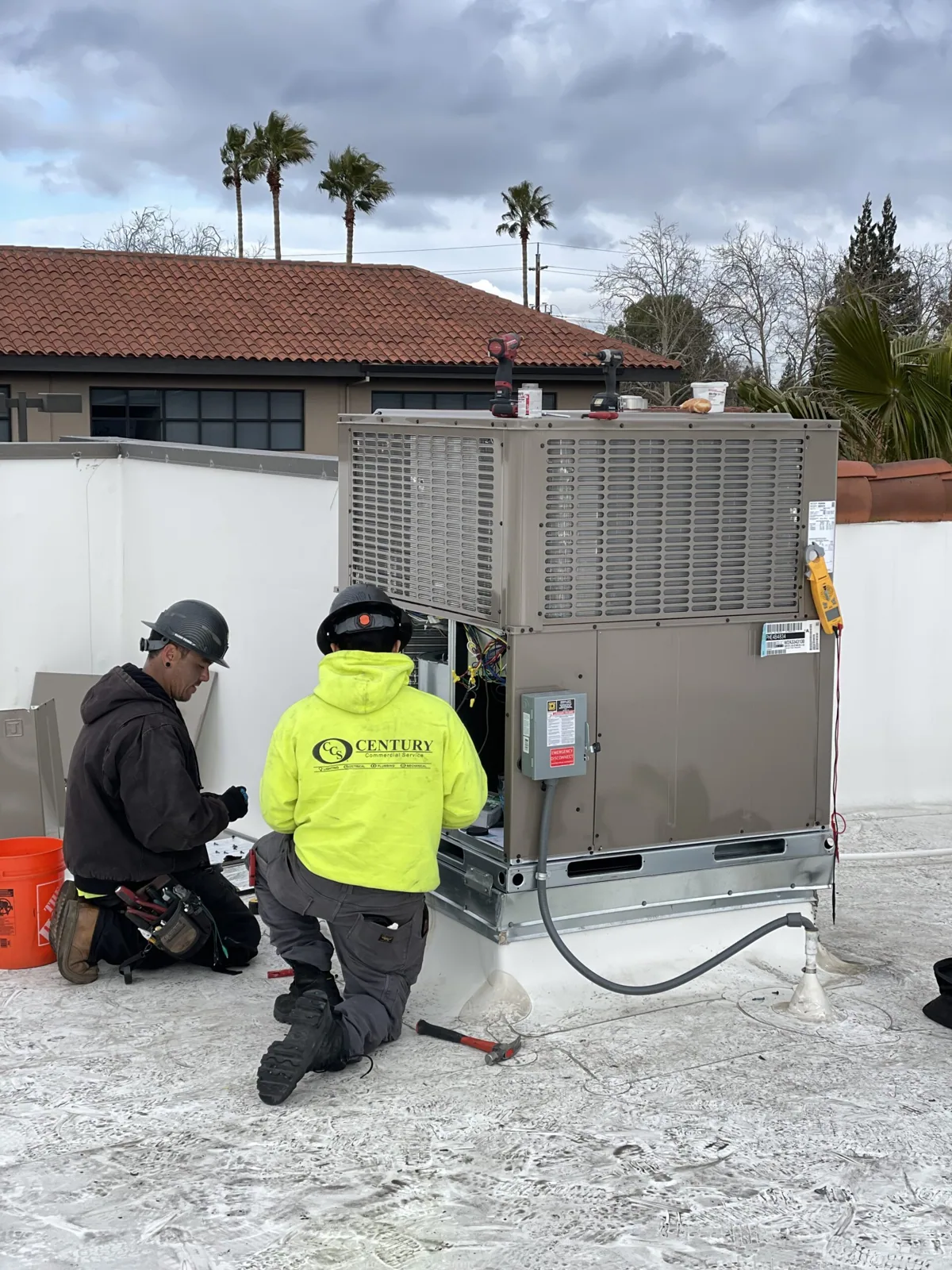
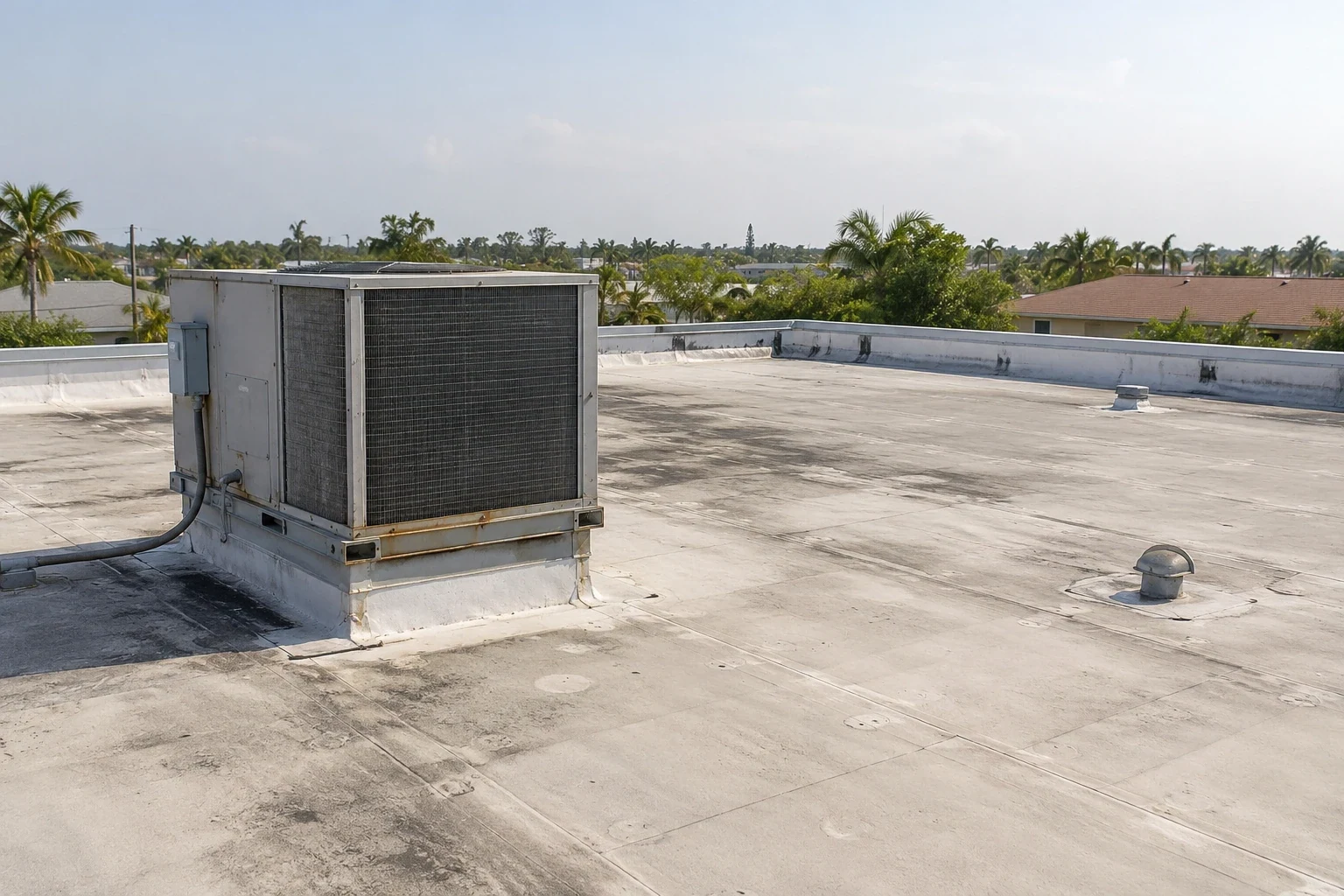
A building rarely keeps the equipment layout drawn on day one. A tenant adds an exhaust fan, the mechanical engineer shifts a unit, and a new antenna needs a mounting base. Every one of those changes is a hole in the roof or a weight on it. Rooftop equipment curbs and supports need to be set and flashed by the roofer, not the mechanical sub, so the membrane and the curb flashing form one continuous detail.
We keep a short list of agreed penetration locations and ask the general contractor to route any later change through us. A manufacturer or logistics building can add equipment after turnover, and a roofer on site that week can flash the new curb the day it arrives.
Hand Over a Closeout Package the Owner Can Maintain From
A roof is only finished when the owner can find out what is on it. Our closeout package includes the as-built roof plan, product data for each layer, dated photographs from tear-off to final flashing, the punch list sign-off and any inspection records. For buildings with a long operating life, a baseline roof condition report gives the owner a starting point for the first maintenance visit.
Storm history sits behind that package too. The January 2023 EF3 tornado crossed Fairmont Parkway at roughly half a mile wide, and the May 2024 derecho put estimated downtown Houston wind near 100 mph, so owners and carriers ask what edge details and attachment were used. A clear record answers that question years after the superintendent has moved on to the next job.
Commercial Roofing Questions
Do you bid to our specification or write a scope of your own?
Either route works. We price the plans and specs as issued, list every exclusion and call out gaps that would later become change orders. If the project has no roofing spec yet, we can propose a system and detail set that fits the building, the wind load and the energy code.
How much float should we carry between roof dry-in and the first interior inspection?
Build it around the weather, not around the roof area. In Houston's climate, where June is the wettest month and afternoon cells are common, a few days of float protects the interior trades from a single bad week. We give the superintendent a realistic closing rate for each day so the float is based on numbers.
Who files for the energy inspection and the windstorm inspection?
The permit holder usually carries the filing, and we supply the roofing information each inspector asks for: insulation values, attachment details and dated photographs. For a site east of SH 146, we also keep access open so the windstorm inspector can see the finished system.
What happens when the mechanical sub moves a rooftop unit after the roof is down?
A moved unit needs a new curb, new flashing and a patched deck, and the old opening has to be closed to the membrane's standard. Send the revised drawing before the crew leaves site and the work stays in the same visit. After closeout, it becomes a repair that needs its own mobilization.
Can a roofing partner hold a crew if the building envelope slips by three weeks?
A slipped envelope pushes the roofing start, and we rebook the crane pick and material staging against the new date. Notice matters more than the length of the delay, since trucks, rolls and tanks are scheduled ahead. Tell us when the date moves and we reset the sequence with you.
Keep Reading
Related Roofing Work in Pasadena
Walk the Site With Us Before the Steel Is Set
Send the drawings and the schedule, and we will walk the site with your superintendent so the roofing sequence, lift plan and dry-in date fit the project from the first meeting.